The bathroom is one of the most frequently used rooms in the home, second only to the kitchen. With the right materials and thoughtful design, even a small bathroom can become a calm, beautiful retreat. Choosing the right flooring is one of the most powerful ways to shape a bathroom’s look, safety, and value. Below are practical, stylish and inspiring bathroom floor ideas to help you plan a space that feels personal, safe and timeless.
One important safety tip when selecting flooring: avoid highly slick surfaces. Water is the main challenge in bathrooms, and wet floors can be hazardous. Opt for matte, textured or non-slip tiles, or add a washable bath rug to improve grip and define zones in smaller bathrooms.
Bathroom flooring is not limited to ceramic tile. Below we explore laminate and engineered options, natural stone and porcelain, geometric patterns, rustic choices and minimal, spa-like looks. Each option is presented with practical considerations and design tips to help you choose the best fit for your home.
Laminate Flooring
Laminate offers an economical way to achieve the look of hardwood or natural stone while providing a wide range of finishes and patterns. Modern laminate has a photographic top layer that realistically mimics wood grain, slate, marble and travertine. For bathrooms, choose moisture-resistant or water-rated laminate and ensure seams are properly sealed to prevent water intrusion.
Laminate Hardwood Look
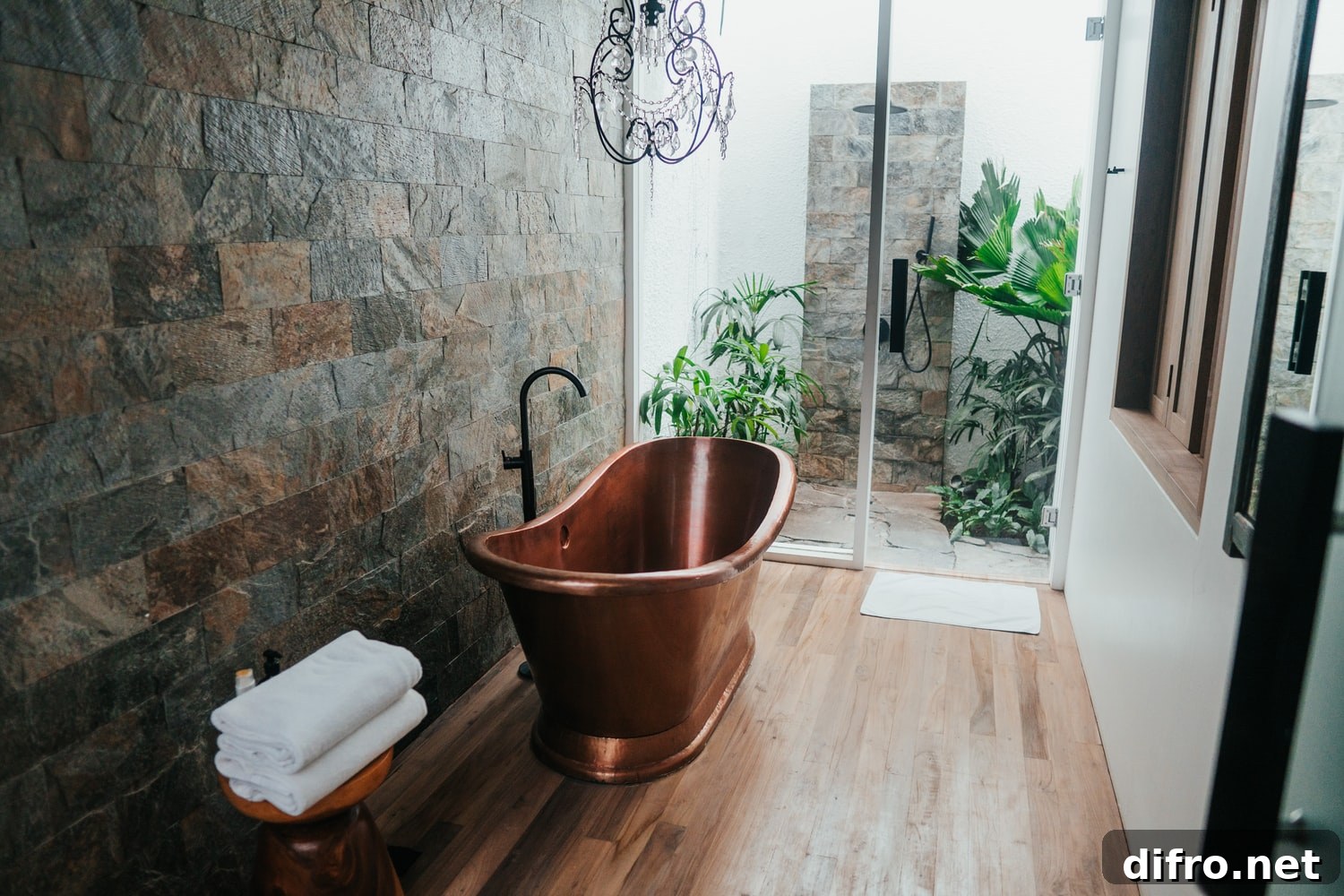
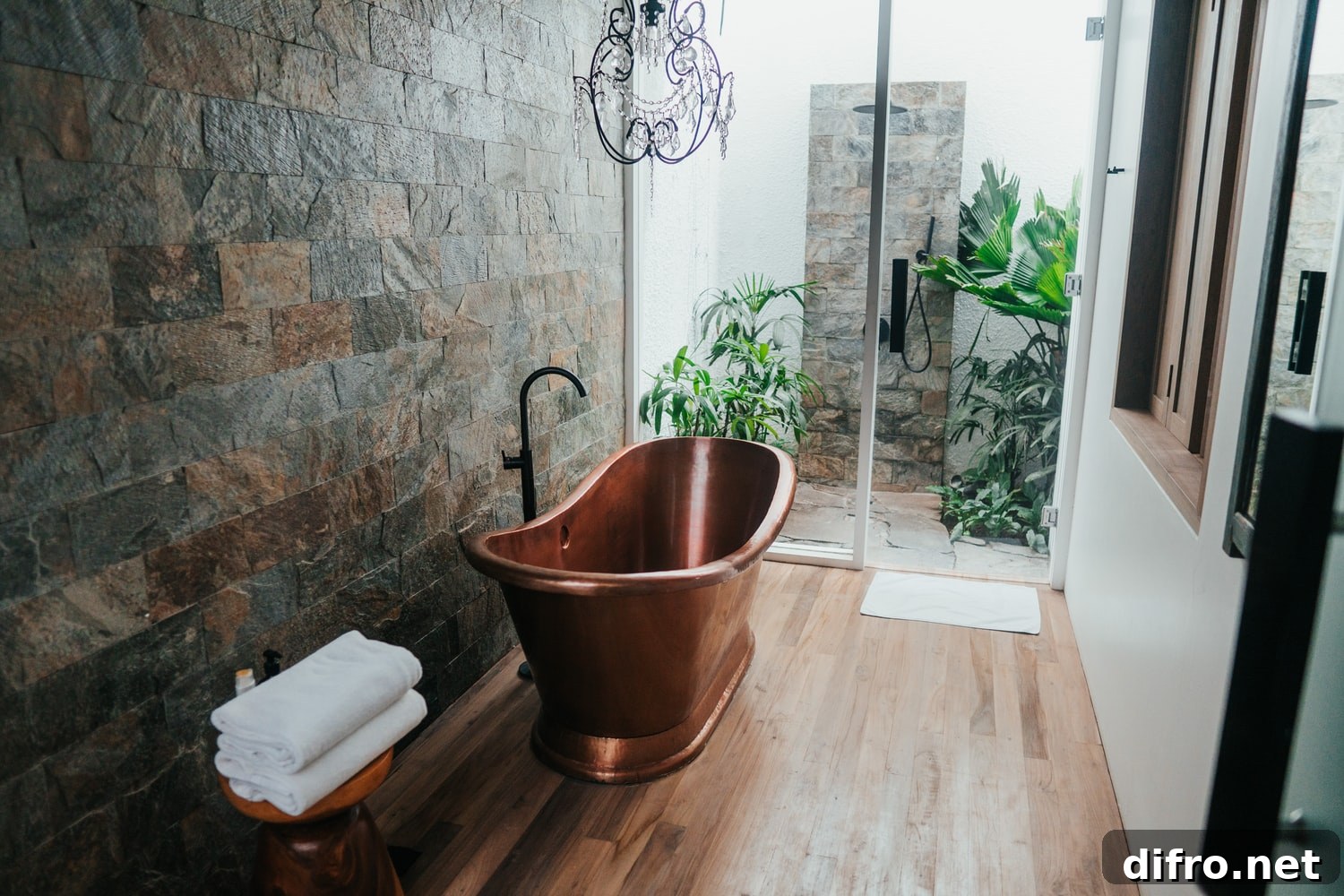
Hardwood-look laminate brings warmth and texture without the cost and maintenance of real wood. Pair it with neutral walls and metal fixtures to add depth while keeping the room balanced.
Neutral-Color Laminate
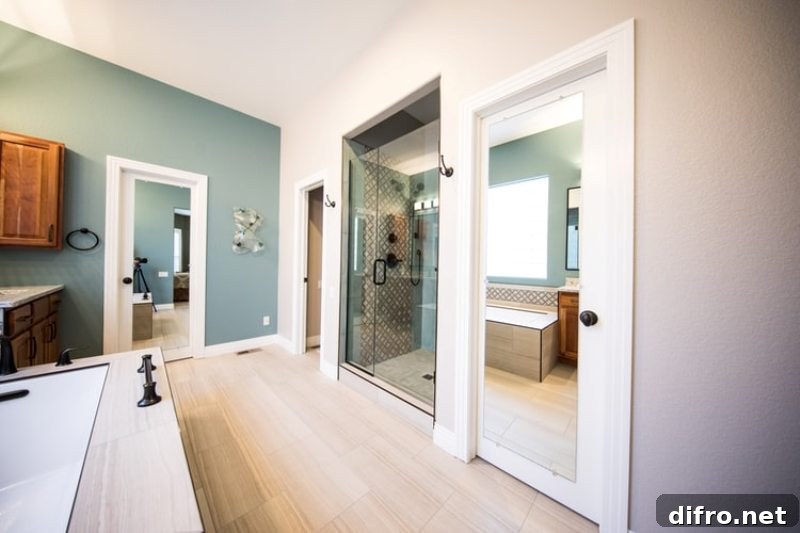
Light, neutral laminate can visually expand a small bathroom. Whitewash or pale wood tones reflect light and make mirrored and glass surfaces feel more open and airy.
Earth-Tone Laminate
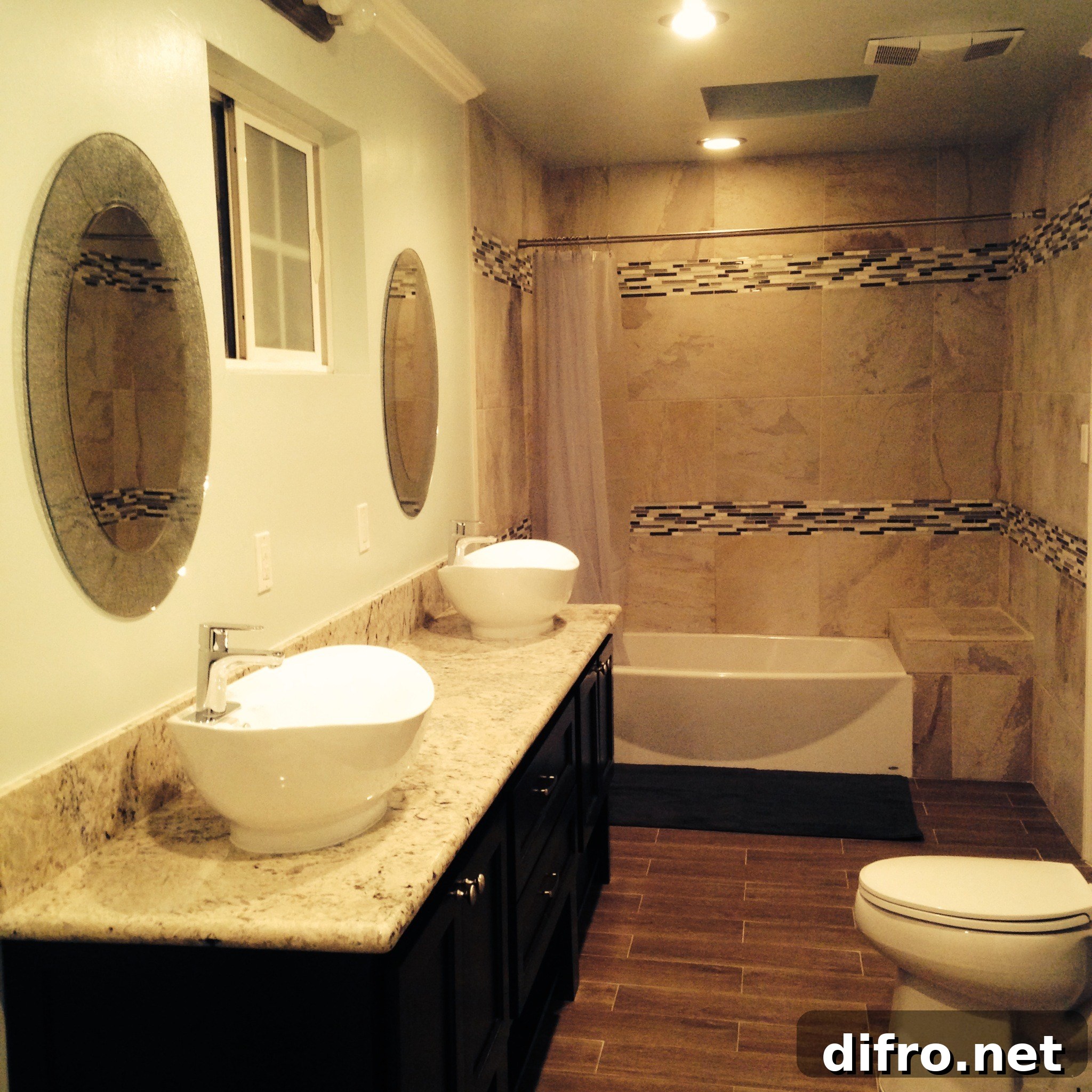
Warm earth tones and textured laminate create a relaxed, natural atmosphere. Subtle textures avoid visual overload while adding visual interest and a grounded, versatile base for varied décor.
Natural Stone and Ceramic Flooring
Natural stone, ceramic and porcelain remain popular for bathroom flooring because they are durable, attractive and add perceived value to a home. Stone and ceramic come in many finishes and can be treated to improve slip resistance.
Marble for Luxury
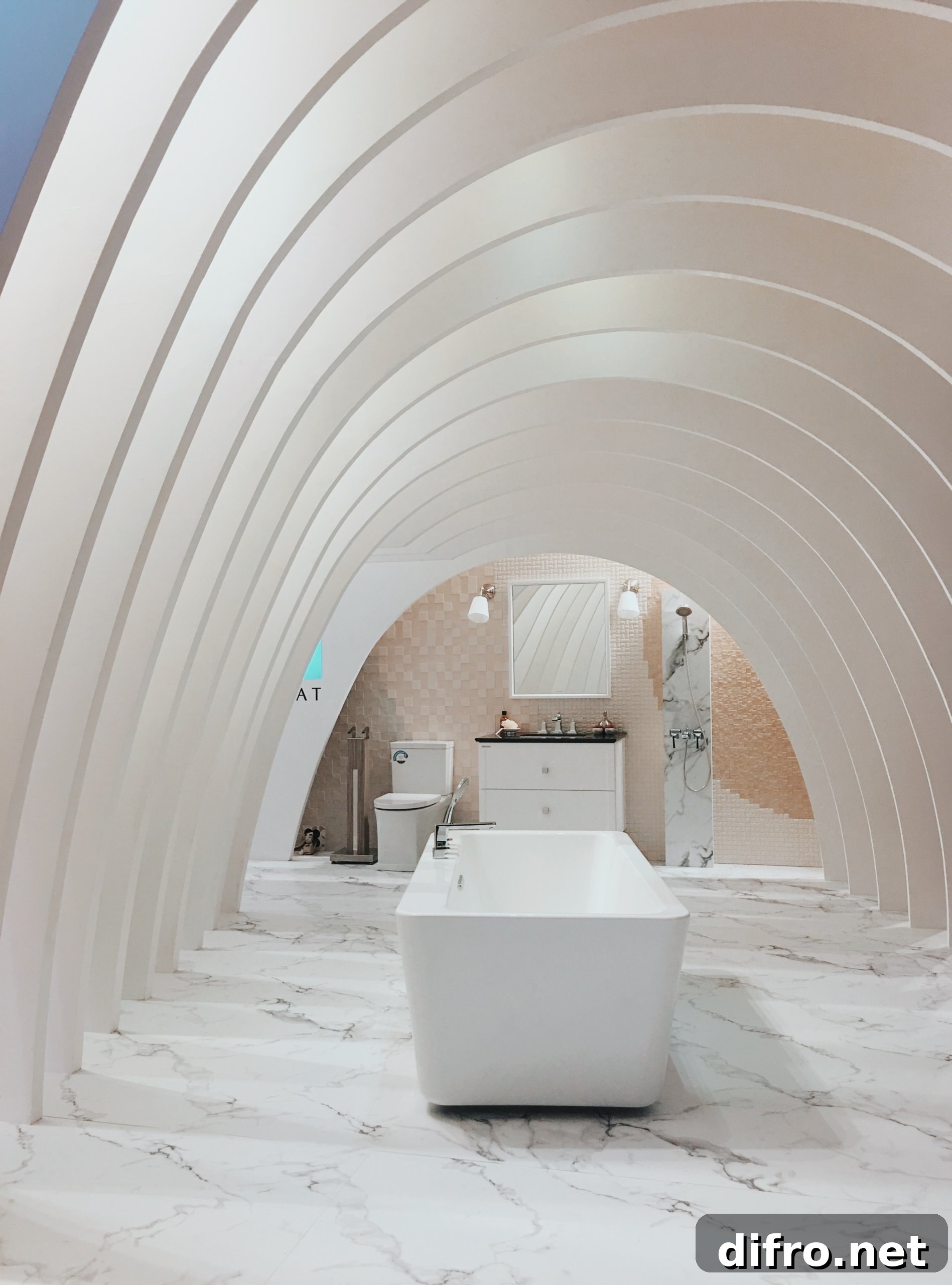
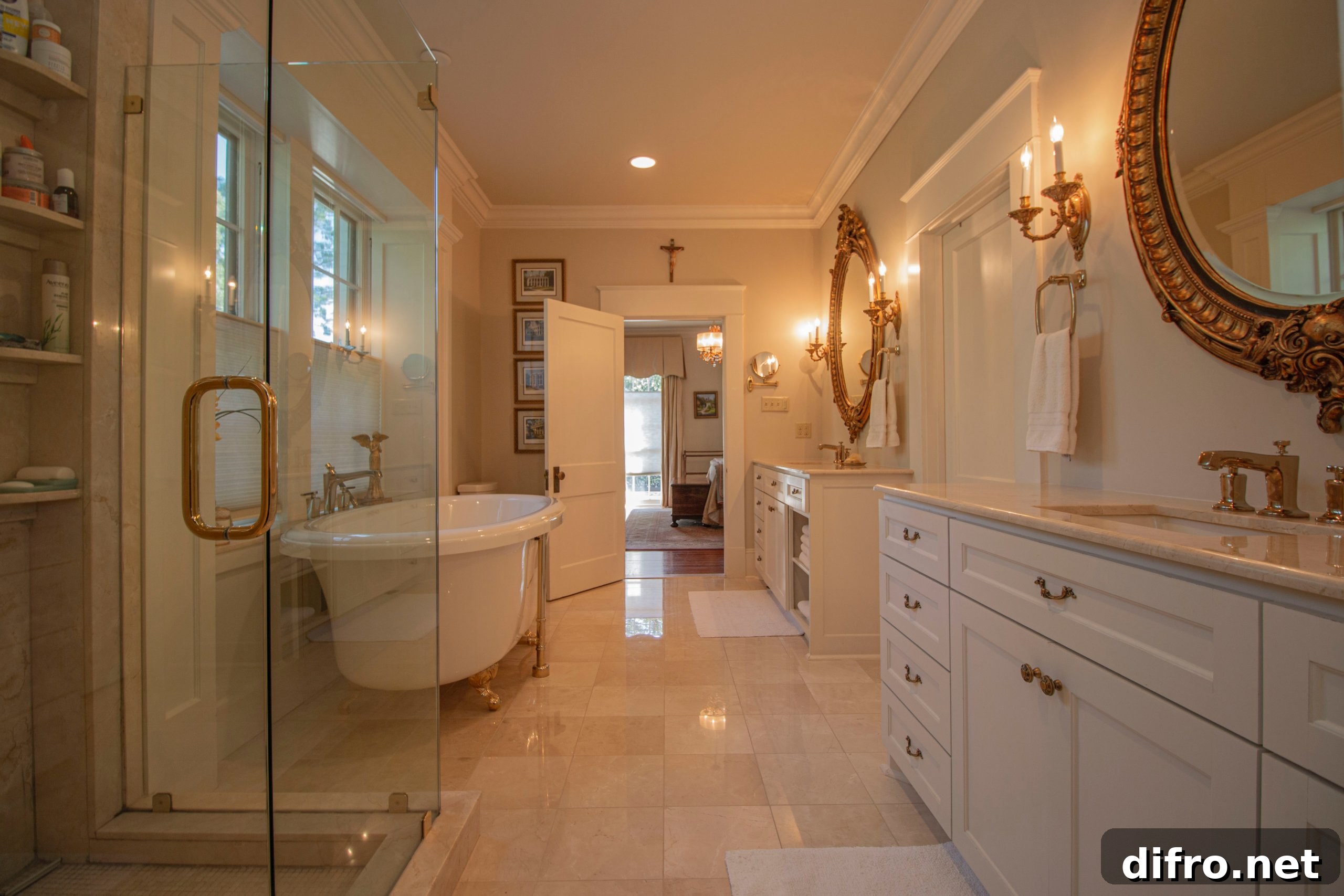
Marble offers an elegant, timeless look with natural veining that elevates a bathroom into a sophisticated space. Pair marble floors with neutral walls for a clean, high-end aesthetic.
Durable Granite Alternatives
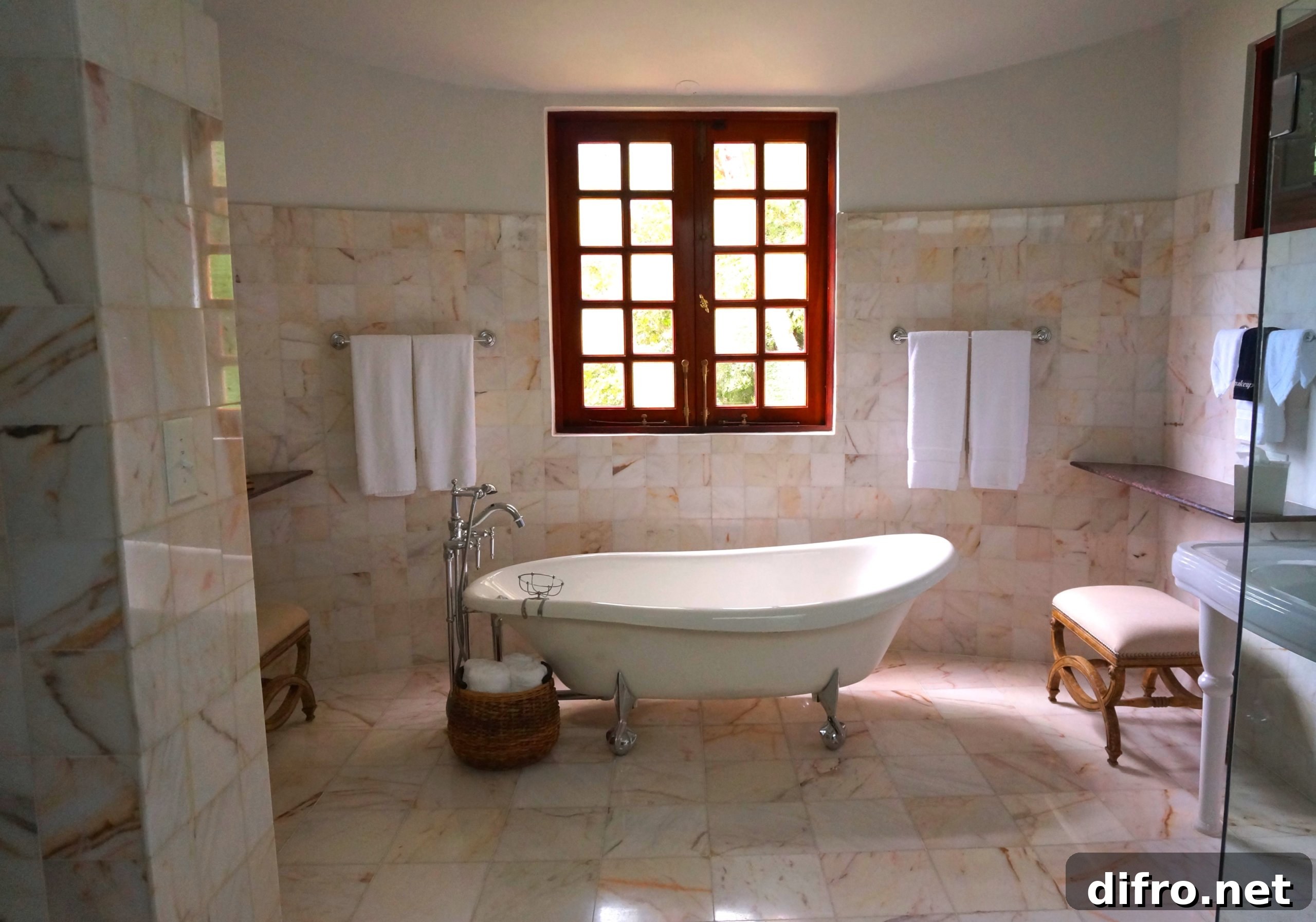
If you love the look of stone but need extra durability, granite or porcelain tiles with stone patterns are scratch-resistant and practical for high-traffic bathrooms.
Marble and Ceramic Combinations
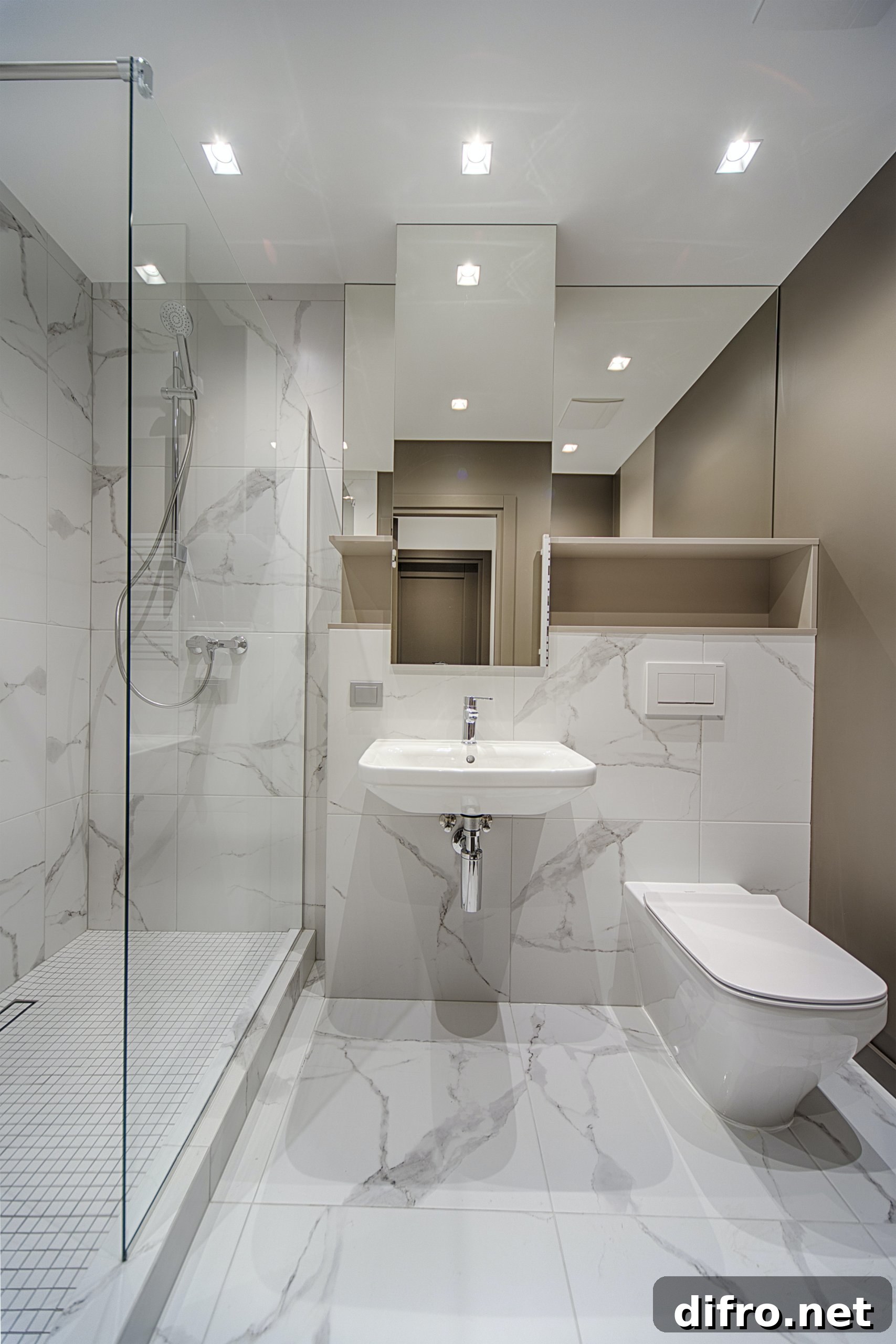
Using marble on floors and walls can create a seamless, spa-like feel. Break up large expanses with small-format tiles or subtle geometric patterns in wet areas to add texture and prevent monotony.
Ceramic Mosaic
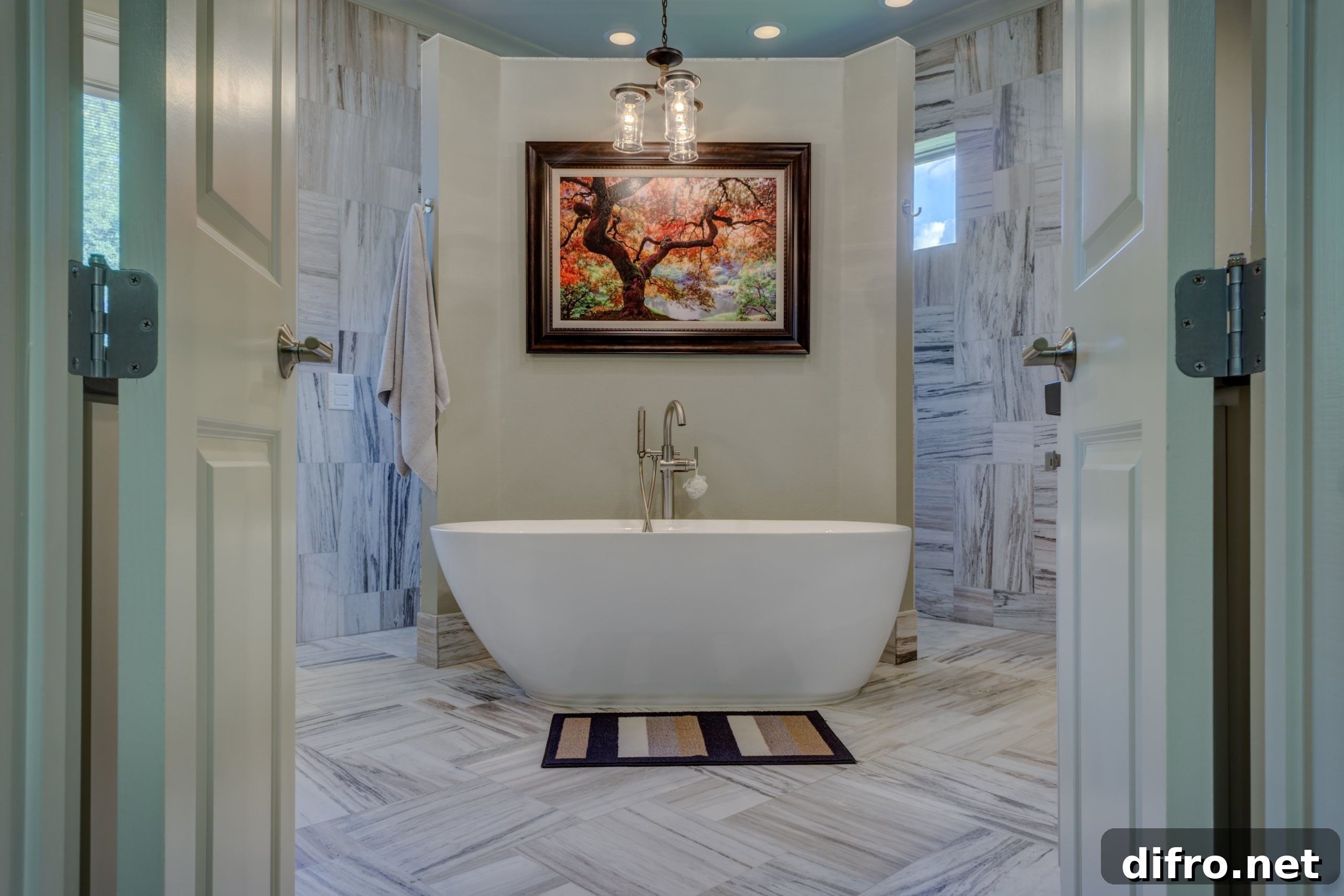
Mosaic tiles allow for delicate patterns and subtle veining that feel refined without overwhelming the space. Consider mosaics for shower floors, niches or an accent band around the room.
Geometric and Patterned Floors
Adding geometric shapes or bold patterns can personalize a bathroom and create a memorable focal point. Patterns can be scaled to suit both spacious and compact layouts.
Neo-Classical Geometry
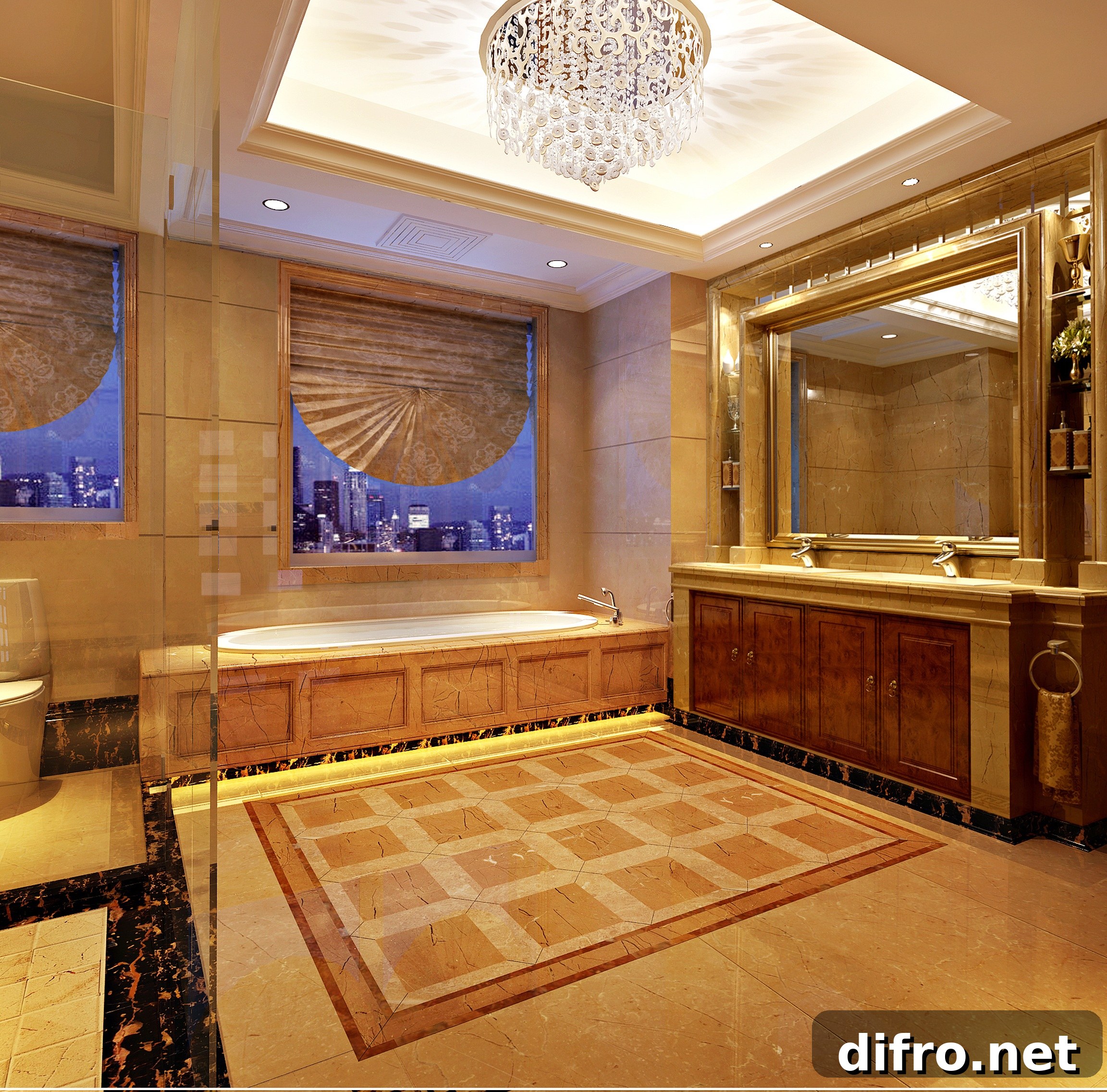
Classic geometric patterns, combined with warm metallic accents, balance opulence and grounded design. Square patterns add structure that complements ornate fixtures.
Colorful Checkerboard
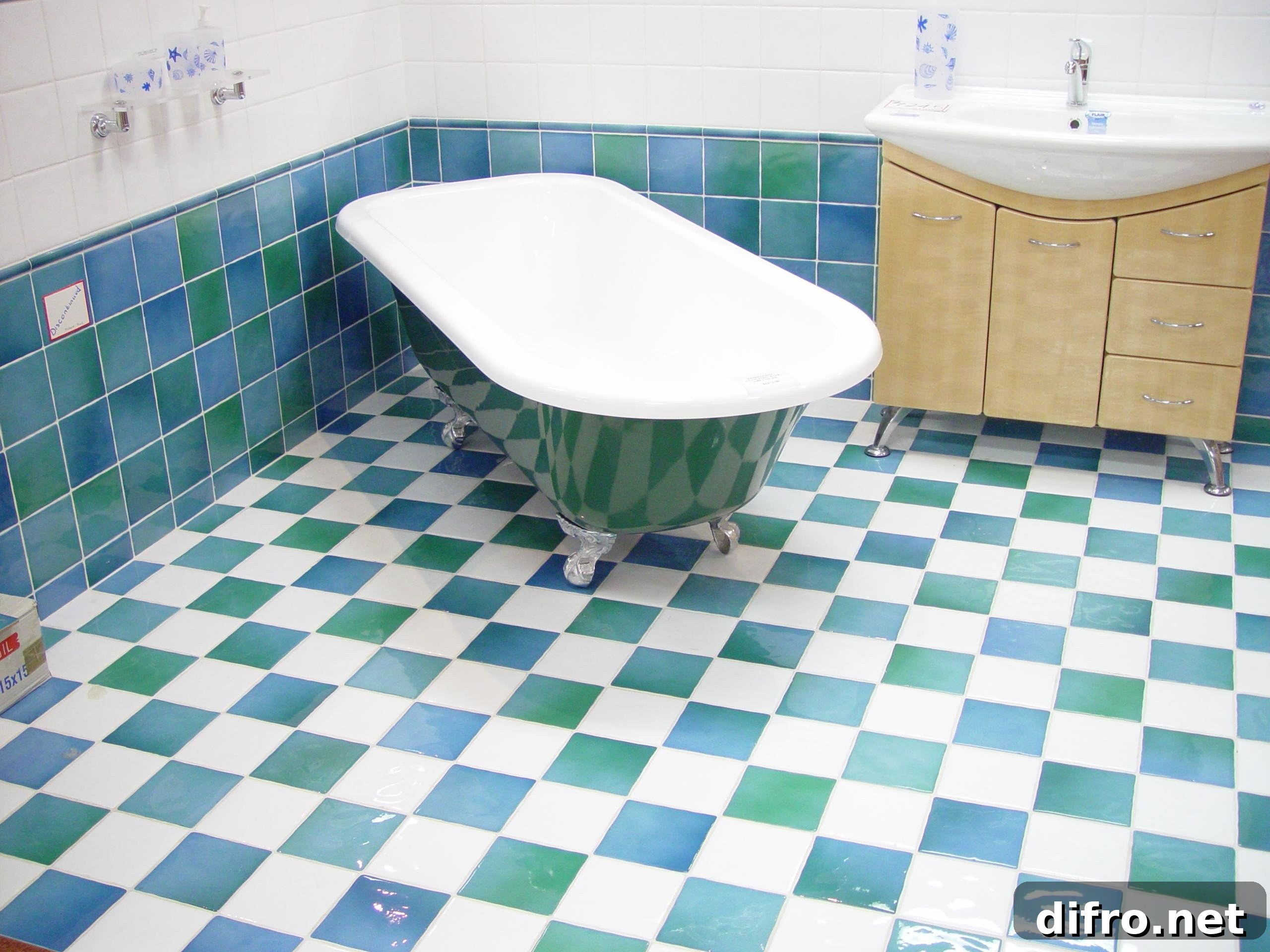
Checkerboard designs don’t have to be monochrome. Gradients or varied hues can visually widen a narrow bathroom and create an energetic focal point.
Hexagon Terracotta
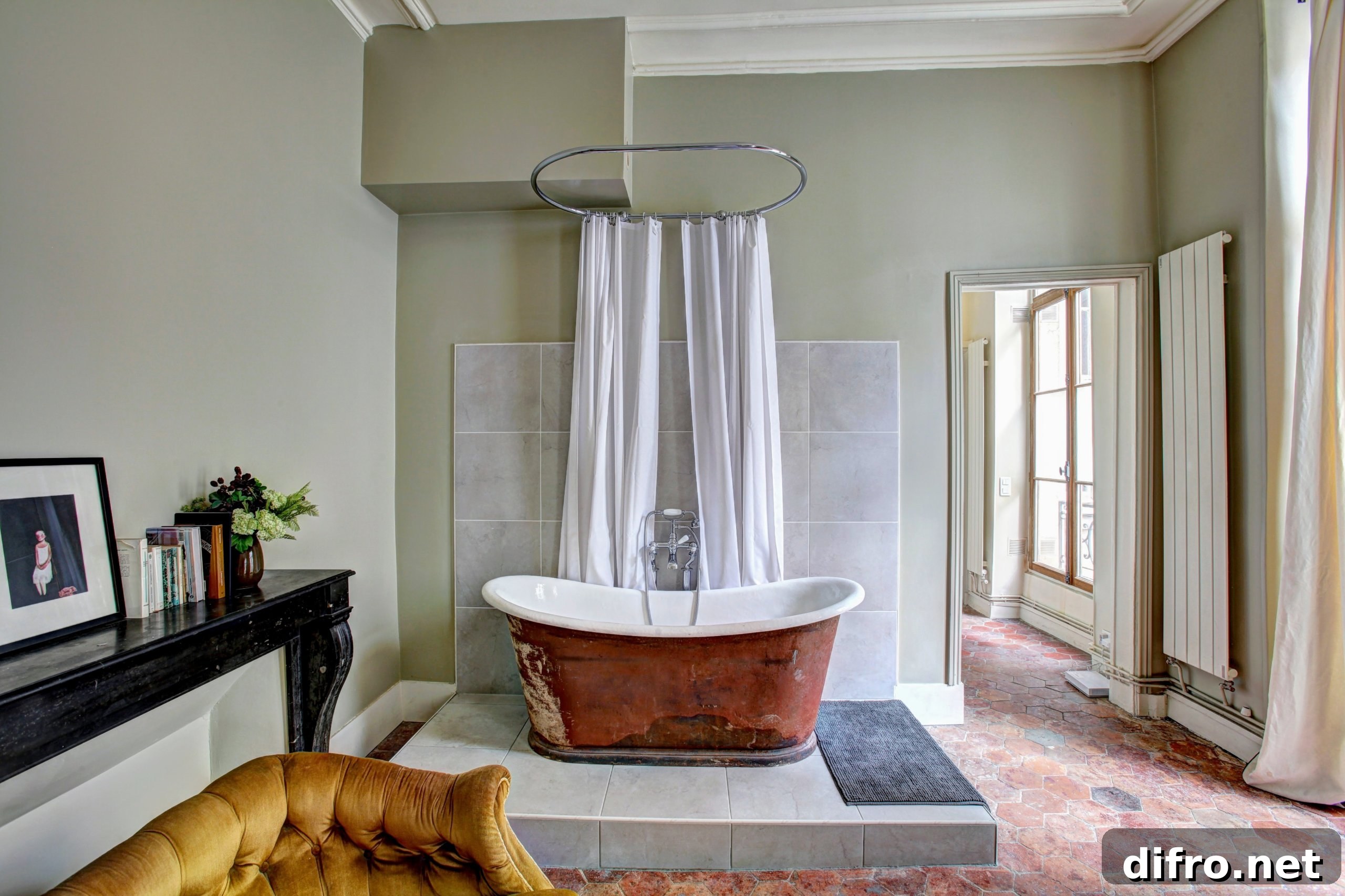
Hexagon terracotta tiles offer a vintage-meets-modern charm. Their warm tones and honeycomb geometry feel both nostalgic and current, pairing especially well with classic fixtures.
Rustic and Idyllic Flooring
For a cozy, countryside vibe, rustic floors—whether engineered wood, cobblestone or patchwork tiles—add character and warmth. Properly selected and installed, these choices can be practical and water-resistant.
All-Wood Bathroom
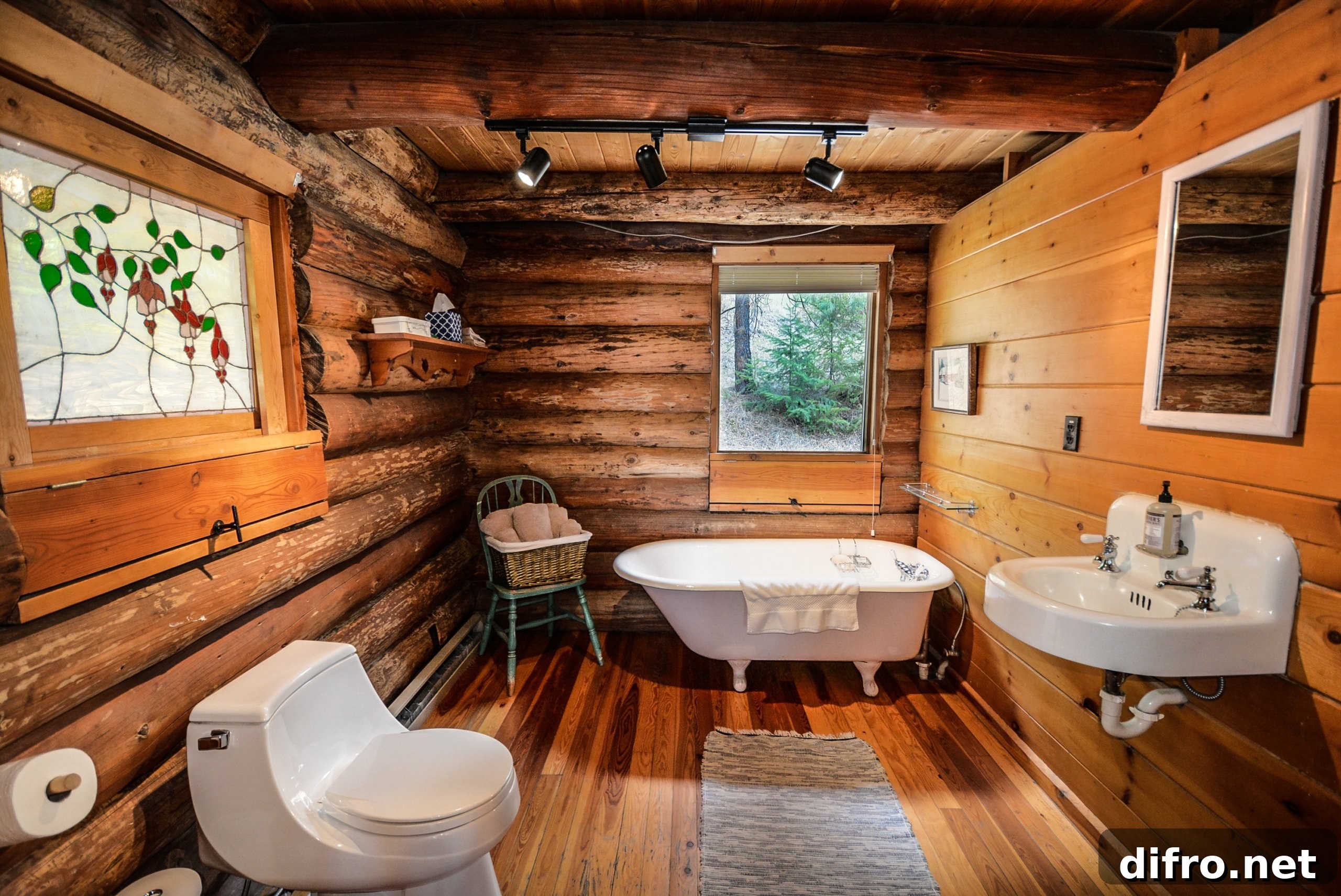
Engineered hardwood or water-resistant wood-look flooring can deliver the warmth of timber without the risk associated with solid wood. Balance the wood with light fixtures to avoid a heavy, enclosed feeling.
Paved Cobblestone
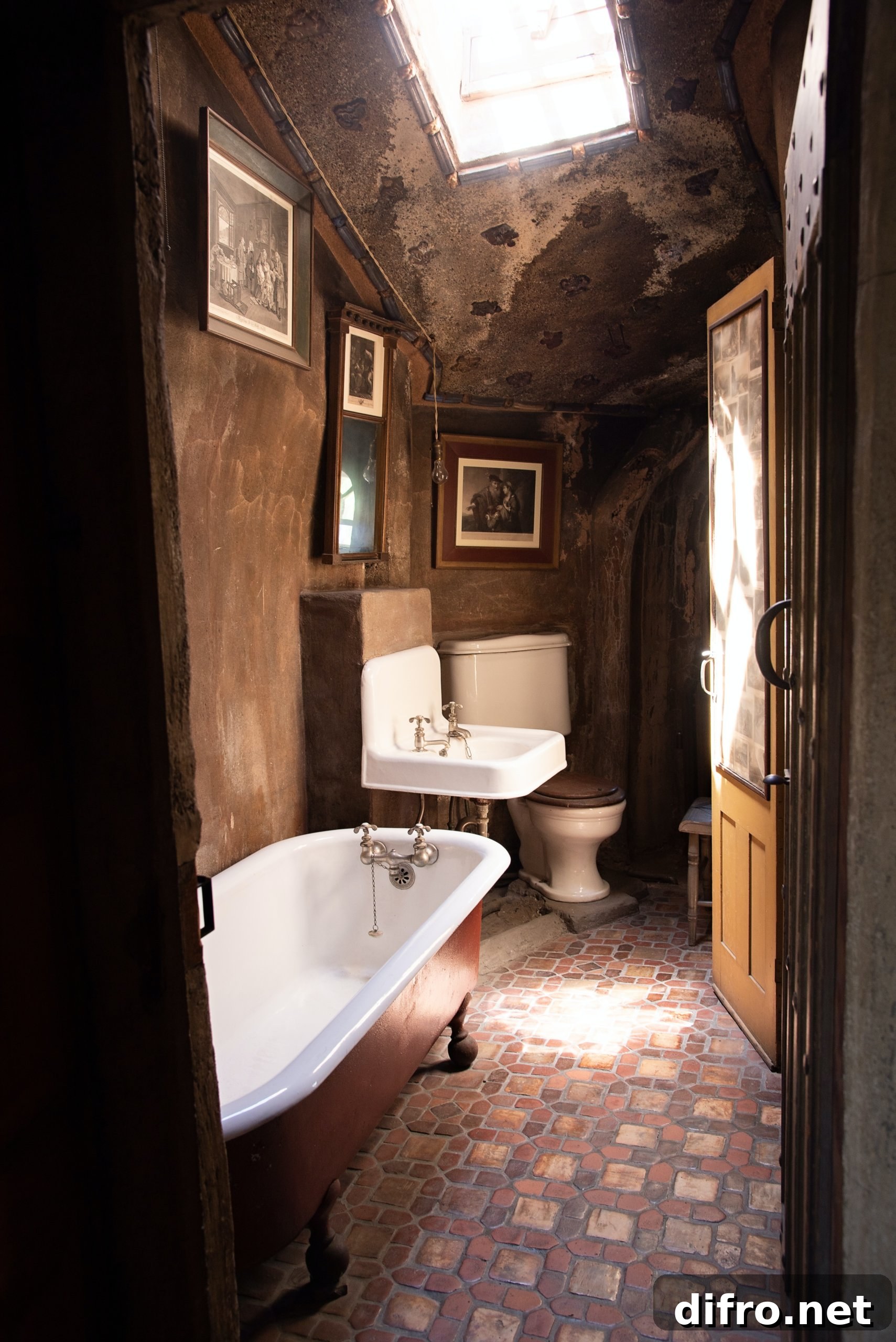
Cobblestone or textured pavers bring an outdoor, organic feeling indoors. Use them in rustic or Mediterranean-inspired bathrooms, pairing with simple modern fixtures to keep the look fresh.
Patchwork and Mixed Tiles
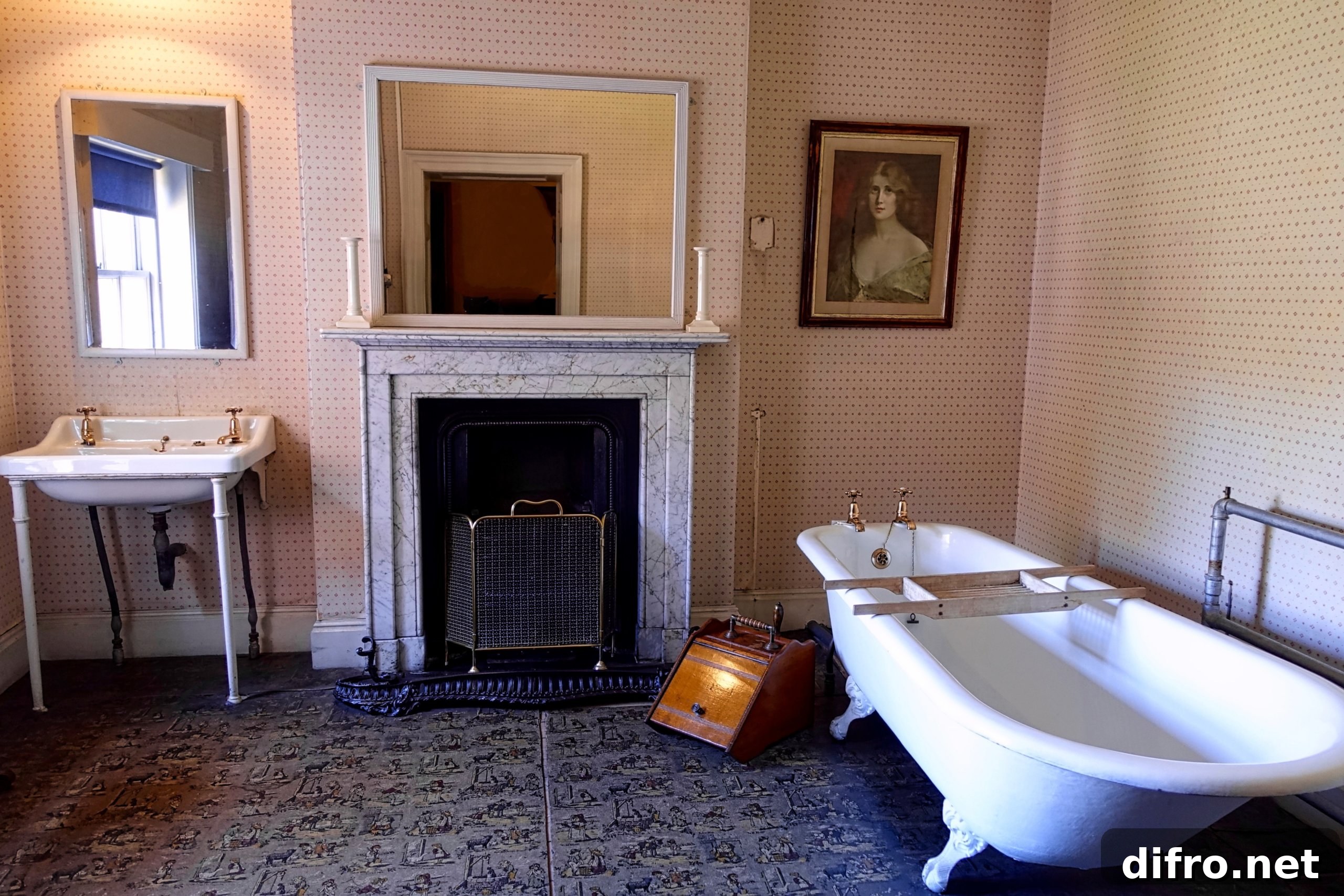
Patchwork tiles create an artisanal, lively floor that reads as unique and handcrafted. They’re ideal for statement powder rooms or as an accent field in larger spaces.
The Versatility of Bath Rugs
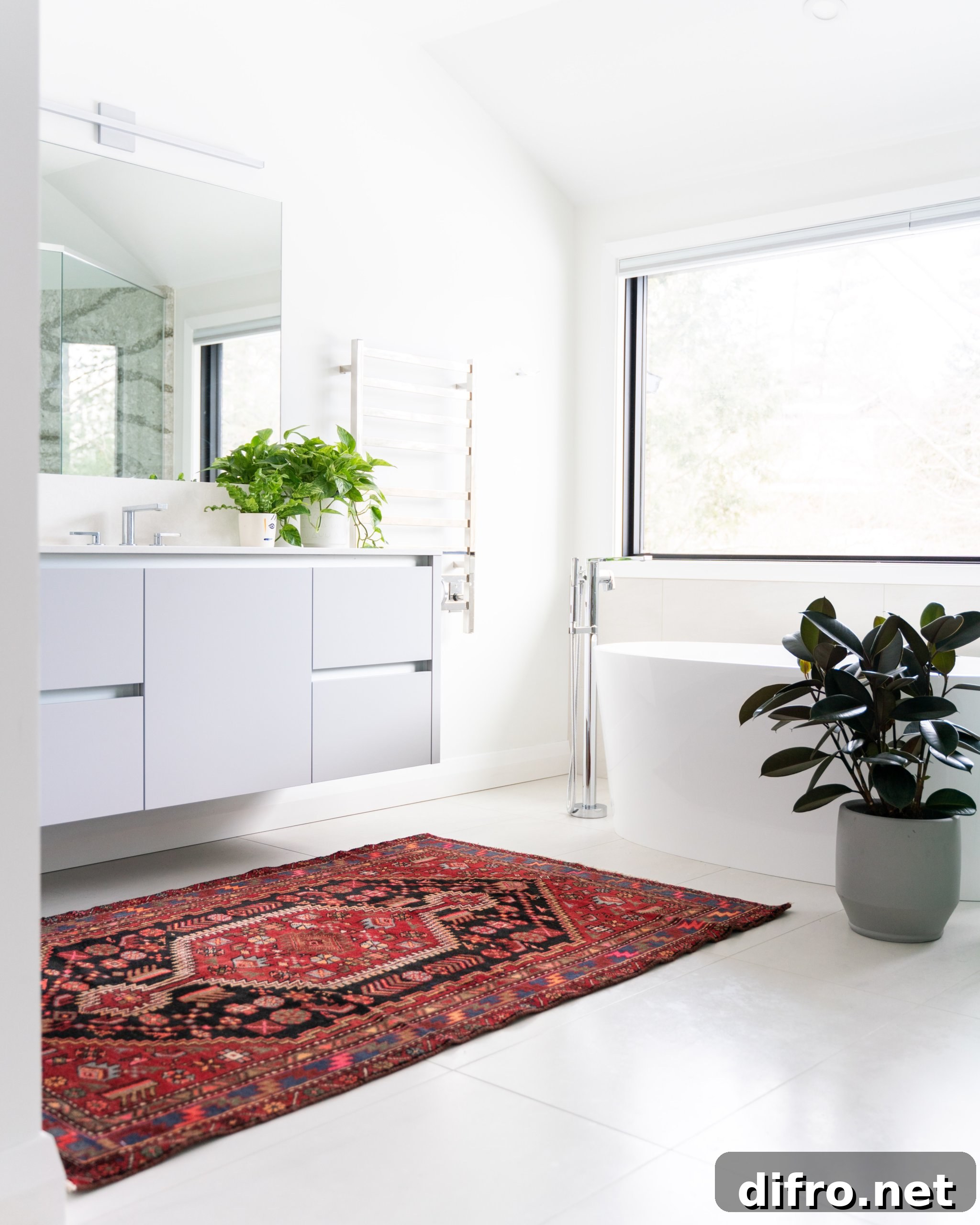
Bath rugs are an inexpensive way to add color, texture and slip resistance. They can soften white rooms, create focal points and protect slippery floors while being easy to update or replace.
Minimalist and Spa-Like Floors
Minimalist bathrooms emphasize calm and simplicity. Seamless large-format tiles, muted palettes and natural textures create a tranquil, luxurious feel that reads clean and modern.
Wide Tiles for Illusion of Space
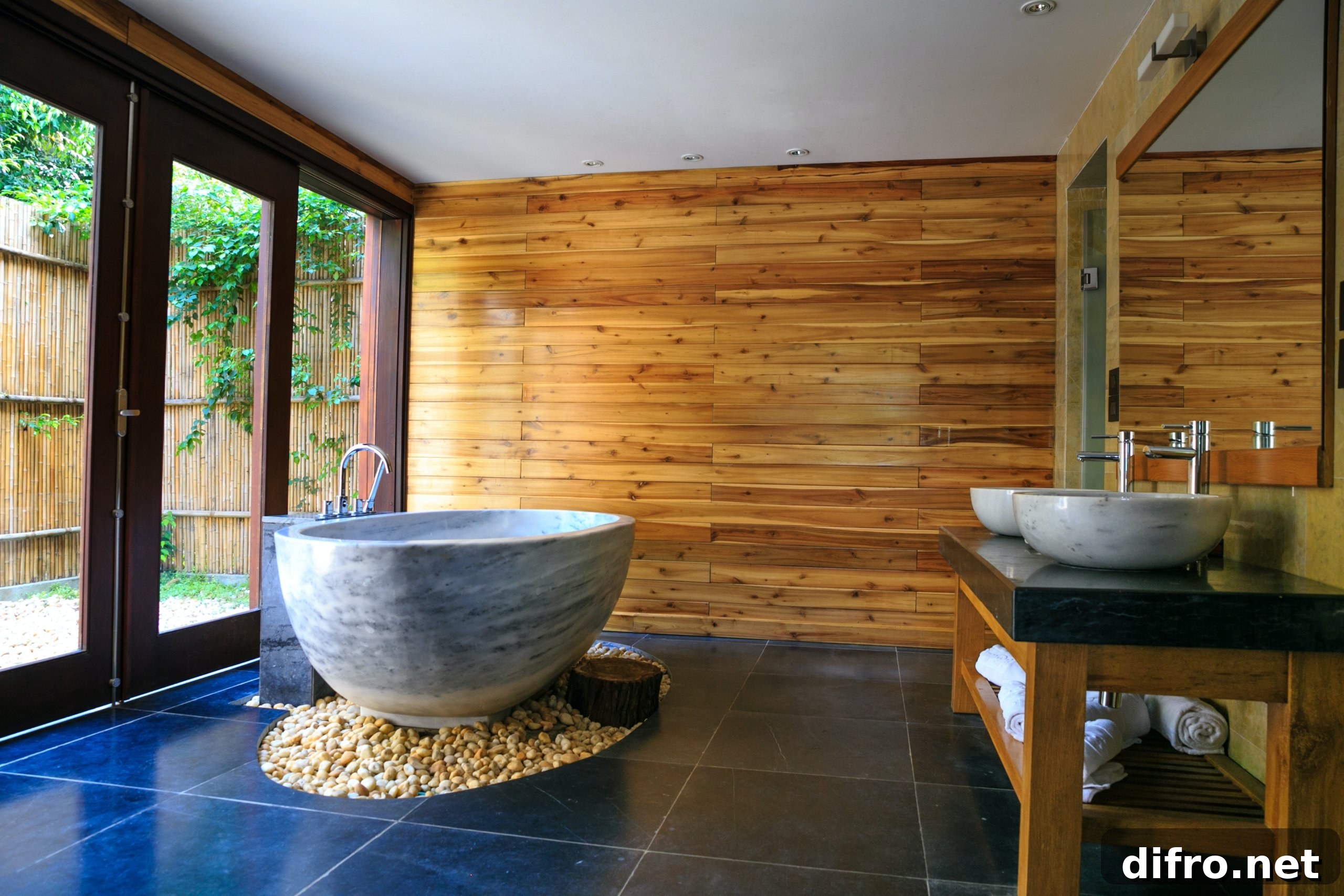
Wide-format tiles reduce grout lines and visually enlarge a room. They are especially effective in bathrooms with large fixtures where a seamless floor supports an airy, open feel.
Subdued Hues and Plank Strips
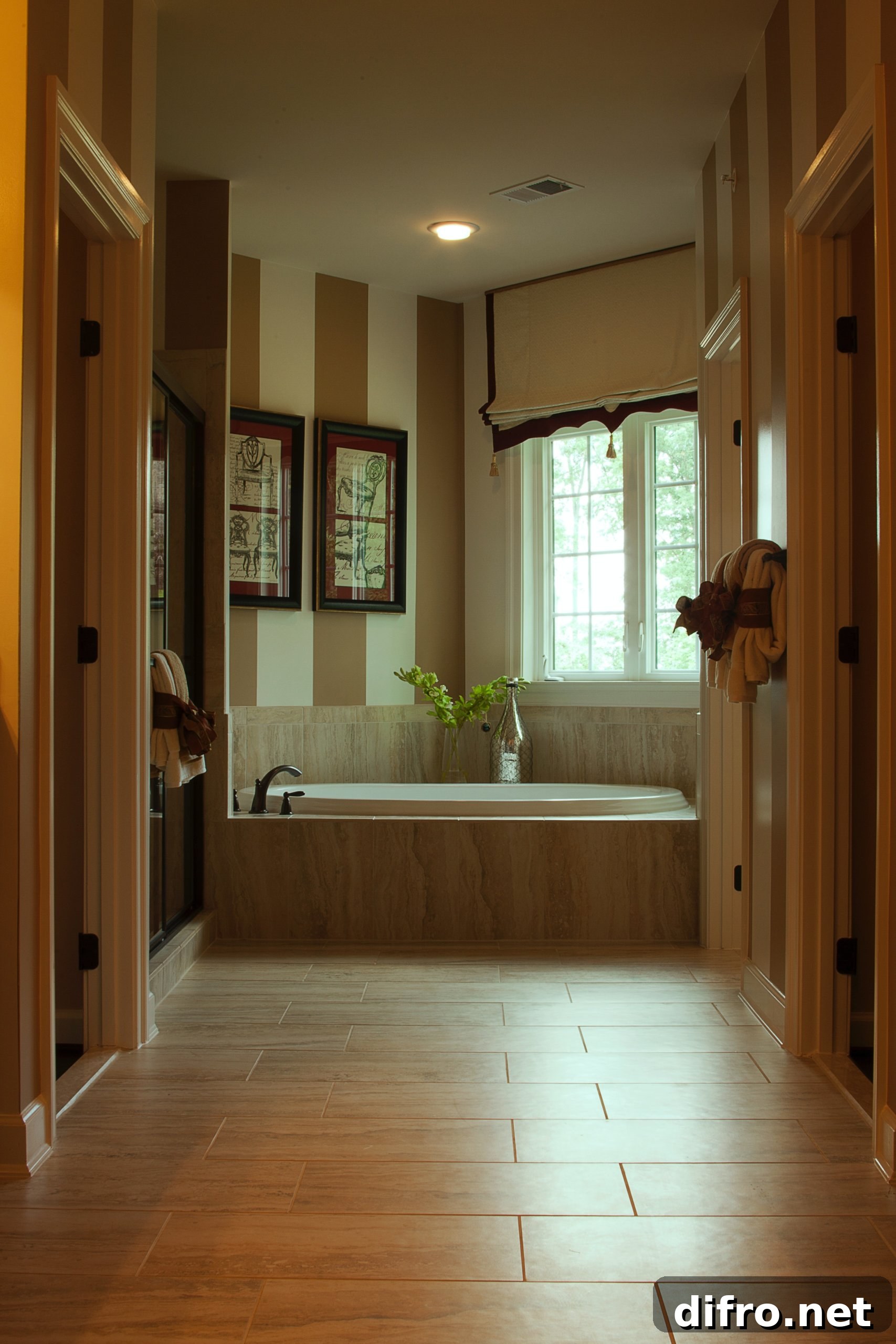
Soft, caramel and stone-gray hues are staples of minimalist design. Plank-style tile or subtle strip patterns unify the floor and create a calm foundation for thoughtfully chosen fixtures and art.
Takeaway
Flooring is the foundation of bathroom design: it sets the mood, influences safety and can increase your home’s value. Whether you choose laminate, stone, patterned tiles, rustic materials or a minimalist palette, prioritize slip resistance, durability and proper installation. With thoughtful selection, your bathroom floor can turn a practical room into a cherished, beautiful space where each day begins and ends.