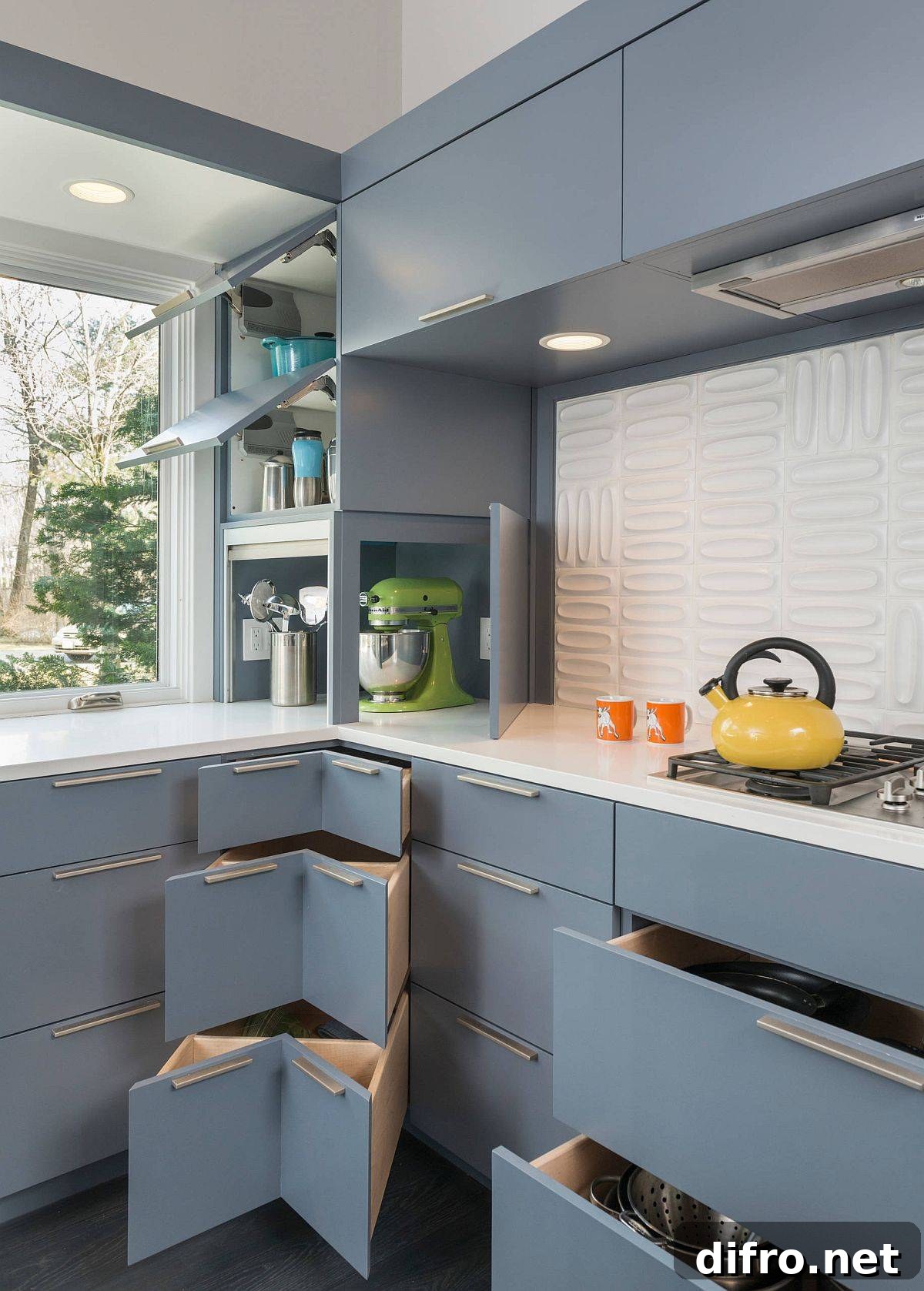
Space is the one commodity in home design that always feels scarce. Whether you live in a generous house or a compact city apartment, we all wish for a bit more room—especially in the kitchen. In larger homes, you can often solve layout problems with clever planning; in small kitchens, options are far more limited and require creative, space-saving strategies. Below are practical design ideas and organizational solutions that make the most of tight kitchen footprints while staying on trend.
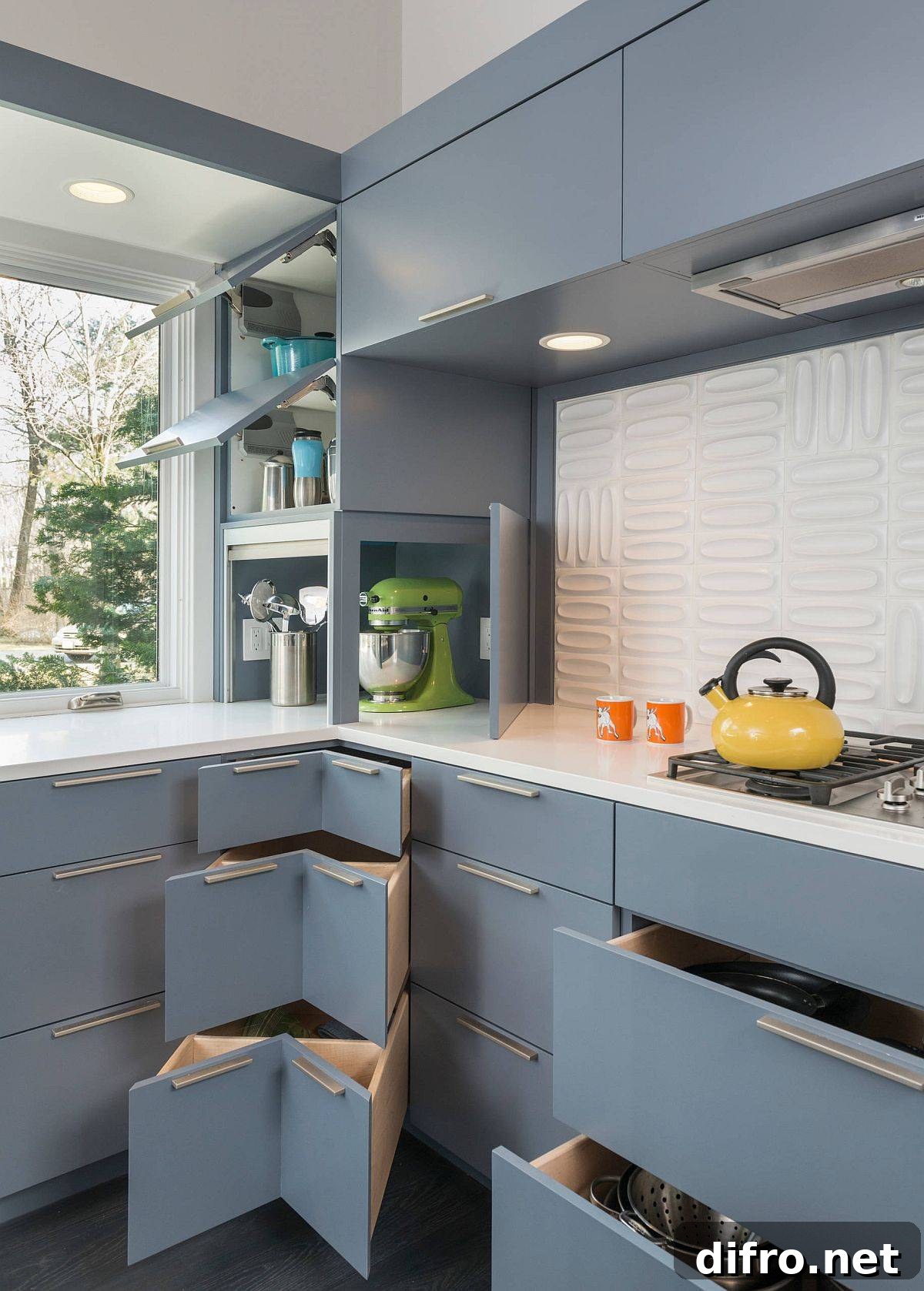
Space-savvy design solutions for small kitchens vary widely because every kitchen has different constraints and needs. Below are some of the most efficient and popular ways to save room in a small kitchen, along with inspirational photos to help you plan a refresh or renovation. These organizational ideas improve function and flow—whether you’re moving into your first apartment or updating an older layout.
Pegboards on the Wall
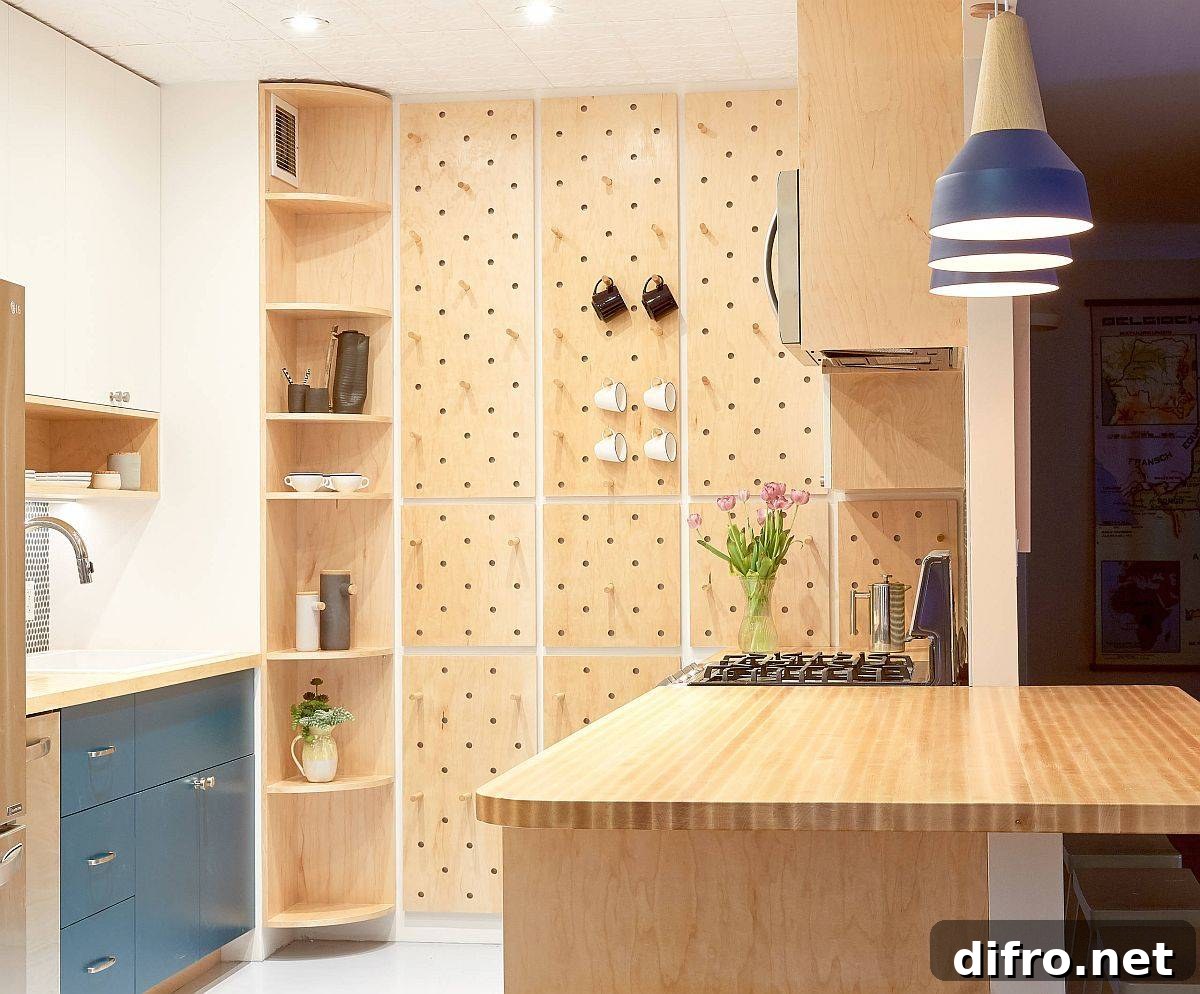
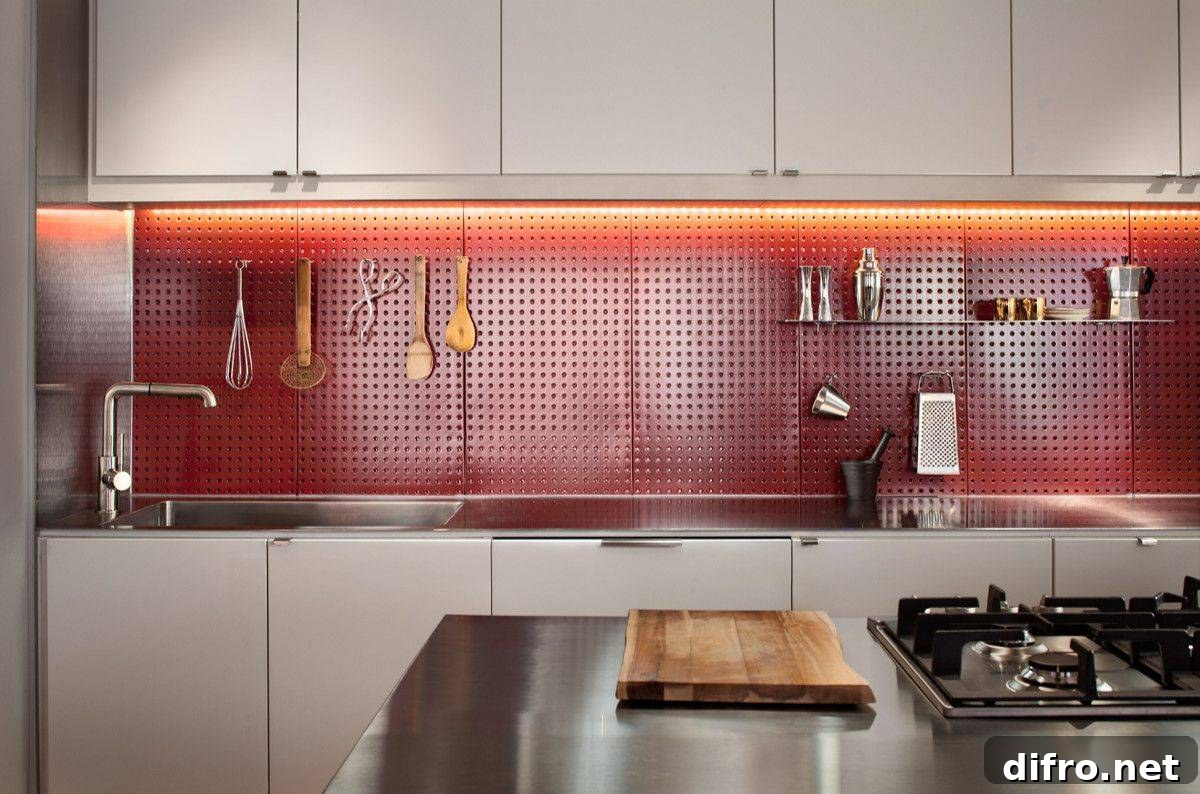
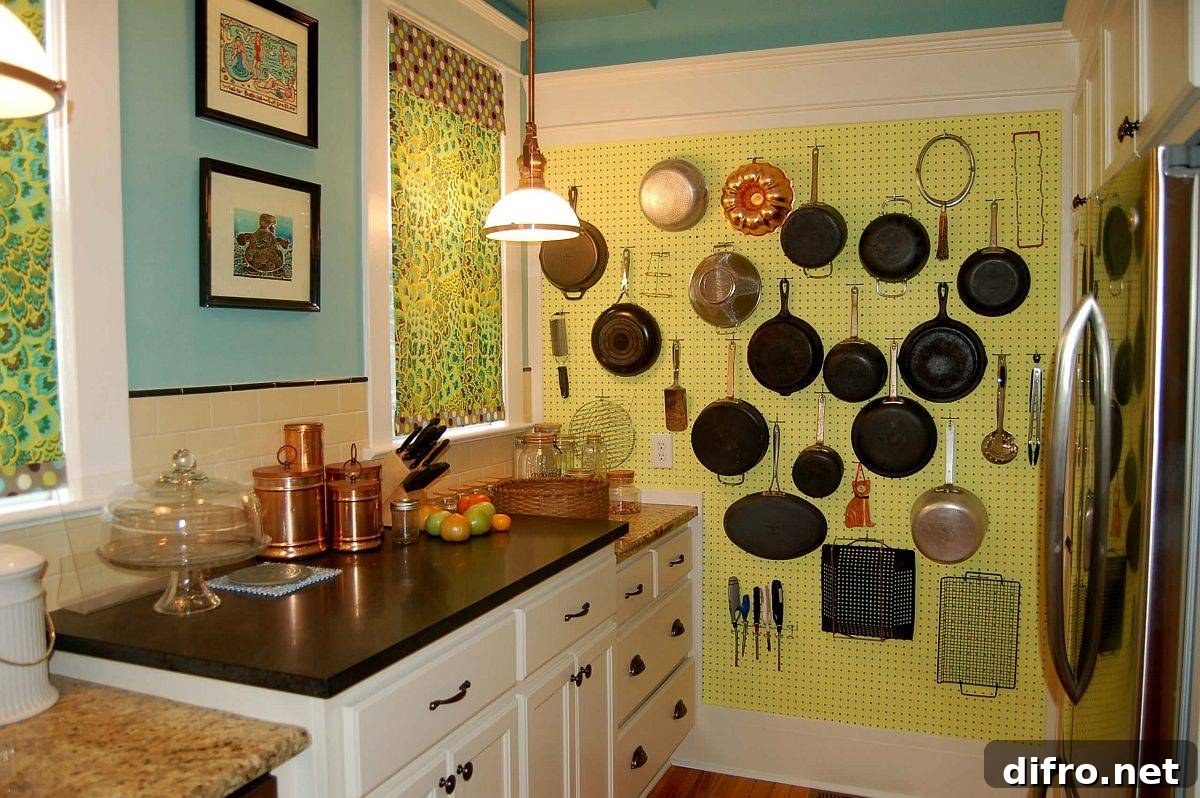
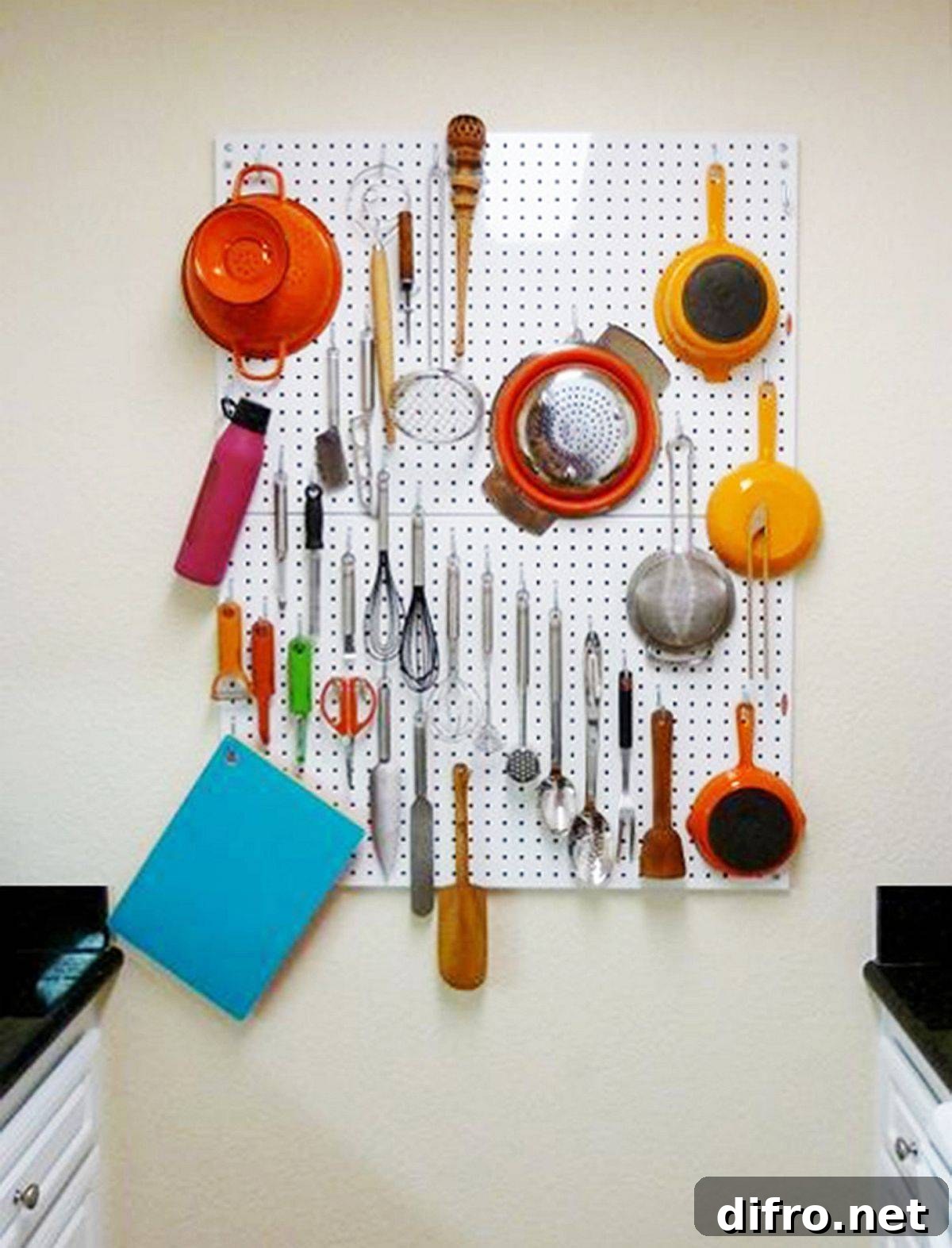
Pegboards are a utilitarian, highly flexible solution for small kitchens. Often used in garages for tools, pegboards translate perfectly to kitchens by making vertical wall space useful. Hang utensils, mugs, pots, pans, or small shelves and baskets on a pegboard to keep items off countertops and within easy reach. Because they’re modular, pegboards can evolve as your storage needs change—an ideal choice when every inch counts.
Make the Most of Corners
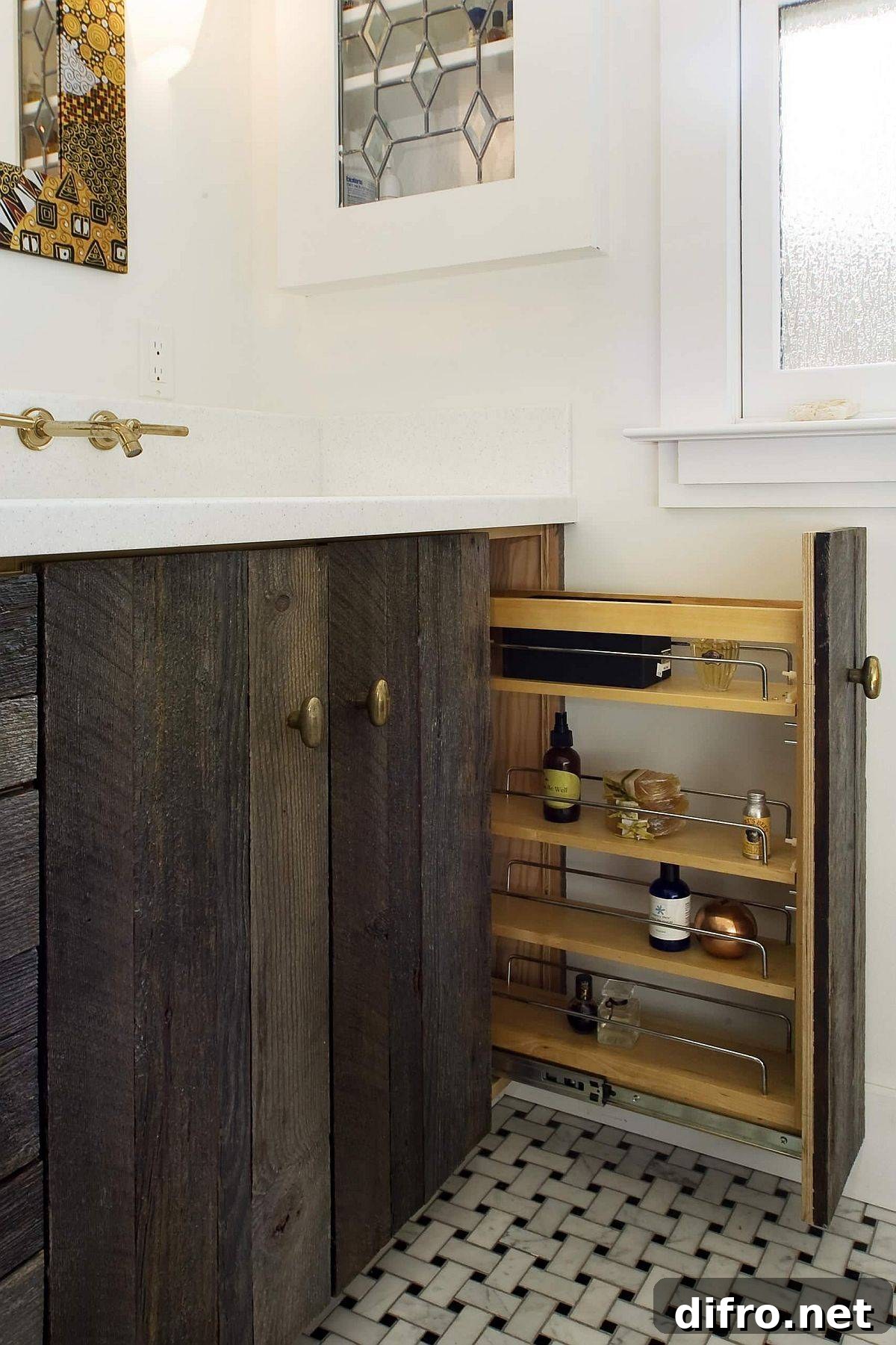
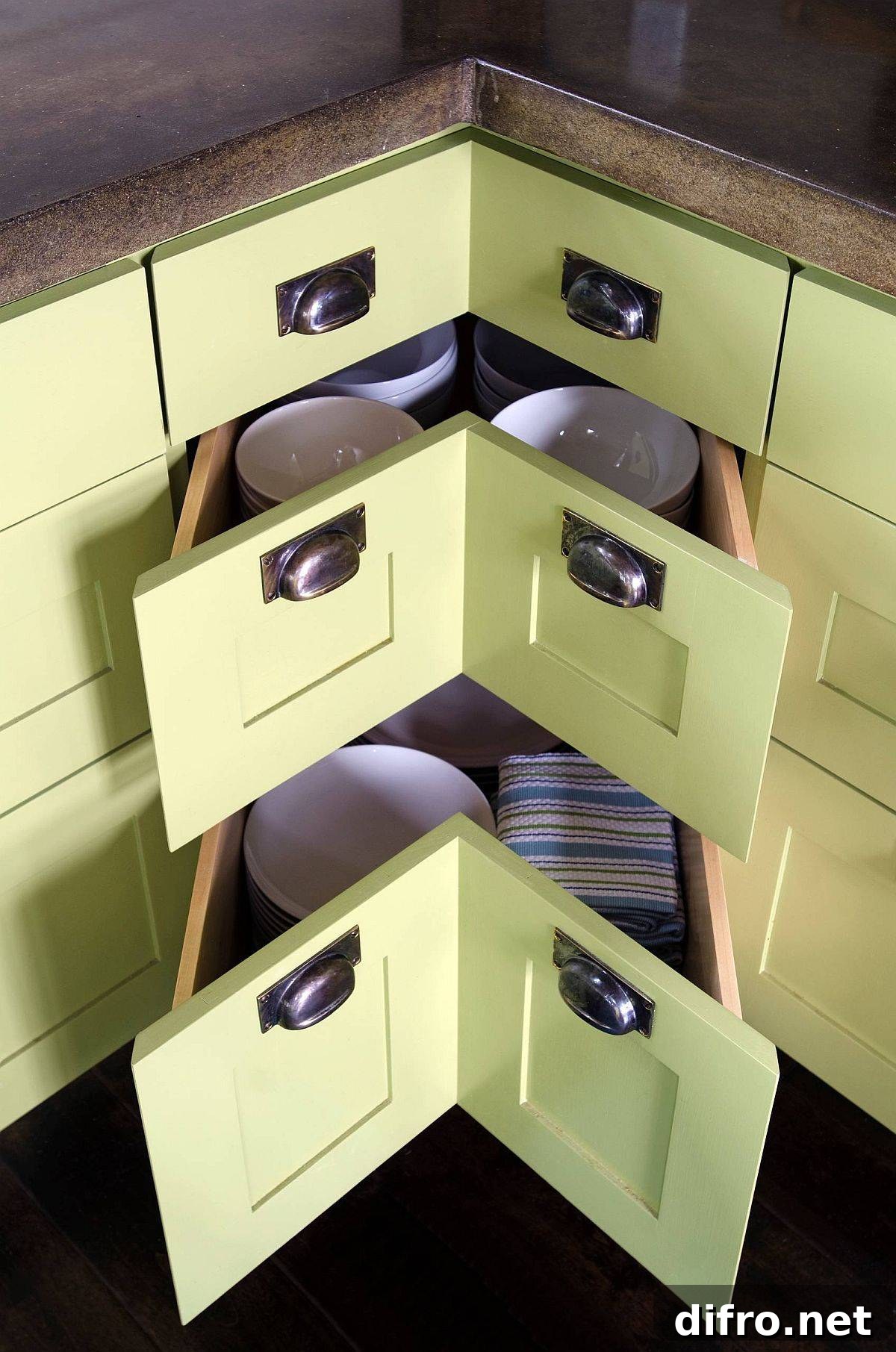
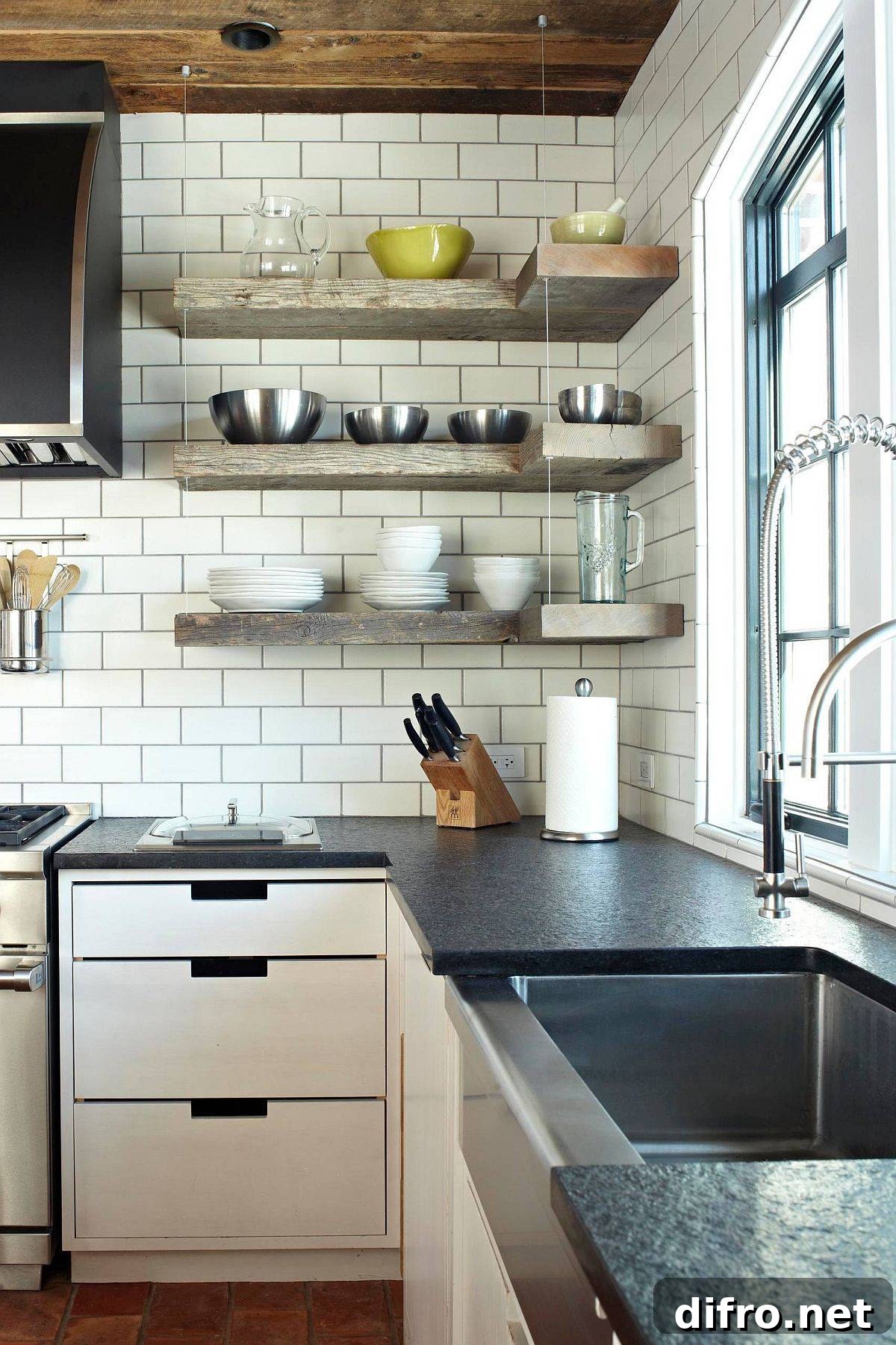
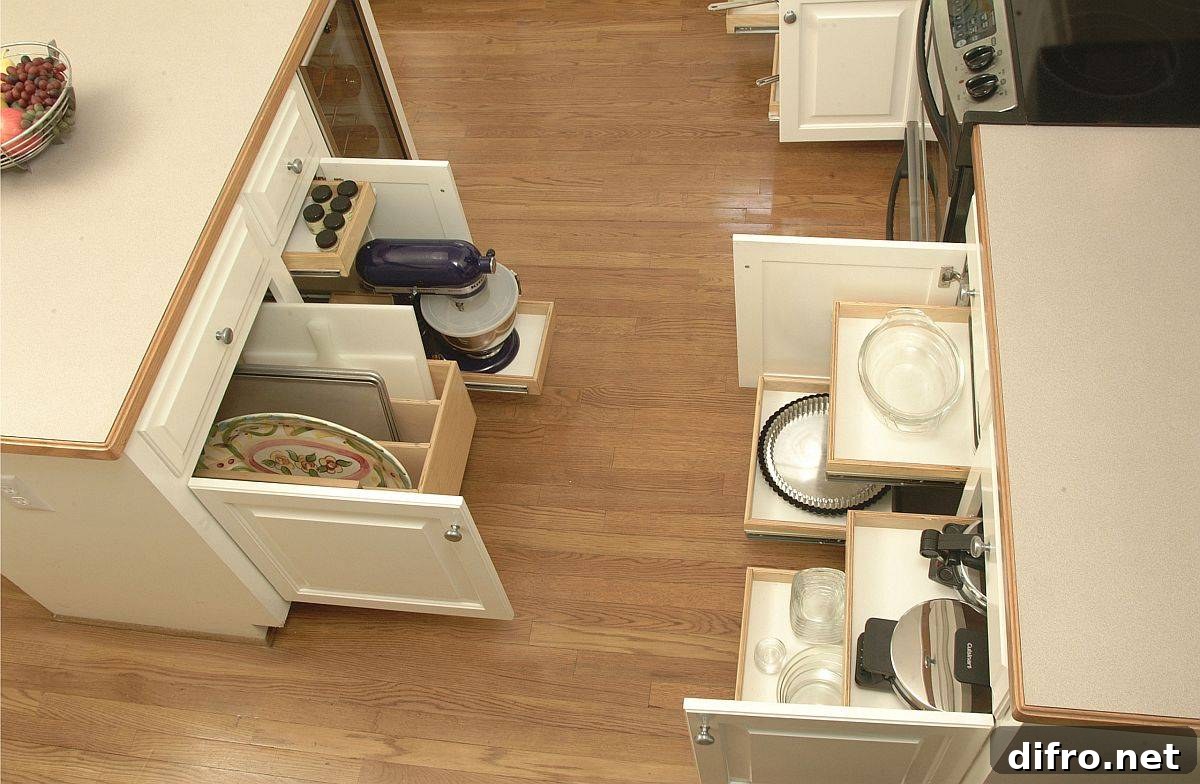
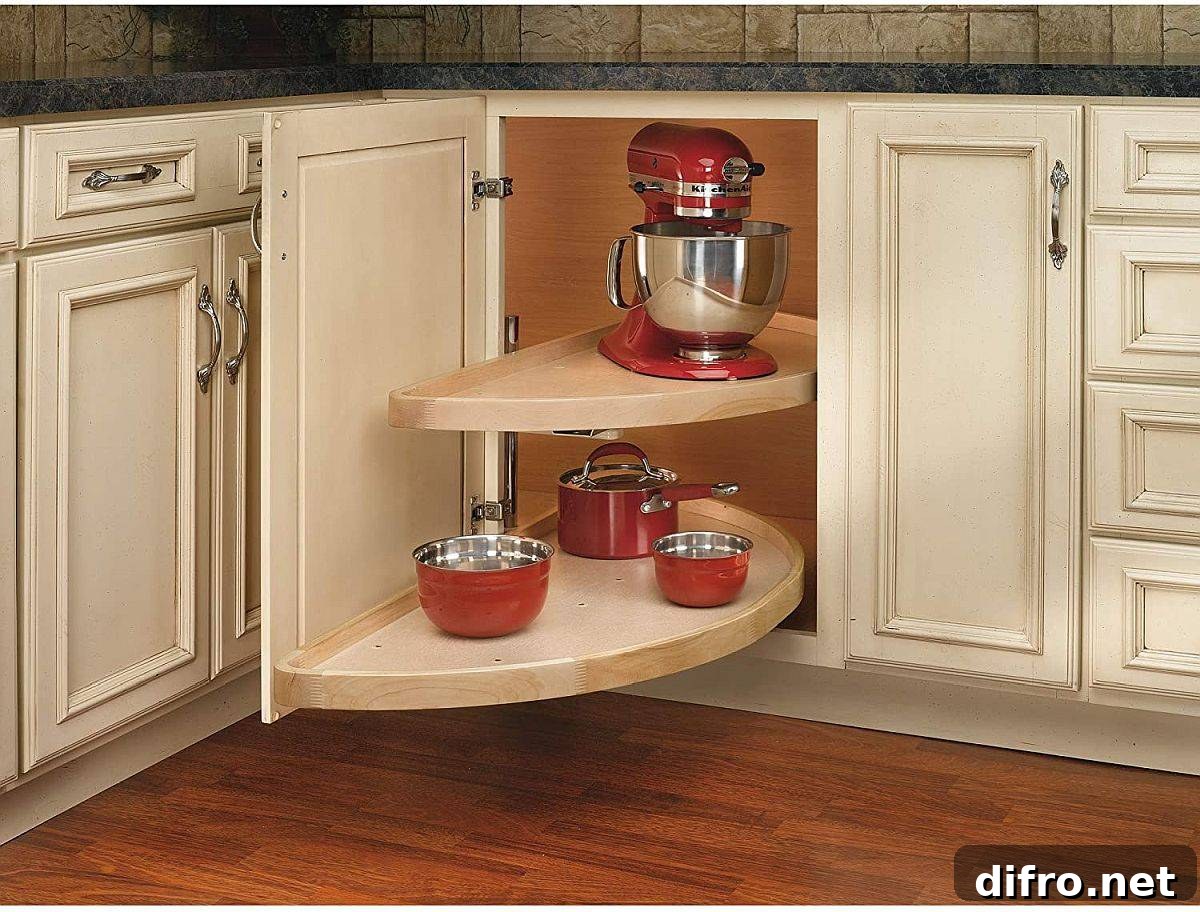
Corners are often overlooked yet they’re valuable storage real estate in small kitchens. Specialized corner solutions—roll-out drawers, angled cabinets, sliding shelves and custom corner systems—turn dead space into functional storage. Some designs even relocate small sinks or appliances into corner positions to free up linear counter space. Choosing the right corner storage option maximizes accessibility and reduces visual clutter.
Lazy Susan to the Rescue
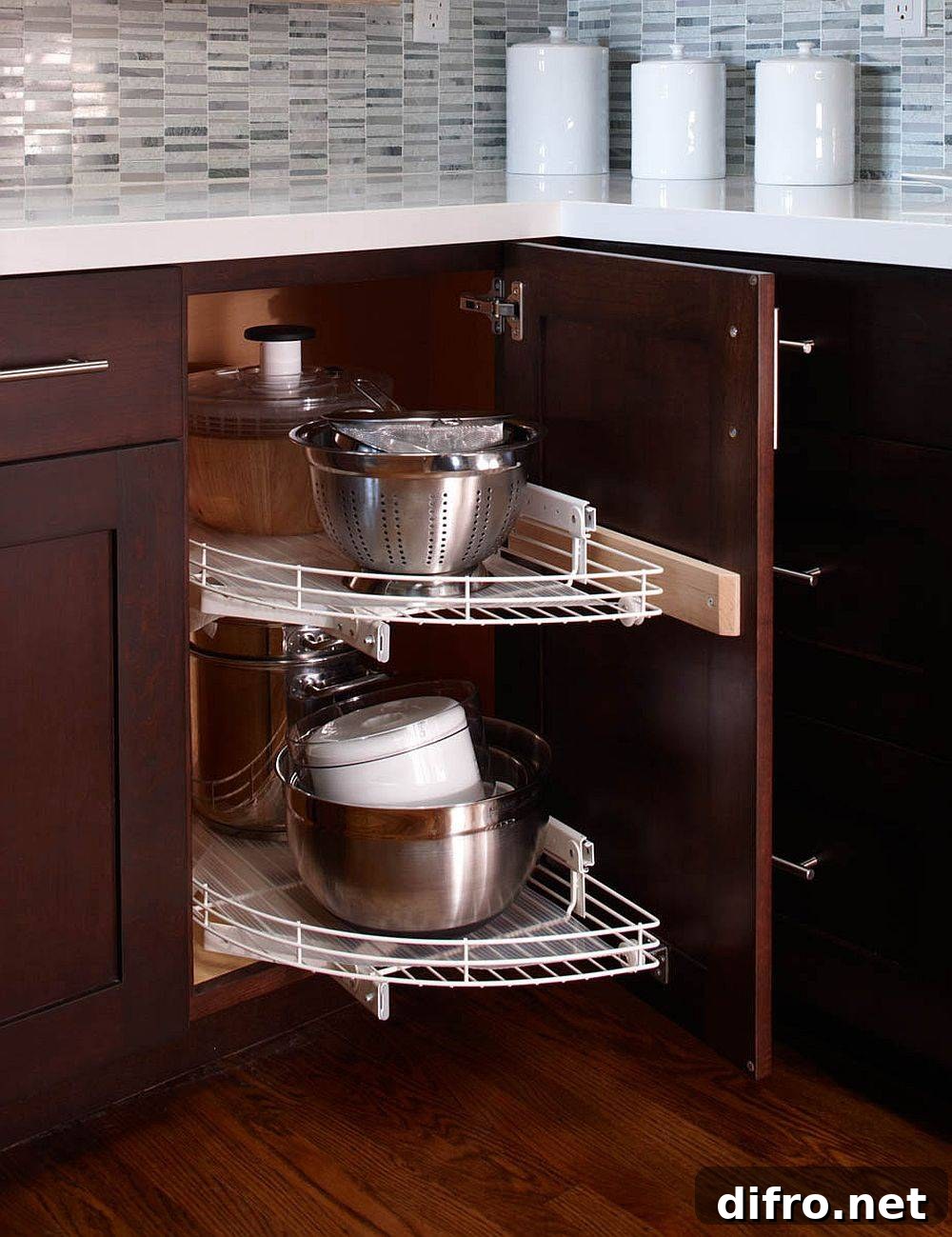
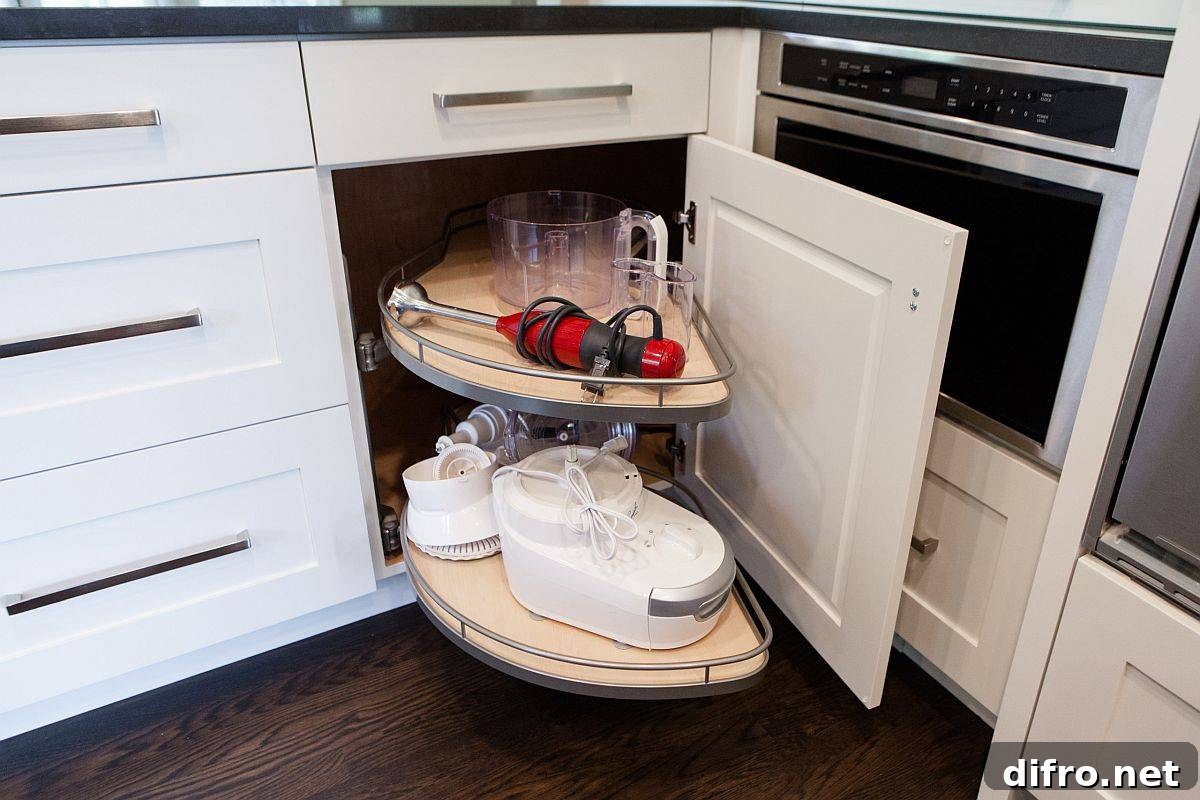
Lazy Susan cabinets remain one of the simplest, most effective tools for compact kitchens. Their rotating trays provide easy access to spices, jars, pots, and bulkier items that are awkward to reach in a deep corner cabinet. Compared with fixed shelves, a Lazy Susan improves visibility and retrieval—saving time and reducing the need to move other items around. For small kitchens, a well-chosen Lazy Susan is a practical investment that enhances both storage capacity and convenience.
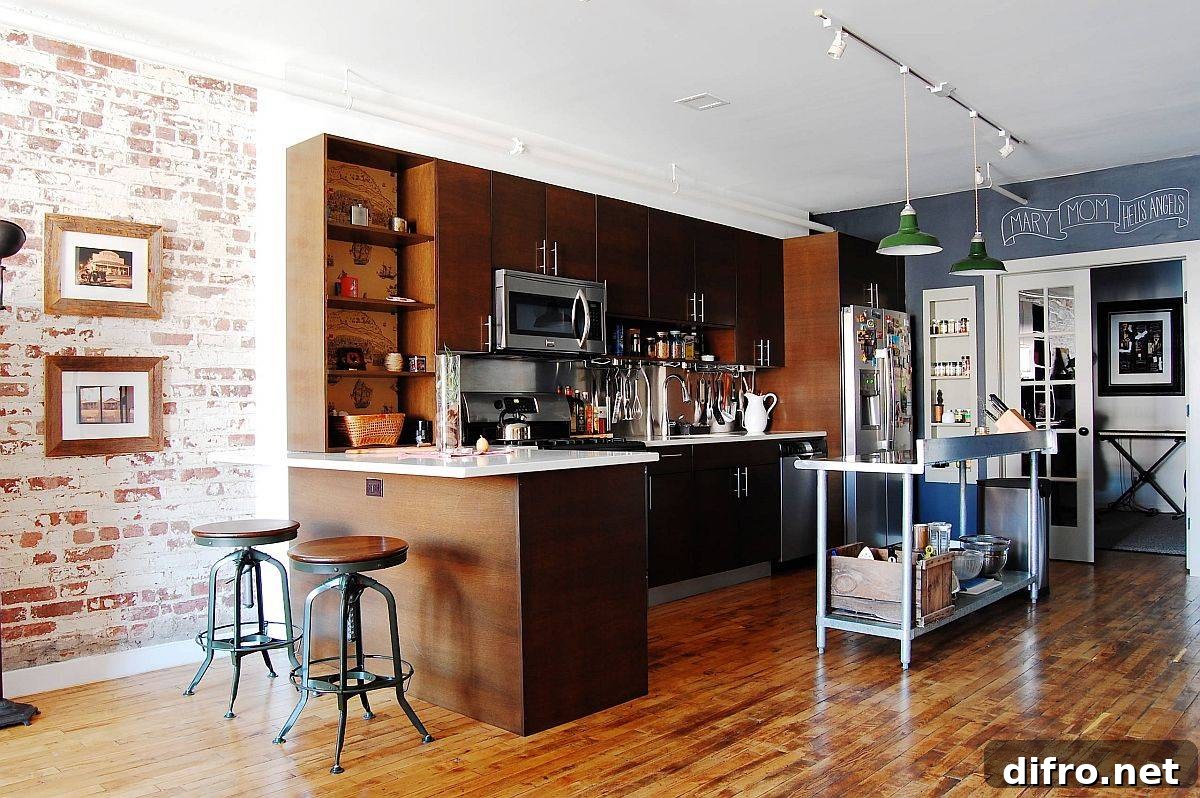
Tiny Islands on Wheels
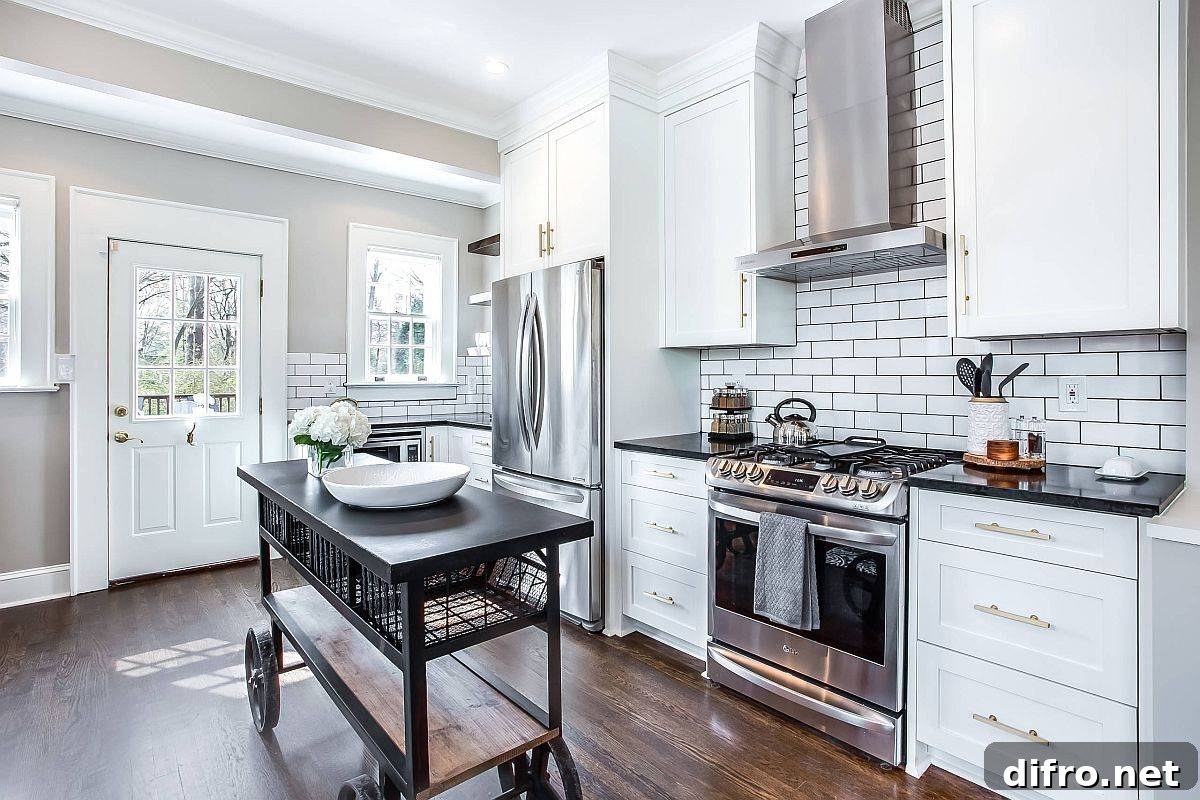
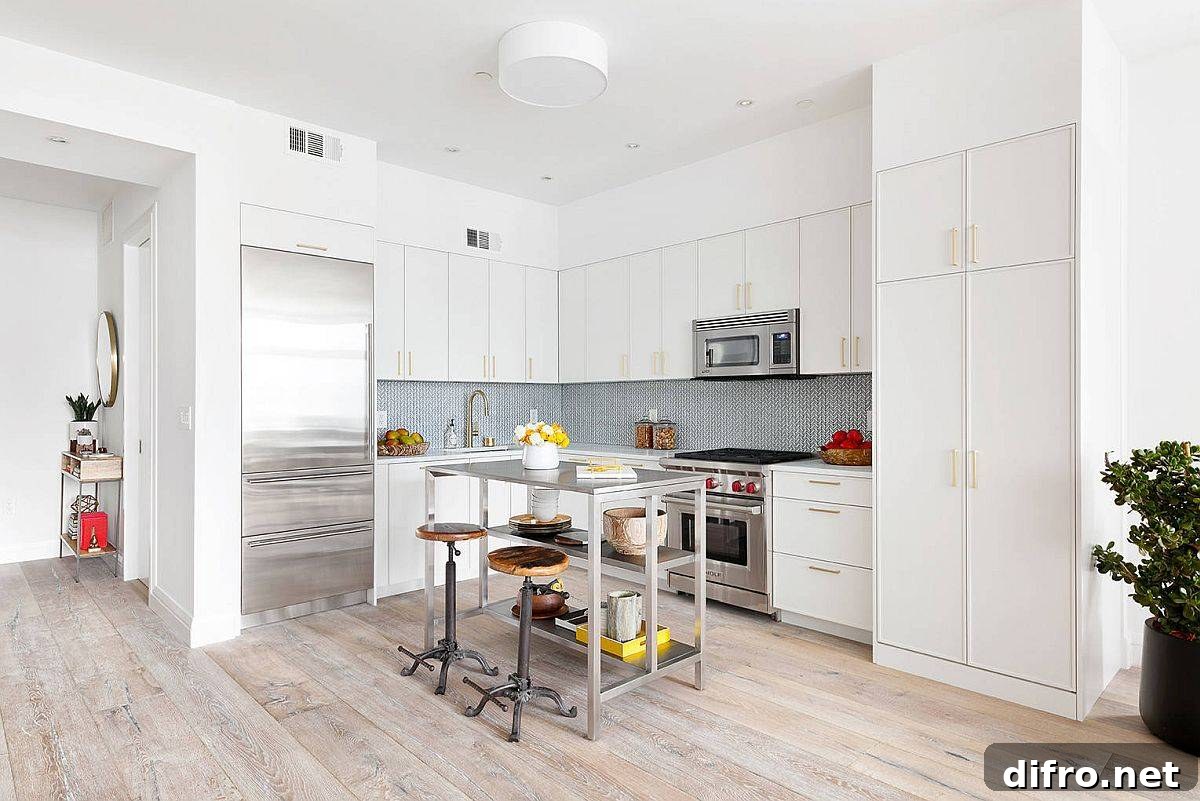
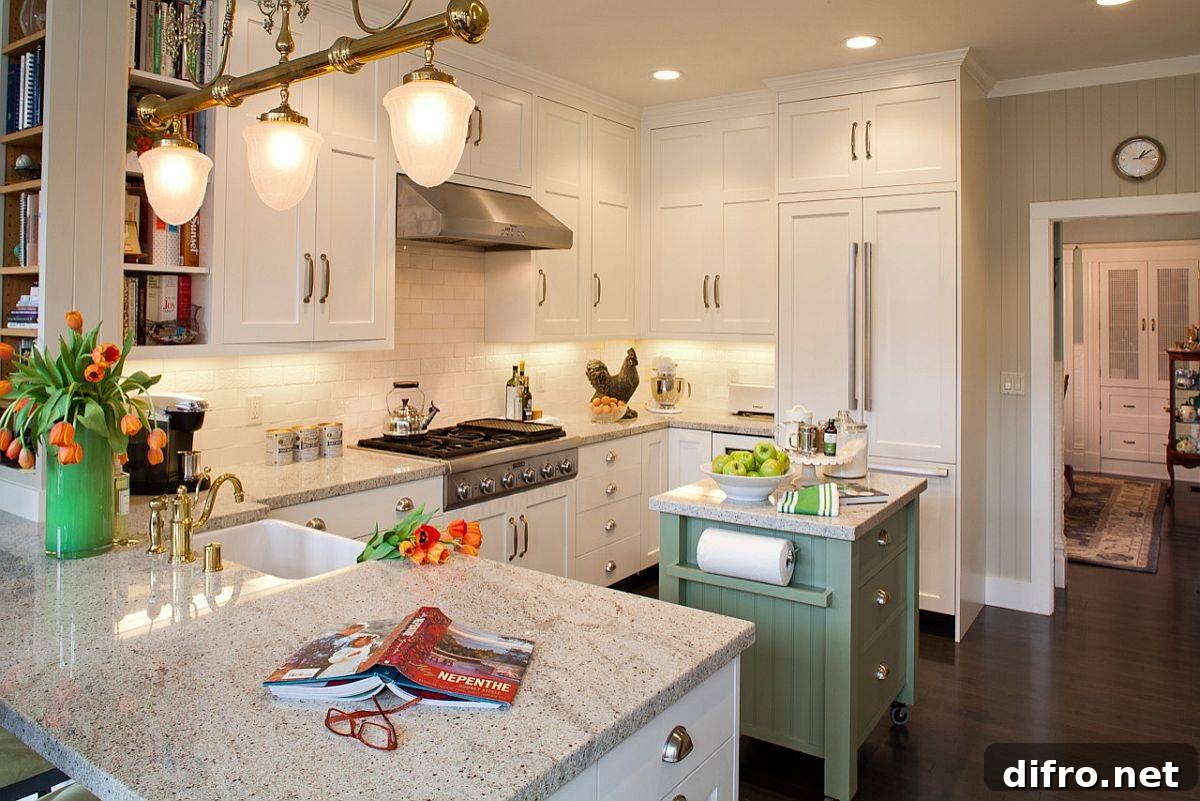
Small islands—especially mobile ones—have become a popular feature in compact kitchens. A rolling island adds prep space, extra storage, and can double as a serving station or breakfast bar. When not in use, you can tuck a wheeled island out of the way, freeing floor space. Choose models with built-in shelving, drawers or a butcher-block top to maximize function. For renters or flexible layouts, a cart-style island gives big benefits without a permanent footprint.
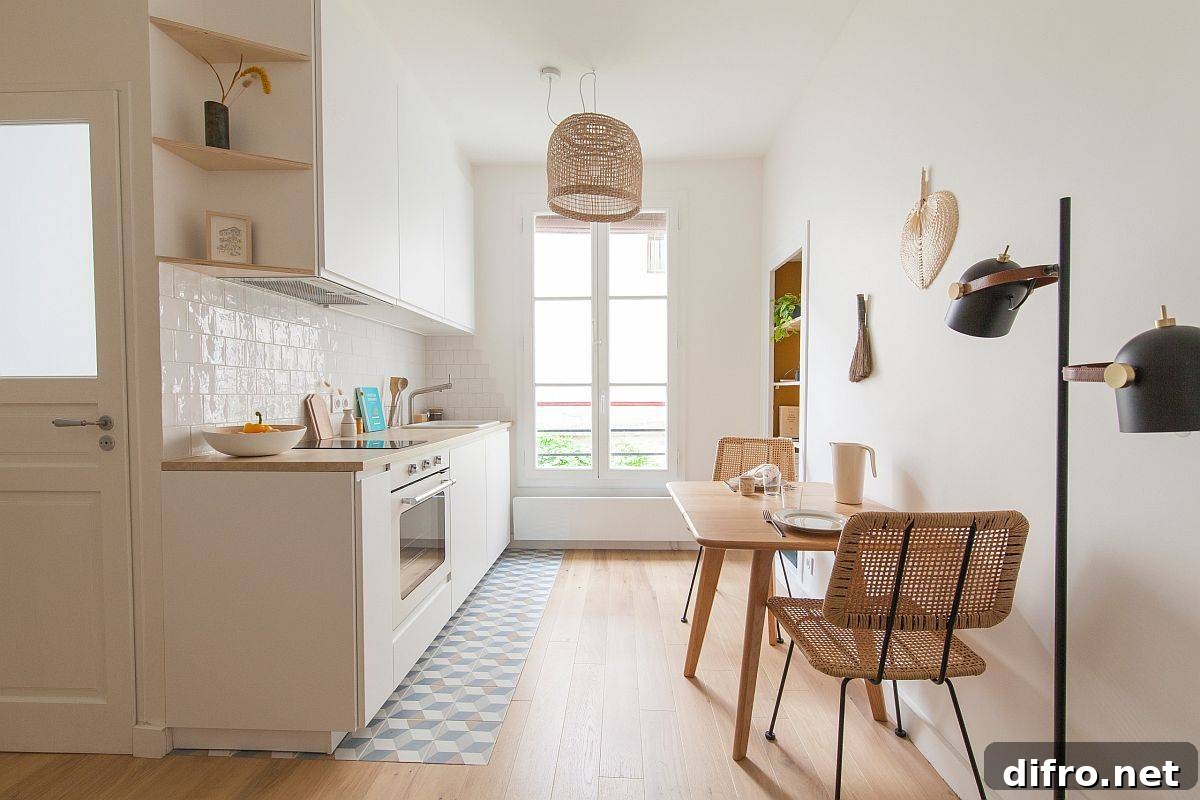
Stylish Single-Wall Kitchen
For the ultimate space-efficient layout, consider a single-wall kitchen. This compact arrangement places all appliances and cabinets along one wall, freeing the rest of the room for dining or living space. Single-wall kitchens are ideal for urban apartments and open-plan homes where the kitchen functions as a background to social areas. They’re particularly effective if you don’t require extensive cooking zones—pair a single-wall setup with a nearby dining table or movable island for flexibility.
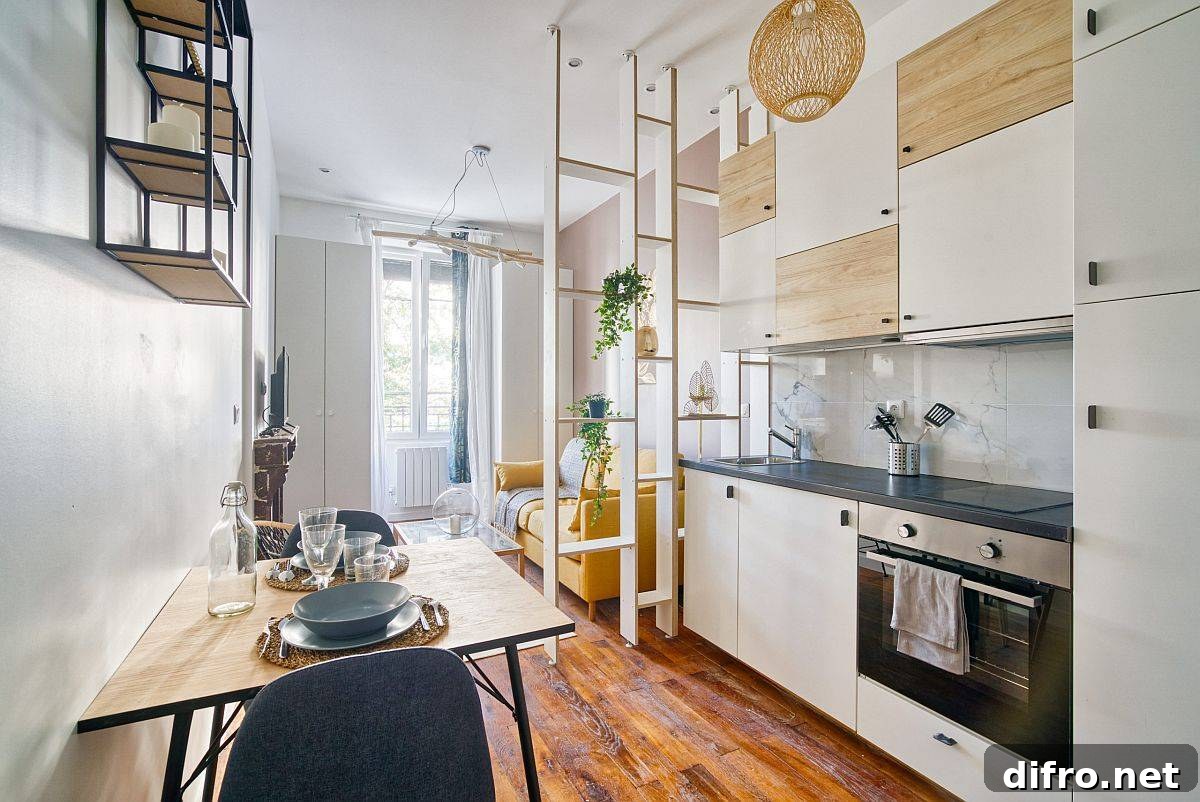
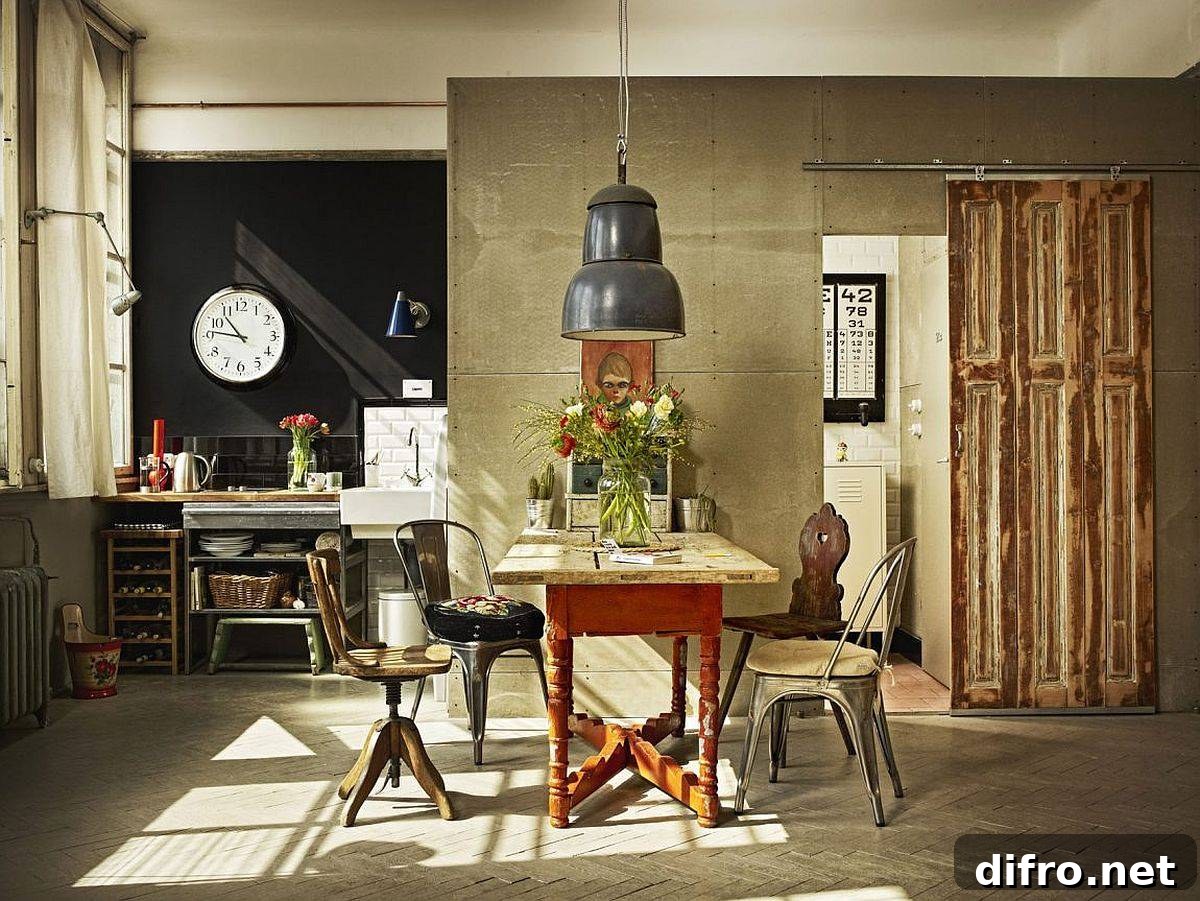
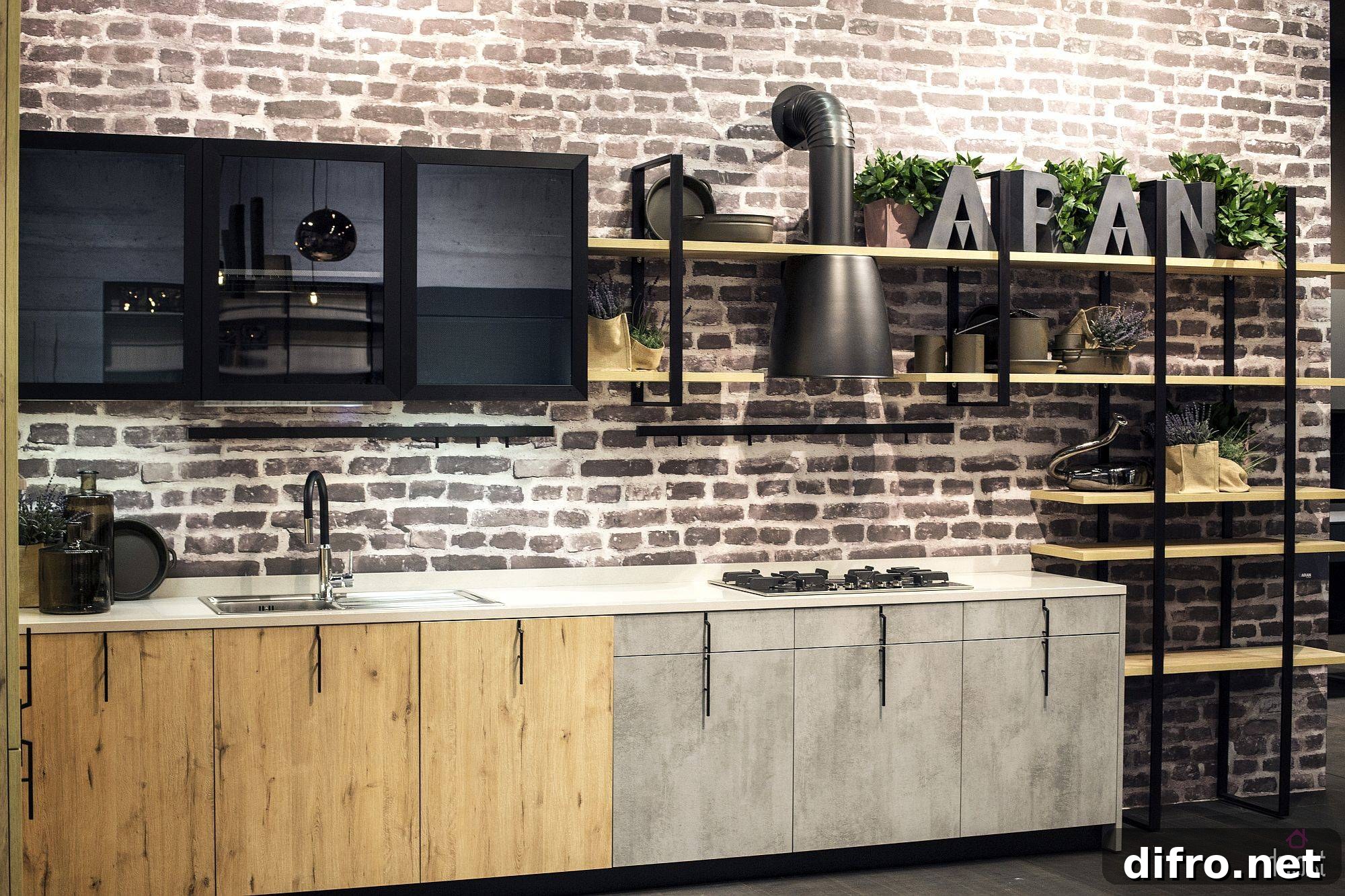
When working with a small kitchen, prioritize vertical storage, efficient corner solutions, and flexible surfaces. Combine these strategies to create a kitchen that feels larger, works harder, and suits your daily routine. Small kitchens can be highly efficient and attractive when designed with intention—let your layout and storage choices support how you cook and live.