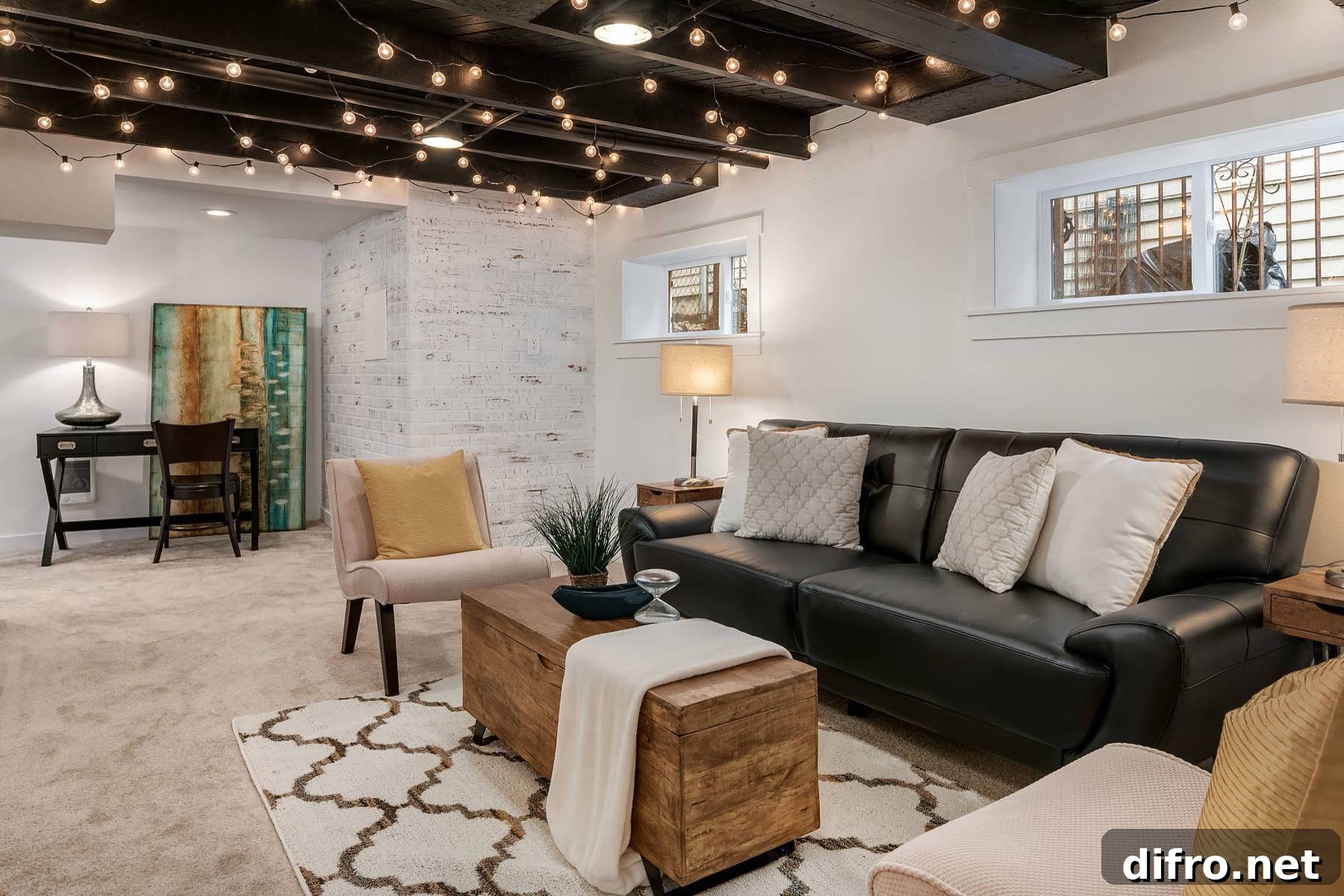
The basement is often the most overlooked area of a home, left to store holiday decorations and miscellaneous clutter. Yet with the right planning and finishes, this space can become a valuable, comfortable, and functional extension of your living area. A finished basement adds usable square footage and flexibility, letting you create rooms that meet your family’s needs.
Whether you plan to build an entertainment zone, a private home office, or extra living quarters for guests or family members, finishing the basement is a smart investment. In the sections below we outline the key benefits of finishing a basement and offer practical, creative design ideas to inspire your renovation.
Benefits of a Finished Basement
An unfinished basement typically has exposed concrete walls, visible mechanical systems, and a cold, utilitarian feel. Finishing the space transforms it into comfortable, conditioned square footage. The process usually includes addressing moisture control, adding insulation, framing and drywall, and installing electrical, lighting, and plumbing where needed.
When properly finished, a basement can serve as a full living area with amenities such as a kitchenette and bathroom, effectively creating a self-contained unit. This flexibility supports a range of uses: a private retreat for teenagers, an in-law suite for aging relatives, a guest apartment, or a rental unit that generates income.
Beyond everyday functionality, a finished basement improves overall home comfort and increases resale value. Buyers often value additional finished square footage, and a well-designed basement can make your property more attractive on the market. Proper attention to ventilation, egress, and building-code requirements will also ensure the space is safe and marketable.
Finished Basement Design Ideas
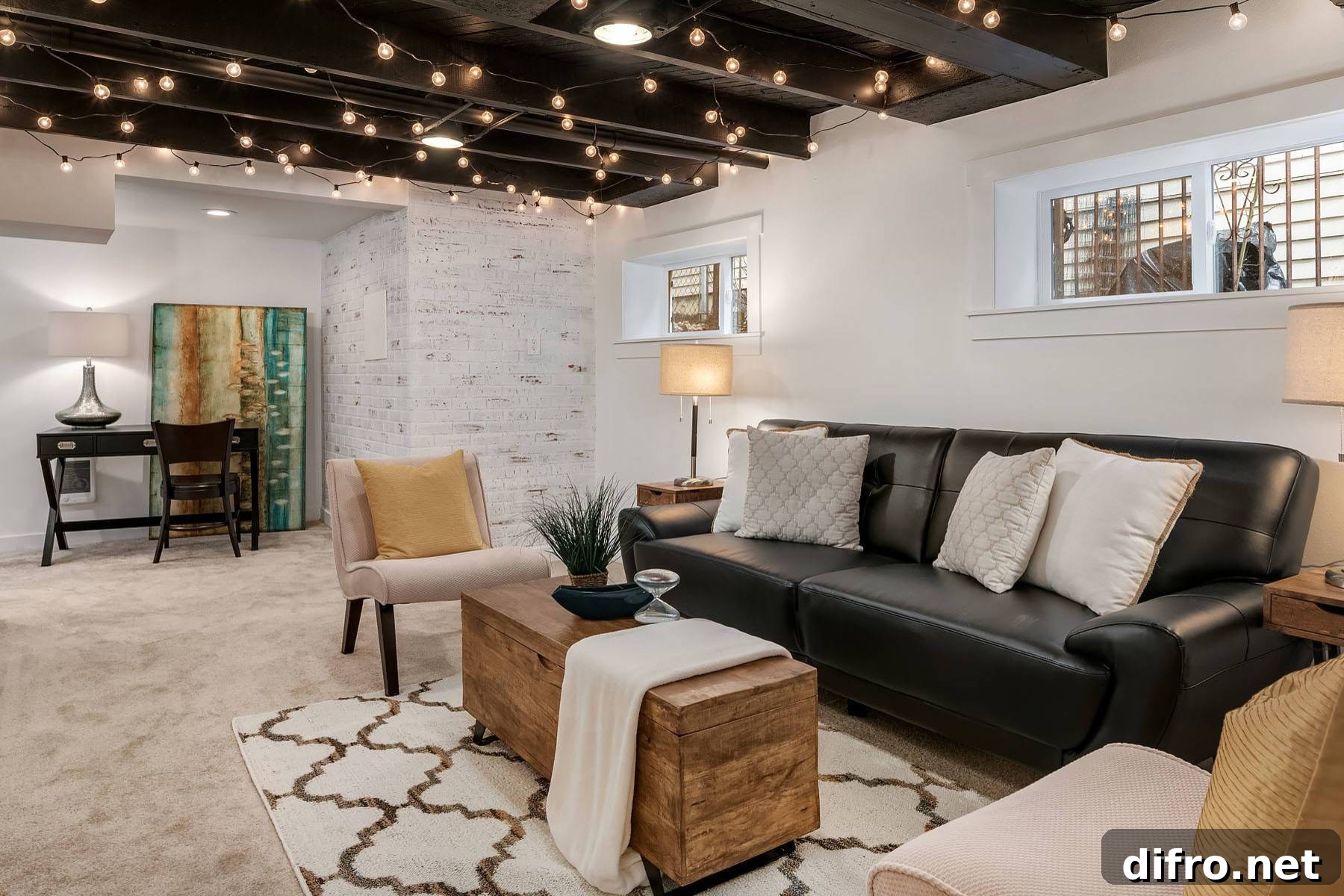
The basement offers a blank canvas you can adapt to specific needs and interests. Below are several popular and practical design concepts, each with tips to help you make the most of the space.
Entertainment Room
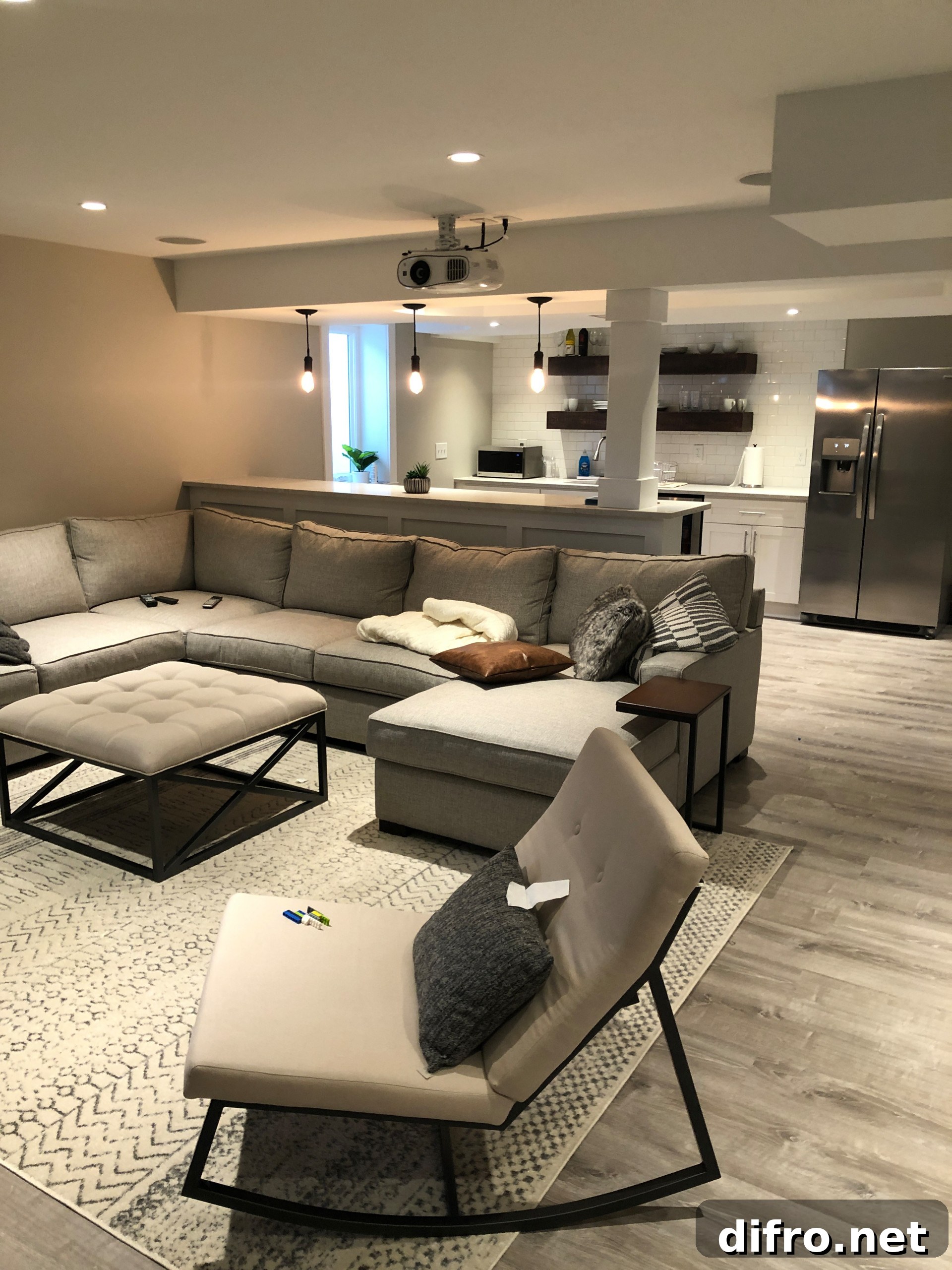
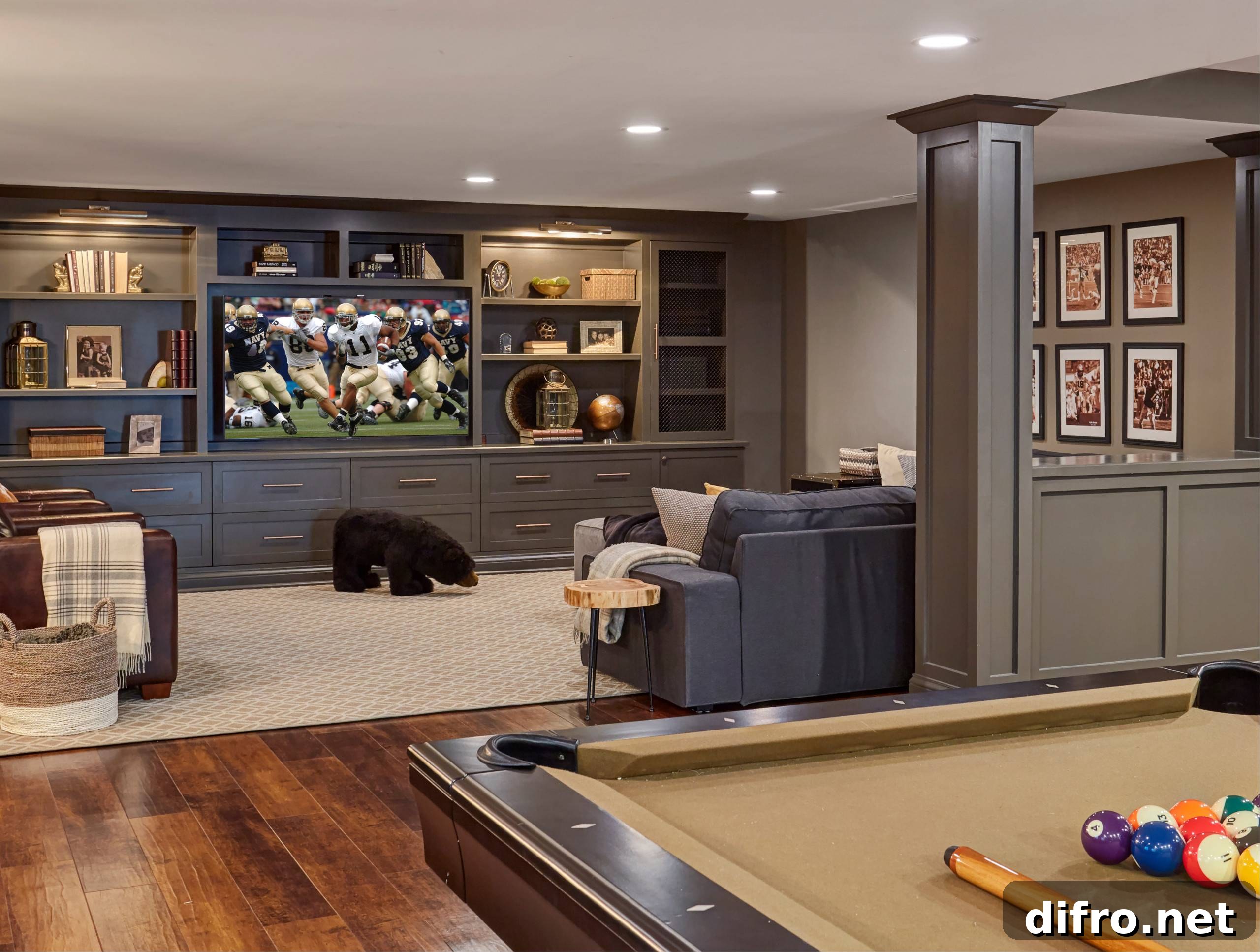
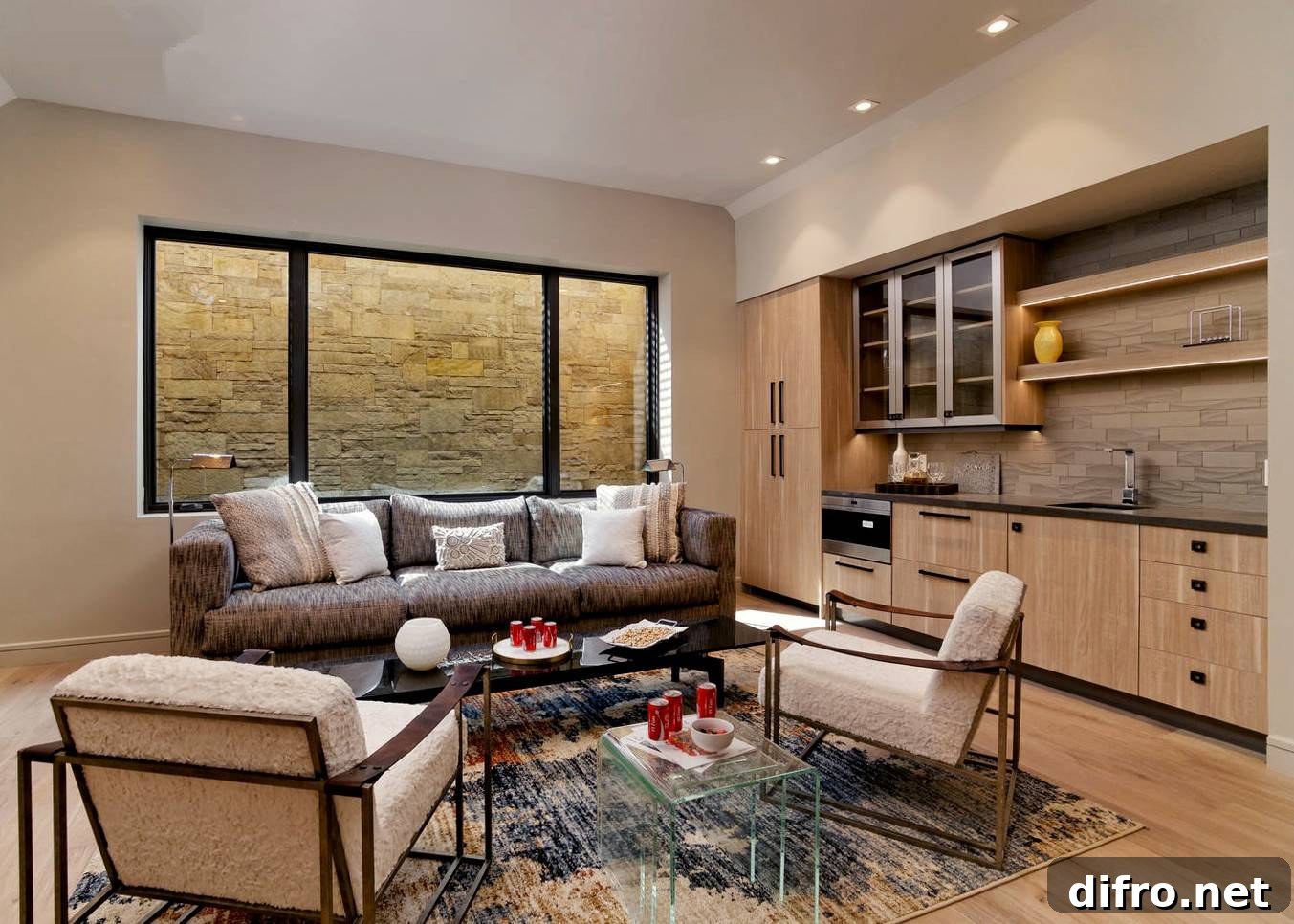
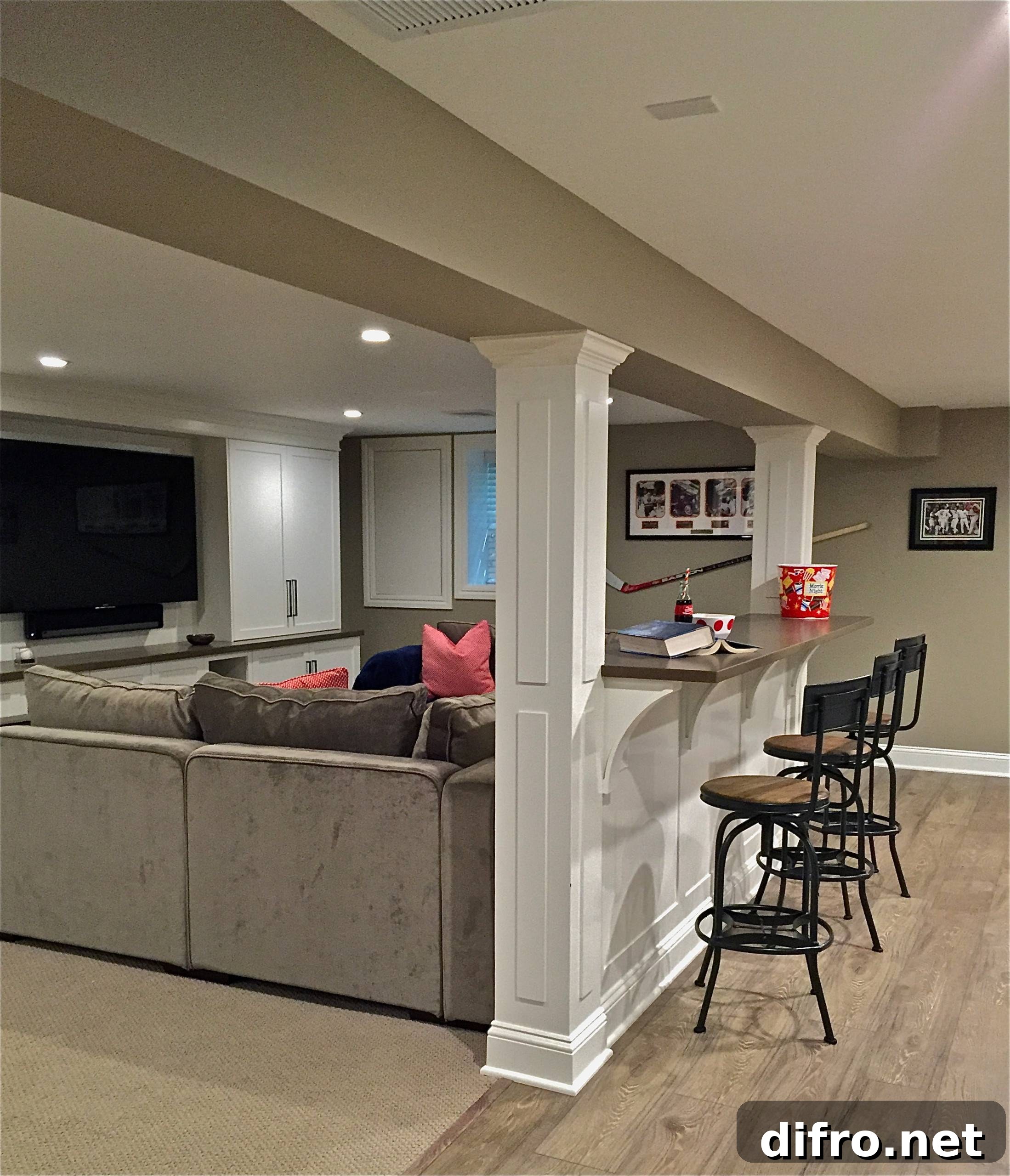
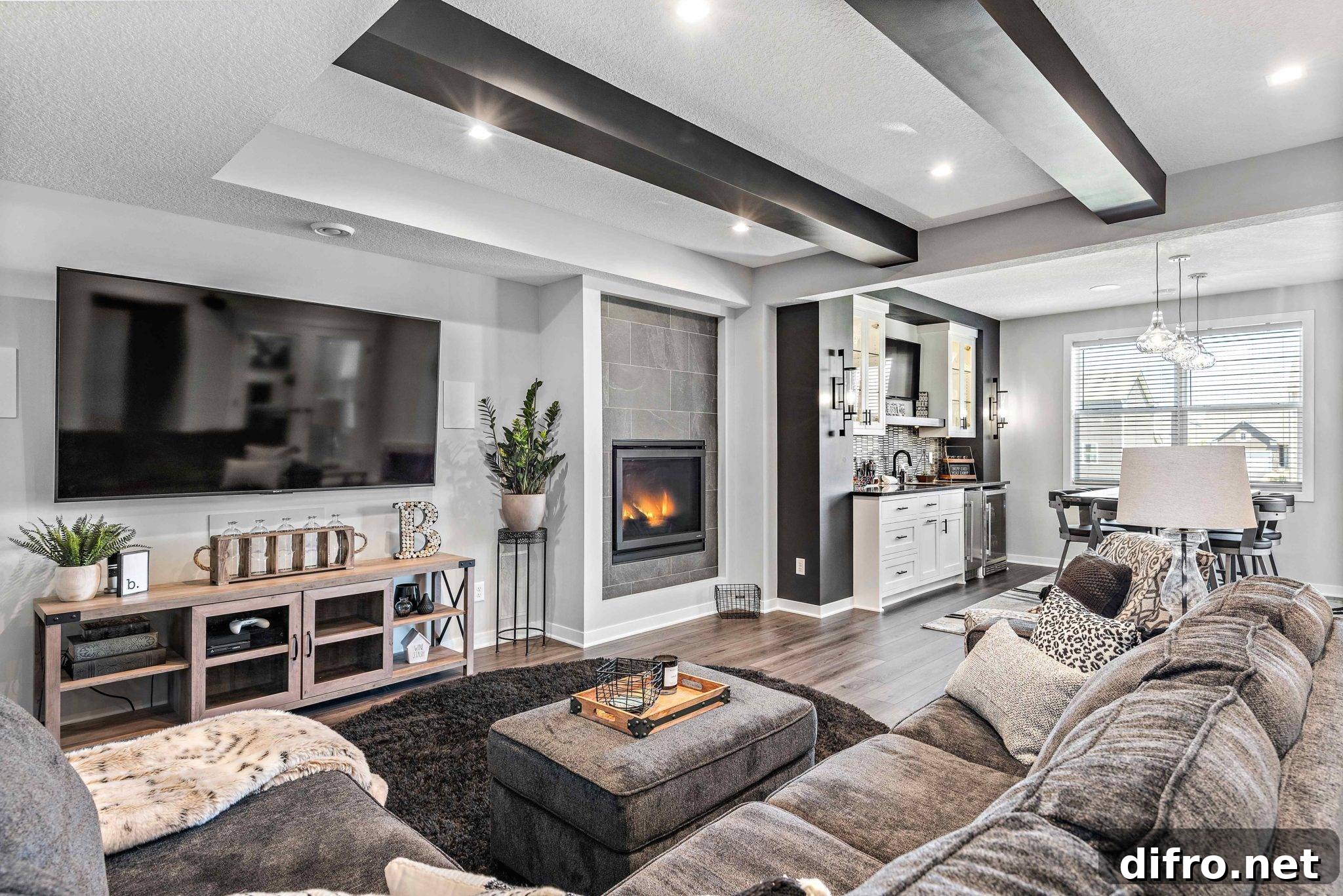
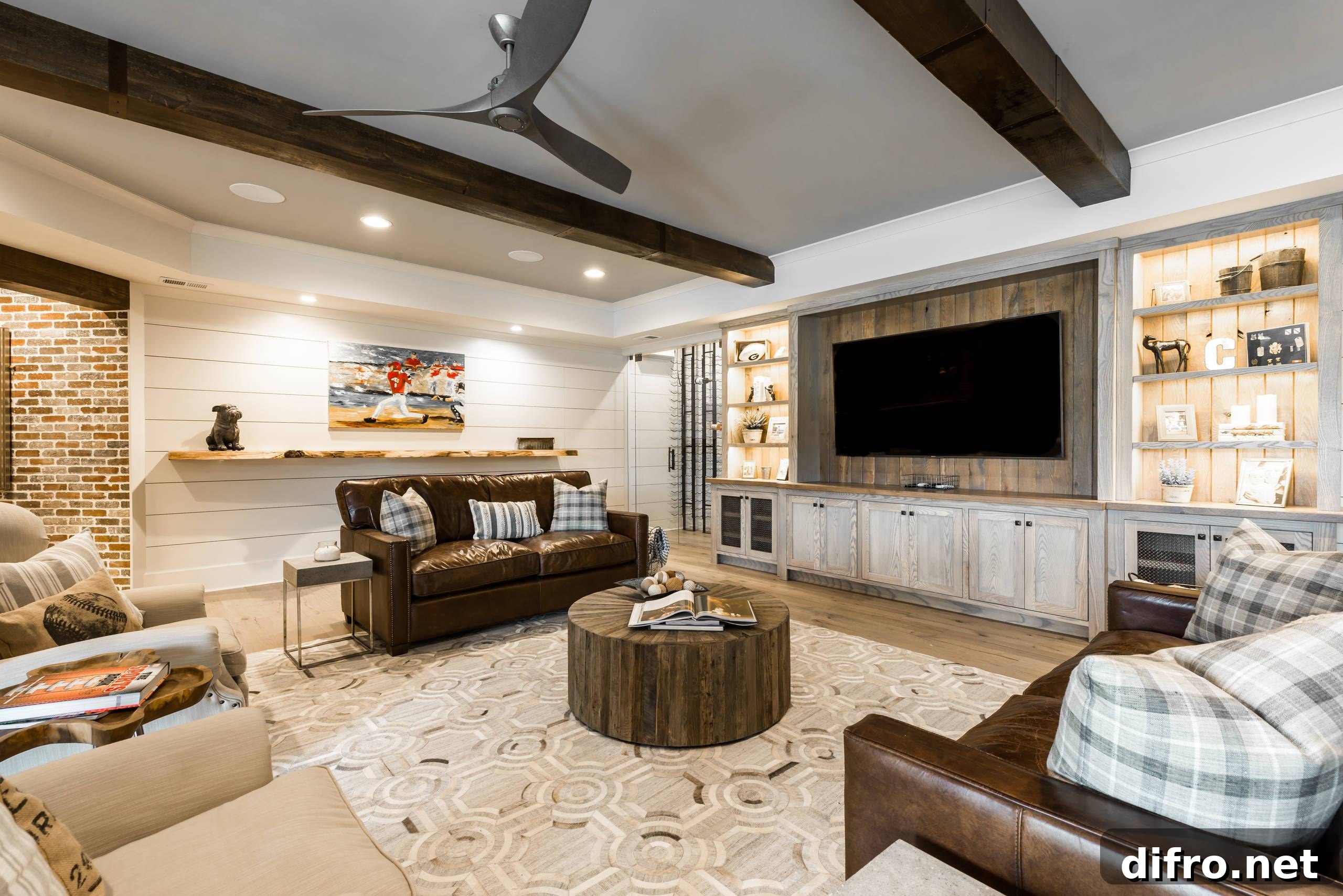
If your main living room is small, convert the basement into an entertainment hub. Equip the space with a media wall, comfortable seating, and flexible activity zones—such as a pool or ping-pong table plus a children’s play area. Layer lighting for both bright task areas and dimmable ambient scenes to accommodate movie nights and family games.
Home Theater
Basements are ideal for a dedicated home theater because they typically offer fewer windows and better light control. Install acoustic treatments, a high-quality projector or large screen, and tiered seating if space allows. Consider adding a small bar or snack area to keep refreshments handy and create a true cinema experience at home.
Home Office
Creating a basement home office can provide quiet, focused workspace separated from the main household activity. Maximize natural and artificial light, use built-in storage and ergonomic furniture, and prioritize reliable internet and power access. Finishing touches like soundproofing and good ventilation make long workdays more comfortable.
Wine Cellar
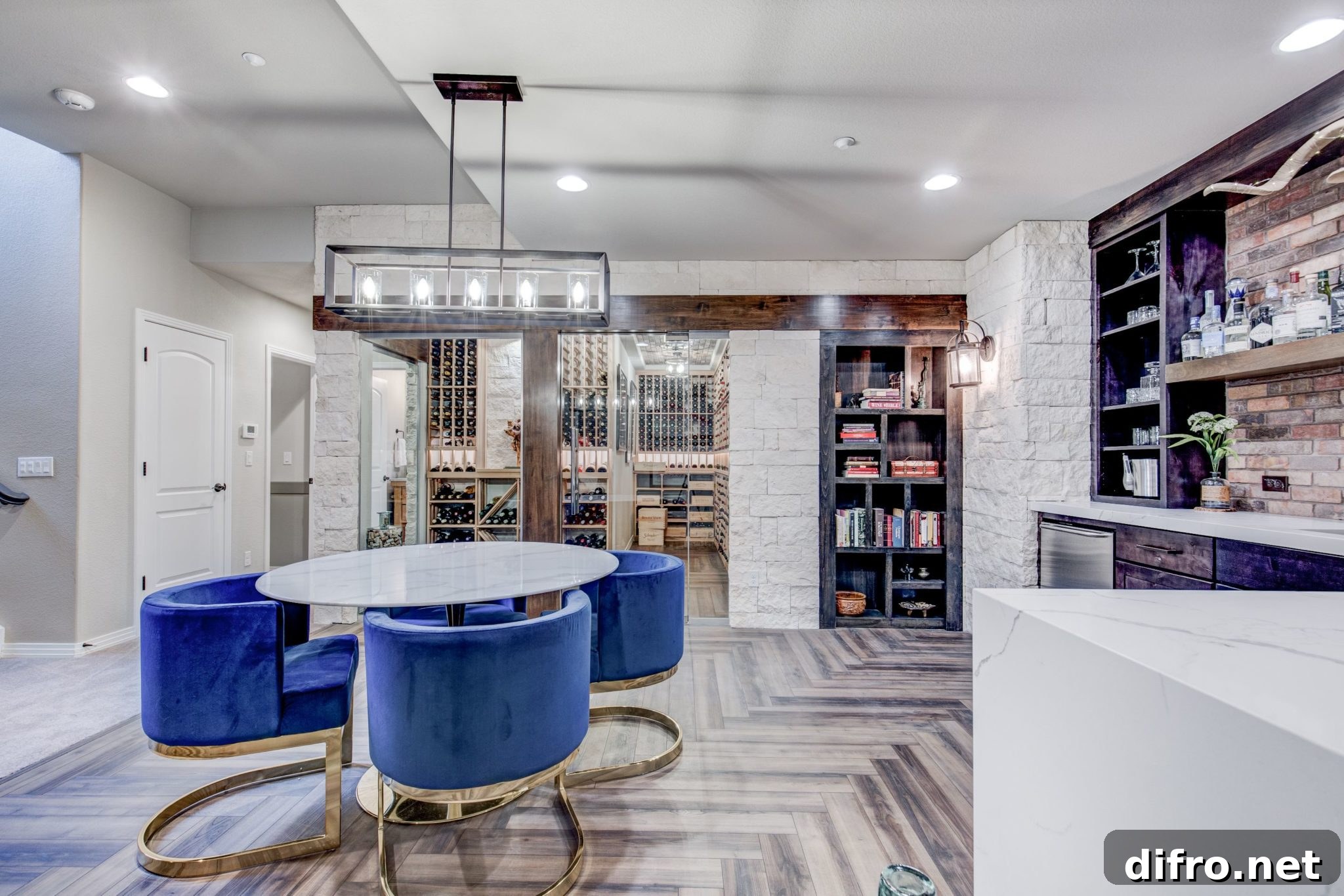
For those who love entertaining, a climate-controlled wine cellar or tasting room adds elegance and functionality. Design racking to display your collection, install proper temperature and humidity controls, and include a small table or bar for tastings. A glass partition can create a dramatic focal point while keeping the cellar accessible.
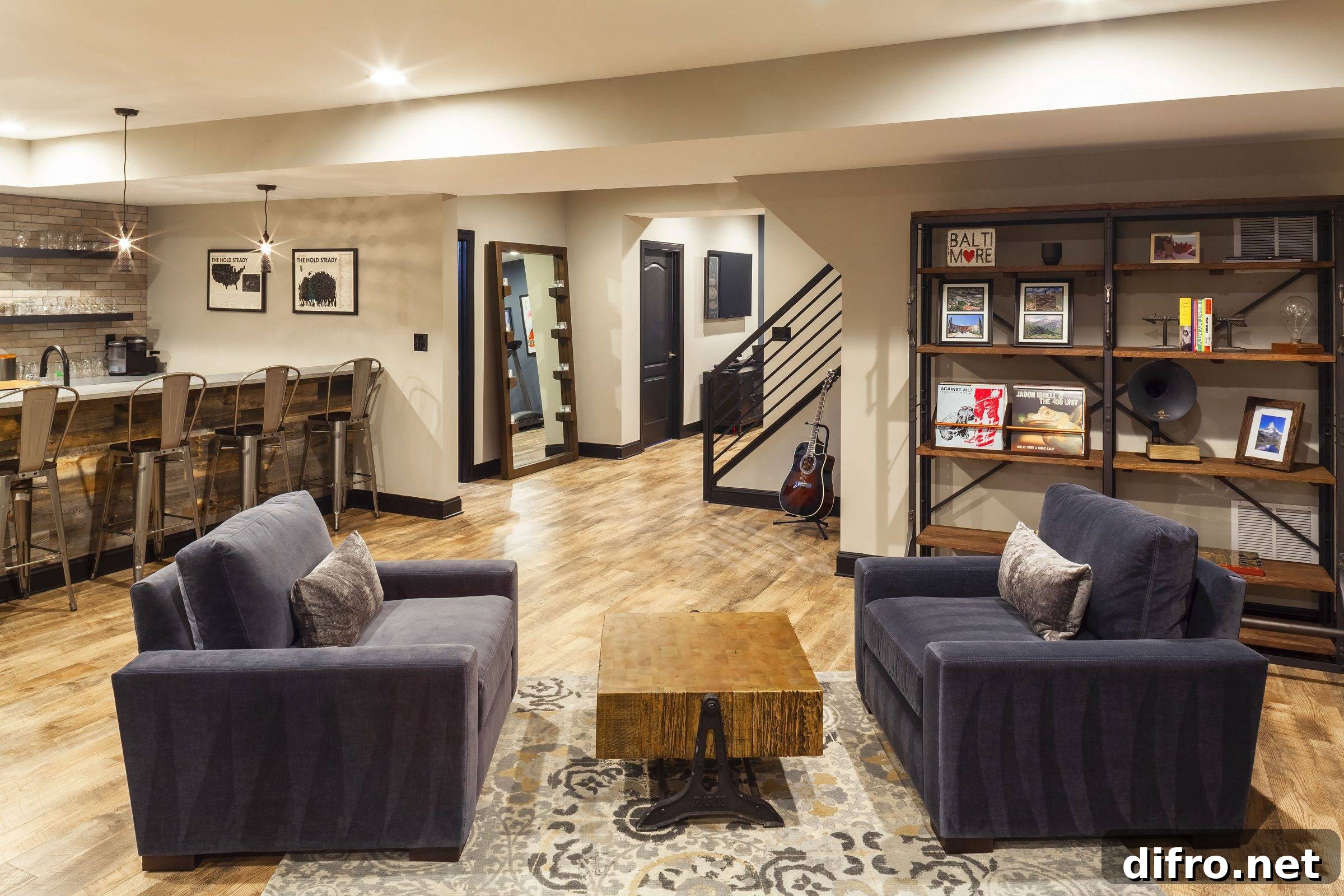
Basement Apartment
A fully equipped basement apartment with a kitchen and bathroom can serve multiple roles: long-term rental, short-term guest suite, or a private space for family members. Ensure the unit meets local building codes for egress, plumbing, and ventilation, and plan for soundproofing and separate utilities where required.
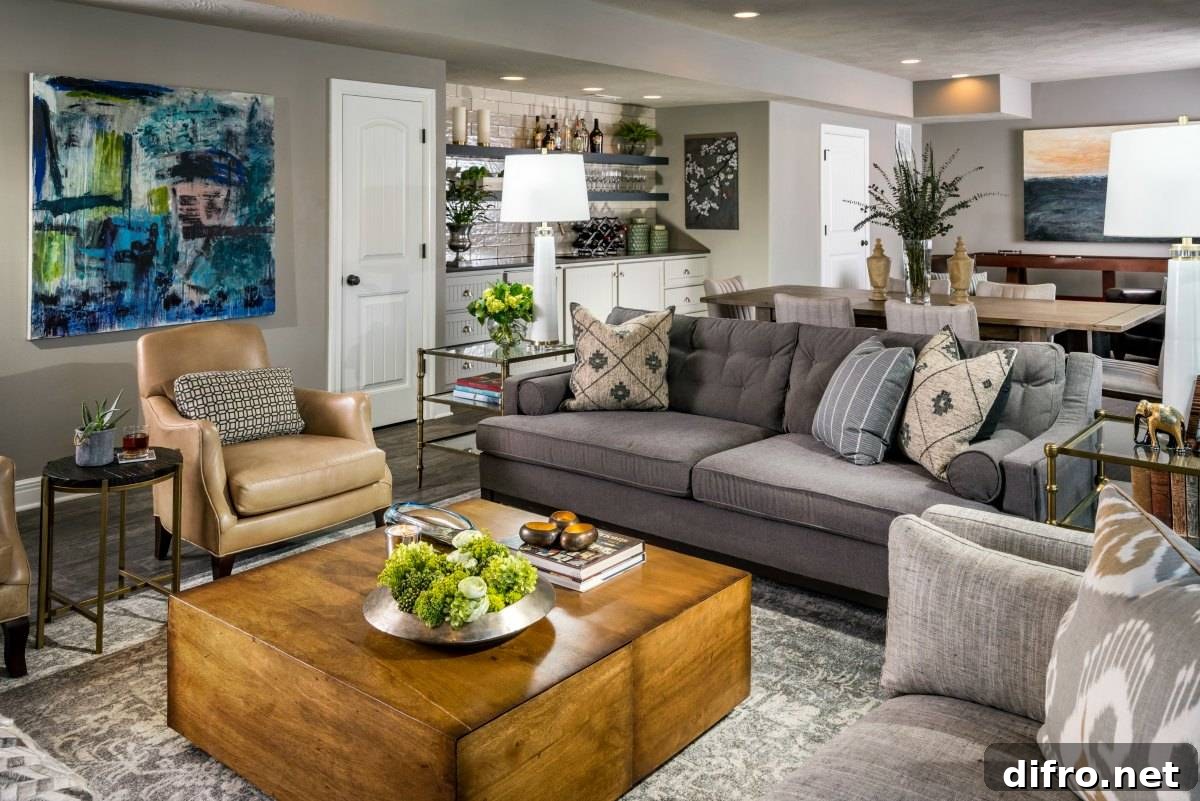
Basement Bar
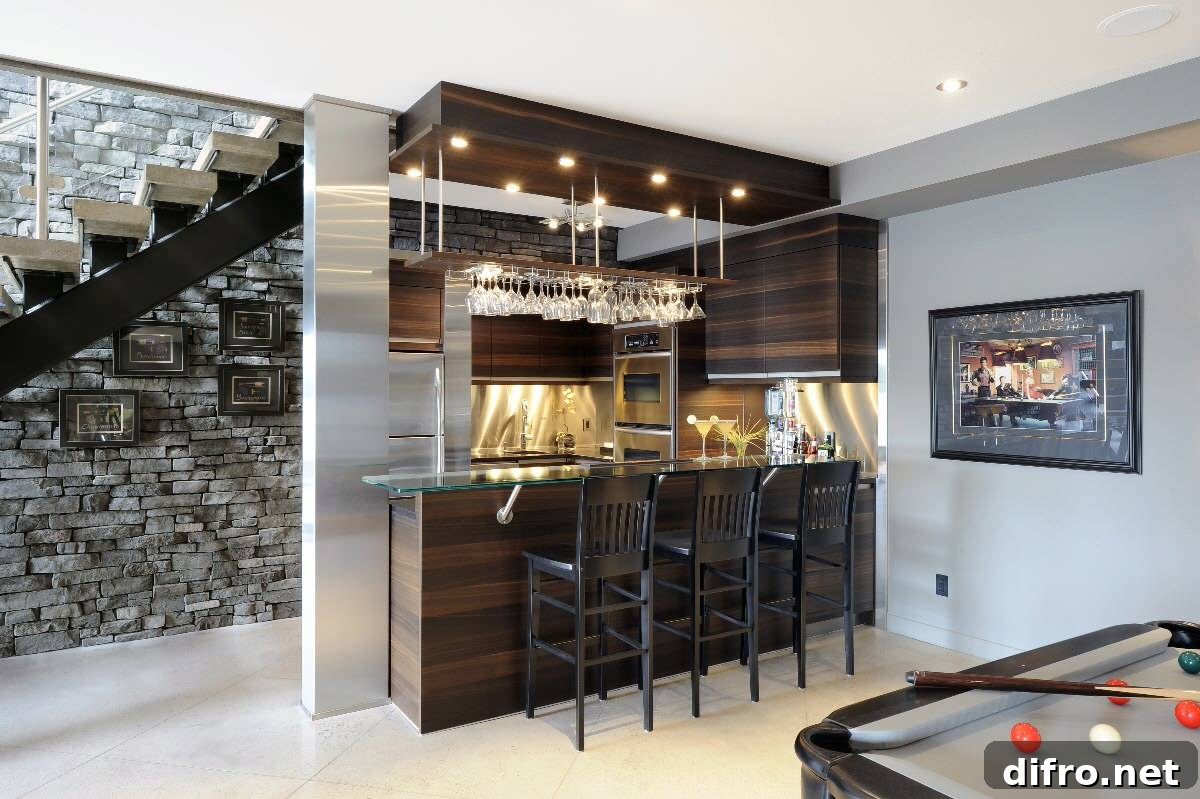
Install a basement bar to create a dedicated gathering spot for friends and family. A small kitchenette with a sink, mini-fridge, and counter space makes entertaining easier, and built-in shelving or a wine fridge keeps supplies organized. Thoughtful lighting and durable surfaces help the bar area stand up to frequent use.
Before starting any basement project, assess structural and moisture conditions, consult local codes, and consider professional contractors for plumbing, electrical, and waterproofing work. With careful planning and design, a finished basement becomes valuable living space that enhances daily life and boosts your home’s appeal.