Brown is a versatile, natural neutral that can bring warmth and stability to any room when used thoughtfully. Too much brown or an overabundance of wooden furniture can make a space feel heavy or dim, so it’s important to combine brown with complementary hues and varied textures. Brown is often overlooked in favor of whites or grays for walls and large surfaces, but it deserves consideration: with the right supporting colors and accents, brown can create inviting, sophisticated interiors. Below are practical, stylish color pairings and tips to help you use brown effectively in your home.
What to Consider When Decorating with Brown
When choosing colors to pair with brown, first decide the mood you want to create. Brown spans a wide range of shades—from deep chocolate and walnut to reddish sienna and light camel—so the specific tone you select will influence the overall effect. Lighter browns like beige or camel make excellent neutral bases for walls, allowing darker furniture to stand out. If your room includes dark brown furniture or wood finishes, balance that weight with lighter paints, textiles, and metallic or glass accents to keep the space from feeling oppressive. Because brown isn’t a primary color on the traditional color wheel, it gives you freedom to experiment—try mixing earth tones, pastels, or brighter accents based on the atmosphere you want to achieve. The following combinations highlight reliable pairings and styling strategies.
Brown & White
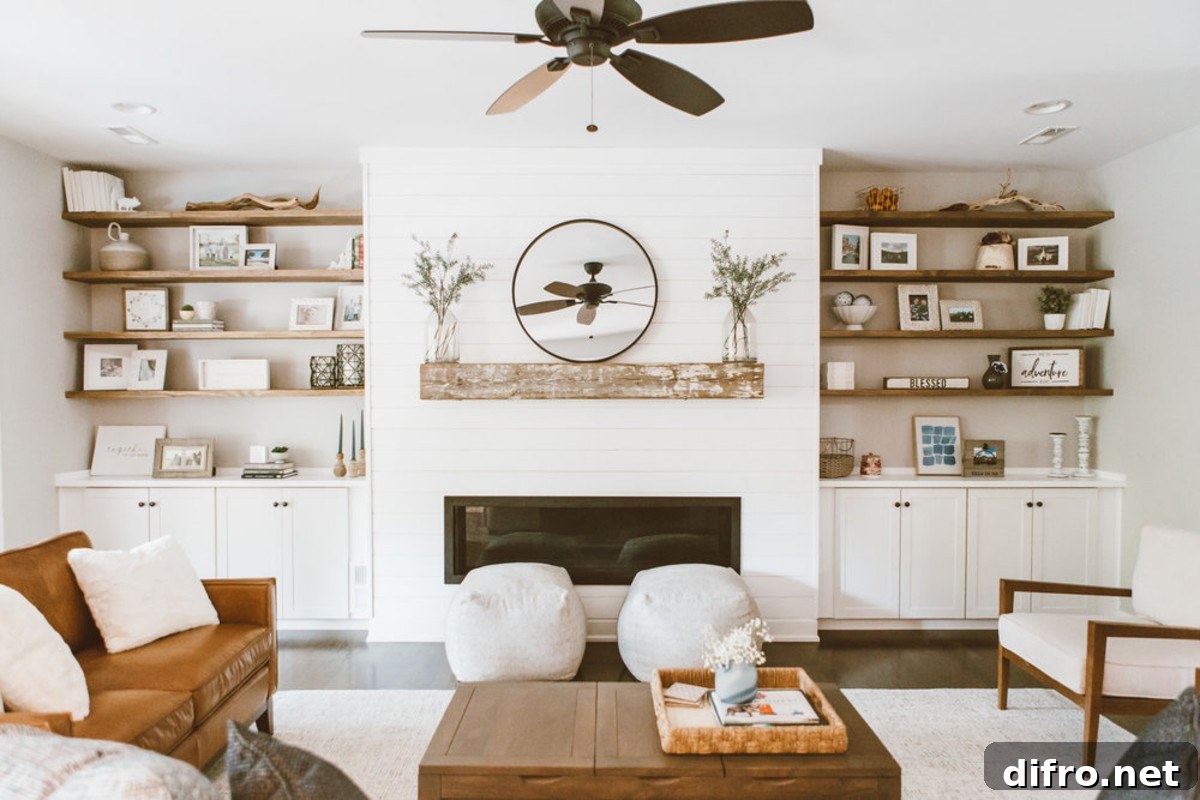
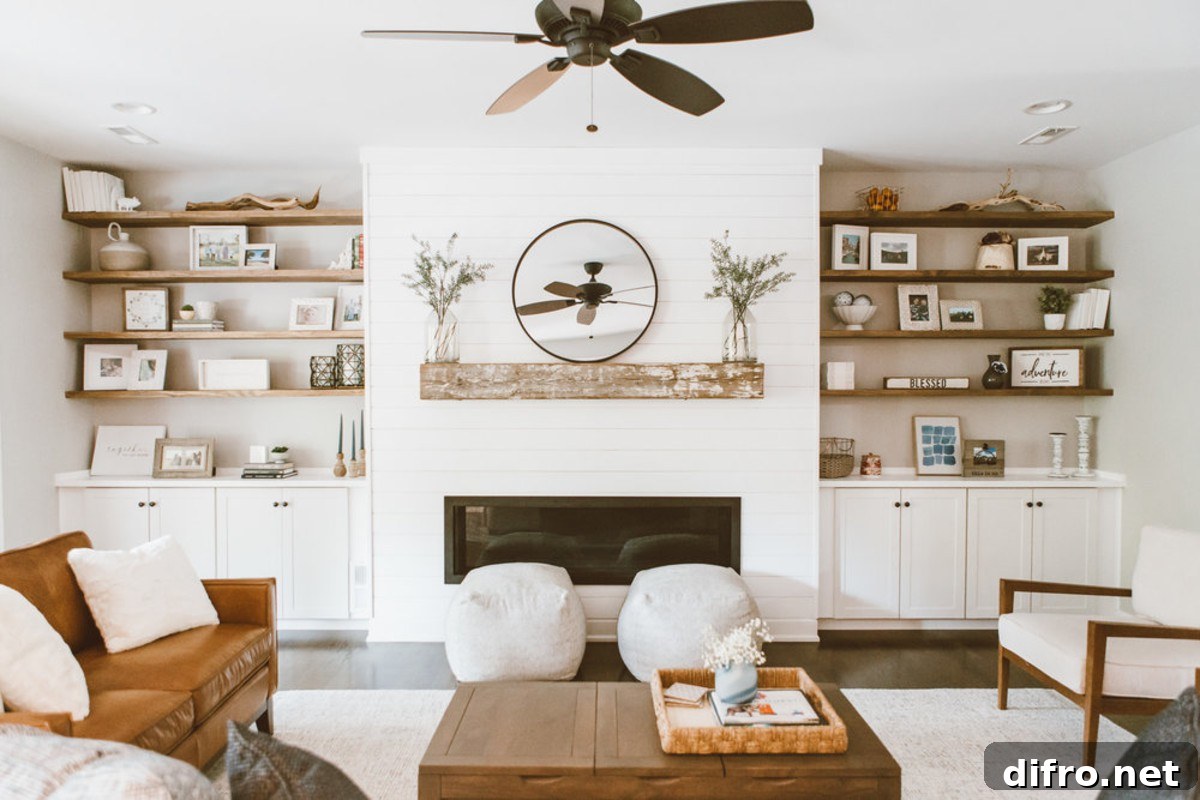
White pairs easily with brown and produces a crisp, clean contrast that suits formal living spaces, dining rooms, or modern interiors. A white-dominant room with brown furniture or wooden accents feels fresh while allowing the richness of the wood to become a focal point. To avoid a flat look, vary textures and shades—use warm whites, off-whites, or cream alongside dark teak or espresso finishes for depth. Natural linens, stone, and light upholstery help brighten a dark-brown setting without eliminating its warmth.
Brown & Orange
Brown and orange are close on the color spectrum, but pairing them can add vibrant energy to a room. In a predominantly brown space, orange accents—throw pillows, art, or a single upholstered piece—act as an invigorating pop. Against darker woods, burnt orange or terracotta tones read as modern and artistic; combine them with cream or beige to temper the contrast for a more sophisticated palette. Use orange sparingly as an accent to avoid overwhelming the warmth of brown.
Brown & Green
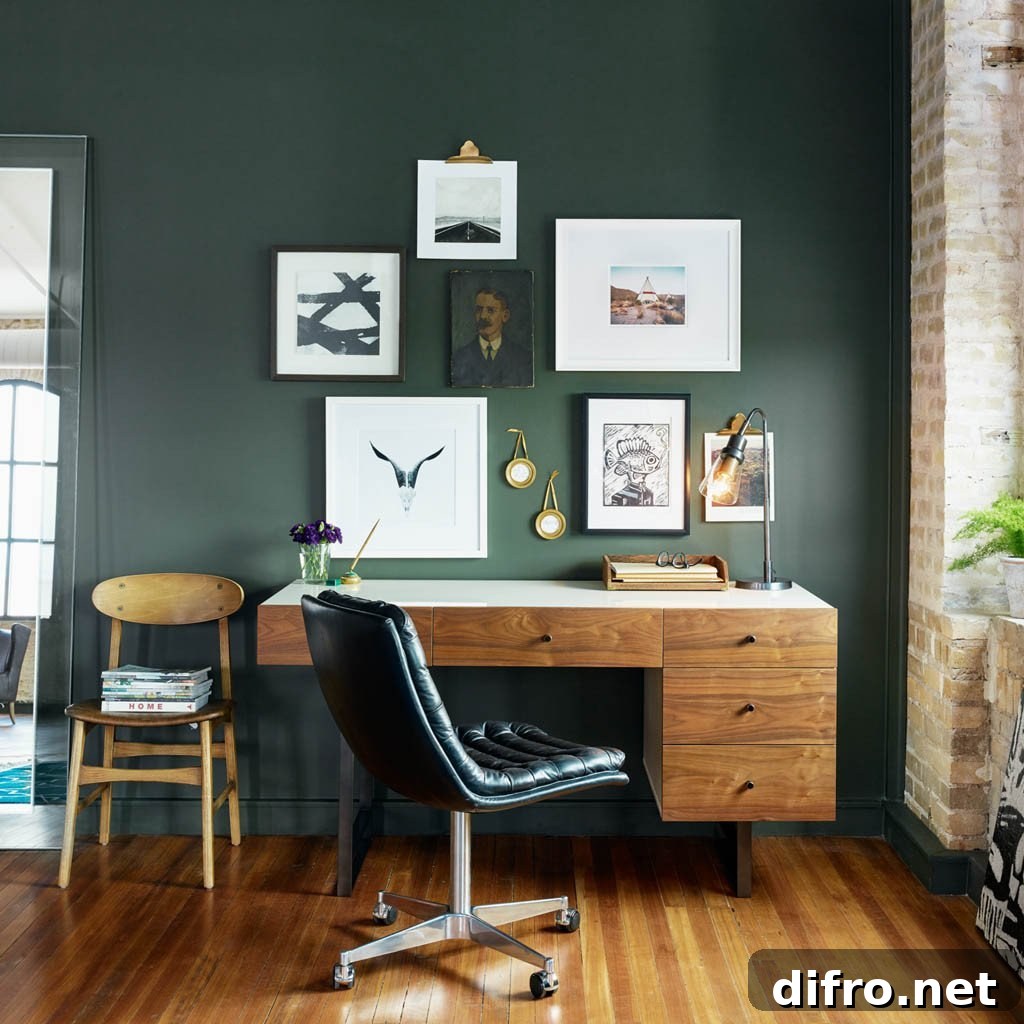
Brown and green naturally complement each other because they reflect the outdoors. Softer greens like mint or sage calm and lighten a room with darker wooden furniture, while deeper greens—emerald, forest, or olive—create a moody, restful atmosphere suited to studies or dens. Pairing green with brown emphasizes a grounded, organic aesthetic; consider adding plants, textured fibers, and natural stone to reinforce the nature-inspired palette.
Brown & Yellow
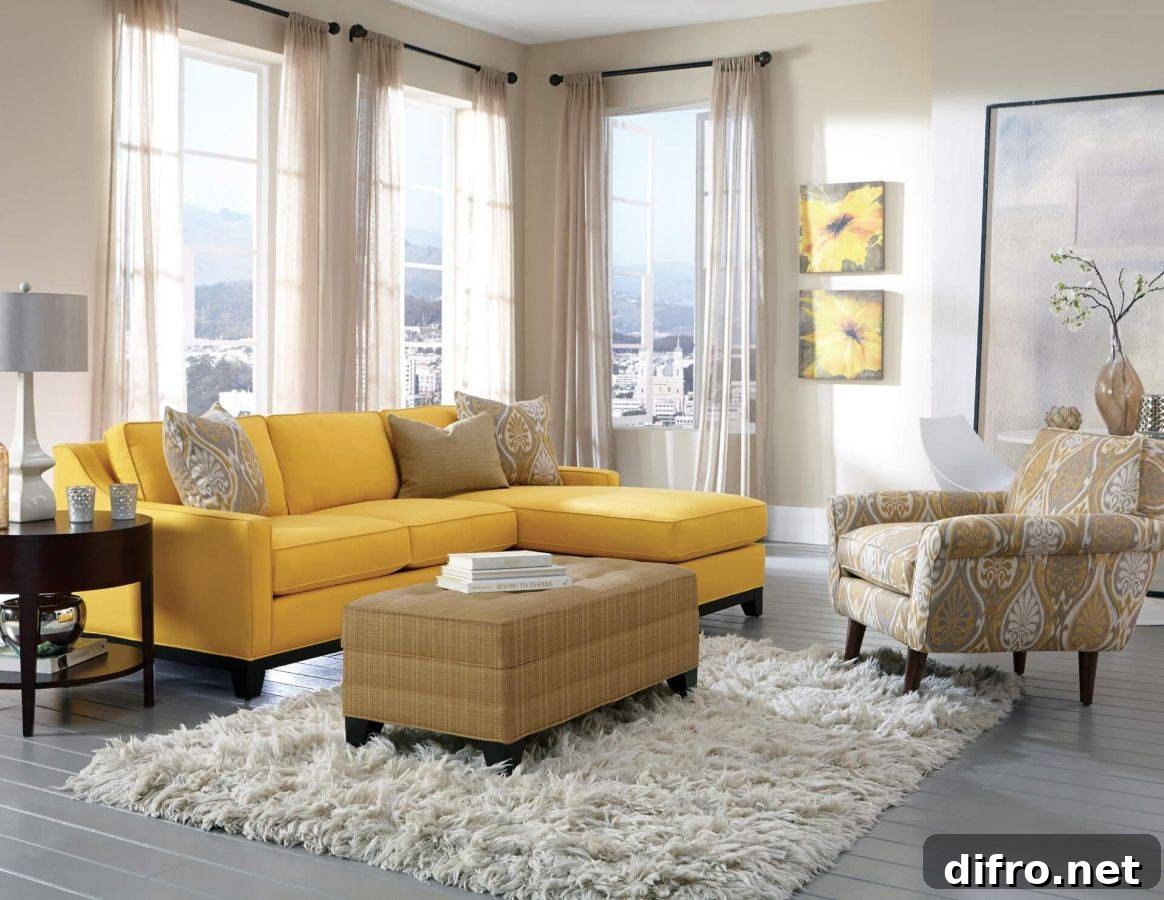
Yellow is one of the most effective colors to pair with brown. Bright yellow accents introduce cheer and contrast, while deeper golden yellows add richness. For a balanced scheme, apply the 60-30-10 rule: 60% neutral (for example, white or a light wall color), 30% brown tones and wood elements, and 10% yellow accents such as cushions, lamps, or small furnishings. This approach brings brightness without negating the warmth and grounding quality of brown.
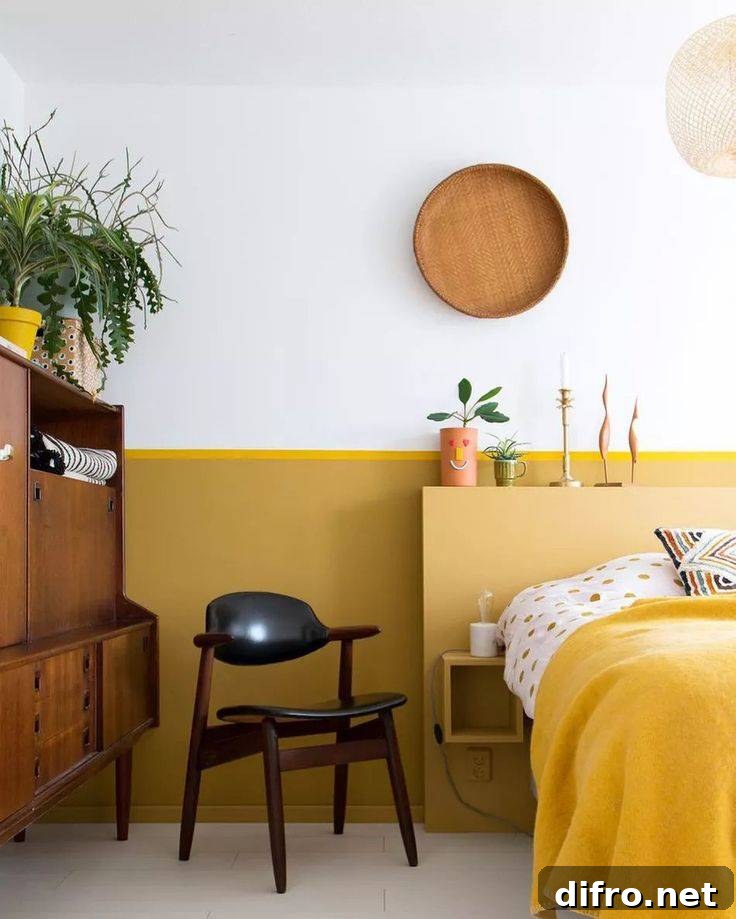
Brown & Mustard Yellow
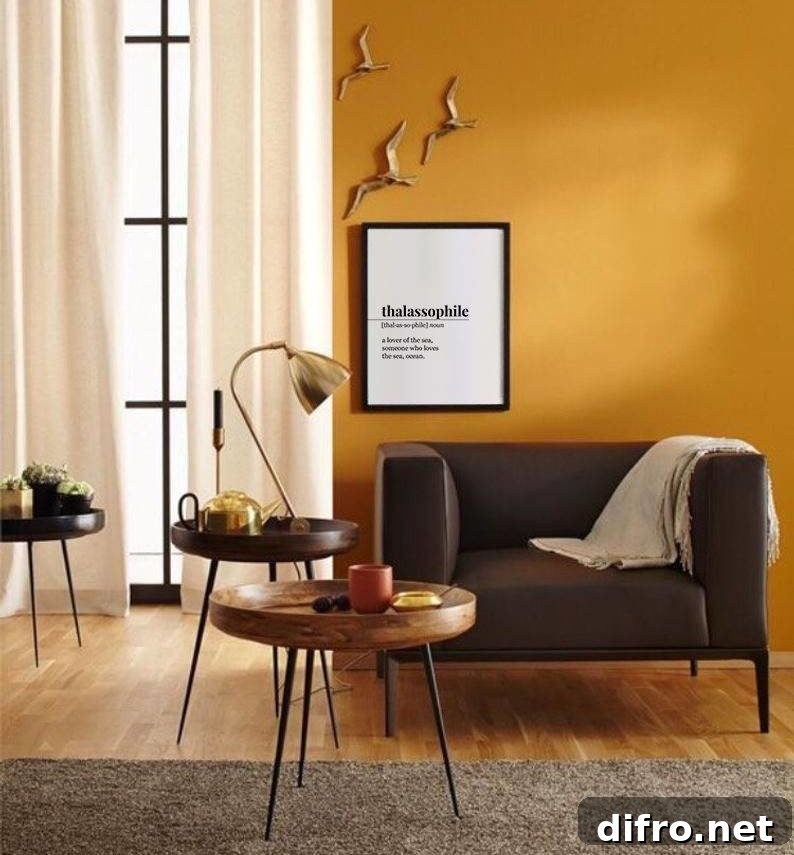
Mustard yellow is a deeper, more subdued yellow that pairs especially well with browns and earth tones. Not meant to dominate, mustard works as a stabilizing accent—think a throw, rug, or single statement wall—bringing contrast and warmth without overwhelming the palette. Use it sparingly to give a room personality while maintaining an overall grounded feeling.
If you want more ideas for pairing yellow with other colors, look for guides and inspiration that focus on color harmonies and practical decorating tips.
Brown & Purple
Pairing brown with purple creates an unexpected, elegant contrast. Light woods often pair beautifully with deep plum, amethyst, or rich eggplant, while darker woods can be offset by softer pastel purples for balance. Combining purple and brown can give large rooms a cozy, refined feel—consider adding yellow accents if you want a three-color scheme that introduces warmth and brightness.

Brown & Blue
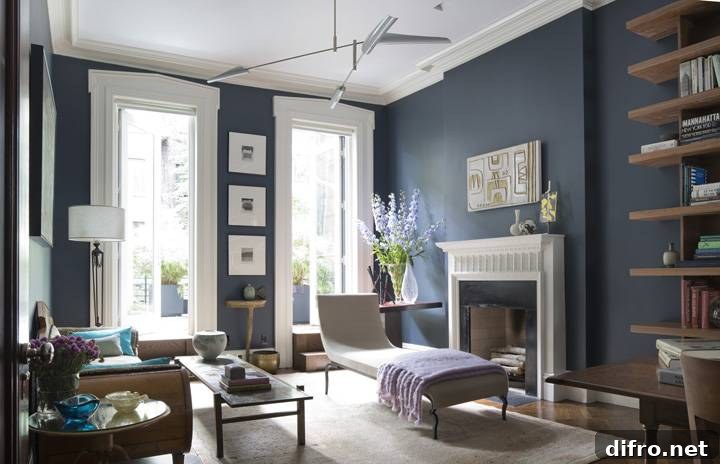
Although brown doesn’t appear on the traditional color wheel, pairing it with blue—its approximate complementary—yields a calming, balanced space. Navy blue and brown leather create a rustic, refined look, while pale blues combined with beige or light wood produce a serene, airy feel. Cool blues offset the warmth of brown, preventing a room from feeling too heavy while preserving a cozy atmosphere.
Explore additional color pairing ideas focused on blue if you want to refine a two- or three-color scheme that includes brown.
Brown & Pink
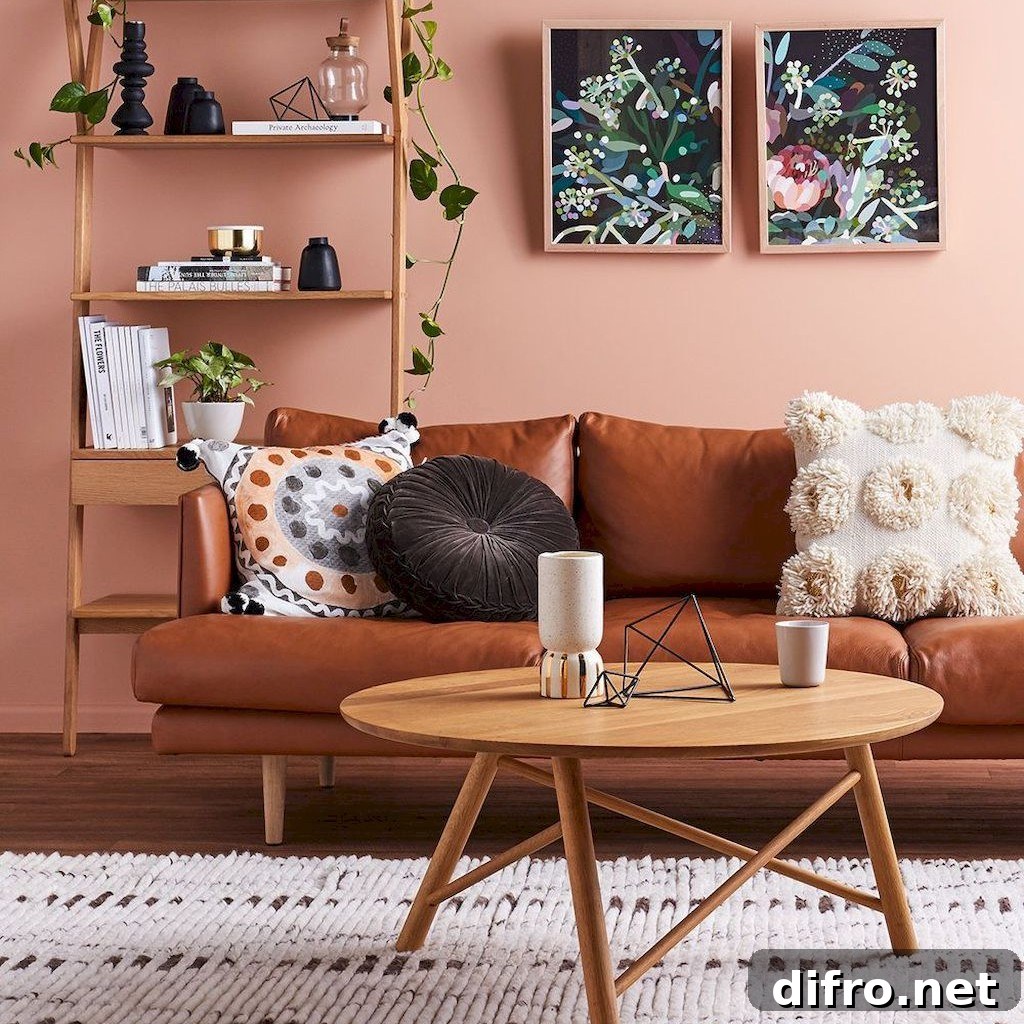
Brown combined with pink creates a warm, feminine palette that feels mature rather than overly sweet. Shades such as rose, blush, or fuchsia work well as accents against brown furniture or wood floors. Start with a brown base—furniture, flooring, or cabinetry—and introduce pink in pillows, textiles, or a muted wall color to create a soft, balanced room.
Brown & Black
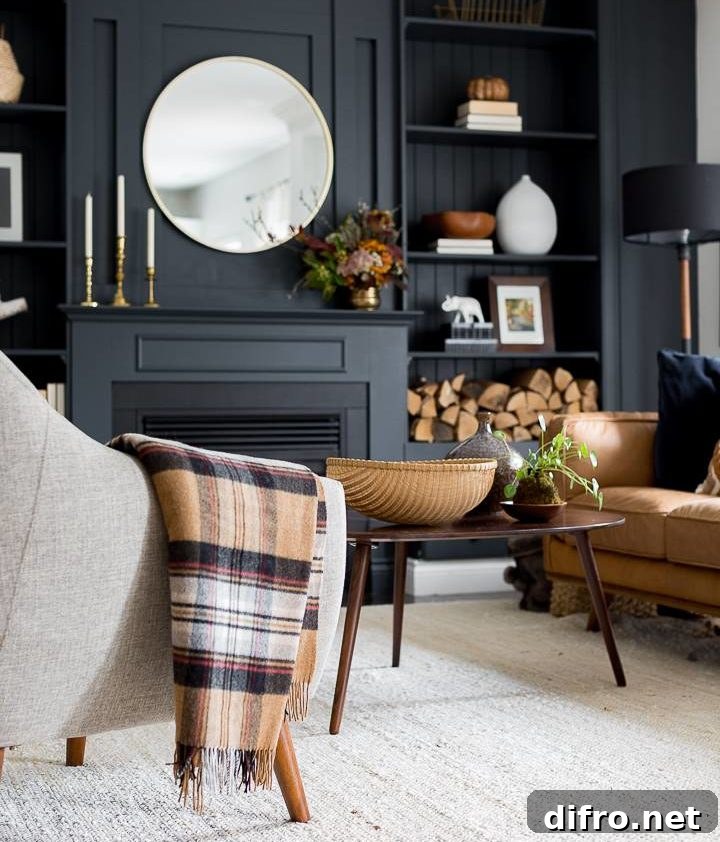
Brown and black together create a dramatic, contemporary look when balanced correctly. Use lighter brown tones and varied textures to prevent the palette from becoming too dark. Black accents—metal fixtures, picture frames, or a fireplace surround—add contrast and sophistication, while brown elements soften the space and introduce warmth.
Brown & Red
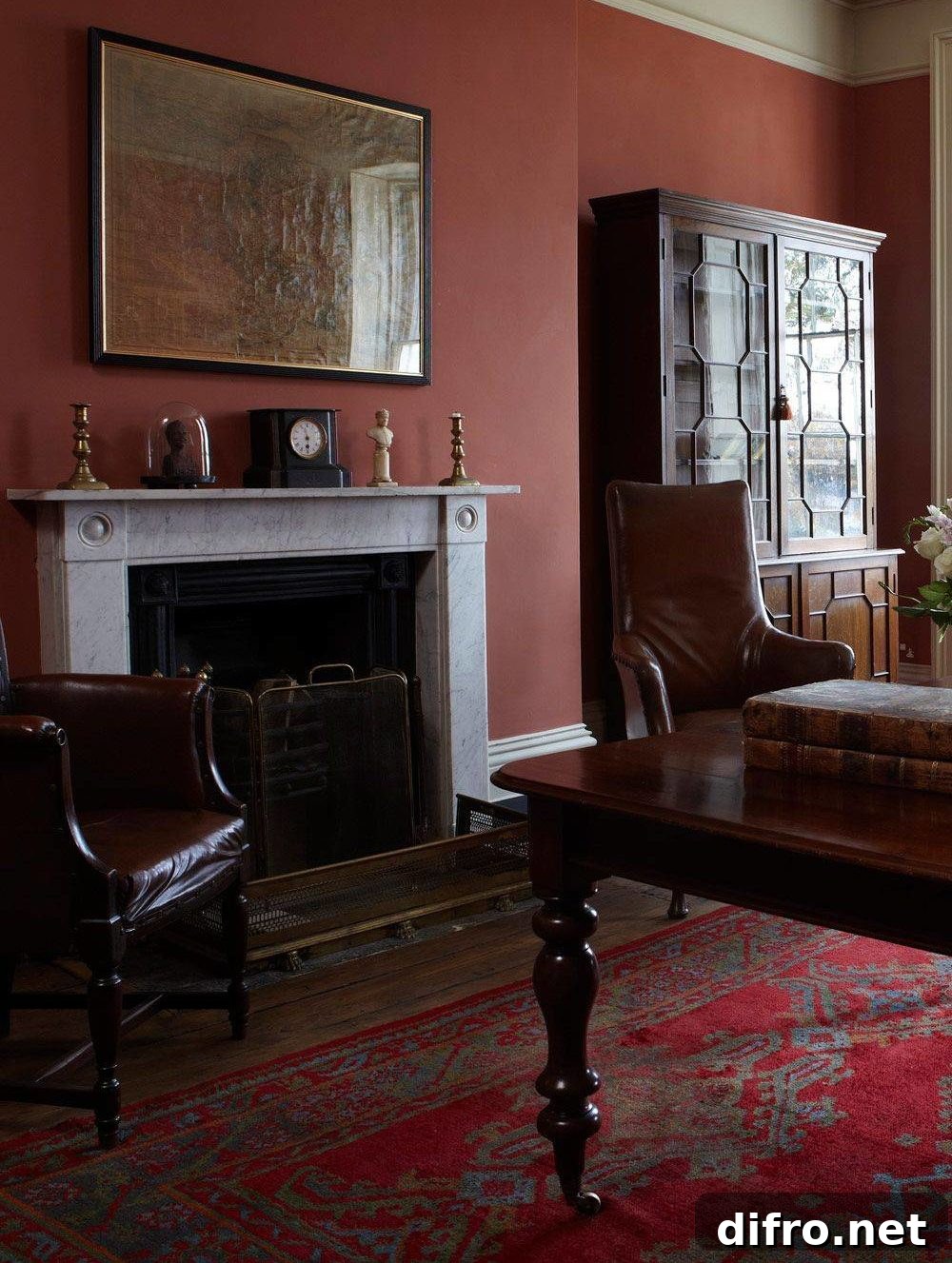
Pairing brown with red depends on the red shade you choose. Darker reds—burgundy or oxblood—create a moody, scholarly atmosphere ideal for libraries or studies. Bright red accents can energize a modern bedroom or living area when used sparingly, such as a single chair or throw. Consider the scale and intensity of red to ensure it complements rather than competes with brown elements.
Ultimately, brown is a flexible foundation for many color schemes. By varying tones, textures, and accent colors—white, yellow, blue, green, or even purple—you can shape the mood of a room from cozy and traditional to bright and contemporary. Test swatches in your space and consider natural light at different times of day to choose the most flattering combinations for your home.