Windows are a central architectural feature in homes and offices. They bring in natural light, allow ventilation, and frame views of the outdoors. To balance light, comfort and privacy, window treatments are essential—among them, blinds are one of the most versatile options. Blinds offer precise control over light and sightlines, contribute to thermal efficiency, and add style to any room. This guide explains why blinds matter, details the main types available, and highlights the benefits and best uses for each so you can choose the right solution for your space.
Importance of Window Blinds
Window blinds serve three practical functions: controlling light, improving energy efficiency, and protecting privacy. They are ideal for bedrooms, living rooms, kitchens and offices because they allow you to adjust brightness and glare while maintaining a pleasing interior aesthetic.
Light Control
Blinds let you fine-tune how much sunlight enters a room. You can tilt slats to diffuse bright sun without darkening the whole space, or lower a blind completely to block light for daytime sleeping, media rooms, or glare-free work areas.
Temperature and Energy Control
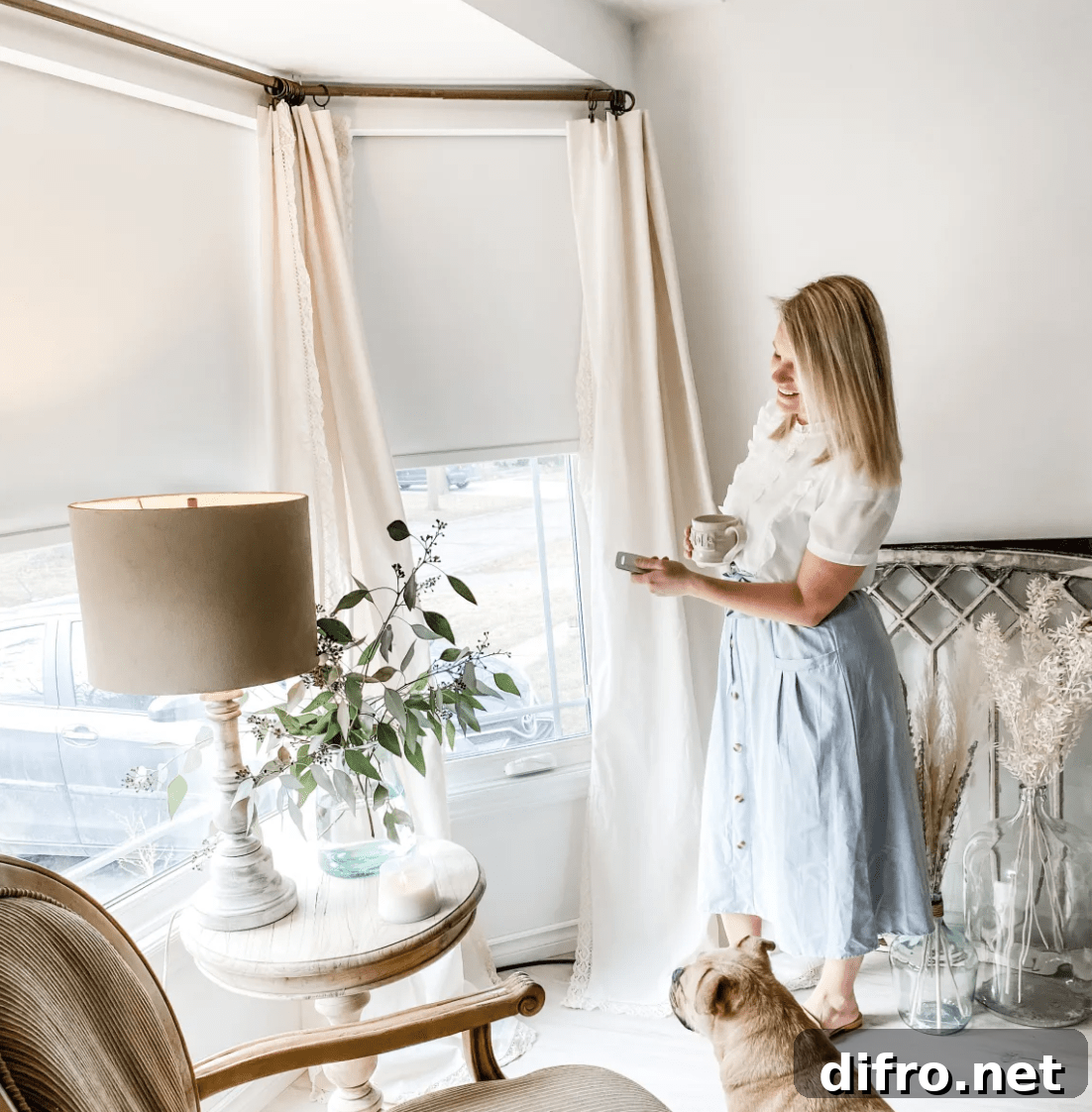
Blinds help regulate indoor temperatures. In summer, closing blinds reduces solar heat gain and lowers cooling costs; in winter, opening them on sunny days lets in warmth from sunlight. Well-chosen blinds contribute to a more energy-efficient home when combined with good insulation and window sealing.
Privacy
Blinds provide adjustable privacy that suits any neighborhood or orientation. They allow you to maintain natural light while keeping sightlines away from the street or neighboring properties—often with greater flexibility than curtains.
Types of Window Blinds
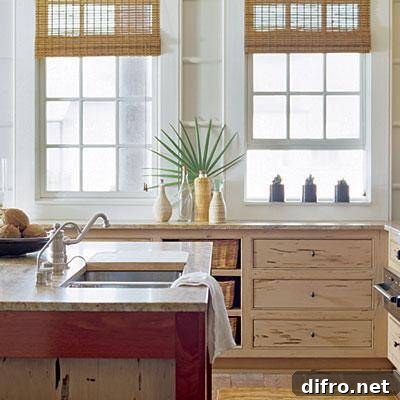
Several blind types are widely used for residential and commercial windows. Each type offers different aesthetic and practical benefits—read on to compare vertical, horizontal, mini and Roman options.
Vertical Blinds
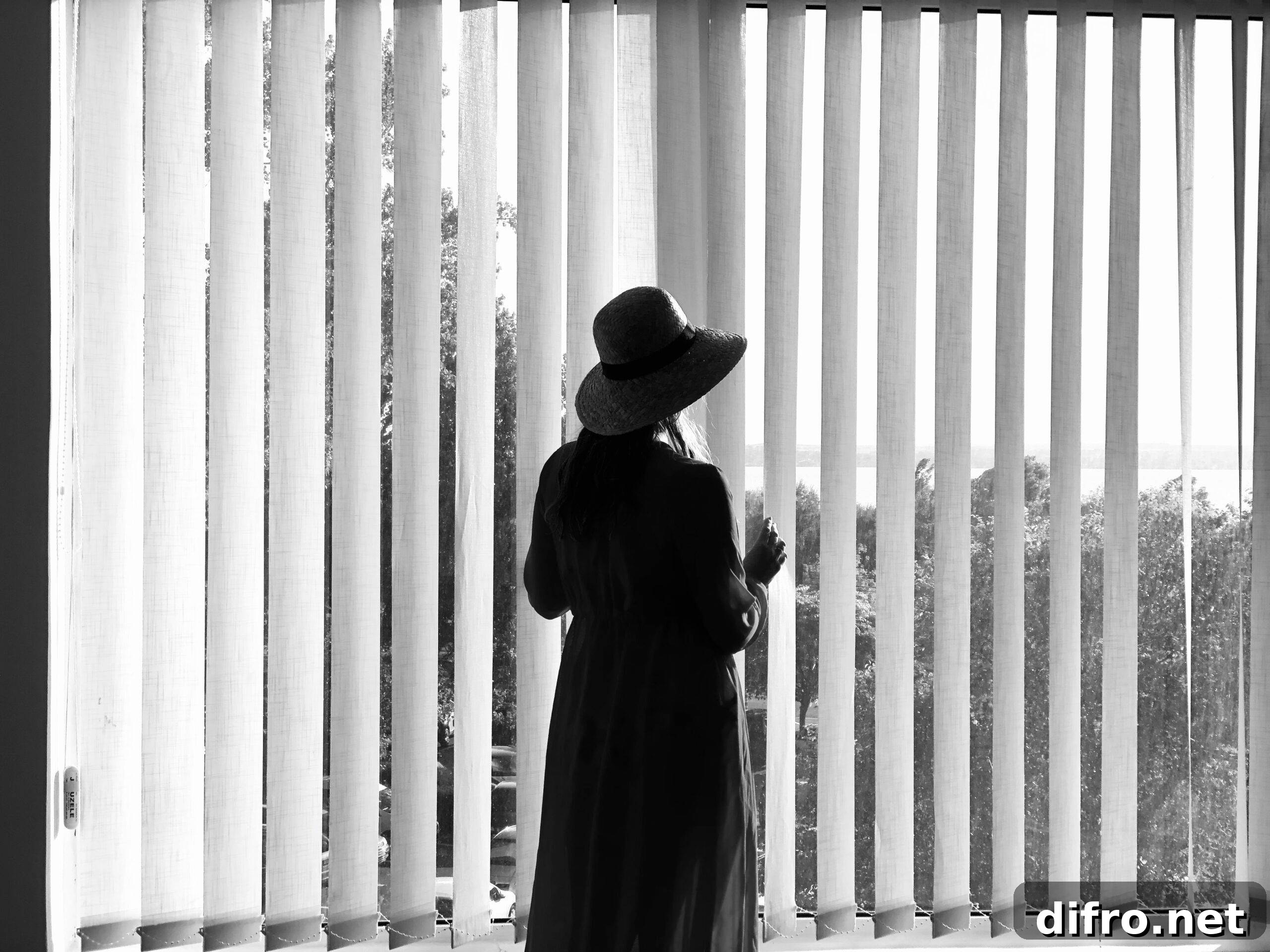
Vertical blinds consist of slats or vanes that hang from a headrail and move side-to-side. They are commonly made from vinyl, PVC, fabric or wood, and are useful for wide windows, sliding glass doors and rooms with high ceilings. Vertical blinds are easy to adjust for both full coverage and angled light control.
Materials and finishes vary: vinyl and PVC are low-maintenance and affordable; fabric offers texture and pattern variety; and wood provides a warm, natural look. Benefits include versatility for oversized openings and straightforward cleaning. Keep in mind vertical blinds can be noisier in breezy conditions and may not block 100% of light along the seams.
Horizontal Blinds
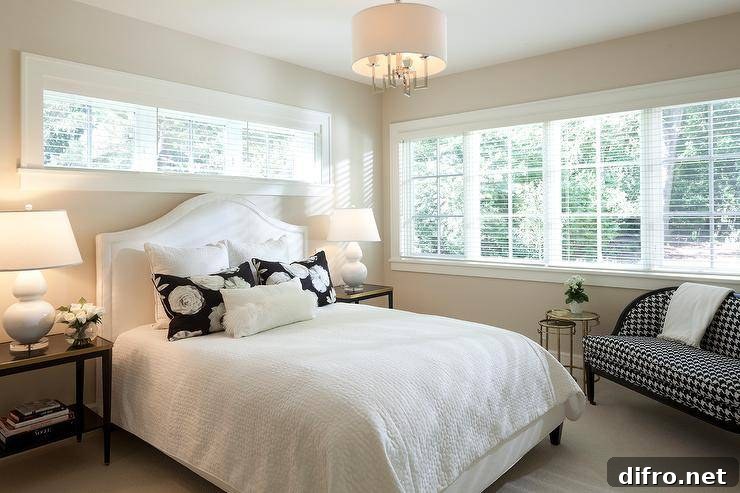
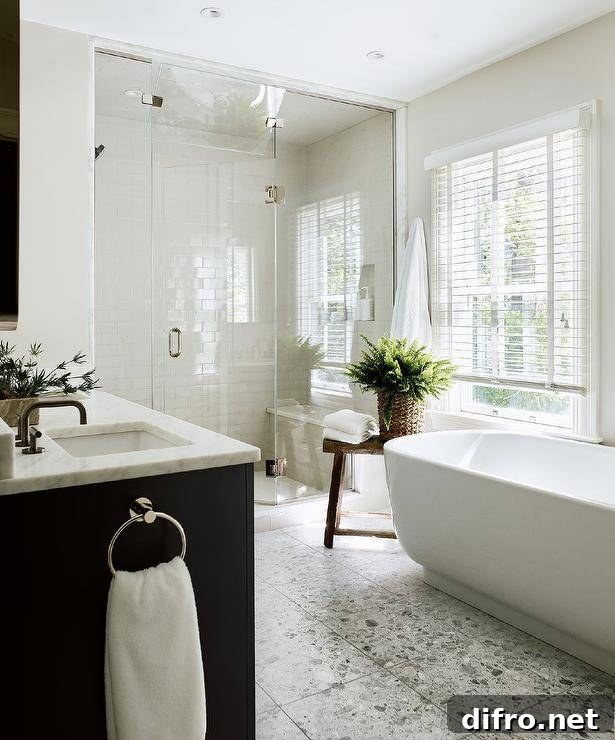
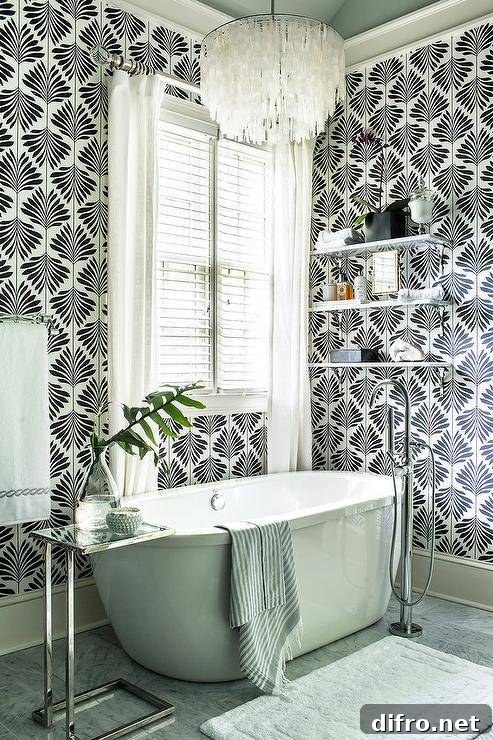
Horizontal blinds feature slats that run across the window and are most often made from aluminum, wood or faux wood. You can tilt the slats or raise and lower the entire blind to control light and privacy. Aluminum is lightweight and affordable; wood and faux wood add warmth and better insulation.
These blinds are suitable for most rooms—living areas, bedrooms and kitchens—and are generally simple to clean. Large or oversized horizontal blinds can be harder to operate, and natural wood options may require special care in humid areas.
Mini Blinds
Mini blinds use narrow horizontal slats and are typically constructed from aluminum or vinyl. They are a budget-friendly option that offers effective light control and privacy for many room types. Mini blinds are lightweight and easy to clean, but they provide less insulation than thicker slats and can make noise when they move.
Roman Shades
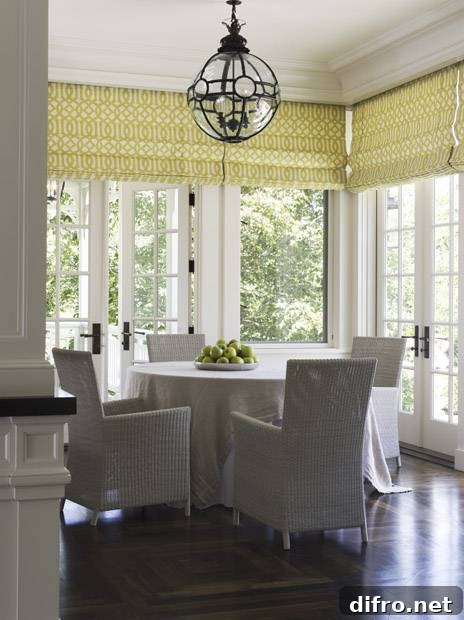
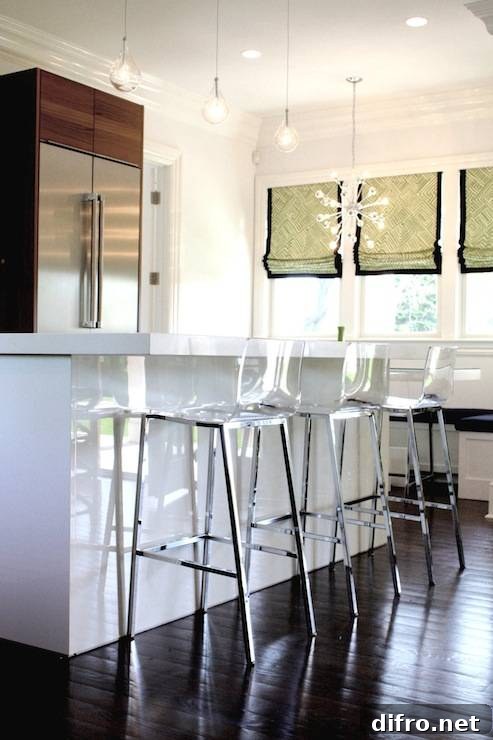
Roman shades are fabric window coverings that fold into soft pleats as they are raised. Common materials include cotton, linen and silk, although moisture-resistant fabrics are available for kitchens and bathrooms. Roman shades add texture and elegance while offering good light control and insulation.
They suit living rooms, bedrooms and dining rooms well. Cleaning can be more involved than for hard-surface blinds, and some fabric choices may not provide total blackout or privacy without additional linings.
Choosing the Right Blinds
When selecting blinds, consider these factors: window size and orientation, the room’s humidity, insulation needs, desired level of privacy, and the style you want to achieve. Motorized or cordless options increase convenience and safety, especially in homes with children or pets. For energy savings, look for blinds with insulating features such as honeycomb cells or layered fabrics.
Frequently Asked Questions (FAQ)
What are the main types of blinds?
The most common types are vertical blinds, horizontal (venetian) blinds, mini blinds, Roman shades and cellular (honeycomb) blinds. Each type offers distinct benefits for light control, privacy and insulation.
What are blackout blinds and when should I use them?
Blackout blinds block nearly all incoming light and are ideal for bedrooms, nurseries and media rooms where full darkness is needed during daylight hours.
How do I clean my blinds?
Cleaning depends on the material: wipe hard-surface slats with a damp cloth, vacuum fabric blinds with a soft brush attachment, and follow manufacturer instructions for delicate fabrics. Regular dusting extends the life and appearance of your blinds.
Conclusion
Blinds are a practical, stylish solution for managing light, privacy and temperature. With a wide range of materials, styles and operating systems, you can match blinds to any decor and functional need. Whether you want a low-maintenance option, a warm natural look, or a softer textile treatment, the right blinds make a measurable difference in comfort, aesthetics and energy performance.