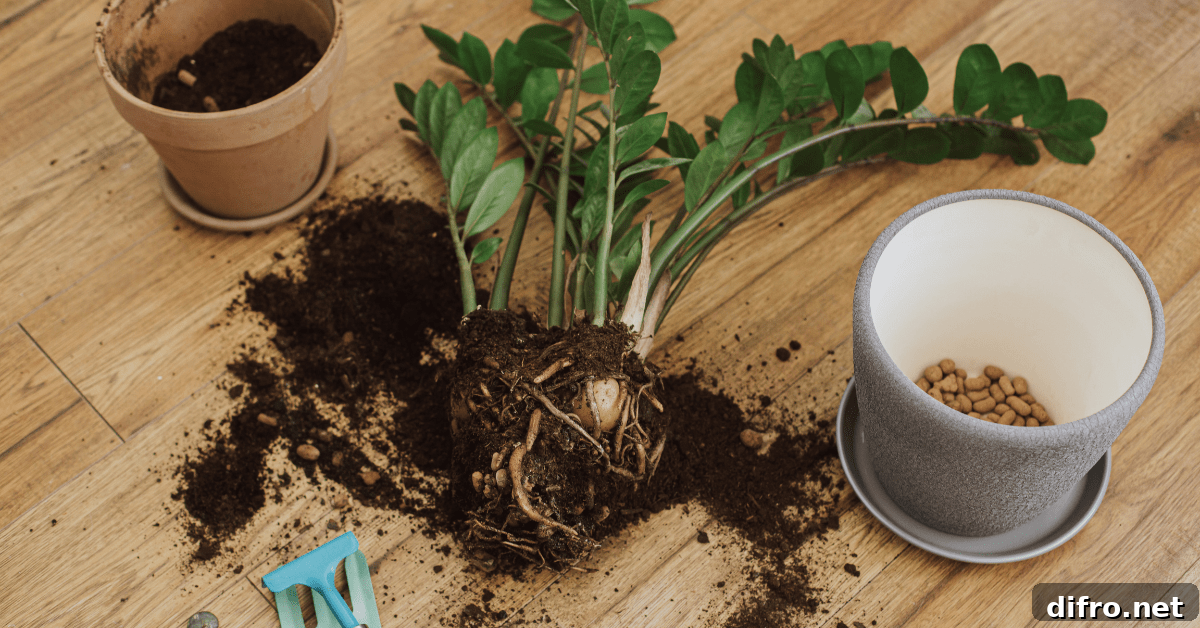
Have you ever felt like no matter what you do your houseplants still struggle? You water on schedule, give them light, and even speak kindly to them, yet the leaves yellow and stems droop. The problem may not be your care routine—it could be the soil environment. Poor drainage, compacted mix, improper pH and feeding mistakes quietly undermine plant health. Below you’ll find clear, practical guidance to diagnose common soil-related issues and restore your plants to vigor.
Overwatering and Poor Drainage
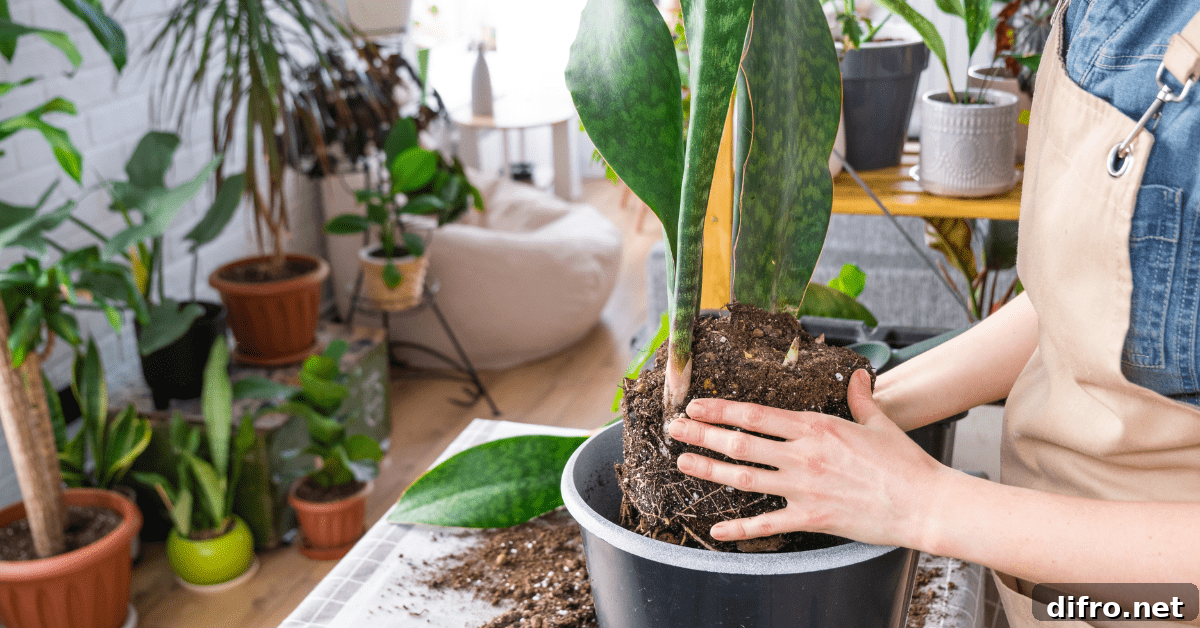
Overwatering is one of the most common causes of plant decline. When soil remains waterlogged, roots are deprived of oxygen and become vulnerable to root rot and fungal infections. Signs include soft, dark roots, a sour smell from the potting mix, yellowing lower leaves and stunted growth. Even plants that normally tolerate moderate moisture will suffer when water cannot drain away.
Poor drainage makes overwatering far worse. Pots without adequate drainage holes, heavy clay soils, or saucers that trap runoff will keep roots sitting in stagnant water. To prevent this, use pots with well-placed drainage holes, elevate pots slightly so water can escape, and empty saucers after watering. Choose potting mixes designed for container plants or amend heavy mixes with coarse materials like perlite or pumice to improve flow.
Creating the Perfect Growing Environment
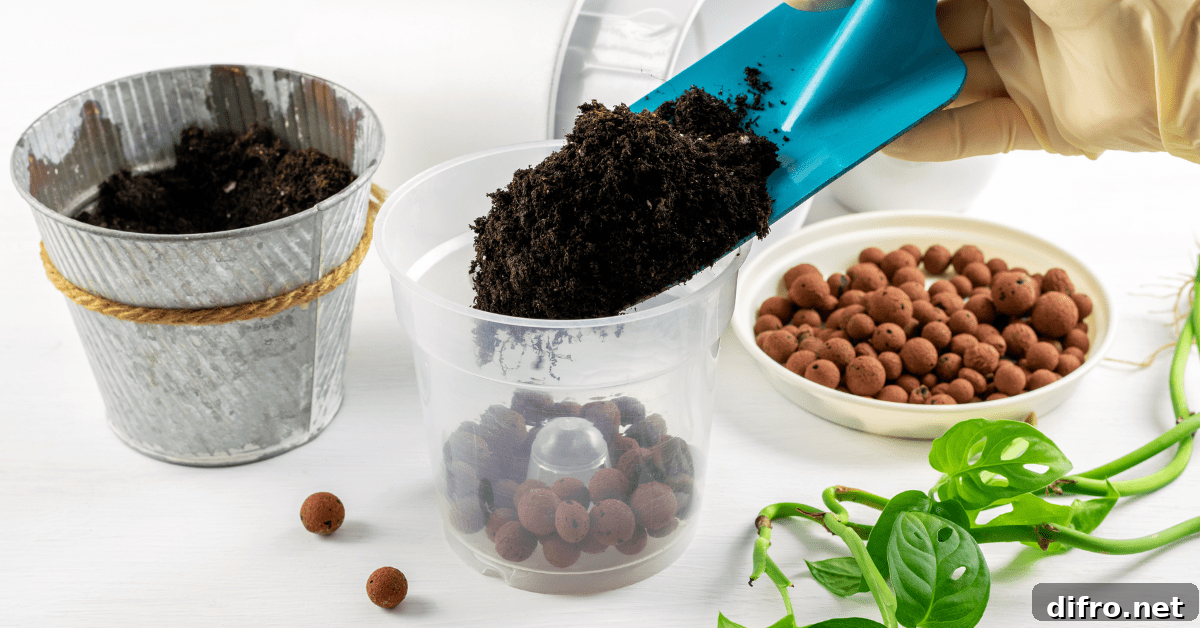
Soil structure and composition directly affect root health. Many commercial mixes are dense or formulated for long-term moisture retention, which can be problematic for typical indoor containers. A balanced DIY mix often combines a base of peat moss or coconut coir for water retention, plus perlite or pumice for drainage and aeration. Compost or well-rotted organic matter adds nutrients and improves structure.
Soil pH also matters. Different plants prefer different pH ranges, and if the mix is too acidic or alkaline, nutrient uptake will be limited even when nutrients are present. Use a basic soil pH tester and adjust gradually: lime can raise pH, while elemental sulfur or acidic amendments can lower it. Tailor the soil mix and pH to the specific needs of your plants for best results.
Aeration Gives Roots Room to Breathe
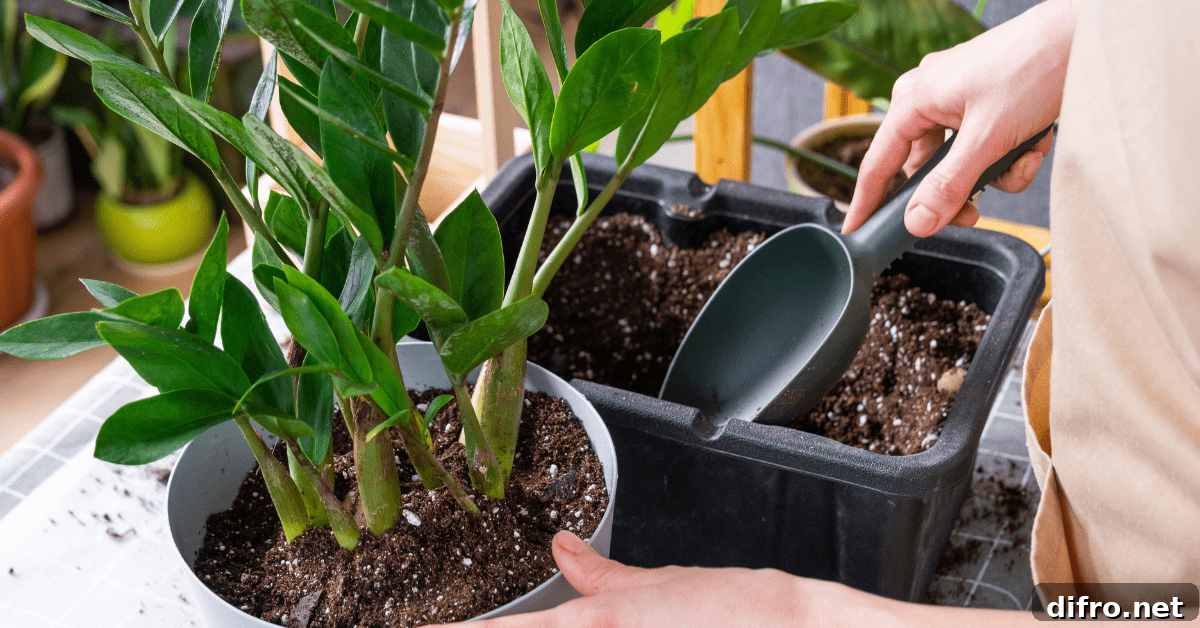
Roots need oxygen to function and access nutrients. Compacted soil reduces air pockets and suffocates roots, slowing growth and inviting disease. Improve aeration by gently loosening the top layer of soil between waterings with a chopstick or small fork, or by repotting into a lighter mix when the plant becomes rootbound.
Adding organic components—compost, bark chips, or coconut coir—creates a looser structure with more air space. Coarse amendments such as perlite, pumice or coarse sand can also keep the mix from compacting. For potted plants, check root health periodically and refresh the potting mix every 12–24 months depending on plant size and growth rate.
Feeding Your Plants Just Right
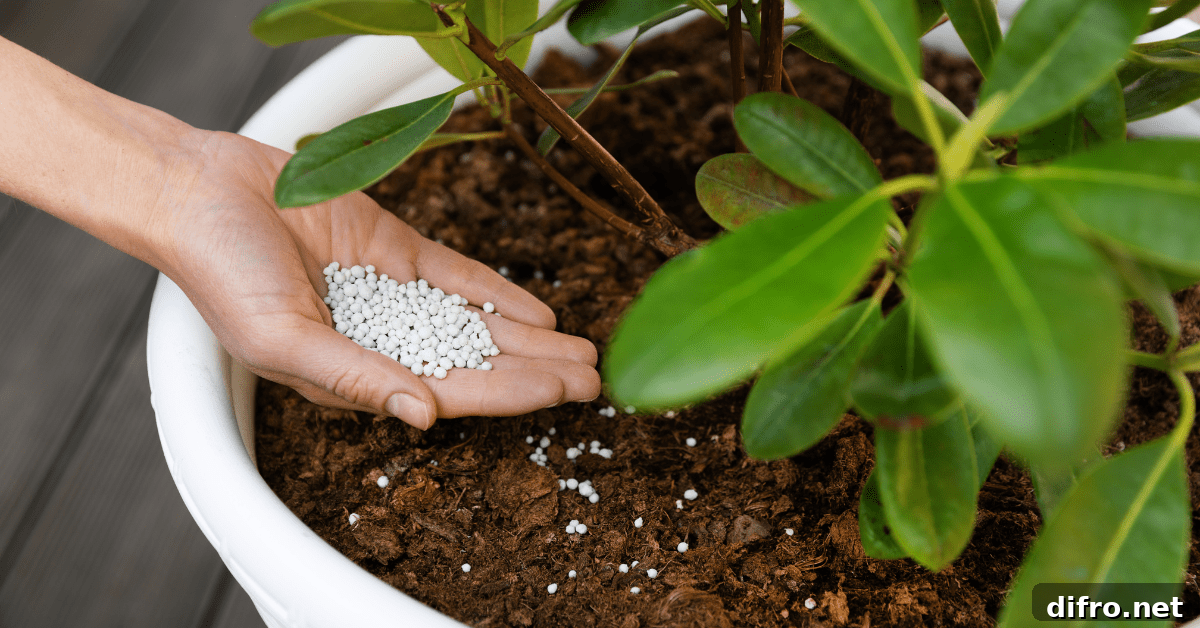
Fertilizer is essential, but more is not always better. Overfeeding can burn roots, accumulate salts, and upset the soil microbiome. Follow label directions for the type and frequency of fertilizer recommended for each species, and consider using a slow-release or dilute liquid feed to avoid spikes in concentration.
Conversely, nutrient deficiencies will show in plant tissue—pale or yellowing leaves often indicate low nitrogen, while other discolorations can point to specific shortages. Correct feeding after confirming the issue—use an appropriate balanced fertilizer or targeted supplement as needed, and flush the potting mix occasionally if salts build up from frequent fertilization.
Related Articles
- Explaining the Difference Between Direct and Indirect Sunlight for Houseplants
- The Houseplants Every Stylist Swears By
- 5 Common Houseplant Pests and How to Handle Them
Understanding these hidden soil and care factors gives you the power to revive struggling plants. Start by checking drainage and the potting mix, test and adjust pH if needed, improve aeration, and fine-tune feeding. Small, consistent changes often yield the biggest improvements. With patience and the right soil environment, your plants will recover and reward you with healthier growth.
Ready to bring new life to your home? Subscribe to our newsletter for exclusive interior design tips, trends, and ideas that will transform your space. Click here to subscribe!