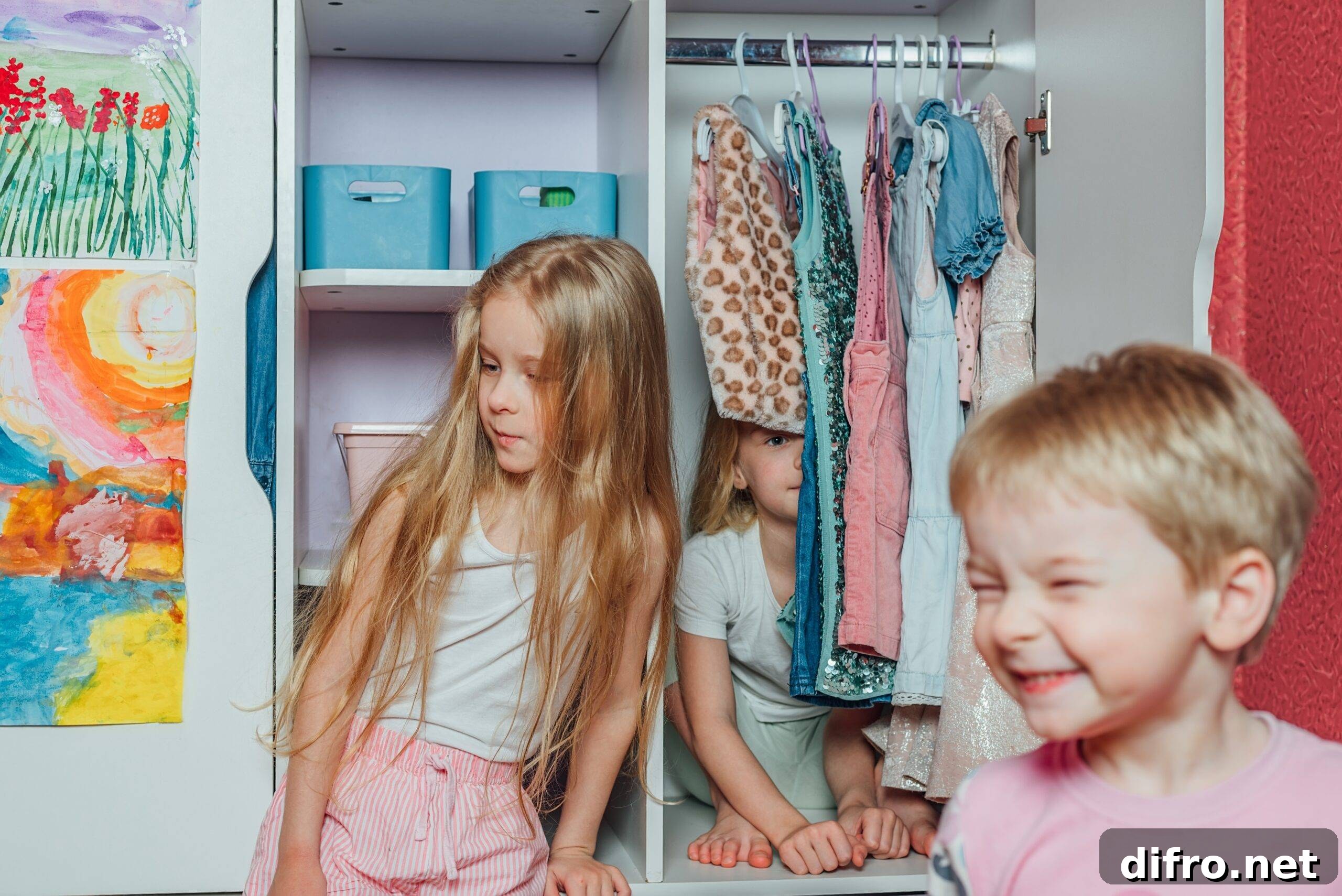
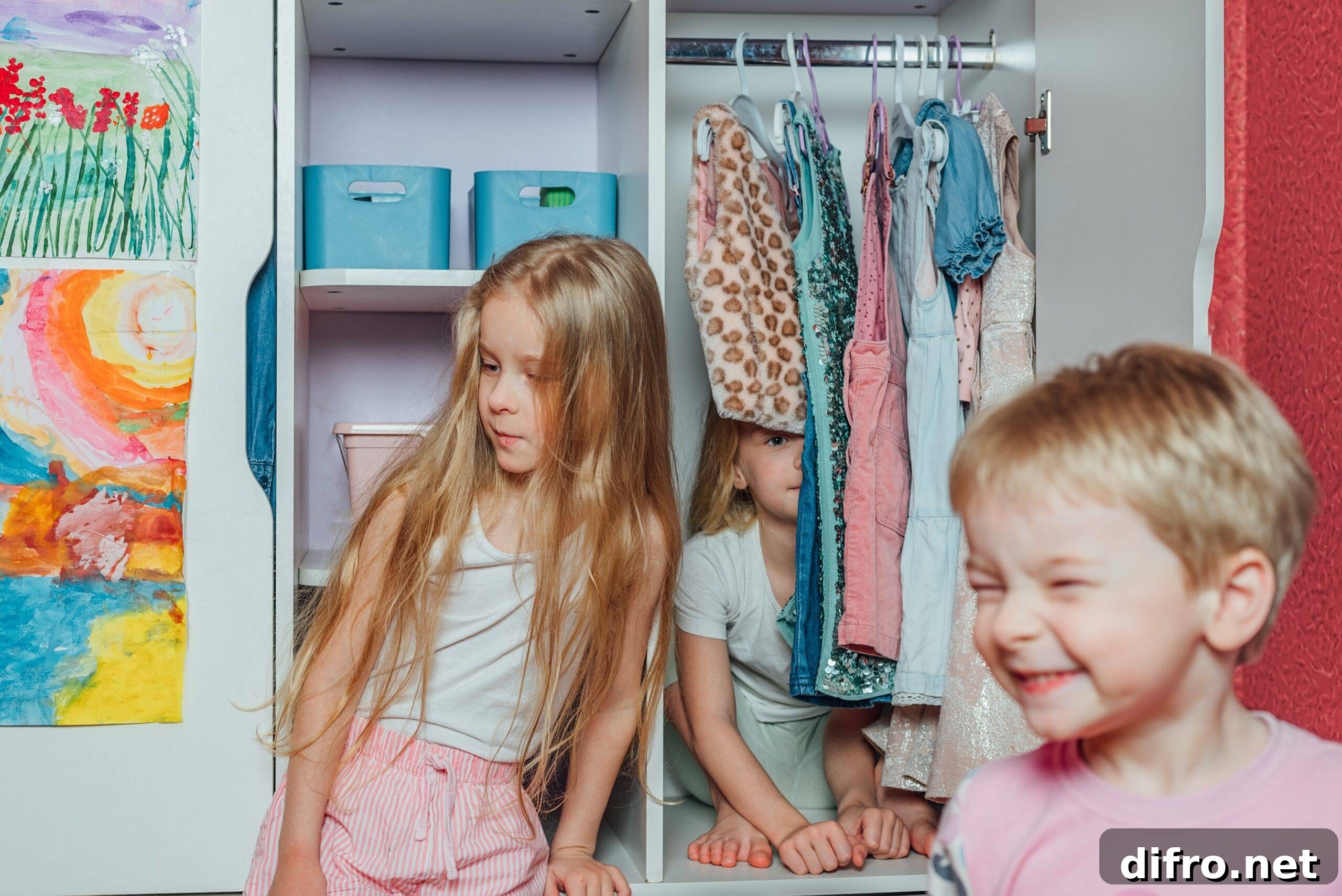
A child’s closet can quickly become a jumble of clothes, shoes, and toys, but with simple planning and a few creative touches it can be transformed into a tidy, functional, and cheerful space. The goal is to create storage solutions that work for both you and your child — systems that are practical, easy to maintain, and appealing to little hands and eyes. Below are practical, kid-focused ideas to help you maximize space, reduce clutter, and encourage independent habits, whether you’re working with a small reach-in closet or a larger walk-in.
1. Use Color-Coded Hangers
Color-coded hangers are an inexpensive, visual way to organize a child’s wardrobe. Assign a color to each category — for example, red for shirts, blue for pants, yellow for pajamas — so your child can quickly find and put away items without confusion. This method promotes responsibility and makes daily routines faster, especially on busy mornings. Letting your child pick the colors adds ownership, and the bright, organized display can turn the closet into an inviting area rather than a chore to face.
2. Install Adjustable Shelving
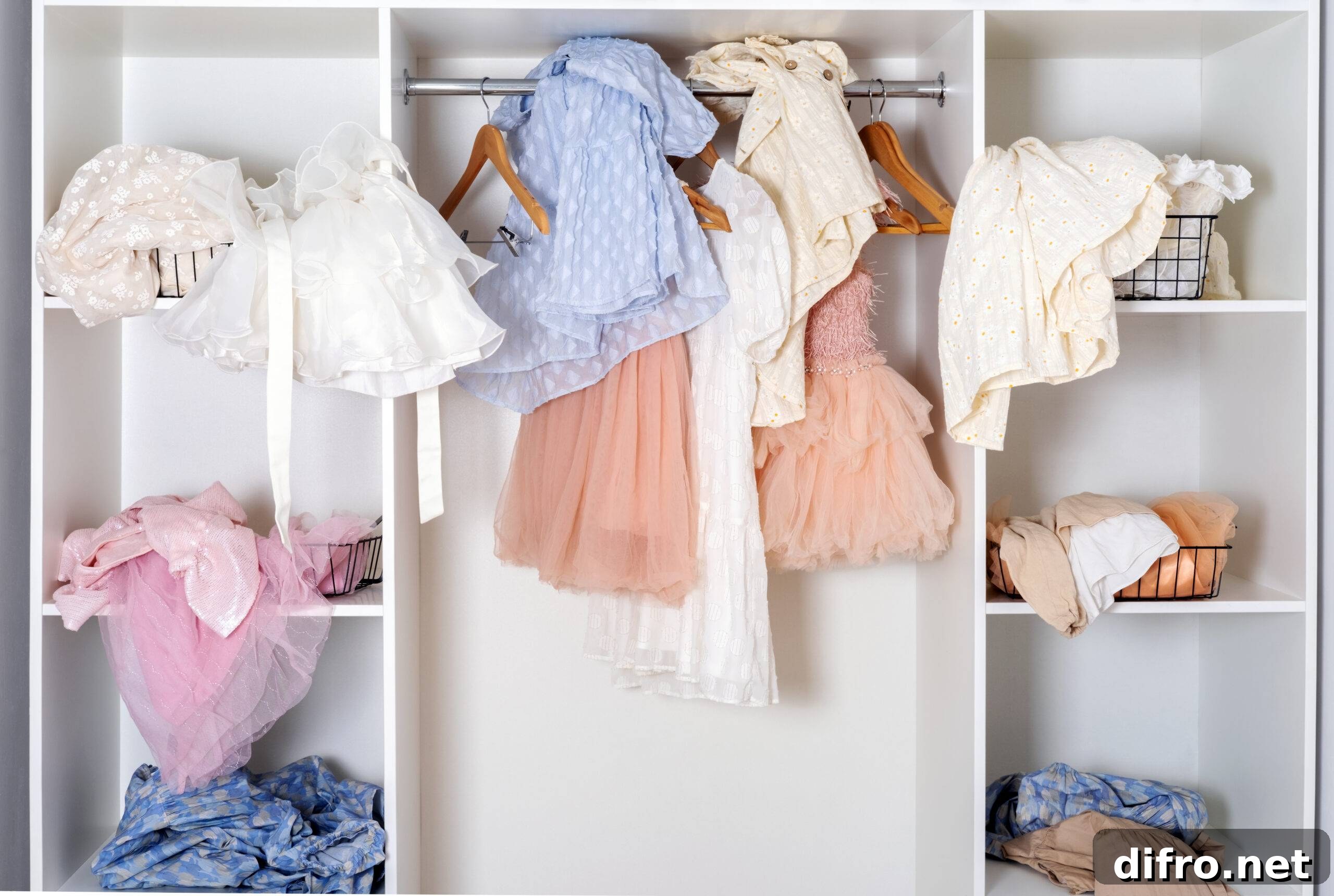
Children grow quickly, and their storage needs change along with them. Adjustable shelving gives you the flexibility to change shelf height and spacing as clothing, shoes, and toys evolve. Use deeper shelves for bulkier items like winter coats or blankets, and shallower shelves for folded shirts and shoes. Adjustable units also make it easy to carve out sections for toys, books, or sports gear, turning one closet into a multi-purpose storage zone that adapts over time without frequent renovations.
3. Incorporate Fun Storage Solutions
Storage bins, baskets, and clear boxes keep smaller items collected and out of sight while remaining accessible. Choose colorful bins or patterned baskets that match the room’s decor and make the closet feel playful. Label each container with words or pictures so younger children can identify where toys, hats, socks, and accessories belong. Place some bins on lower shelves for easy access, and reserve higher shelves for seasonal or less-used items. This approach keeps surfaces clear and makes cleanup an easy, quick task that a child can learn to do independently.
4. Create a Seasonal Rotation System
Seasonal rotation helps free up space and keeps current clothing visible and easy to reach. Store off-season garments in vacuum-sealed bags or labelled bins and place them on upper shelves or in a separate storage area. When the weather changes, swap boxes and hangers so only the seasonally appropriate items are within reach. This practice reduces clutter, protects garments when not in use, and simplifies outfit selection for your child.
5. Add Customized Closet Decor
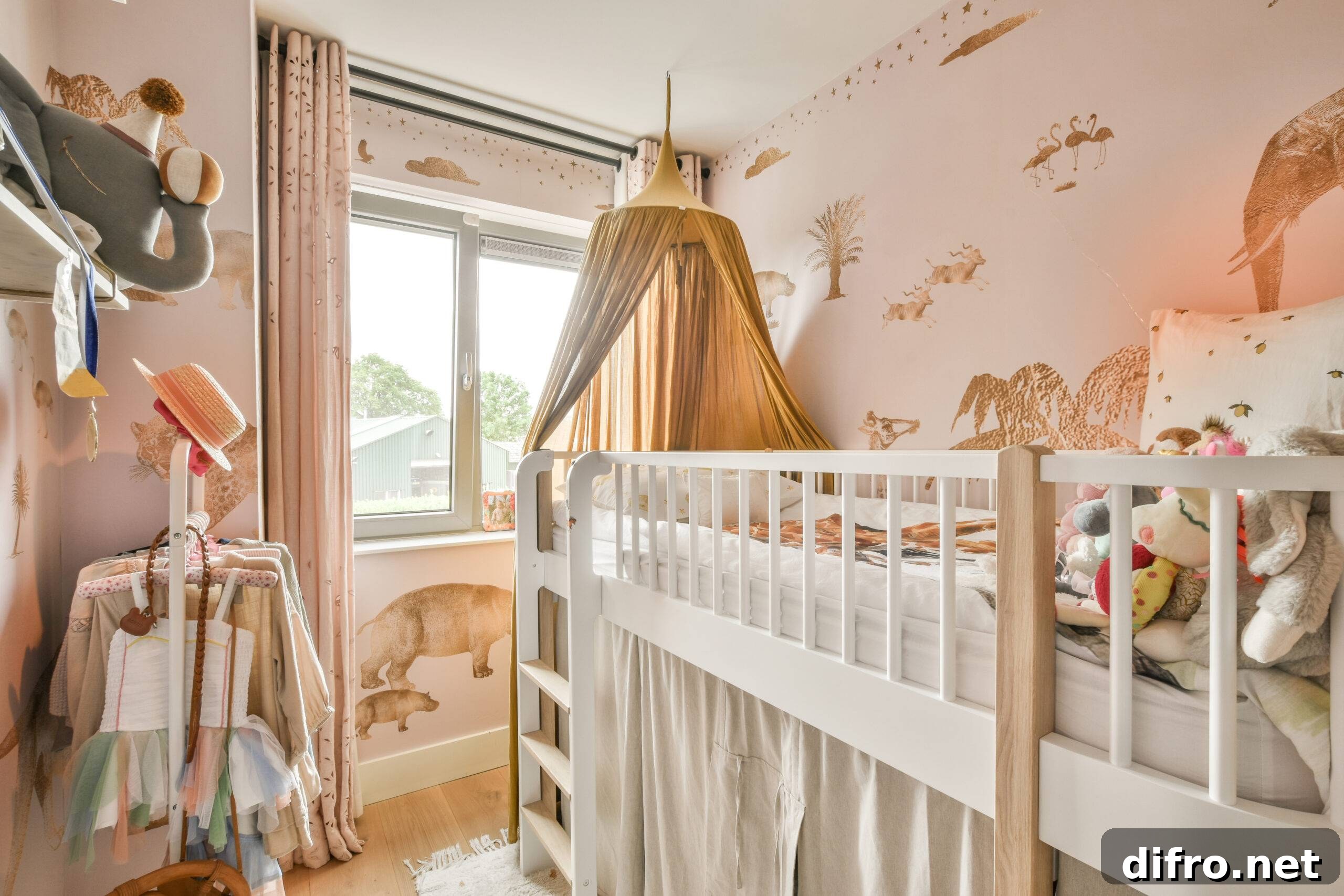
Personal touches make a closet feel like part of the child’s world rather than merely a storage space. Consider adding removable wall decals, a small rug, or a magnetic board where your child can draw or display favorite artwork. A simple theme or color palette can transform the closet into an inviting nook that encourages play and care. Involving your child in choosing decorative elements or creating DIY artwork fosters pride in their space and increases the likelihood they’ll keep it tidy.
6. Encourage Independence with a Kid-Friendly Layout
Design the closet so the items your child uses daily are within their reach. Hang school uniforms and frequently worn outfits on a lower rod, and reserve higher rods or shelves for items adults handle. Low drawers or cubbies for shoes, hats, and backpacks let children retrieve and put away belongings without help. This accessibility builds confidence and supports skill development, teaching children how to manage their things and routines.
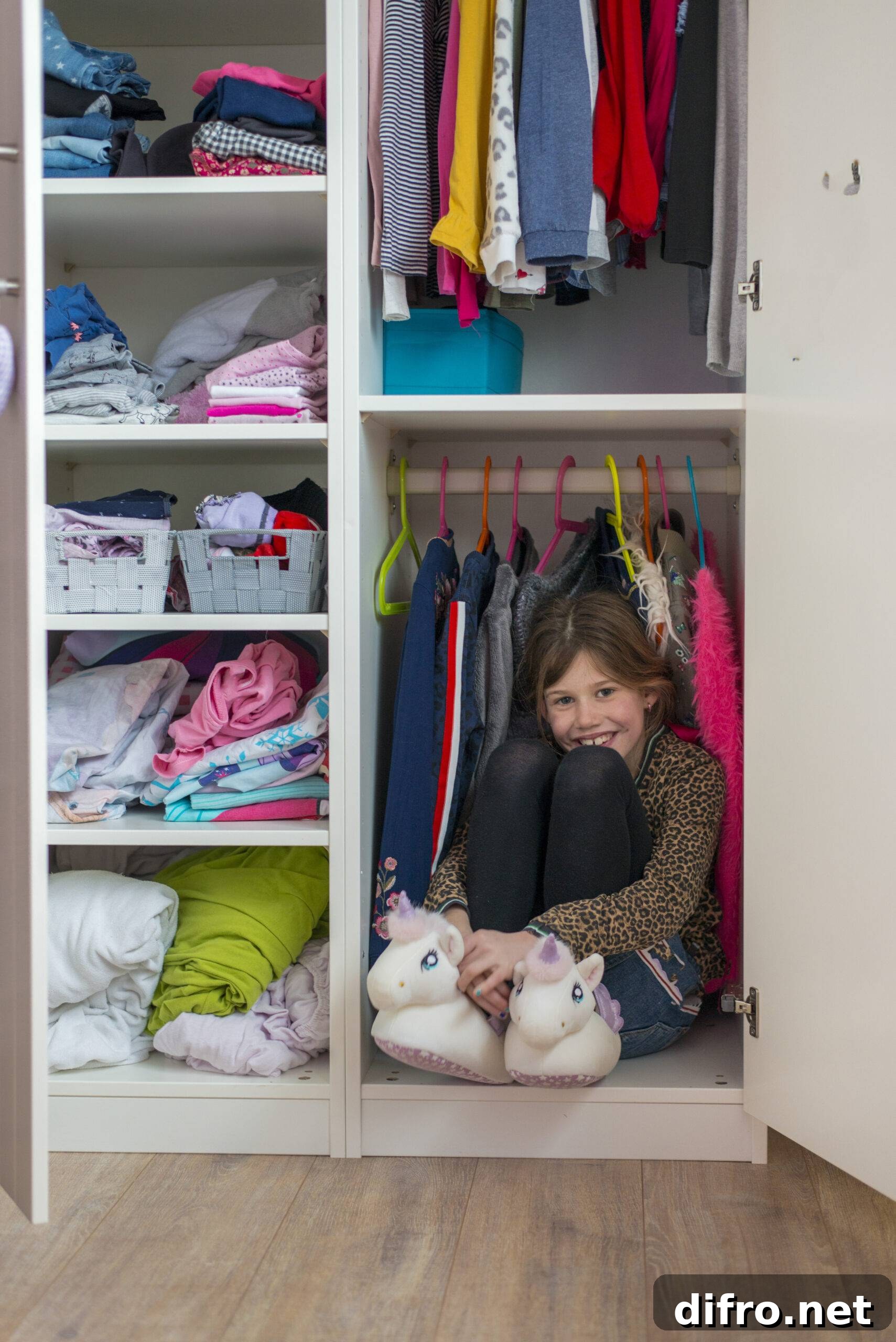
With a bit of planning and creativity, a child’s closet can become a practical, organized, and welcoming area that supports daily routines and teaches valuable life skills. Use visual cues like color-coded hangers and labeled bins, create flexible storage with adjustable shelving, and personalize the space so your child feels connected to it. The most effective change is involving your child in the process — when they help decide how their closet looks and works, they are more likely to keep it neat and enjoy using it every day.