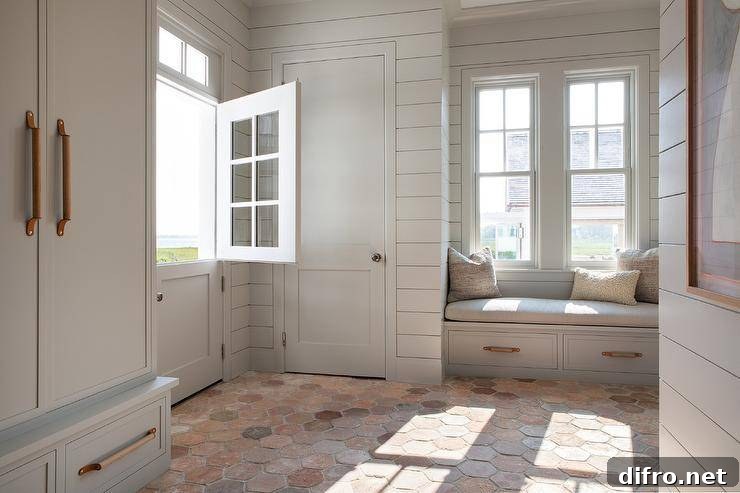
Adding a modern shiplap accent wall is an easy way to give any living space, bedroom, or bathroom character. With so many materials, orientations, colors, and installation options, creating a unique shiplap feature can feel overwhelming. This guide will help you choose a style that complements your home and achieves the mood you want—whether farmhouse cozy, coastal breezy, or modern rustic.
Shiplap gets its name from traditional shipbuilding and often evokes farmhouse and coastal interiors, but its versatility makes it suitable for nearly any aesthetic. Used thoughtfully, shiplap adds texture and warmth without dominating the room. To avoid a cramped or overly busy look, many designers recommend limiting shiplap to a single accent wall or a well-defined area rather than covering every wall.
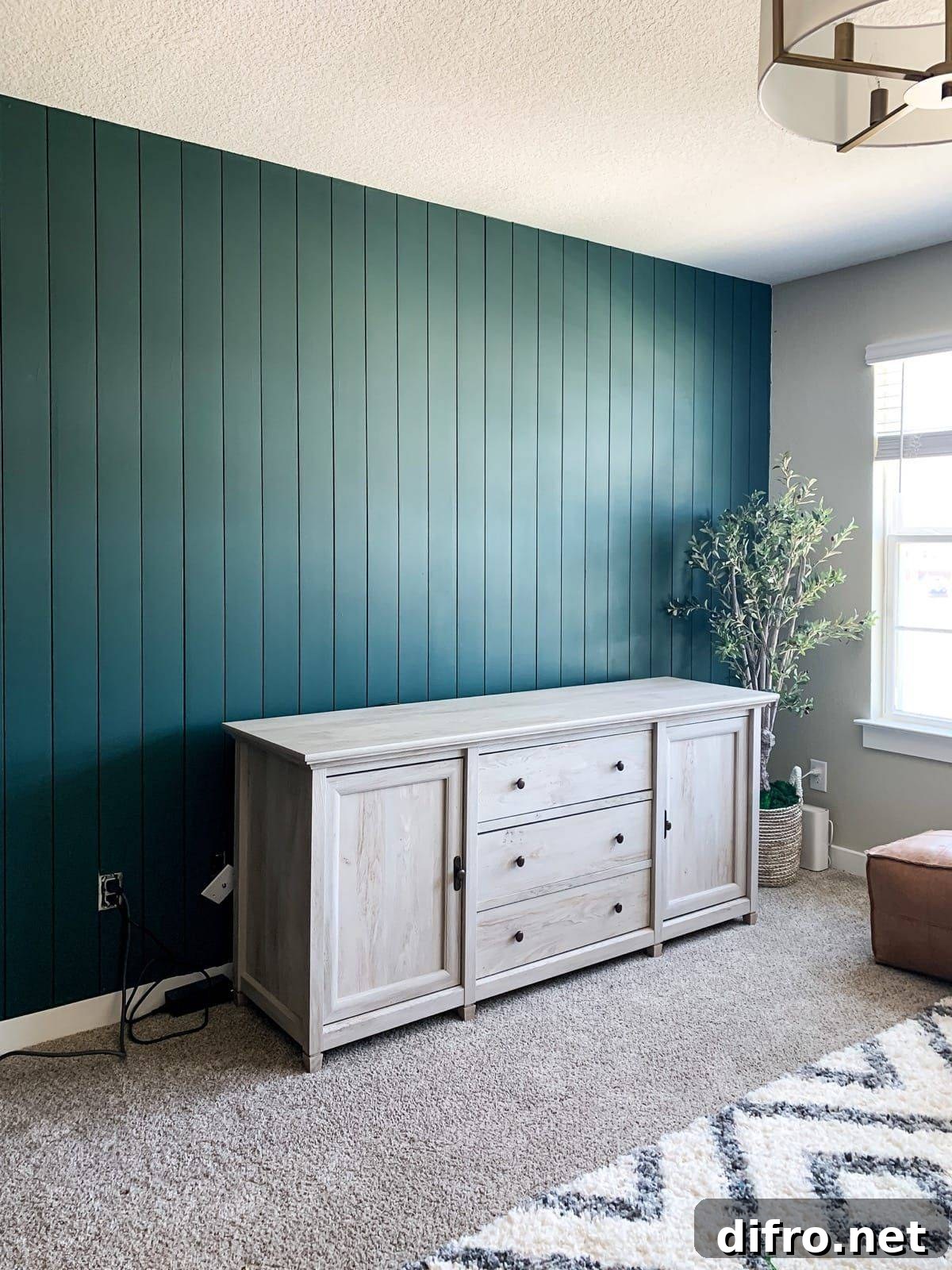
Vertically Installed Shiplap Wall
While horizontal shiplap is widely recognized, vertical installation offers a fresh, unexpected look. Vertical boards draw the eye upward and can make ceilings appear taller, which helps rooms with lower ceilings feel more spacious. This orientation suits vintage, rustic, and mid-century-inspired interiors and works especially well as a framed accent behind a bed, in a dining nook, or as a vertical backdrop for artwork.
Painted Shiplap Accent Wall
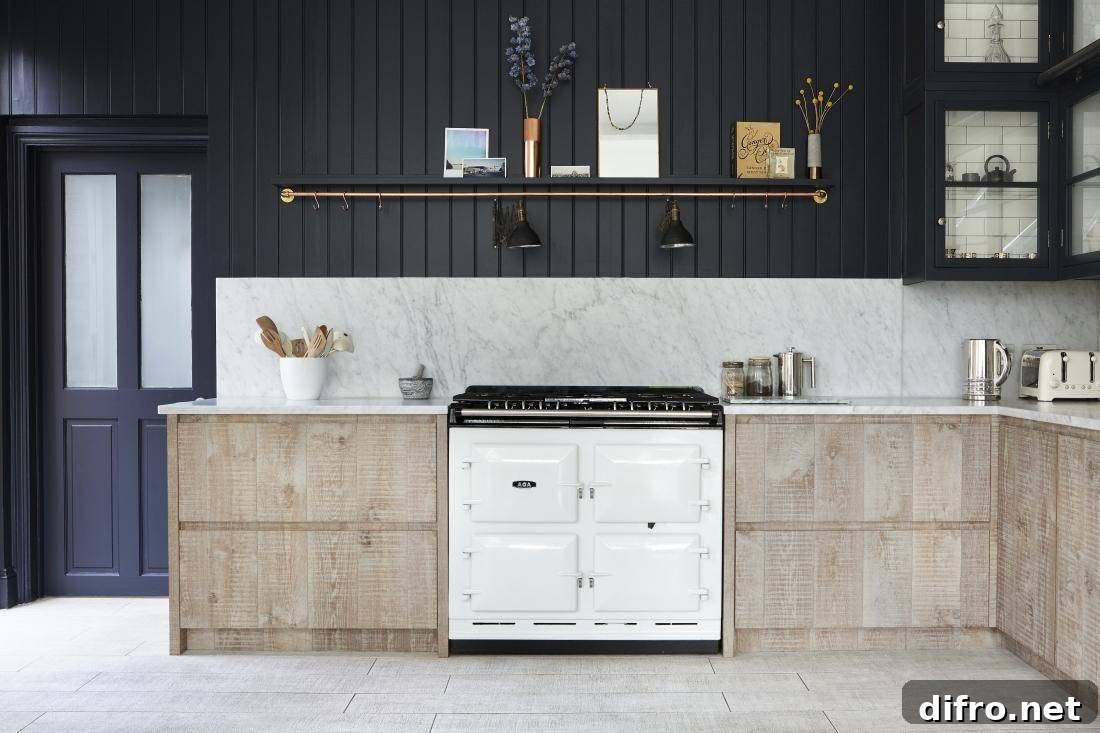
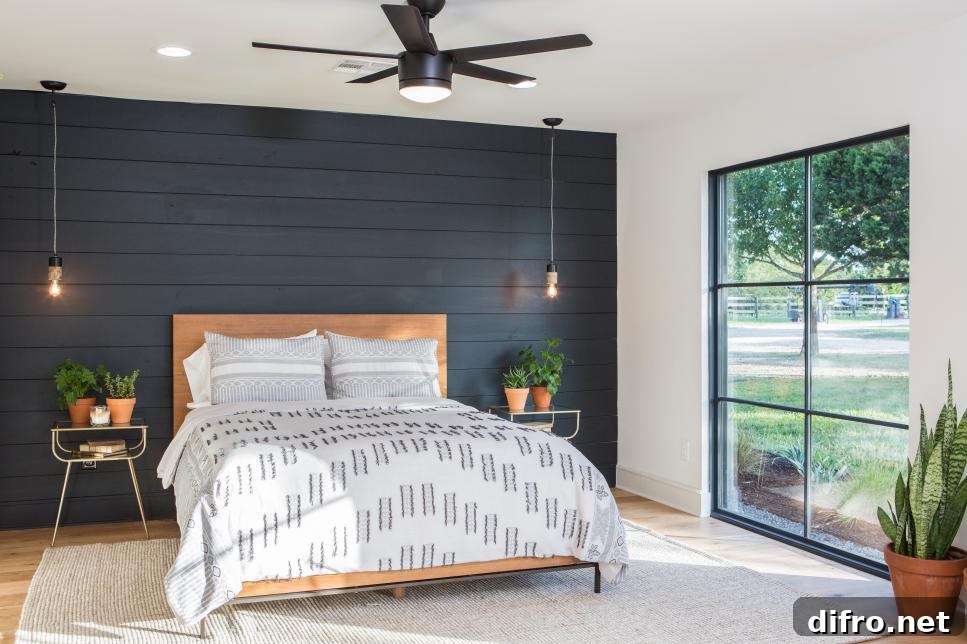
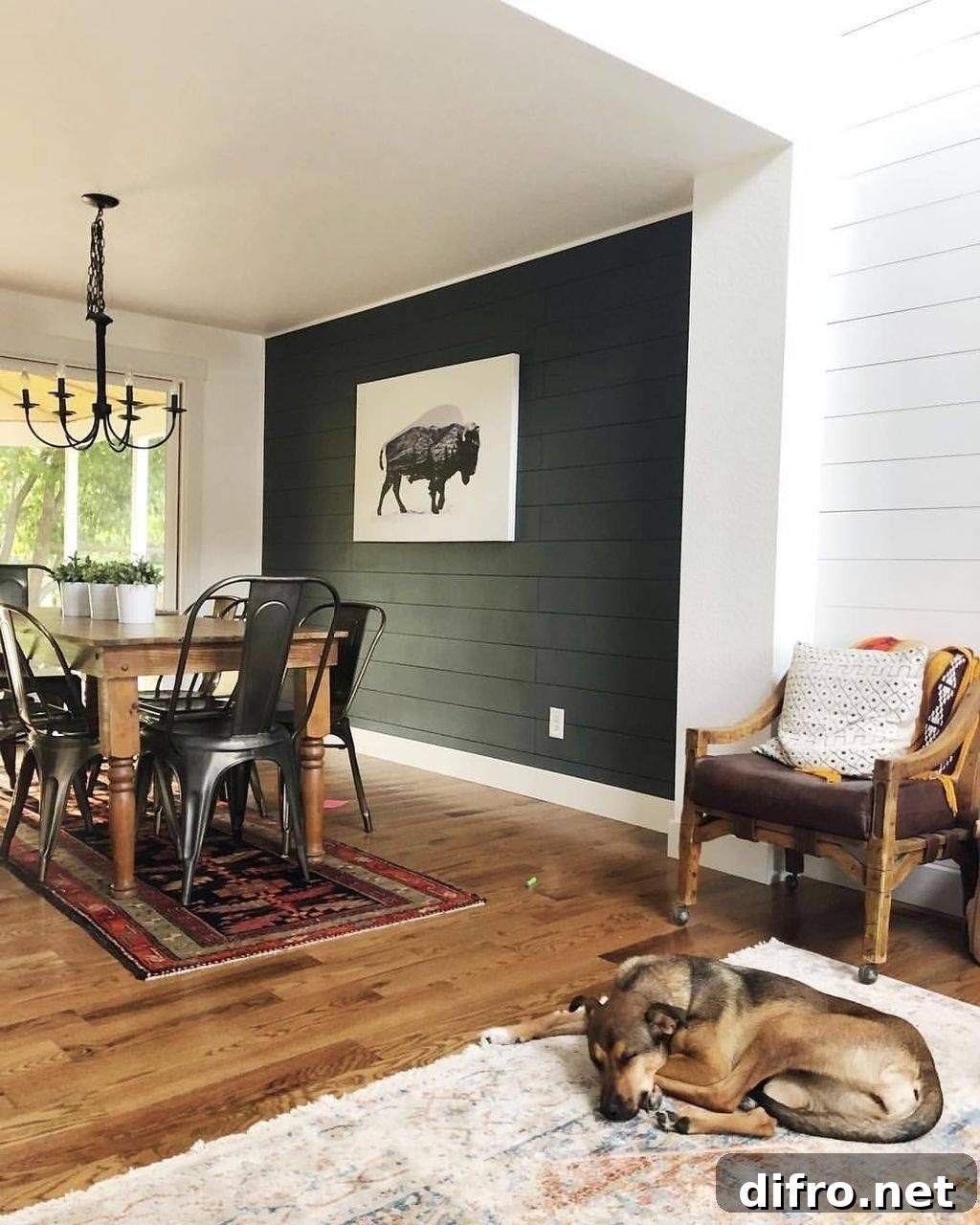
Shiplap doesn’t have to remain plain white. Painting shiplap in bold or muted colors can instantly change the room’s mood and make the wall feel integrated rather than pasted on. Whether you choose a full coat, a two-tone treatment, or just a painted backdrop behind shelving, match the hue with the room’s palette and finishes so it feels deliberate and cohesive.
Beach-Inspired Frames and Coastal Styling
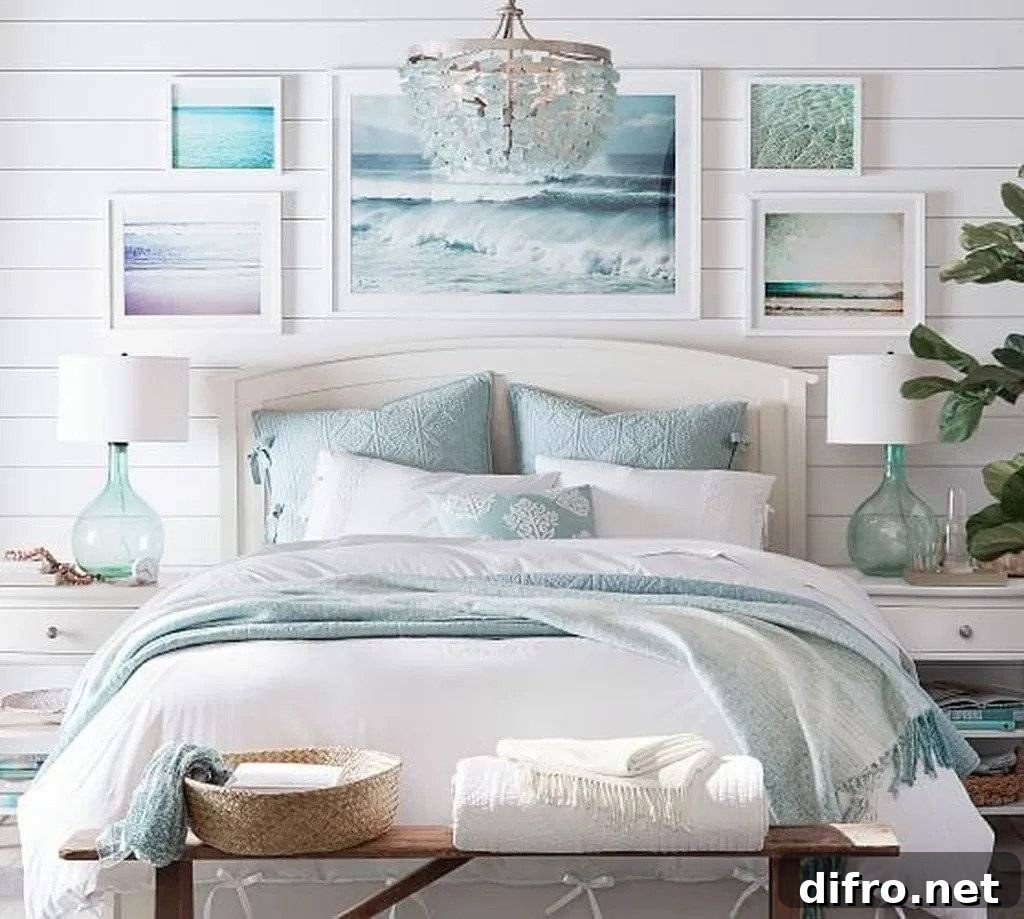
Shiplap naturally suits coastal interiors, so hanging beach-themed artwork or weathered frames completes that relaxed vibe. Natural textures—like driftwood frames, linen mats, and sandy-toned prints—work beautifully against white or light-colored shiplap and help reinforce a serene, seaside atmosphere even far from the ocean.
Shiplap Fireplace Surround
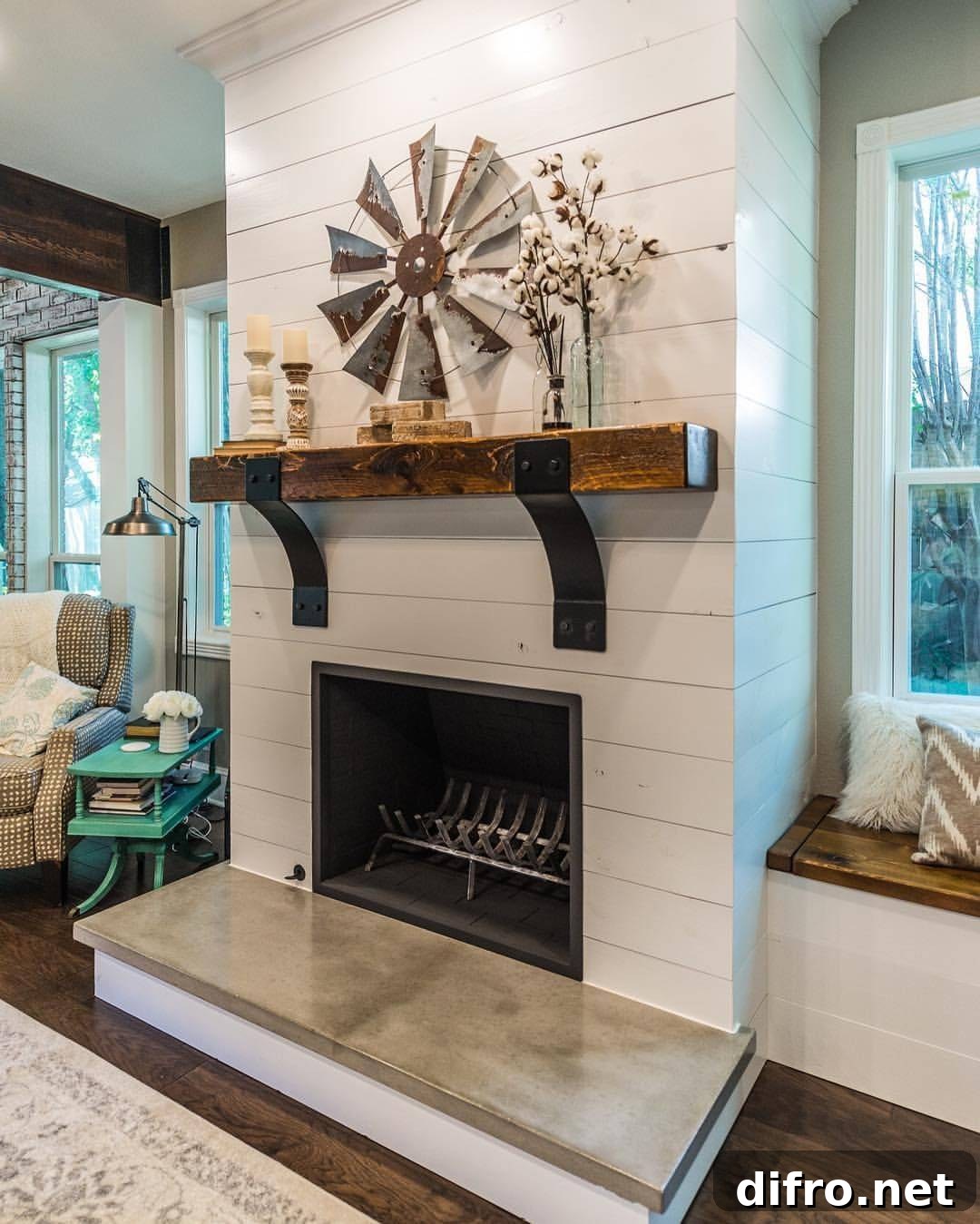
Combining a shiplap accent with a fireplace creates a strong focal point in the living room. You can paint the shiplap to match the fireplace or choose a contrasting color to make the fireplace pop. The texture complements mantels and built-ins and gives the whole hearth area a refined, yet cozy look.
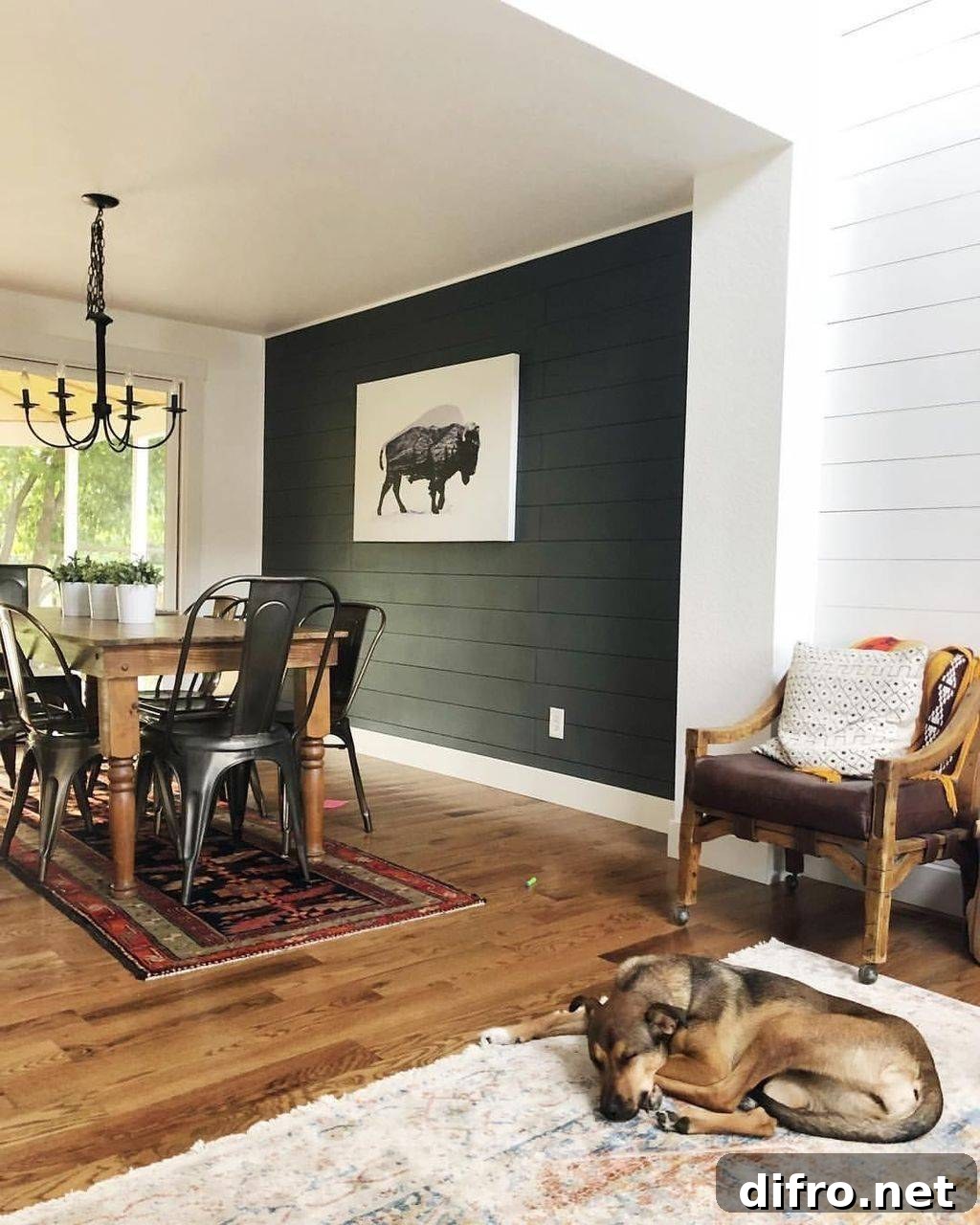
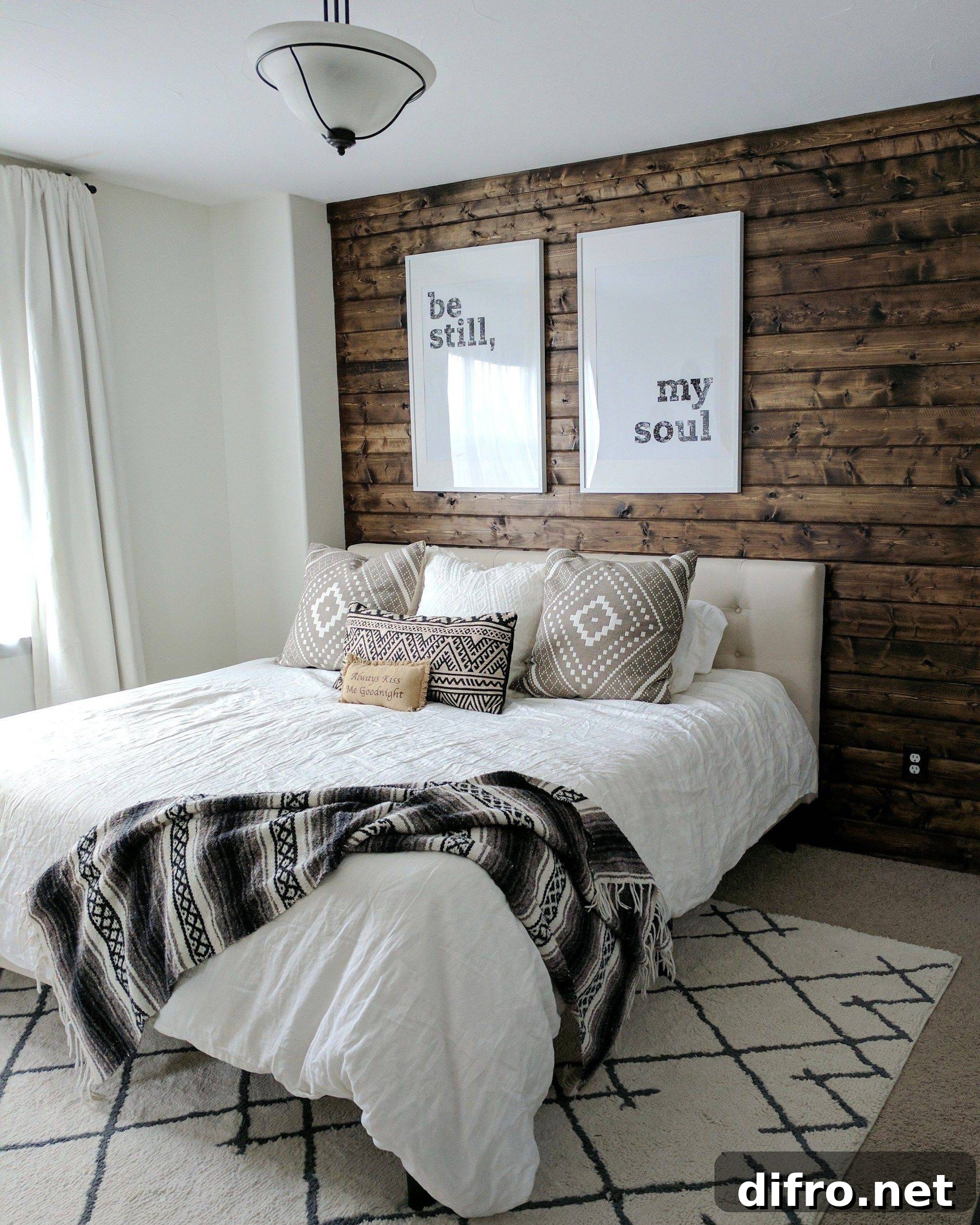
Dark Stained Shiplap Wall
Staining shiplap instead of painting preserves the wood grain and delivers a richer, more sophisticated look. Dark stains pair especially well with white or neutral surroundings, creating contrast and a luxe, modern-rustic feel. Stained wood works well behind seating areas, in dining rooms, or as an elegant backdrop for open shelving.
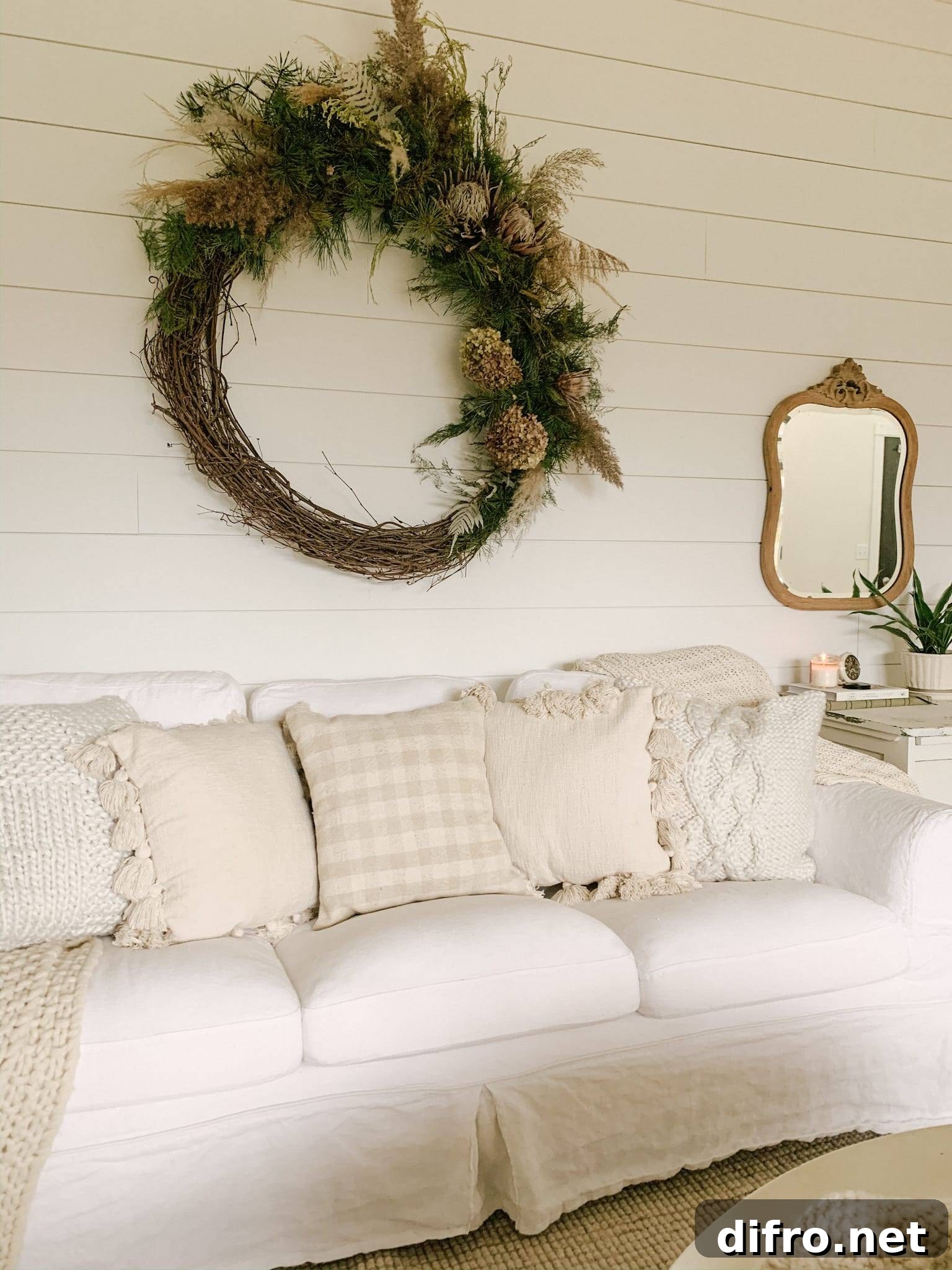
Decorative Ideas: Wreaths, Frames, and Door Framing
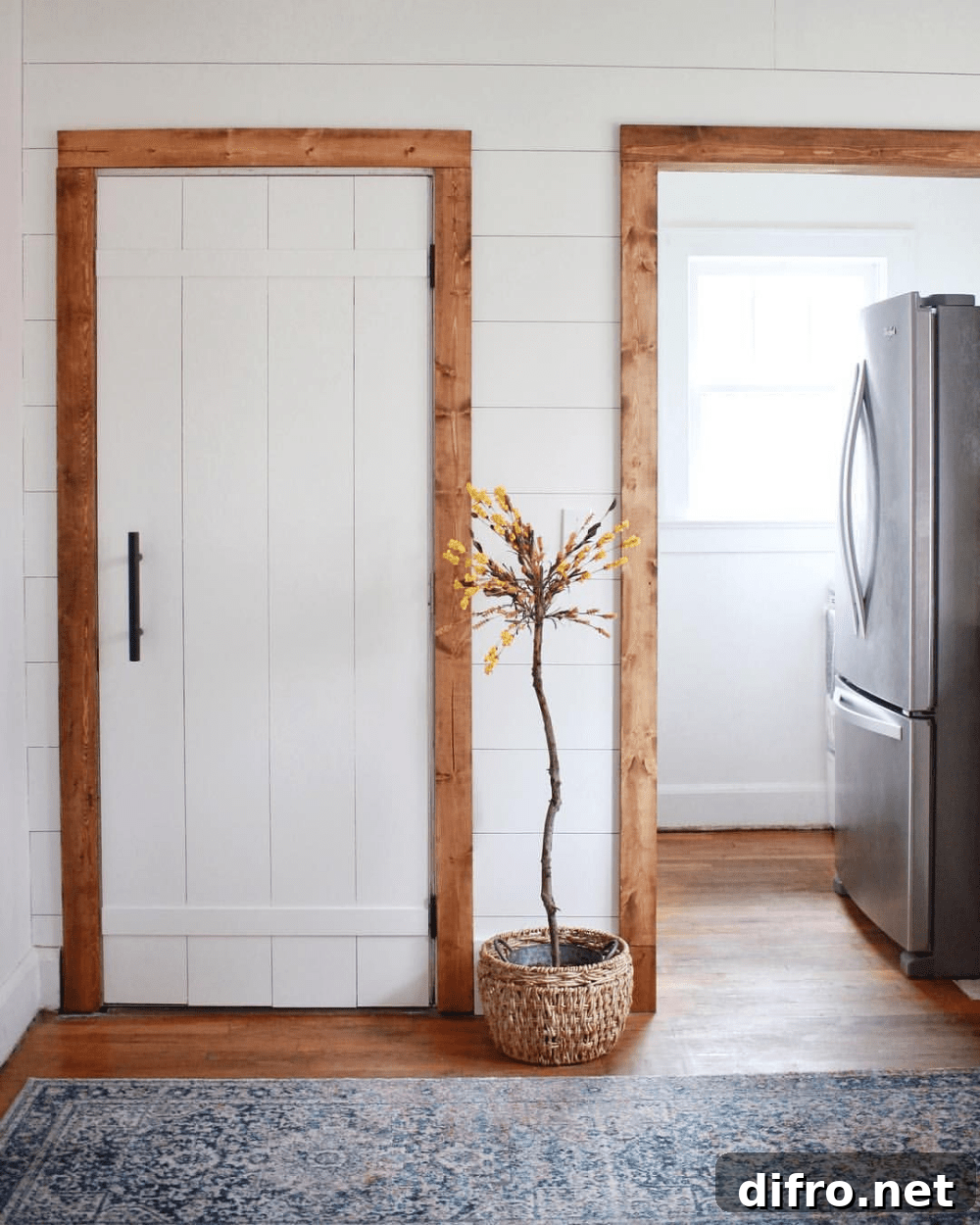
Simple decor items—like a floral wreath, a gallery of prints, or framed mirrors—can instantly elevate a shiplap wall. Framing a door with shiplap or using shiplap to conceal a hidden door creates architectural interest. Pay attention to door style and hardware to ensure the look feels intentional and seamless.
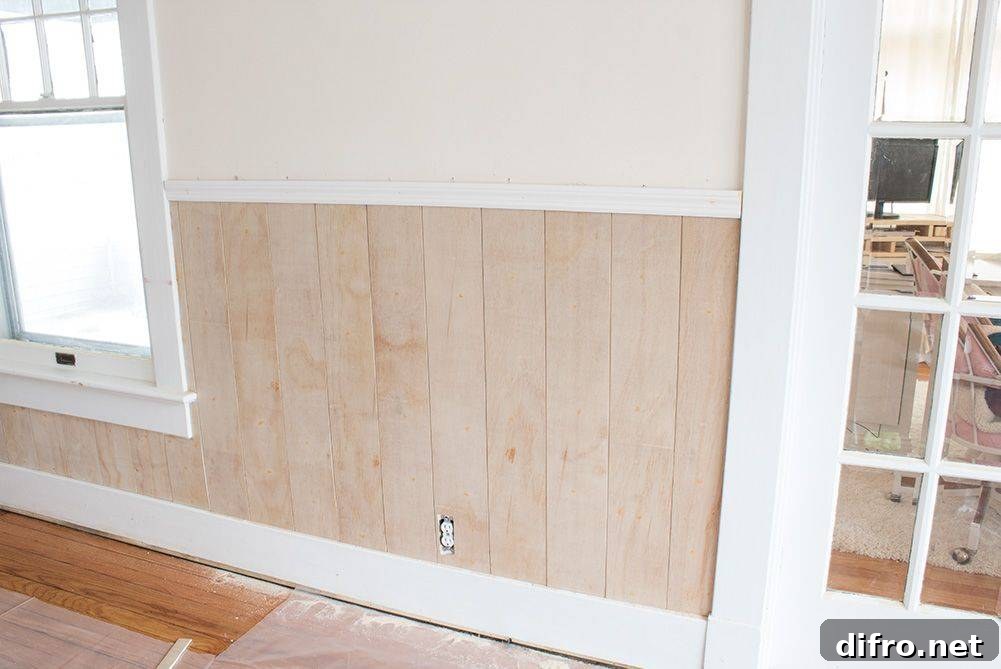
Half-Length and Sectional Shiplap
If you prefer a subtler accent, consider covering only part of a wall—a half wall, the middle third, or wainscoting height. This approach adds texture without visually overpowering the room and is ideal for entryways, stairwells, and dining walls.
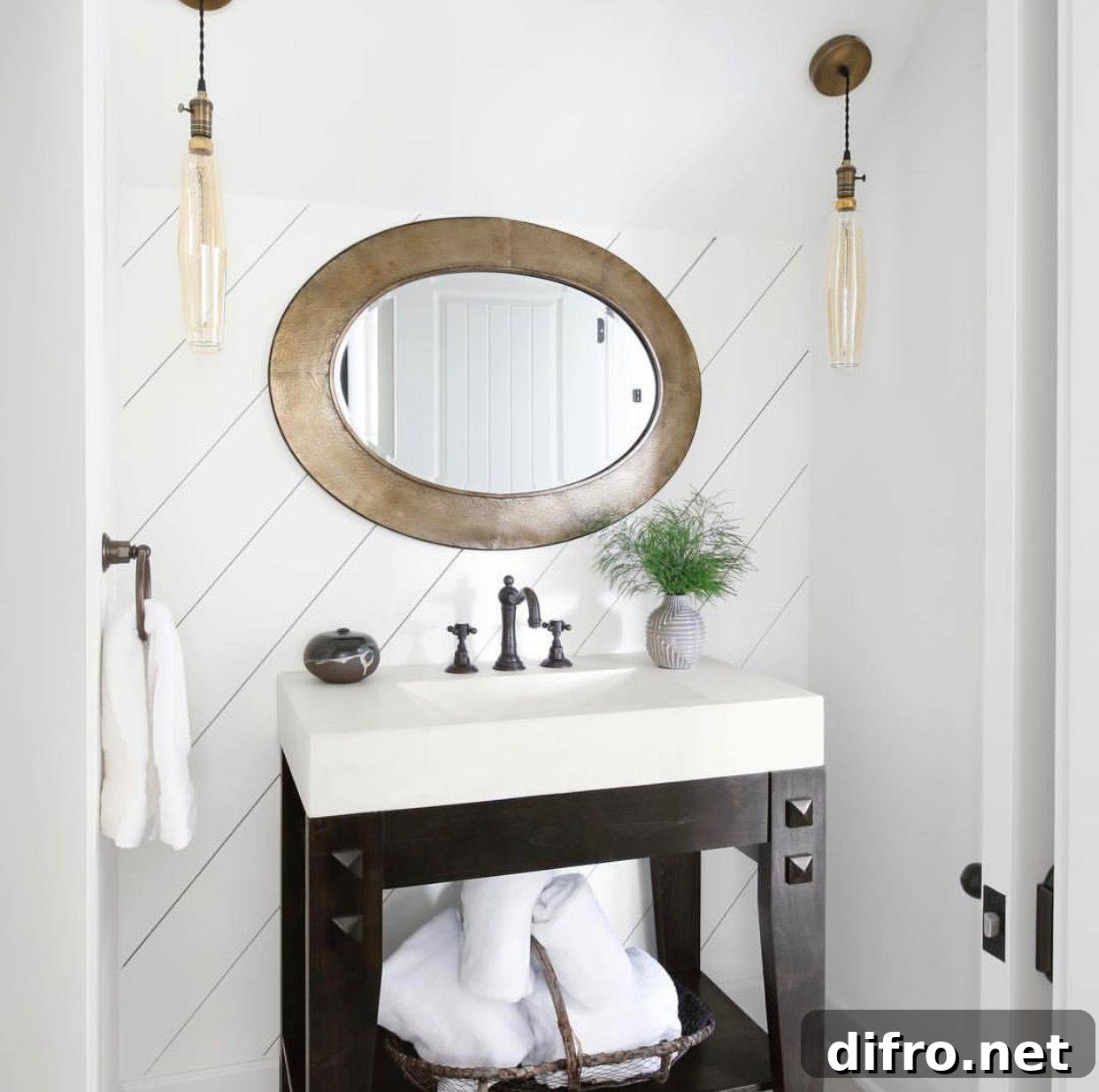
Diagonal Shiplap
For a truly distinctive look, install shiplap on the diagonal. Diagonal boards create dynamic lines and become an instant conversation piece. Note that diagonal installation is more labor-intensive than horizontal or vertical layouts, so factor time and skill into your plan if you’re doing a DIY project.
Practical Places to Use Shiplap
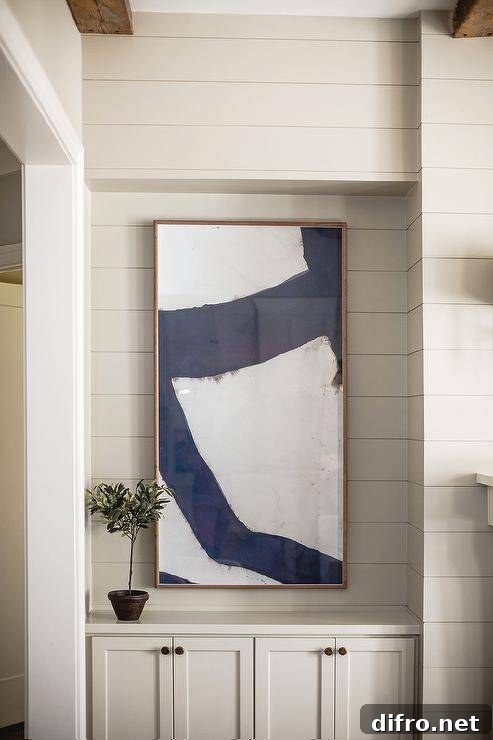
Shiplap works in many unexpected places: frame an alcove to highlight art, surround a freestanding tub for a spa-like feel, clad a bay window, or cover a kitchen island for cohesive texture. It’s also excellent behind built-ins, in mudrooms, on stairwell walls, and even on outdoor kitchens when materials are appropriate for exterior use.
Bold Colors and Two-Tone Treatments
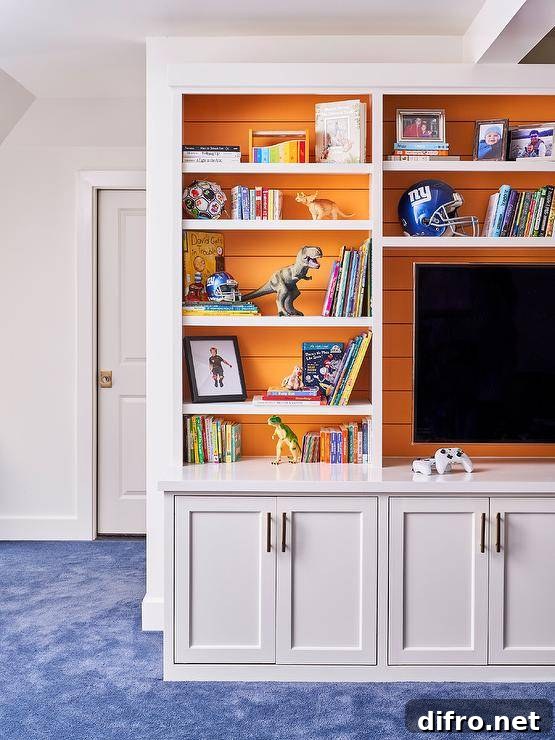
Don’t be afraid to experiment with color. Bright or daring hues—navy, royal blue, olive green, or even orange—can become playful accents for children’s rooms, mudrooms, or shelving backs. Two-tone approaches (one color on the shiplap, another on trim) create a layered, designed look that feels intentional.
Large Plank vs. Narrow Plank
Shiplap width influences the room’s feel. Narrow boards (commonly 1×6) give a classic, detailed look and are ideal for small to medium rooms, bathrooms, and wainscoting. Wider boards (1×8 or larger) deliver a modern, streamlined appearance and are best suited to medium and large rooms where fewer seams maintain a more expansive feel.
1×6 Shiplap
- Classic, versatile look
- Works well in small to medium rooms, bathrooms, and laundry areas
- When installed vertically it emphasizes height
1×8 Shiplap
- Wider face for a contemporary, cleaner look
- Better for medium to large rooms, hallways, and expansive ceilings
- Fewer seams—can look cramped in very small spaces
Orientation: Vertical vs. Horizontal
Choosing between vertical and horizontal shiplap depends on the visual effect you want. Vertical boards emphasize height and offer a vintage or rustic feel, while horizontal boards widen the visual plane and are classic for farmhouse and coastal styles. Both are DIY-friendly and work with a variety of materials and finishes.
Vertical Shiplap
Vertical shiplap elongates a room and balances horizontal elements like countertops or shelves. It’s less common, so it creates an unexpected focal point and stands up well over time as a timeless design choice.
Horizontal Shiplap
Horizontal shiplap is the traditional and trend-forward choice associated with farmhouse and coastal styles. It visually widens a room and is often used behind staircases or large cabinets to balance vertical lines.
Installation and Cost Considerations
Installing shiplap is a manageable DIY project with many tutorials available. To reduce costs, consider reclaimed wood or budget-friendly plywood options. Keep in mind that material and labor costs scale with the size of the wall, the complexity of the layout (diagonal or mitered corners increase labor), and the finish you choose (paint vs. stain).
Shiplap remains a flexible, high-impact design element that works in almost every style. Choose the orientation, finish, and scale that suit your space and budget, and your shiplap accent will become a defining feature of your home.