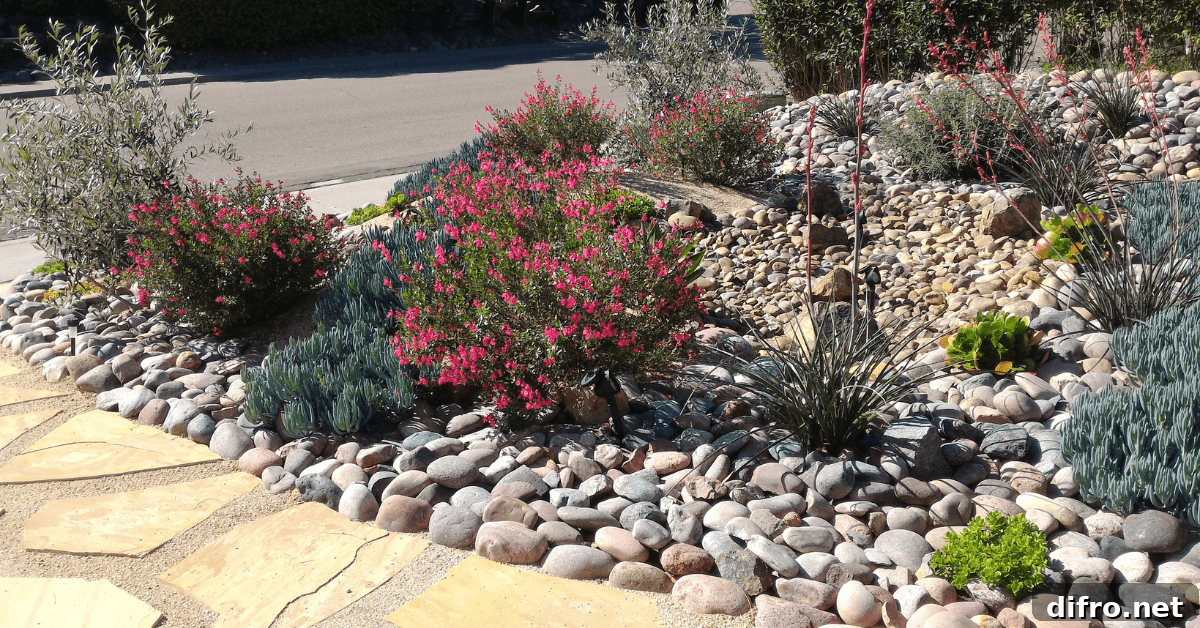
Creating a desert landscape front yard can be a rewarding, water-wise project that improves curb appeal while minimizing maintenance. This guide explains the key steps and design choices for turning your front yard into a functional, attractive desert oasis that suits arid climates and conserves resources.
Understanding the Basics of Desert Landscaping for Your Front Yard
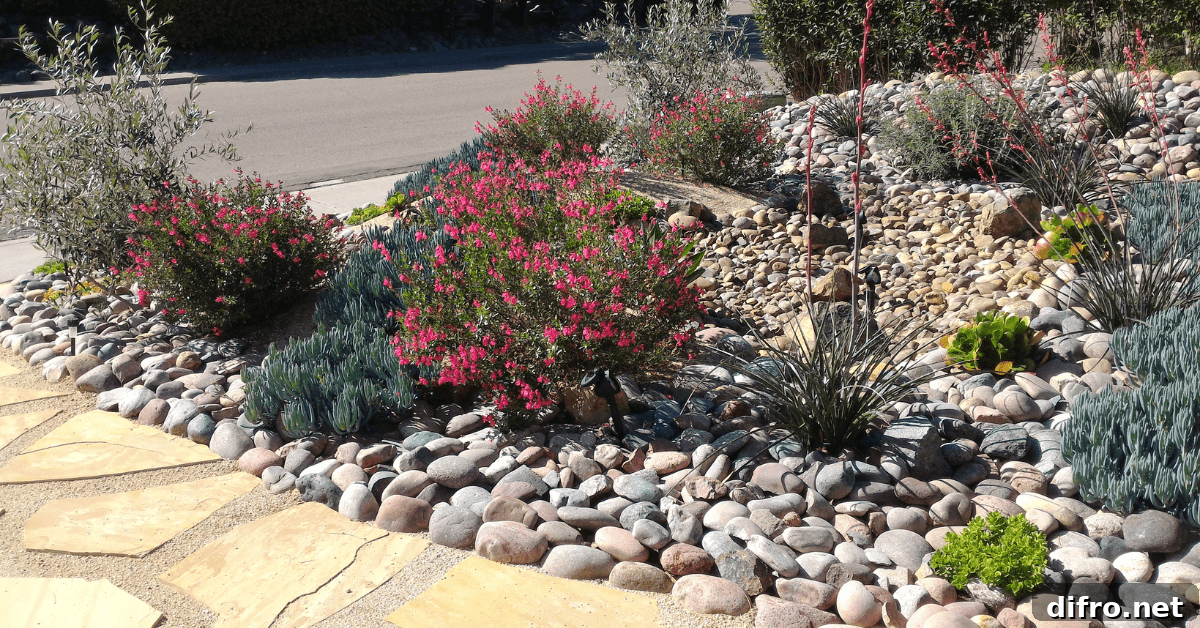
Xeriscaping, often called desert landscaping, focuses on reducing or eliminating the need for supplemental irrigation by using plants and materials adapted to dry conditions. This approach is especially effective in regions where water is scarce. The goal is to create a sustainable, low-maintenance landscape using native and drought-tolerant plants, efficient irrigation, and purposeful hardscaping.
When planning, evaluate your site’s sun exposure, soil type, drainage, and microclimates. These factors determine which plants will thrive and where to place them for the best visual effect and long-term health. A clear plan helps you create a cohesive design that complements your home while minimizing upkeep and water use.
Choosing the Right Plants for a Stunning Desert Landscape Front Yard
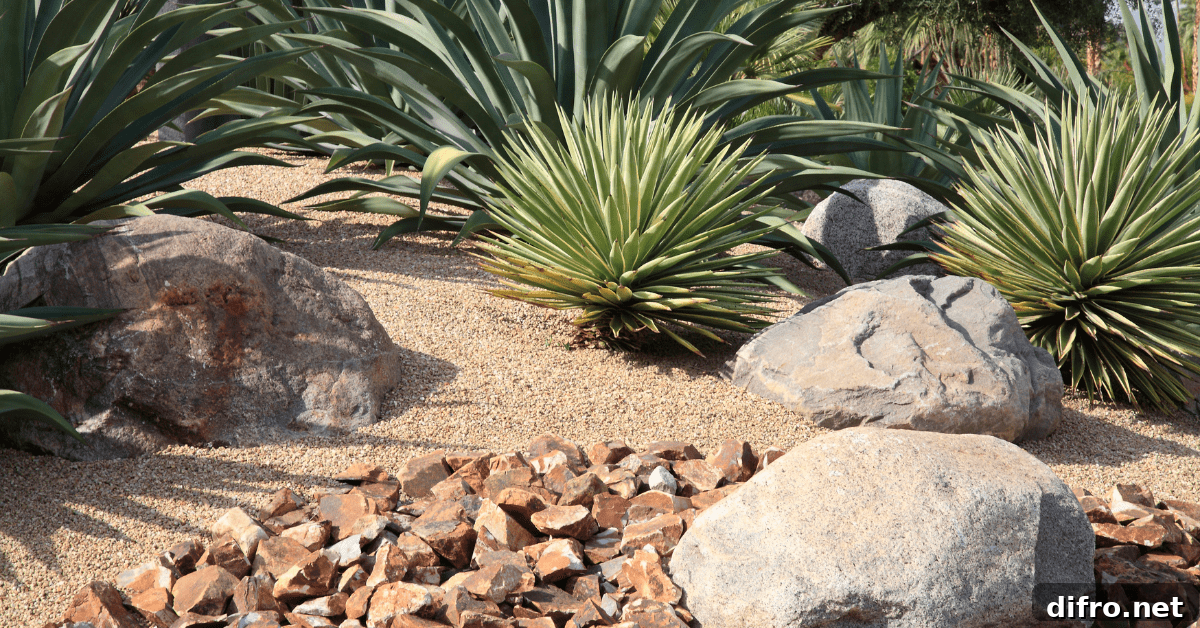
Select drought-tolerant and native species as the foundation of your desert landscape front yard. Popular choices include succulents and cacti, agave, yucca, and ornamental grasses. These plants are adapted to low water conditions and provide a mix of form, color, and texture that keeps the yard interesting year-round.
Design with plant habits in mind: group species with similar water and light requirements together to simplify irrigation and care. Combine ground covers, low shrubs, and taller focal plants to add depth. Use contrasting leaf shapes and seasonal blooms for focal points near entrances, pathways, or windows.
Incorporating Hardscaping Elements to Enhance Your Desert Landscape Front Yard
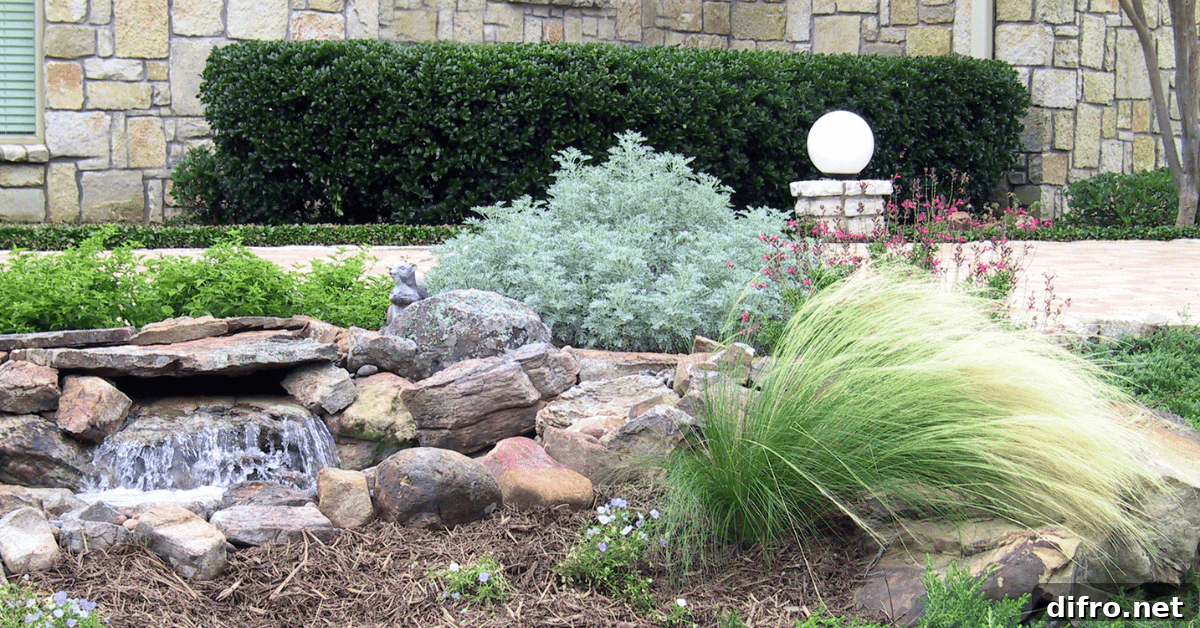
Hardscaping provides structure and reduces irrigated areas. Use materials such as decomposed granite, gravel, river rock, or flagstone to create walkways, borders, and seating areas. Decorative boulders and low retaining walls add vertical interest, control erosion, and frame planting areas.
Think about functionality as well as aesthetics: a well-placed path leads visitors through the landscape and protects plants, while raised beds and edging help define zones and simplify maintenance. Keep hardscape colors and textures complementary to the plants and to your home’s exterior for a balanced composition.
Water Conservation Techniques for a Sustainable Desert Landscape Front Yard
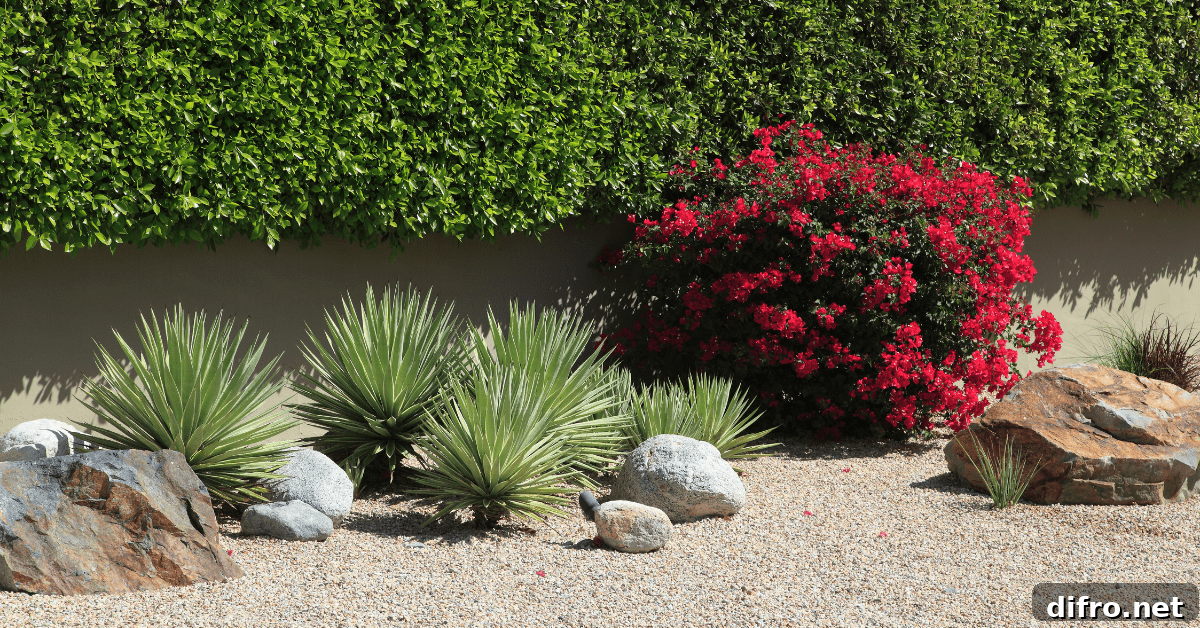
Effective water use is central to desert landscaping. Drip irrigation systems deliver water directly to plant roots and greatly reduce evaporation and runoff. Group plants with similar water needs on the same irrigation zones and set timers seasonally to avoid overwatering.
Mulch and ground covers help retain soil moisture, moderate soil temperature, and limit weeds. Use organic or inorganic mulch appropriate to your plant palette and region. Consider rainwater harvesting or using greywater where allowed to supplement irrigation responsibly.
Maintaining Your Desert Landscape Front Yard for Long-Term Beauty and Health
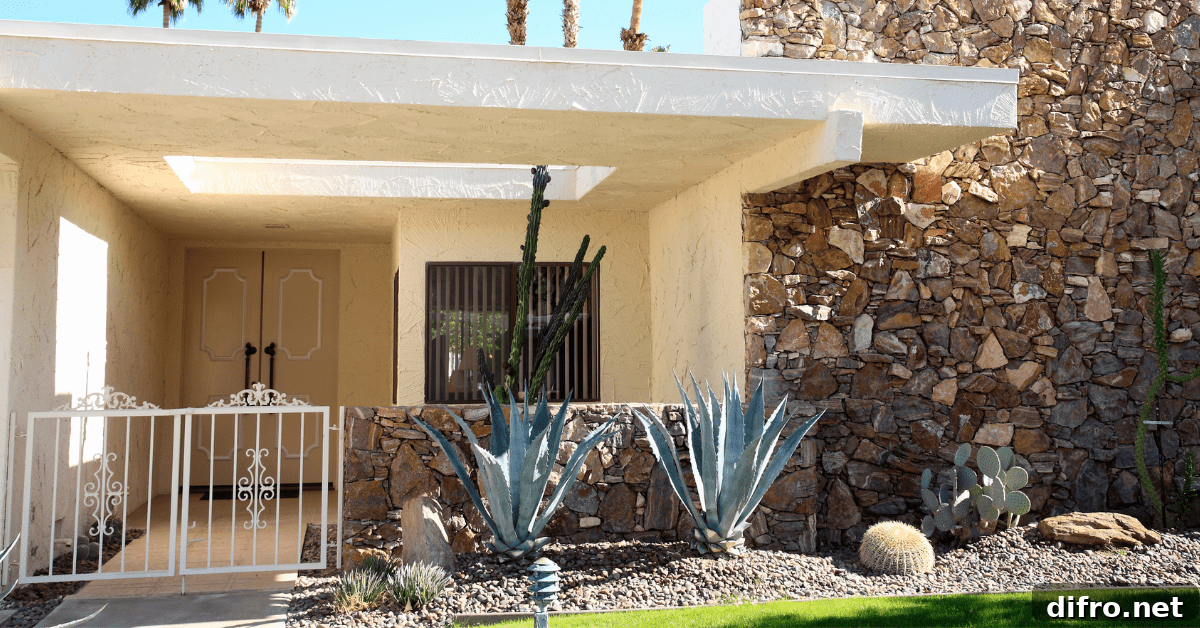
Desert landscapes are lower maintenance than lush lawns but still require care. Prune sparingly to maintain shape and remove dead material, weed regularly, and monitor plants for pests or disease. Refresh mulch annually and adjust irrigation schedules for seasonal temperature changes.
Inspect irrigation lines periodically for leaks and check emitters for clogs. Reevaluate plant placement over time, replacing specimens that struggle with more suitable drought-tolerant varieties. With routine attention, your desert landscape front yard will remain attractive and resilient for years.
Related Articles
- 10 Stepping Stone Walkway Ideas Perfect For Enhancing Your Outdoor Landscape
- Low Maintenance Modern Front Yard Landscaping Ideas for Ultimate Curb Appeal
- 40 Best Landscape Lighting Ideas
Embrace the benefits of desert landscaping: lower water use, reduced maintenance, and a distinctive, drought-resilient front yard that enhances your home’s appearance. Thoughtful plant selection, purposeful hardscaping, and water-wise practices let you create a welcoming outdoor space that thrives in a dry climate.
Subscribe to a design newsletter to receive regular ideas and trends to help shape your home and landscape design.
FAQs
How do I design a desert yard?
Start by selecting drought-tolerant plants suited to your climate and soil. Replace turf with gravel, decomposed granite, or native groundcovers, and group plants with similar water needs. Add hardscape features for structure and use mulch and drip irrigation to conserve water.
What features are common in desert landscapes?
Common features include gravel or stone groundcover, succulents and cacti, agave and yucca, ornamental grasses, decorative boulders, raised beds, and simple pathways. Emphasis is on texture, form, and low-water plantings.
How can I divide a courtyard in a desert landscape?
Define zones using low walls, hedges of drought-tolerant shrubs, gravel pathways, or raised planting beds. These elements create separate areas for seating, dining, and planting while maintaining visual flow.
How do I style my front yard for curb appeal?
Create focal points near the entry with sculptural plants, contrasting textures, and a clear pathway. Use layered planting, subtle lighting, and complementary hardscape materials to enhance visibility and appeal from the street.