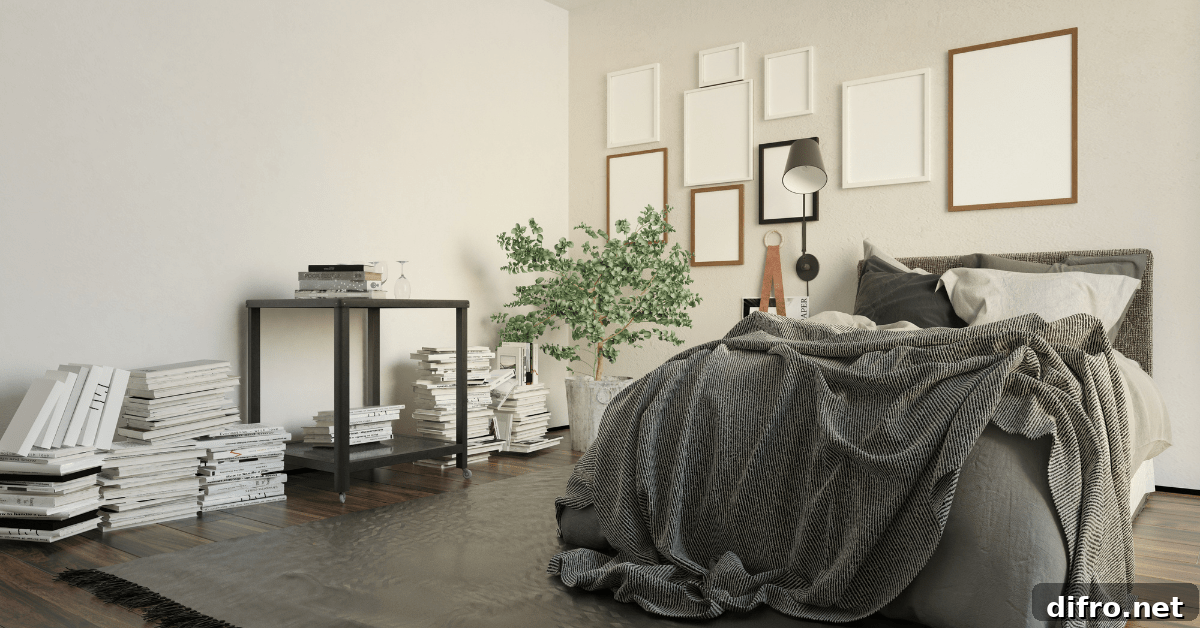
Is your bedroom more chaotic than calming? It’s time to reclaim this space. Your bedroom should be a sanctuary for rest and recovery, not a catch-all for tasks and clutter. Many of us unknowingly let items accumulate that interfere with sleep, relaxation, and the room’s overall atmosphere. Below are five common categories of things that don’t belong in a restful bedroom, why they disrupt your sleep environment, and practical steps to remove or relocate them.
1. Work-Related Items
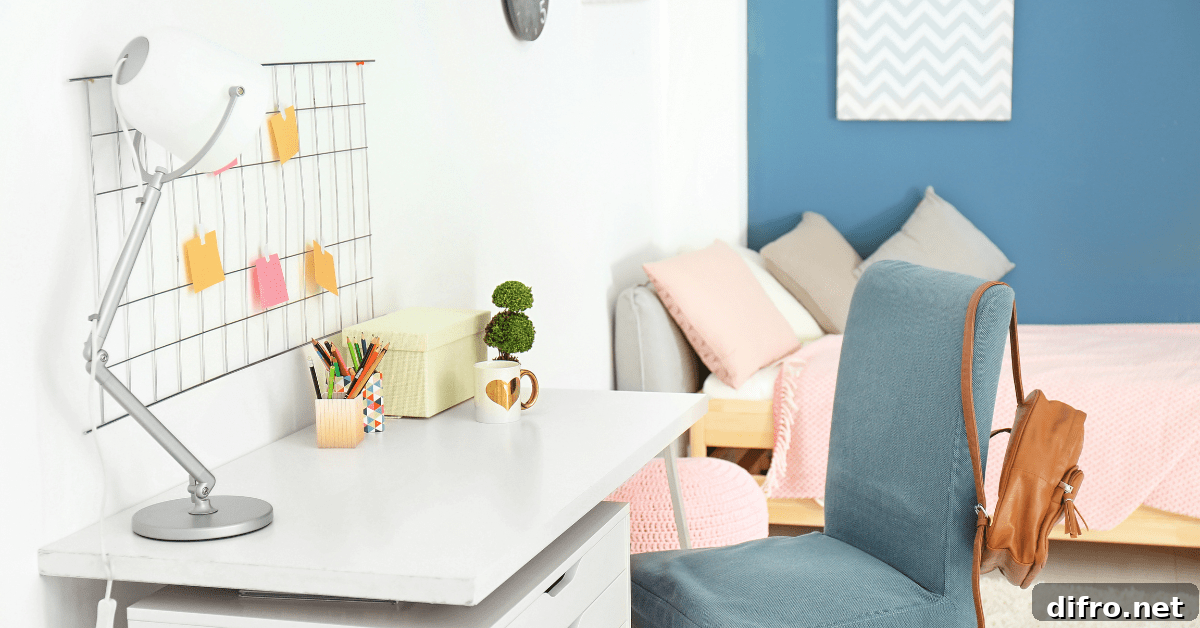
Bringing laptops, paperwork, or office supplies into the bedroom blurs the line between work and rest. Even when you’re not actively working, the sight of documents or devices keeps your brain alert and engaged with tasks and deadlines.
To restore a clear separation between work and sleep, remove work items from the bedroom entirely or establish a compact workspace in another room. If you must keep occasional work materials nearby, store them in a closed cabinet or drawer so they’re out of sight and out of mind at night. A consistent, physical boundary helps your mind switch from “work mode” to “rest mode,” improving sleep quality over time.
2. Exercise Equipment

Fitness gear like treadmills, dumbbells, or yoga mats can clutter the bedroom and create an environment that feels active rather than restful. They can also collect dust or odors if left out, which diminishes the sense of cleanliness and calm.
Where possible, designate a separate area for workouts. If space is limited, store smaller items—mats, resistance bands, handheld weights—in a closet, under the bed, or in an attractive storage bin. Keeping equipment hidden maintains the bedroom’s primary function as a place to relax and sleep.
3. Old Bedding

Worn sheets, flattened pillows, and threadbare blankets don’t just look tired—they can reduce comfort and harbor allergens. Replacing bedding that’s stained, ripped, or old improves both hygiene and the visual appeal of your room.
Invest in fresh sheets, a supportive pillow, and a breathable comforter suited to your climate. When you replace bedding, donate usable items to charity or repurpose them as cleaning rags if they’re too worn. Small upgrades to linens produce a noticeable boost in sleep comfort and room aesthetics.
4. Excess Reading Material
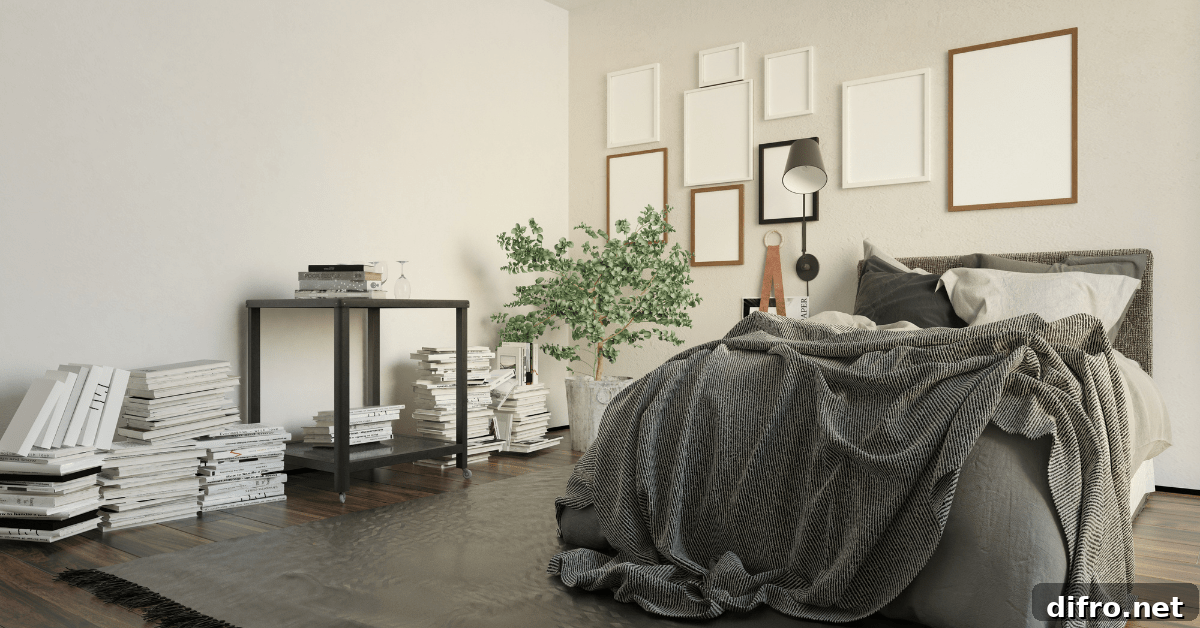
Reading before bed can be calming, but a cluttered nightstand overflowing with books can create visual noise and decision fatigue. Too many options may even lead to staying up later than intended while you sort through choices.
Keep only one or two current reads at your bedside. Store the remainder on a bookshelf in another room or in a neatly organized basket. Streamlining your nighttime reading options reduces visual clutter and supports a more predictable bedtime routine.
5. Expired Cosmetics and Toiletries
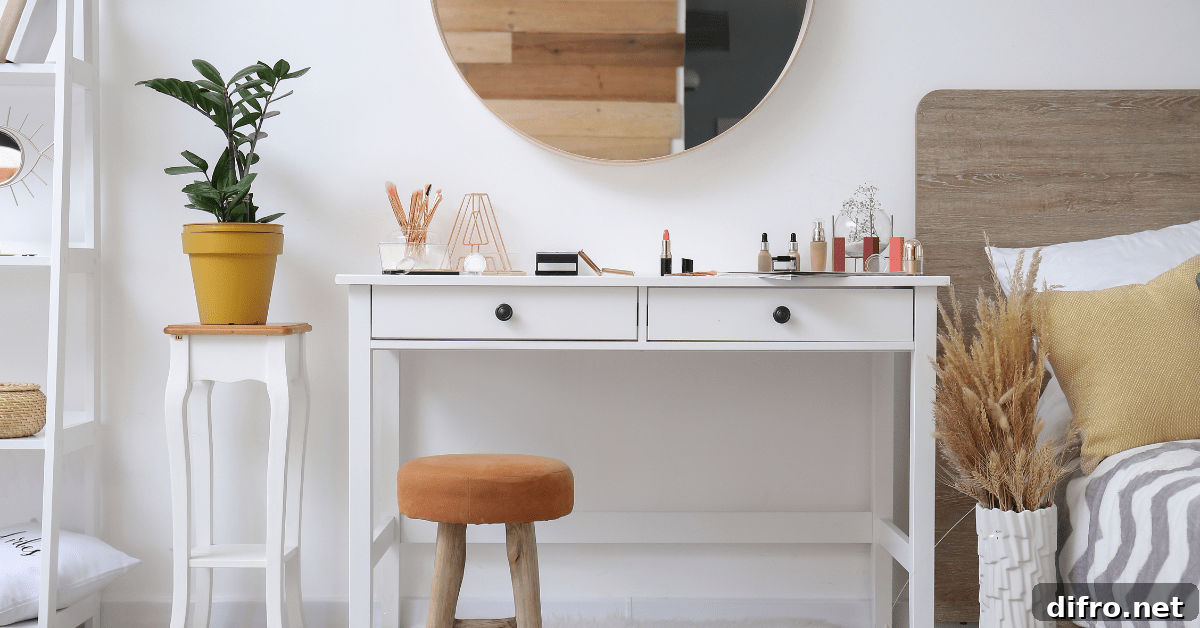
Cosmetics and skincare products are convenient to keep in the bedroom, but they can accumulate and expire unnoticed. Expired creams, serums, and makeup can irritate the skin or become contaminated with bacteria.
Regularly check the expiry dates on your products and discard anything past its prime. Store daily essentials in a small tray or drawer for easy access and move bulkier or less-used items to the bathroom or a vanity cabinet. This keeps surfaces tidy and reduces the risk of skin irritation from old products.
Related Articles
- 3 Rooms You Need to Declutter in the New Year
- Large Master Bedroom Ideas to Maximize Function and Elegance
- Design Tips for Creating the Perfect Sitting Area in Bedroom
As you declutter, ask a simple question about each item: Does it support rest, relaxation, or sleep? If the answer is no, consider relocating, donating, recycling, or disposing of it. Small, consistent actions—storing items out of sight, replacing worn linens, and limiting bedroom activities—can transform a chaotic room into a restful sanctuary. A clean, thoughtfully arranged bedroom helps quiet the mind, improves sleep quality, and makes it easier to relax at the end of each day. Sweet dreams await in your newly decluttered space.