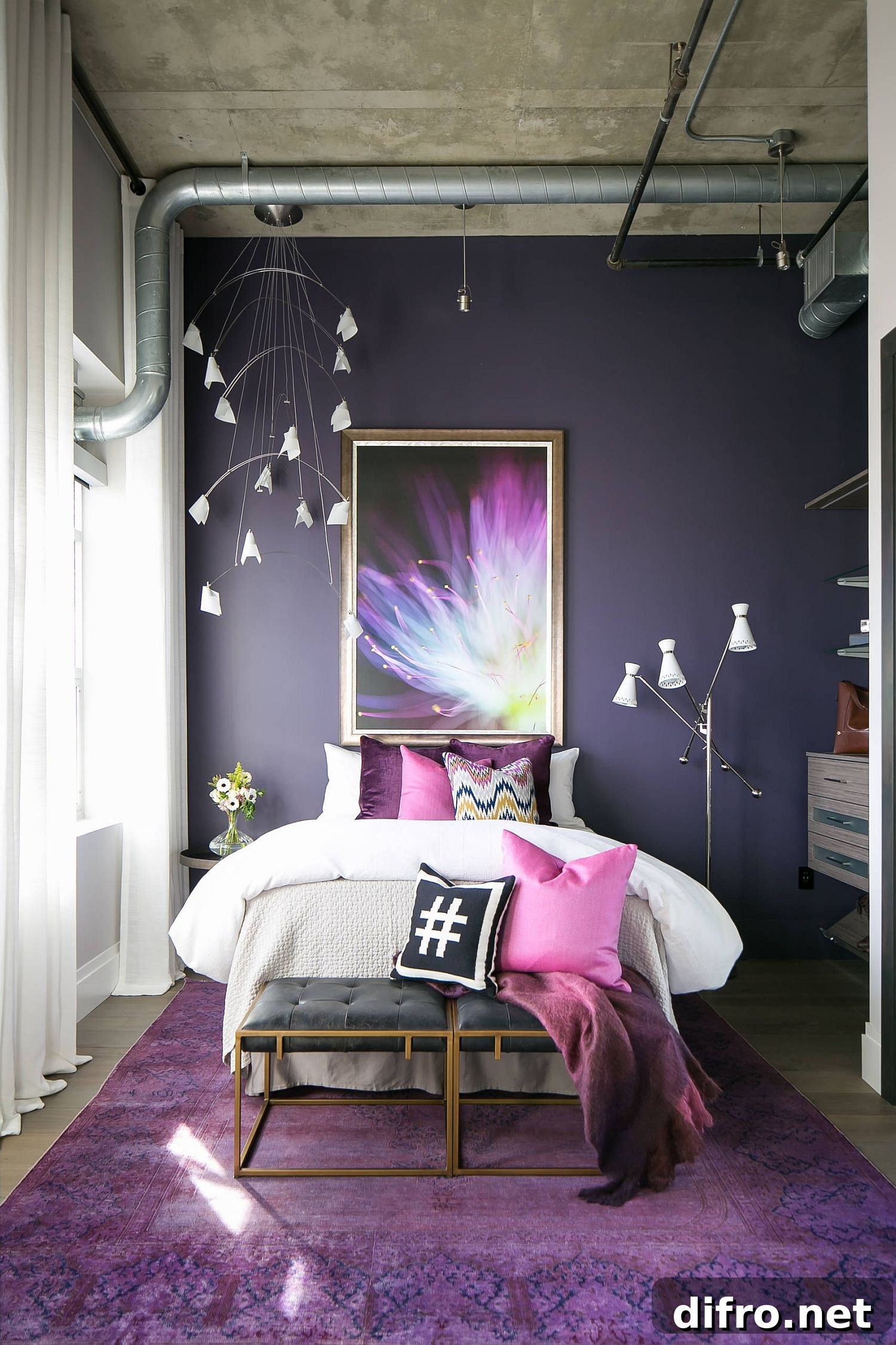
We’re often obsessed with making the most of limited space, especially in dense urban settings where every square foot counts. Small bedrooms present a particular challenge: they must be uncluttered sanctuaries that promote rest while still reflecting personal style. The best small-bedroom solutions combine clever organization, smart furniture choices and thoughtful finishes so the space feels calm, comfortable and visually expansive.
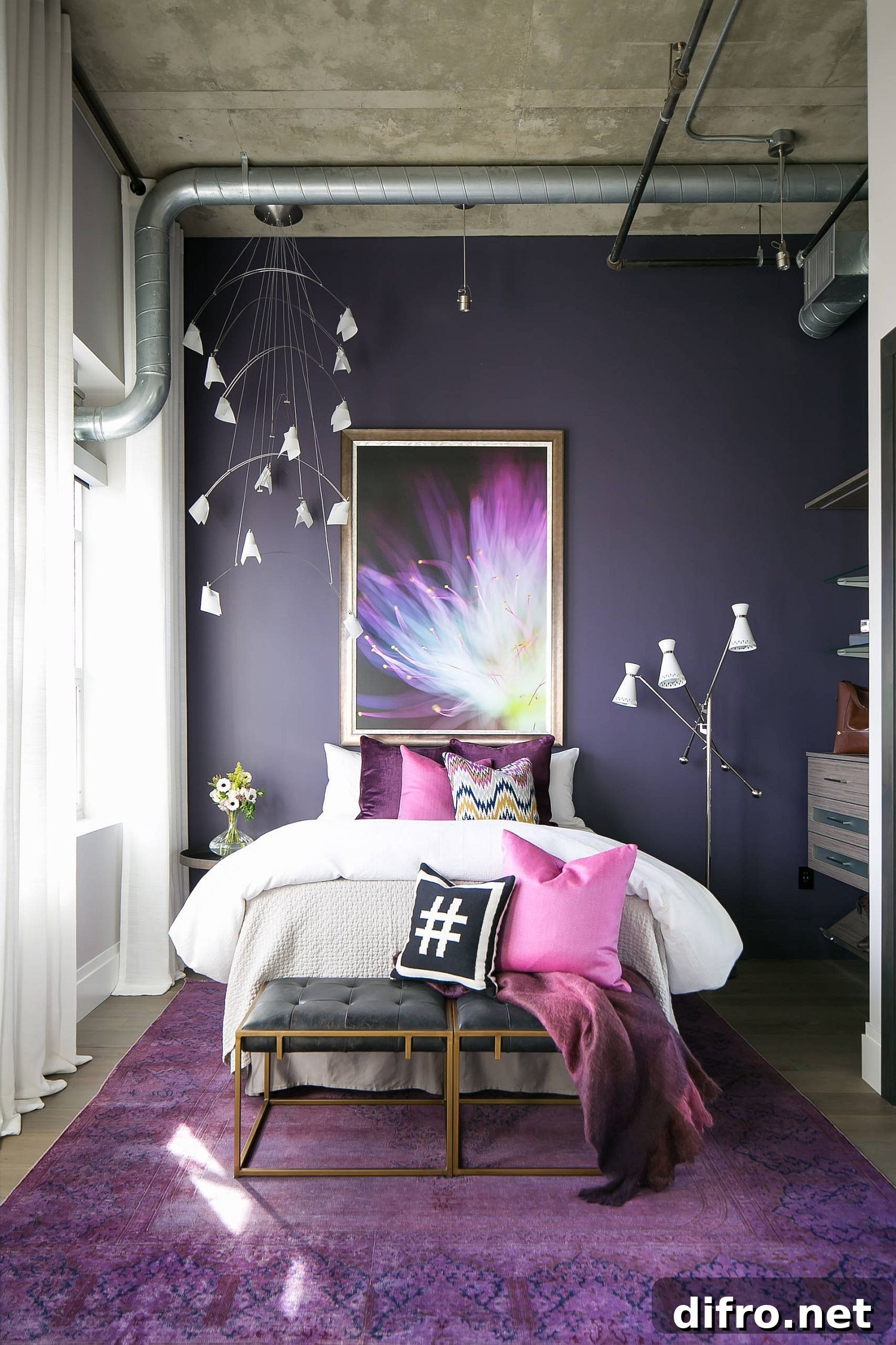
Small, smart upgrades for compact bedrooms can make a dramatic difference in how a room functions and feels. Every bedroom is different, so choose solutions that suit your routine and style. Below are practical, space-saving ideas that balance ergonomics and aesthetics to help small bedrooms feel larger, neater and more restful.
1. Monochromatic and Cheerful
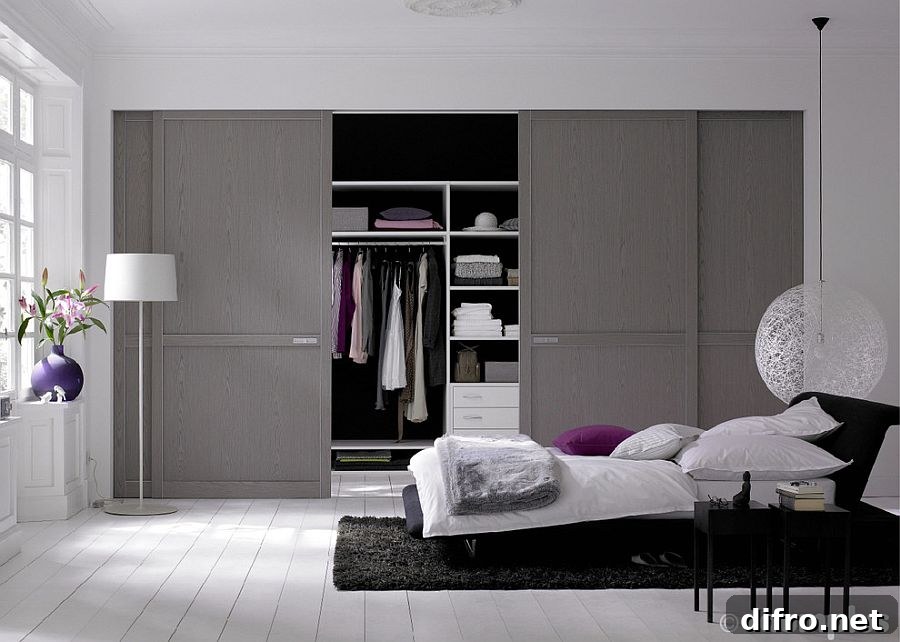
Start with a monochromatic palette to reduce visual clutter and create the illusion of a larger room. Light neutrals—white, cream or pale gray—work best because they reflect daylight and make walls and ceilings recede. To avoid a clinical look, introduce one accent color through pillows, a throw or a single piece of artwork. This keeps the scheme cohesive while adding visual interest and personality.
2. Sliding and Pull-Out Wardrobes
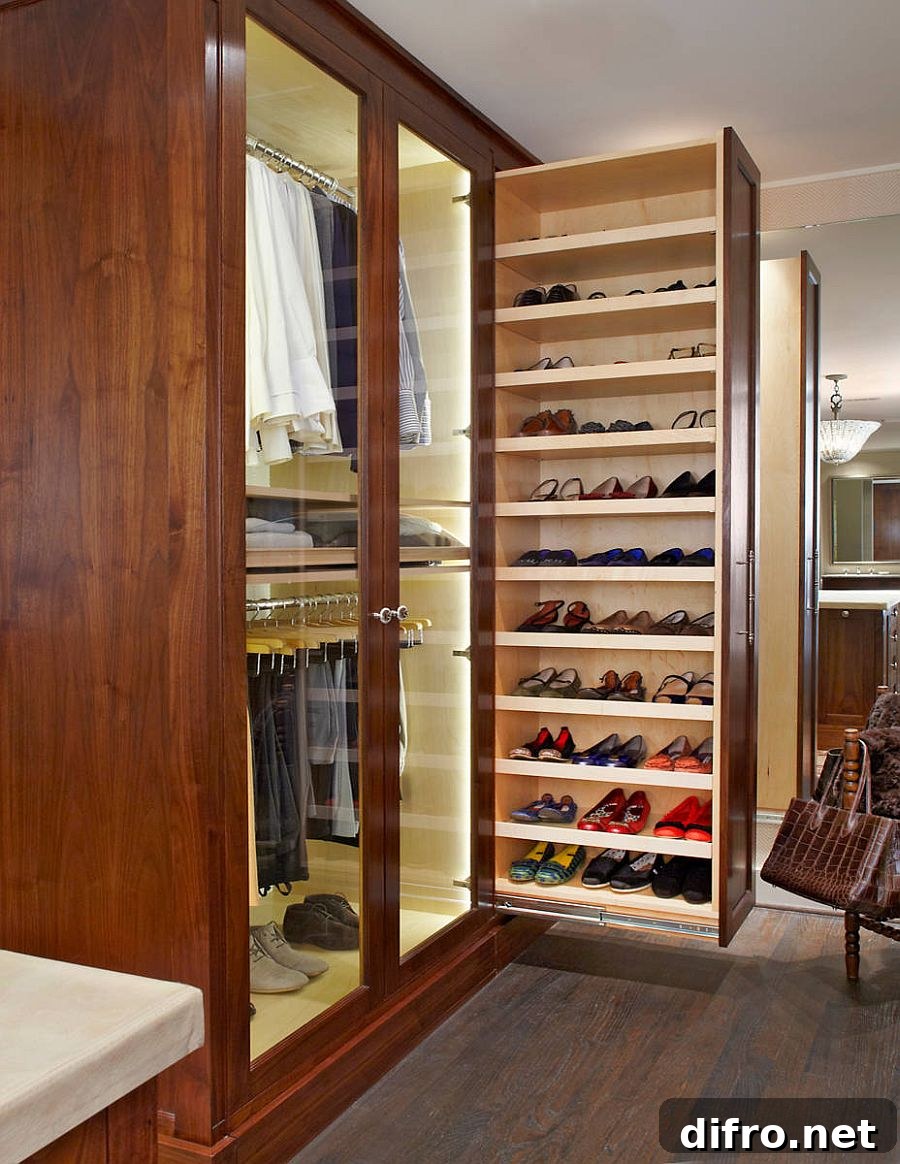
Wardrobes that slide open or hide pull-out sections maximize storage without encroaching into the room. Bespoke sliding systems can include hanging space, shelves for shoes, and drawers for accessories—all tucked neatly away. Add LED strip lighting inside to make it easy to see contents and to create a polished, functional storage area that blends with the room.
3. Lighting That Saves Space and Enhances Scale
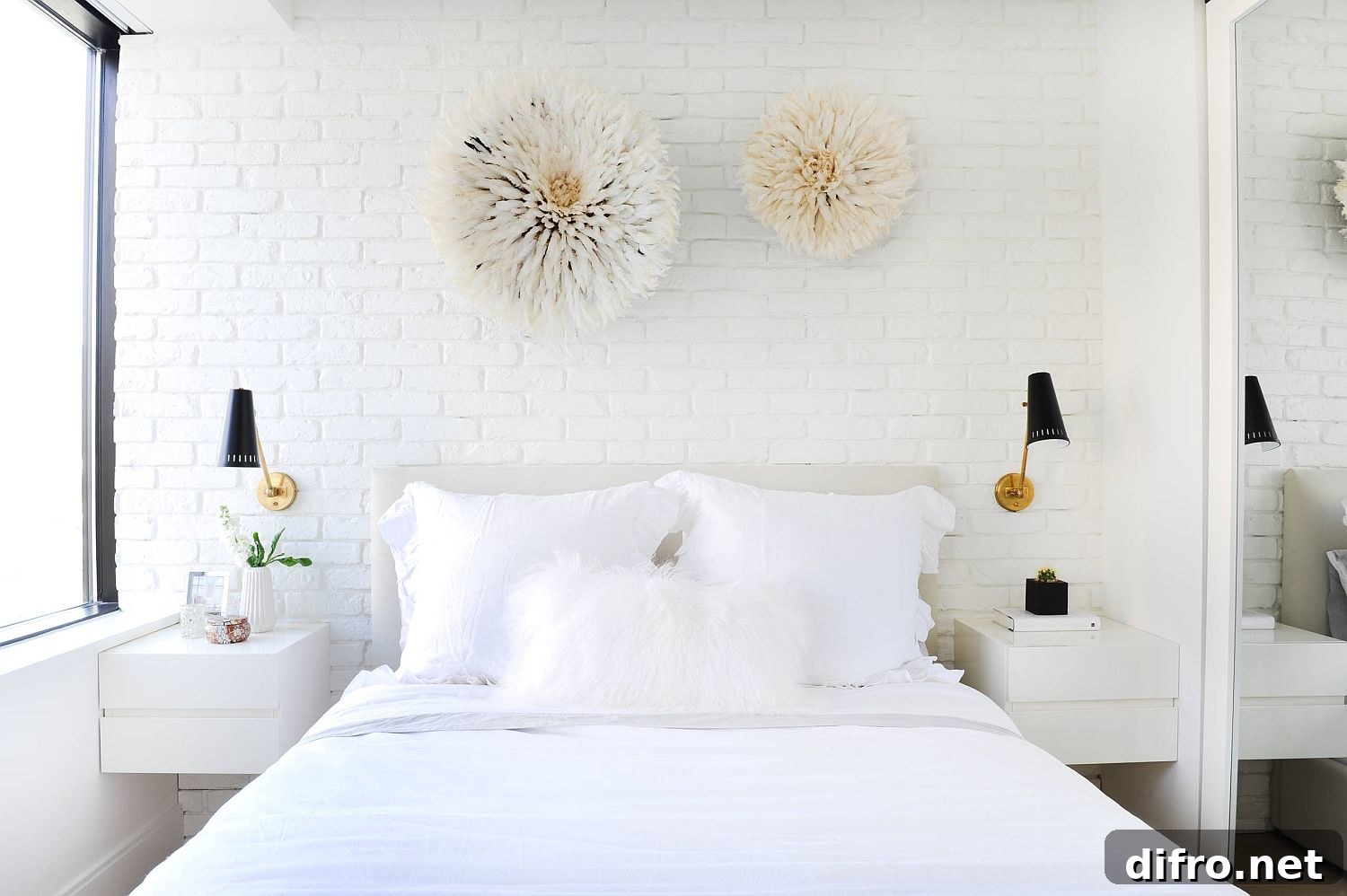
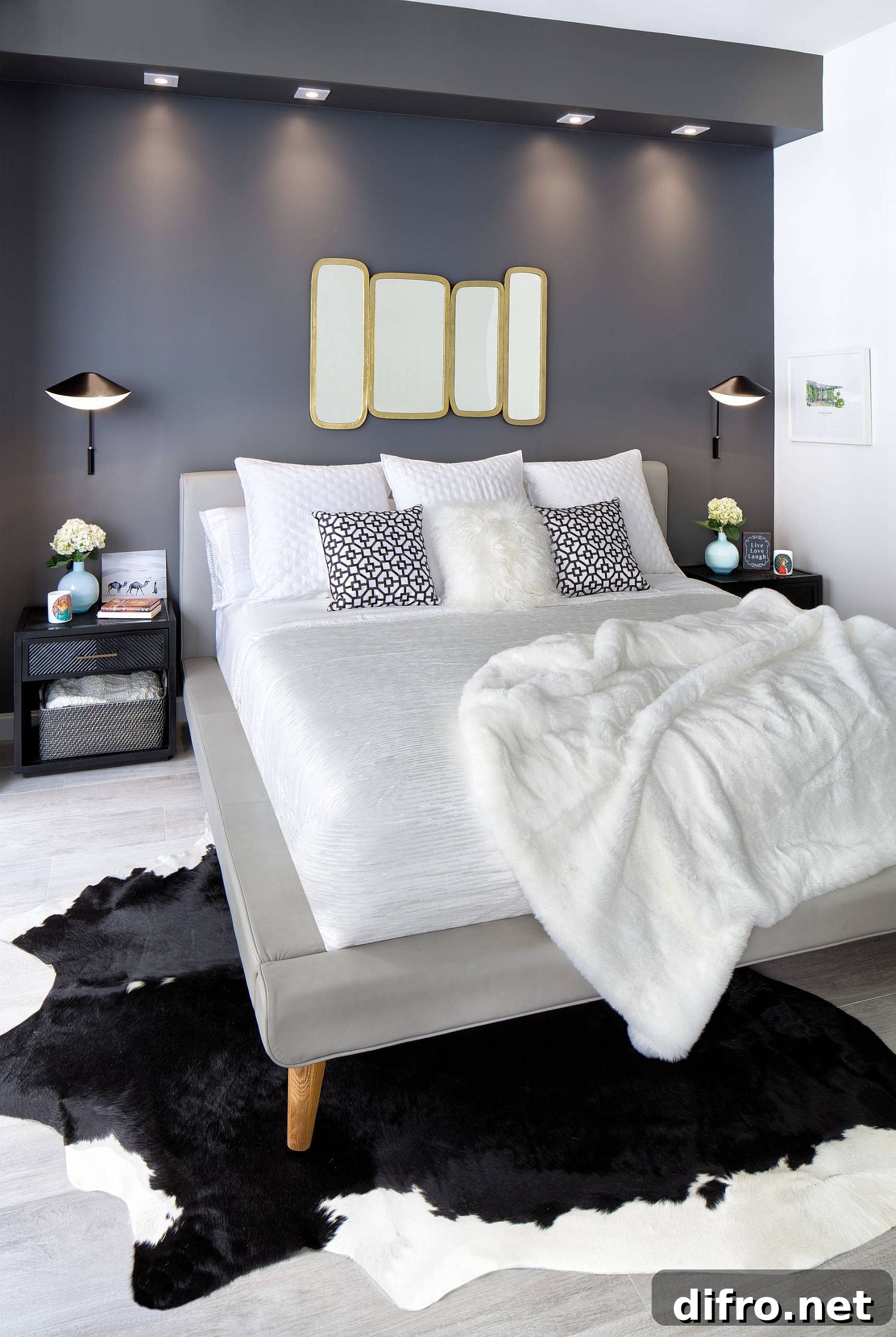
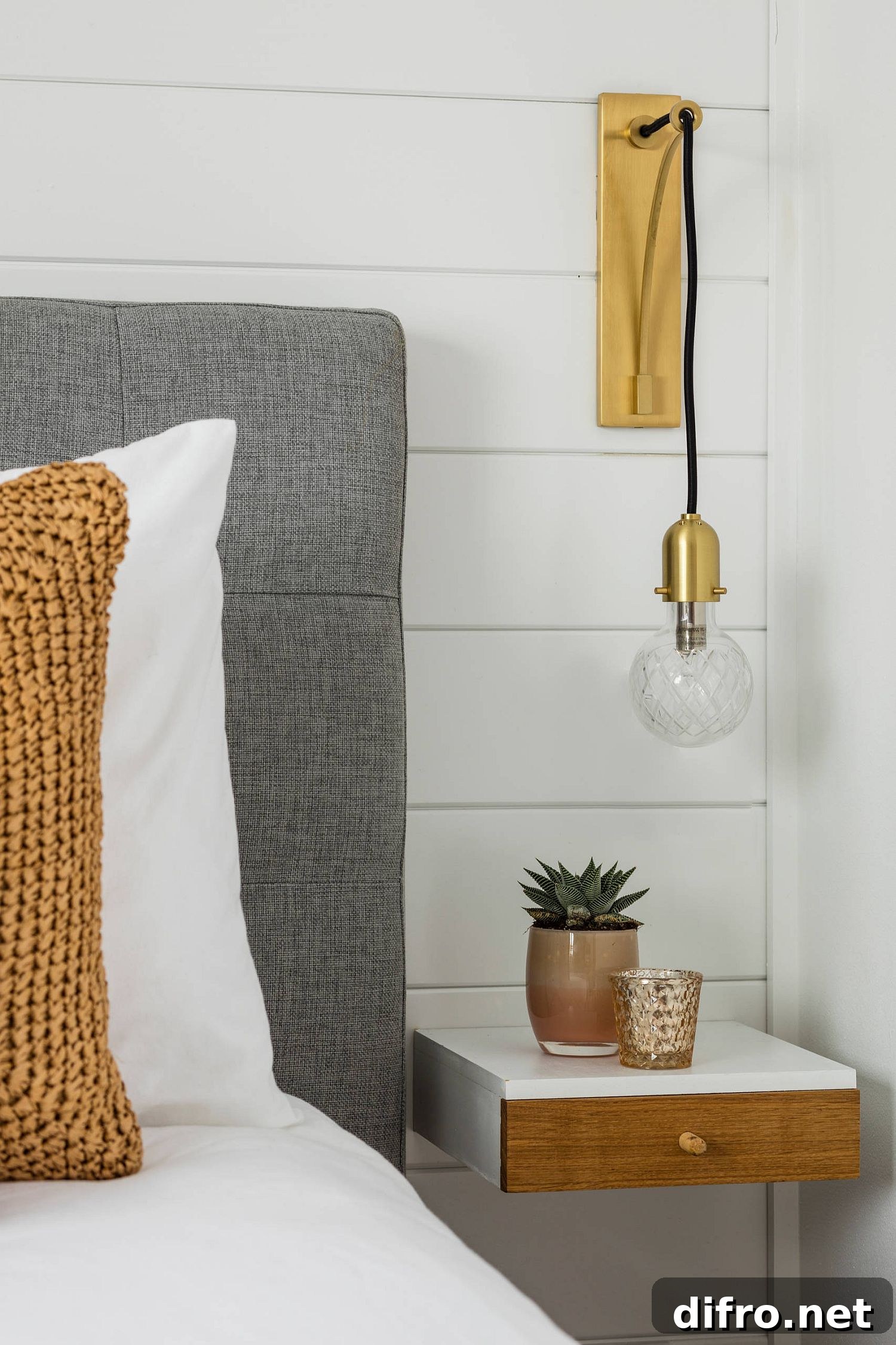
Well-planned lighting makes compact bedrooms feel larger and more inviting. Replace floor and table lamps with wall sconces or pendant lights to free bedside surface and floor space. Use layered lighting—ambient, task and accent—to give depth and dimension: recessed or flush ceiling lights for general illumination, wall-mounted reading lights by the bed, and dimmable fixtures to adjust mood and perceived volume.
4. Floating Nightstands
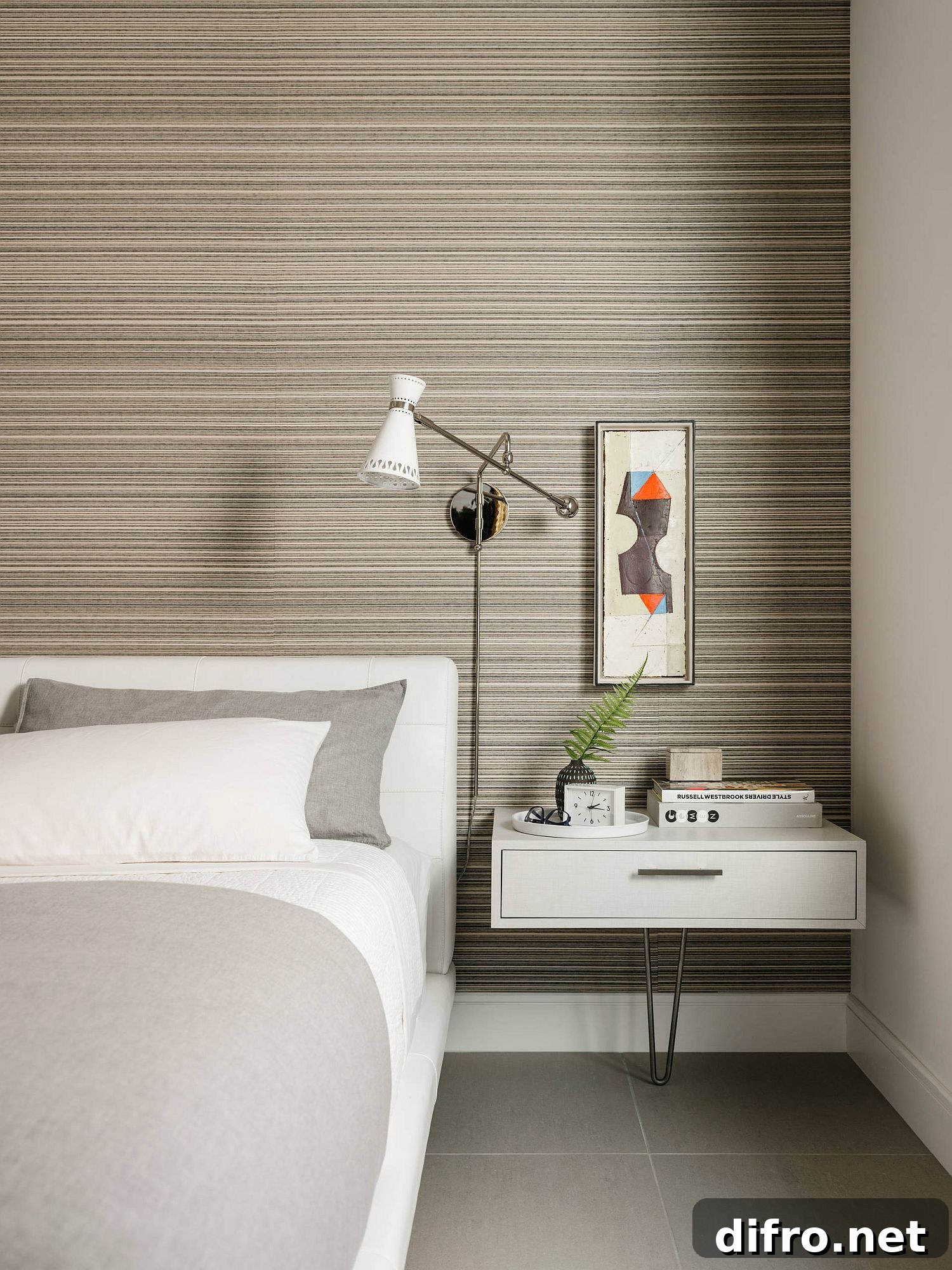
Pair wall lights with floating nightstands to keep bedside storage minimal and unobtrusive. A slim wall-mounted shelf or drawer provides space for essentials without blocking floor area or making the room feel cramped. Floating nightstands also make cleaning easier and visually open up the lower part of the room.
5. Minimal, De-cluttered Design
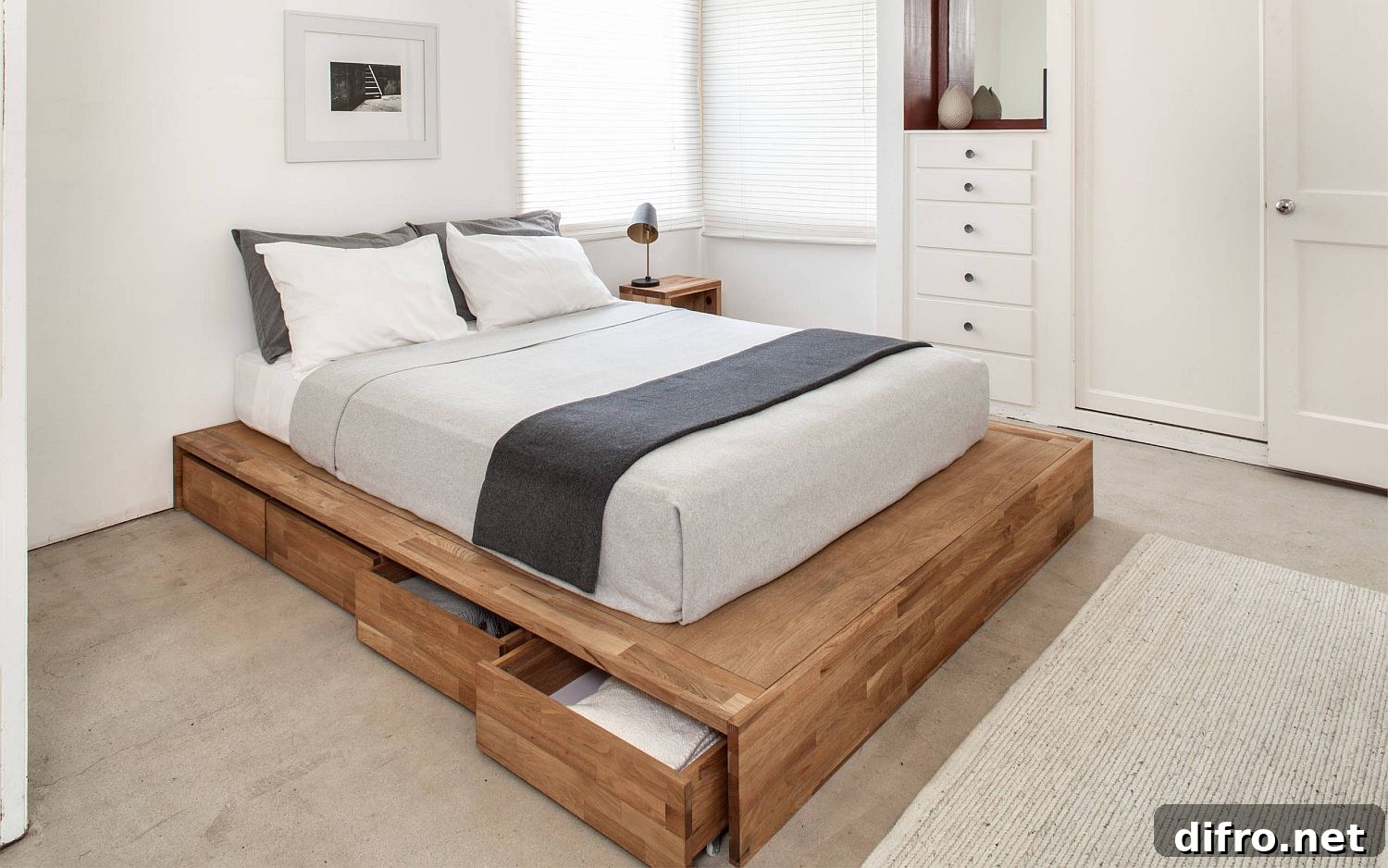
A minimalist approach is often the most effective strategy in a small bedroom. Choose a platform bed or a low-profile frame and remove unnecessary furniture and accessories. Keep textiles and decor restrained—one or two standout pieces rather than many small items—and prioritize multi-functional elements that reduce visual and physical clutter.
6. Replace Swinging Doors with Sliding Doors
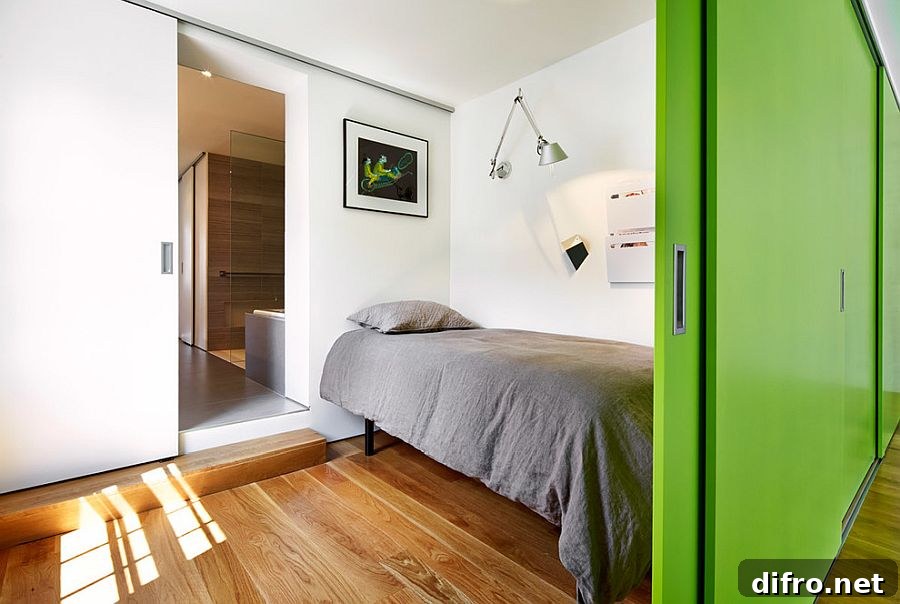
Swinging doors need clearance that many small rooms can’t spare. Replacing bedroom and closet doors with sliding or pocket doors immediately recovers usable square footage and improves circulation. The change also simplifies layout choices and creates a cleaner, more modern look.
7. Bring the Outdoors In
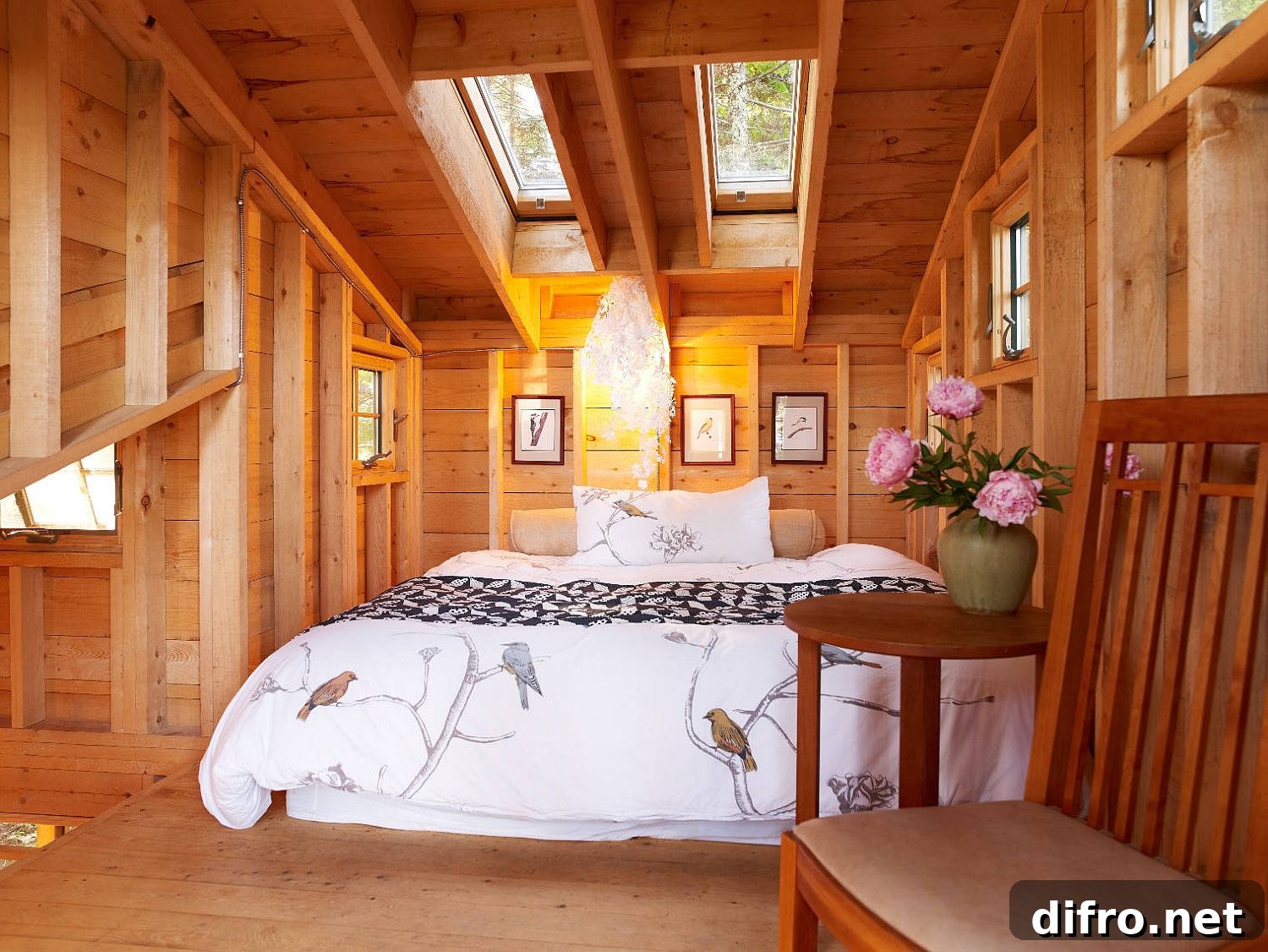
Natural light and fresh air transform small bedrooms. Windows, skylights or glass walls increase perceived space, boost mood and improve ventilation. Even a single larger window positioned to capture daylight makes the room feel more open—so prioritize daylighting when you plan a layout or refresh.
8. Built-In and Under-Bed Storage
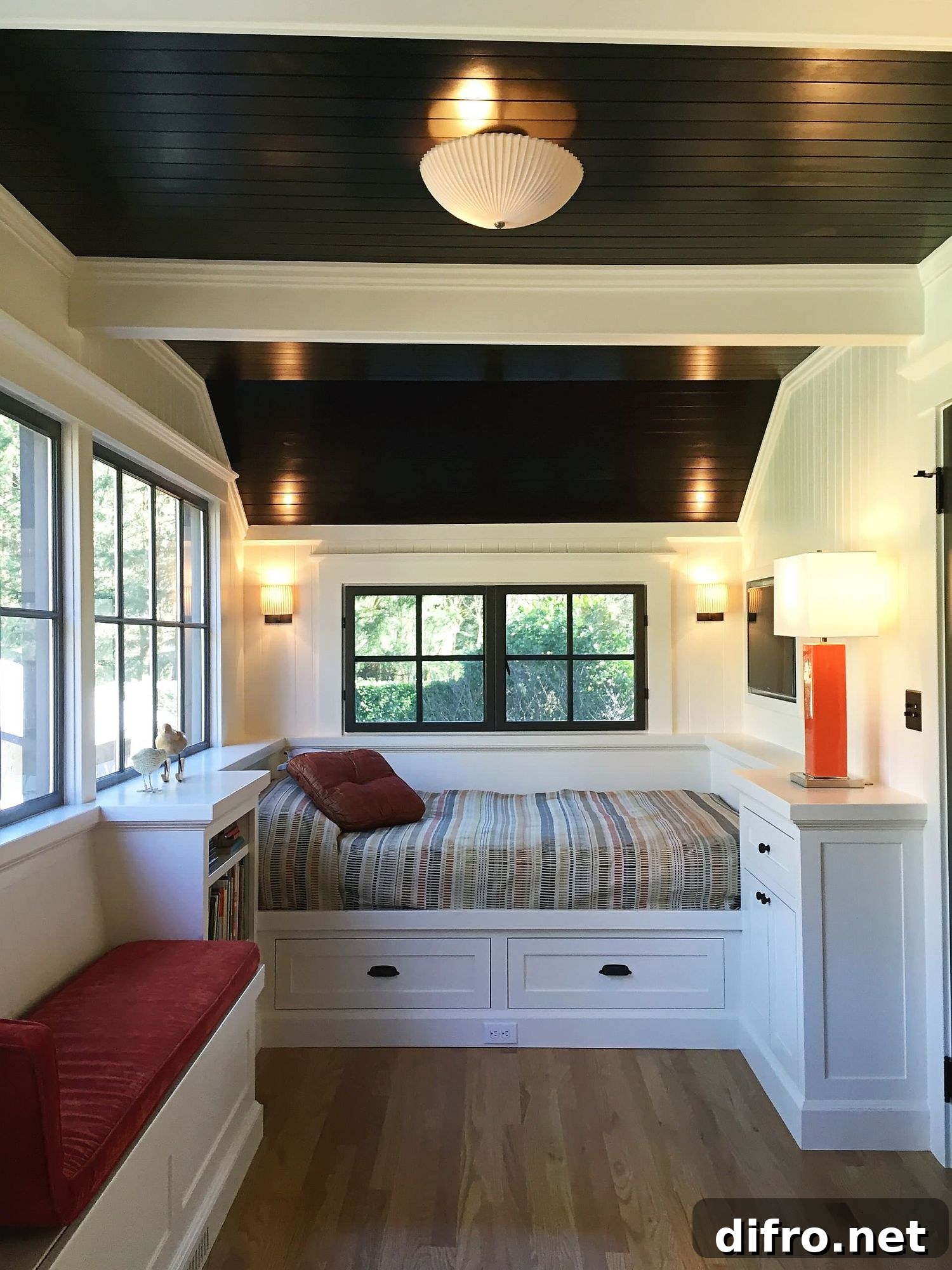
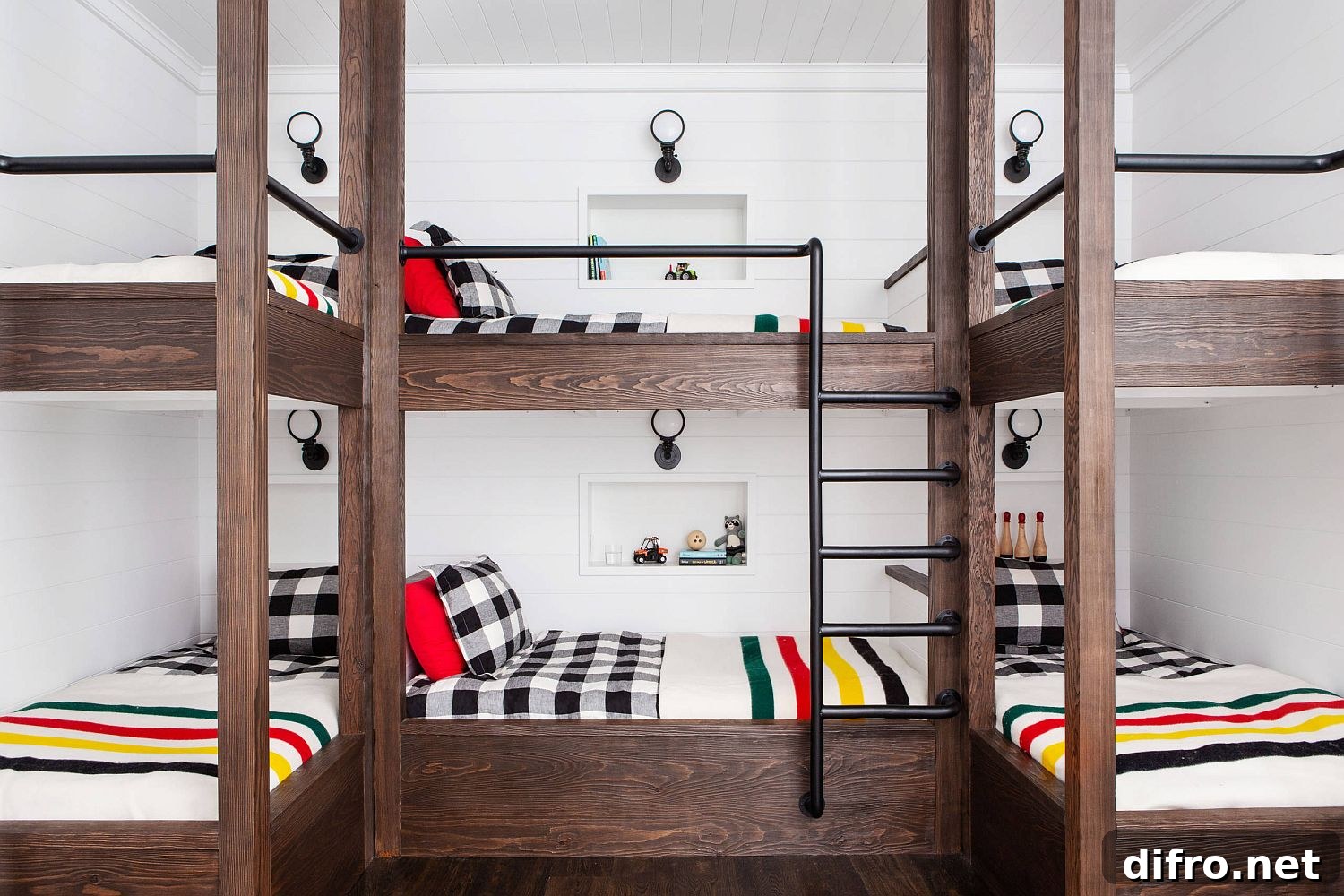
Maximize every cubic inch with built-in storage and beds that offer drawers or lift-up platforms. Wall shelves, recessed niches and custom cabinetry let you tuck belongings out of sight while keeping essentials accessible. These solutions work especially well in attics, basements or loft conversions where odd angles and limited floor area require tailored storage.
9. Beds That Double Up: Bunks and Murphy Options
When you need to accommodate more than one person or want a flexible guest solution, bunk beds or Murphy-style fold-away beds save floor space and add versatility. Modern bunk systems can be sleek and adult-friendly, while Murphy beds free up daytime living area. Add individual lighting and privacy screens for comfort and functionality.
Small-bedroom design is about smart choices more than big budgets: prioritize storage, simplify your palette, and select furniture and lighting that maximize both function and flow. With thoughtful planning, a compact bedroom can feel calm, spacious and perfectly suited to your needs.