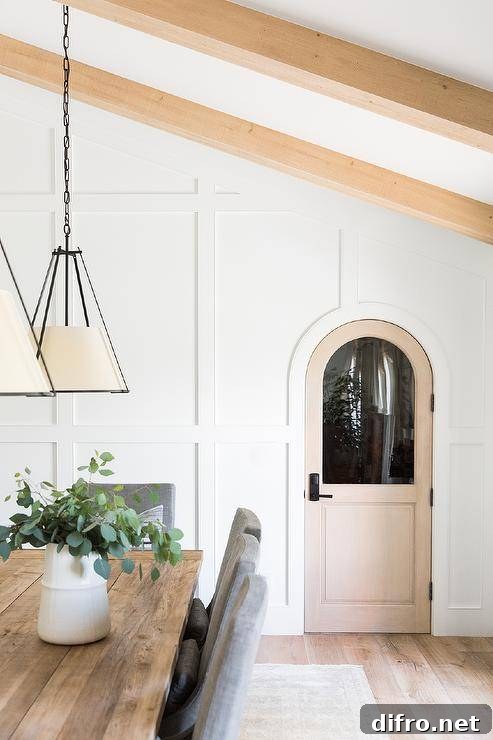
Paneling has long been a classic element of interior design, and when used thoughtfully it can bring warmth, texture, and character to a dining room. While some homeowners worry paneling will look dated, contemporary choices in style, color, and material make it easy to create a fresh, modern dining space that feels elegant and current.
Used with restraint and paired with clean-lined furnishings, modern lighting, and the right palette, paneling can elevate a dining room without overwhelming it. Below are practical strategies for using paneling in ways that feel contemporary, along with an overview of popular paneling types, materials, colors, and styles to consider.
Design Approaches to Keep Paneling Modern
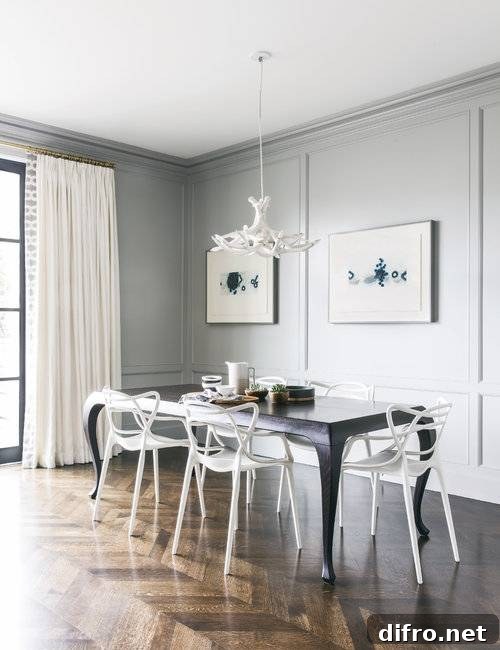
Start by choosing a streamlined paneling profile. Shaker-style panels, simple wainscoting, or flat panels with minimal trim feel fresh and understated. Consider using paneling as an accent rather than covering every wall — half-height wainscoting, a single feature wall, or a framed panel behind a sideboard adds visual interest while keeping the room airy.
Mixing materials also modernizes the look: pair painted paneling with matte metal or glass accents, or combine a wood-paneled lower wall with wallpaper or paint above. Pay attention to scale — taller panels create formality and drama; shorter panels feel relaxed and casual.
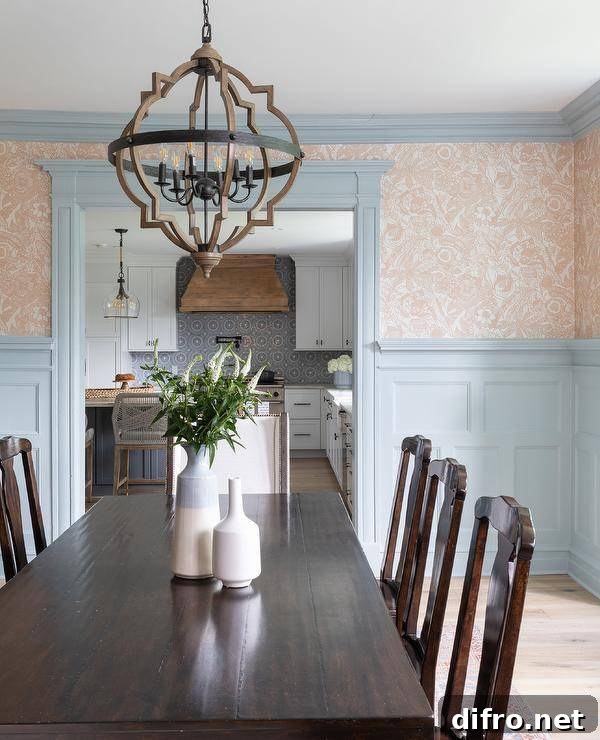
Color and Finish Tips
Color dramatically changes the mood of paneling. Light, neutral tones — crisp white, soft cream, or pale gray — open a space and reflect light. Mid-tone grays and blues offer a sophisticated, contemporary backdrop that pairs well with brass or black fixtures. For a bolder look, deep navy, emerald, or even black create a striking contrast with light furnishings and bright artwork. Pastels like blush or pale blue can add a gentle, modern romanticism when balanced with simple furniture.
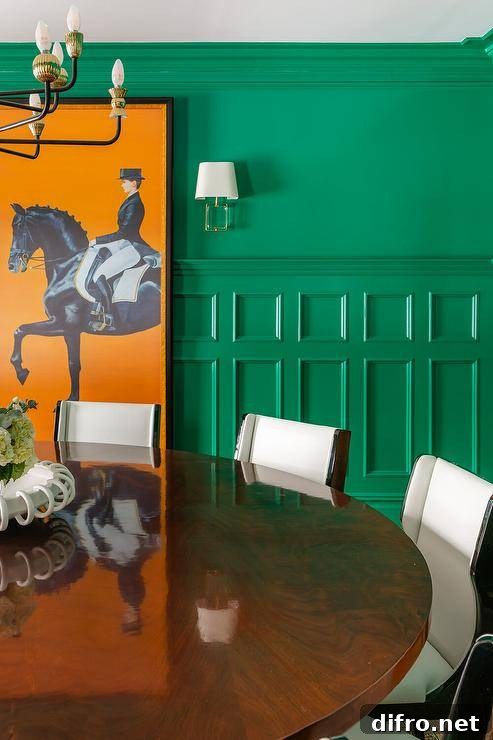
When updating older paneling, a fresh coat of paint in a contemporary hue and refinished trim details are often all that’s needed to modernize the space.
Types of Paneling
Different paneling profiles suit different styles. Choose the type that complements your furniture and the room’s architecture.
Shiplap
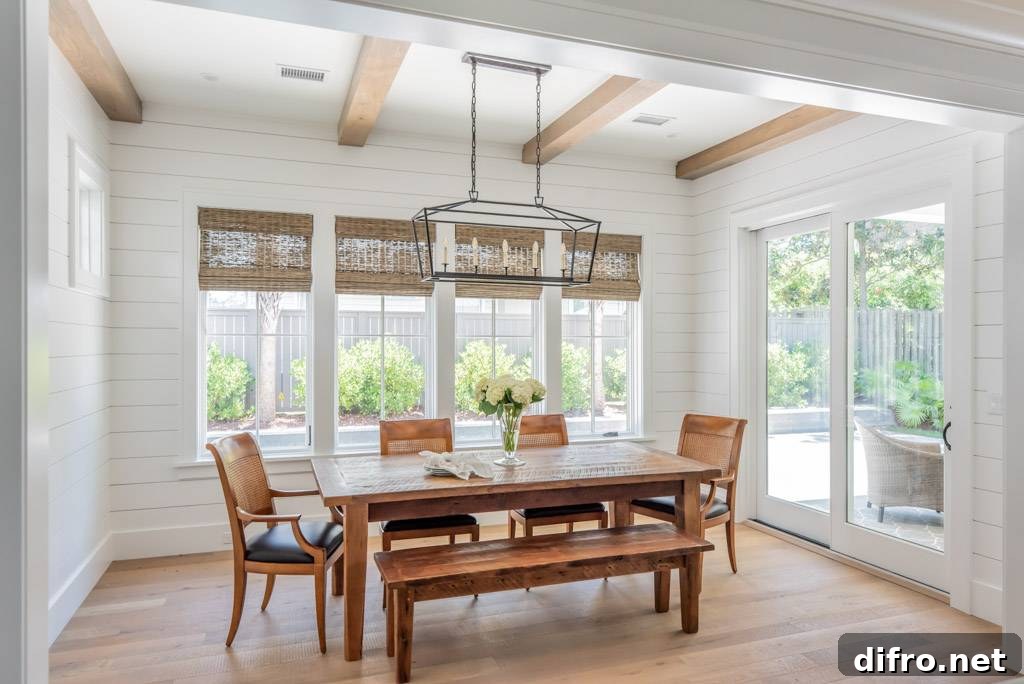
Shiplap uses long boards with slight gaps or overlaps and can be installed horizontally or vertically. In a subtle painted finish, shiplap reads modern while retaining texture, and it also works well with farmhouse or coastal interiors.
Flat Panels
Flat, slab-style panels create a smooth, modern surface that pairs well with contemporary furnishings. They are minimal and understated, ideal for a clean, tailored look.
Beadboard
Beadboard adds vertical texture through narrow boards with small grooves. When painted in a modern color and used at half-wall height, it brings subtle interest without feeling old-fashioned.
Materials
Material choice affects durability, cost, and appearance. Select materials that meet your budget and maintenance needs while supporting the aesthetic you want.
Wood
Solid wood offers warmth and natural grain. When painted or finished simply, wood paneling fits contemporary interiors and can be paired with modern hardware and lighting.
MDF
Medium-density fiberboard (MDF) is an engineered option that’s affordable and easy to paint. It’s a practical choice for achieving crisp, smooth paneling profiles without large expense.
PVC
PVC is durable, moisture-resistant, and easy to clean, making it suitable for busy homes or dining rooms that open to outside entertaining areas.
Styles and Installation Ideas
Consider panel orientation and pattern to reinforce the room’s proportions. Horizontal panels can make a room feel wider, while vertical panels emphasize height. Combining profiles — for example, a board-and-batten lower wall with a smooth upper wall — creates layered interest.
Horizontal
Horizontal paneling conveys a relaxed, modern vibe and works well with simple, contemporary furniture.
Vertical
Vertical paneling adds height and texture, lending itself to eclectic or traditional-modern mixes.
Mixed
Mixing panel types and heights can be an effective way to delineate zones or highlight architectural features, producing a curated, modern result.
Practical Tips
- Use paneling as an accent to avoid overwhelming a small dining room.
- Balance patterned or dark paneling with lighter ceiling and floor surfaces.
- Coordinate paneling color with metal finishes and soft furnishings for a cohesive palette.
- Opt for high-quality paint and trim detailing to ensure a long-lasting, refined appearance.
Frequently Asked Questions (FAQs)
What types of paneling are best for a dining room?
Beadboard, shiplap, and flat panels are popular choices. Each offers a different texture and level of formality; choose the one that best complements your dining room’s furniture and architectural style.
How do I choose the right color for my paneling?
Consider the room’s lighting and existing color scheme. Light tones open a space, mid-tones add sophistication, and deep colors create drama. Test samples on different walls to see how they look at various times of day.
Can I install paneling myself?
Experienced DIYers with basic carpentry tools can install many paneling types. For complex profiles, large-scale installations, or perfect seams, hiring a professional ensures a polished result.
How can I update paneling that looks dated?
Painting in a modern color, simplifying trim, or adding new hardware and lighting are quick updates. In some cases, replacing the paneling with a simpler profile or a painted smooth surface refreshes the room.
Is paneling suitable for a small dining room?
Yes — use light colors, partial-height paneling, or a single feature wall to add texture without making the space feel cramped.
When chosen with intention, paneling remains a versatile and stylish option for dining rooms. Keep lines simple, finishes updated, and proportions balanced to create a dining space that feels both modern and timeless.