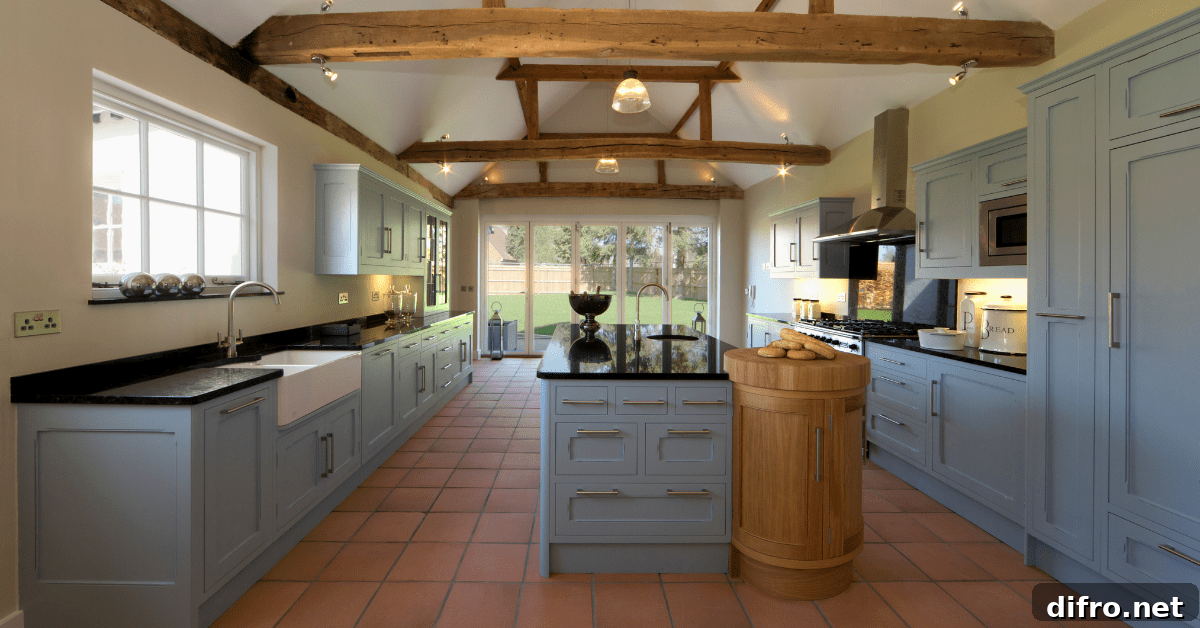
Terracotta floor tiles have been prized for centuries for their warm, natural beauty and enduring charm. In this article we explore the appeal and practical benefits of terracotta floor tiles, how to choose the right varieties for different rooms, design ideas that highlight their strengths, and straightforward maintenance tips to keep them looking great. Whether you’re renovating a kitchen, dressing up a hallway, or creating an inviting outdoor patio, terracotta tiles bring texture, warmth, and character to virtually any space.
The Versatility of Terracotta Floor Tiles
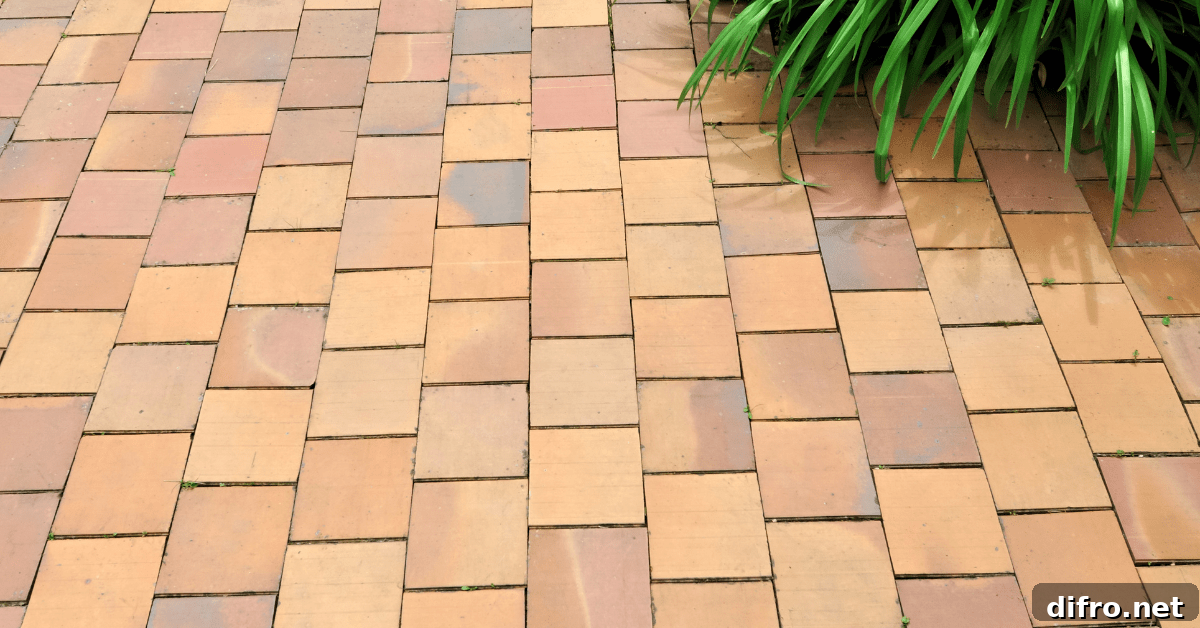
Terracotta tiles adapt well to many architectural styles, from Mediterranean and farmhouse to boho and contemporary rustic. They work equally well indoors and outdoors, making them a popular choice for kitchens, living areas, entryways, sunrooms, and patios. Their warm red, orange, and brown hues provide a neutral yet inviting base that pairs beautifully with wood, stone, plaster, and metal finishes. Because terracotta tiles come in a range of finishes—from matte and rustic to polished and glazed—they can be tailored to create either an old-world, handcrafted atmosphere or a cleaner, modern interpretation.
The Benefits of Terracotta Floor Tiles
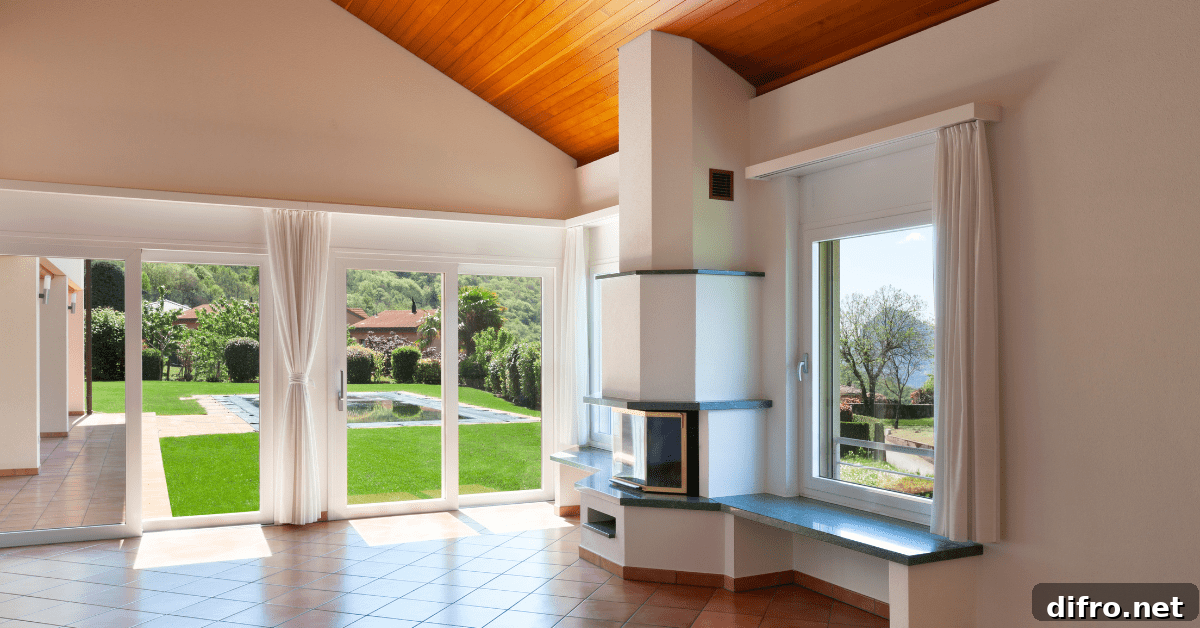
Terracotta is made from natural clay, which makes these tiles an environmentally friendly option for homeowners who prefer sustainable materials. They are sturdy and wear well under foot traffic, and depending on the finish and installation, they can be suitable for busy rooms and transitional spaces. Terracotta also has good thermal mass, so when used with appropriate underfloor heating or in sunlit rooms it can help moderate temperature swings. Properly installed and sealed terracotta floors can last for decades and often develop a richer patina over time, adding to their long-term appeal.
Choosing the Right Terracotta Floor Tiles for Your Space
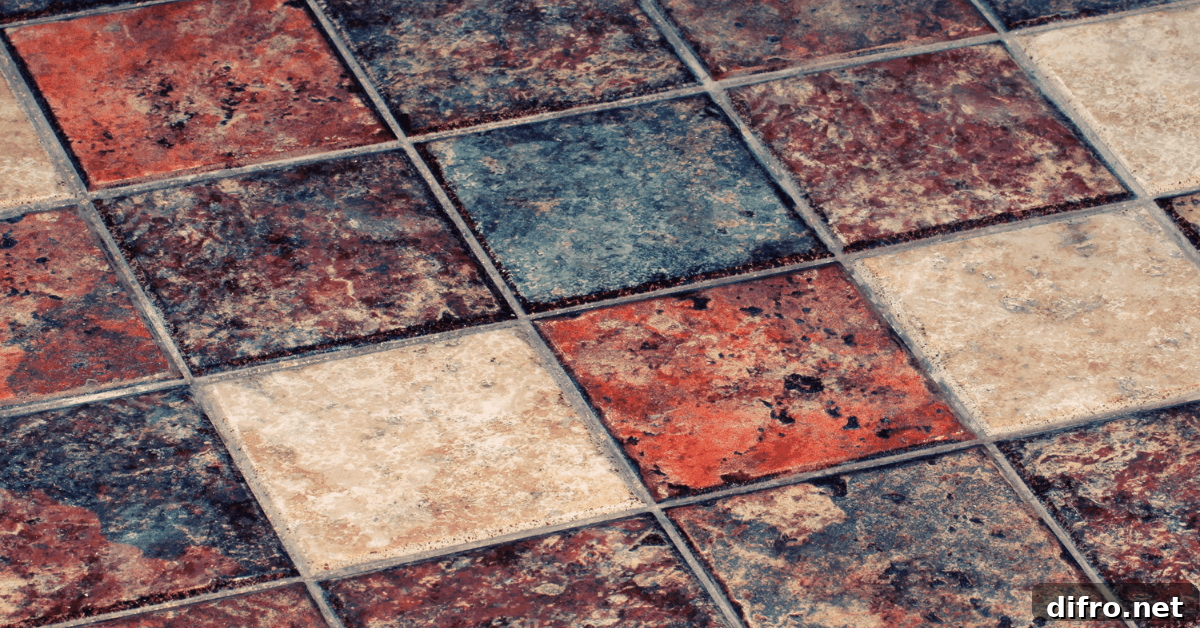
Selecting terracotta tiles involves more than choosing a color. Consider tile size and shape—large square tiles create a more contemporary, open look while smaller, hand-pressed tiles convey a handcrafted, traditional feel. Finishes vary from unglazed and textured to glazed and polished; unglazed tiles provide authentic rustic character but require sealing, while glazed tiles offer easier cleaning and greater stain resistance. Color variations and subtle imperfections are part of the charm of terracotta, so expect natural variation from tile to tile and plan your layout accordingly to create a cohesive floor.
Design Ideas for Terracotta Floor Tiles
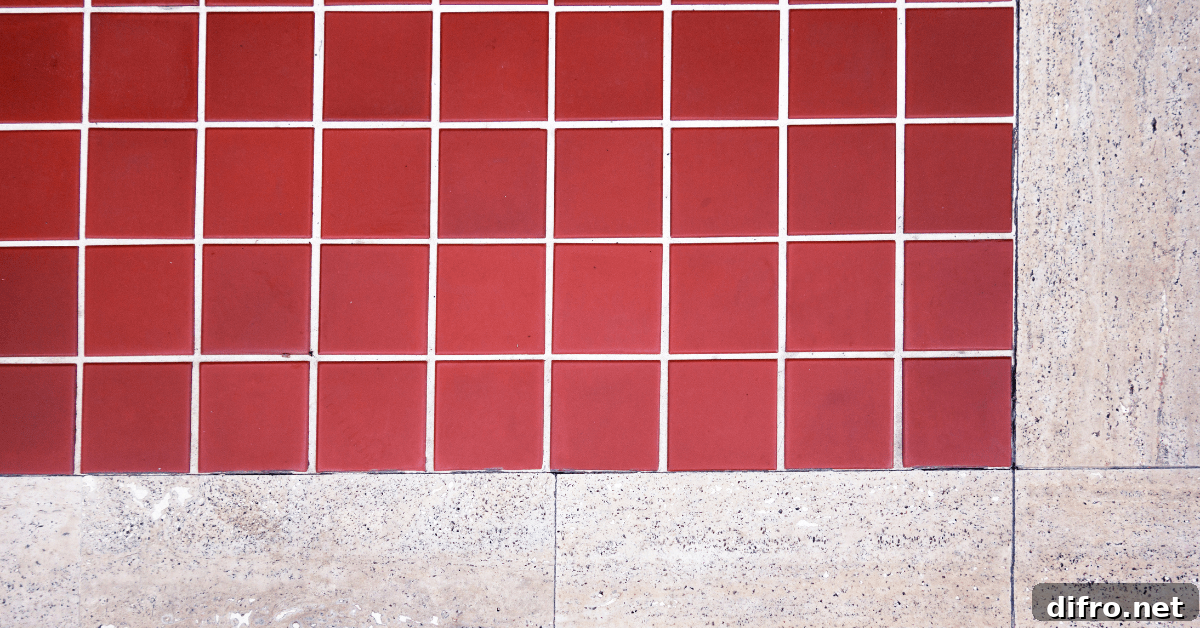
Terracotta tiles work well alone or combined with other materials. For contrast, pair them with light-colored grout and pale walls to brighten a space, or use darker grout and reclaimed wood furniture for a rustic feel. Decorative patterns such as herringbone, diagonal layouts, or inset borders add visual interest; mosaics and patterned insets can create focal points in entryways or kitchen islands. Outdoors, terracotta pavers can create a seamless flow from indoor tile to patio, enhancing the sense of continuity between interior and exterior living areas.
The Timeless Appeal of Terracotta Floor Tiles
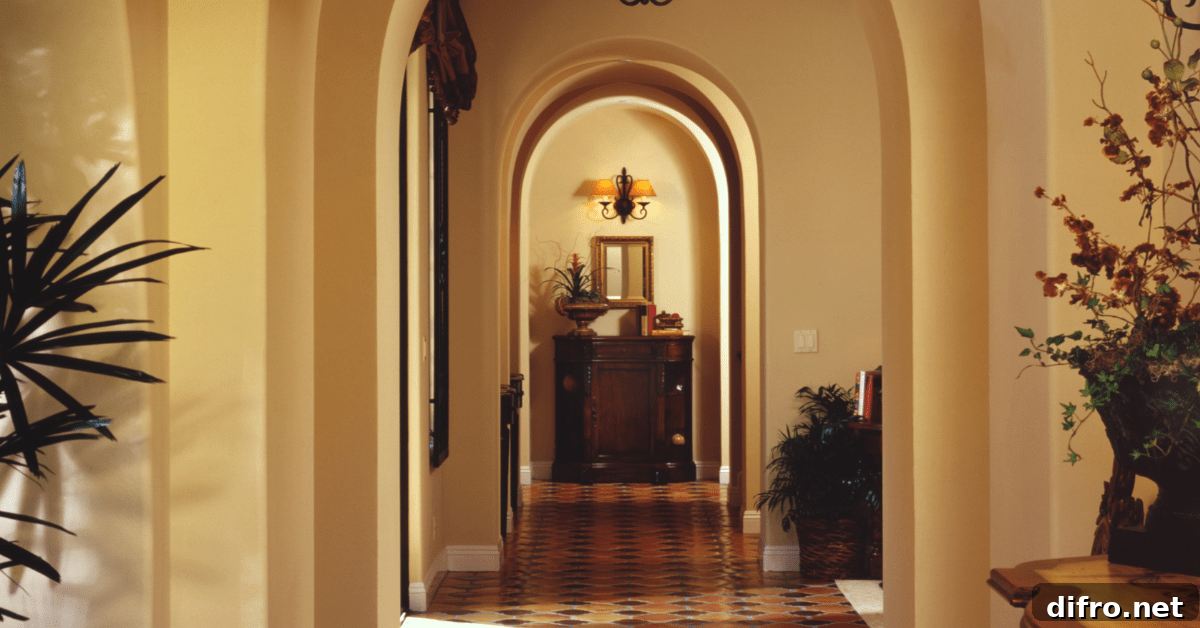
The enduring popularity of terracotta comes from its ability to convey warmth and authenticity. Over time, terracotta can mellow and develop a patina that enhances its visual depth. That aging process is often seen as an asset, giving floors character that complements both period properties and contemporary homes seeking an organic, lived-in aesthetic. With thoughtful installation and chosen finishes, terracotta remains a reliable way to introduce timeless style into modern interiors.
Incorporating These Tiles into Your Home
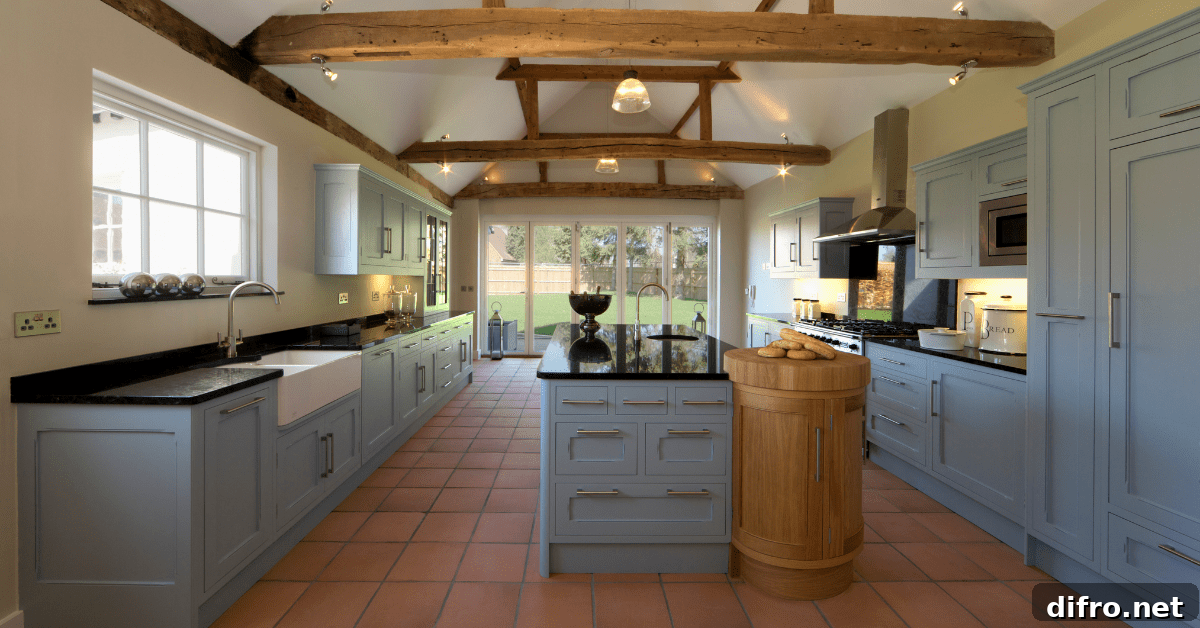
When adding terracotta to your home, align your tile choice with the room’s function. Choose low-porosity or glazed tiles for kitchens and bathrooms, and consider thicker, frost-resistant tiles for outdoor areas or exposed patios. Think about grout color, transition strips, and whether a sealant will be required—these details influence both aesthetics and longevity. Collaborate with an experienced installer to ensure proper substrate preparation, expansion joints, and moisture barriers where needed; correct installation prevents common issues and ensures a long-lasting floor.
Maintaining Terracotta Floor Tiles
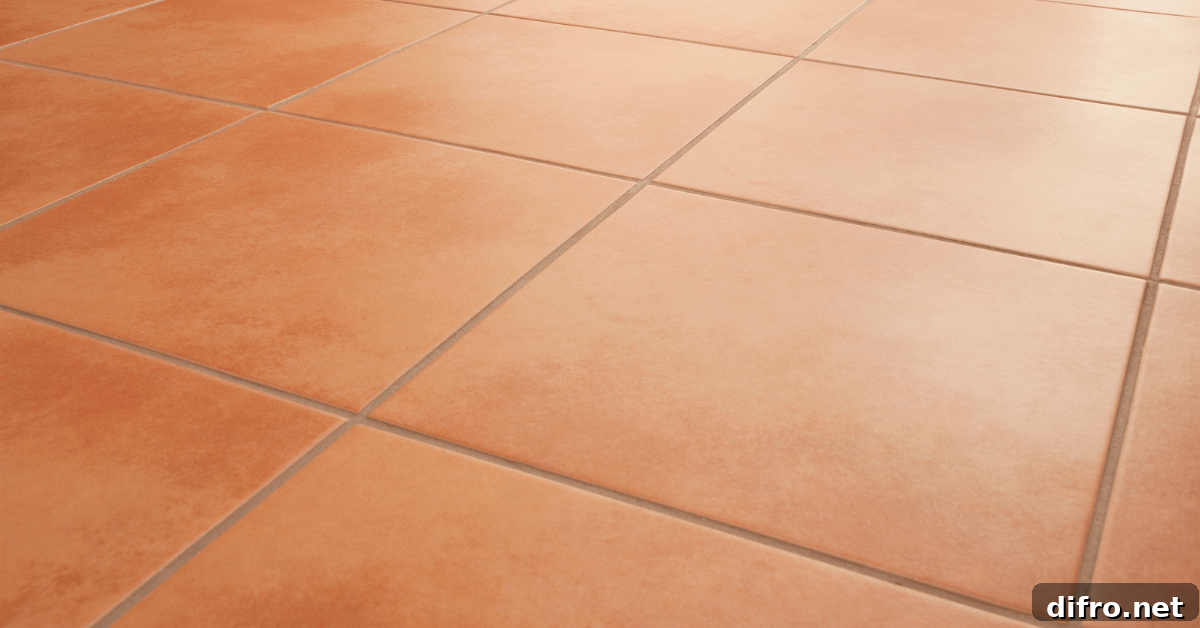
Routine upkeep is simple: sweep or vacuum regularly to remove grit that can scratch the surface, and mop with a mild, pH-neutral cleaner. Avoid harsh, acidic cleaners that can damage the tile or strip sealants. Unglazed terracotta benefits from periodic sealing to protect against stains and moisture; sealed tiles are easier to maintain and better suited to kitchens and wet areas. If a tile becomes scratched or worn, many finishes can be refreshed by cleaning and resealing, and individual tiles can be replaced if necessary.
Read other related articles:
- 20 Living Room Floor Tile Ideas To Upgrade Your Home
- 23 Green Tile Backsplash Ideas That Will Have Others Green with Envy
- 36 Stunning Tile Shower Ideas To Transform Your Bathroom
Terracotta floor tiles offer a blend of natural beauty, durability, and design flexibility that continues to appeal to homeowners and designers alike. By choosing the appropriate tile type, finish, and installation method—and by following straightforward cleaning and sealing routines—you can enjoy a warm, characterful floor that enhances your home for many years.