Open-plan or open-concept floor plans were a defining trend in modern home design for many years. This layout removes walls between the kitchen, dining area and living room to create a single, continuous space. While an open plan can make a home feel spacious and sociable, it also exposes limitations—especially around privacy, noise and odor control. If you’re weighing whether to remove a wall or preserve separate rooms, this article breaks down the pros and cons and offers practical ways to get the benefits of both approaches.
Pros of open-concept floor plans
Ample, flexible space
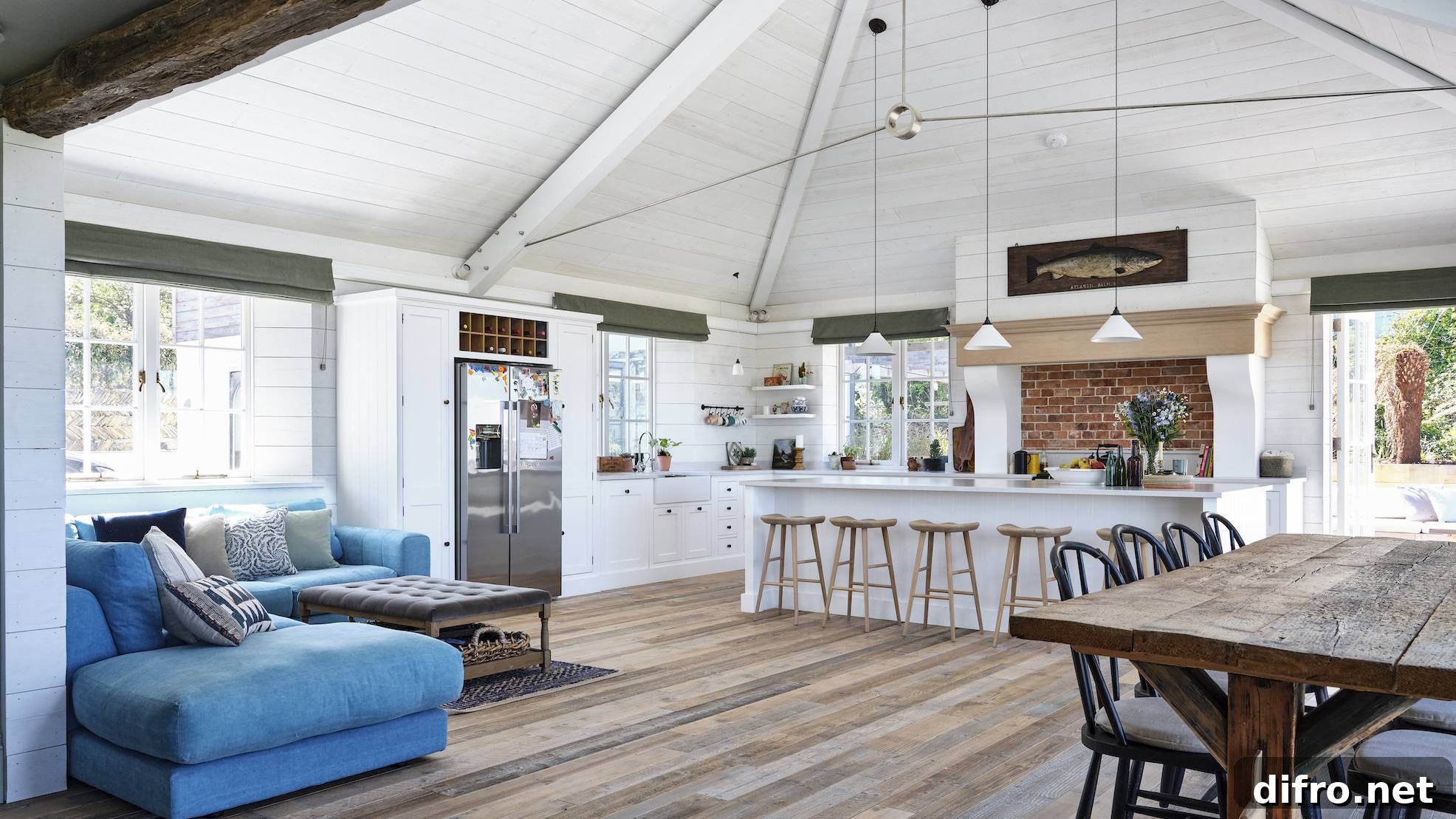
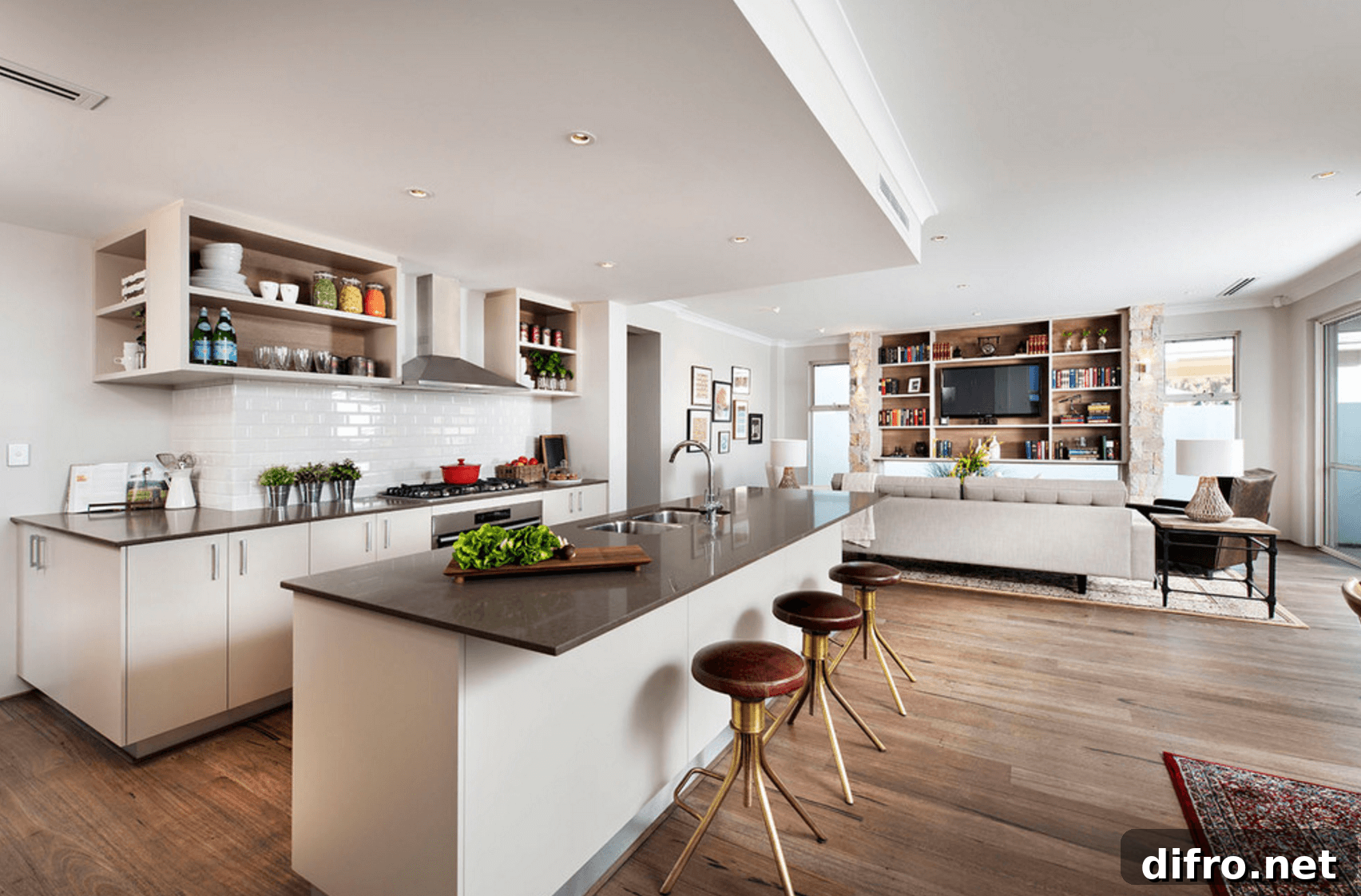
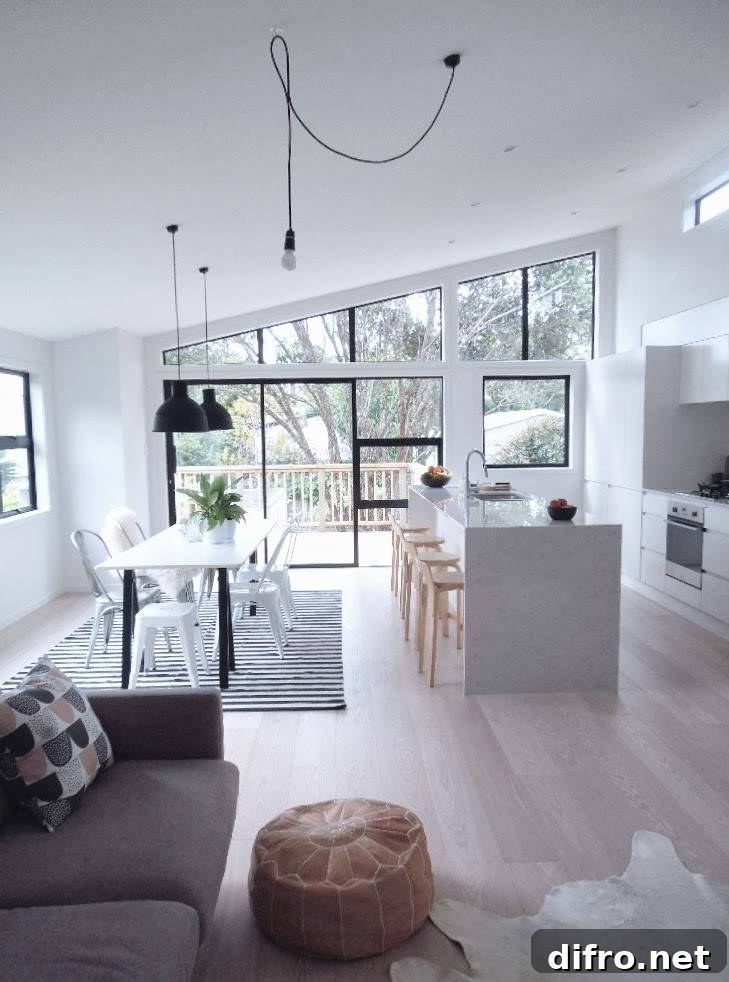
One of the clearest advantages of an open floor plan is the sense of space it creates. Removing interior walls improves sightlines and circulation, making smaller homes feel larger without the cost of adding square footage. Open layouts also create flexibility: furniture can be rearranged to serve multiple functions, and the same area can adapt to entertaining, family time, or work-from-home needs.
More natural light
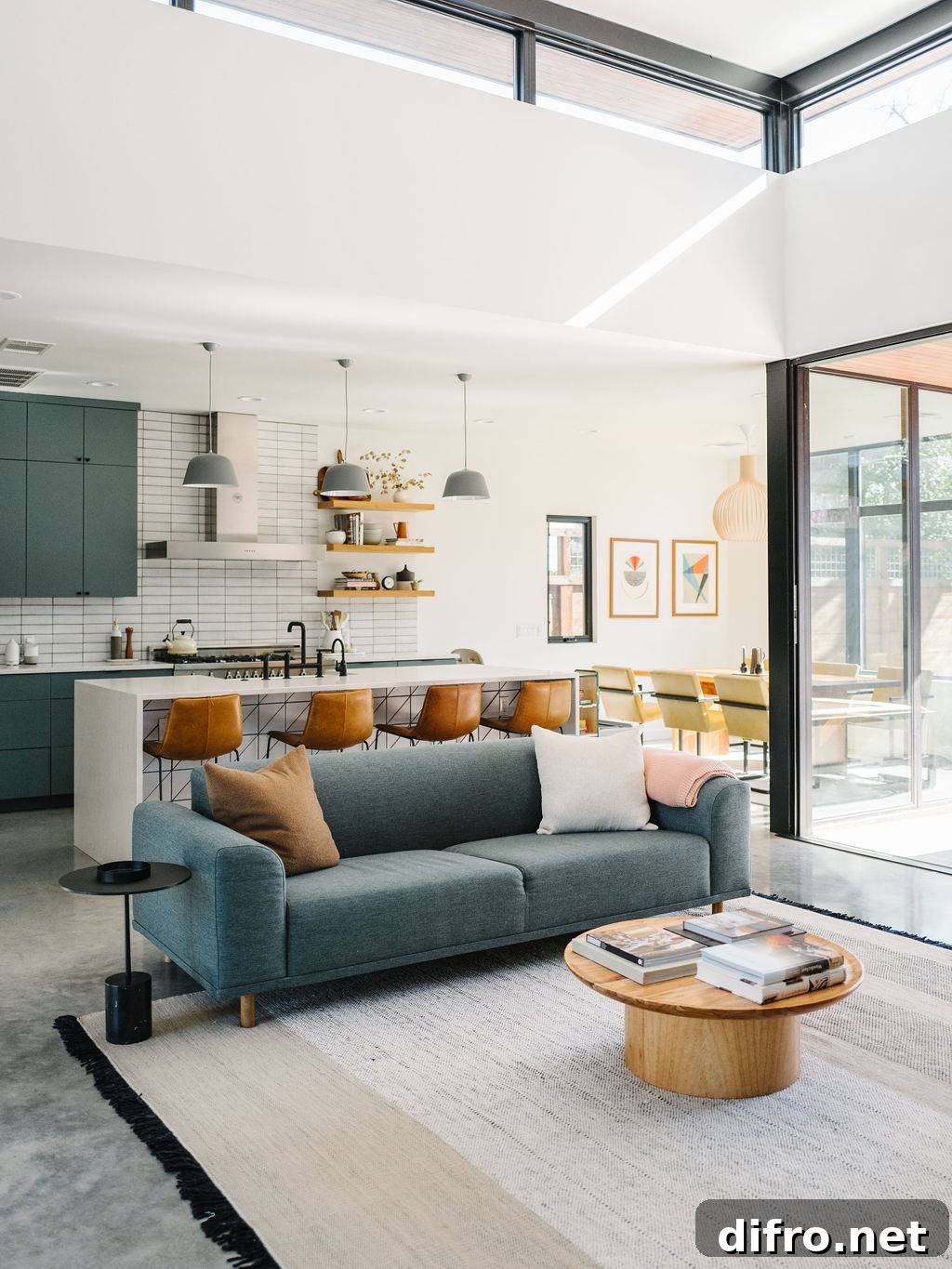
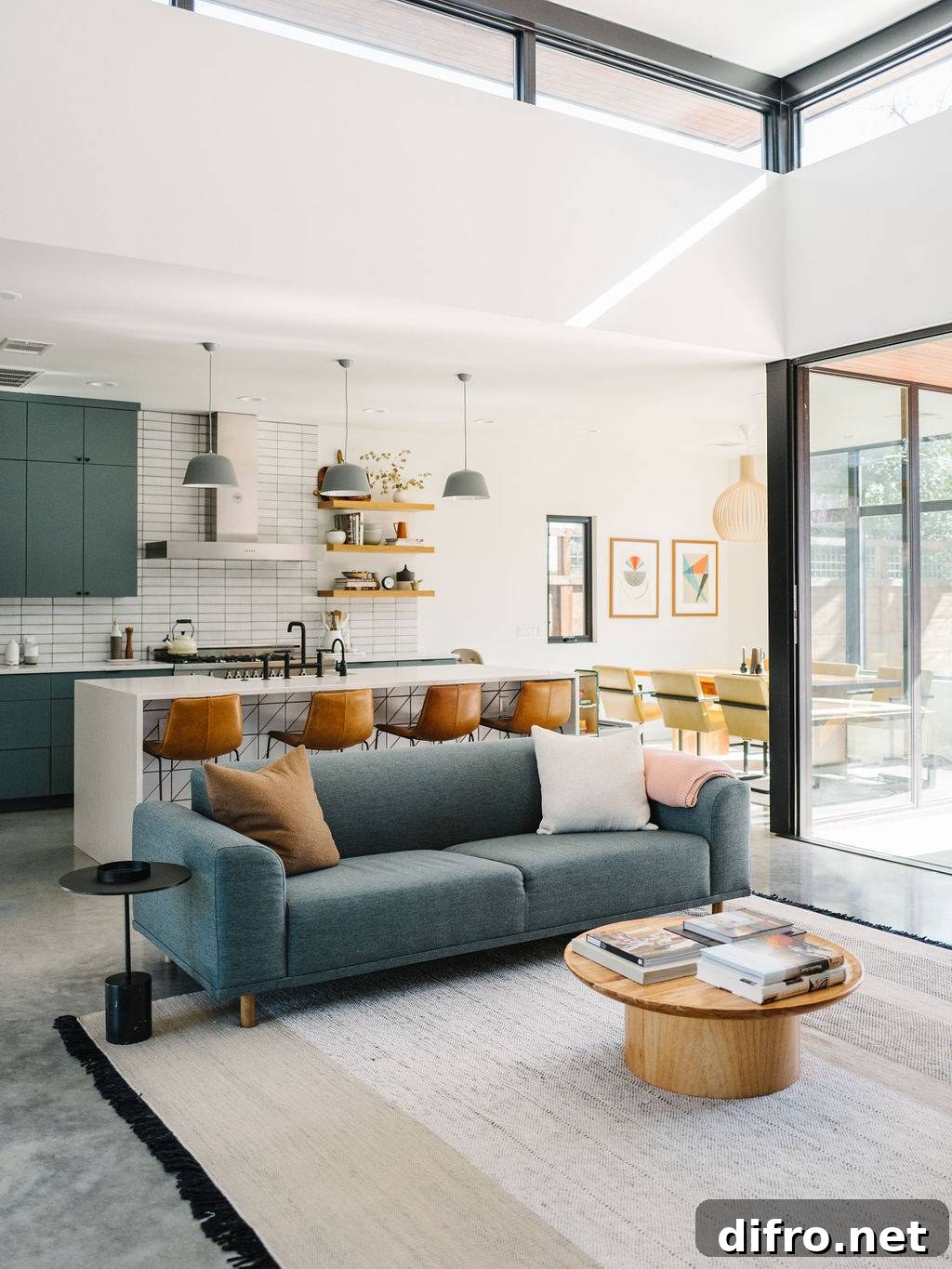
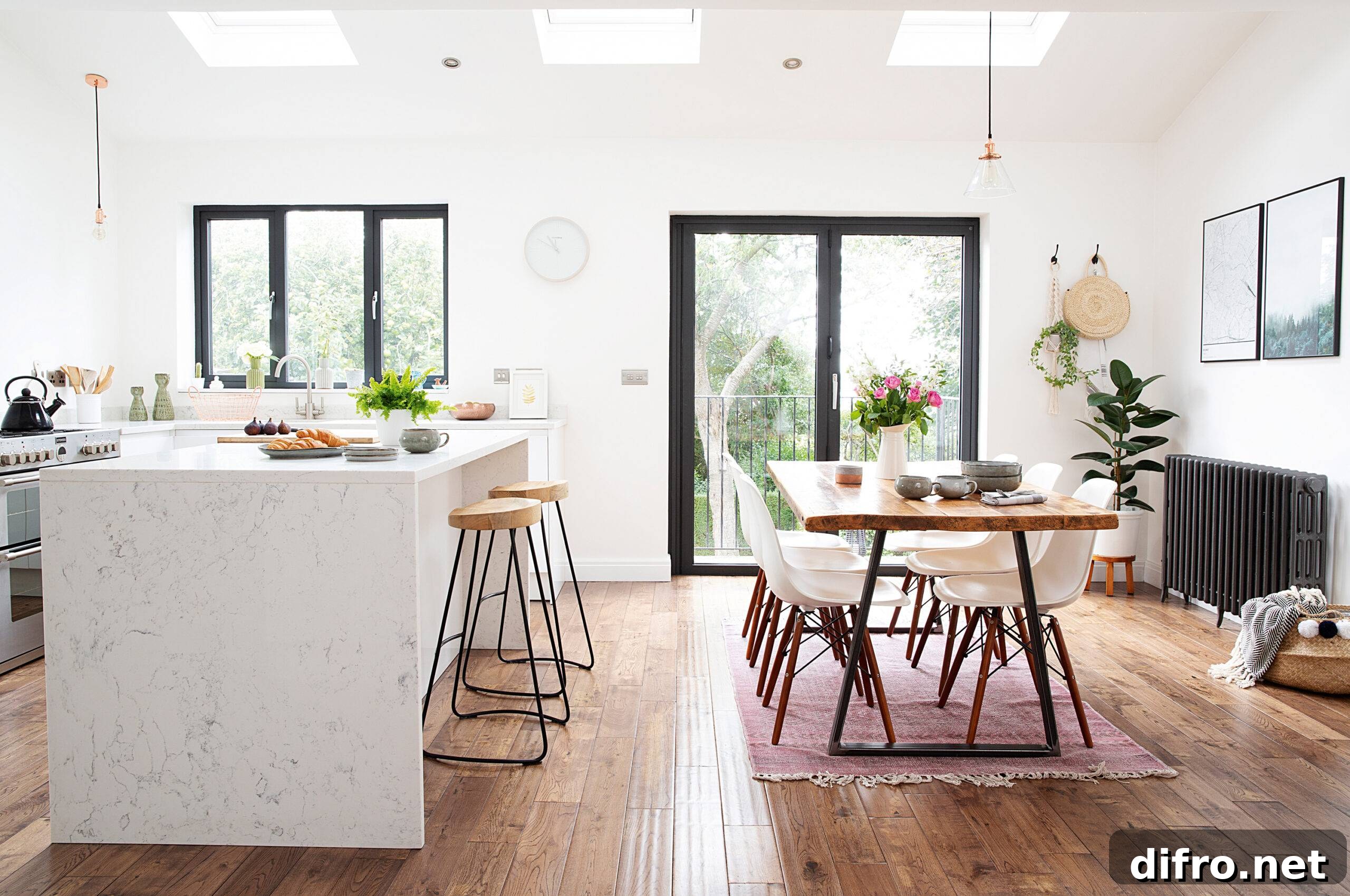
Open plans allow daylight to travel unobstructed from windows and glass doors across a larger area. The result is a brighter, airier atmosphere that reduces the need for artificial lighting during the day and improves the perceived size of the home. If natural light is a priority, an open layout combined with strategically placed windows, skylights, or interior glass partitions will maximize illumination without full enclosure.
Improved social and entertainment flow
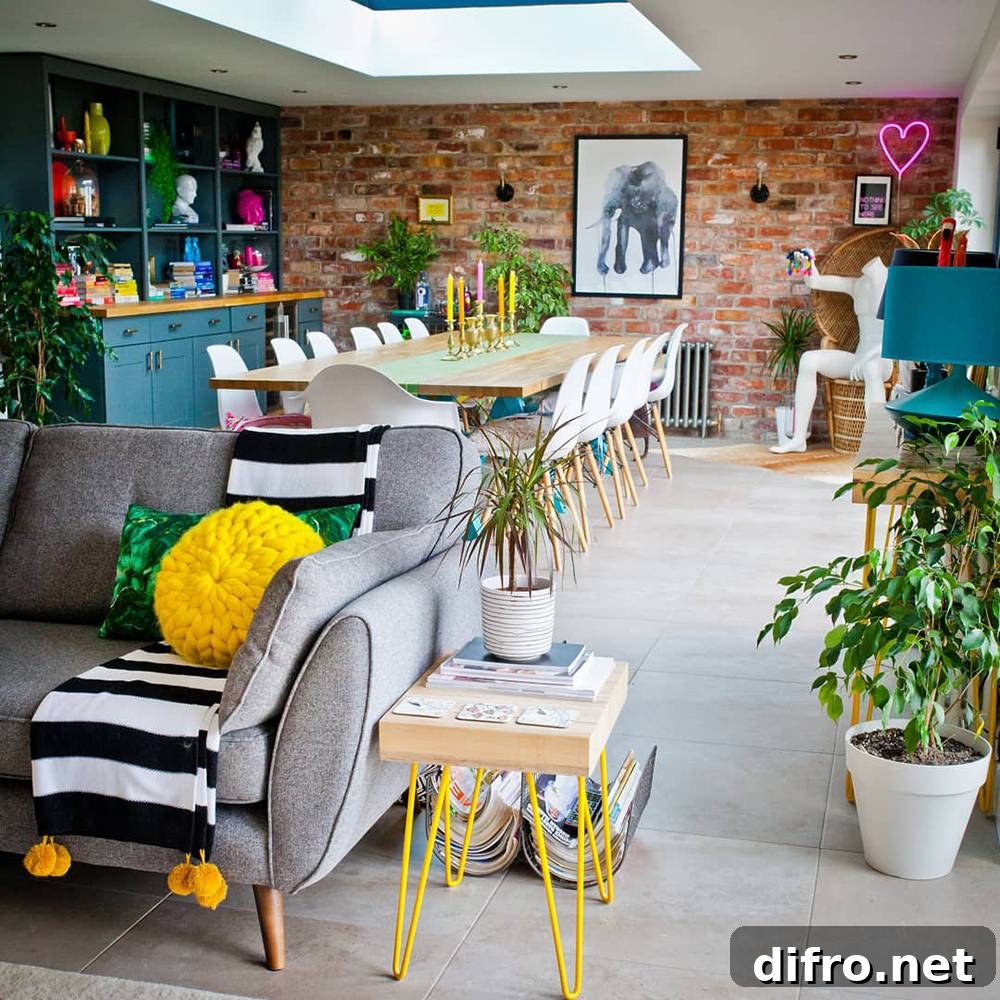
Open layouts are ideal for entertaining and family life because they keep people connected across activities. Parents can prepare meals while keeping an eye on children, and hosts can mingle with guests from the kitchen island. Layout elements like islands, breakfast bars and grouped seating help create conversation zones while maintaining an open visual field.
Cons of open-concept floor plans
Lack of privacy
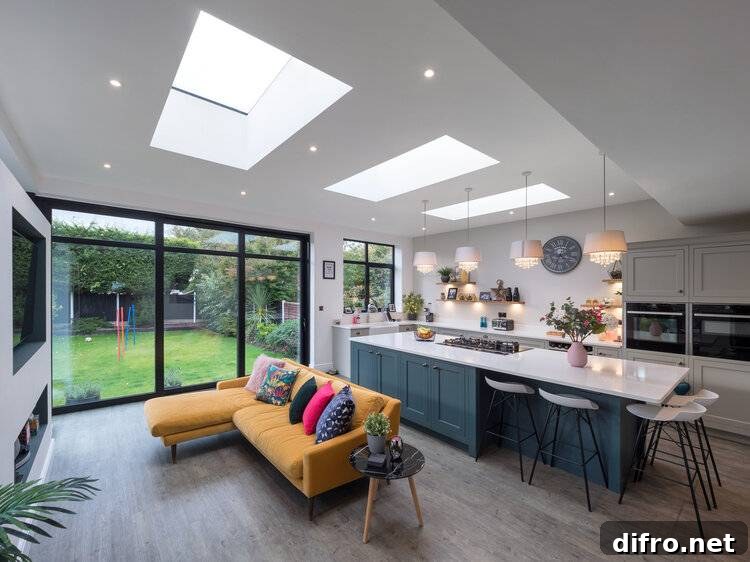
Open plans trade private rooms for shared space. That means less separation for quiet activities like studying, reading or remote work. In homes with diverse schedules, noise and visual clutter from the kitchen or entertainment area can make concentration difficult. If privacy is important to your household, consider hybrid solutions that provide quiet zones without fully closing off the main living area.
Kitchen odors and noise
Odors and cooking sounds travel more easily in an open layout. Homeowners who cook often should prioritize good ventilation—an effective range hood or high-quality exhaust system reduces lingering smells. Thoughtful appliance placement and sound-absorbing finishes (like soft furnishings or acoustic panels) can also help minimize noise transmission into living areas.
Spaces that can feel too large or impersonal
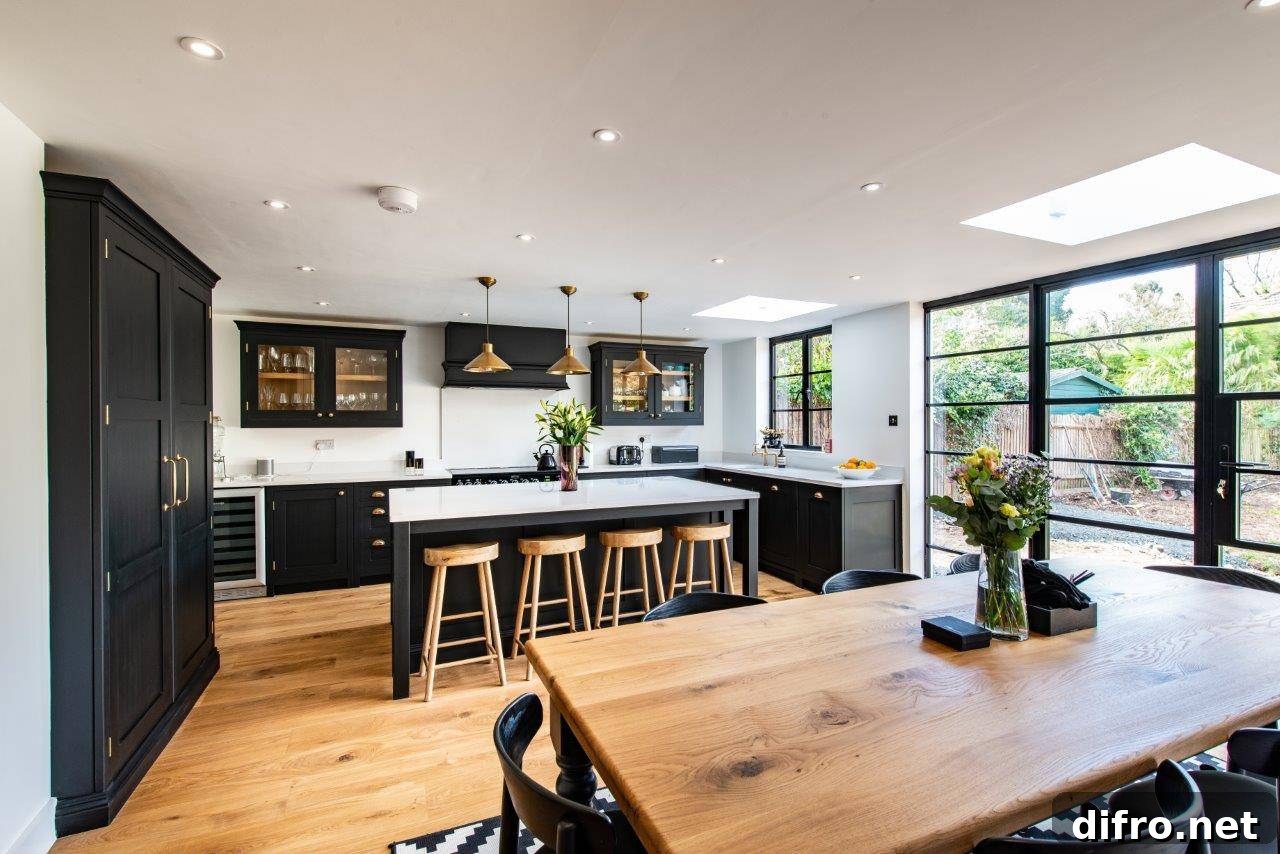
When walls are removed, a home can sometimes feel cavernous or lack a cozy scale. Furnishings designed for smaller, enclosed rooms may look lost in a vast open area. To avoid a cold, impersonal result, use zoning techniques—area rugs to anchor seating groups, lighting layers to create intimacy, and furniture arrangements that form natural boundaries. These strategies create warmth and scale without restoring full walls.
How to get the best of both worlds
If you appreciate the openness but also want control, several design options can balance openness with separation:
- Partial or half-walls and columns that define zones without fully enclosing them.
- Sliding or pocket doors that close off areas when privacy is needed and tuck away when not in use.
- Glass partitions or interior windows that preserve light while creating a visual boundary.
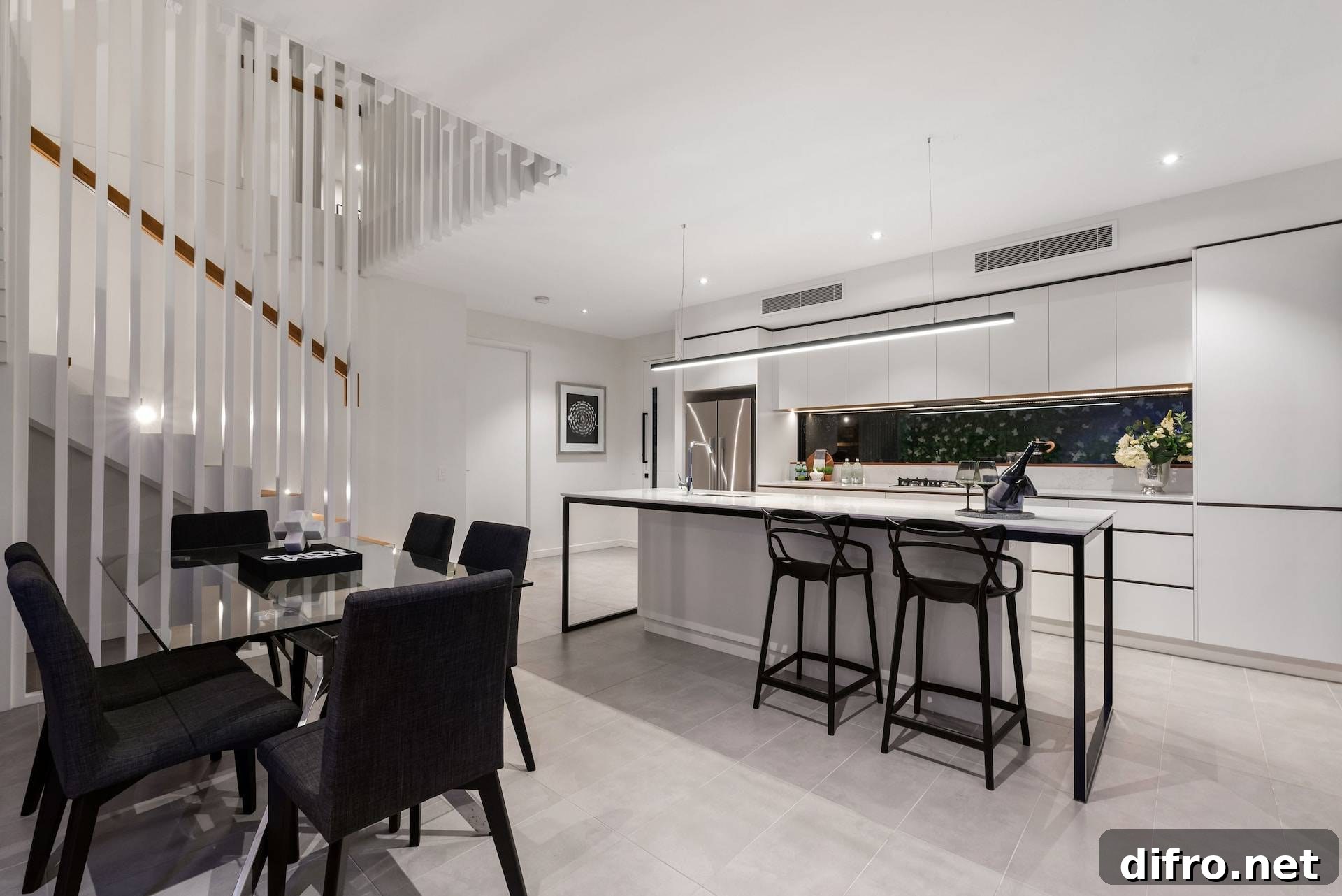
- Kitchen islands, shelving units or built-in cabinetry used as room dividers with storage and function.
- Strategic lighting and area rugs to create cozy, human-scaled zones within a larger footprint.
These approaches retain daylight and flow while providing flexibility for privacy, noise control and utility.
Final take
Open-concept living remains popular because it maximizes light, supports social interaction and makes efficient use of square footage. However, it’s important to match the layout to your household’s habits and needs. If privacy, odor control or creating intimate zones is a priority, explore hybrid solutions—partial walls, doors, glass partitions and well-planned ventilation can deliver the best of both worlds. Plan around how your family actually uses the space, and you’ll create an open environment that’s both beautiful and livable.