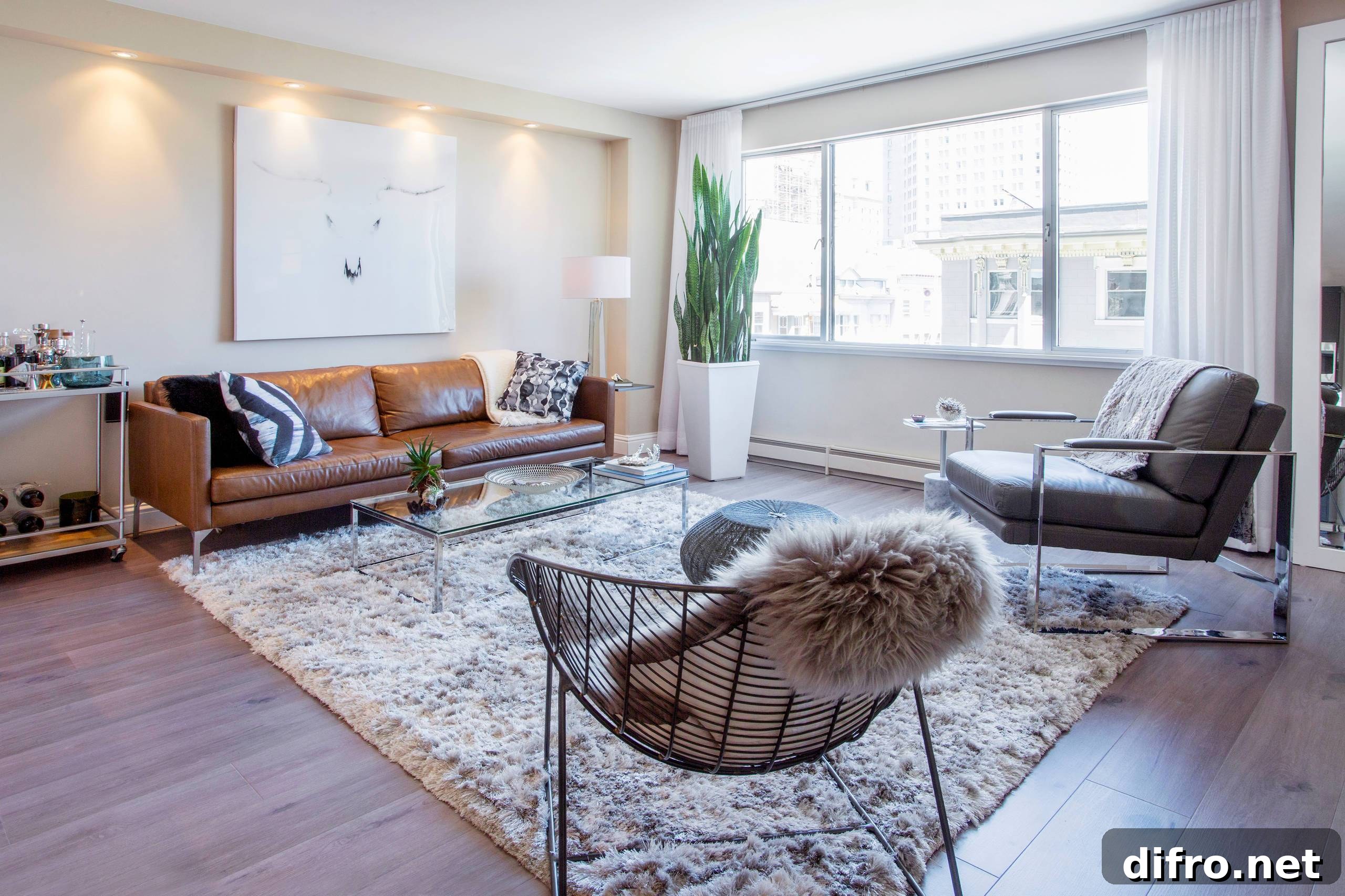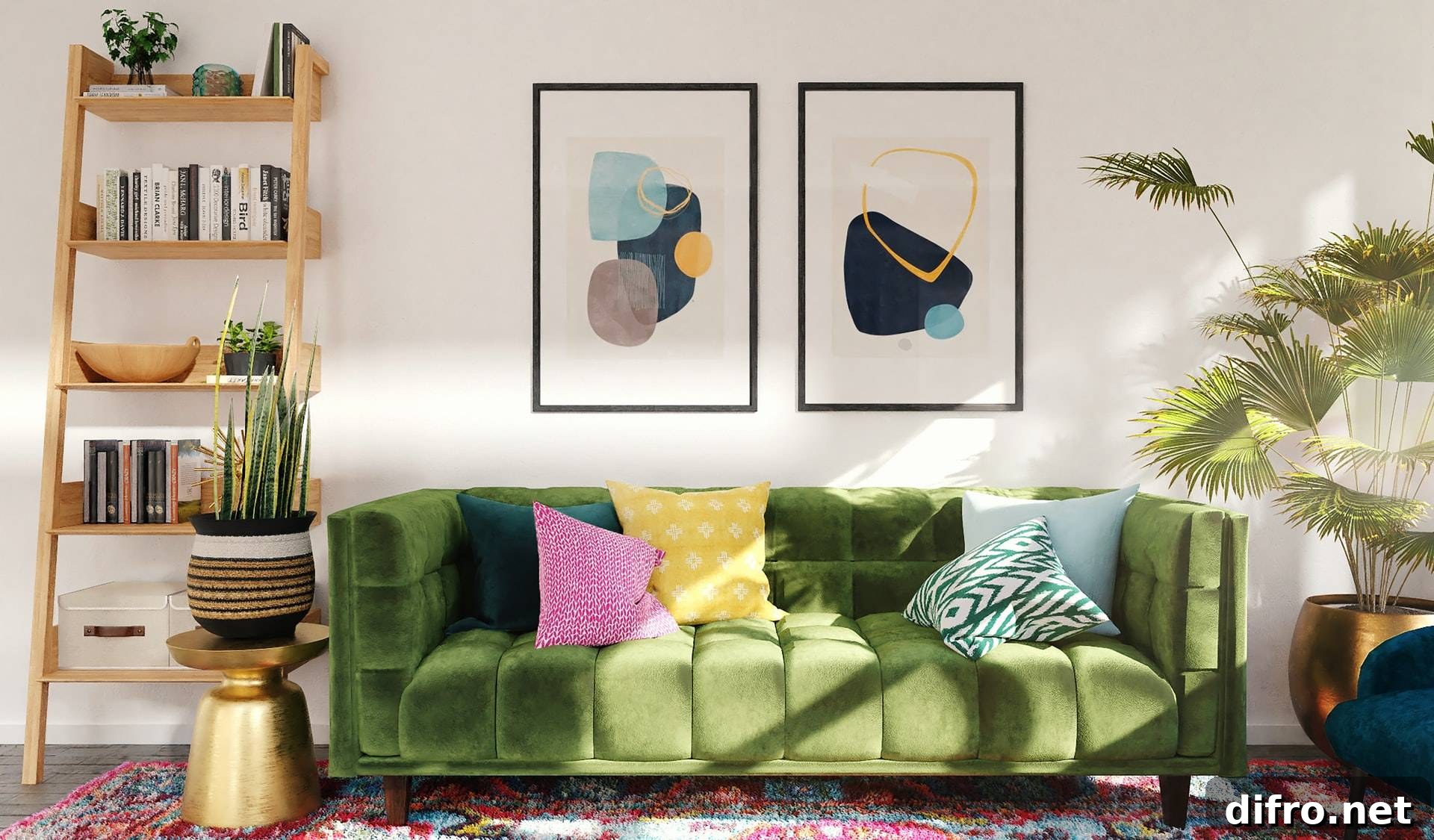
“Modern” and “contemporary” are two terms often used interchangeably in interior design, but they describe distinct approaches. Contemporary design reflects what is current—fluid, evolving, and influenced by prevailing trends—while modern design refers to a specific historical movement with clearly defined characteristics. Understanding the distinctions helps you choose finishes, colors, furniture, and layouts that suit your taste and the mood you want to create.
This guide breaks down the key differences between modern and contemporary interiors in a clear, practical way so you can spot the differences and apply the right approach in your home.
Materials
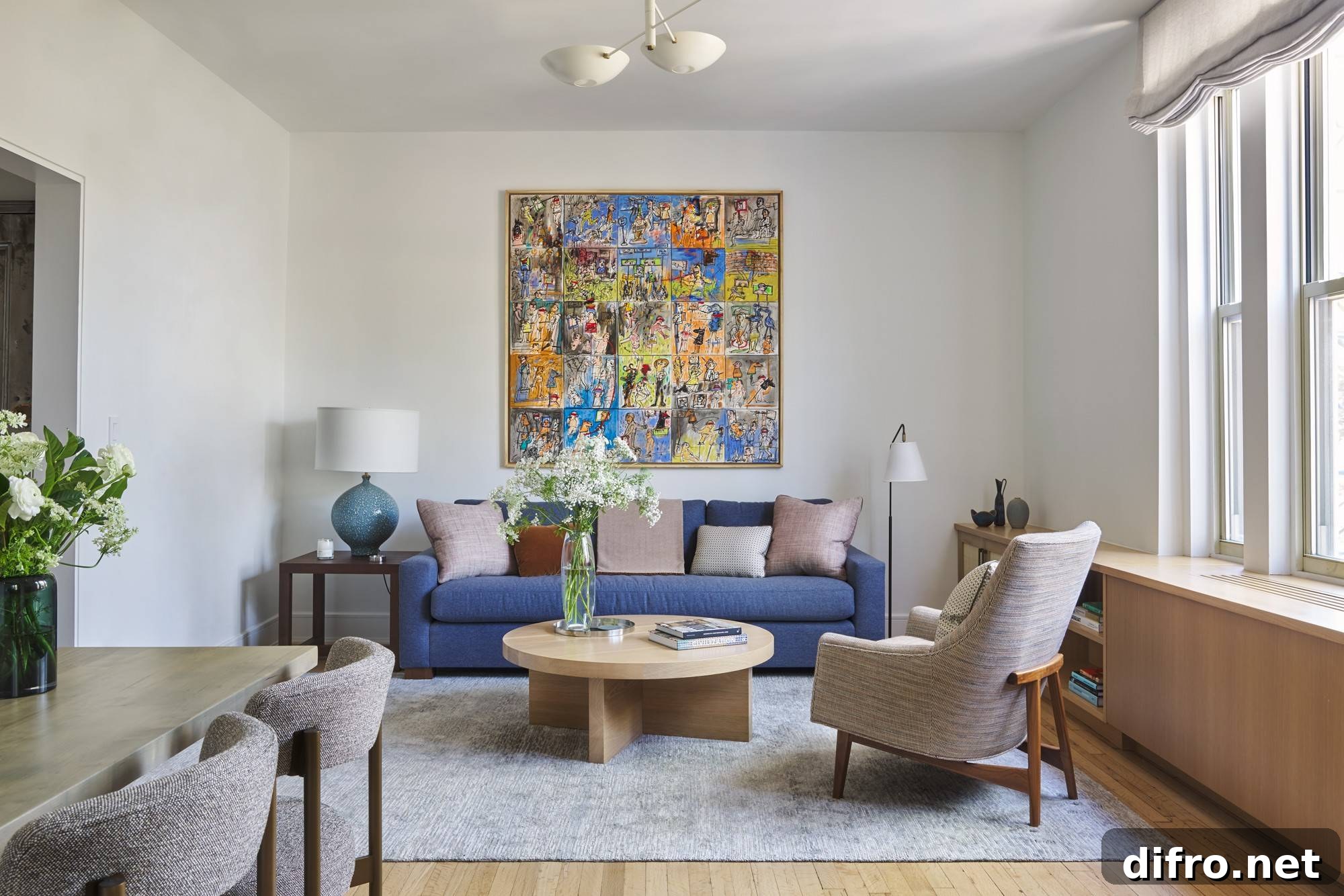
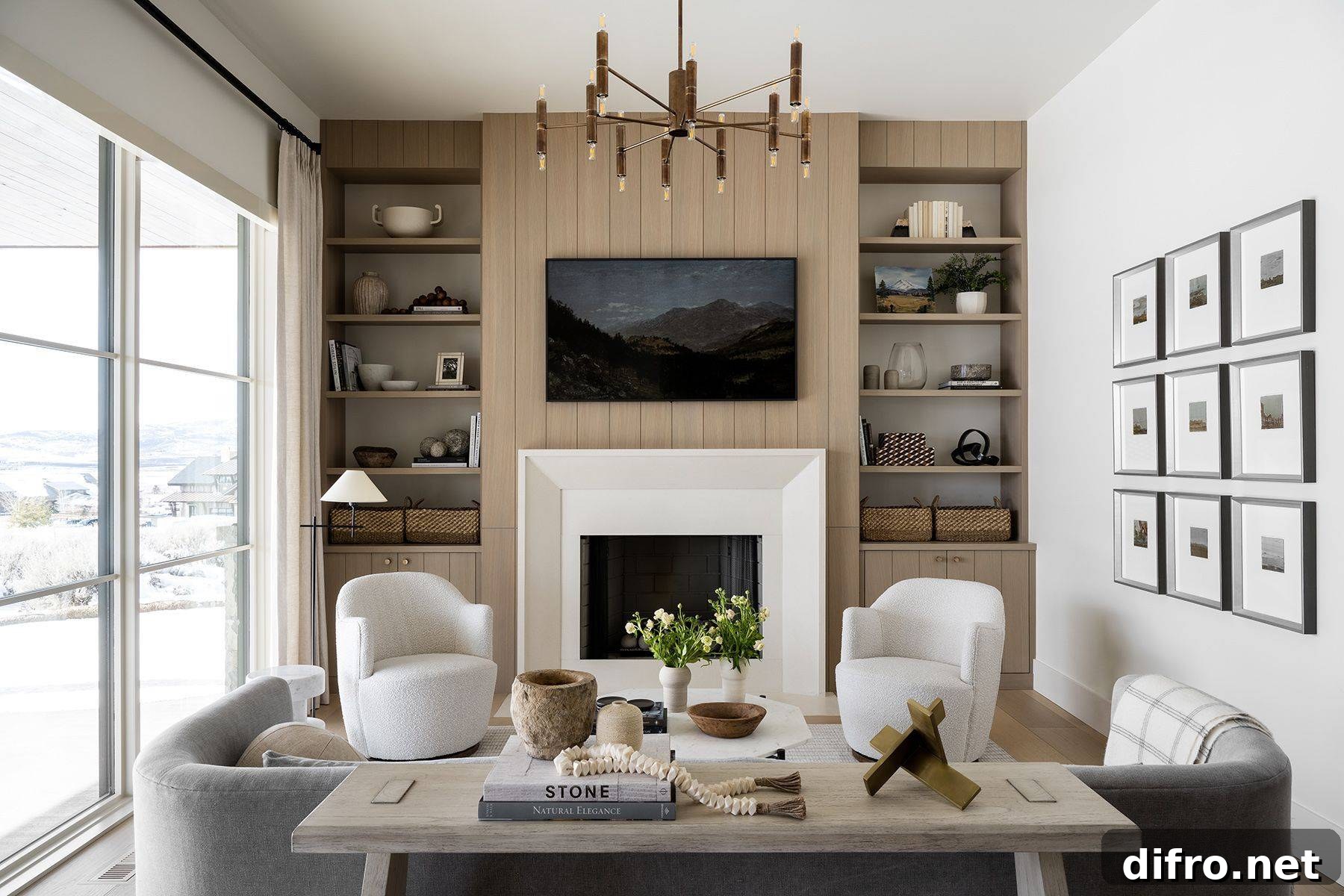
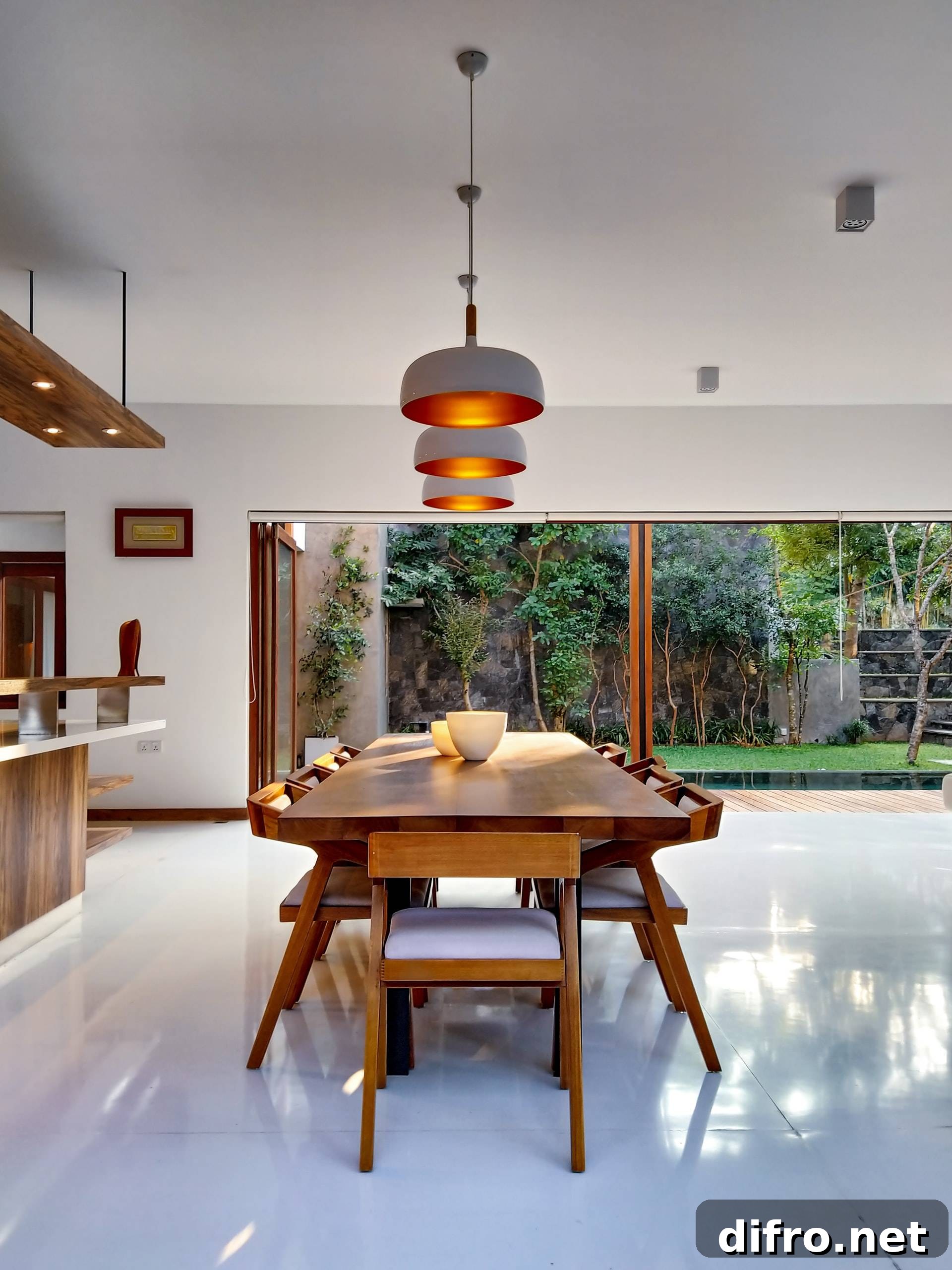
Materials are one of the clearest ways to tell modern and contemporary styles apart. Modern interiors celebrate natural, earthy elements. Wood is a dominant material, used to bring warmth and tactile comfort into a space. Leather and linen are common upholstery and finish choices, and visible grain and organic textures are embraced.
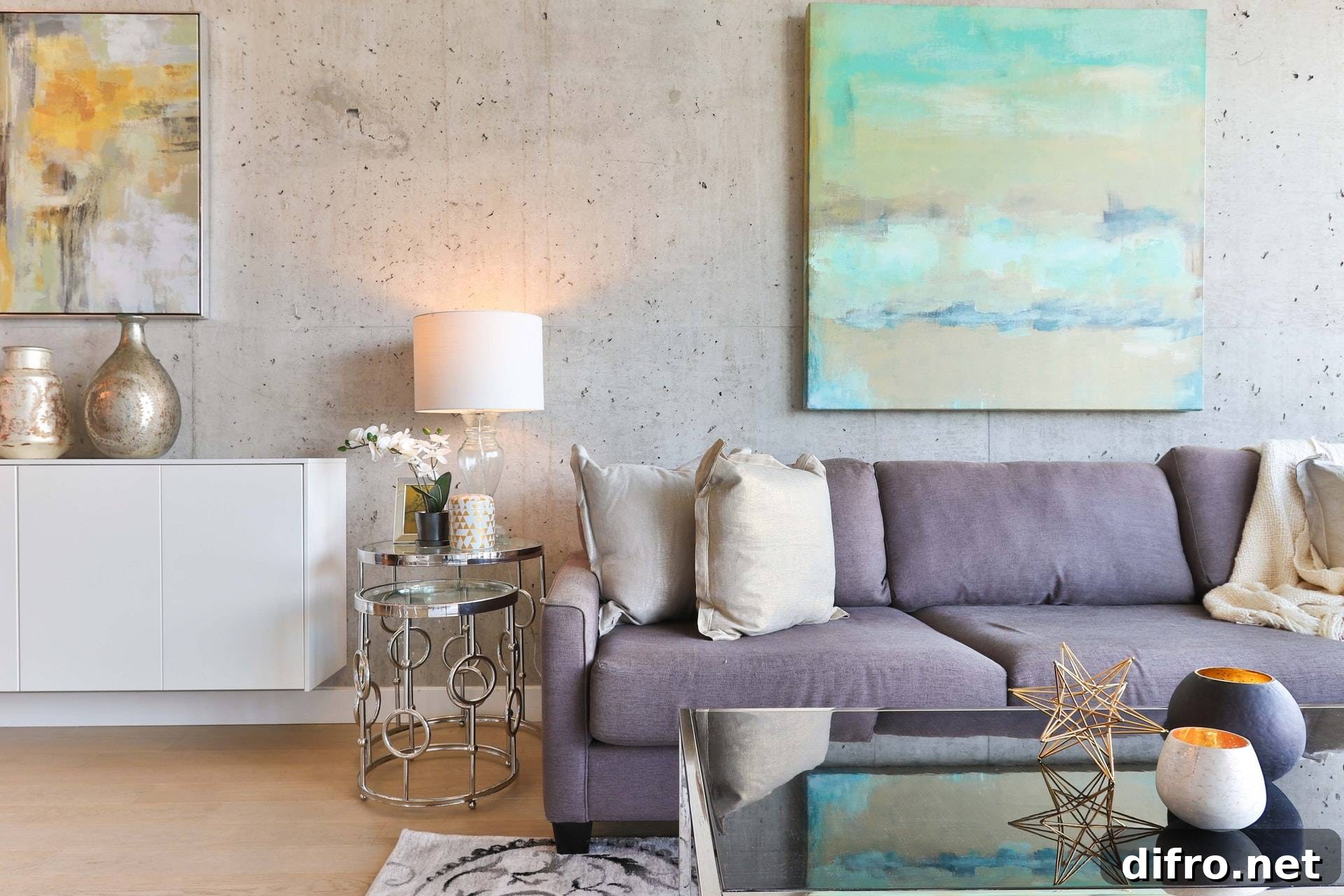
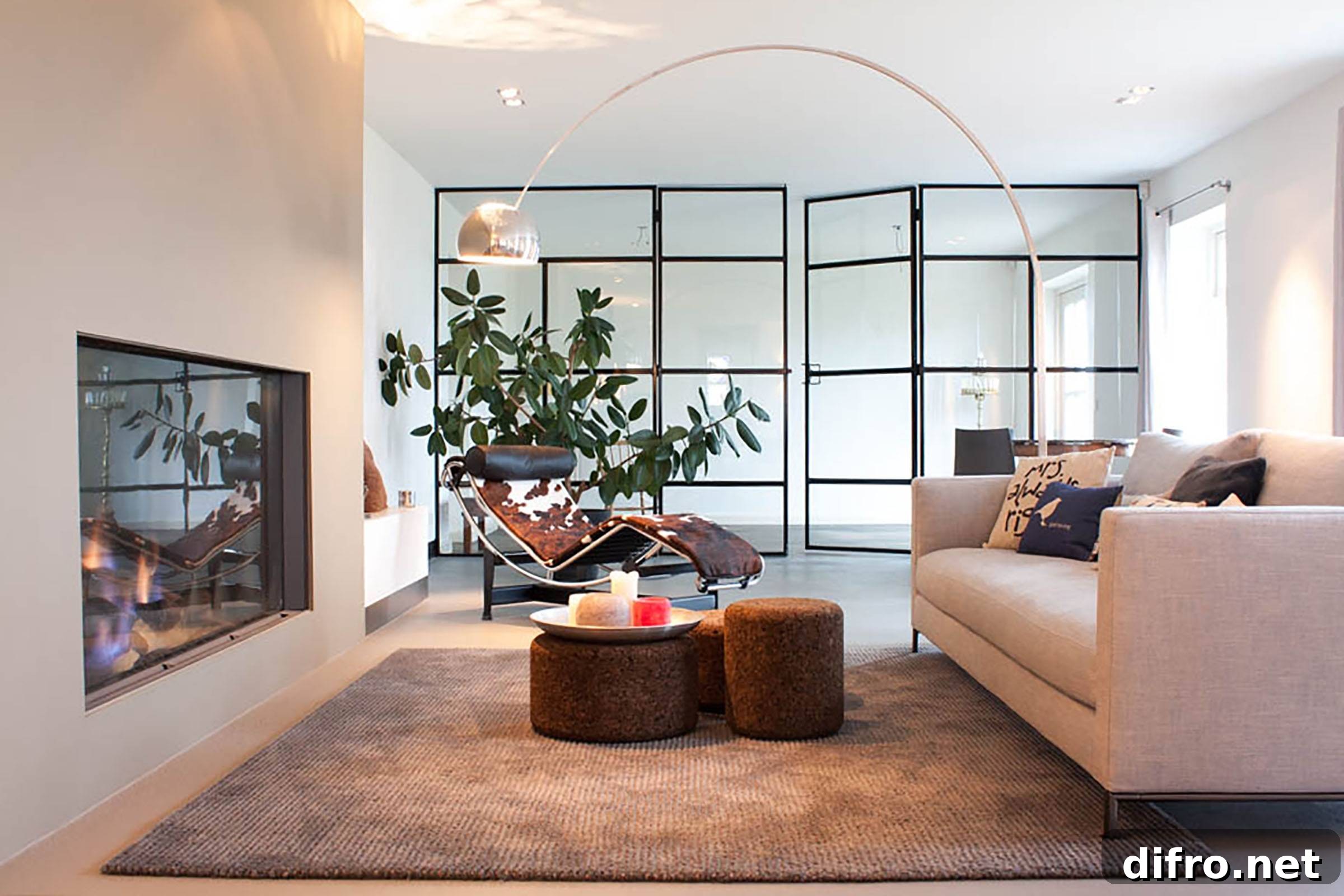
By contrast, contemporary design favors more refined, often industrial materials. Metal and glass are common, contributing to a sleek, polished look. Contemporary rooms may also incorporate selected natural materials—stone, cork, or carefully finished wood—but these are used sparingly and with an emphasis on texture and contrast rather than rustic warmth.
Color palette
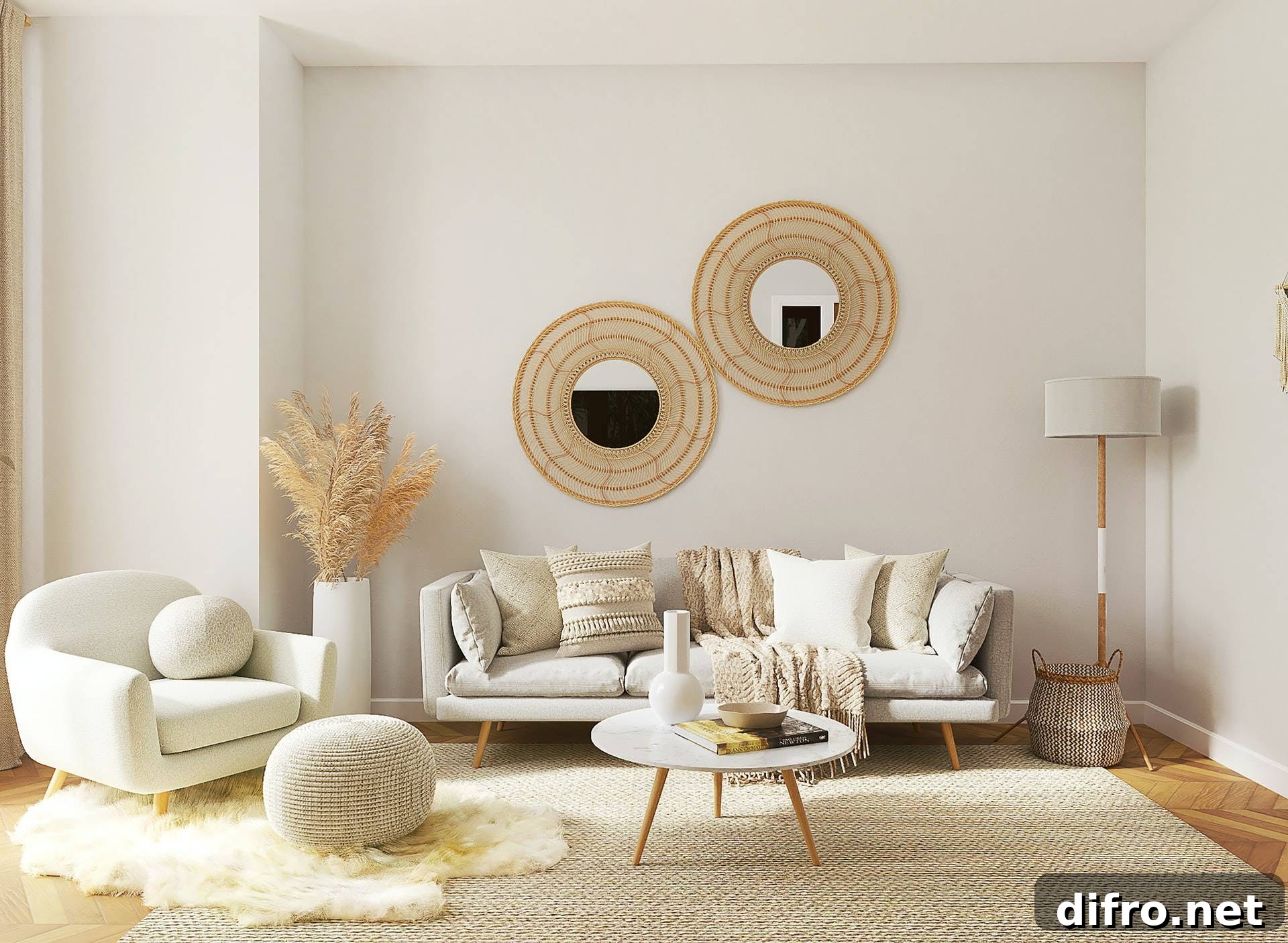
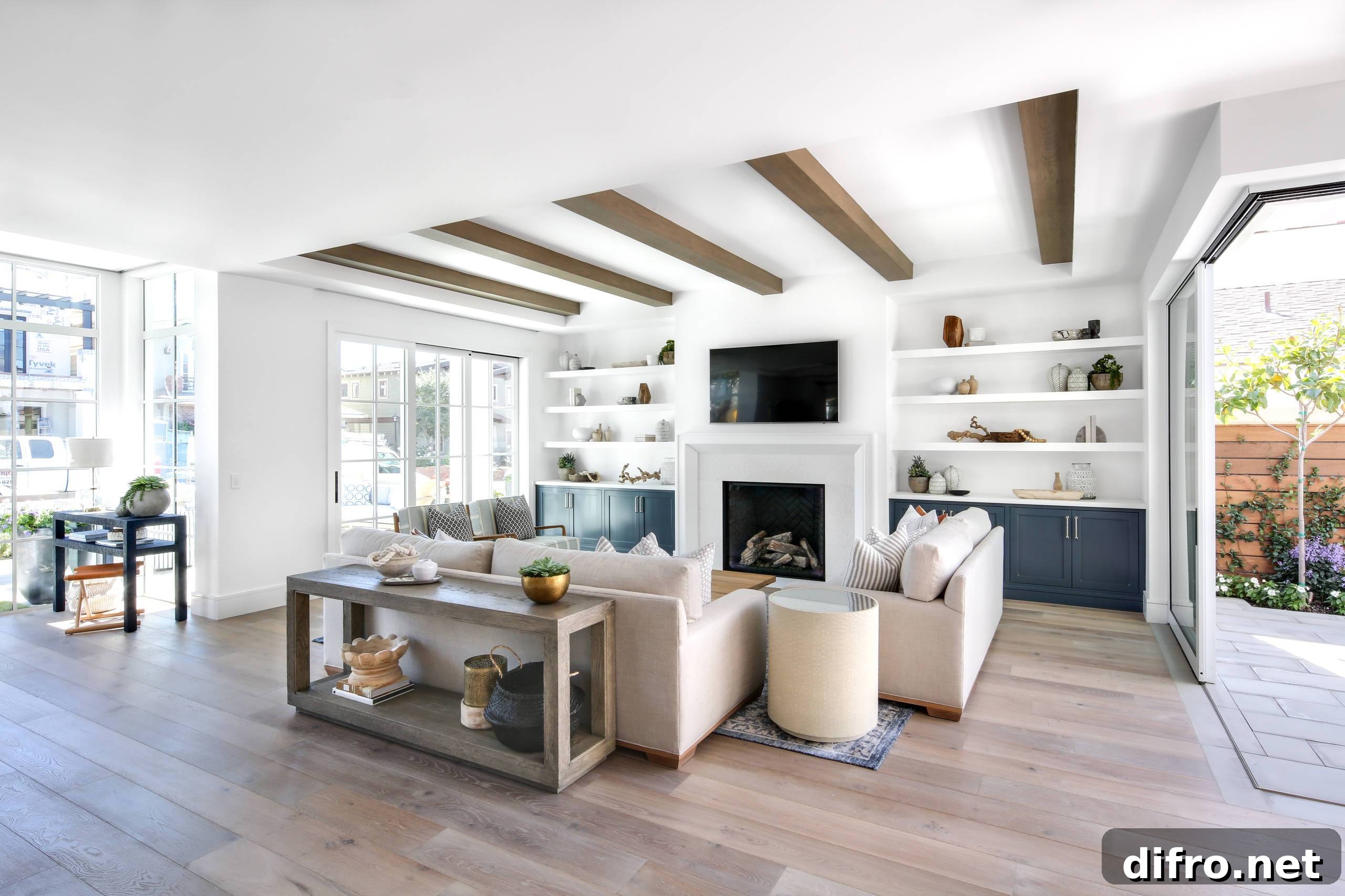
Color choices further separate the two styles. Modern design tends to use warm, neutral tones that make a room feel inviting and grounded. Earthy shades—soft browns, muted turquoises, warm rusts, and olive greens—are commonly mixed to create a layered, welcoming palette.
Contemporary interiors typically use a cooler, more restrained palette. A monochromatic scheme centered on white, gray, and black is common, often accented with carefully chosen soft neutrals. Contemporary rooms rely less on decorative ornament and more on contrast in finishes, scale, and texture to create visual interest—think tactile rugs, matte and high-gloss surfaces, and bold sculptural accents that stand on their own.
Furniture shape
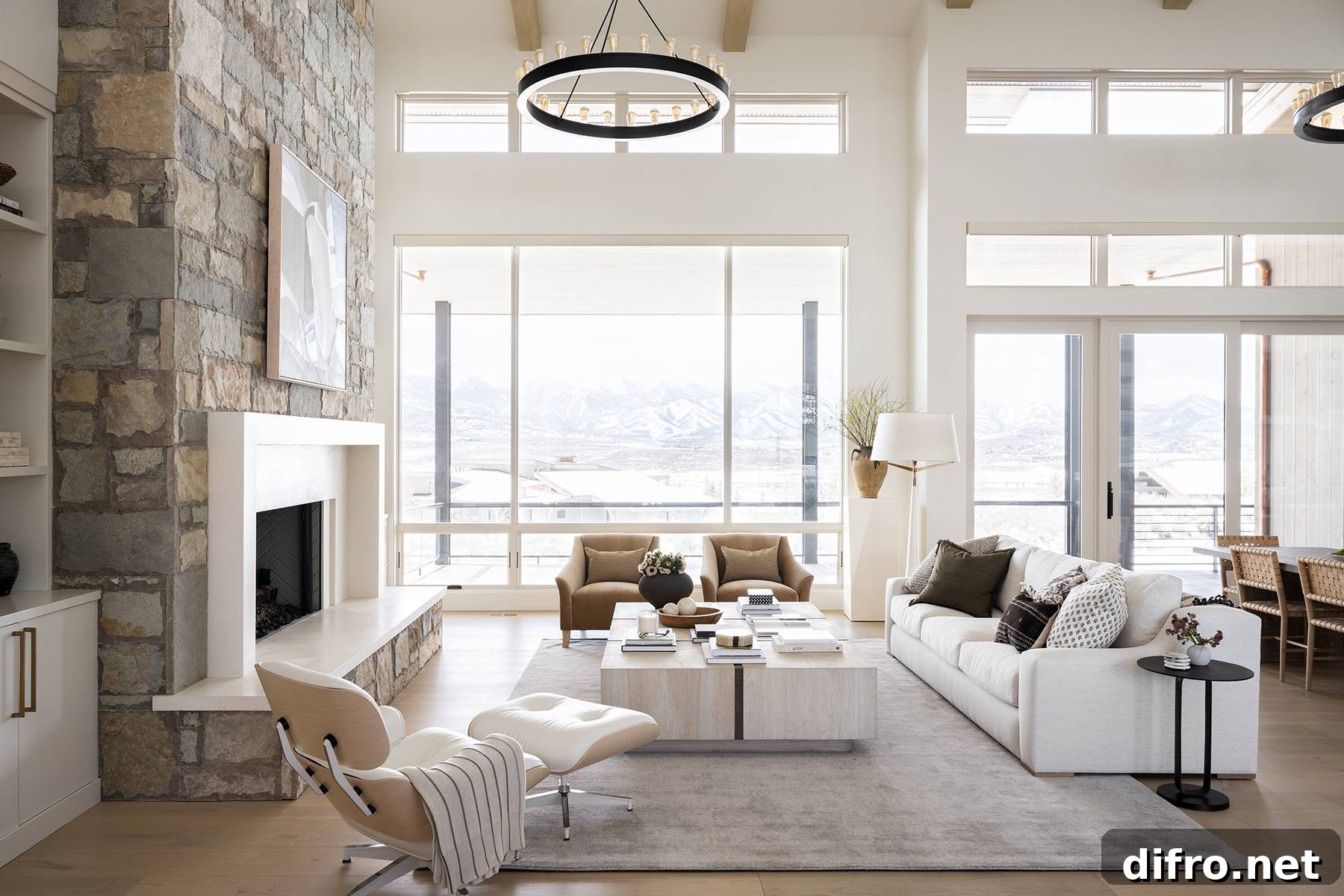
Both modern and contemporary styles value simplicity and function, but furniture silhouettes differ. Modern furniture typically features clean, straight lines and a streamlined profile. Tapered legs are a signature element—on sofas, chairs, and cabinets—creating a sense of lightness and midcentury influence. The overall effect is orderly and restrained, with a focus on form and material honesty.
Contemporary furniture leans toward softer, curvier shapes and bolder sculptural pieces. While still minimal in ornamentation, contemporary pieces often emphasize contrast—rounded sofas, cantilevered chairs, or statement lighting—to produce dynamic, modern compositions. In both styles, open floor plans and uncluttered layouts are common; designers use furniture placement, textures, and color accents to define zones while preserving a sense of flow and functionality.
Bringing it together: practical tips
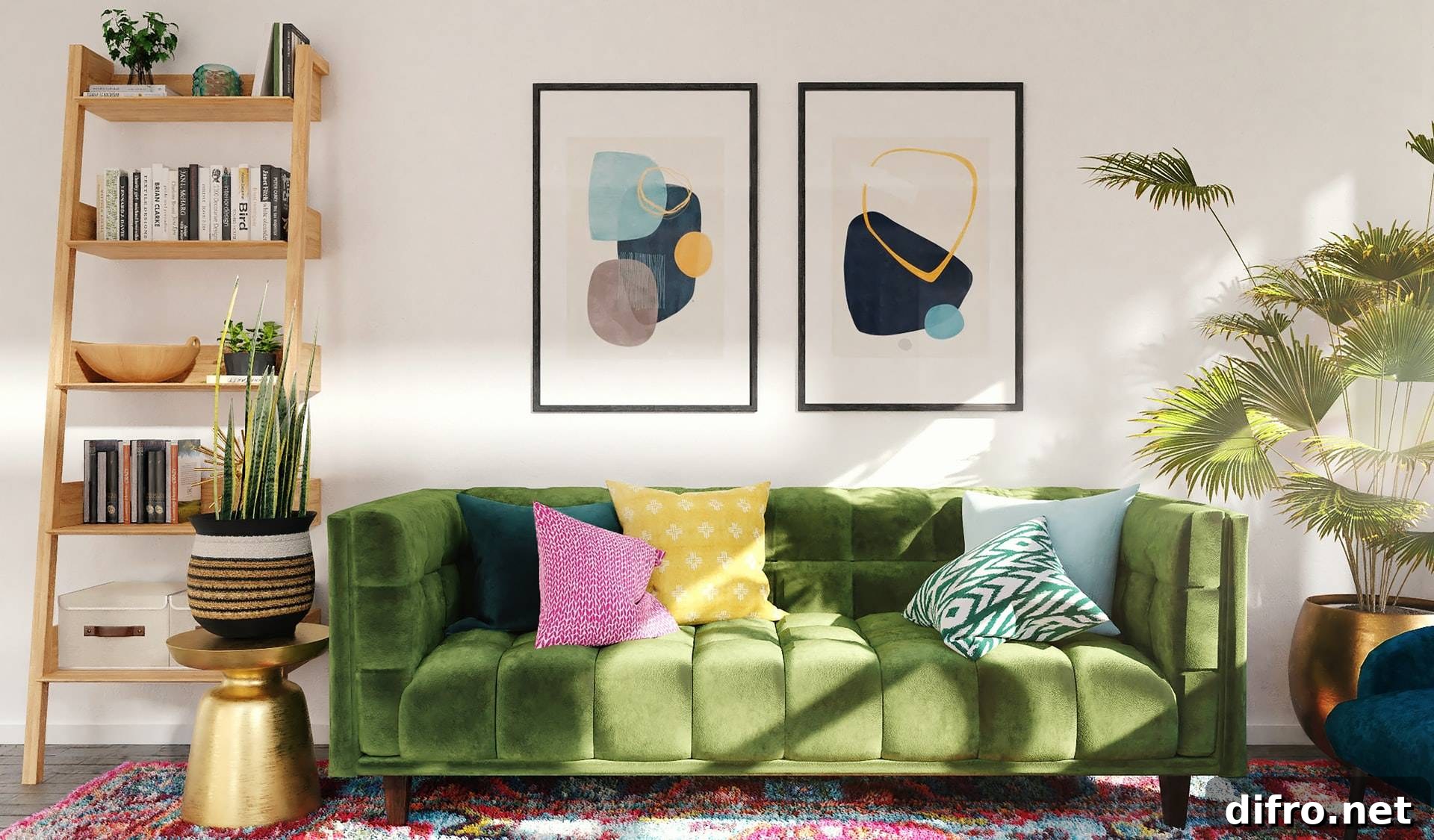
If you’re deciding which direction to take, consider the atmosphere you want. Choose modern design if you prefer warmth, natural materials, and midcentury-inspired geometry. Opt for contemporary design if you like a sleek, up-to-date look with cool tones, mixed materials, and avant-garde furniture shapes. You can also mix elements—pair a warm wooden table (modern) with a curving sofa and metal lighting (contemporary)—but keep balance so the space reads cohesive.
Focus on a few priorities: anchor the room with a clear palette, select materials that reflect the mood you want, and choose furniture silhouettes that support functionality and scale. With thoughtful selections, both modern and contemporary approaches can create stylish, livable interiors that suit everyday life.