

When it comes to high-end interiors, fabric is only part of the equation. The secret that makes a room feel elevated and intentionally designed is often the curtain heading—the way the top of the drape meets its rod. While many homeowners focus on color or pattern, designers and architects pay attention to headings like eyelet and back loop to achieve a polished, expensive look.
As Soft Minimalism continues to influence interiors in 2026, two curtain headings stand out: the structured, architectural Eyelet (also called grommet) and the understated, refined Back Loop (back tab). Both have distinct visual and practical benefits. Below is a clear guide to help you choose the heading that best suits your home, your routine, and the mood you want to create.
Eyelet Curtains: A Minimalist, Architectural Statement
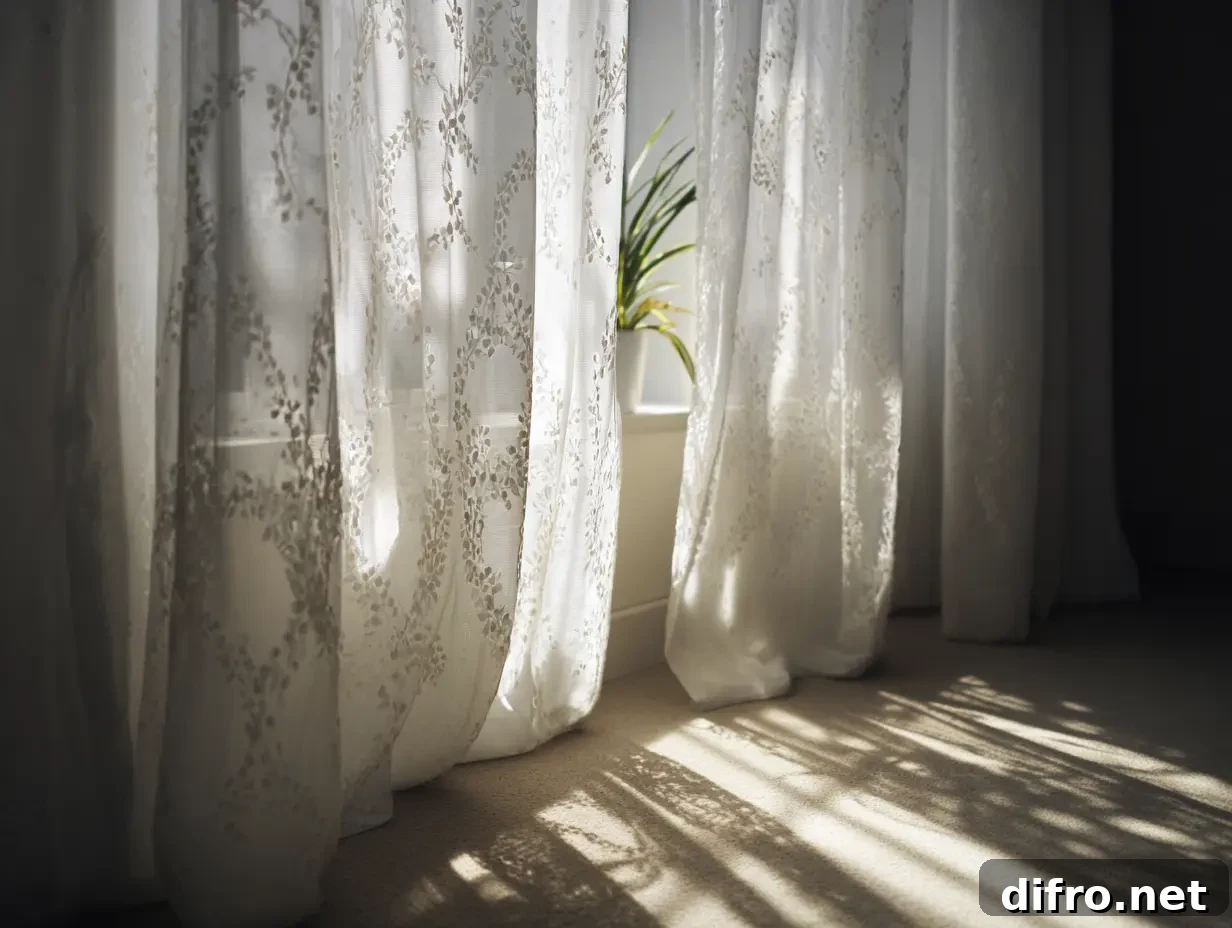
Eyelet curtains feature metal rings punched directly into the header. This simple technical detail produces deep, uniform S-folds that run consistently from rod to floor, creating a crisp, modern profile. Architects and designers choose eyelets when they want a geometric, architectural feel—think modern, high-tech, or minimalist interiors. The visible metal grommets can also be coordinated with other metallic finishes in the room—lamp bases, door hardware, or curtain rods—to create a curated, cohesive palette.
Aesthetic and Performance
Eyelets deliver a precise, structured drape that reads as intentional and boutique-hotel inspired. Because metal slides on metal, eyelet curtains glide exceptionally smoothly, which makes them ideal for high-traffic areas like living rooms or patio doors that are opened and closed often.
Installation Tip
Eyelet folds require additional depth behind the rod. Mount curtain brackets at least four inches from the wall so the fabric can stack without creasing and the rings won’t rub paint or trim.
Back Loop Curtains: Quiet Luxury and Hidden Hardware
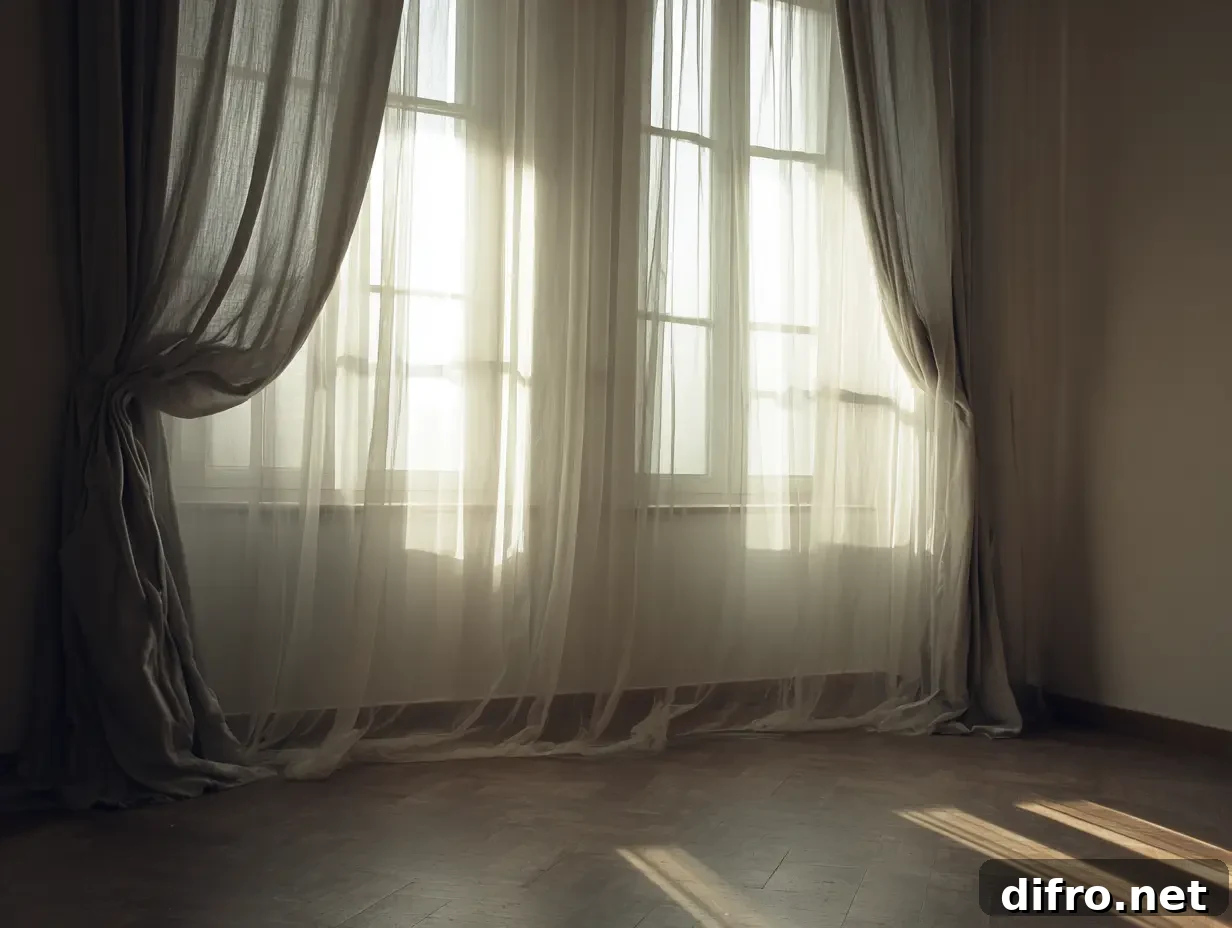
Back loop (or back tab) curtains conceal the hanging rod behind small fabric loops sewn on the reverse side of the heading. From the front, the rod is nearly invisible, producing a floating, seamless look that reads as bespoke and discreet. This heading is a favorite in Modern Farmhouse, Coastal Grandmother, and Quiet Luxury interiors where warmth, texture, and an uncluttered visual field are priorities.
Softness and Warmth
Back loop curtains create softer, less mechanical folds than eyelets. With the hardware hidden, the overall effect is warmer and more tactile—ideal for bedrooms, nurseries, or any space meant for relaxation. The reduced visual “noise” from visible rings supports tranquil, Zen-like and biophilic design schemes.
Practical Considerations
Back loop headings can feel slightly grippier on the rod compared to eyelets and sometimes require occasional “dressing” to keep folds looking intentionally placed. They are best suited to lower-traffic areas where movement is less frequent and a softer aesthetic is preferred.
Head-to-Head Comparison: Which Works for Your Routine?
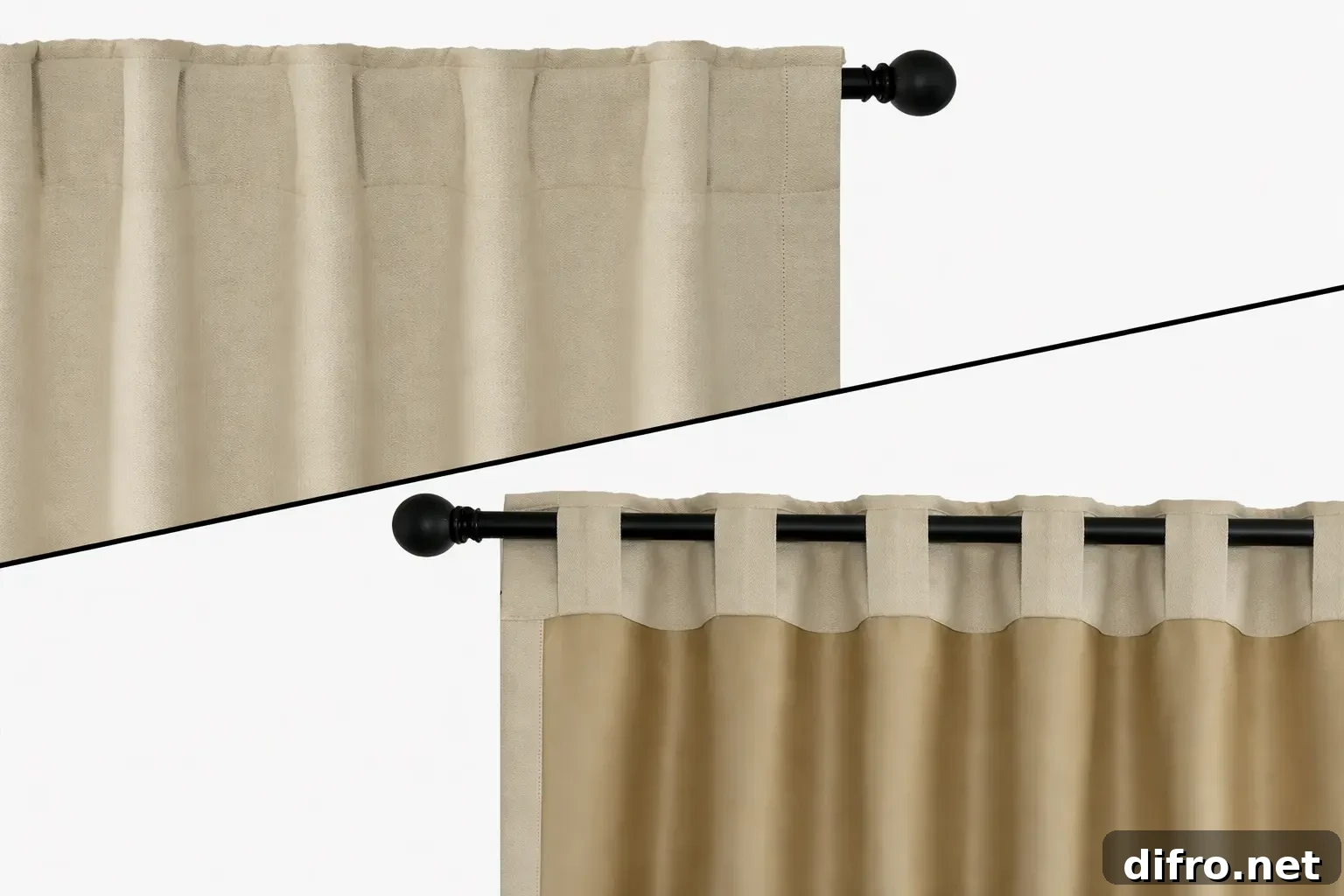
| Feature | Eyelet (Grommet) | Back Loop (Back Tab) |
| Best For | High-traffic areas like living rooms and patio doors | Low-traffic, cozy spaces such as bedrooms and nurseries |
| Visual Vibe | Architectural, sharp, modern | Soft, romantic, seamless |
| Movement | Ultra-smooth gliding | Softer movement, slightly grippy on the rod |
| Maintenance | Holds structured folds automatically | Requires occasional dressing to maintain the look |
Common Mistakes to Avoid
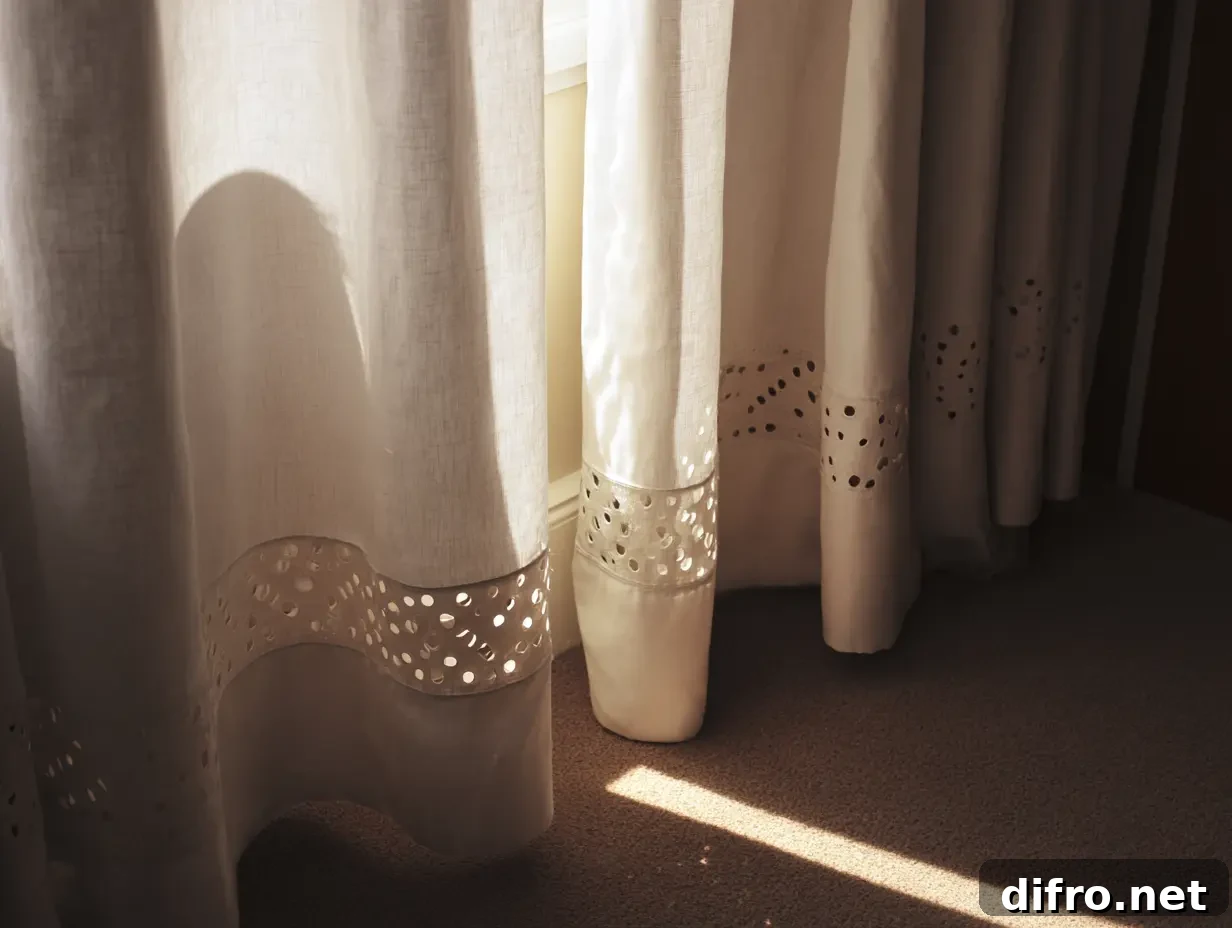
Many homeowners choose an appropriate heading but undermine the effect with poor sizing or installation. To avoid a cheap appearance, follow these guidelines:
- Don’t skimp on width: Curtains should be 2 to 2.5 times the width of the window. Too little fullness makes drapery look flat and cheap rather than luxurious and custom-made.
- Mind the length: Curtains that stop a few inches above the floor shorten the perceived height of a room. Either have them just touch the floor or allow a slight puddle for a tailored, elegant silhouette.
The Verdict: How to Choose
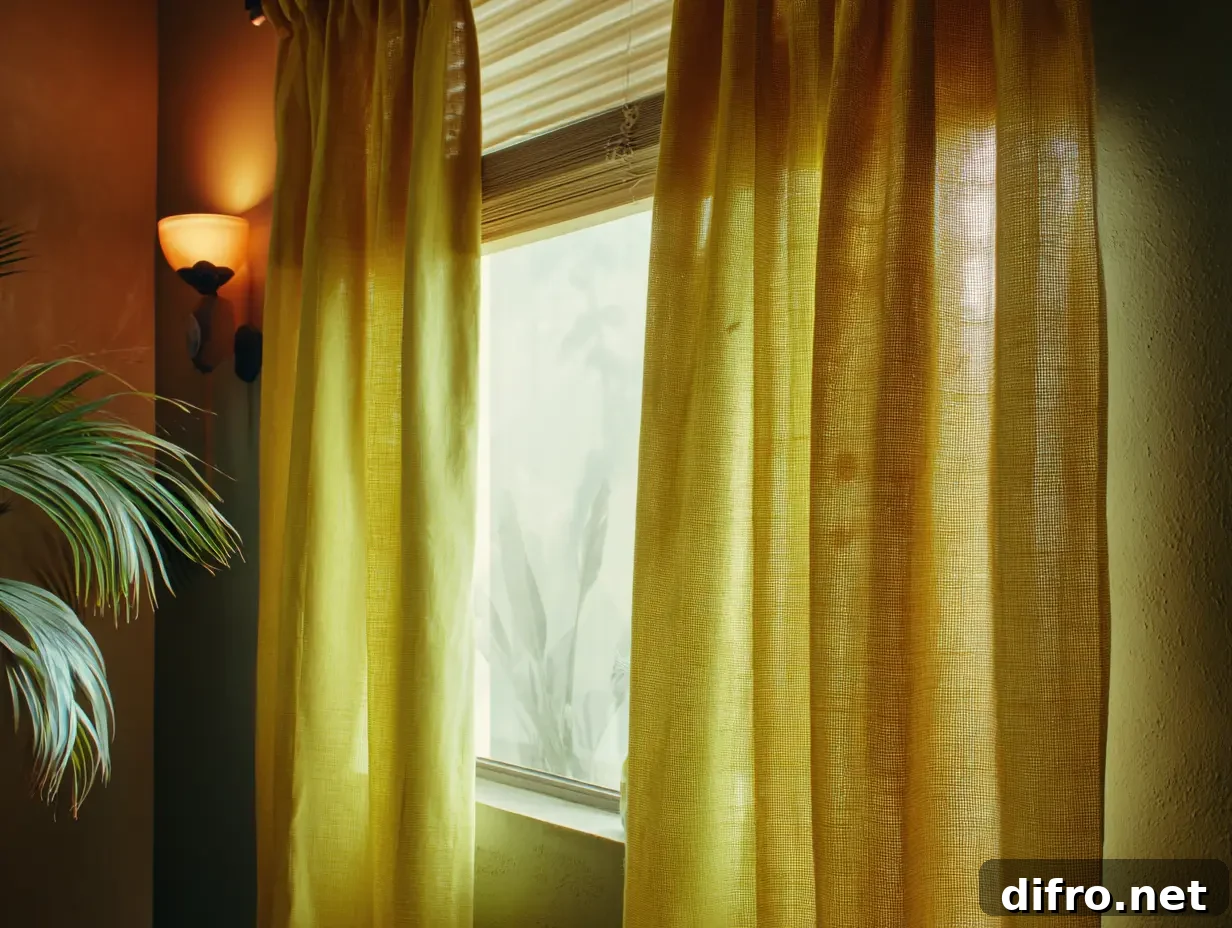
Your choice should align with the architectural mood and function of each room. Choose eyelet headings when you want window treatments to read as structural, precise, and highly functional. Opt for back loop headings when you want curtains to feel soft, tactile, and quietly luxurious—when concealing hardware contributes to a calmer, more intimate atmosphere.
- Choose Eyelet if: You want windows to feel like architectural elements—precise, modern, and practical.
- Choose Back Loop if: You want a sanctuary-like feel—soft textures, hidden hardware, and a warmer, more organic aesthetic.
Both headings can elevate an interior when sized and installed correctly. Match the heading to the room’s function and overall design language, and you’ll achieve a look that feels both intentional and timeless.