Drifter Way Residence — Renovation and Industrial Extension in Squamish, BC
The Drifter Way residence is a striking example of thoughtful renovation combined with a bold contemporary addition. Designed by David Arnott and the team at Stark Architecture, the project is located in Squamish, British Columbia, and photographed by Krista Jahnke. Rather than demolishing the original Whistler cabin from the 1980s, the clients—Mitch and Foz—chose to preserve and transform the existing structure, integrating it with a new two‑storey, modern warehouse‑style extension to create a cohesive and functional family compound.
The site presented an opportunity to expand beyond a single dwelling. Under local zoning allowances, the design now accommodates multiple rentable units alongside the primary residence. The updated program includes a three‑bedroom suite that can be rented independently, a separate two‑bedroom rentable building, and a three‑bedroom primary home. This arrangement not only maximizes the site’s potential but also balances private family living with income‑generating spaces, all within a unified architectural language.
Bringing the old cabin and the new warehouse-style addition together required careful consideration of form, materials, and proportion. The architectural team responded by employing industrial materials such as standing seam metal, paired with warm, natural wood accents and durable finishes. The contrast between the traditional cabin silhouettes and the crisp, modern addition creates visual interest while remaining respectful of the original building’s scale and character. Large windows and carefully oriented openings bring abundant natural light into interior spaces, reinforcing the connection between inside and outside and making the most of Squamish’s dramatic mountain and forest setting.
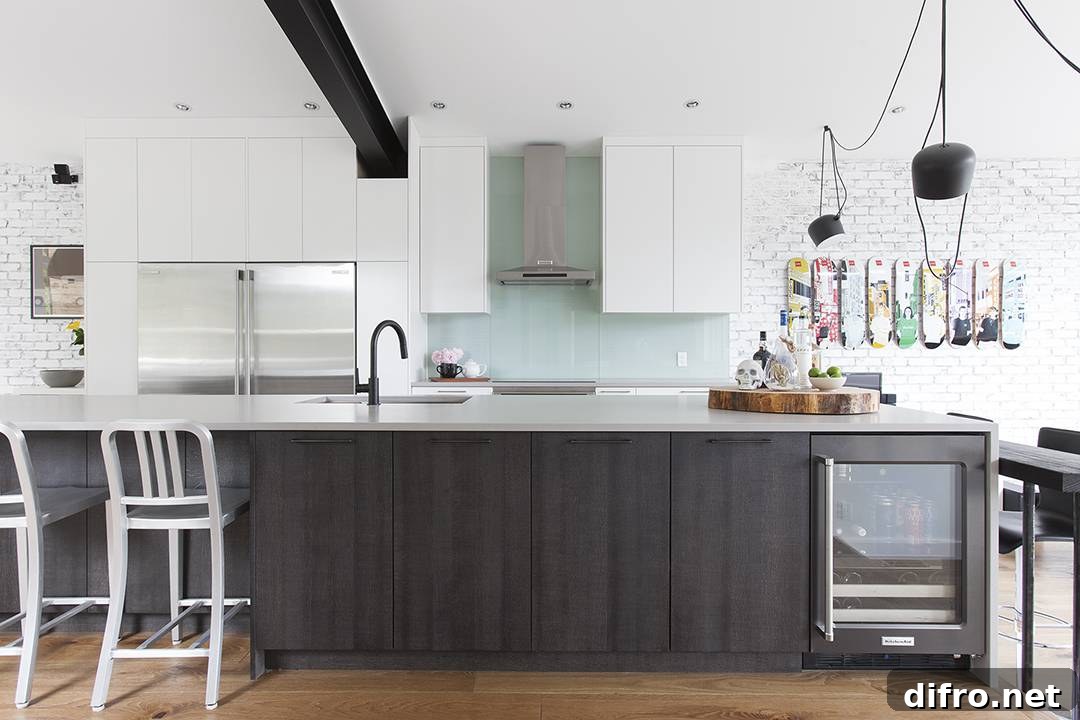
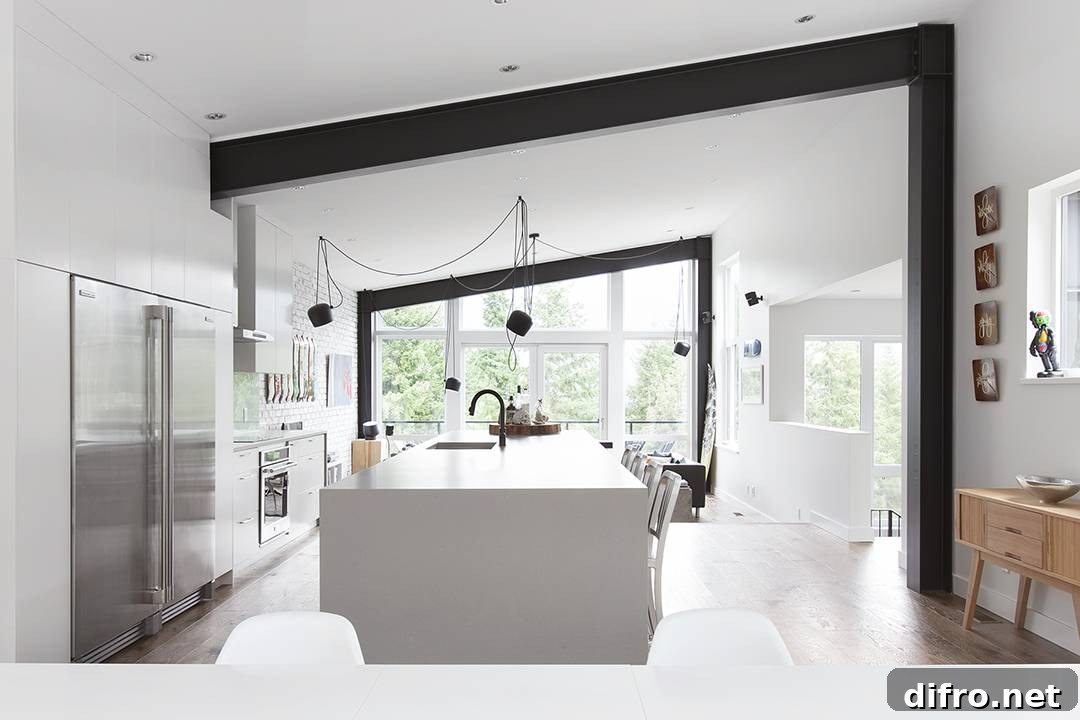
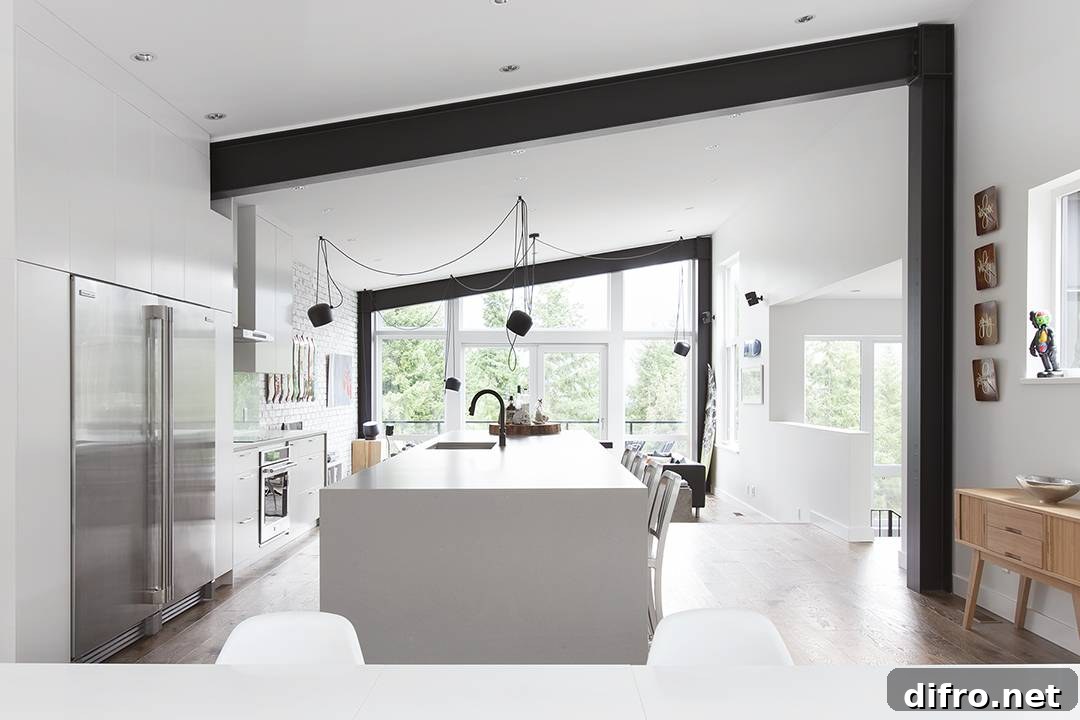
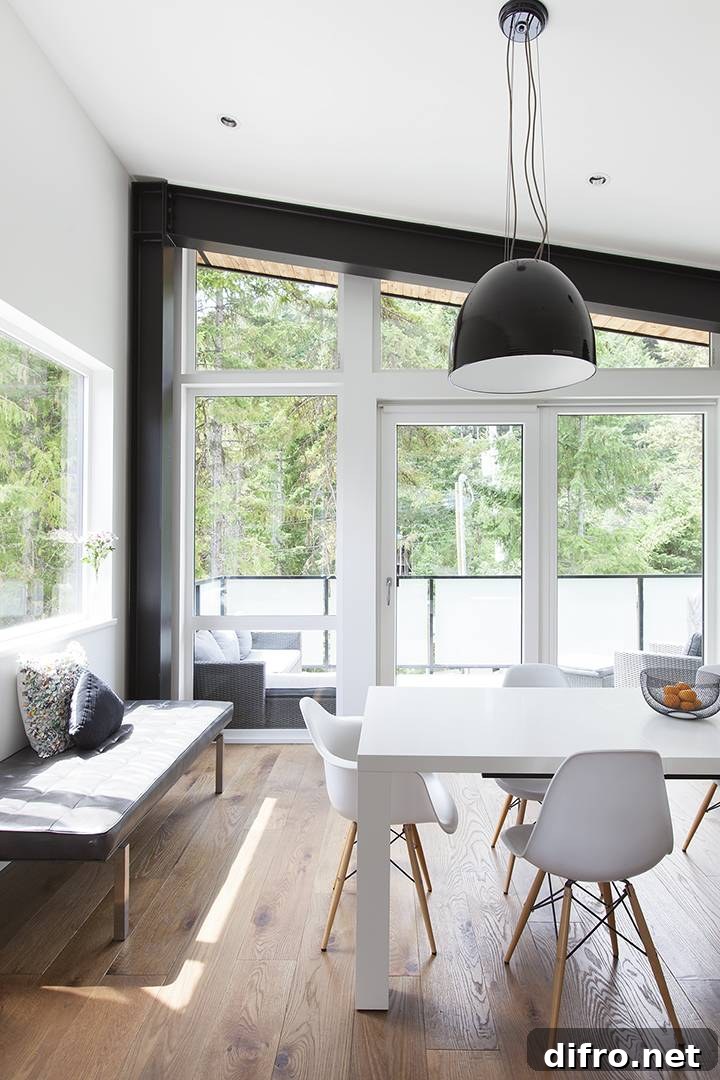
Inside, the interiors balance the raw, industrial aesthetic with warmth and comfort. Open plan living areas, clean lines, and a restrained material palette allow the architecture and the surrounding landscape to take center stage. Wood accents introduce a human scale and tactile quality that counterbalances the metal and concrete textures, creating inviting living spaces that are both modern and welcoming. The result is a home that feels current yet rooted, where functional design and thoughtful detailing support everyday life as well as entertaining.
The project timeline reflects a focused design and construction process. Schematic Design and Design Development were completed during the summer of 2016, with construction breaking ground in August of that year. By the summer of 2017 the renovation and new construction were complete, delivering a distinctive property that skillfully merges adaptive reuse with contemporary architecture.
More than a stylistic statement, the Drifter Way residence demonstrates a practical approach to modern living on a valuable lot. By preserving the original cabin and thoughtfully expanding with new, purpose-built structures, the project achieves a layered composition that responds to site constraints, zoning opportunities, and the clients’ desire for both permanence and flexibility. Durable materials, considered natural light strategies, and a clear organizational plan result in a home that performs well year‑round in the coastal mountain climate while offering strong rental potential through separate, well-appointed units.
In summary, the Drifter Way project stands as an instructive example of how renovation and contemporary addition can be combined to enhance architectural value, increase programmatic utility, and respect the character of an existing building. The collaboration between the clients and the design team produced a memorable residence that reads as both a hometown cabin and a refined, modern compound—anchored by honest materials and light‑filled spaces.