When it comes to interior design, trends come and go. Many popular choices look great in magazines and on social media, but professional designers don’t always embrace them for their own homes. This article examines several widely seen design trends that designers often avoid in personal spaces, explaining why these choices can be impractical, short-lived, or simply lacking in warmth.
Minimalist Design
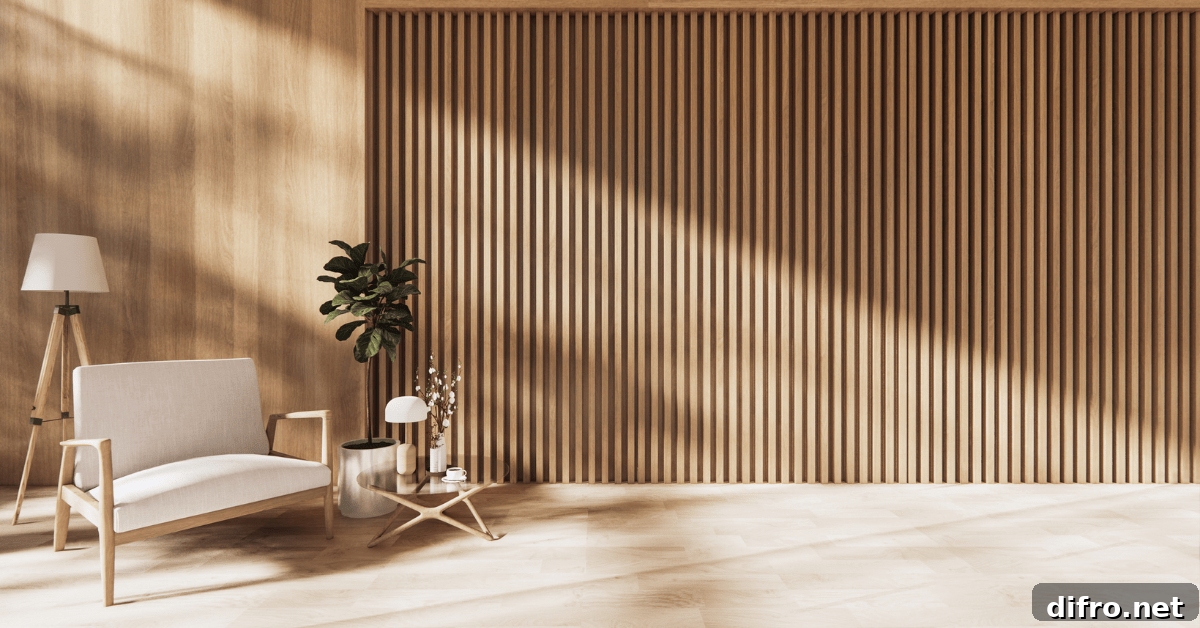
Minimalism’s crisp lines, open space, and neutral palettes have broad appeal. Yet many designers hesitate to adopt a fully minimalist approach for their private homes. Stripped-down interiors can feel calm and ordered, but they often lack the textures, layers, and personal touches that make a house feel like a home. Without carefully chosen accents, minimalism can come across as cold or overly staged.
Practically speaking, extreme minimalism requires strict editing and maintenance: every item must earn its place. Many designers prefer a balanced approach that blends clean lines with cozy textiles, collected objects, and warm finishes—creating spaces that are both restful and characterful.
Shiplap Walls
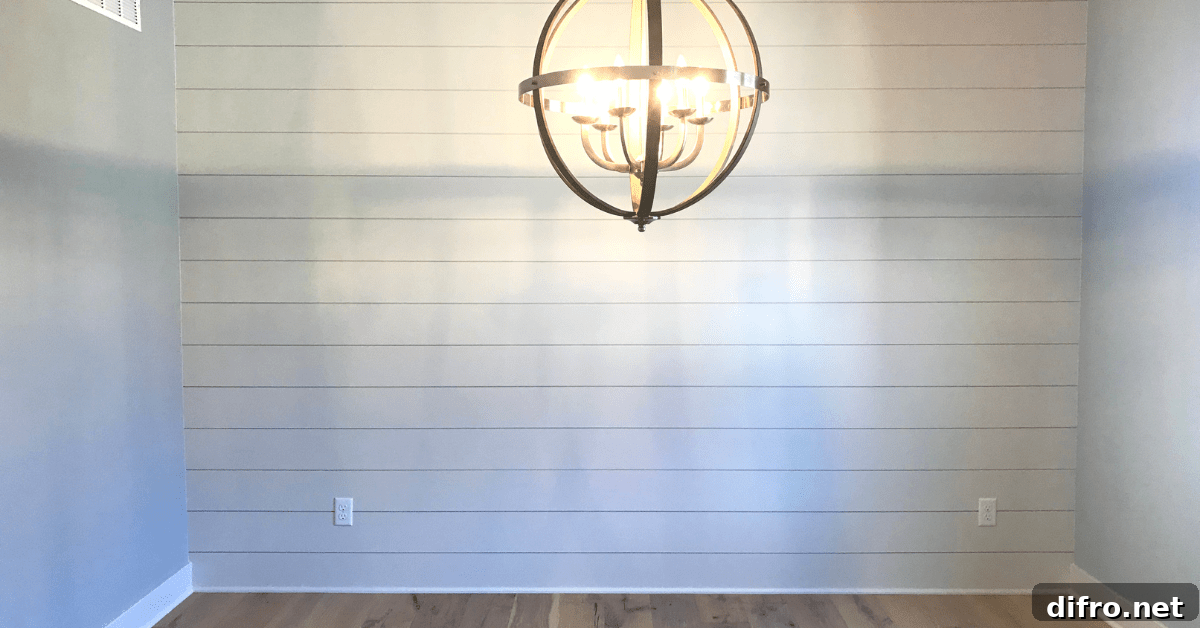
Shiplap and other horizontal wood paneling became synonymous with farmhouse and cottage styles. While this look can be charming in the right setting, designers often avoid heavy use of shiplap in their own homes. When overused, it can dominate a room’s character and make the overall aesthetic feel themed or dated.
Beyond style considerations, textured wall treatments like shiplap can be less versatile than smooth painted walls and may show wear, dust, or moisture more readily in certain climates. Designers tend to favor finishes that provide a flexible backdrop—neutral paint, plaster, or subtle paneling—that supports changing décor without overpowering it.
Overly Bold Colors
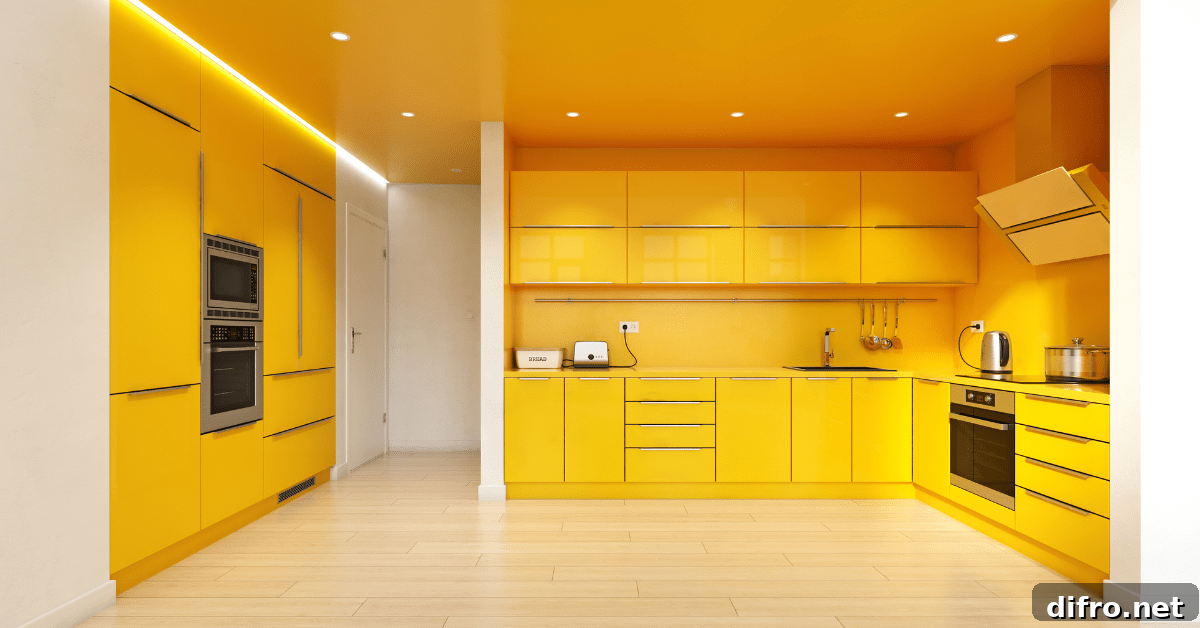
Bright, saturated hues make strong visual statements and can energize a room. Still, designers often avoid committing entire rooms to intense colors for their personal spaces. Bolder palettes can tire the eye quickly and may be harder to coordinate with changing furniture and accessories.
Professionals typically recommend using vivid tones as accents—on a feature wall, an upholstered piece, or in artwork—while keeping the primary palette more neutral and adaptable. This approach provides visual interest without limiting future updates or overwhelming everyday living.
Excessive Open Shelving
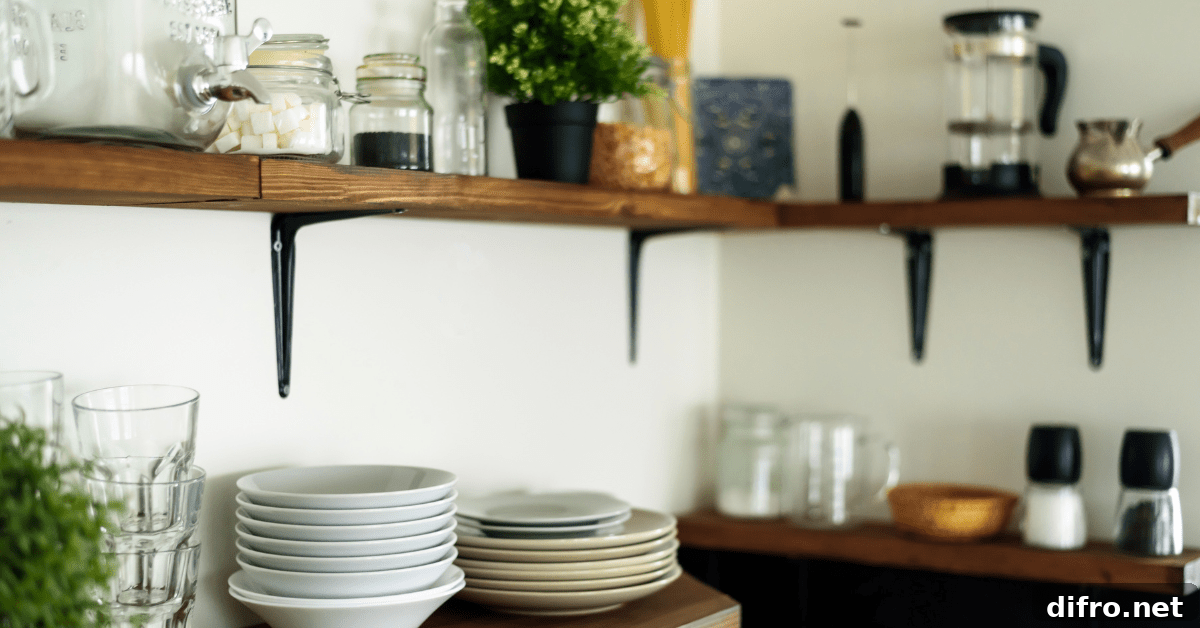
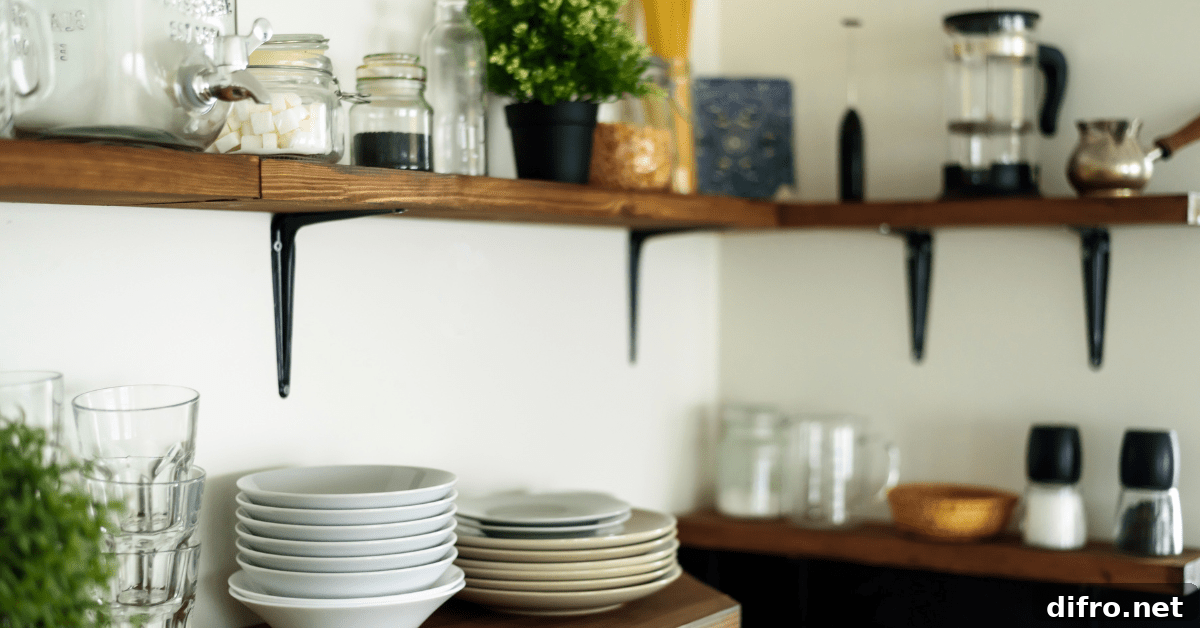
Open shelving can create a light, accessible feel in kitchens and living areas, but it also exposes everything you own. Designers often avoid extensive open shelving at home because it demands continuous styling and rigorous organization to look intentional rather than cluttered.
Closed cabinetry and concealed storage provide a cleaner, low-maintenance solution for daily life. When open shelves are used, designers recommend limiting them to curated displays—items that are both functional and visually cohesive—rather than relying on them for every storage need.
Faux Materials
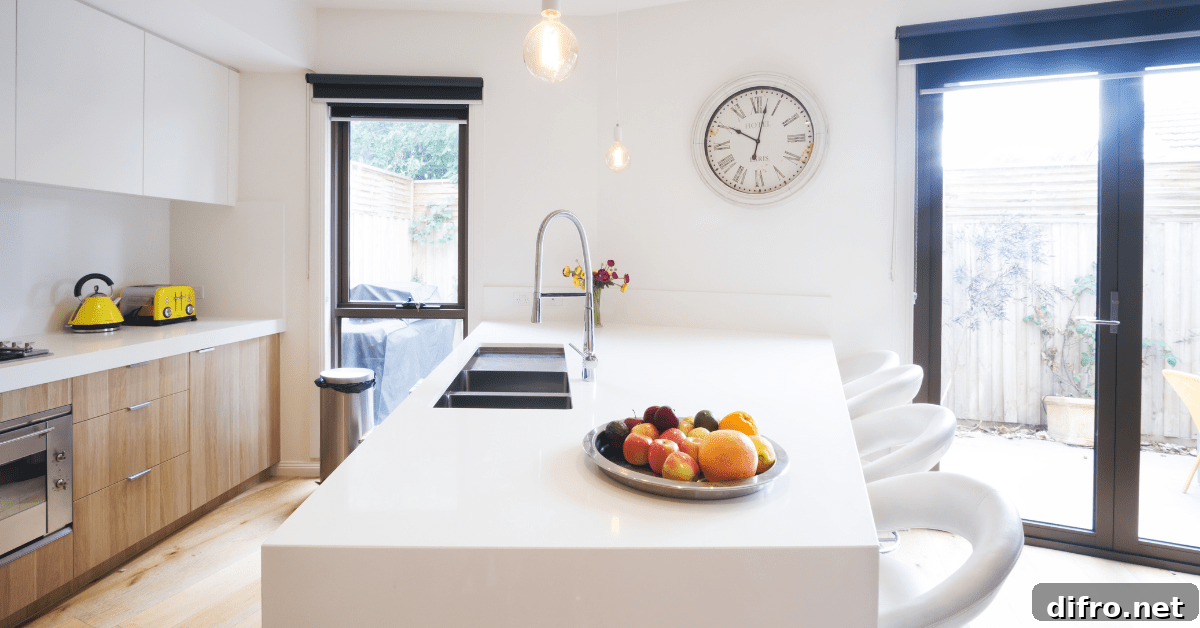
Imitation materials—laminate that mimics wood or marble, faux leather, and other substitutes—are often chosen for cost savings. Designers, however, usually prefer authentic materials where feasible. Real finishes age differently, develop character, and tend to feel more refined in the long term.
That said, budget and sustainability concerns are valid. When faux materials are used, careful selection and restraint help avoid a cheap appearance: choose high-quality alternatives sparingly and pair them with genuine textiles or details that elevate the overall finish.
Related Articles
- The Top 5 Decor Trends We’re Predicting for 2025
- Affordable Ways to Transform Your Home Decor for Under 100 Dollars
- Renter-Friendly Decor Hacks to Make Any Space Feel Like Home
Trends can inspire fresh ideas, but professionals often prioritize durability, comfort, and timelessness over the latest fads. By understanding which popular design choices designers tend to avoid—extreme minimalism, overdone shiplap, overpowering color, excessive open shelving, and low-quality faux materials—you can make more considered selections that balance style with everyday practicality. Thoughtful moderation and a focus on personal needs will help your home remain beautiful and functional for years to come.
If you enjoy staying current with thoughtful design advice, consider subscribing to a trusted interior design newsletter for ideas, practical tips, and inspiration tailored to real-life living.