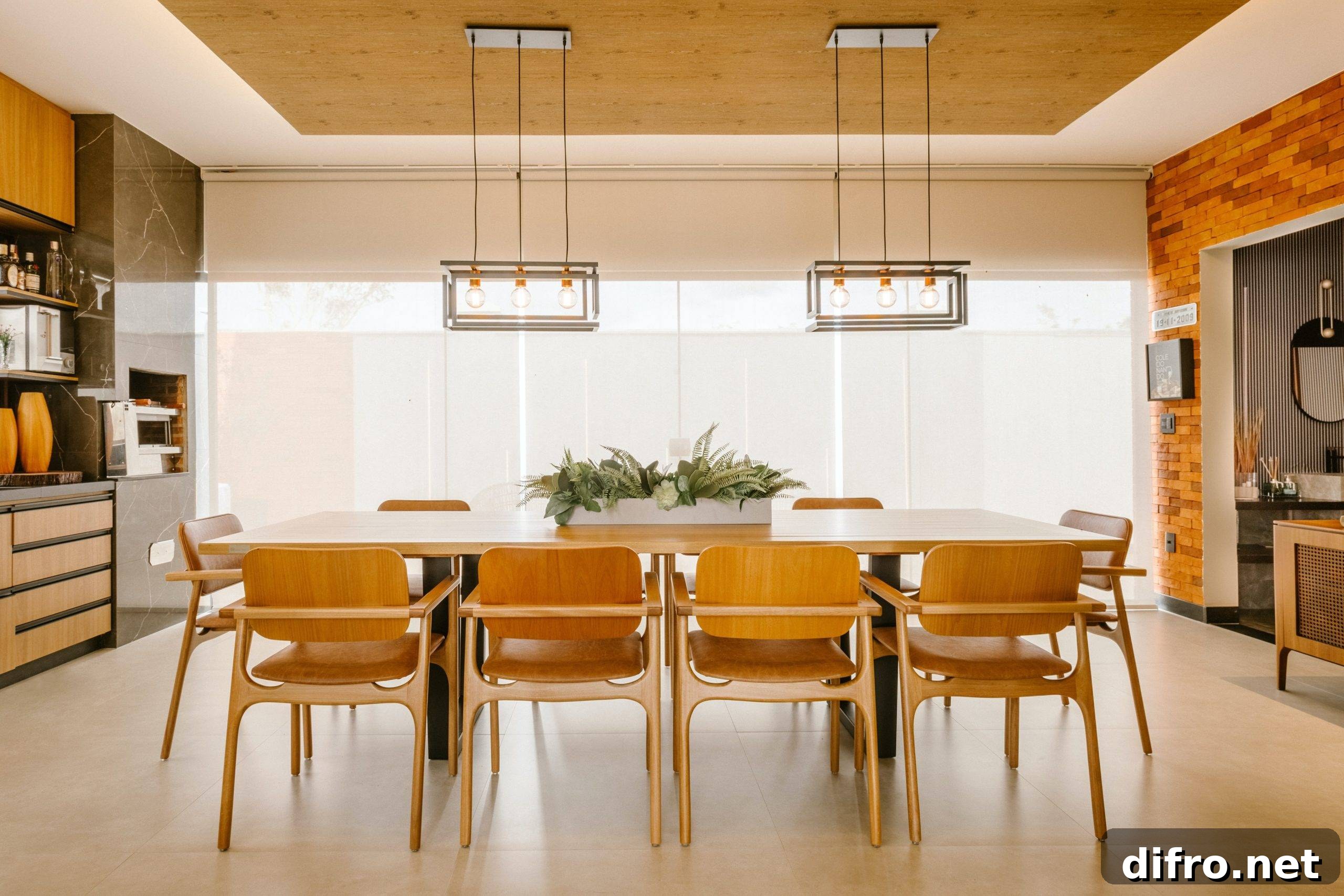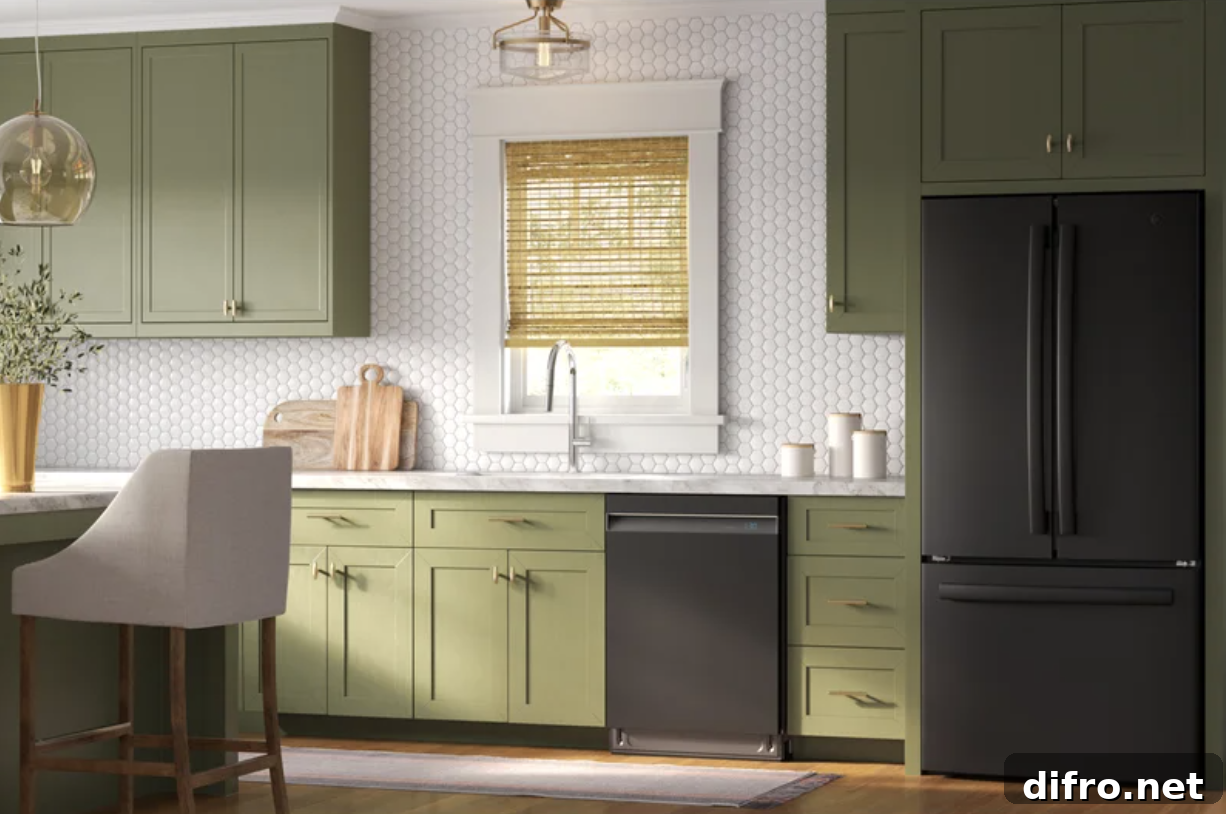
Choosing window coverings can feel overwhelming. With so many materials, styles and colors to consider, picking the right blinds or shades for your home often seems harder than it should be. Window treatments today do more than provide privacy and light control: when chosen well, they become an integral design element and even a focal point in a room. Instead of treating blinds as purely practical, think of them as an opportunity to elevate your interior design while still meeting functional needs.
Before you begin shopping, be clear about what you want your window treatments to accomplish. Are you trying to block out as much light as possible? Is maximum privacy the priority? Or are you looking for an attractive accent that complements your décor? Your answers will guide the decisions below.
Blinds vs Shades
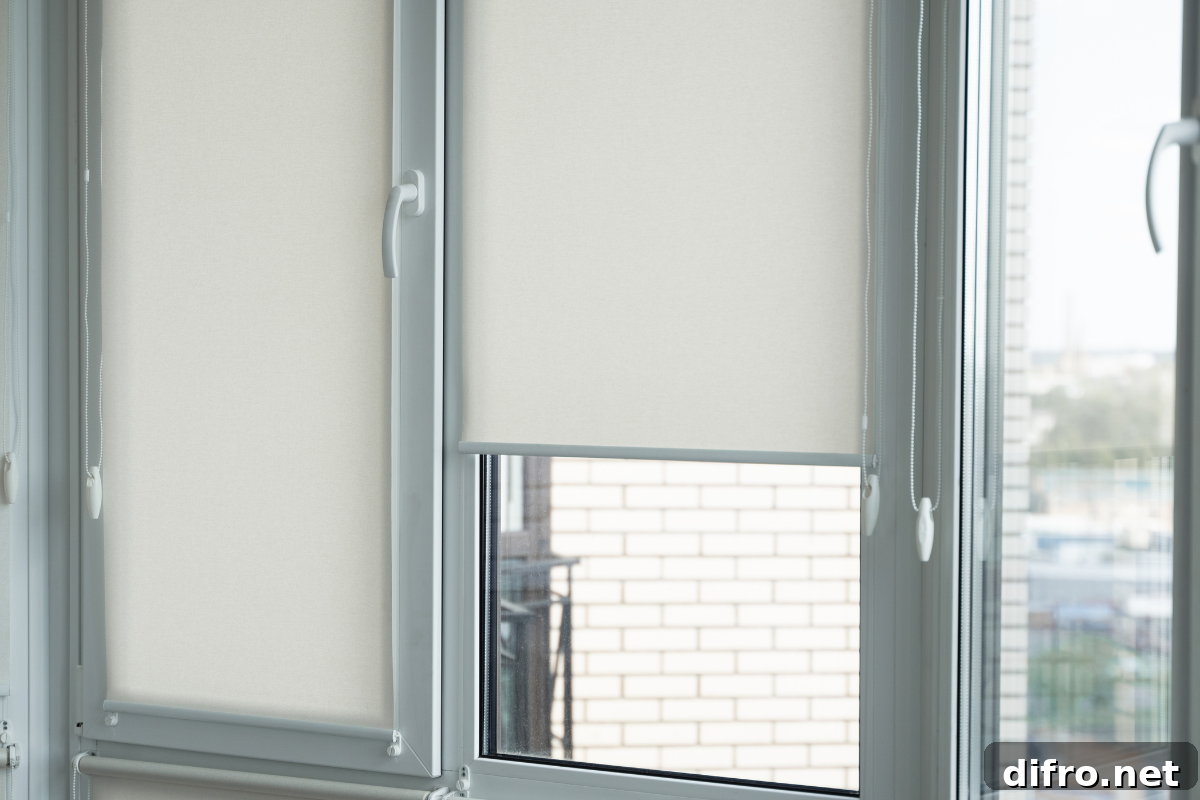
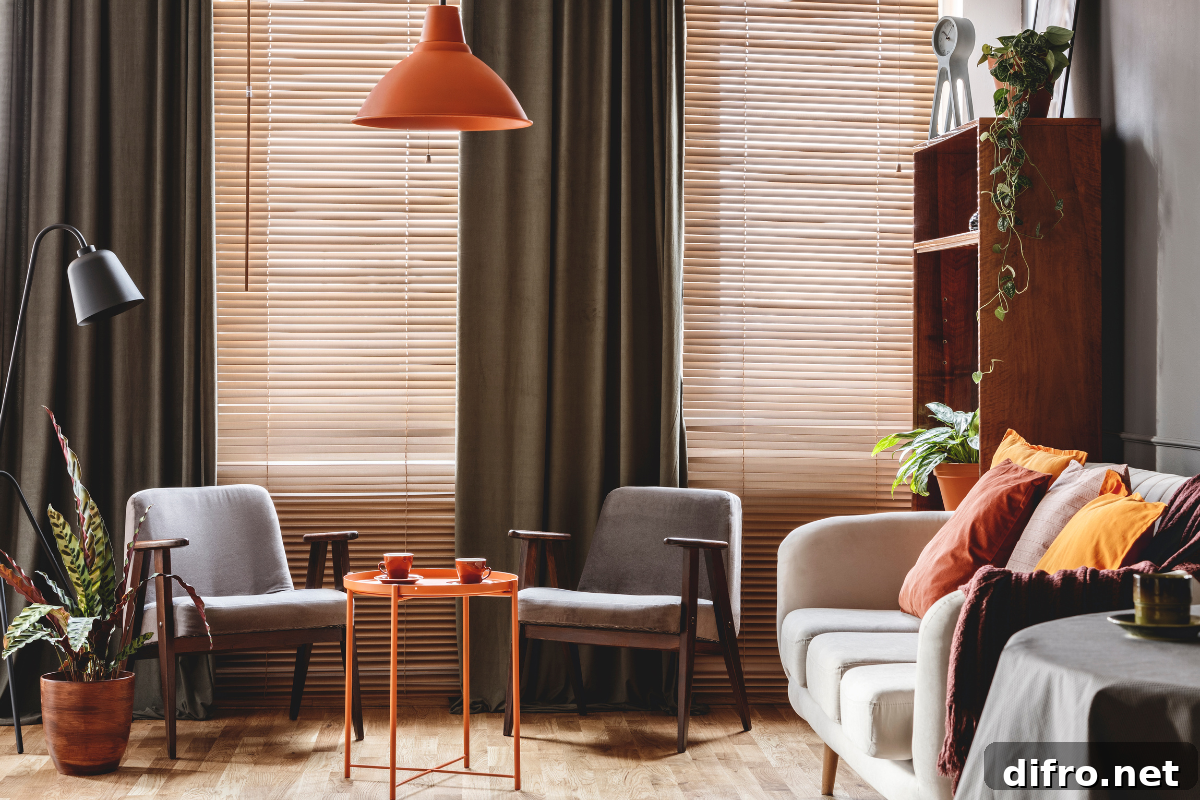
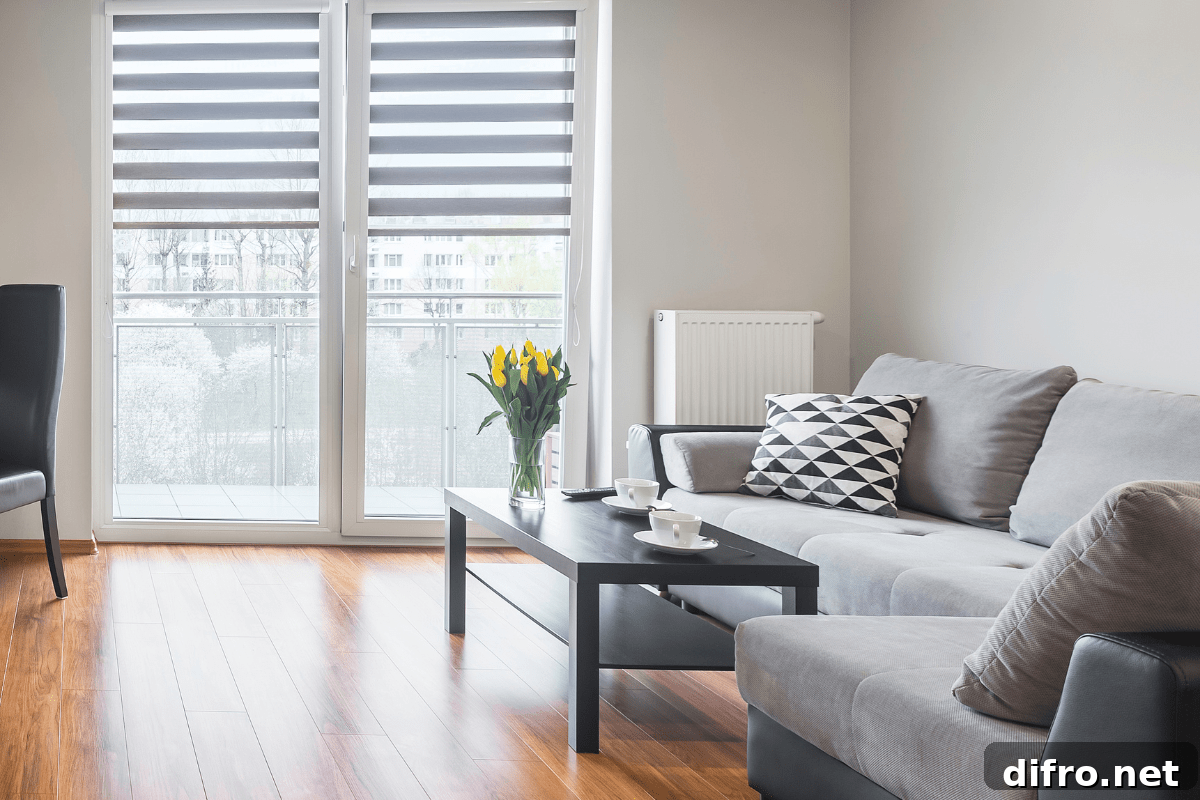
One of the first choices is between blinds and shades. Blinds are typically made from hard materials such as wood, faux wood, metal or composite slats that tilt to control light. Shades are fabric-based and offer a softer, layered look when pulled down. Blinds generally deliver stronger light control and are easier to wipe clean; shades, meanwhile, provide a wider variety of textures, colors and patterns for decorative impact.
Room Consideration
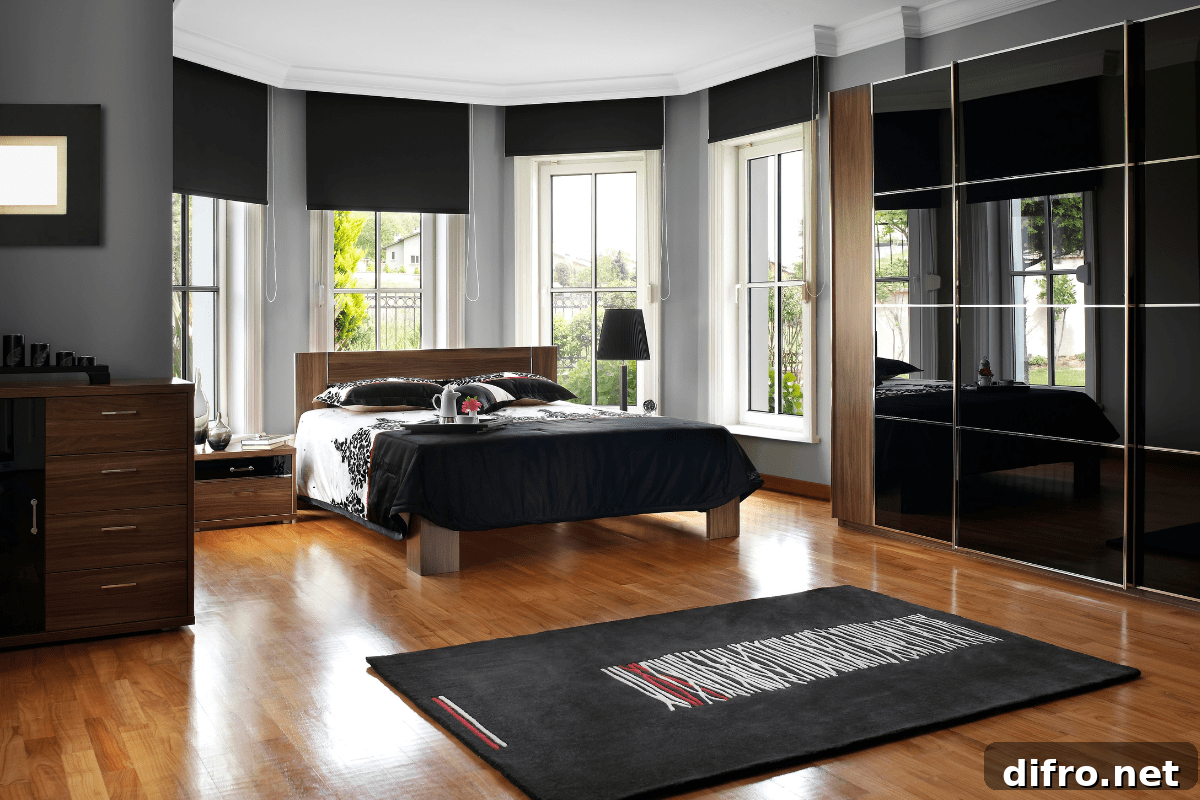
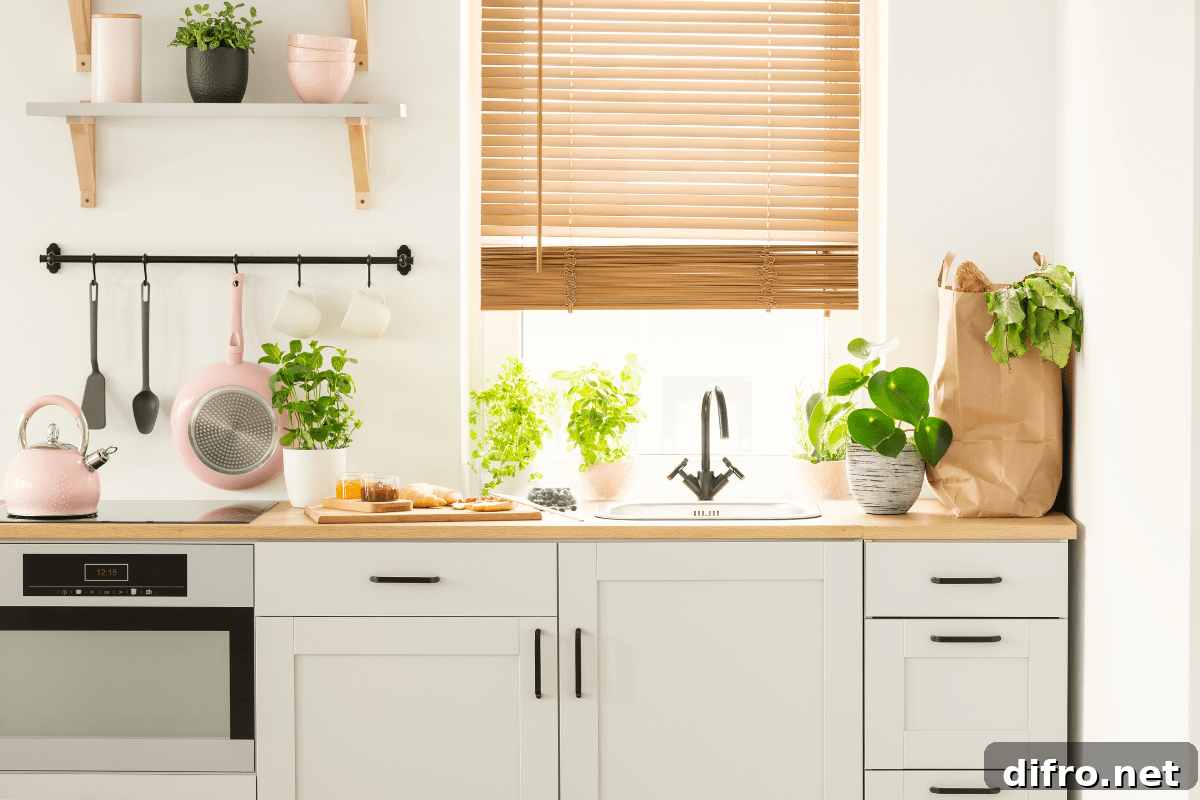
Match the blind or shade to the room’s needs. Blackout options work best in bedrooms where you want to block daylight for better sleep. Living rooms often benefit from light-filtering fabrics that reduce glare while keeping the space bright. Kitchens require materials that resist humidity and are easy to clean — faux wood and vinyl blinds are excellent choices near sinks and stoves because they won’t warp and can be wiped down quickly.
Style of Home
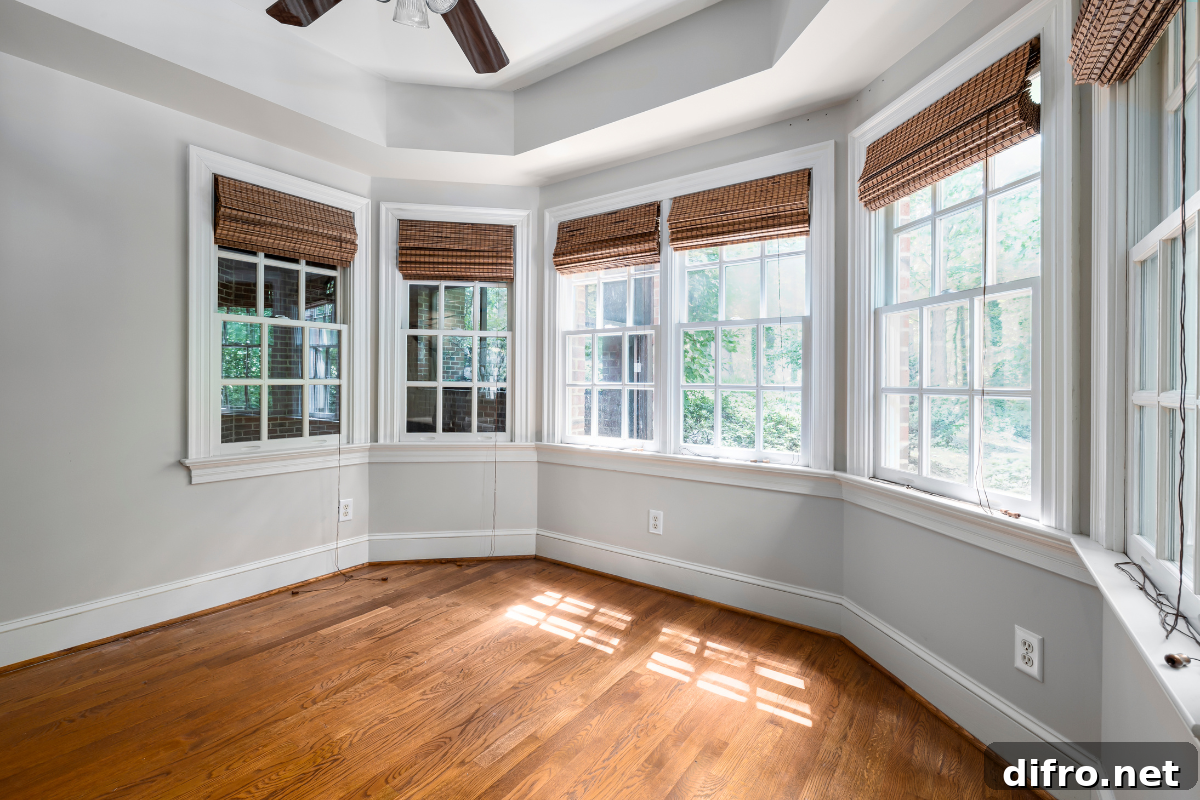
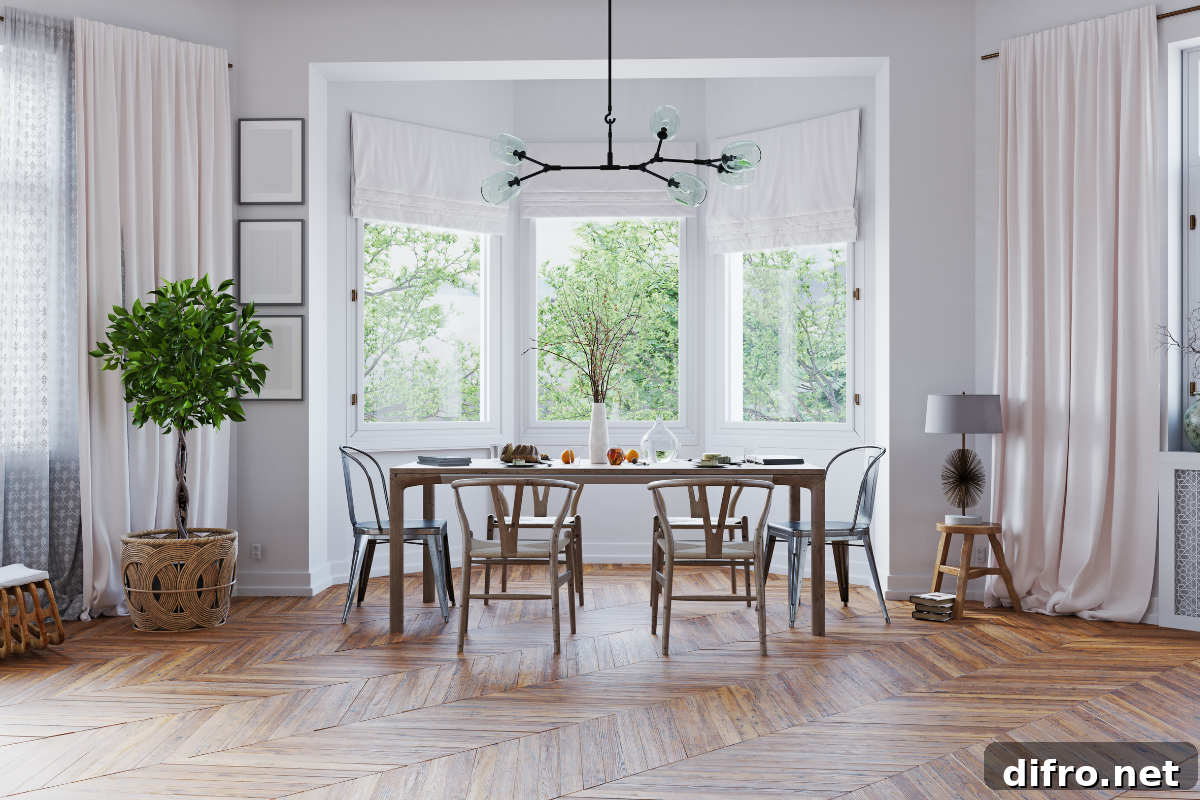
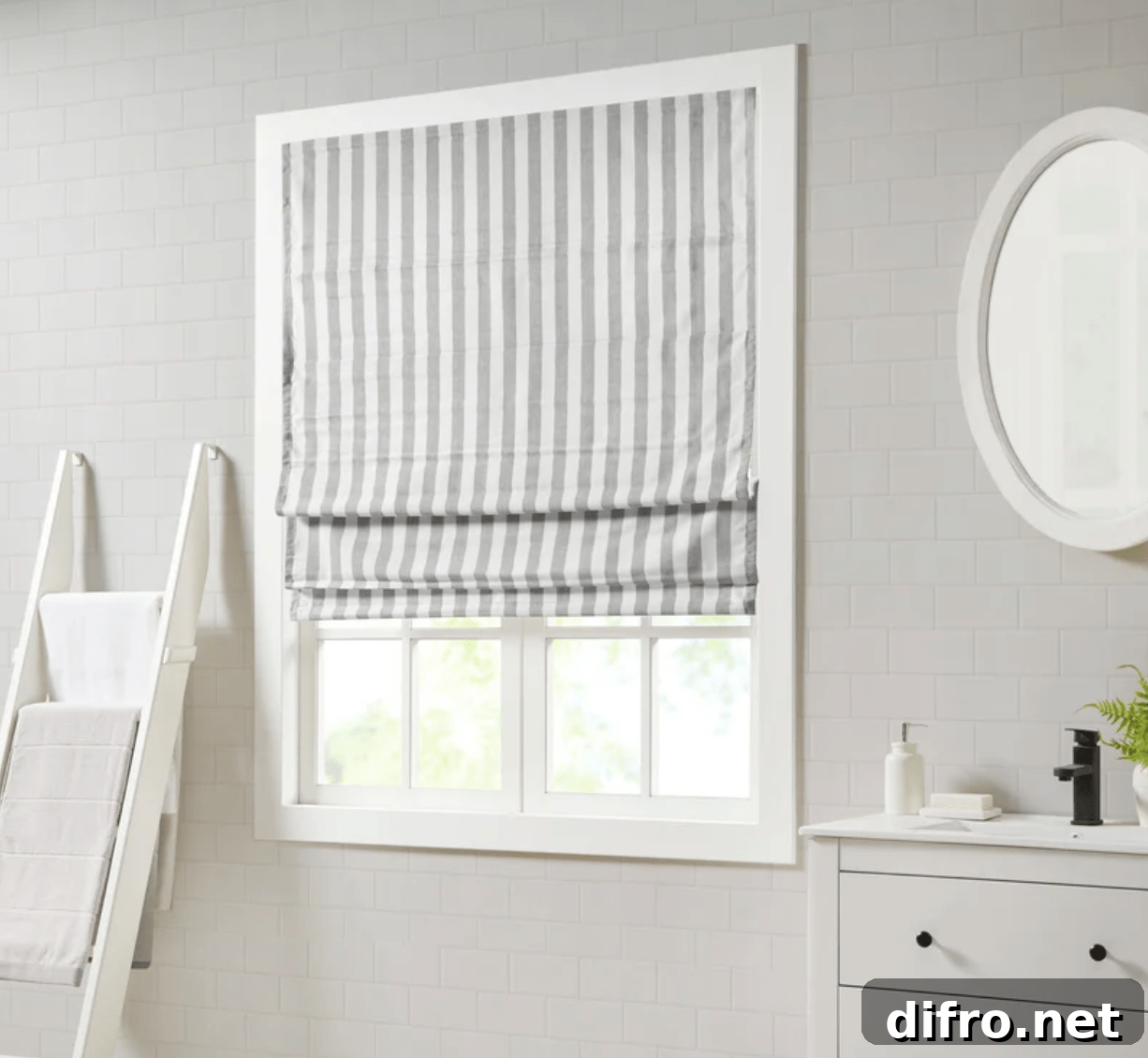
Consider the overall style of your home when choosing colors and textures. Coastal or Scandinavian interiors often suit light, airy shades in white or pale neutrals. Traditional and farmhouse styles pair well with Roman shades or subtly patterned fabrics, while modern spaces may call for sleek, minimal blinds in darker tones or horizontal slats for clean lines. Textures and patterns should harmonize with existing finishes — a striped Roman shade can be a classic complement to rustic or farmhouse décor, for example.
Pros and Cons
Every type of treatment has trade-offs. Shades offer endless aesthetic variety — hundreds of fabrics, patterns and textures — but they can be more difficult to clean because they are fabric and may need professional care for heavy soiling. Blinds are typically more affordable, easier to maintain, and provide precise light control, making them a practical choice for high-traffic areas or allergy-sensitive households. Weigh your priorities: appearance, maintenance, budget and light control.
Safety
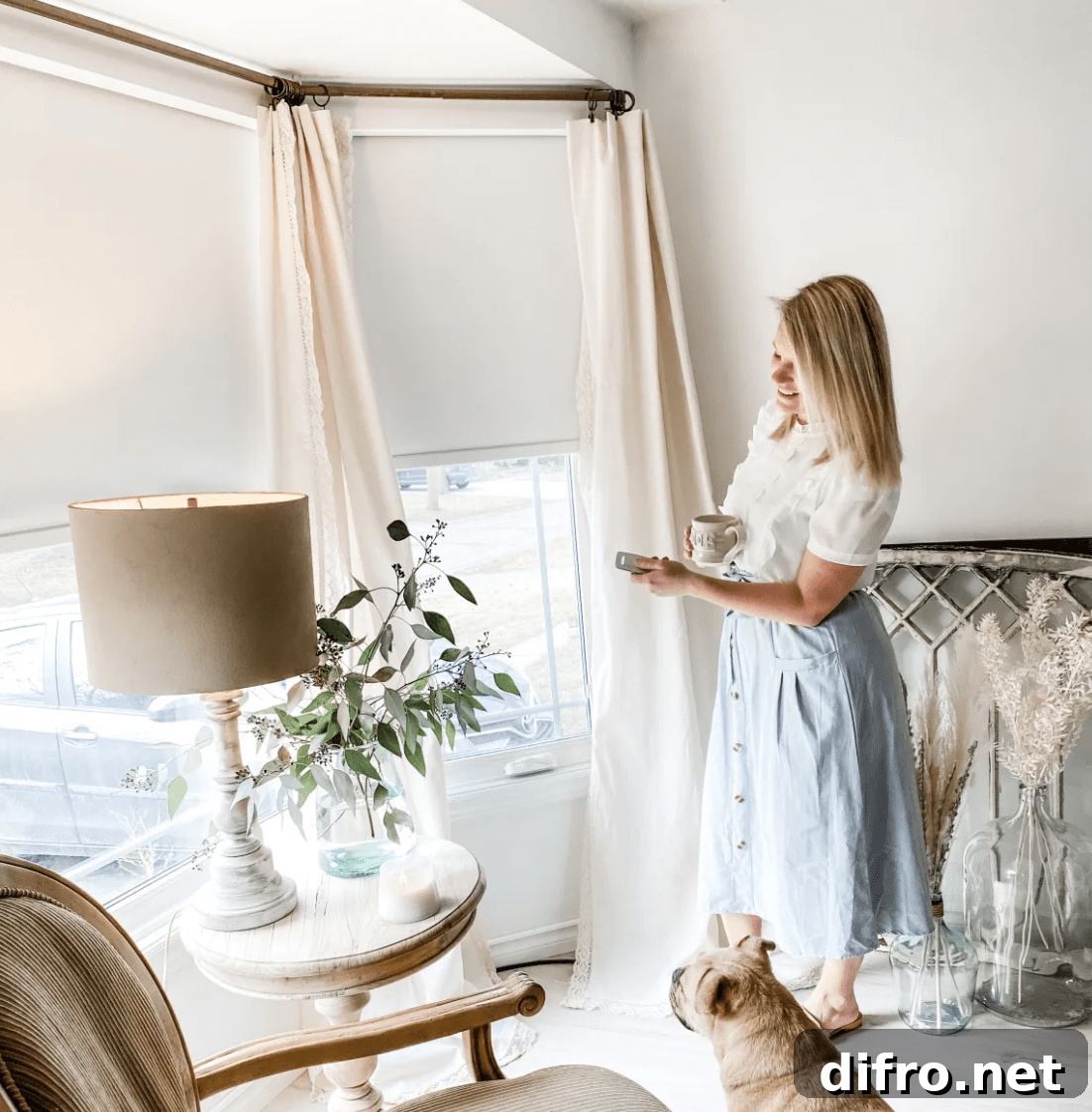
Safety should be a top consideration, especially for homes with young children or pets. Avoid blinds with long, dangling cords that can present a strangulation risk. Cordless blinds are now widely available and offer a clean, minimal look while improving safety. Motorized blinds are another safe and convenient option, allowing you to operate window coverings with a remote, app or timer and removing the need for exposed cords entirely.
Take your time when selecting blinds or shades. Explore several suppliers, compare materials and finishes, and choose window treatments that balance function, style and safety. While upgrades like motorized blinds can add resale value, the most important outcome is living in a home you love. Invest in coverings that enhance your space visually and perform reliably for years to come.