Wallpaper remains one of the most powerful and versatile tools in interior design, yet many homeowners hesitate to use it. People often worry about choosing the wrong pattern, applying it poorly, or simply feeling overwhelmed by the choices. When selected and installed thoughtfully, however, wallpaper can completely transform a room—adding personality, depth, texture, and a clear design direction. Designers emphasize that successful wallpaper use is less about picking a pretty print and more about balance, scale, texture, and purpose. Whether you want a dramatic feature wall, a subtle textured backdrop, or a seasonally changeable peel-and-stick option, wallpaper offers solutions for nearly every space and style. Below are practical expert insights to help you use wallpaper with confidence.
Use It to Define Spaces
In open-plan homes, visual separation matters. Wallpaper is an effective, non-permanent way to define zones—such as setting the dining area apart from the living room or creating a cozy sleeping niche in a studio apartment—without building new walls. Choosing a bold pattern behind a dining table or a softer textured paper behind a sofa creates a clear transition from one area to the next. For cohesive flow, carry a color, texture, or motif through connected spaces so transitions feel deliberate rather than jarring. Thoughtful placement of wallpaper can guide movement through a home and clarify the function of each zone while reinforcing your overall design concept.
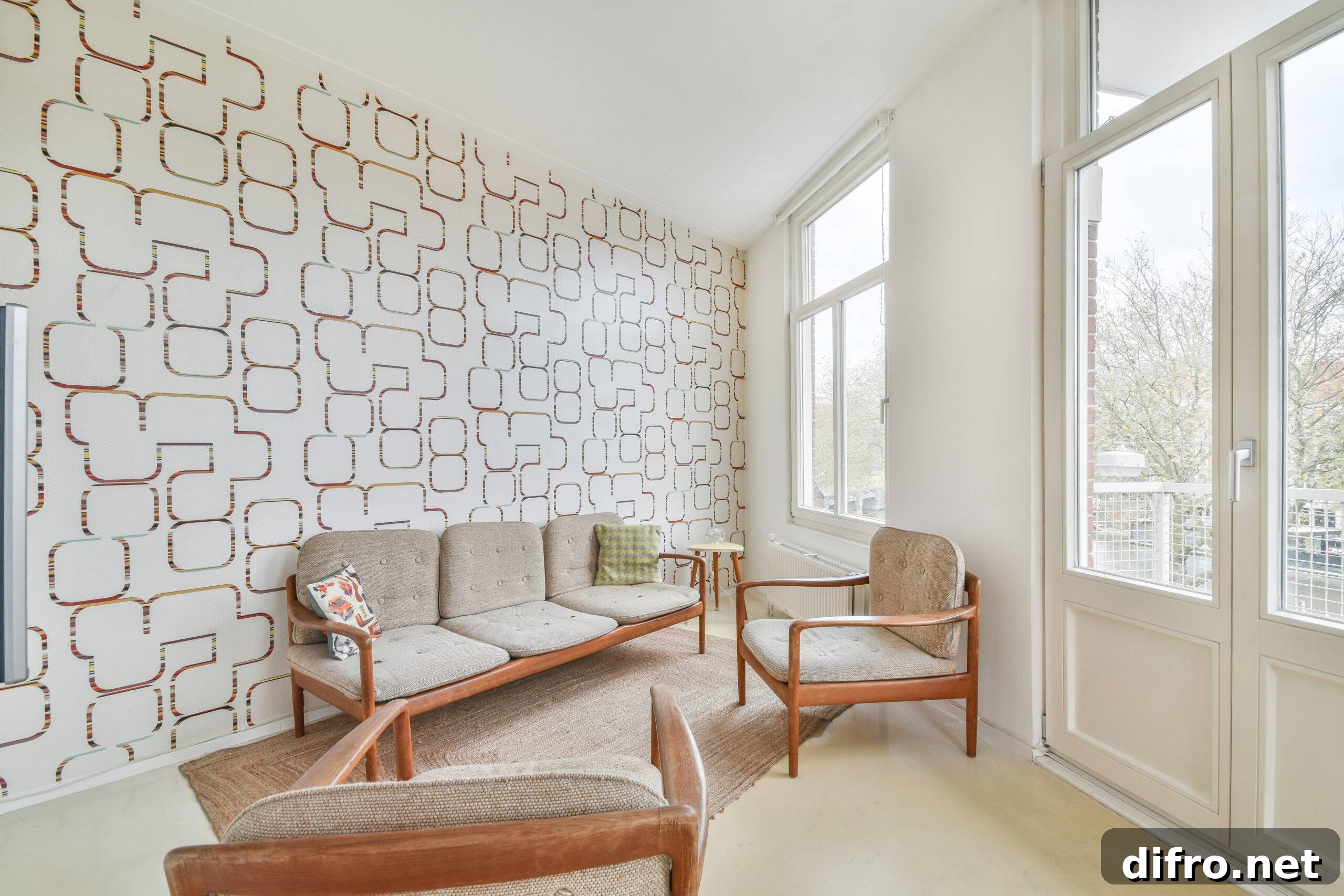
Small Spaces Can Handle Big Prints
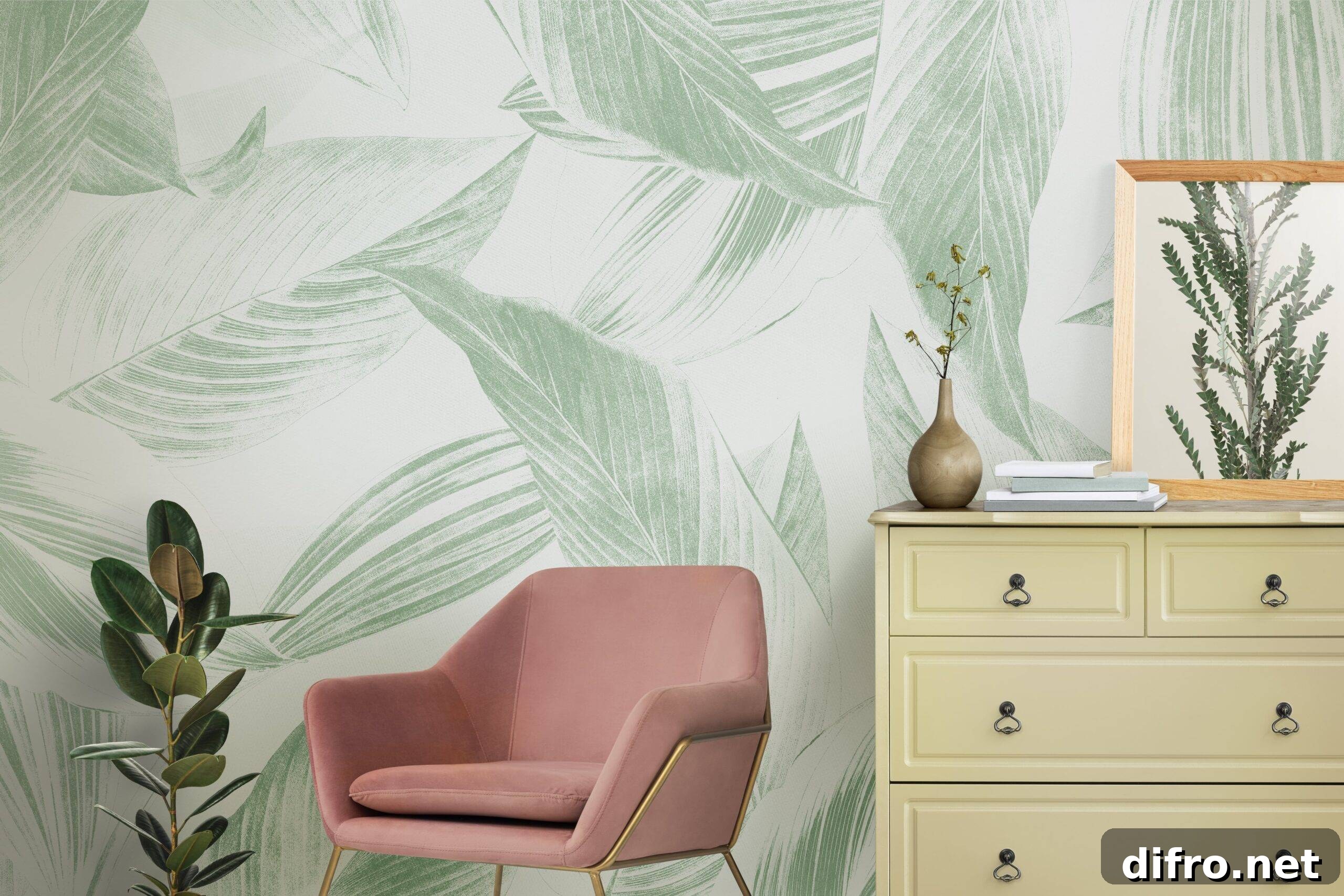
Contrary to a common misconception, large-scale patterns can work beautifully in small rooms. A bold, oversized print in a compact bedroom or a narrow hallway can create the illusion of depth and make the room feel more expansive and intentional. Patterns with movement—such as flowing vines, waves, or abstract motifs—add dimensionality that flat paint cannot replicate. The key is to commit: if the wallpaper is meant to be the focal point, arrange furniture and accessories to complement and highlight it, rather than competing with it. Embracing the impact of a big print can turn an otherwise forgettable small space into a striking, memorable interior.
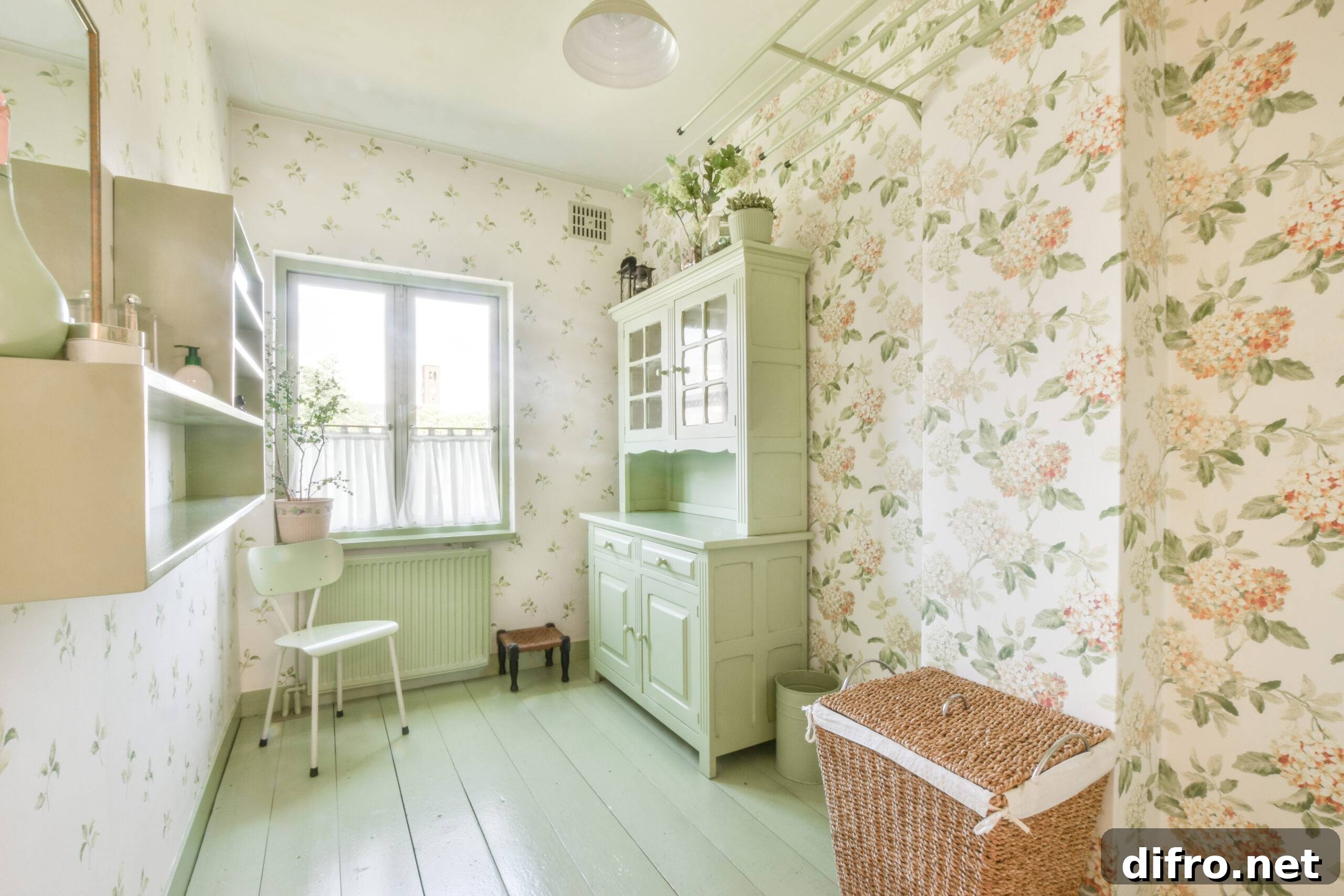
Balance Wallpaper With the Right Decor
Wallpaper should be treated as a principal design element, not merely a backdrop. Design around the paper instead of adding it as an afterthought. When a pattern is busy, simplify surrounding furniture, rugs, and accessories—opt for solid colors and clean lines to let the wallpaper breathe. If the wallpaper is subtle or textured, introduce bolder furnishings and layered accents to create contrast and energy. Consider color sampling from the paper for pillows, throws, or artwork to create cohesion. Proper balance prevents a room from feeling chaotic or underdressed and ensures every component supports the overall aesthetic.
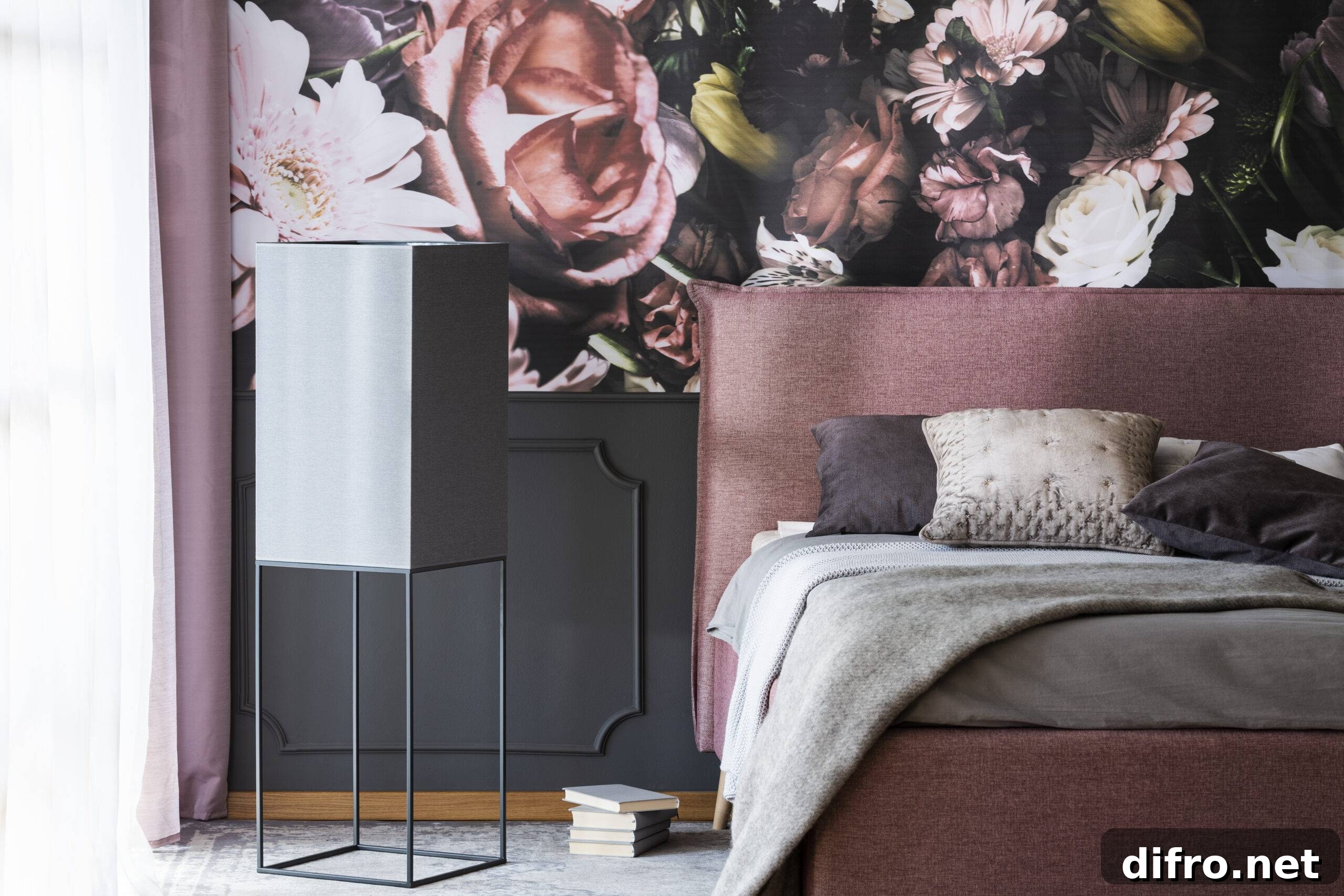
Try Removable Wallpaper
Removable, peel-and-stick wallpaper has evolved past its reputation as a cheap temporary fix. Modern removable papers often offer rich textures, high-quality prints, and durable finishes that stand up to everyday use. They are an excellent option for renters, seasonal decorators, or anyone who likes to change their interior frequently. Peel-and-stick makes testing colors and patterns easy—try a sample wall before committing to a permanent installation. Professionals also use removable options to prototype designs or stage homes. Because it installs and removes cleanly, removable wallpaper reduces risk while expanding creative possibilities.
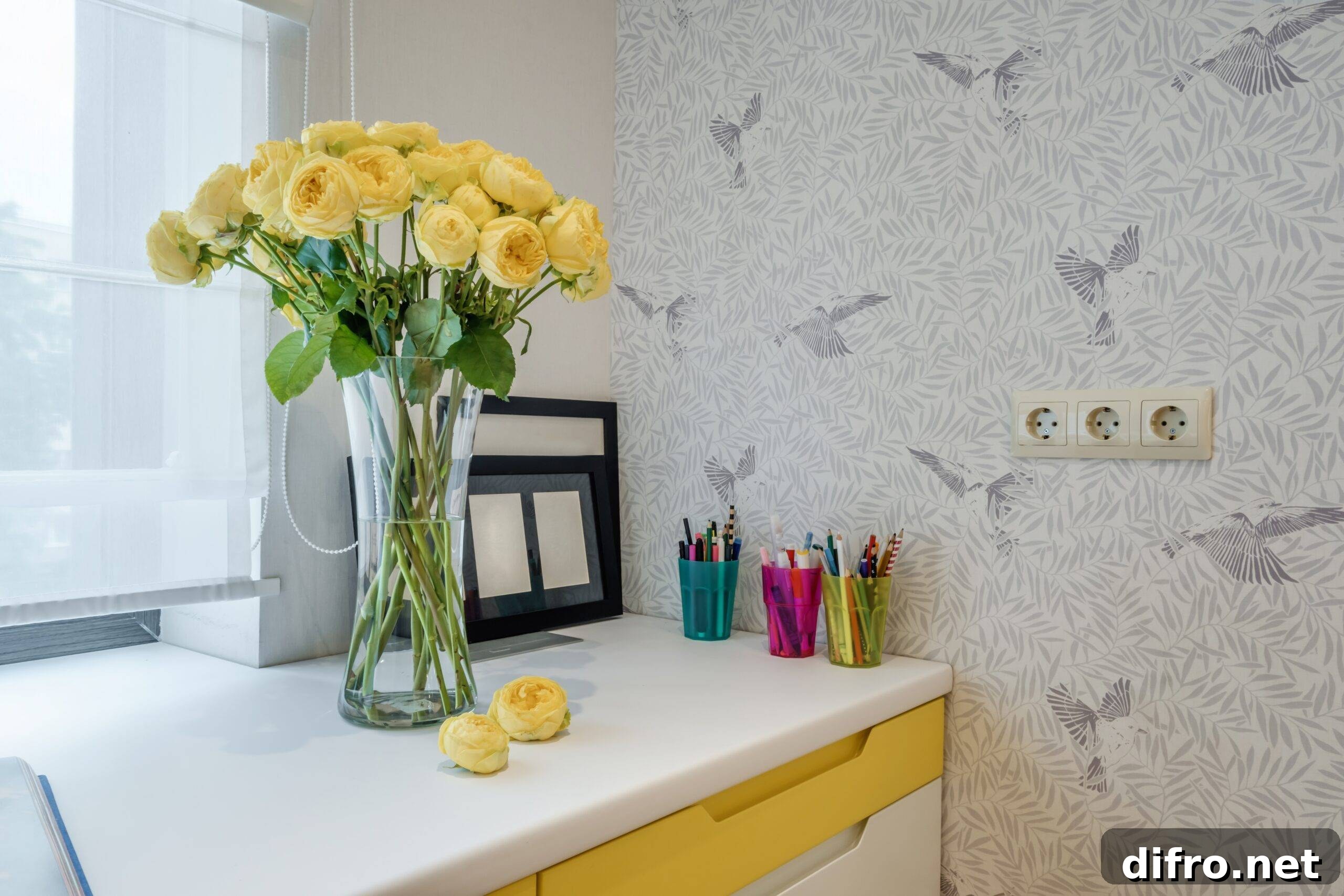
Consider Texture
Texture is often overlooked in wallpaper selection, yet it plays a crucial role in how a room feels. Grasscloth, embossed patterns, woven papers, and fabric-backed wallpapers introduce tactile interest and subtle shadowing that paint cannot replicate. Textured wallpaper is particularly effective in neutral color schemes where pattern might be unnecessary but visual depth is desired. It warms cool interiors, softens hard surfaces, improves perceived acoustics, and lends a handcrafted, luxurious feel. When choosing texture, think about how light falls across the surface throughout the day—texture looks different in sunlight than in artificial light.
Pay Attention to Scale
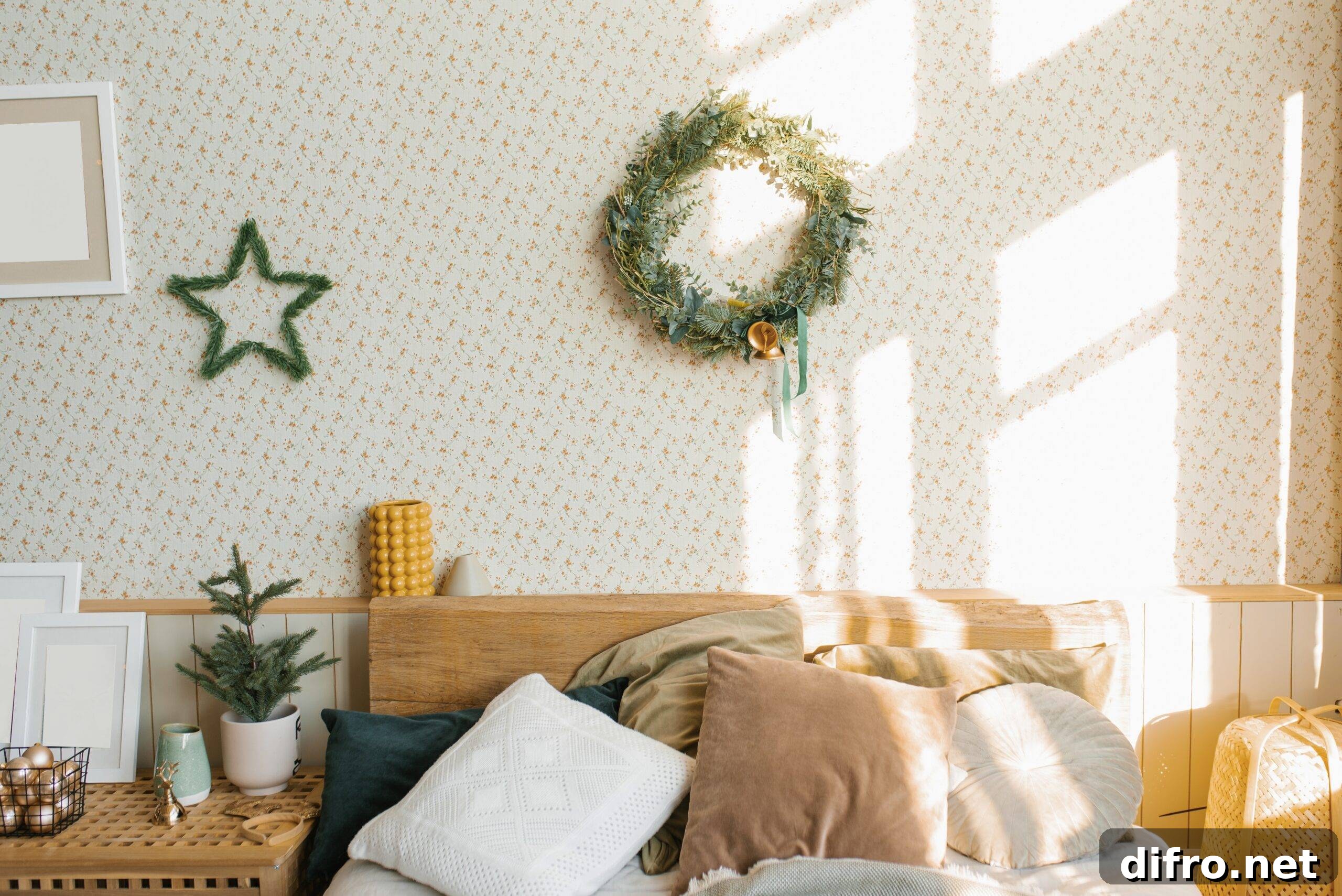
Scale is one of the most important considerations when choosing wallpaper. A design that looks appealing on a small sample can feel overwhelming when applied to an entire wall, while a tiny, high-contrast print may appear busy in a large room. Step back and visualize the pattern from various distances and angles to judge its impact. Larger patterns often read better across expansive surfaces, while small-scale repeats work well on accent walls, alcoves, or behind shelving. Also consider contrast: low-contrast small prints can read as texture at a distance, making them suitable for larger spaces. Take time to test samples in situ before committing.
Ultimately, wallpaper is a design tool that can shape how a room looks and feels. Be intentional about pattern, texture, scale, and placement. Test samples, consider lighting and adjoining finishes, and style the rest of the room to complement the paper. Whether you choose a bold statement wall, a gentle textured backdrop, or a removable option to experiment with, thoughtful wallpaper choices open up creative design opportunities and help make a house feel like your home.