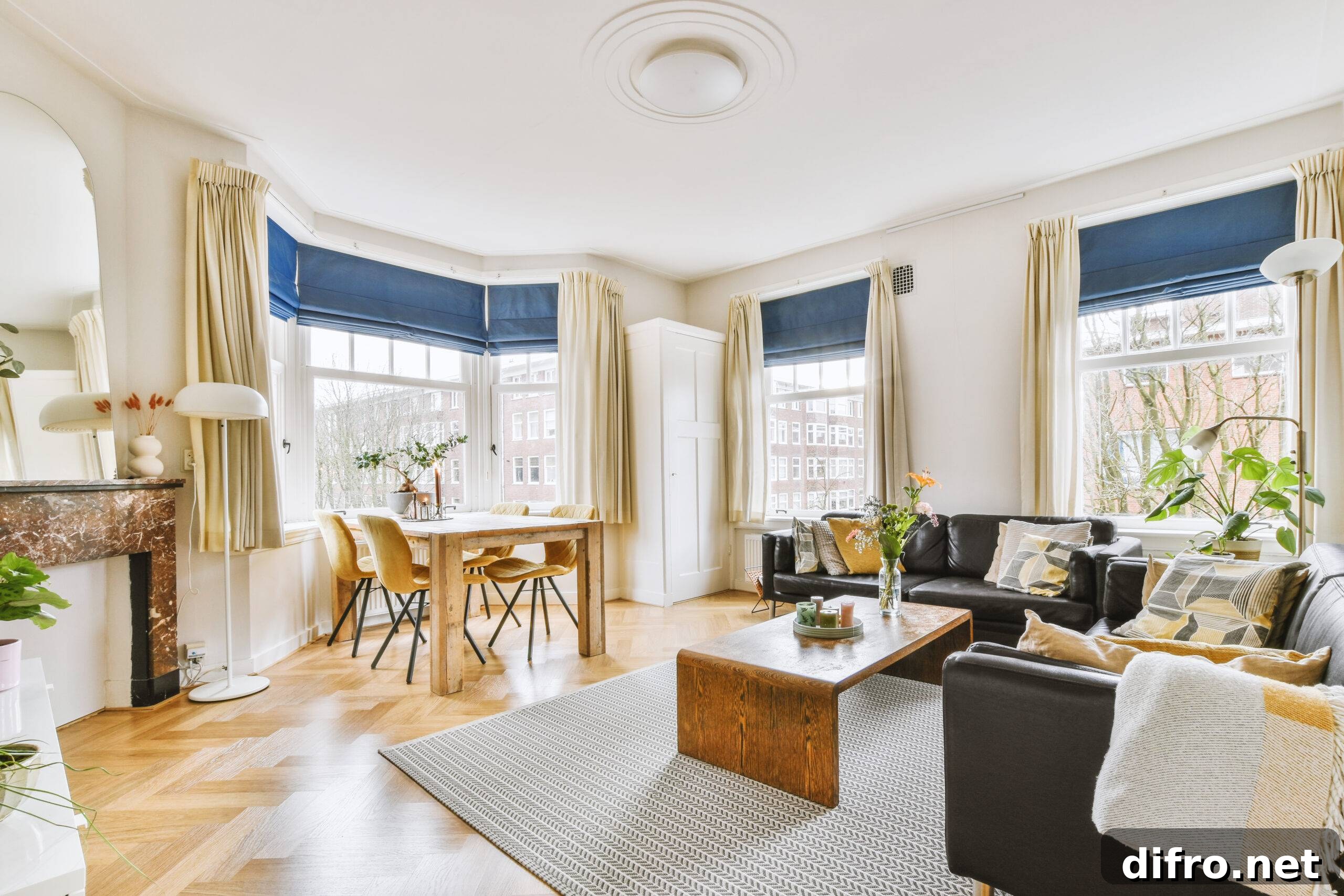
When you picture luxury, what comes to mind? Maybe gleaming marble and gold accents, vast homes, or rooms where every item broadcasts an expensive price tag. Quiet luxury is different: it’s the feeling of refinement and restraint that comes from careful choices rather than conspicuous spending. It’s about creating a home that reads as sophisticated and intentional without shouting. Below are practical ways to achieve that understated, enduring look in your own space.
Invest in Materials, Not Labels
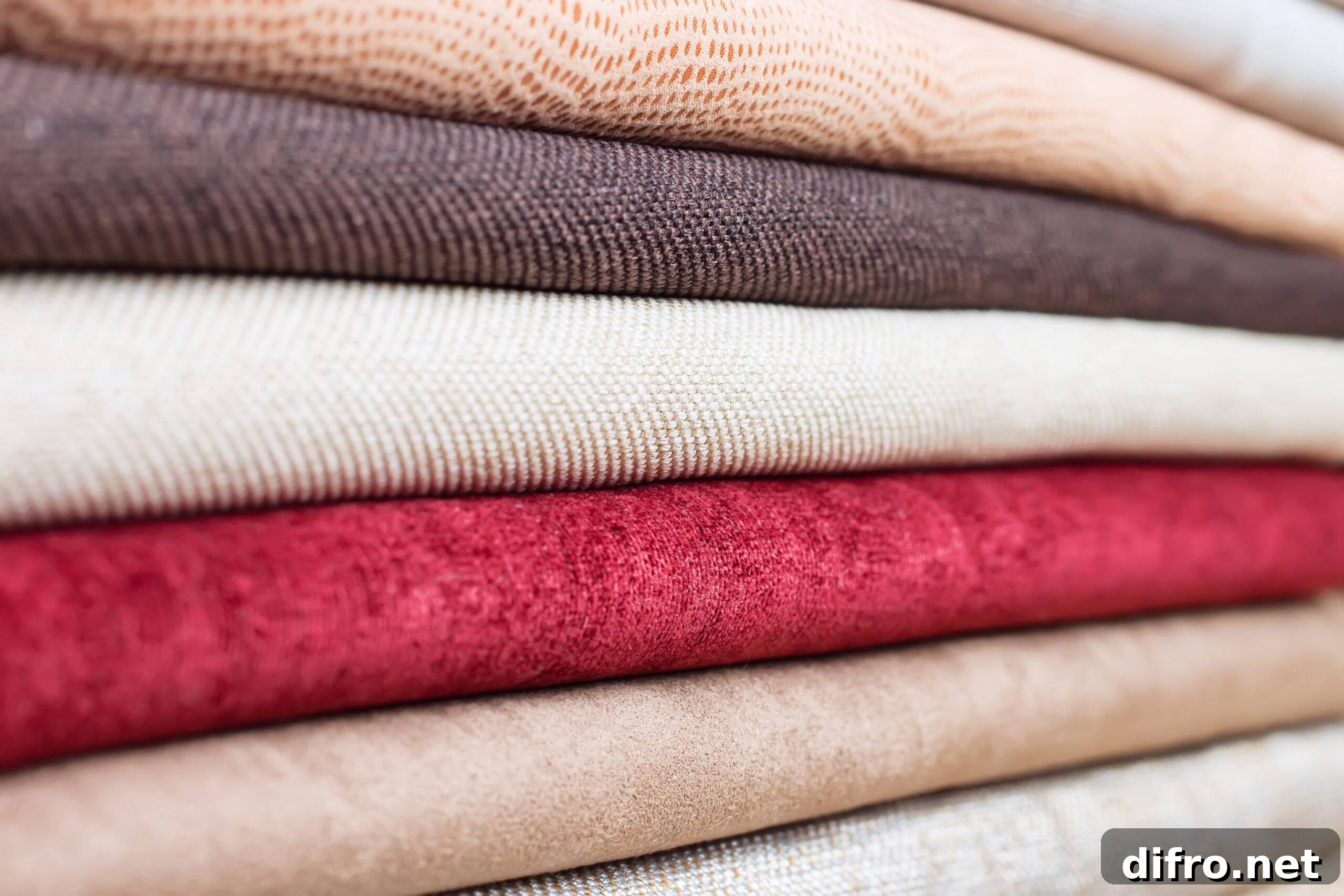
True luxury is tactile and enduring. Instead of chasing brand names, choose materials that feel substantial and improve with use. Natural fibers and surfaces—linen, wool, cashmere, marble, and solid wood—age gracefully and build character over time. A well-made sofa with a tight, natural fabric and a sturdy frame will outlast trend-driven pieces, while hand-thrown ceramics and heavyweight glass add quiet authenticity. Think durability and feel: selecting materials that are pleasant to touch and easy to maintain yields spaces that remain beautiful for years.
Subtle But Meaningful Details
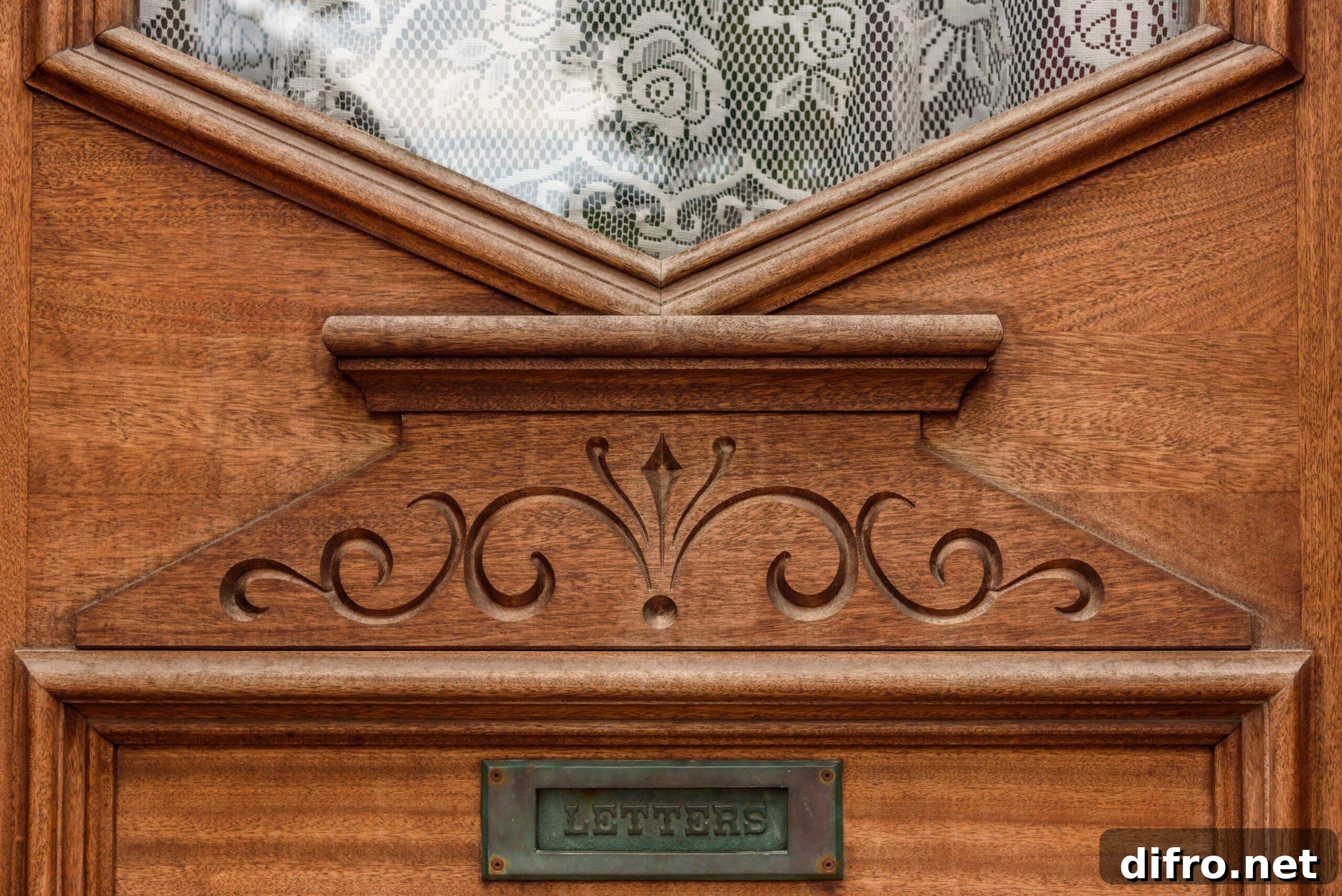
It’s the small, carefully considered details that turn a good room into an exceptional one. Simple refinements—slim piping on upholstery, a discreet textured plaster wall, or expertly sewn hems—signal craftsmanship. Functional finishes also contribute to a refined experience: soft-close drawers, hinges that don’t squeak, and well-balanced door handles feel effortless but elevate daily life. Choose lighting and hardware with clean lines and quality finishes; brushed metals, matte black, or soft gold done in moderation read as intentional rather than flashy. The goal is cohesion: every detail should feel like part of a single, thoughtful design story.
Not Fearing Negative Space
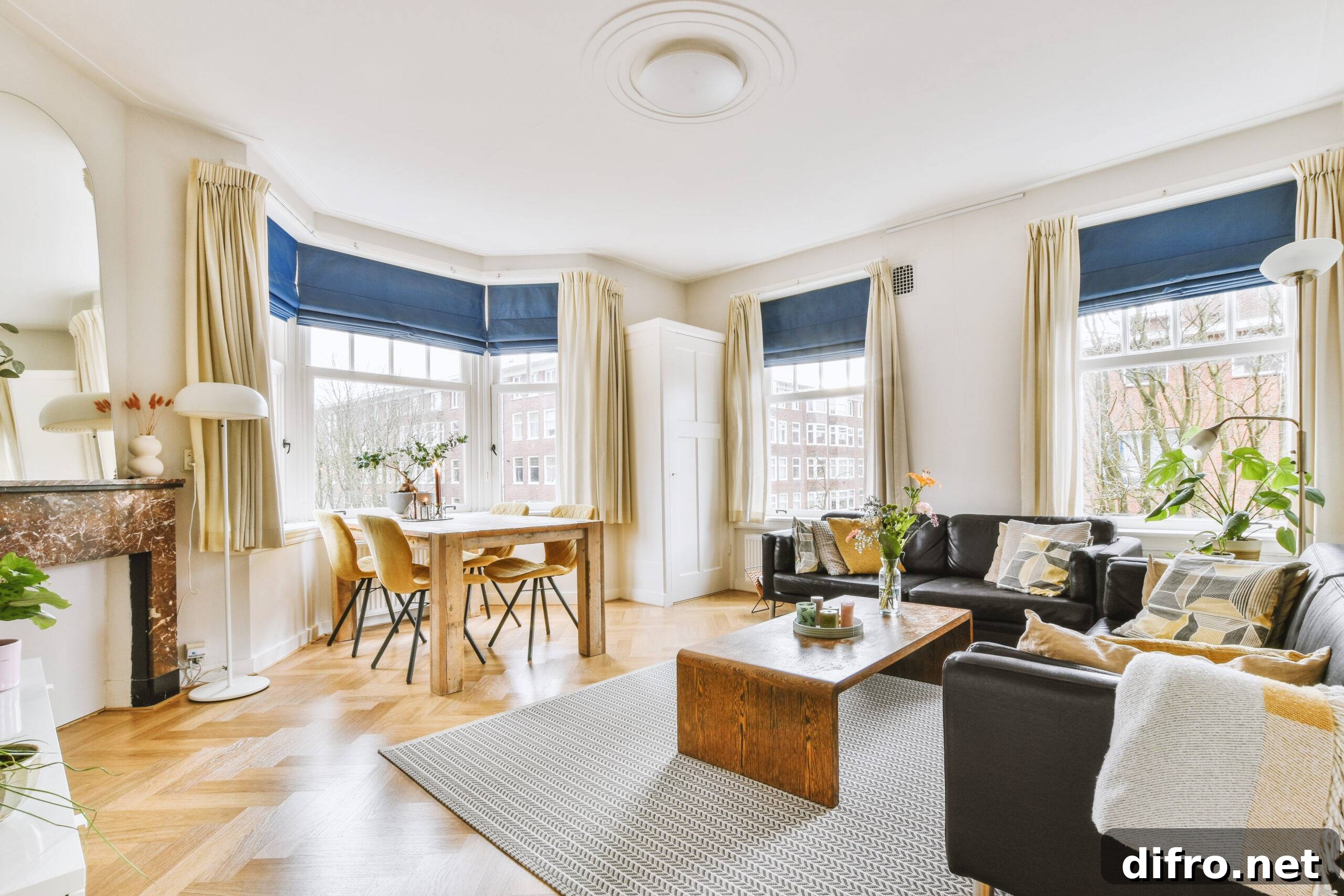
Negative space is not empty—it’s intentional breathing room that highlights the pieces you love. Quiet luxury embraces restraint: let a single sculptural vase or a well-proportioned lamp stand alone rather than crowding surfaces with many objects. Arrange furniture to create flow and sightlines; allow clearance around key pieces so they can be appreciated from different angles. Minimalism here is not about emptiness but about prioritizing what truly matters, so every remaining item reads as deliberate and valuable.
Pieces That Tell a Story
A collection of meaningful objects creates depth and personality. Look for items with provenance—an antique chair picked up on a trip, an artwork by a local maker, or a lamp passed down through family—that carry stories and emotional value. These pieces contrast powerfully with mass-produced items and make a room feel curated rather than staged. When visitors ask about an object, an authentic narrative makes the piece more interesting and reinforces a sense of cultivated taste.

Lighting, Color, and Maintenance
Lighting and color choices shape perception. Soft, layered lighting—from ambient overhead fixtures to task and accent lamps—creates warmth and depth without glare. Stick to a restrained palette of neutrals and a few muted accent tones to maintain cohesion; tonal variation within a limited range reads as sophisticated and calm. Regular care and maintenance are part of quiet luxury: keeping fabrics clean, polishing surfaces occasionally, and replacing worn hardware when needed ensures the space always feels intentional and cared for.
Ultimately, quiet luxury favors thoughtful restraint over excess. It’s about investing in quality, valuing craftsmanship, and arranging a home that supports comfort and longevity. When you pare back the noise and emphasize materiality, proportion, and story, your home will feel rich in an understated, timeless way—welcoming and refined for the people who live there, not for those who merely glance in.