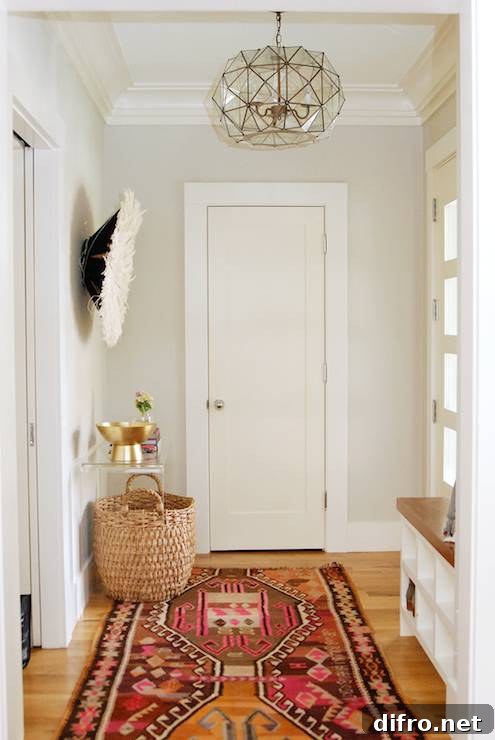
Creating a welcoming entryway in a home that lacks a dedicated foyer might seem difficult, but with thoughtful design and a little creativity you can craft a distinct and functional entrance area. An entryway sets the tone for the rest of your home: it offers a first impression, reflects your style, and provides practical storage for everyday items like keys, coats, and shoes. Even when your front door opens directly into a living room or hallway, you can still design a convincing entry that feels intentional, organized, and attractive.
By using furniture, rugs, lighting, and well-placed accessories, you can define an entryway that enhances both the look and the practicality of your space. This guide offers clear, actionable tips to help you create a faux entryway that is stylish, welcoming, and easy to maintain.
Use Rugs to Define the Space
A rug is one of the simplest and most effective tools for delineating an entry area. A well-chosen rug visually separates the entry from the rest of the room, creating an immediate sense of place.
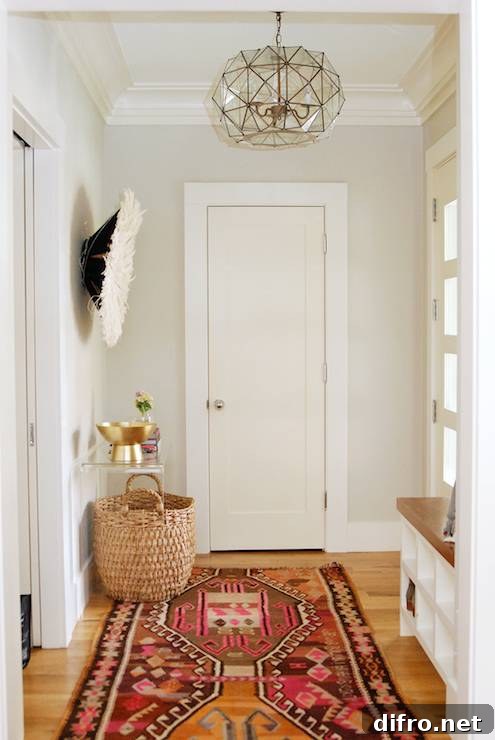
Choose a rug that complements your overall décor but stands out enough to mark the entry as a separate zone. Durable, easy-to-clean materials are essential because this area will see heavy foot traffic. Consider color, pattern, and texture to add visual interest, and pick a size proportional to the space so the rug neither overwhelms nor disappears.
Incorporate a Console Table or Bench
A console table or bench becomes the focal point of a fake entryway, providing both style and functionality. A narrow console offers surface space for decorative accents—like a lamp, a bowl for keys, or a small vase—and often includes drawers or shelves for hidden storage.
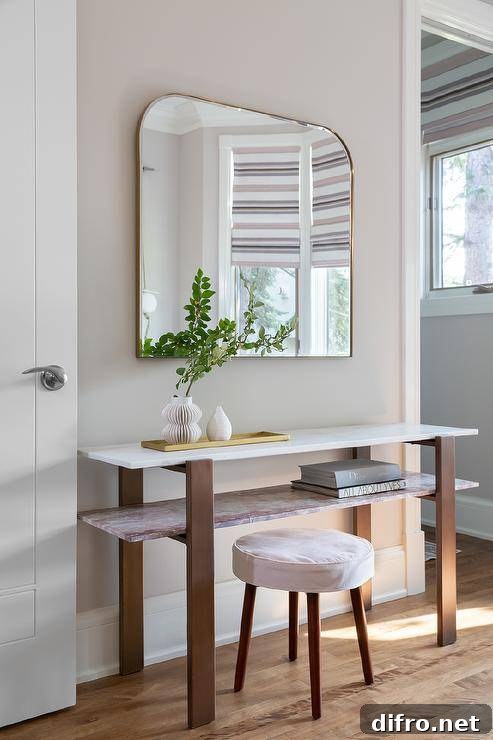
A bench adds seating for putting on shoes and can include baskets or concealed storage underneath. Select pieces that match your home’s style—modern, rustic, or traditional—so the entryway integrates seamlessly with the rest of your décor.
Utilize Wall Hooks and Shelves
Wall hooks and shelves maximize vertical space and keep the entry tidy. Hooks are ideal for hanging coats, bags, and hats so these items stay off the floor and are easy to grab on the way out. Shelves can display decorative items, hold baskets for mail and small essentials, or provide a place for frequently used objects.
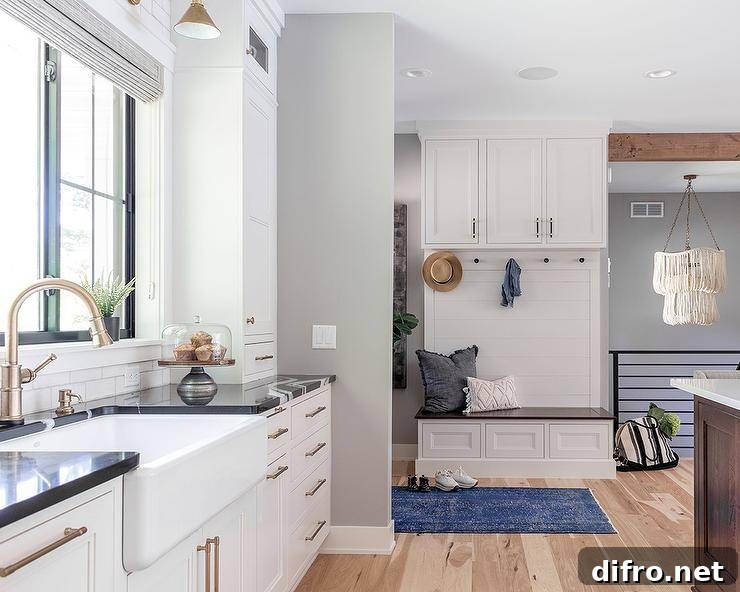
Arrange hooks and shelves to make the most of available wall space without creating clutter. A floating shelf above a console or bench adds storage and a spot for small décor or a catch-all tray for keys and mail.
Add a Mirror for Style and Function
Mirrors bring both light and practicality to an entryway. They reflect natural and artificial light, helping the area feel brighter and more spacious. A mirror is also handy for last-minute appearance checks before leaving the house.
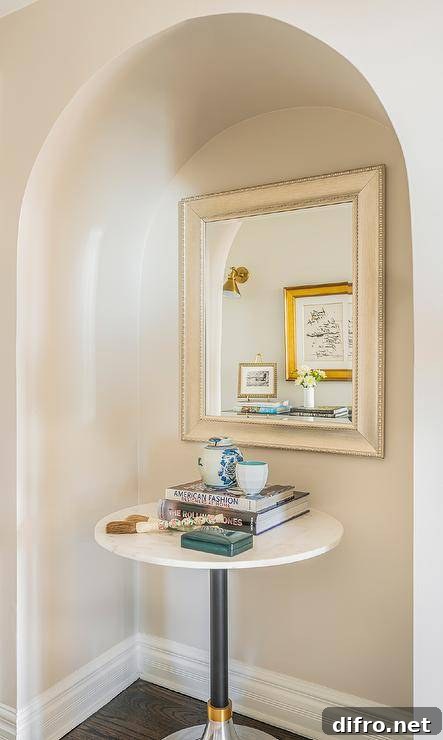
Choose a mirror frame that complements your decor—sleek and modern or ornate and vintage—to create a cohesive look. Position it above a console or bench to anchor the vignette and increase both usefulness and aesthetic appeal.
Create a Focal Point with Art or Décor
Using art or a statement decorative piece helps establish a distinct entry zone. A large painting, a curated gallery wall, or a sculptural object can create a strong focal point that signals arrival and invites interest.
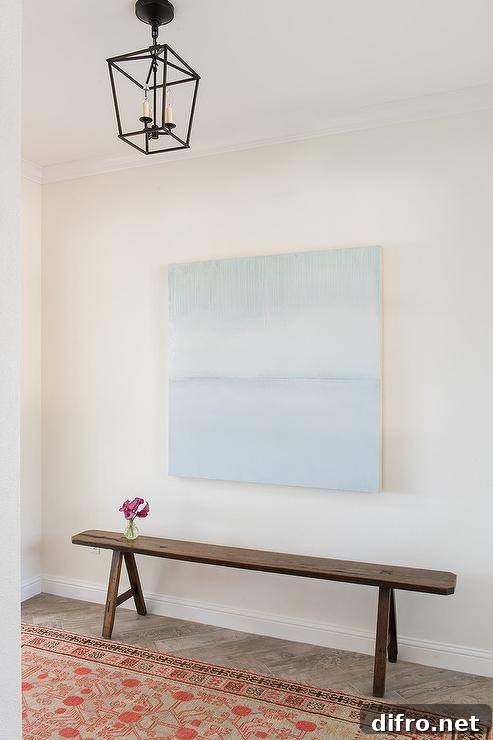
Choose artwork or décor that reflects your taste and the home’s overall aesthetic. These touches make the entry feel curated and purposeful rather than an afterthought.
Use Lighting to Enhance the Space
Lighting plays a major role in how an entryway feels. Combine overhead lighting, like a pendant or small chandelier, with task and accent lights—wall sconces or a table lamp—to create a warm, welcoming atmosphere.
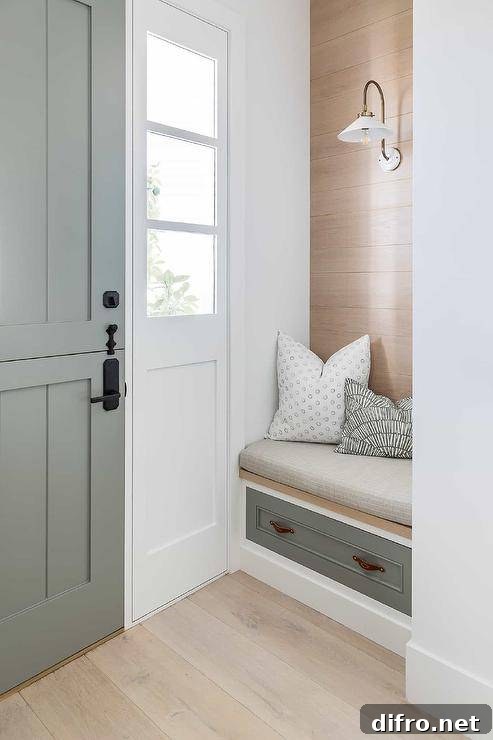
Warm, soft lighting feels most inviting; avoid harsh overhead fixtures that cast unflattering shadows. Thoughtful lighting establishes ambiance and highlights the features that define your entryway.
Personalize with Plants and Textiles
Plants and textiles add life and comfort to an entryway. A couple of potted plants or a small indoor tree can bring freshness and visual appeal, while textiles—cushions, a runner, or a throw—introduce warmth and texture.
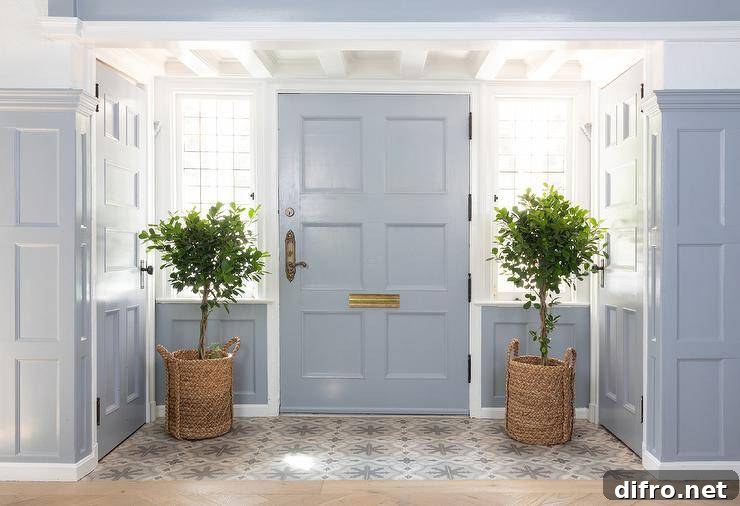
Choose plants suited to the light in your entry and place them in attractive planters that match your decor. Select textiles that coordinate with your color palette to create a cohesive, inviting vignette.
Related Articles
- 20 Creative Entryway Rug Ideas for a Stunning Entrance
- Seasonal Entryway Decor Ideas
- 20 Narrow Entryway Ideas To Optimize Space
With these strategies—rugs to define the zone, furniture to anchor it, hooks and shelves for function, a mirror to add light, art to create a focal point, layered lighting, and plants and textiles for personality—you can create a stylish, purposeful entryway in any home. Thoughtful planning and small, deliberate design choices transform an undefined area into a welcoming entrance that sets a positive tone for your entire home.
Subscribe to interior design newsletters or follow trusted design resources to keep discovering fresh ideas, trends, and tips that will help you refine your entryway and the rest of your home.