Furniture trends shift over time, and some pieces that once felt fresh can make a home look dated if they remain unchanged for years. We grow accustomed to what we own, so it’s easy to overlook elements that silently drag down a room’s style. Below are common outdated furniture trends and practical, stylish ways to refresh your home without a full renovation.
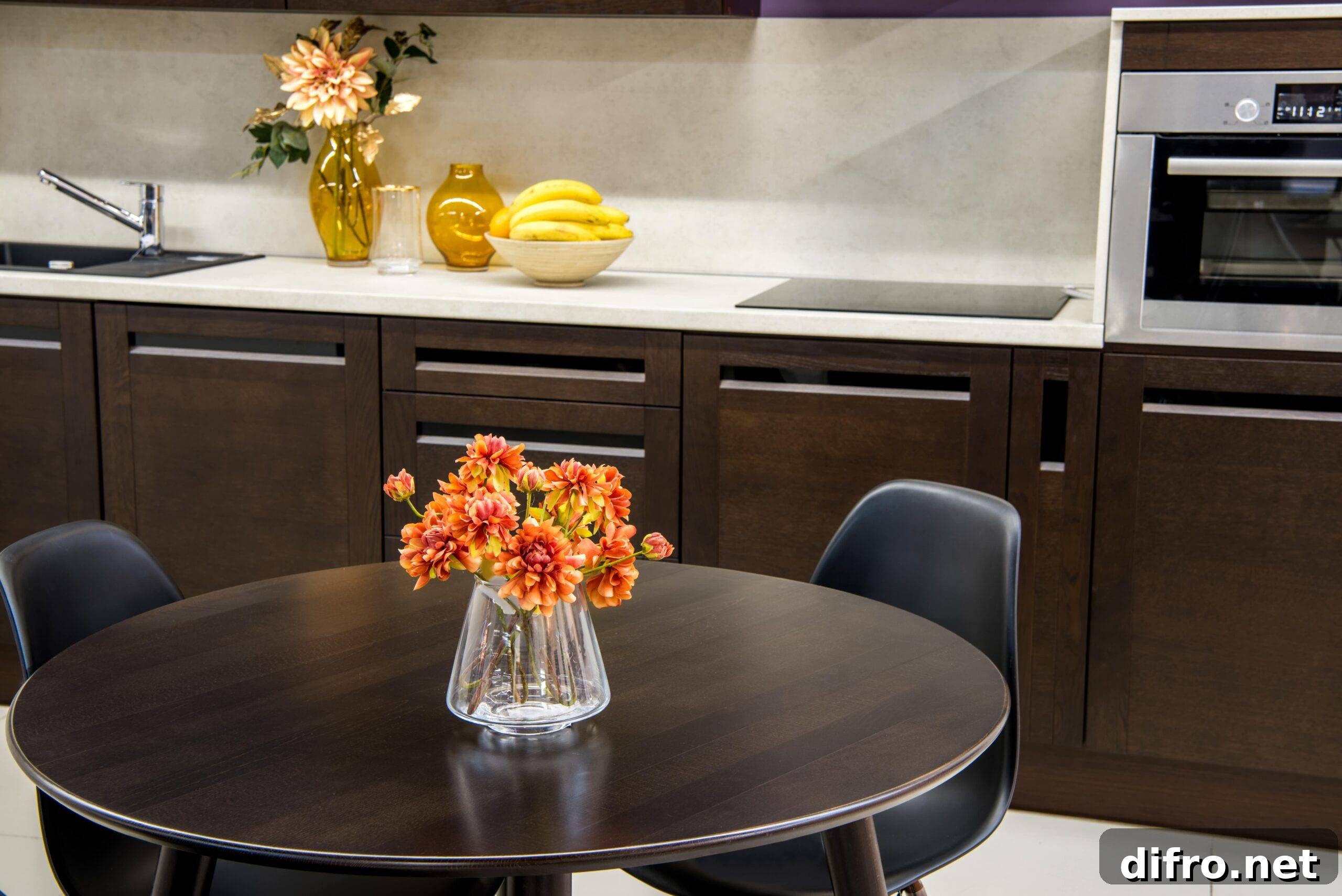
Heavy, Dark Wood Furniture
Dark wood was long associated with formality and permanence, but when overused it can visually weigh down a room and make smaller spaces feel cramped. If you love wood’s durability and character, opt for lighter wood tones such as oak, ash, or maple, or introduce a mix of finishes to create contrast. You can also lighten the overall feel by pairing a single dark piece with brighter furnishings, pale walls, and reflective accents like glass or metal. Refinish or repaint a bulky dark item with a softer stain or a neutral paint to retain the shape you like while updating its presence in the room.
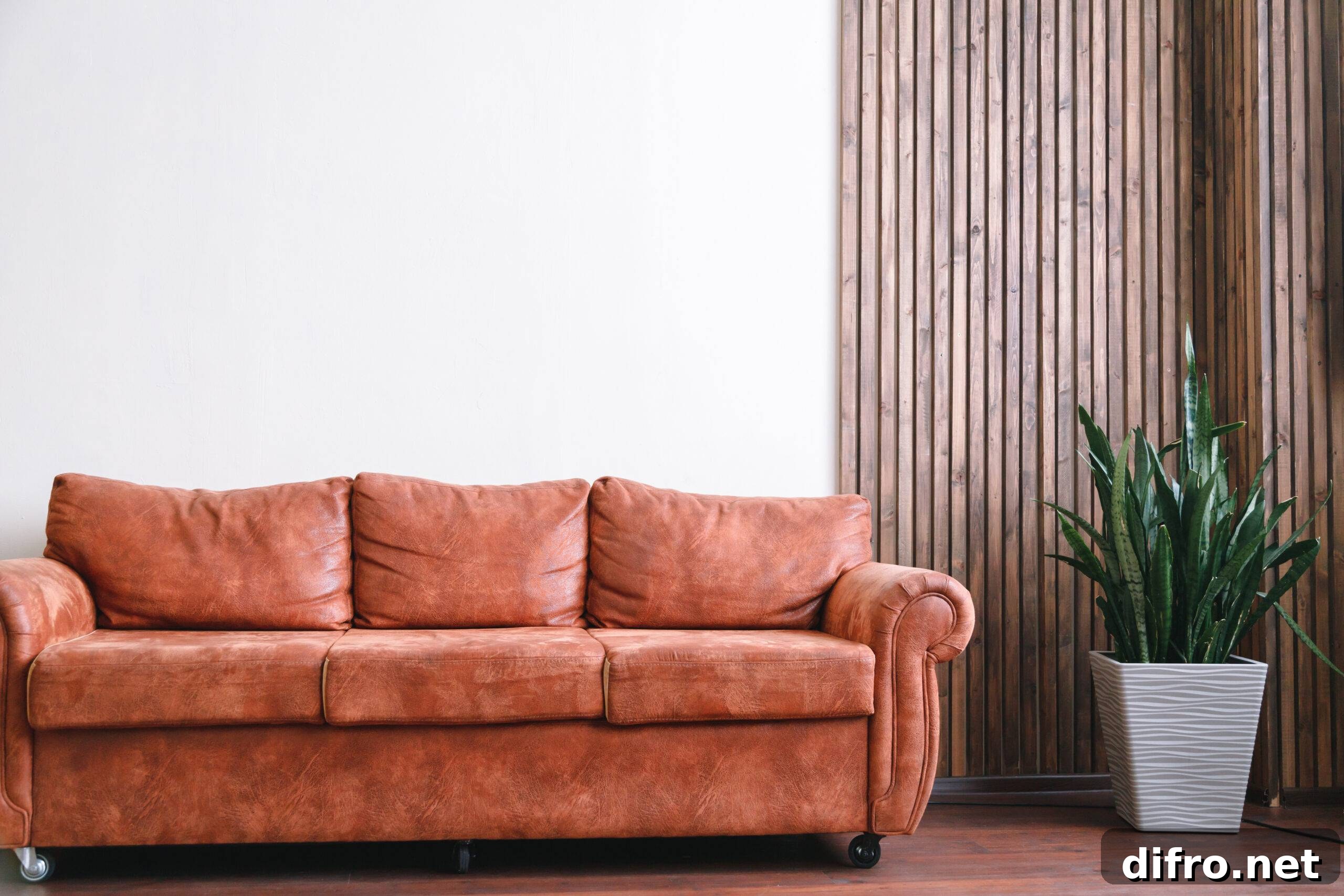
Faux Leather
Faux leather once served as an economical alternative to genuine leather, but it often lacks the longevity, texture, and patina that real leather develops. Faux materials can peel, crack, and show wear unevenly, which undermines a room’s perceived quality. When possible, choose genuine leather or high-quality natural fabrics—cotton, linen, or wool are excellent options that soften and age gracefully. If budget or ethics prevent buying real leather, look for premium vegan leathers or durable textile alternatives with textured weaves that emulate depth without appearing artificial.
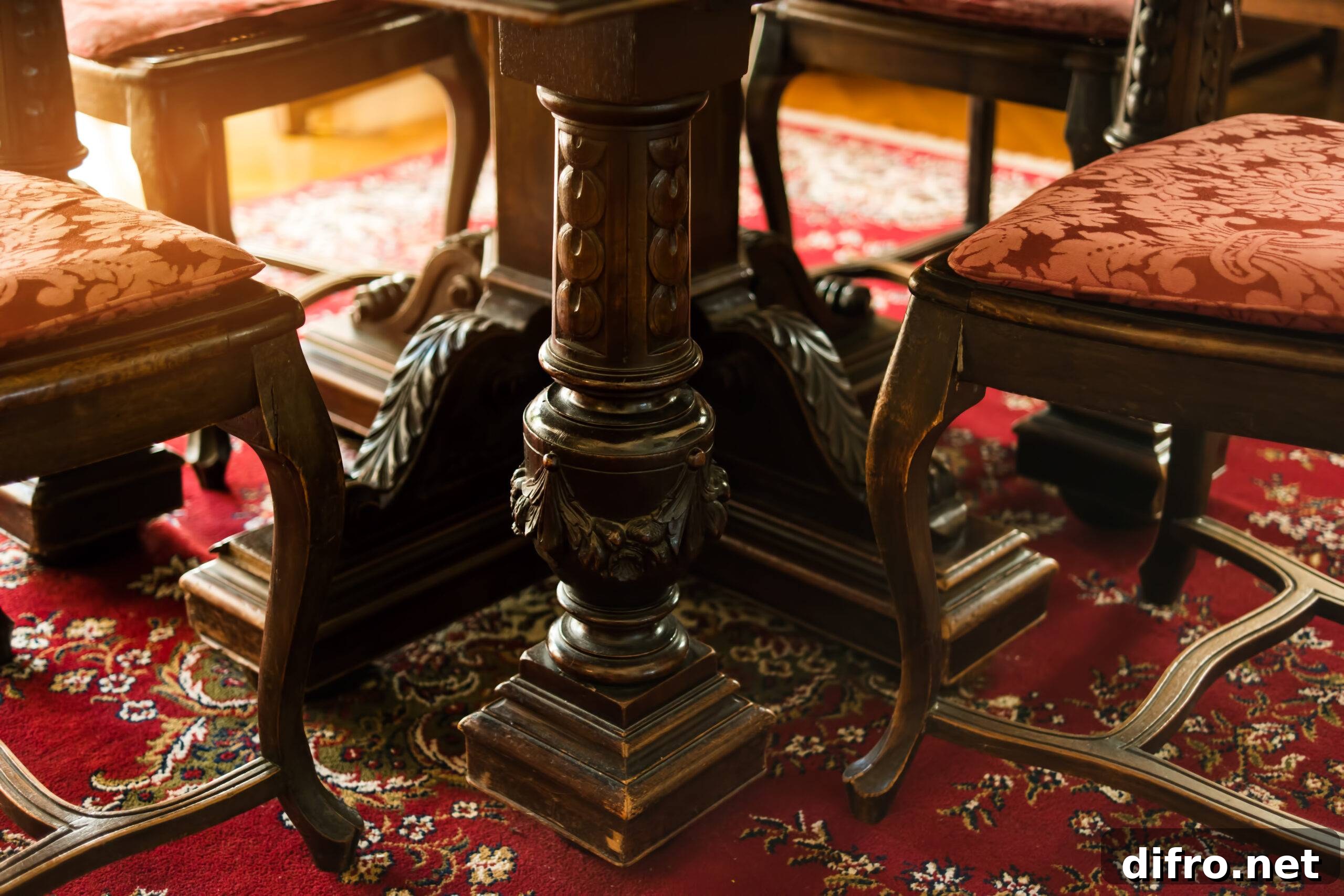
Overly Ornate Details
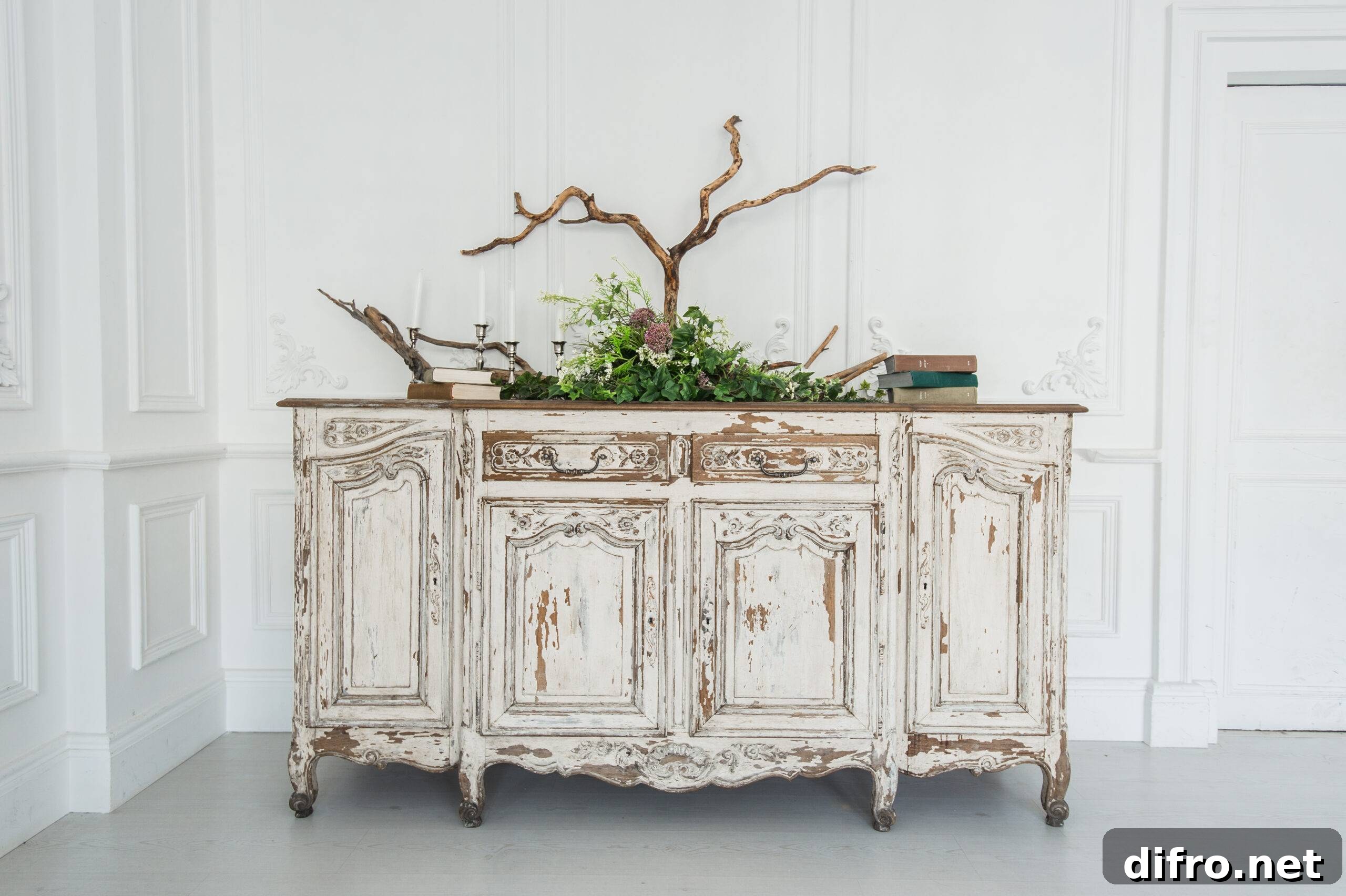
Ornate, heavily carved furniture can be beautiful, but too many intricate pieces in one room make the space feel busy and hard to settle in. Balance is the key: let ornate items be focal points by surrounding them with clean-lined, minimalist pieces. For example, place a detailed antique side table beside a streamlined sofa, or mix a decorative mirror with simple shelving. This contrast highlights craftsmanship without overwhelming the eye. If an entire room leans ornate, consider simplifying textiles, trimming accessories, and allowing more negative space so the details can breathe.
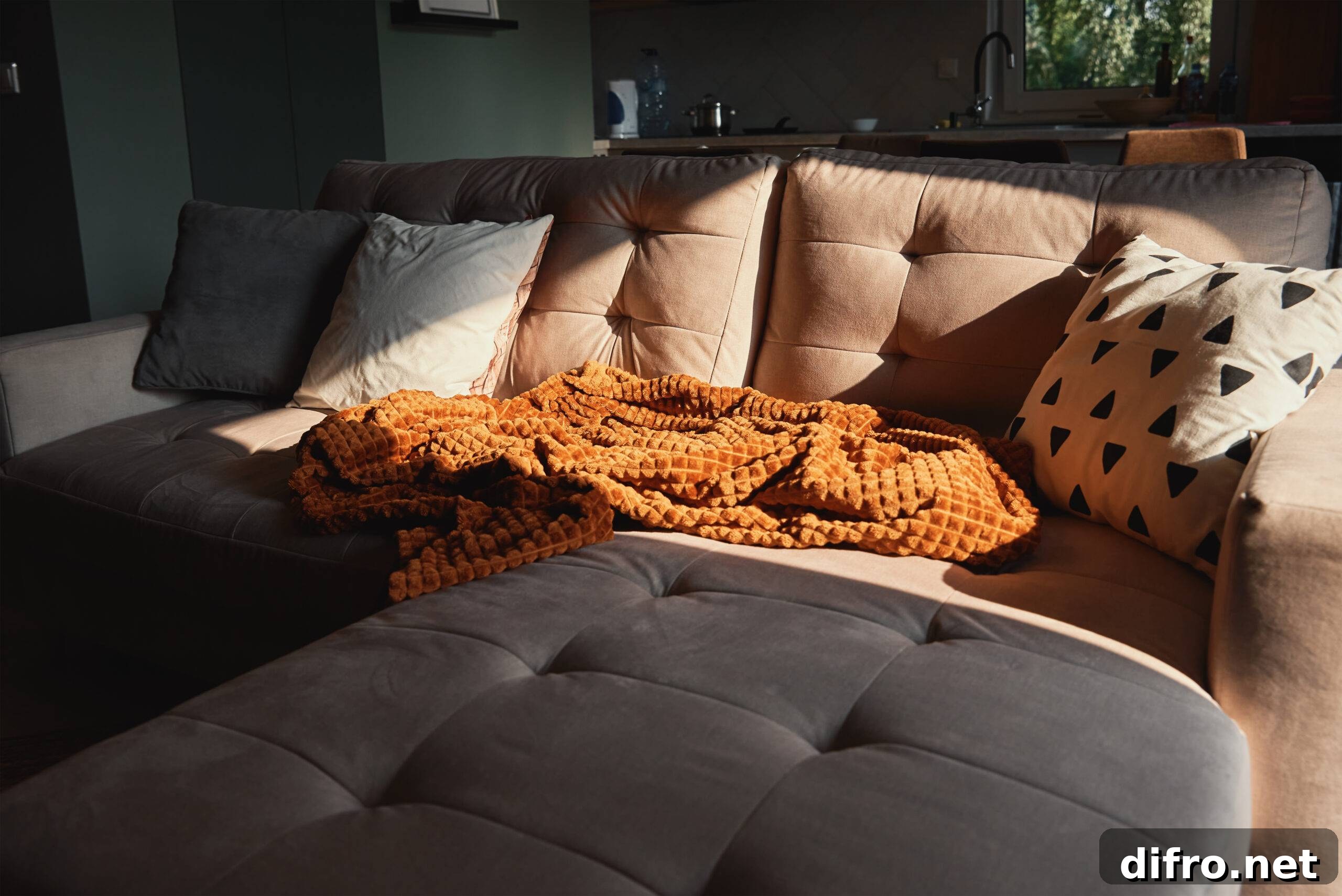
Overstuffed Sofas and Chairs
Big, overstuffed sofas were once prized for comfort, but their bulk can dominate a room and make even a tidy space feel crowded. Today’s interiors trend toward more tailored silhouettes that combine comfort with proportion. Look for sofas and chairs with sleeker frames, lower profiles, or exposed legs to create visual space beneath and around seating. Consider custom cushions or slipcovers to update an existing piece, or strategically remove bulky armrests where possible. Choose seating that supports your lifestyle without swallowing the room.
Fake Vintage Items
Mass-produced pieces that mimic vintage styles can feel insincere and lack the character of true antiques. Rather than filling a room with imitation items, aim to curate a few authentic vintage finds or handcrafted pieces that tell a story. Authentic vintage brings unique patina and history; if genuine antiques are out of reach, focus on well-made contemporary items with timeless lines and natural materials. Mixing a real vintage accent—like a lamp, chair, or small table—with newer furniture elevates the overall scheme and avoids a contrived look.
Updating your home doesn’t require a complete overhaul. Small, intentional changes—swapping a single piece, introducing a new fabric, or balancing textures—can refresh a room and make it feel current while still reflecting your personal taste. Focus on proportion, material quality, and contrast: these will help you move away from dated trends and toward a home that feels both comfortable and contemporary.