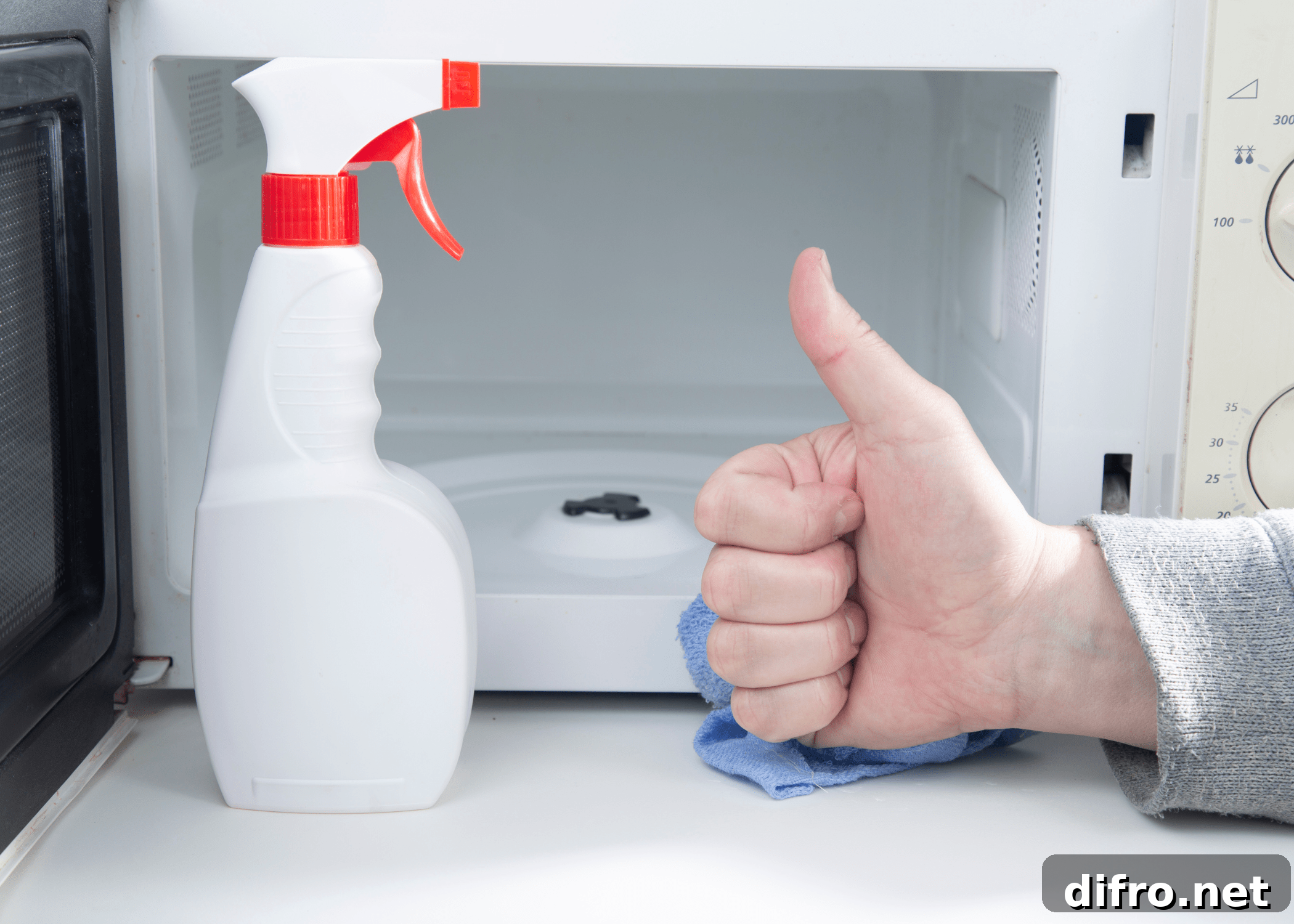
Microwaves are essential kitchen appliances that help us heat meals and prepare snacks quickly. Left unchecked, however, they can collect food splatters, grease, and lingering odors that affect performance and hygiene. Keeping your microwave clean doesn’t have to be difficult. With a simple, repeatable method and a few preventative habits, you can keep the interior fresh, protect the electronics, and reduce the time spent on heavy cleaning.
Below we explain the benefits of a clean microwave, outline an easy steam-cleaning method, and offer practical tips for preventing messes and tackling stubborn stains. Follow these steps to keep your microwave performing well and looking its best.
The Benefits of a Clean Microwave
Maintaining a clean microwave delivers more than just a neat appearance. Clean interiors heat food more evenly because dried-on residue can absorb microwave energy and cause hotspots or uneven cooking. A spotless appliance also prevents unpleasant odors from transferring to freshly heated food: trapped crumbs and spills are often the source of lingering smells that reduce meal enjoyment.
Regular cleaning protects the microwave’s surfaces from stains and scratches that build up over time. Keeping removable parts like the turntable clean prevents trapped food debris from becoming a breeding ground for bacteria. Overall, a well-cared-for microwave works more efficiently, stays hygienic, and can avoid premature wear.
The Simple Trick: Steam Cleaning
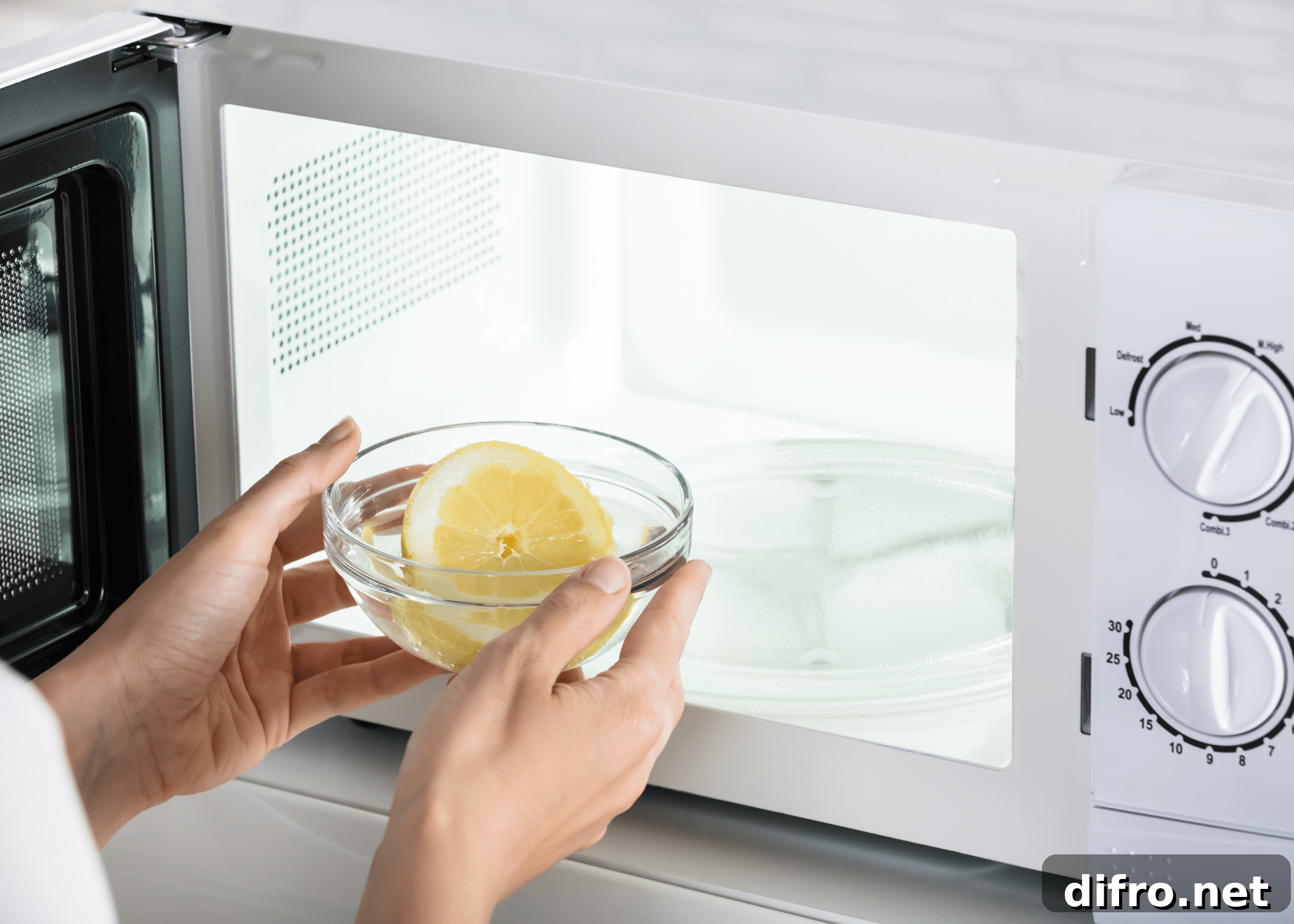
One of the easiest and most effective ways to clean a microwave is steam cleaning. Steam loosens dried-on food and grease so that it wipes away with almost no scrubbing. To use this method, fill a microwave-safe bowl with water and add a few tablespoons of white vinegar or a squeeze of lemon juice. Place the bowl inside the microwave and run it on high for about five minutes, or until the water boils and generates visible steam.
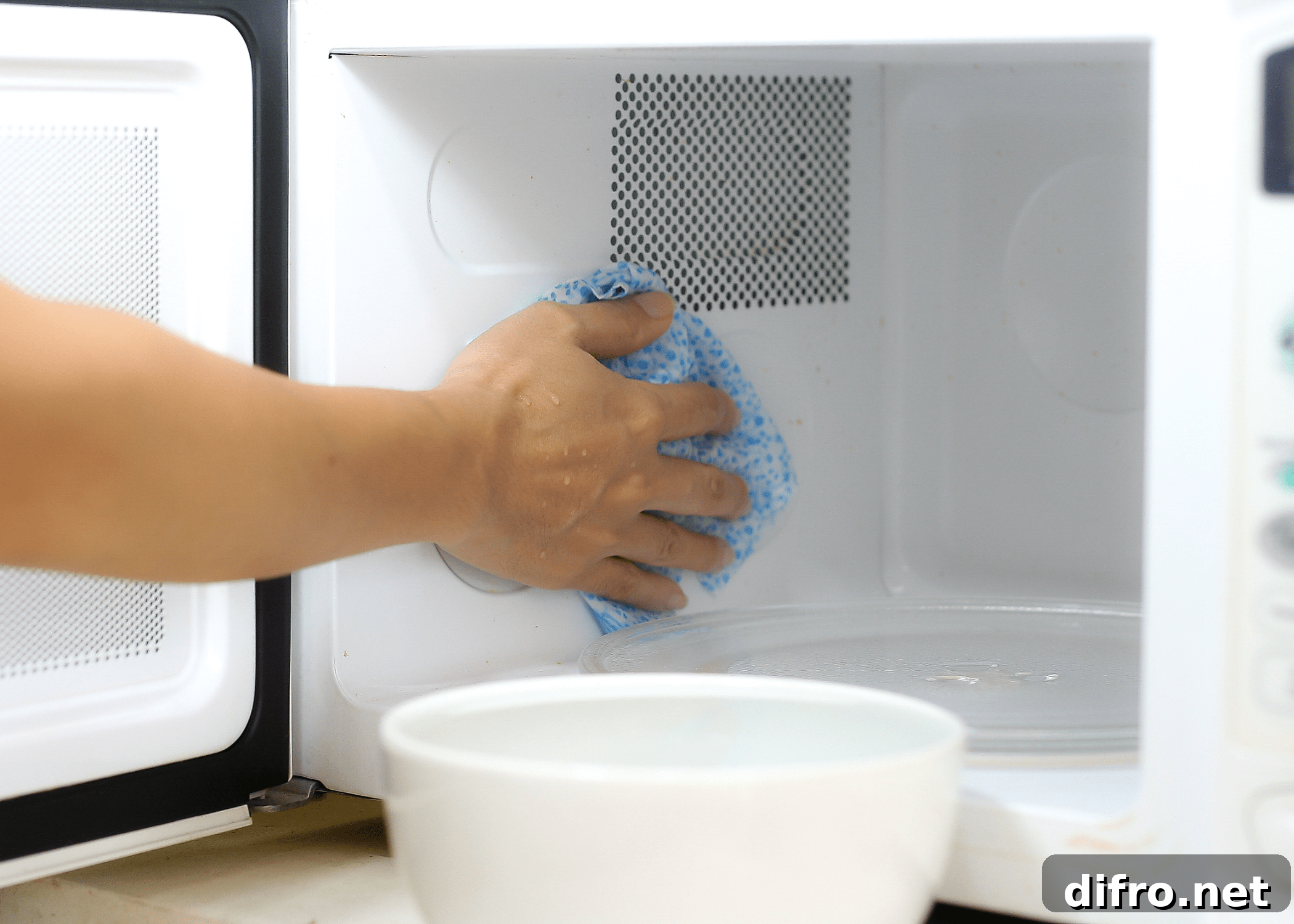
Let the bowl sit inside for a minute or two to allow the steam to continue working. Then carefully remove the bowl and wipe the interior with a soft cloth or sponge. The loosened residue should come away easily. Steam cleaning is effective, gentle on surfaces, and avoids strong chemical cleaners, making it an eco-friendly choice for routine maintenance.
Preventing Spills and Splatters
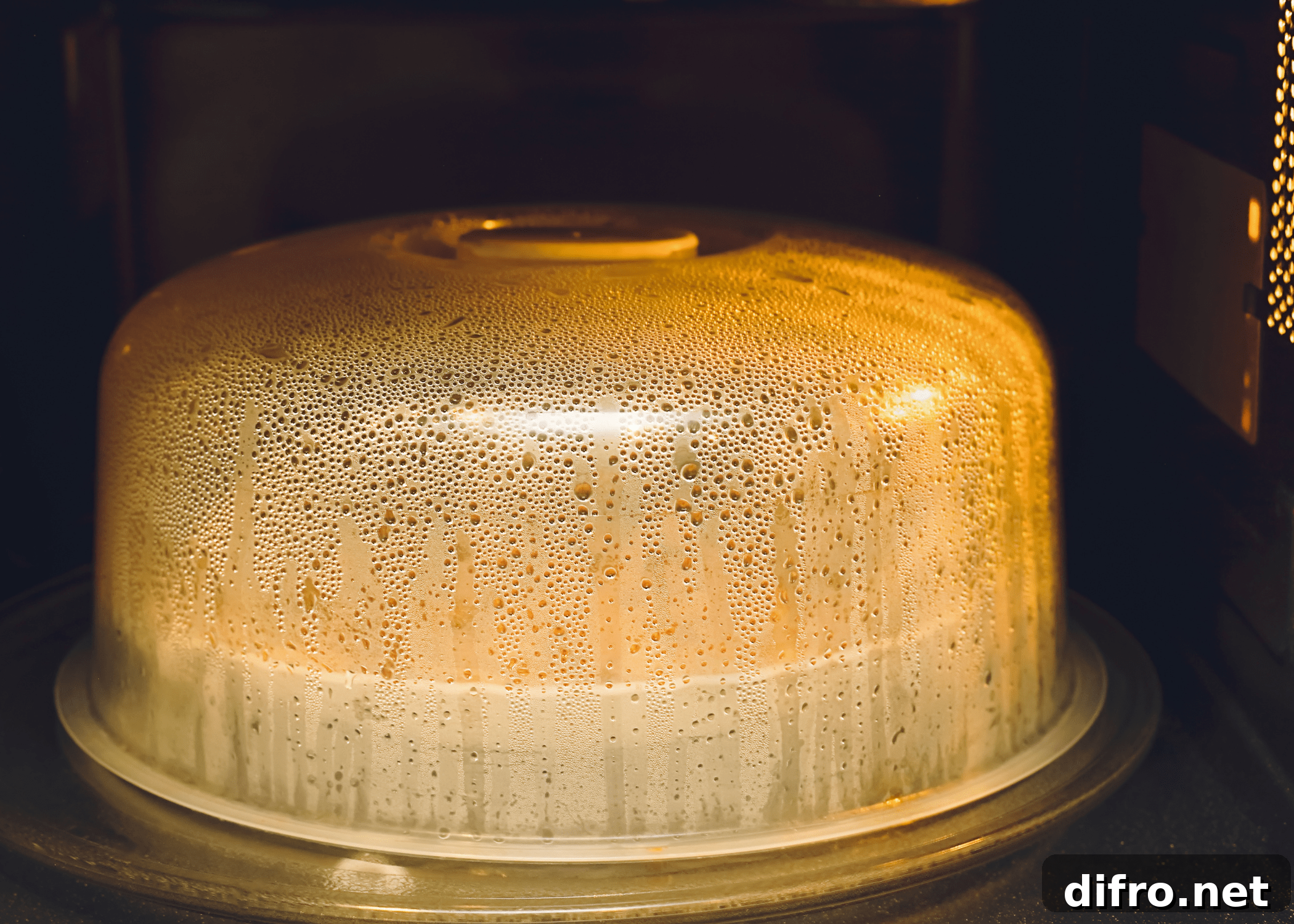
Preventing messes in the first place reduces cleaning time dramatically. Always cover dishes with a microwave-safe lid, plate, or vented cover when heating foods that splatter, such as sauces or soups. These covers trap splatter and keep the interior walls and ceiling of the microwave cleaner.
Adjusting power settings can also help: lower power and longer cook times reduce the chance of sudden boiling and food eruptions. Stirring or rotating food halfway through cooking encourages even heating and cuts down on hotspots that cause spills. By combining covers with mindful cooking habits, you’ll avoid many common messes.
Regular Maintenance Tips
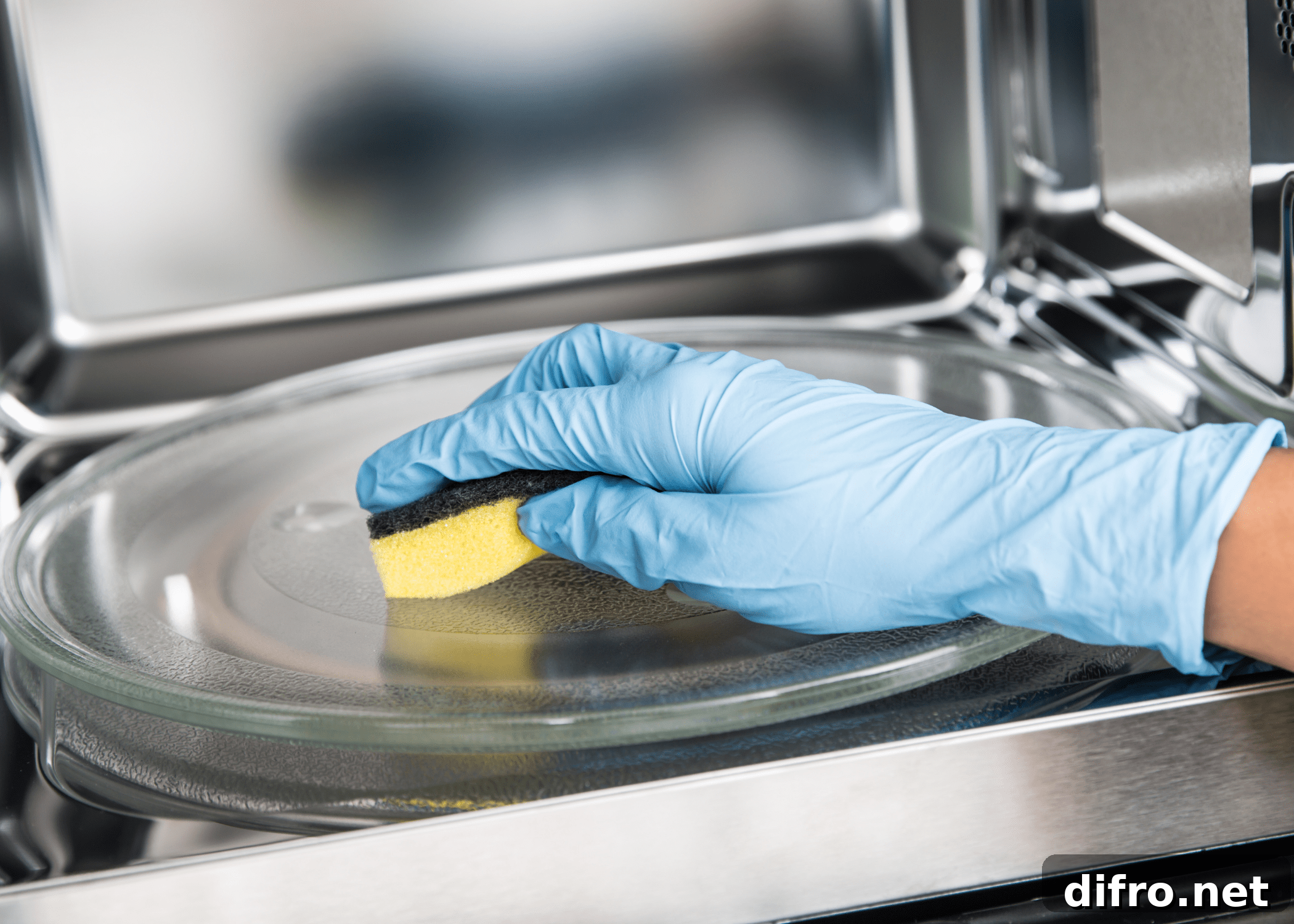
Make cleaning a quick habit to prevent buildup. Wipe the interior with a damp cloth or sponge after each use if any splatters occur. For routine deeper cleaning, steam-clean as described above, then use a mild dish soap solution or a paste of baking soda and water on stubborn spots.
Remove and wash the turntable and any removable trays regularly, since these parts trap crumbs and spills. Wipe the microwave door, control panel, and handle with a lightly damp cloth to remove fingerprints and food residue—avoid spraying liquids directly onto electronic controls. Periodic, simple maintenance keeps the appliance hygienic and working efficiently.
Dealing with Stubborn Stains
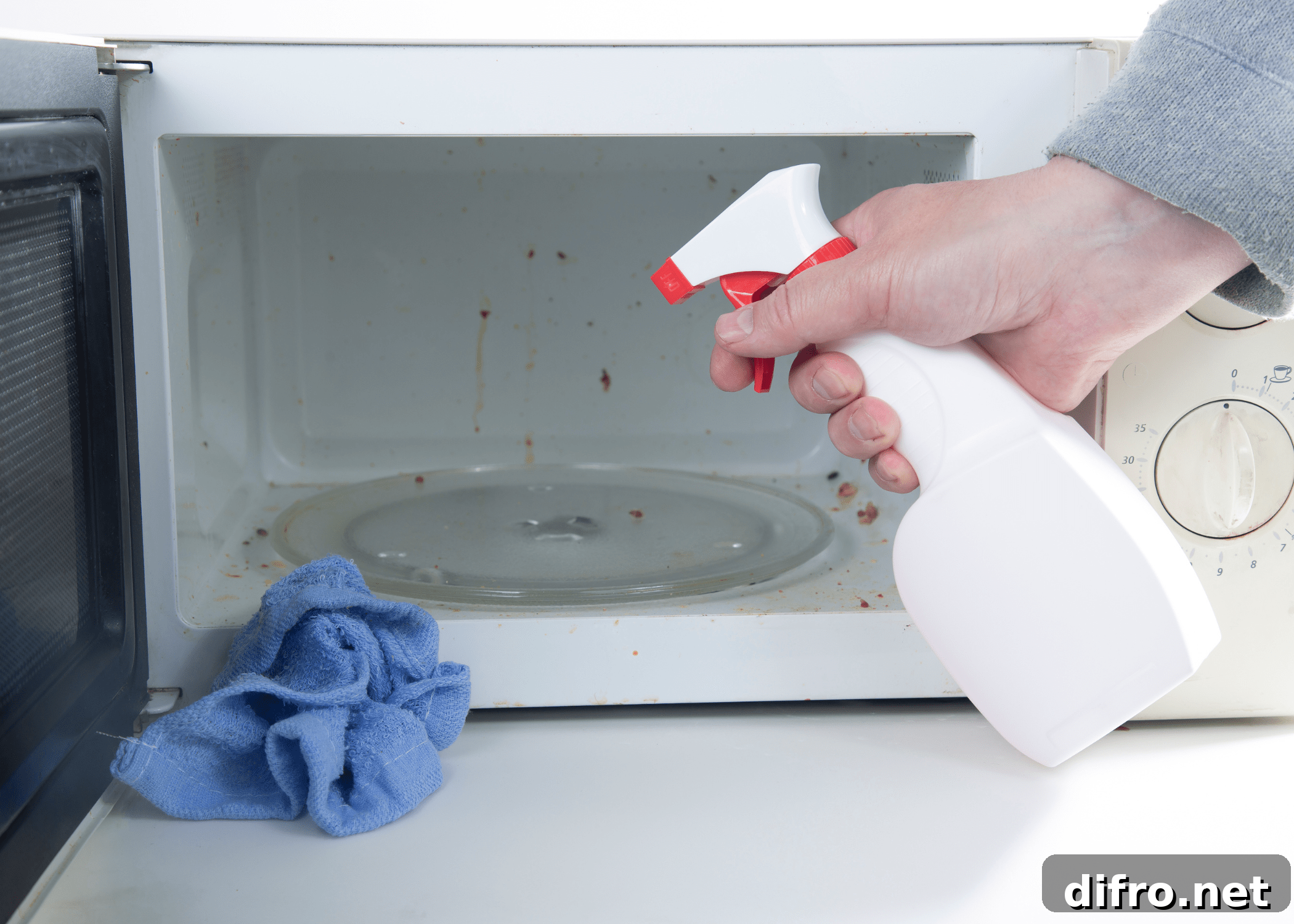
If stains persist after steam cleaning, try a targeted approach. A paste of baking soda and water applied to stained areas can lift grime—let it sit for several minutes, then scrub gently with a non-abrasive sponge. A solution of equal parts vinegar and water can also help dissolve stuck-on food and neutralize odors.
For hardened grease, use a cleaner labeled safe for microwaves and follow the product instructions carefully. After any cleaning, rinse surfaces with a damp cloth and dry thoroughly to remove residue and prevent odors from returning.
Extending the Lifespan of Your Microwave
Regular cleaning protects both the appearance and performance of your microwave. Removing food debris and grease prevents damage to interior surfaces and helps the unit run efficiently. Routine checks and cleaning also make it easier to spot small issues—such as a misaligned turntable or damaged seals—before they become costly repairs.
Always follow the manufacturer’s care recommendations to avoid voiding warranties or causing damage. In addition to cleaning, avoid overloading the appliance or using it for unintended purposes. Proper care and sensible use will help your microwave last longer and provide reliable performance.
Related Articles
- How to Clean Your Oven with Lemon and Vinegar
- Effective Tips and Tricks for Cleaning Sticky Kitchen Cabinets
- How to Get Rid of Water Stains on Wood
Keeping your microwave clean pays off in better-tasting food, improved hygiene, and longer appliance life. Use steam cleaning regularly, prevent splatters with covers and sensible cooking settings, and address stains promptly with baking soda or vinegar. These simple habits make microwave maintenance quick and easy.
Want more home and kitchen tips? Subscribe to a newsletter for interior design ideas, cleaning tricks, and practical advice to refresh your space.