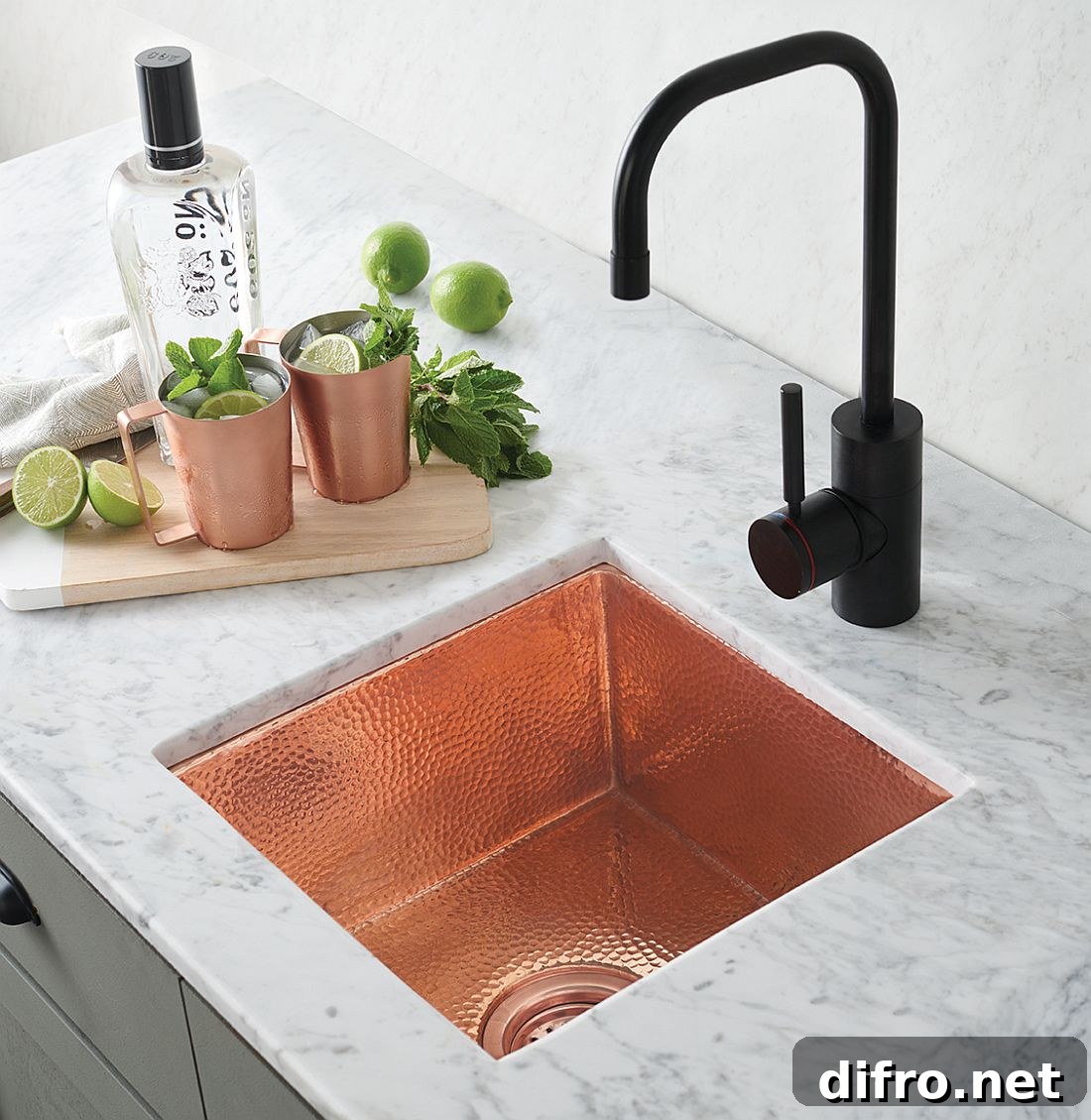
The kitchen is one of the most used and functional rooms in the home. Among its fixtures, the sink plays a key role: it supports food preparation, dishwashing, cleanup and more, and its size, position and material can affect both daily comfort and long-term durability.
Choosing the right kitchen sink involves several practical considerations. The correct decision can prevent chronic back strain, protect countertops and dishes, reduce splashing and leaks, and make kitchen tasks more efficient and pleasant.
What to consider when choosing the best style of kitchen sink
Depth of sink/bowl
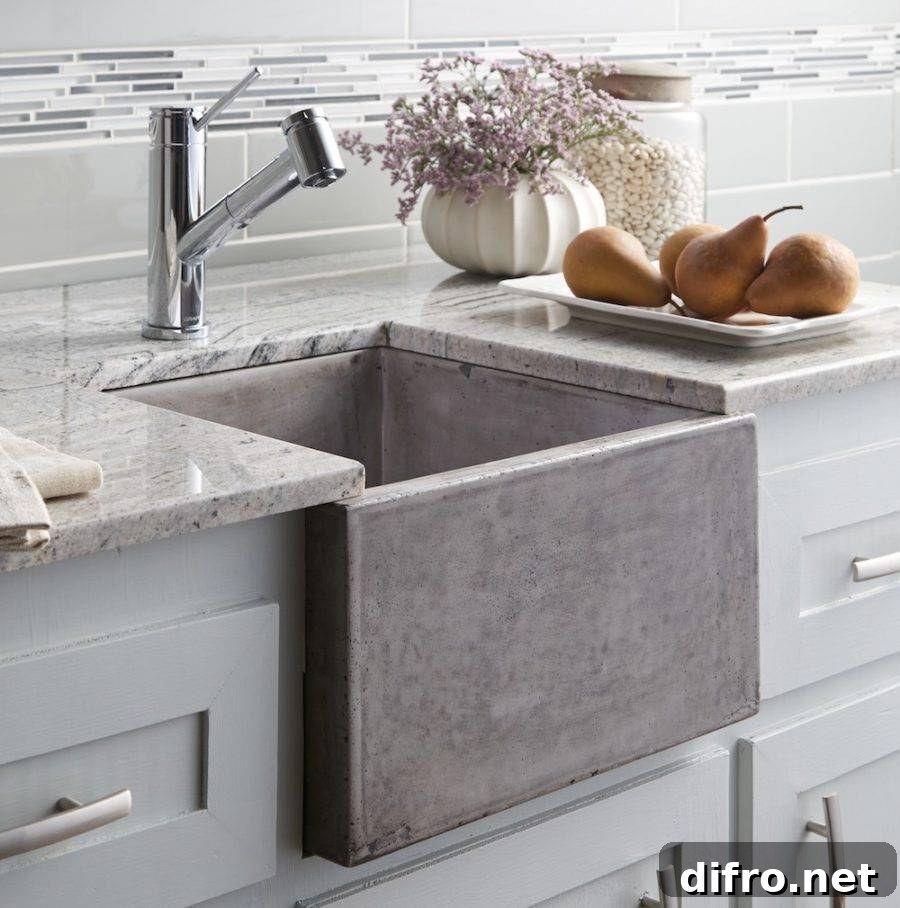
Sink bowl depth is a major ergonomic and functional choice. You can select a shallow bowl, a deep bowl, or a combination of depths (for double-bowl sinks). Consider your height, cooking habits and the types of items you wash most often.
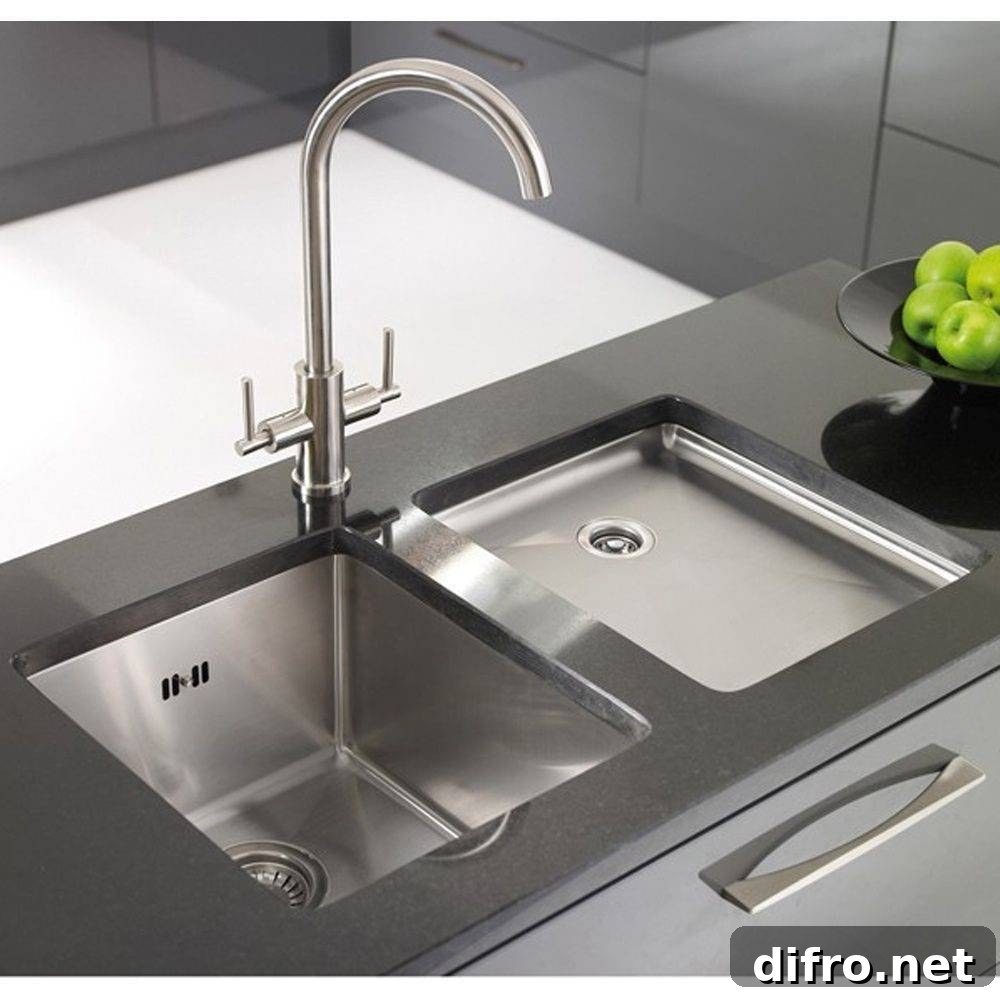
Shallow sink
Shallow sinks are often more comfortable for shorter people and for taller people who prefer not to lean forward. They can be ideal for frequent light tasks—rinsing vegetables, washing a few dishes, or installing a garbage disposal without a deep basin. If you prefer less bending or have limited under-sink space, a shallow bowl may suit you better.
Deep sink
Deep sinks provide generous capacity for large pots, pans and multiple dirty dishes, making it easier to keep counters tidy during meal prep and cleanup. If you frequently wash oversized cookware or prefer to soak items, a deeper basin will prevent water from splashing onto the countertop and give you more working room inside the sink.
Countertop height
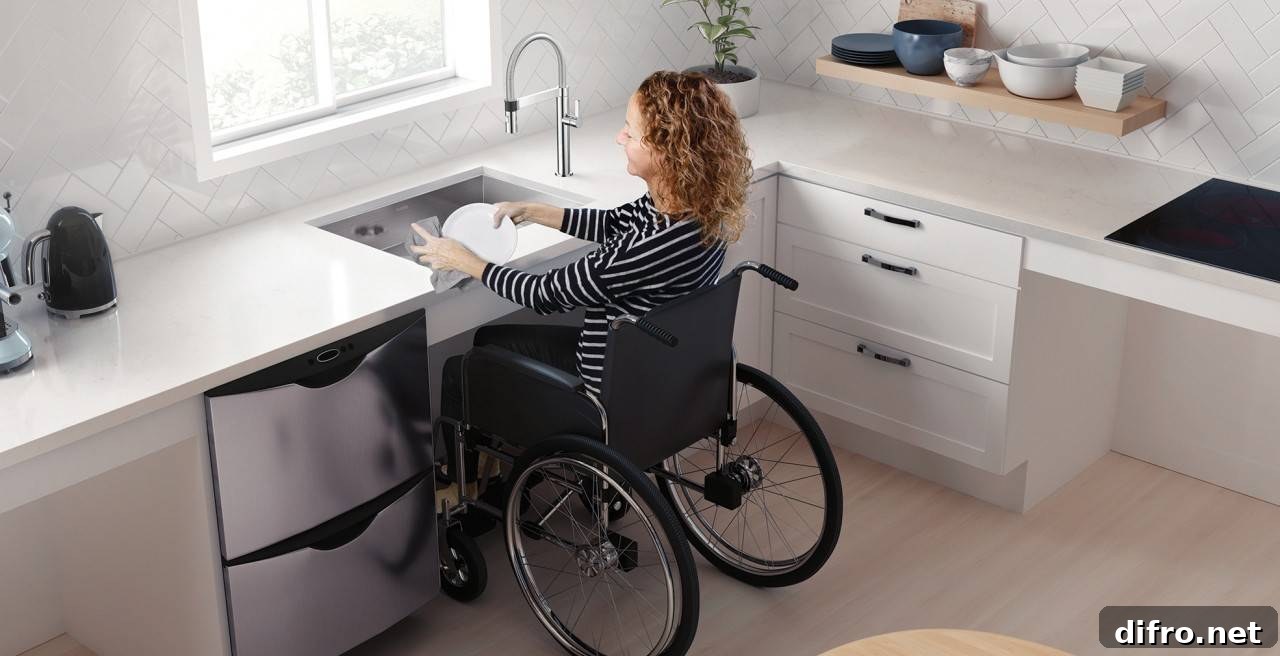
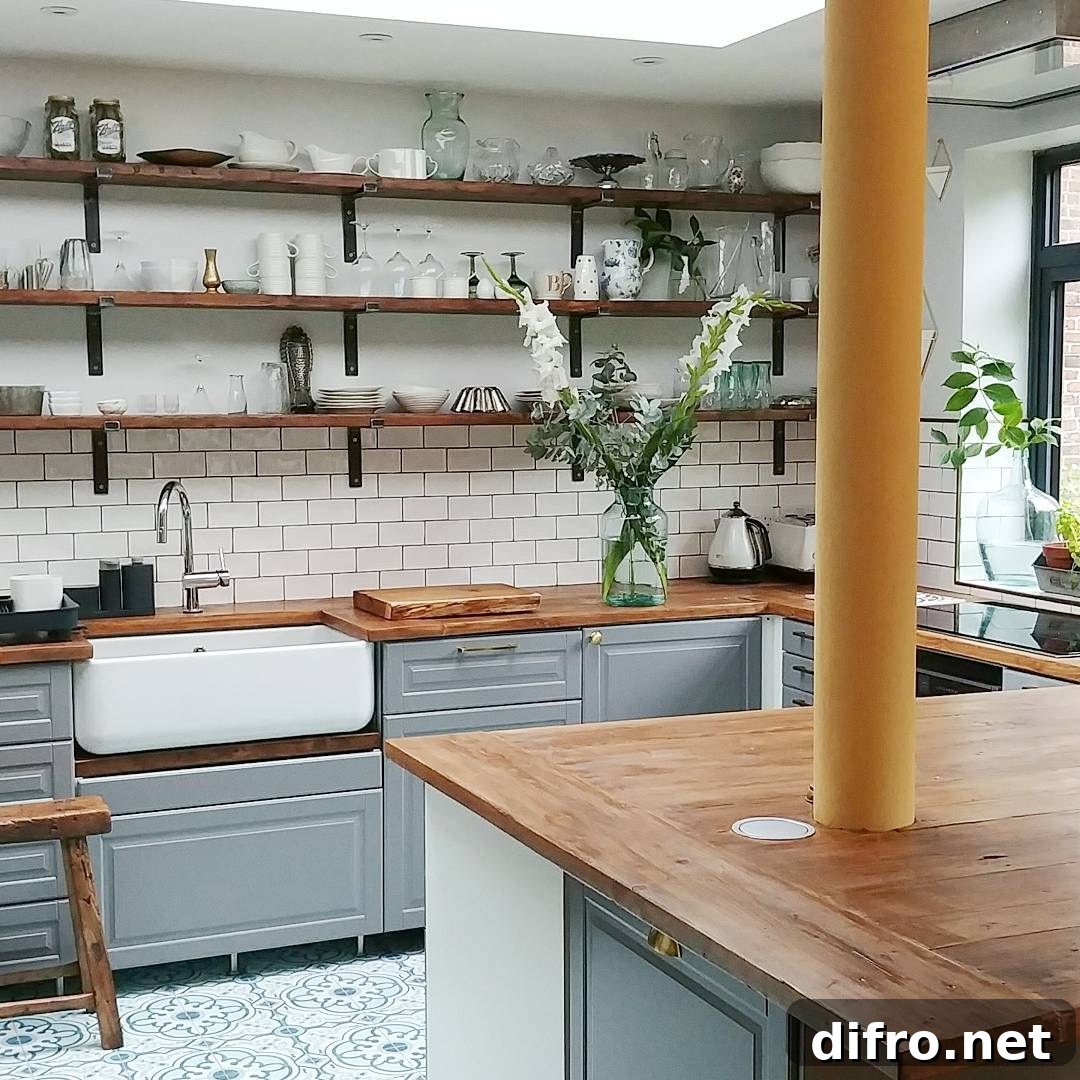
Countertop height is tightly linked to sink comfort. Standard counters work for many households, but adjusting counter height can improve ergonomics for shorter users, taller users, or people using wheelchairs. Lowering or raising the countertop changes the effective sink depth and reduces bending or stretching, so account for the primary users when planning sink height.
Sink materials
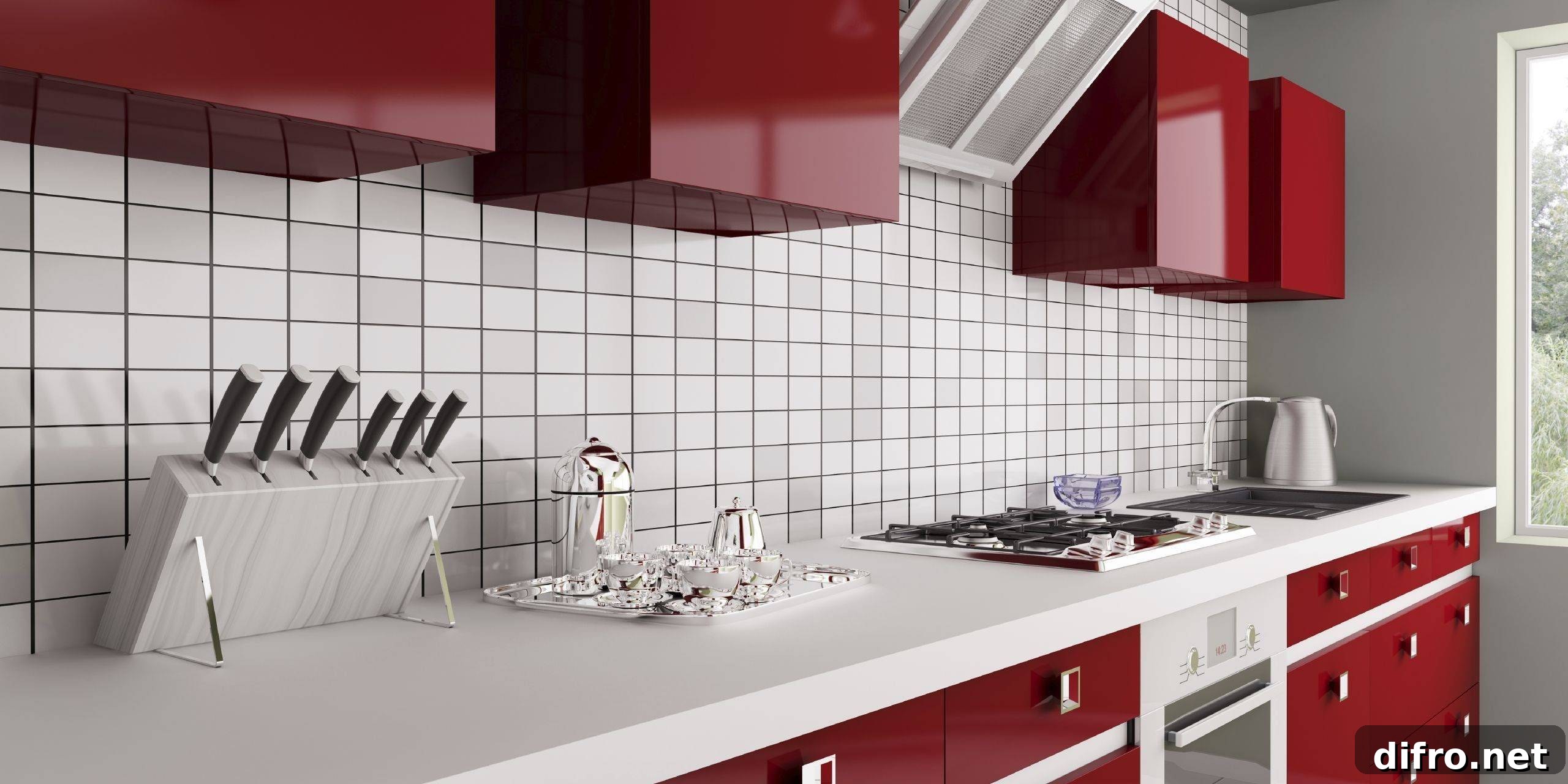
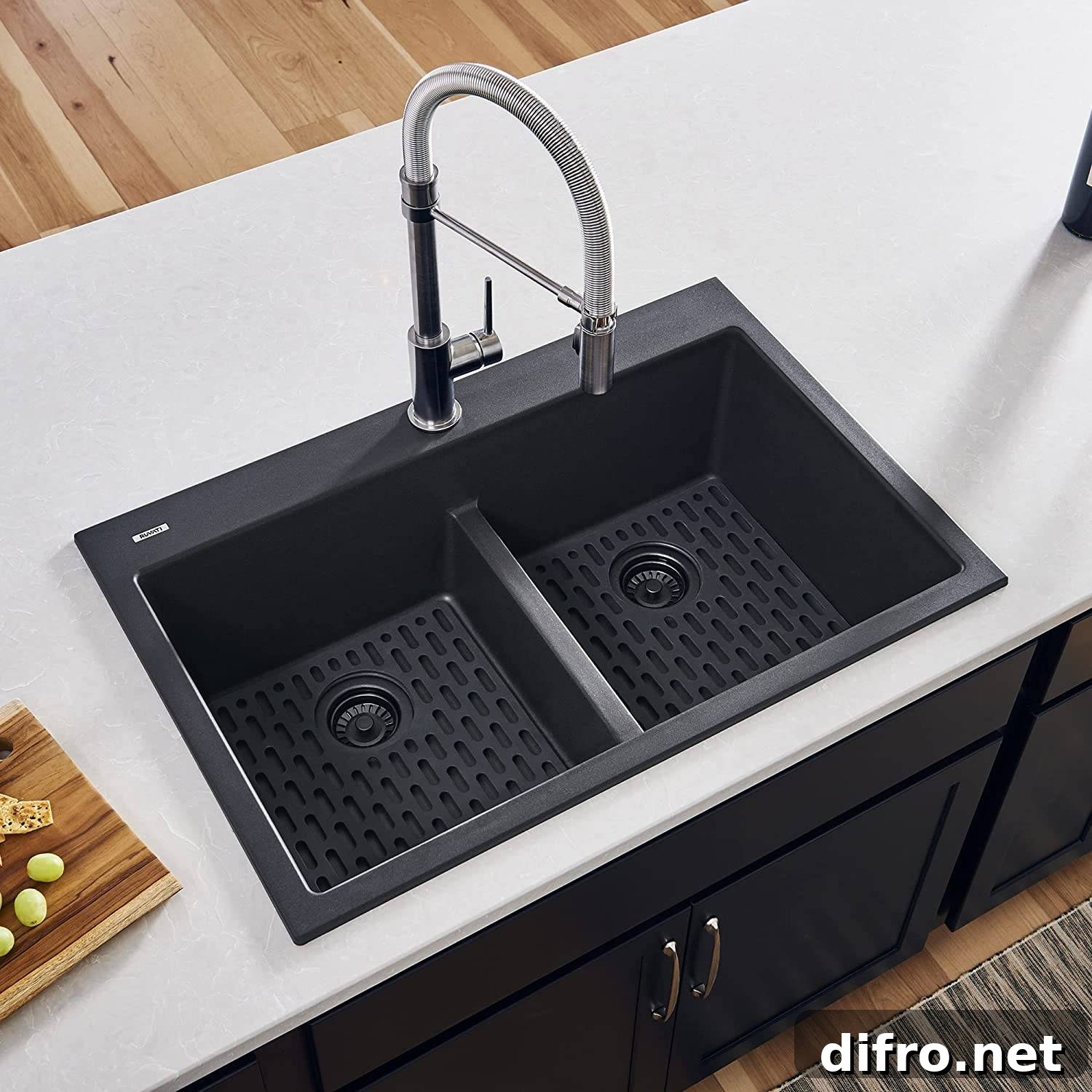
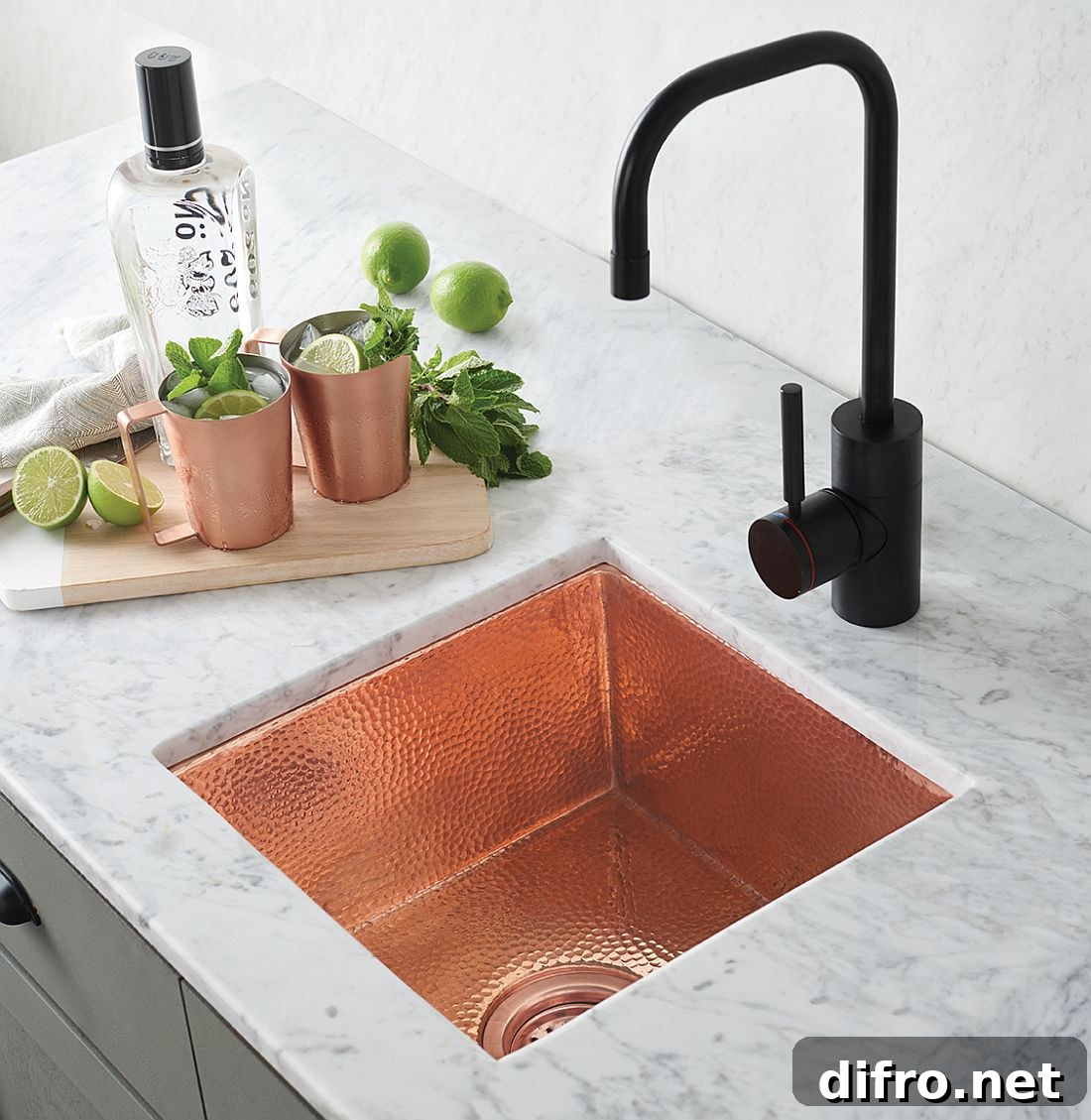
The material you choose determines the sink’s look, durability, maintenance needs and resistance to scratches, stains and heat. Aesthetics matter, but so does how the material stands up to everyday cleaning products and repeated use. Common sink materials include stainless steel, porcelain, copper, granite composite, cast iron with enamel, fireclay and native stone. Each has its own advantages for durability, maintenance and appearance, so weigh finish, sound, scratch resistance and long-term wear when deciding.
Drain placement
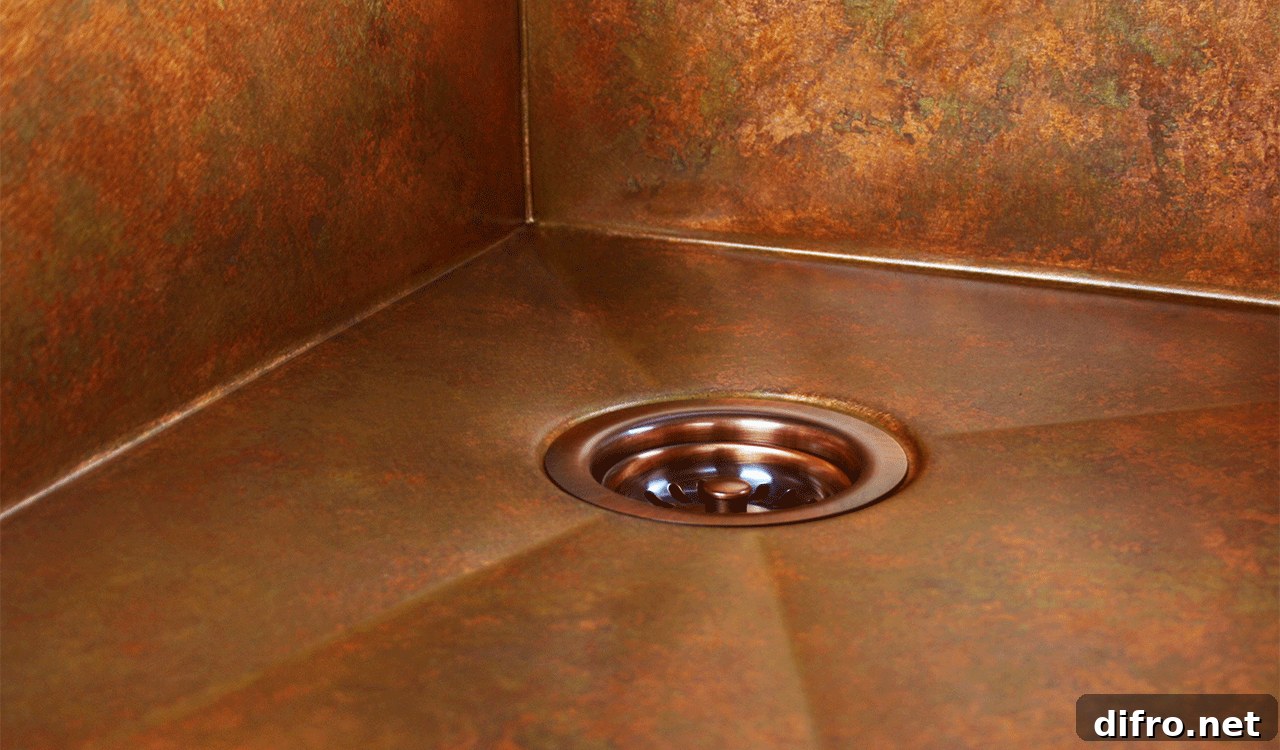
Drain placement affects under-sink storage and plumbing complexity. Typical options include centered drains, off-center drains and rear drains. A centered drain can be simpler for double-bowl sinks, while an offset or rear drain can free up cabinet space beneath the sink for plumbing or storage. Consider your existing plumbing location and whether you want to relocate piping, as moving drains can increase installation cost and effort.
Sink installation
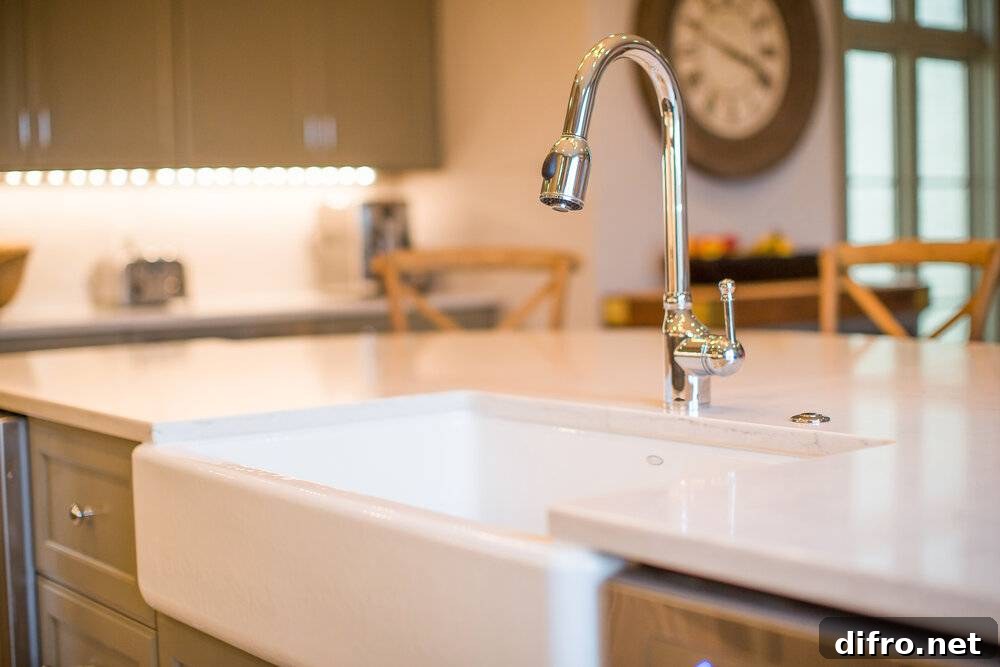
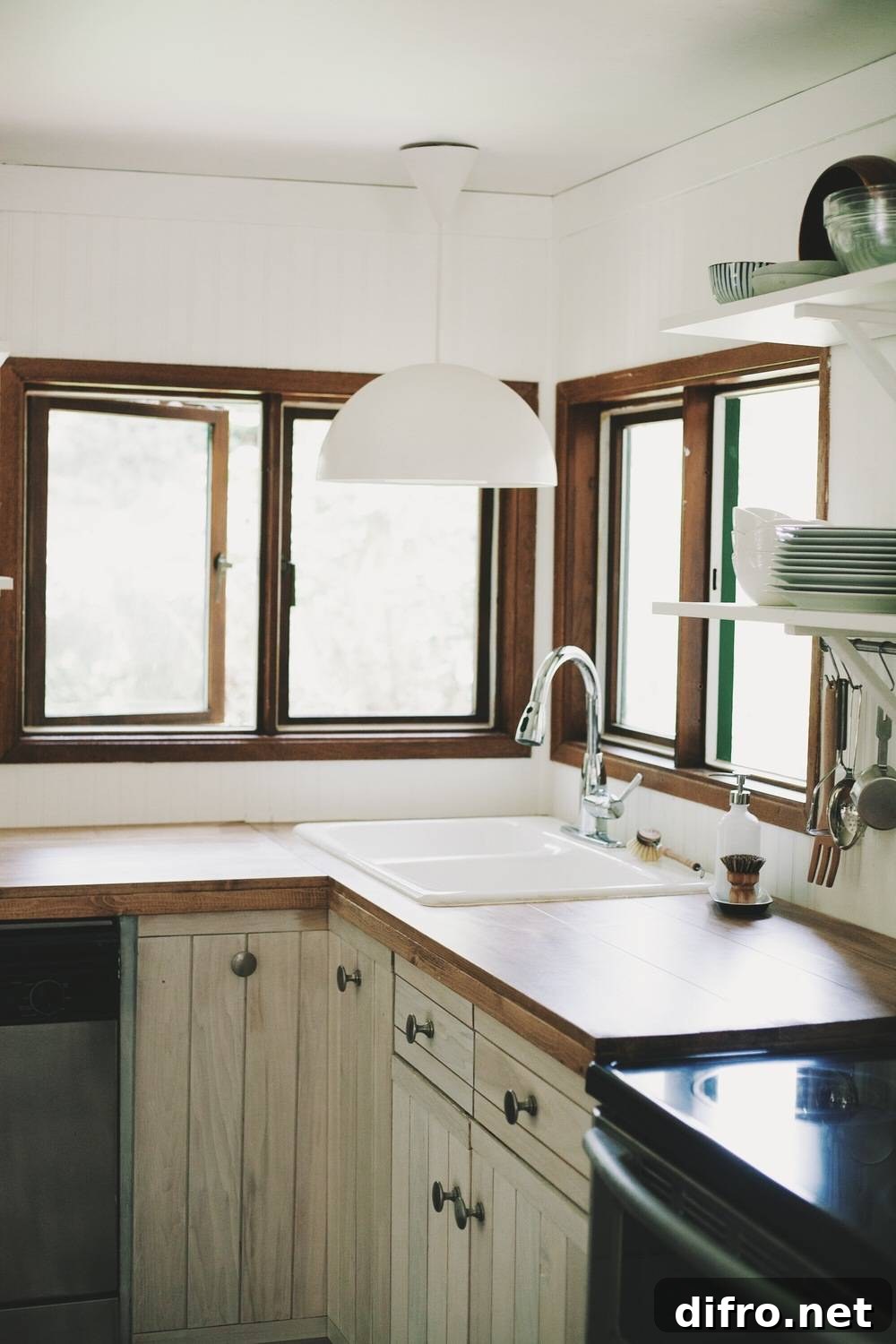
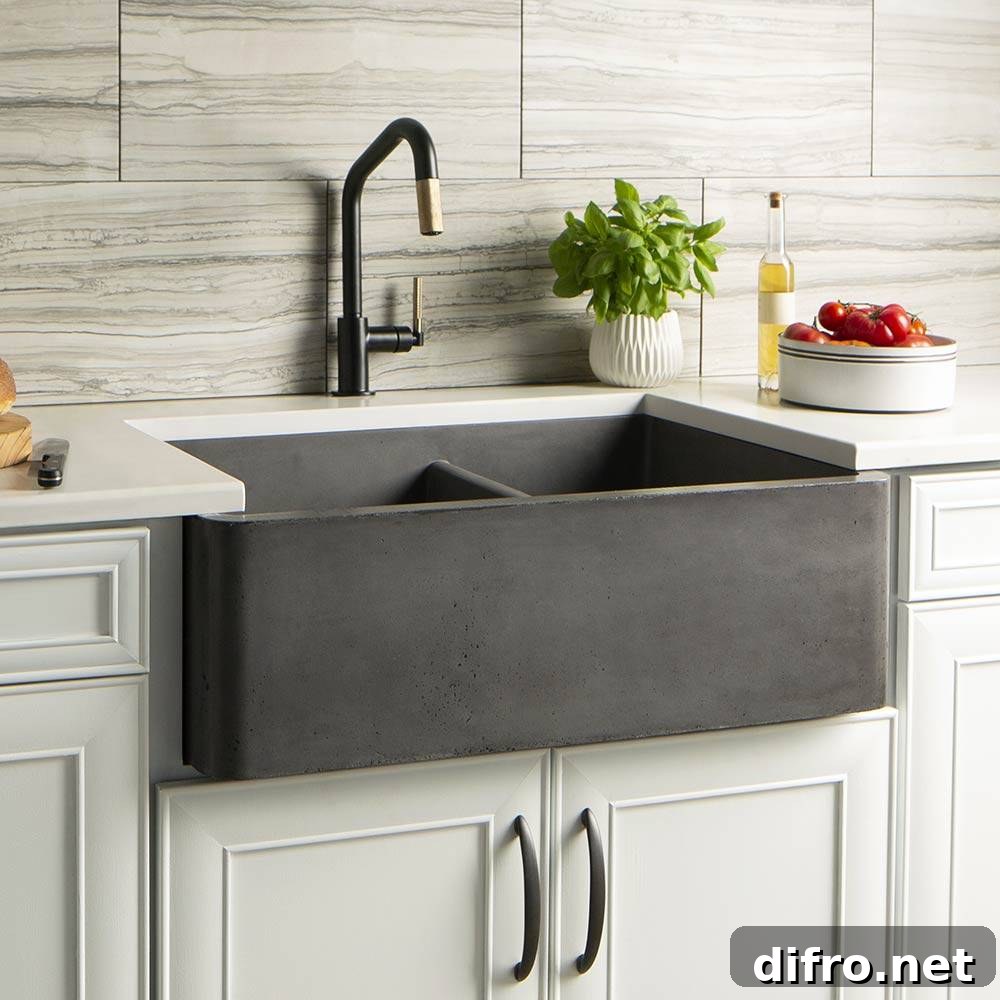
The installation style determines the sink’s final look and how it integrates with the countertop. Common mounting options include drop-in (topmount), undermount, integrated sinks, farmhouse/apron-front, flush-mount and bar/prep sinks. Each style has visual and practical implications: drop-in sinks are easy to install, undermount sinks create a seamless look, farmhouse sinks make a bold statement and integrated sinks offer a cohesive surface. Choose the installation type that matches your countertop material, kitchen design and maintenance preferences.
Choosing the right kitchen sink combines practical needs, personal comfort and design preference. Consider bowl depth, countertop height, material, drain placement and installation style to find a sink that makes kitchen tasks easier and complements your space. Investing time to match the sink to your household’s habits and physical needs will pay off in comfort, functionality and lasting satisfaction.