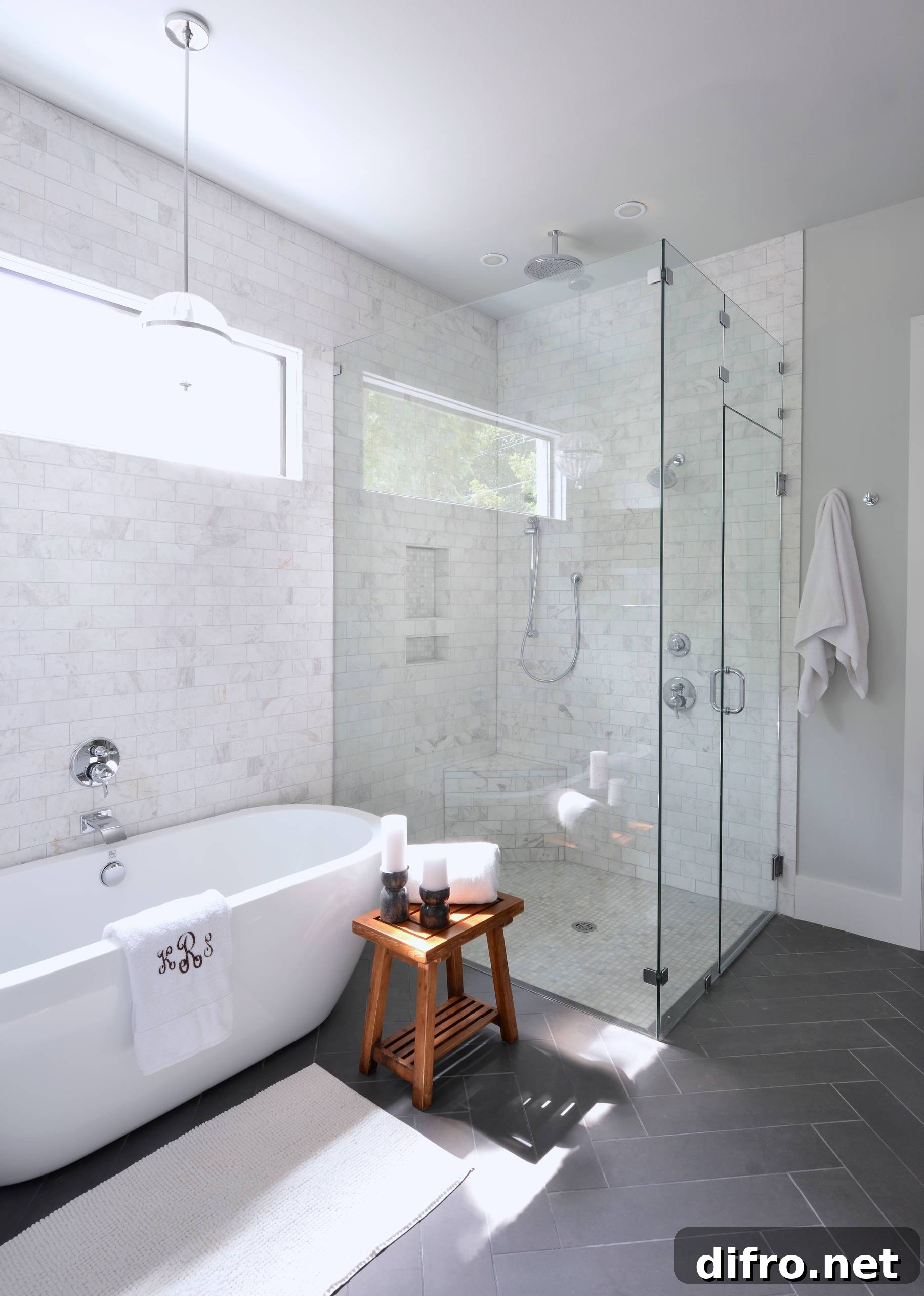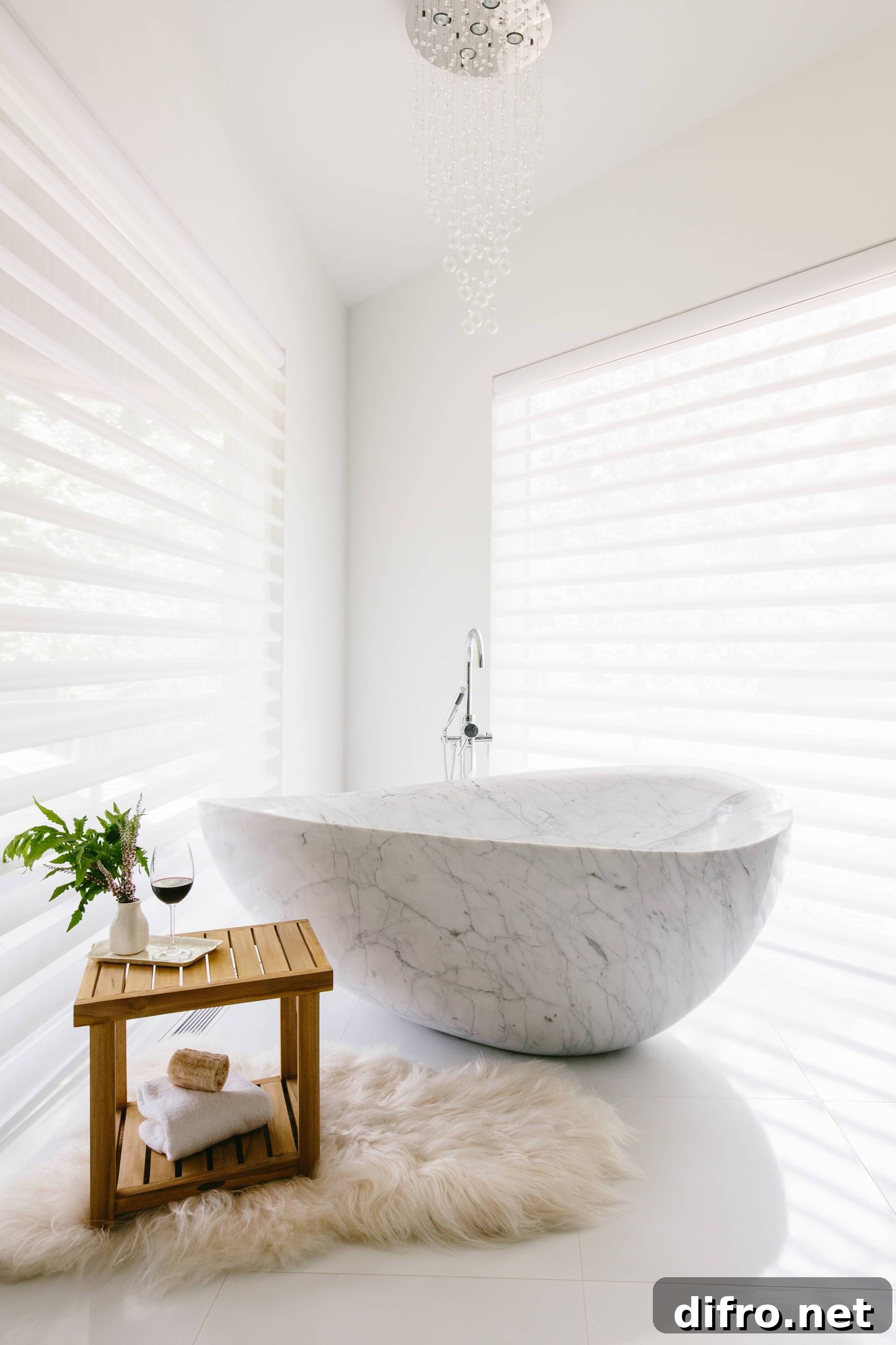
Many homeowners want a bathroom that feels like a private spa—a place to soak away stress and unwind. Freestanding bathtubs are one of the most popular features to achieve that look. If you’re considering a freestanding tub for your next bathroom renovation, this guide outlines the main benefits and drawbacks to help you decide with confidence.
Pros of a freestanding bathtub
A freestanding bathtub can instantly elevate a bathroom’s aesthetic, giving a sense of luxury and calm. They come in a wide variety of materials and shapes, so you can match a tub to traditional, contemporary, or minimalist interiors.
Statement-making design
Freestanding tubs are focal points by nature. Whether you choose a classic clawfoot tub for a vintage look, a sculptural slipper tub for a mid-century vibe, or a streamlined oval for a modern minimalist bathroom, a freestanding design signals high-end intent. Placing a tub centrally or by a large window creates an elegant composition that reads like a spa retreat.
Placement flexibility
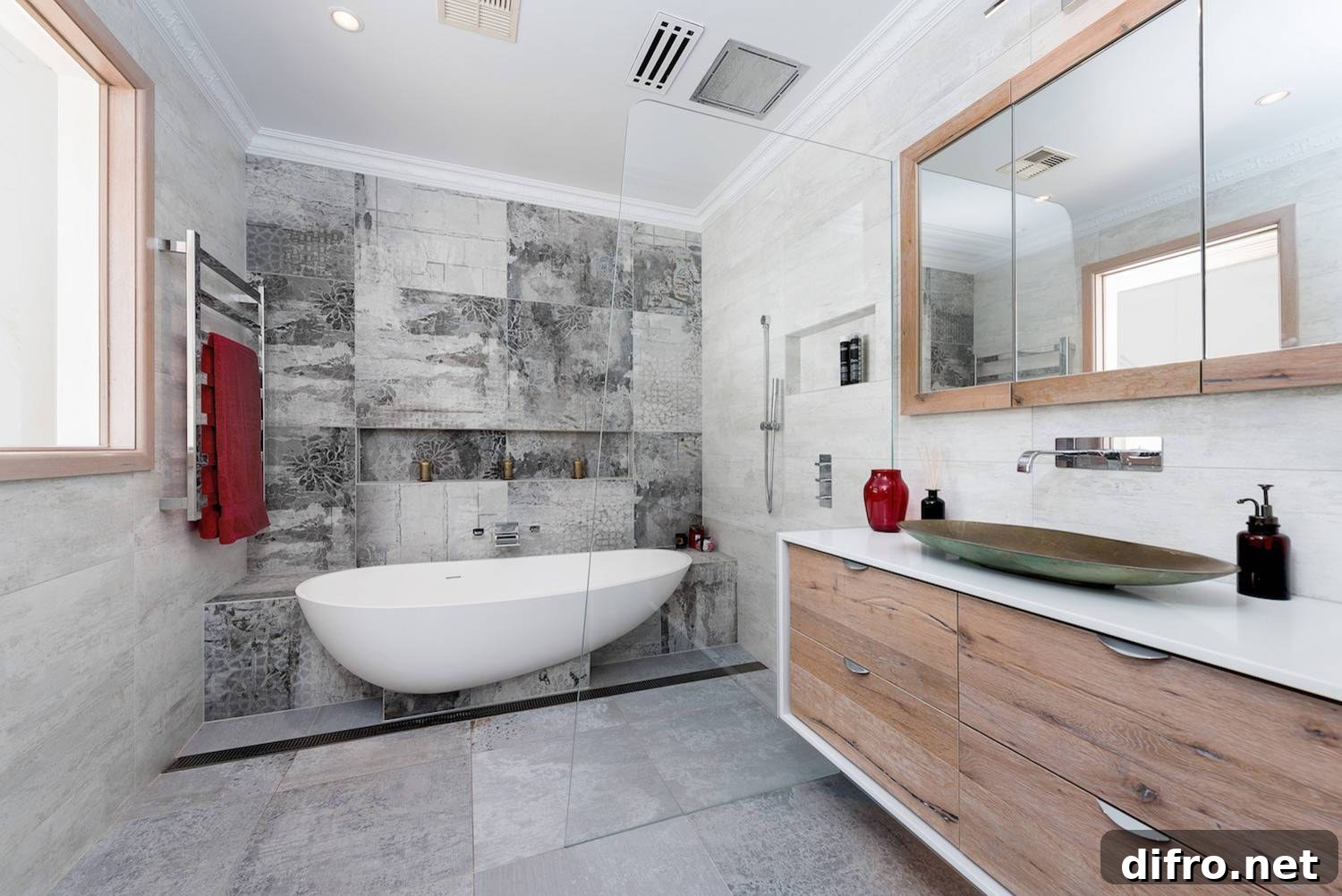
Unlike built-in tubs that must sit against a wall, freestanding tubs offer flexibility. With careful planning of plumbing and faucets (floor- or wall-mounted options), you can position the tub anywhere that works with the room’s layout—by a window, in the center of a large bathroom, or even angled into a corner as a design feature.
Simpler installation in many cases
Installing a built-in tub often requires framing, tiling, and finishing on multiple sides. A freestanding tub typically needs a professional plumber to hook up the drain and supply lines but avoids the extra labor and materials associated with surrounding tile work, which can reduce installation time in some projects.
Cons of freestanding bathtubs
Freestanding tubs are beautiful, but they have limitations to consider. Budget, space, and practical needs often determine whether they’re the right choice.
Higher cost
Freestanding tubs are typically viewed as a luxury upgrade and are often more expensive than standard built-in tubs. Costs rise with premium materials (cast iron, natural stone composite) and designer shapes. In addition to the tub, you may pay more for a freestanding filler, special plumbing, or floor reinforcement.
Requires more space
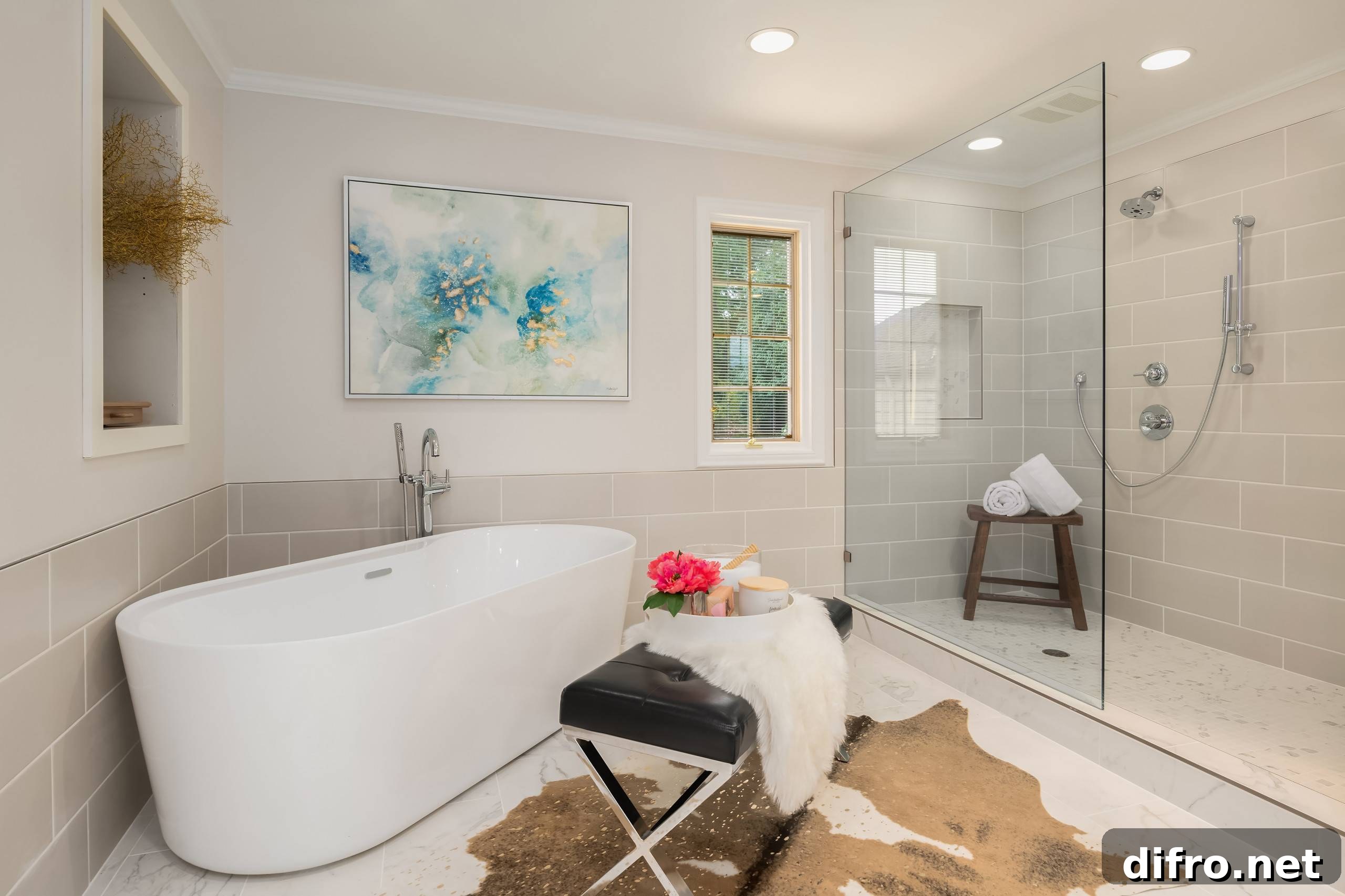
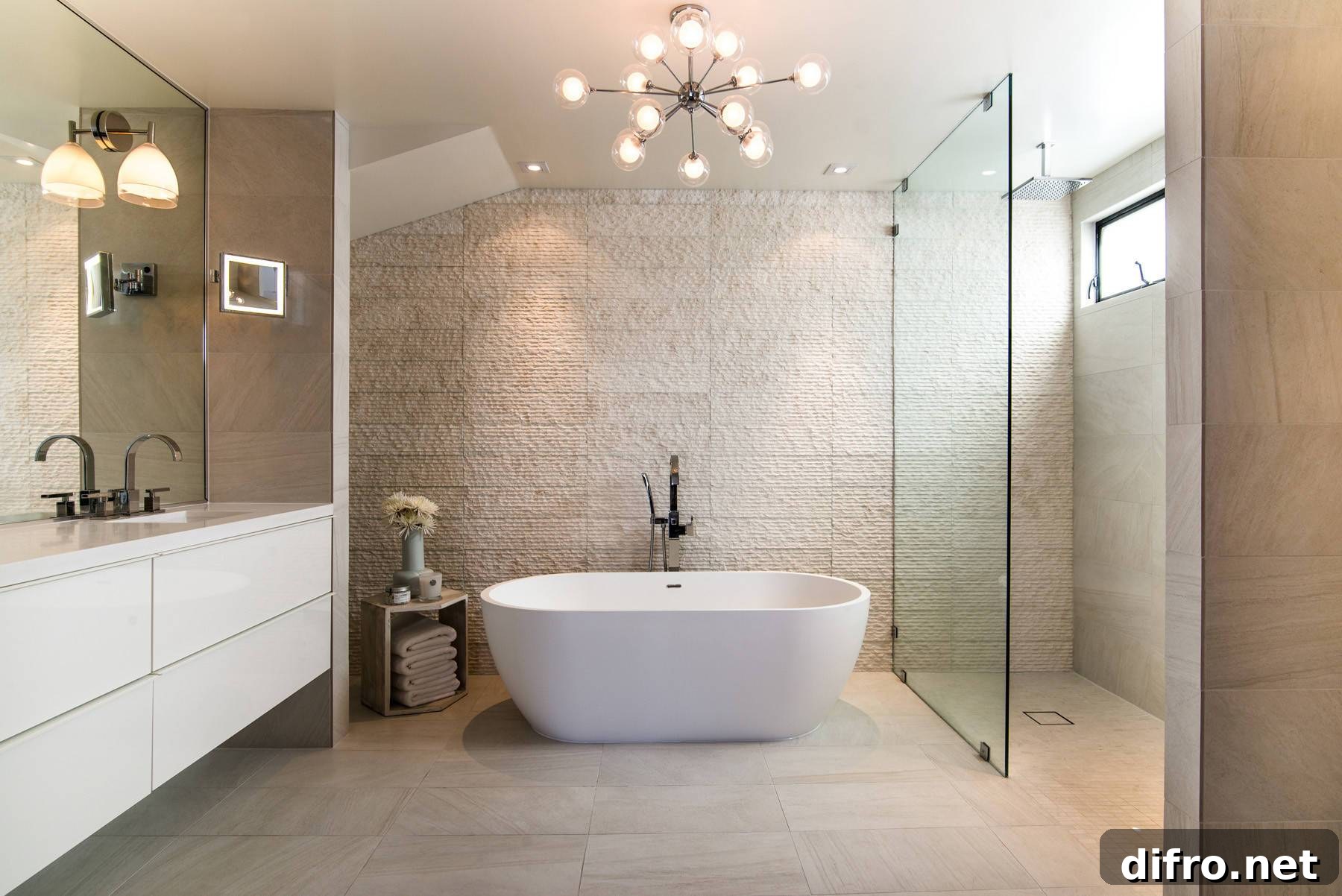
Because freestanding tubs are designed to be seen from multiple angles, they work best in medium to large bathrooms where the tub has breathing room. In smaller bathrooms, a built-in tub or shower-tub combo will usually be more space-efficient.
Lack of built-in storage
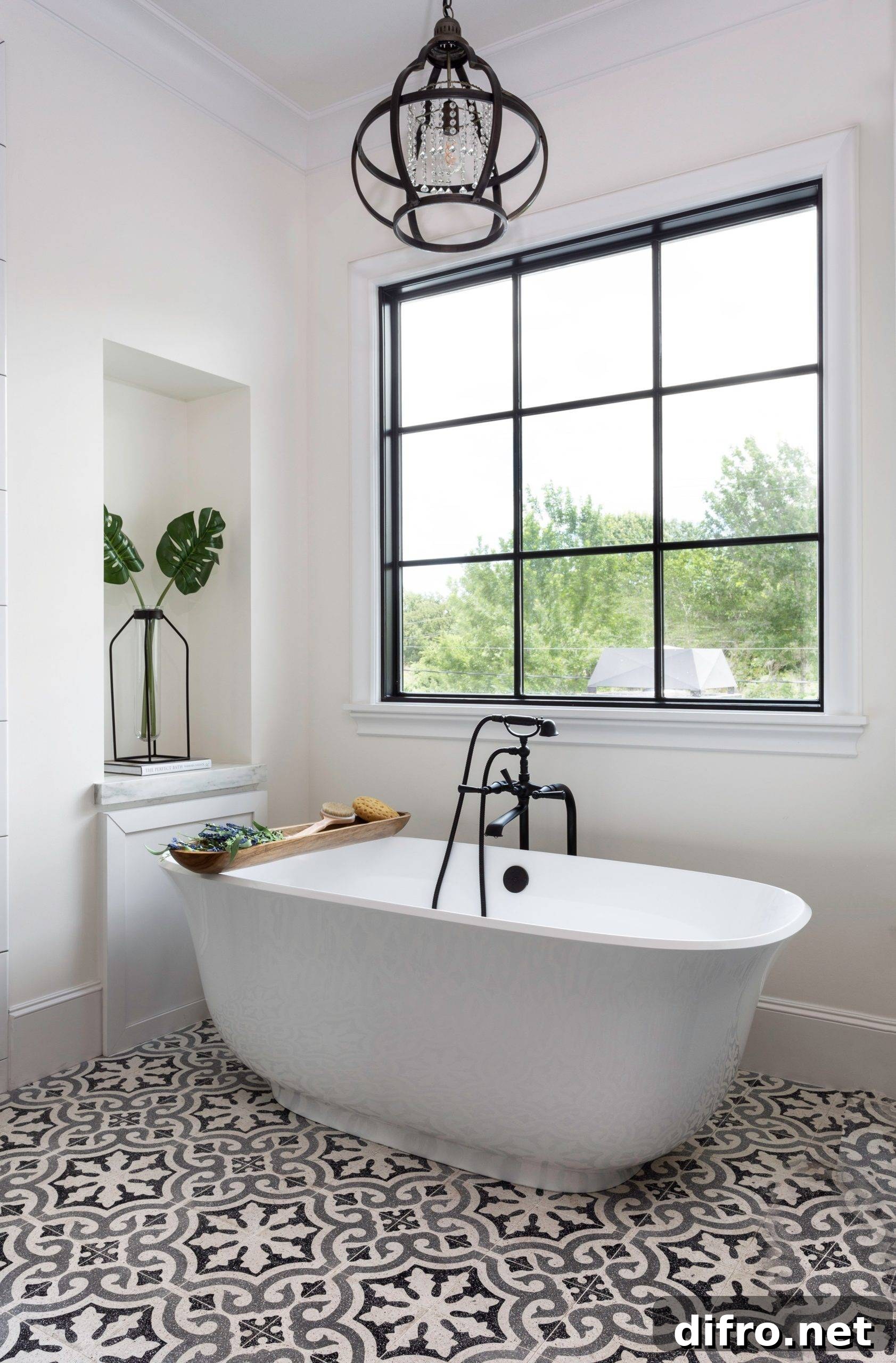
Freestanding tubs do not include surrounding ledges for toiletries. To keep essentials close at hand, plan for accessories such as a tub caddy, nearby shelving, a recessed niche, or a small side table. Integrating nearby cabinetry or open shelving helps maintain a clean, organized look.
Weight and floor reinforcement
Some freestanding tubs—especially those made of cast iron or natural stone—are very heavy when empty and become significantly heavier when filled with water. Depending on your home’s structure, you may need to reinforce the floor to ensure safety and prevent sagging over time. Consult a structural professional if you’re unsure.
Practical tips and final take
If you love the idea of a freestanding bathtub, weigh the pros and cons against your budget, space, and lifestyle. Choose materials that fit your maintenance preferences—acrylic and enamel-coated steel are lighter and easier to maintain, while cast iron and stone composites offer durability and a premium feel but may require floor reinforcement. Plan the plumbing early so faucets and drains work with the tub placement. Add a small storage plan—shelves, a caddy, or a nearby cabinet—to keep bathing essentials handy without cluttering the design.
Freestanding tubs remain a highly desirable element in modern bathroom design. When the aesthetic and practical benefits align with your space and budget, a well-chosen freestanding tub can transform your bathroom into a restful, spa-like environment.