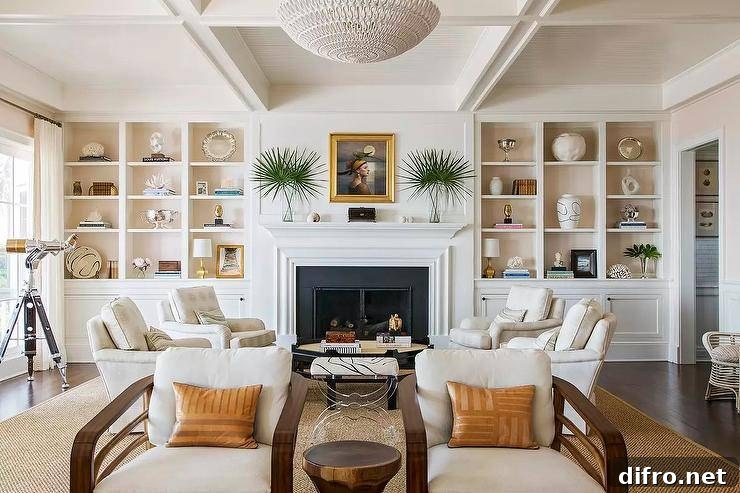
A formal living room is a dedicated space in a home for welcoming guests and creating an atmosphere of elegance and refinement. Typically located near the main entrance, this room is intended to impress while offering a comfortable, carefully curated environment. Use these formal living room ideas to guide your layout, color choices, furniture selection, lighting, and artwork so the room reflects your personal style while remaining functional for entertaining and everyday use.
History of Formal Living Rooms
The concept of a formal living room emerged in the 18th century as larger houses divided domestic life into distinct spaces. Wealthy homeowners created rooms specifically for receiving visitors and hosting social gatherings. These spaces were often richly decorated with expensive fabrics, fine furniture, and prominent artworks to communicate status and taste.
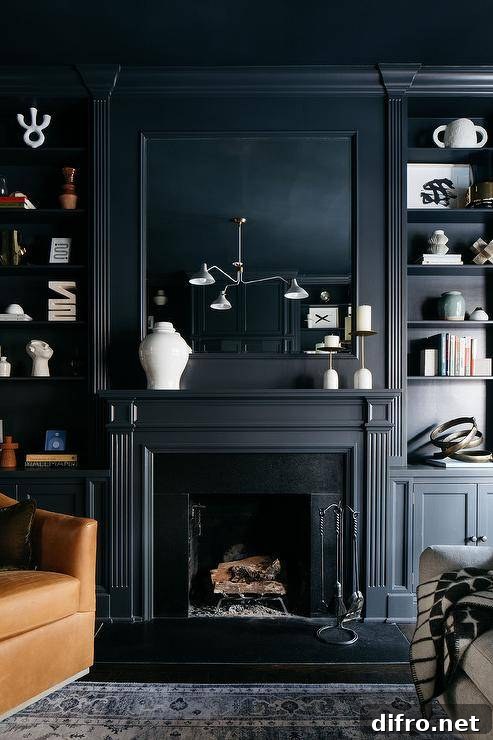
In the 19th and early 20th centuries, formal living rooms often embraced distinct historical styles—Victorian, Neoclassical, or Art Deco—with ornate woodwork, patterned textiles, and layered ornamentation. The design language of these rooms highlighted craftsmanship and detail, and they remained a visible expression of social standing and refined taste.
Modern Formal Living Room Ideas
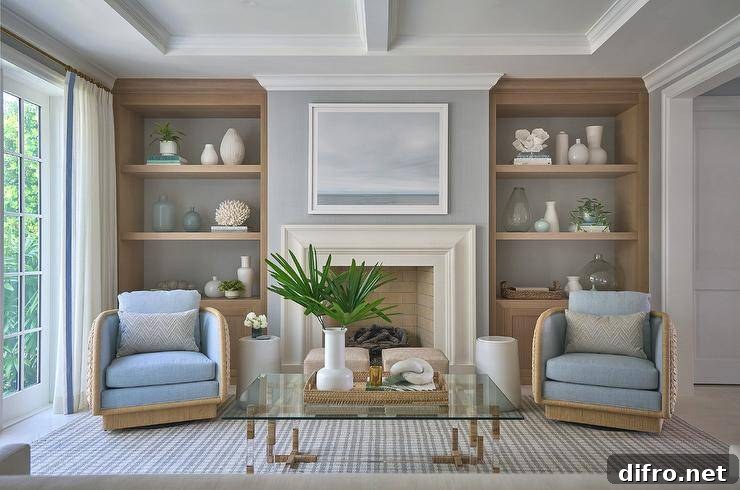
Today’s formal living rooms have evolved to suit contemporary lifestyles while retaining an air of sophistication. Many modern designs blend timeless elegance with comfort: streamlined furniture, curated art, and high-quality textiles create rooms that are both inviting and refined. Whether you prefer a classic palette of neutrals or a bolder contemporary scheme, modern formal living room ideas emphasize balance, proportion, and carefully chosen details.
Design Tips
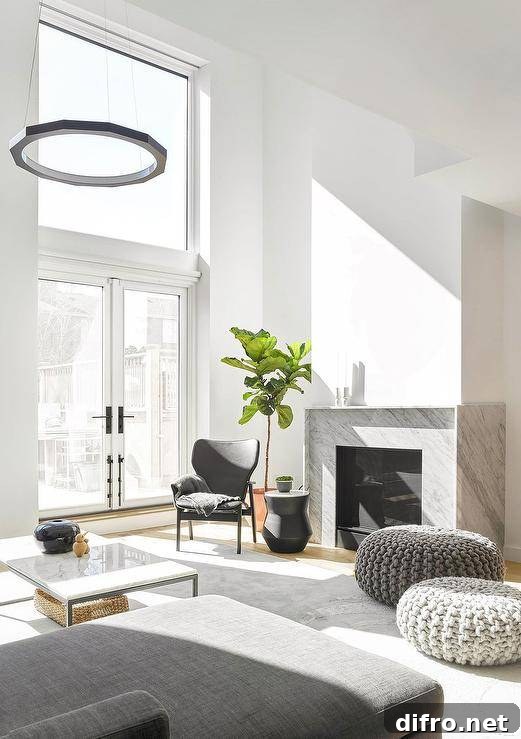
Designing a successful formal living room combines atmosphere and practicality. Consider the key elements below—color palette, furniture, lighting, and artwork—and how they work together to create cohesion. Use these formal living room ideas to shape a space that feels intentional, polished, and welcoming.
Furniture
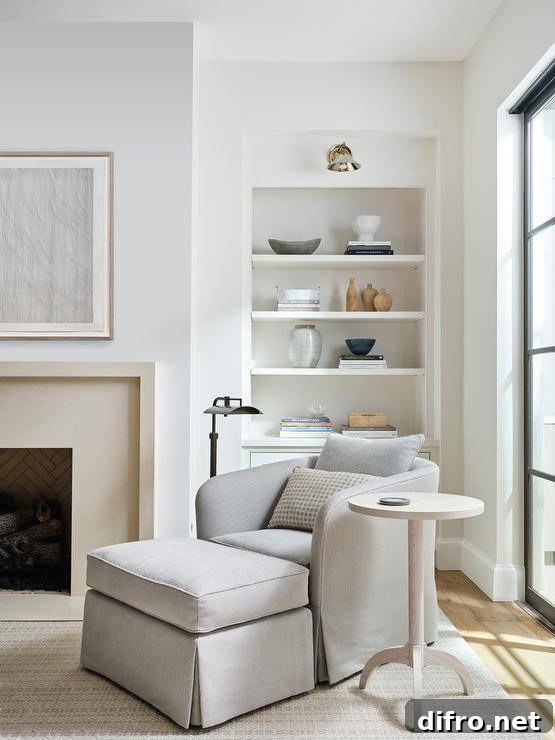
Start by settling on a cohesive color scheme that supports the mood you want—neutral tones for timeless elegance or muted jewel tones for richer formality. Choose furniture that is both comfortable and proportionate to the room: a well-scaled sofa paired with a set of armchairs creates a conversational layout. Look for quality materials and subtle detailing—tufting, tapered legs, brass hardware, or carved wood—rather than oversized, overly casual pieces.
Balance is essential: mix scales and silhouettes, combine a larger seating piece with smaller accent chairs or a pair of elegant side tables, and leave adequate circulation space. Add texture with rugs, throws, and pillows to avoid a flat look, but keep patterns and color contrasts measured so the overall effect remains refined.
Lighting
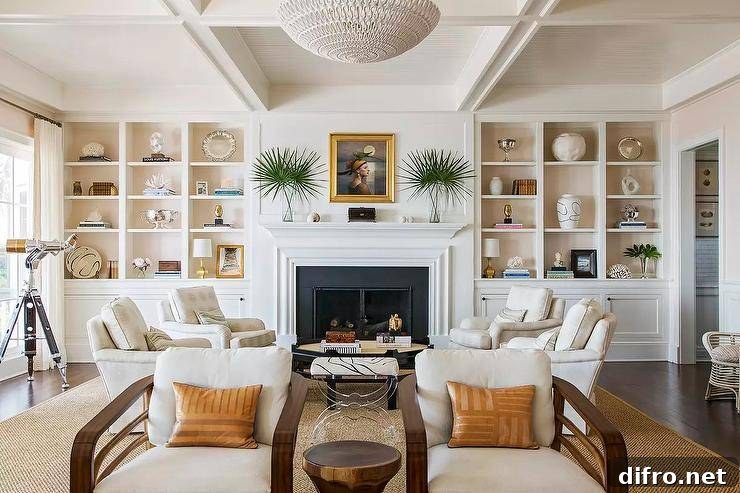
Lighting is a powerful tool for shaping mood in a formal living room. A statement chandelier or pendant can anchor the space and add drama, while wall sconces and table lamps provide softer, layered illumination. Choose fixtures that complement the room’s style—ornate crystal or brass for a traditional scheme, sculptural metal or glass for modern interiors.
Think about function: combine ambient overhead lighting with task lights for reading and accent lights to highlight artwork or architectural features. Layering light sources creates warmth and depth and lets you control the atmosphere for different occasions, from intimate conversations to larger gatherings.
Artwork
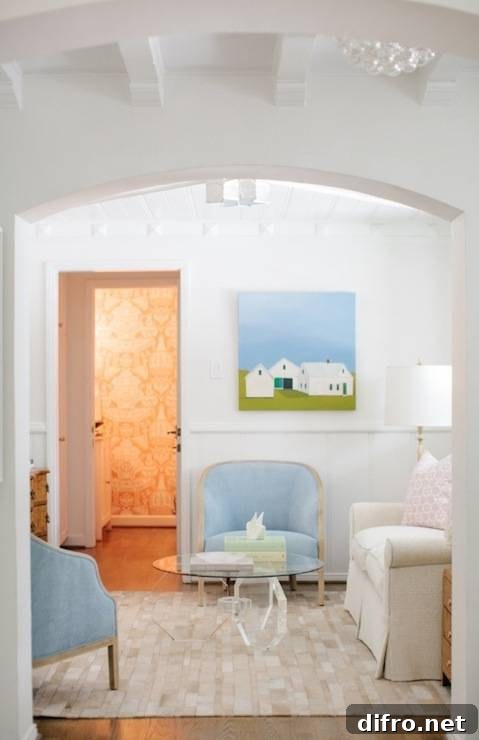
Artwork is a key finishing touch that defines the room’s character. Formal living rooms benefit from carefully chosen pieces—large-scale paintings, framed prints, classical sculptures, or tasteful photography that complement the room’s style. Consider scale and placement: a single large piece can be a focal point above a mantel, while a curated gallery wall can add interest on a longer wall.
Choose frames and matting that align with the overall aesthetic—ornate frames for a traditional look, simple frames for contemporary spaces—and ensure the artwork’s color palette ties into the room’s textiles and finishes. Thoughtful art selection elevates the space and reinforces the sense of refinement a formal living room should convey.
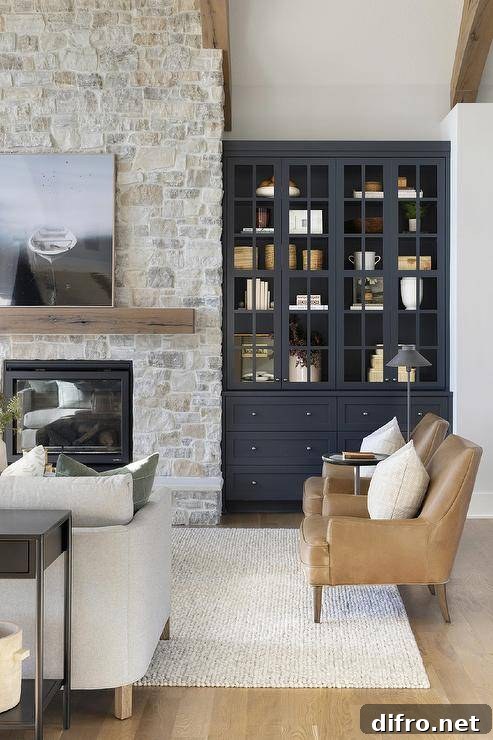
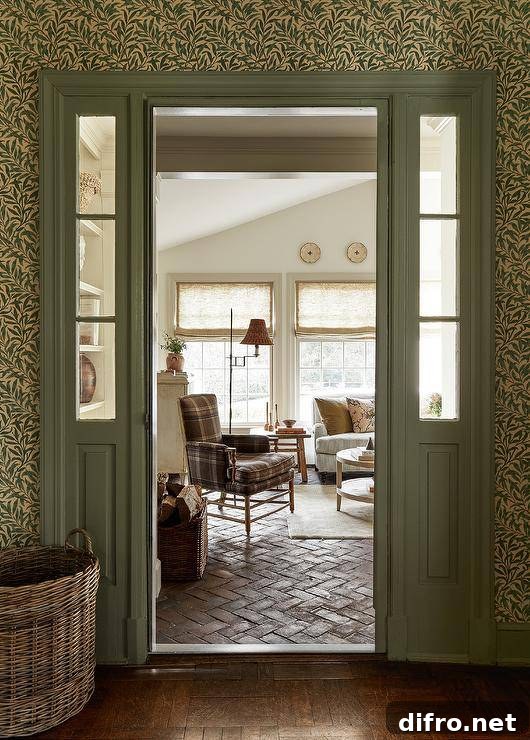
In summary, a formal living room combines beauty and purpose: it should welcome guests, support conversation, and reflect a thoughtful design approach. Use these formal living room ideas to choose a palette, furniture, lighting, and artwork that work together to create a lasting impression. With careful planning and attention to detail, you can create a refined space where family and visitors alike feel comfortable and impressed.