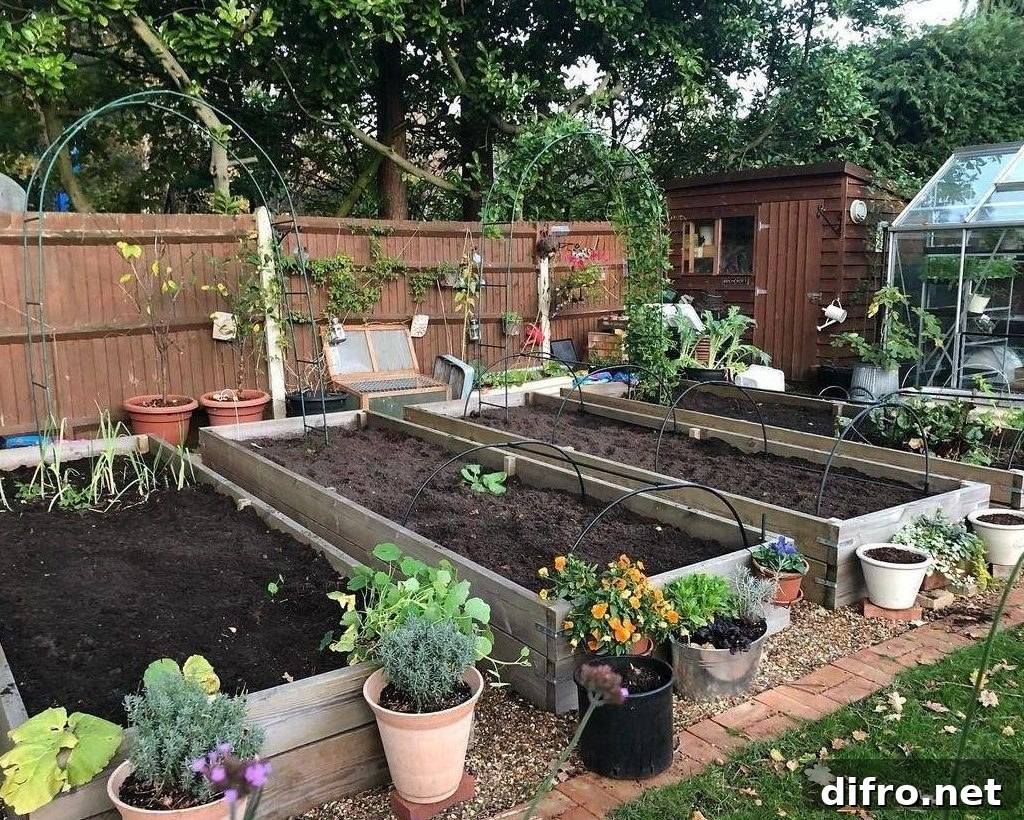
Preparing Your Garden for the Next Season: Essential Fall Tasks

As summer winds down and the busy planting and harvest months are behind you, it’s tempting to set the tools aside and wait for spring. A little focused work this fall will save effort next year and give your garden a healthy head start. Below are practical, easy-to-follow tasks to prepare soil, protect plants, and reduce pest and weed pressure so your garden returns stronger when the new season begins.
Clear Up Clutter
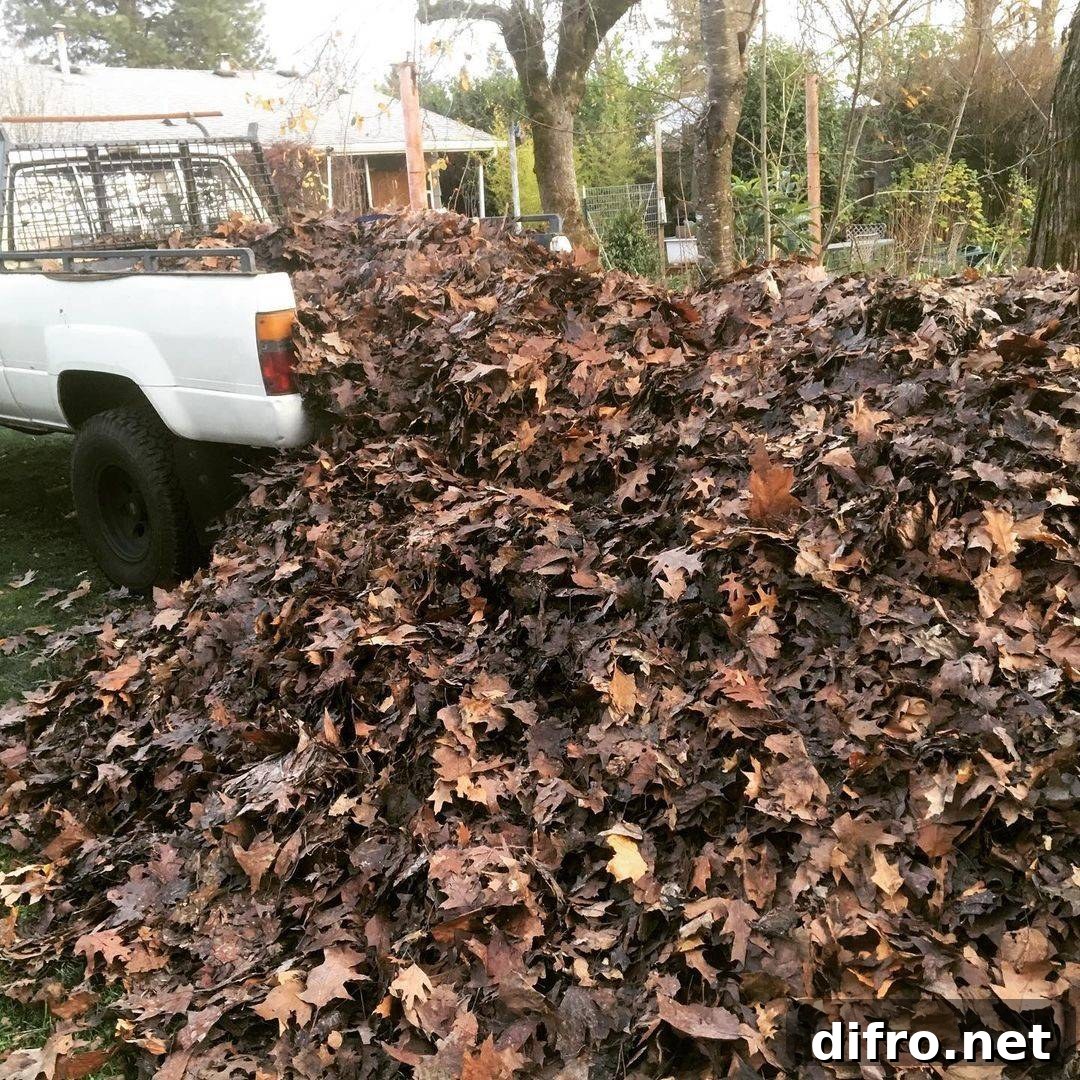
Remove dead annuals, spent vegetable plants, and fallen leaves. Decaying plant material left on beds can shelter pests and disease pathogens over winter. Collect and compost healthy plant matter, and dispose of anything showing signs of disease or severe pest damage. A tidy garden reduces overwintering sites for eggs and larvae, giving you a cleaner start in spring.
Pull Out Weeds
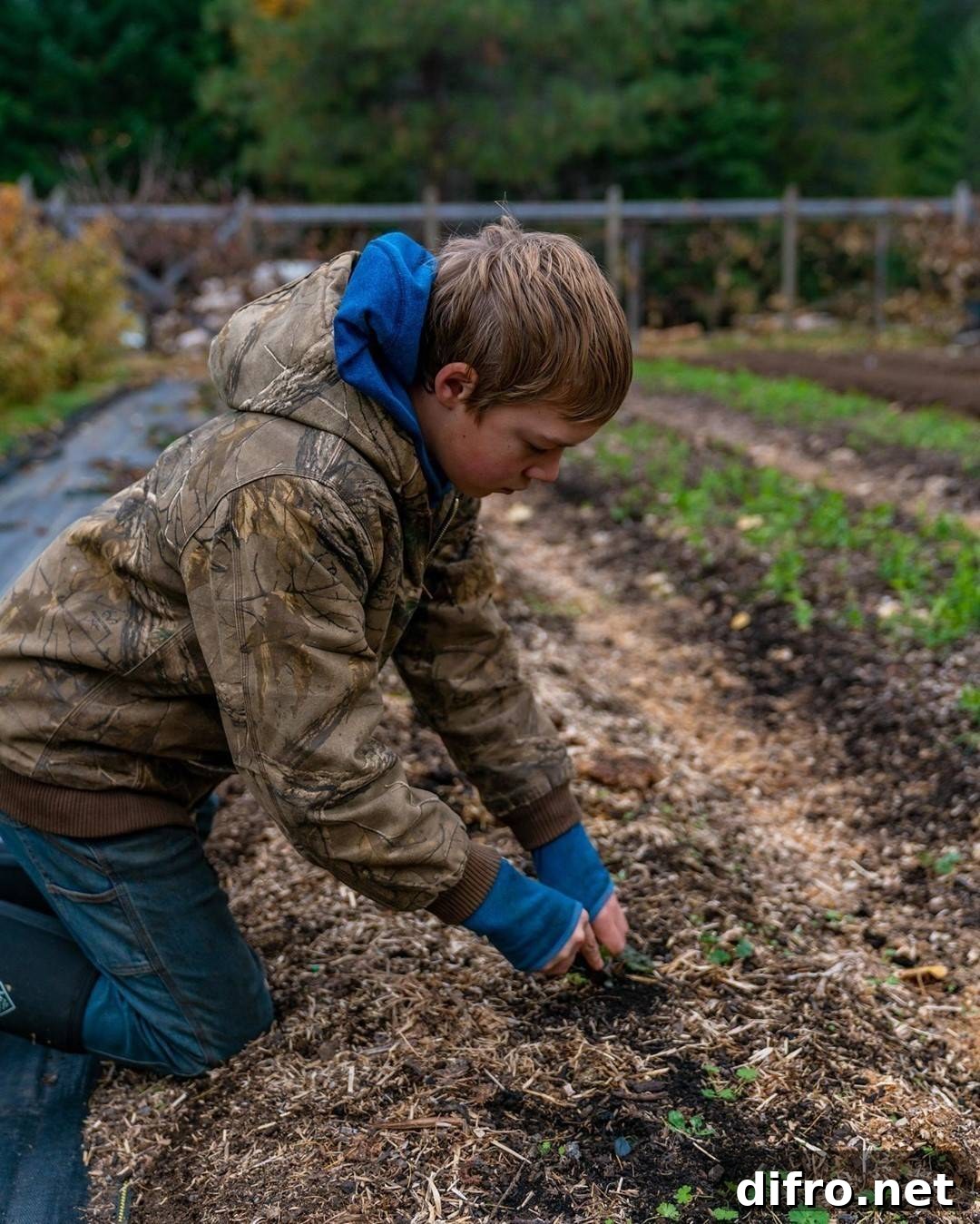
Weeds that are allowed to set seed will make next spring harder. Pull them while the soil is still workable, removing as much root as possible. A hoe or hand fork works well for shallow-rooted weeds; for deeper taproots, dig down to extract the entire root. Removing weeds now reduces competition and the amount of maintenance needed once growth resumes.
Prepare the Soil
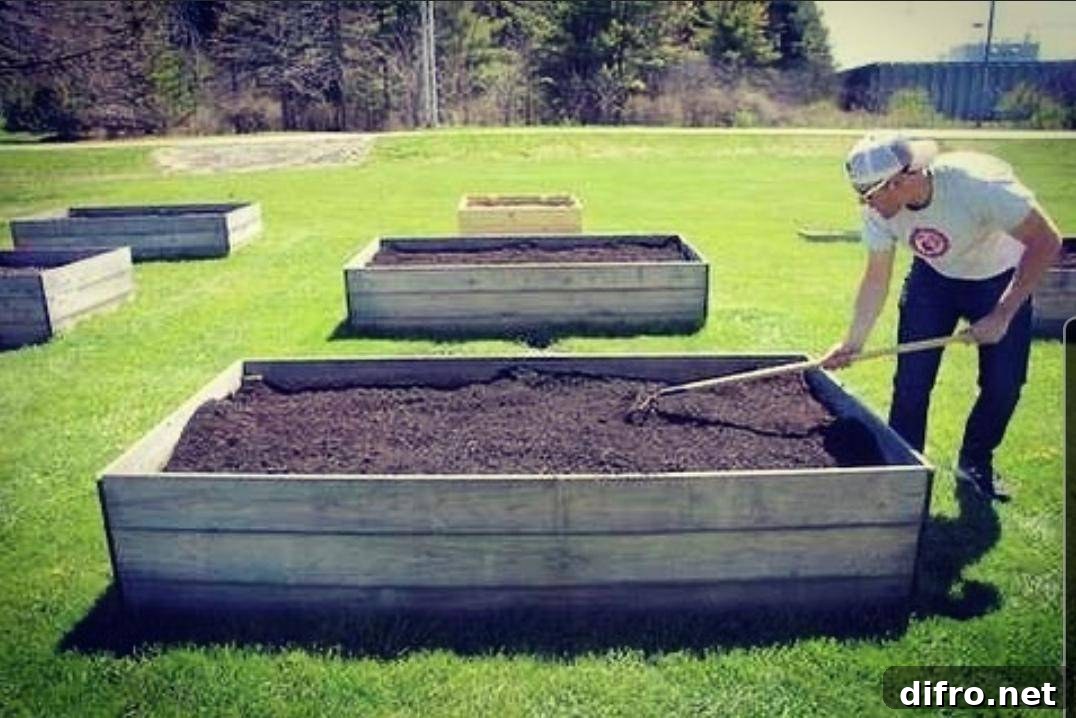
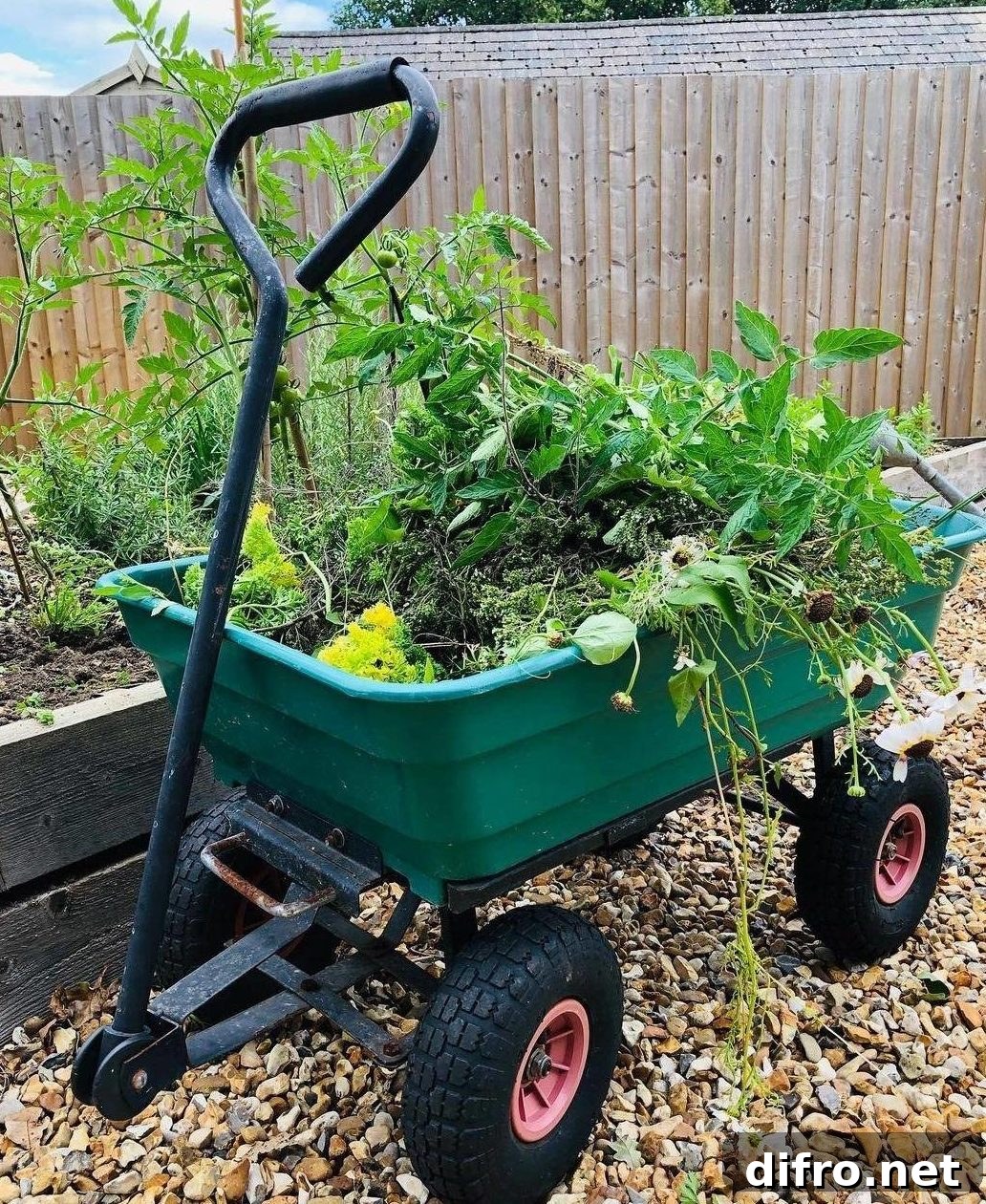
Fall is an ideal time to amend beds so nutrients have time to integrate into the soil before planting. Add well-aged compost, manure, or slow-release organic amendments such as bone meal where appropriate. Test or check your soil’s pH if possible and adjust with lime or sulfur according to specific needs. Turning in organic matter and light cultivation helps improve soil structure, drainage, and long-term fertility.
Divide and Transplant Bulbs and Perennials
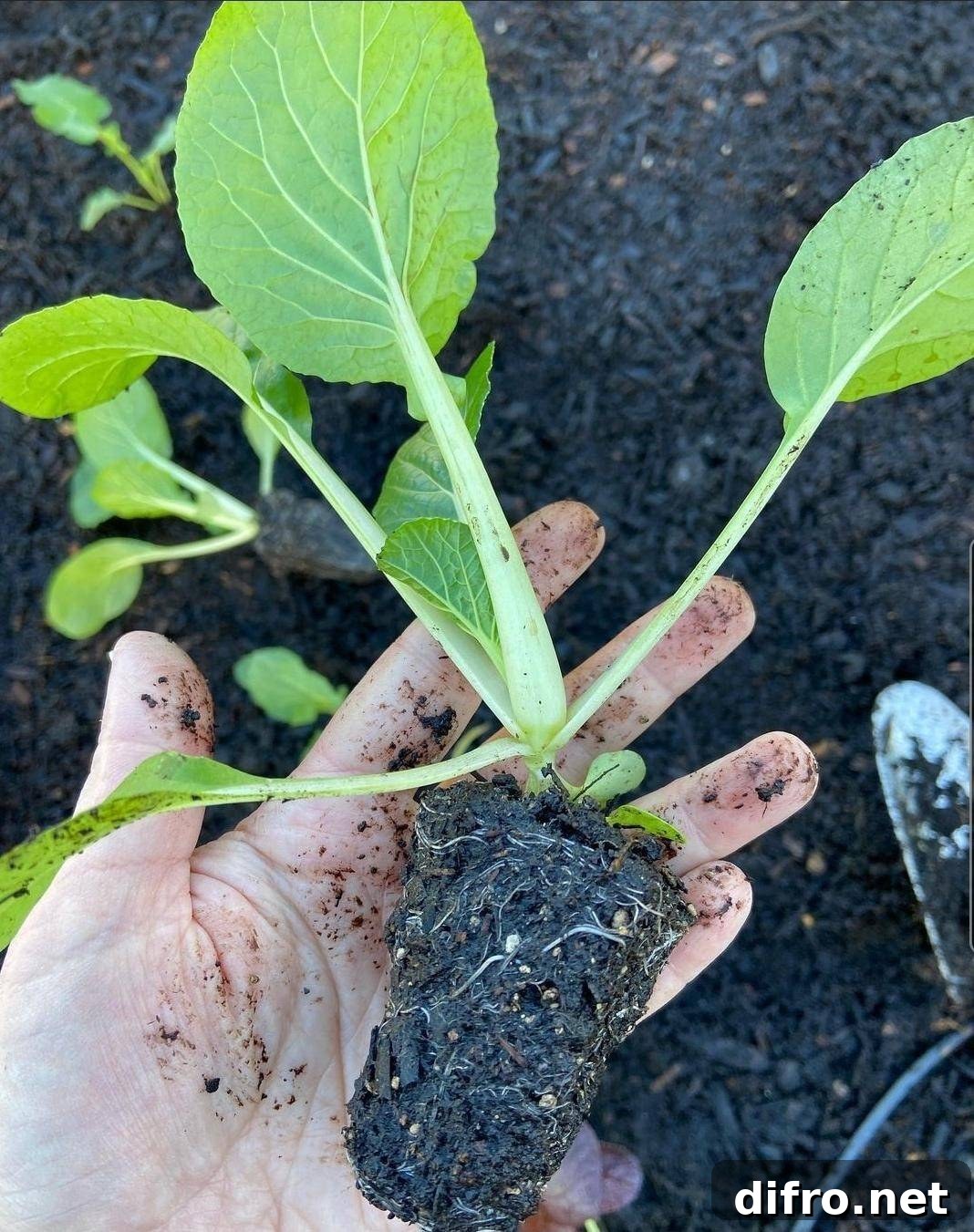
Perennials that have become crowded benefit from division. Carefully dig up clumps, separate them into healthy sections, and replant at the recommended spacing. Dividing plants improves air circulation and vigor and can rejuvenate older clumps. Bulbs that multiply can also be lifted, divided, and replanted at the correct depth for better blooms next season.
Plant a Fall Cover Crop
Cover crops planted in early fall protect soil from erosion, build organic matter, and can improve structure. Options such as clover, rye, or vetch are common choices; small-scale vegetable plots can also benefit from peas or other green manures that add nitrogen. In spring, work the cover crop residues into the soil or mow and compost, depending on your plan for the bed.
Insulate Tender Plants
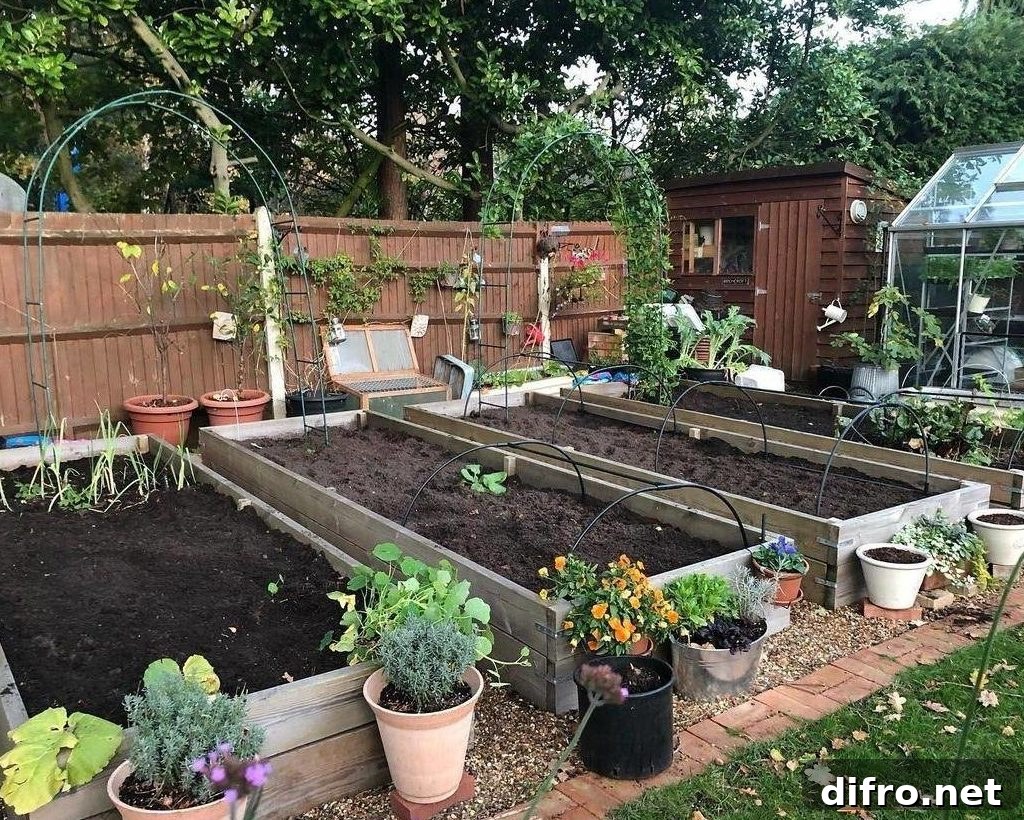
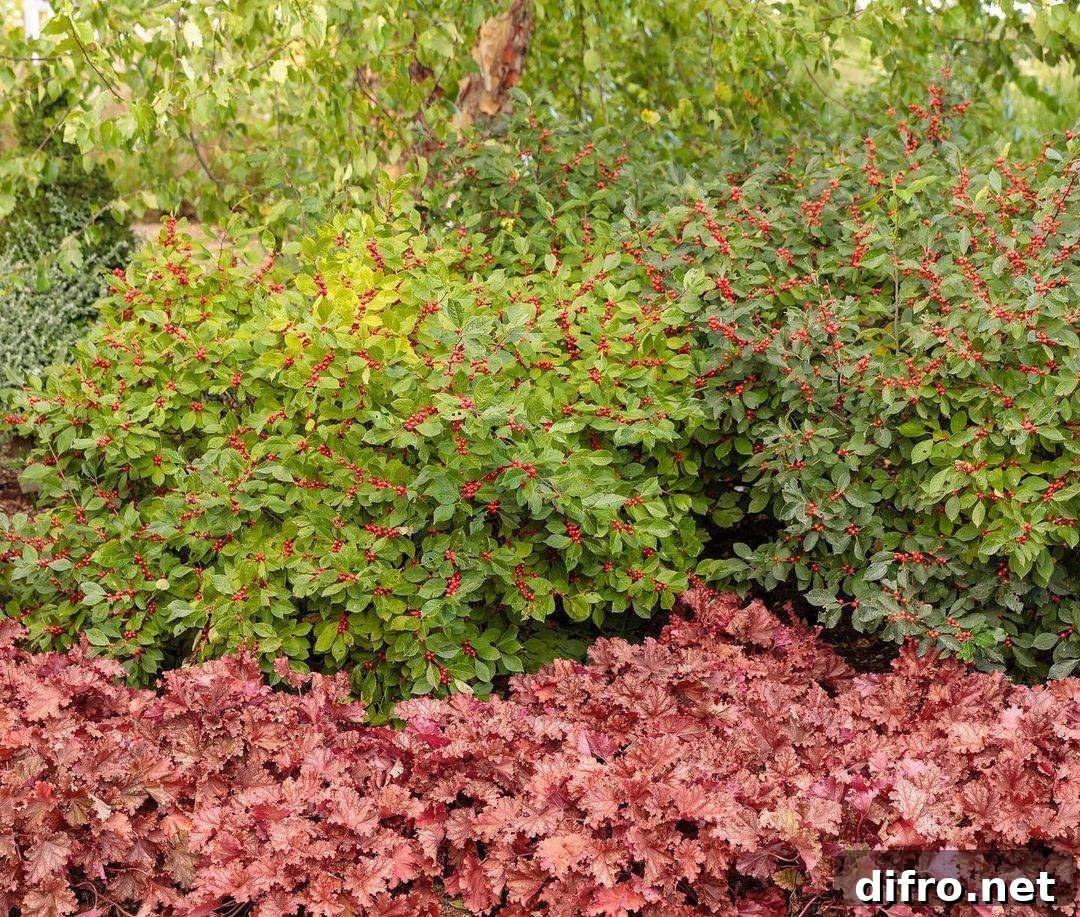
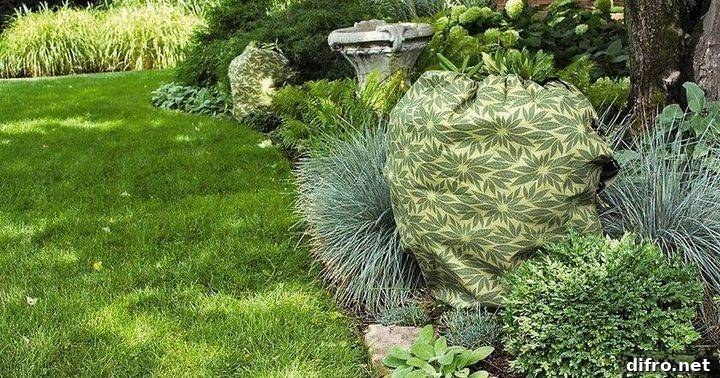
For tender shrubs and container plants, water deeply before a hard freeze and apply a 2–4 inch layer of mulch around the root zone to moderate temperature swings. Burlap wraps or protective covers can shelter vulnerable specimens from harsh winds and frost. Be cautious not to wrap too tightly or seal in moisture, which can encourage rot.
Trim Your Perennials
Many perennials benefit from removing dead stems and foliage to tidy beds and reduce disease risk. However, not every plant should be pruned in fall—some species, such as certain raspberries or late-season bloomers, fare better when left standing for winter interest or wildlife habitat. Identify which plants need cutting back and which should be left to protect pollinators or collect snow as insulation.
Review Your Garden’s Performance
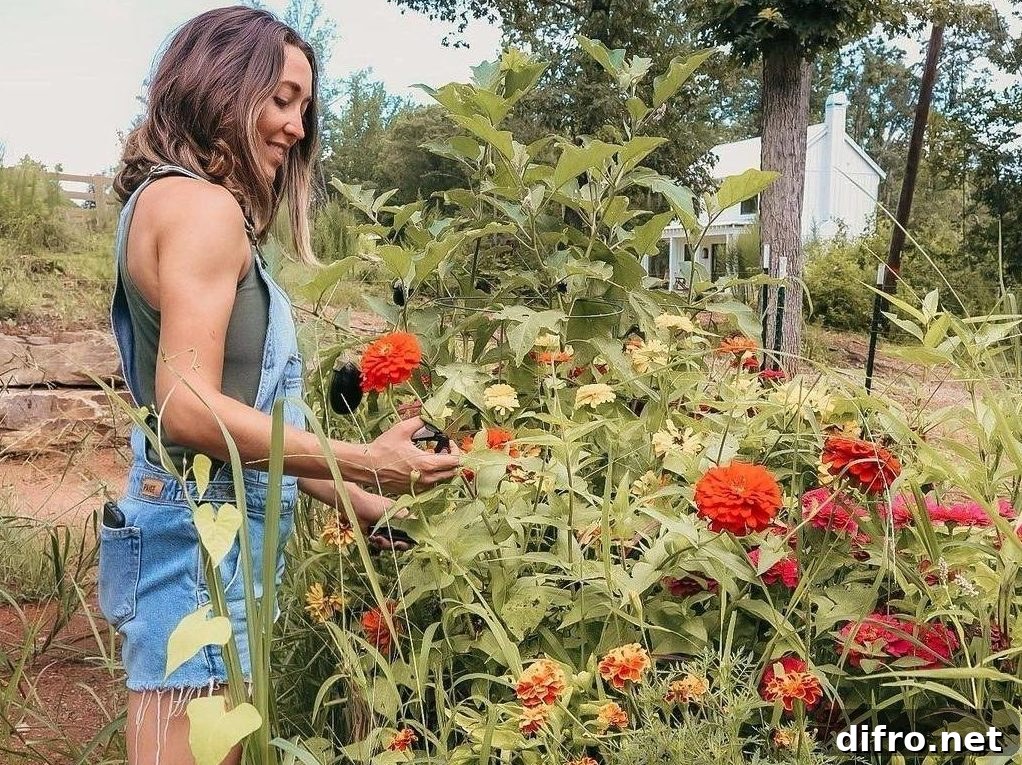
Use this quieter season to reflect on what worked and what didn’t. Note underperforming varieties, areas with poor drainage or low fertility, and plant choices that thrived. Keep a garden journal or photos to track changes. Adjust plant selections, bed layouts, and watering or mulching routines accordingly so you can plan improvements before the next planting window.
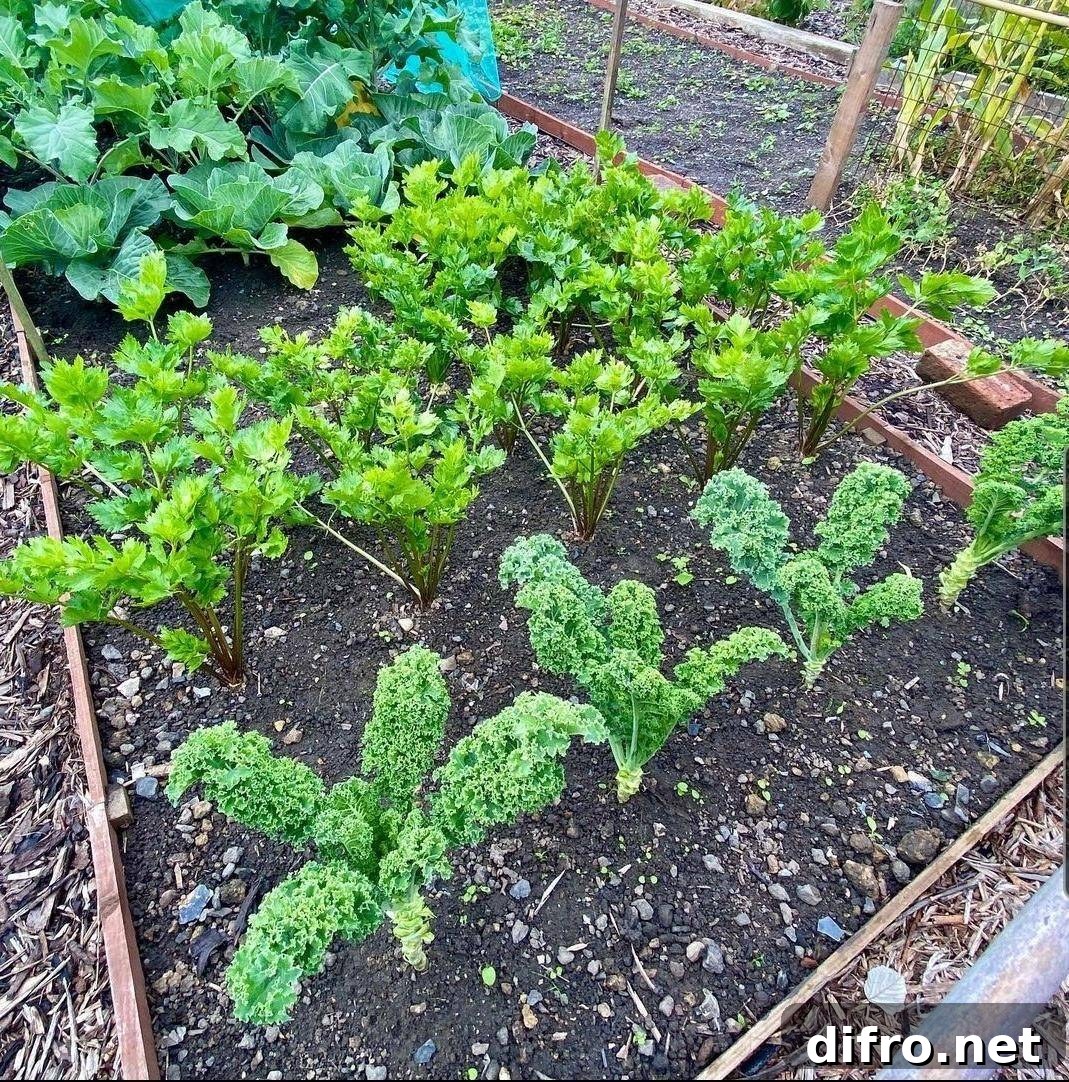
Fall preparation sets the stage for a healthier, less stressful spring. By clearing debris, reducing weed pressure, amending soil, and protecting vulnerable plants, you give your garden the best possible start for the next growing cycle. Spend a few focused weekends now and enjoy the rewards when new growth returns.