With the web overflowing with cleaning shortcuts and household hacks, it’s easy to accept every tip as fact. Many popular ideas are myths or outdated practices that can damage surfaces, shorten the life of appliances, or simply waste time. Below are common cleaning misconceptions and practical, safer ways to clean your home effectively.
Bleach Doesn’t Clean Everything
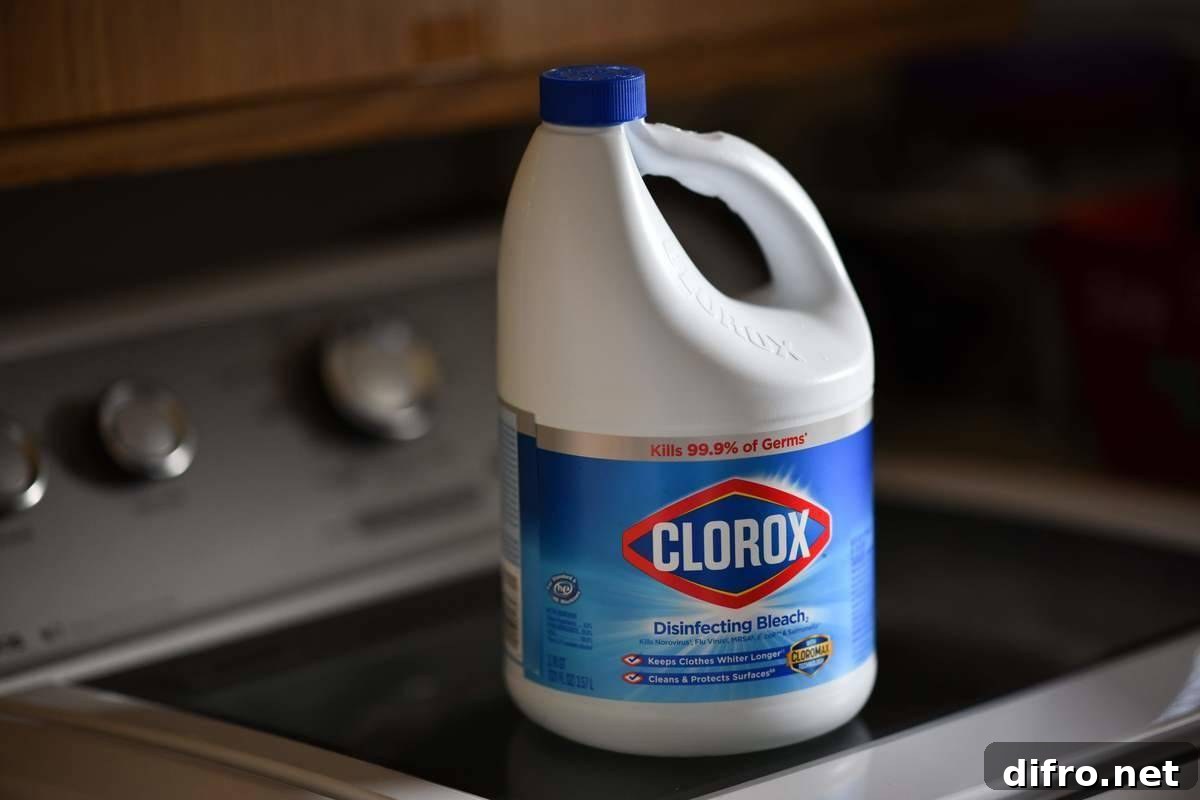
Bleach is a strong disinfectant, but it isn’t a universal cleaner. It won’t lift grease, dirt, or sticky residues on its own and can sometimes make grime appear lighter without actually removing it. For best results, wash surfaces with soap and water first to remove soils. After the surface is dry, use a properly diluted bleach solution and let it sit for the recommended contact time—typically about five minutes—before rinsing to achieve effective disinfection.
Hair Spray Won’t Save Your Ink-Stained Clothes

The old trick of using hair spray to remove ink is less reliable today because many modern formulas lack the alcohol concentration once needed to break down ink. A safer bet is isopropyl rubbing alcohol: place a paper towel under the stained area, apply rubbing alcohol to the ink, blot gently, and launder as usual. Test any solvent on an inconspicuous area first to check for colorfastness.
Dishwashers Beat Handwashing
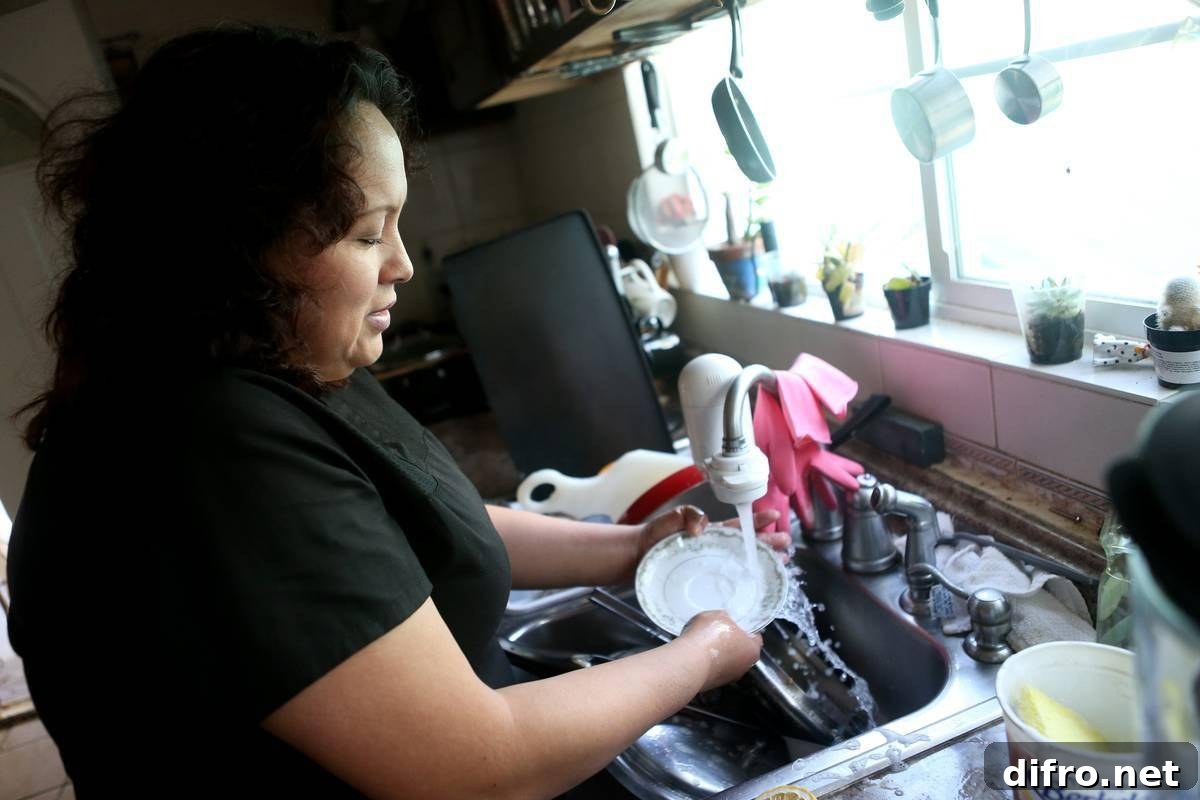
Contrary to the belief that handwashing is gentler or more thorough, modern dishwashers often clean, sanitize, and conserve water more efficiently than washing by hand. For the best outcome, scrape excess food into the trash, load dishes without overcrowding to allow water circulation, and use the appropriate cycle and detergent. Let the dishwasher complete its drying cycle to aid sanitization.
Too Much Laundry Detergent Can Ruin Clothes
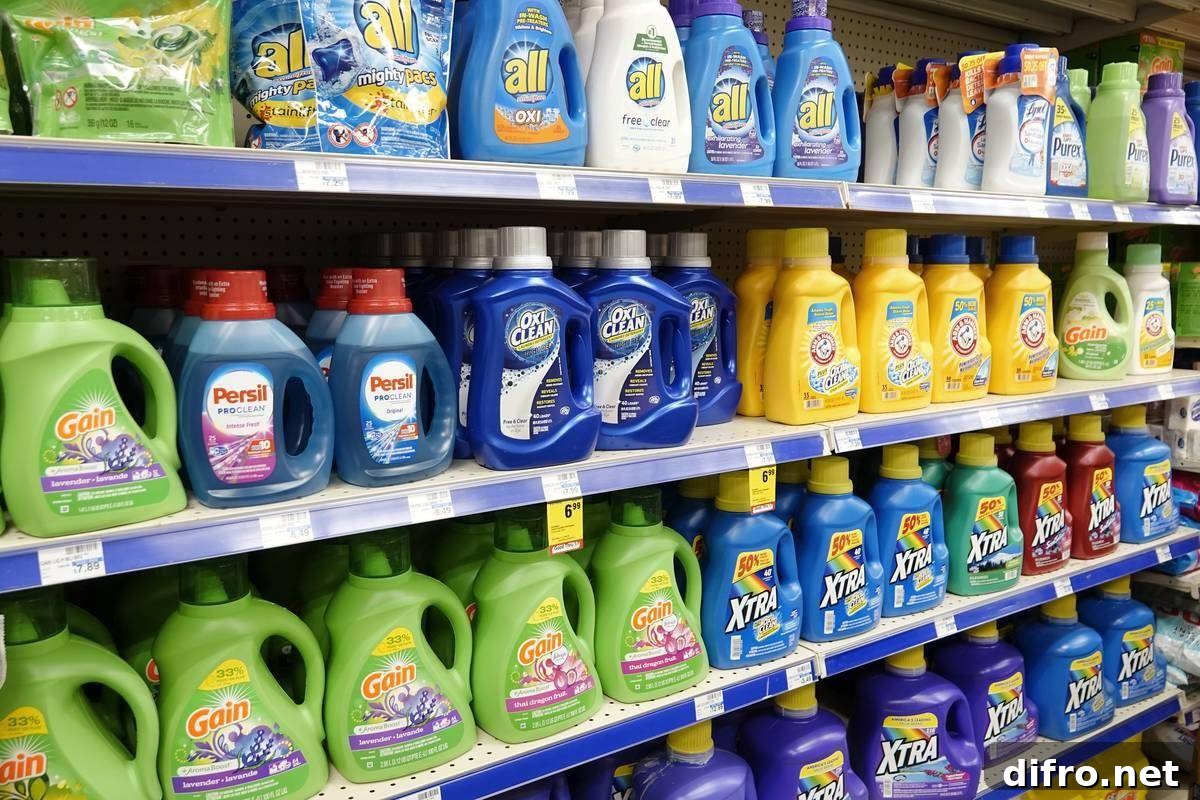
Using more detergent does not improve cleanliness and can leave residue, cause dinginess, or produce unpleasant odors. Follow manufacturer recommendations for detergent and machine load size: a tablespoon of liquid detergent or one pod is usually enough for a standard load, while larger loads like bedding may need slightly more. Proper dosing protects fabrics and your washing machine.
Cleaning Solutions Need Time to Work
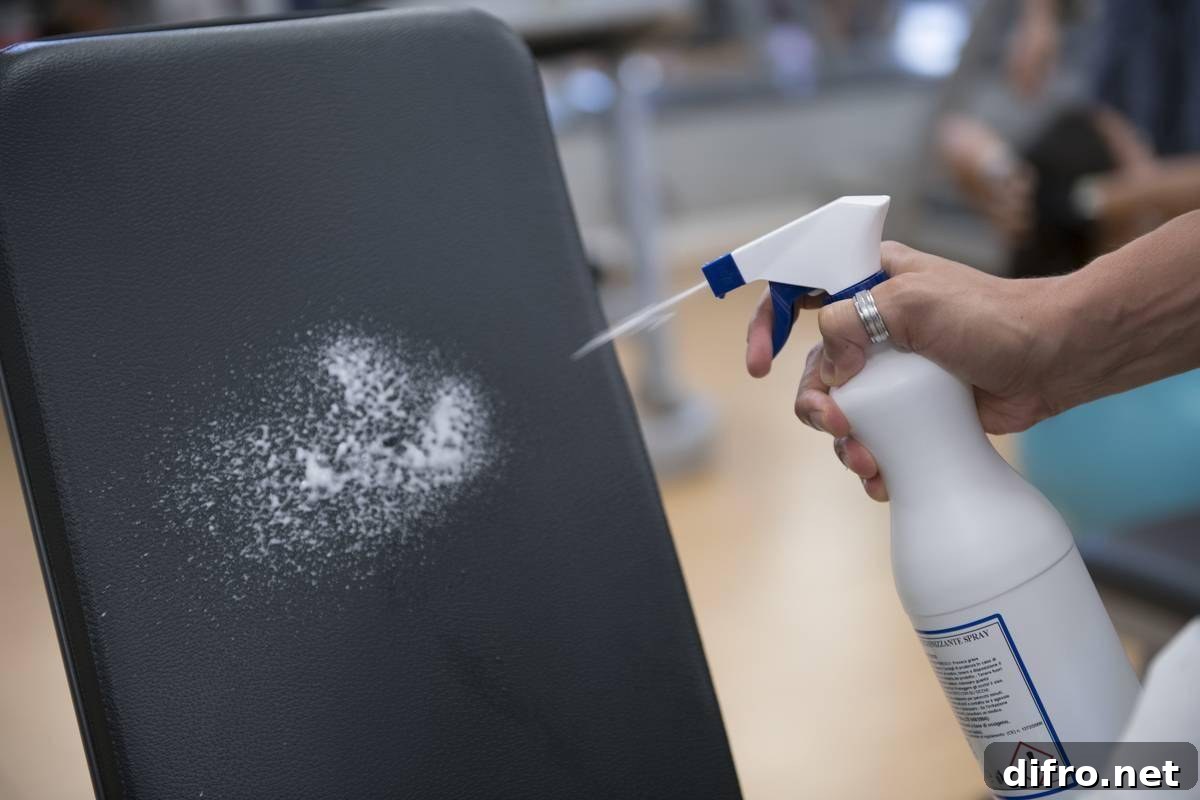
Wiping immediately after spraying often removes visible dirt but may not kill bacteria or viruses. Many disinfectants require several minutes of contact time to be effective—sometimes up to ten minutes. Always read product instructions and allow the cleaner to remain wet on the surface for the recommended duration before wiping.
Avoid Vinegar on Certain Surfaces
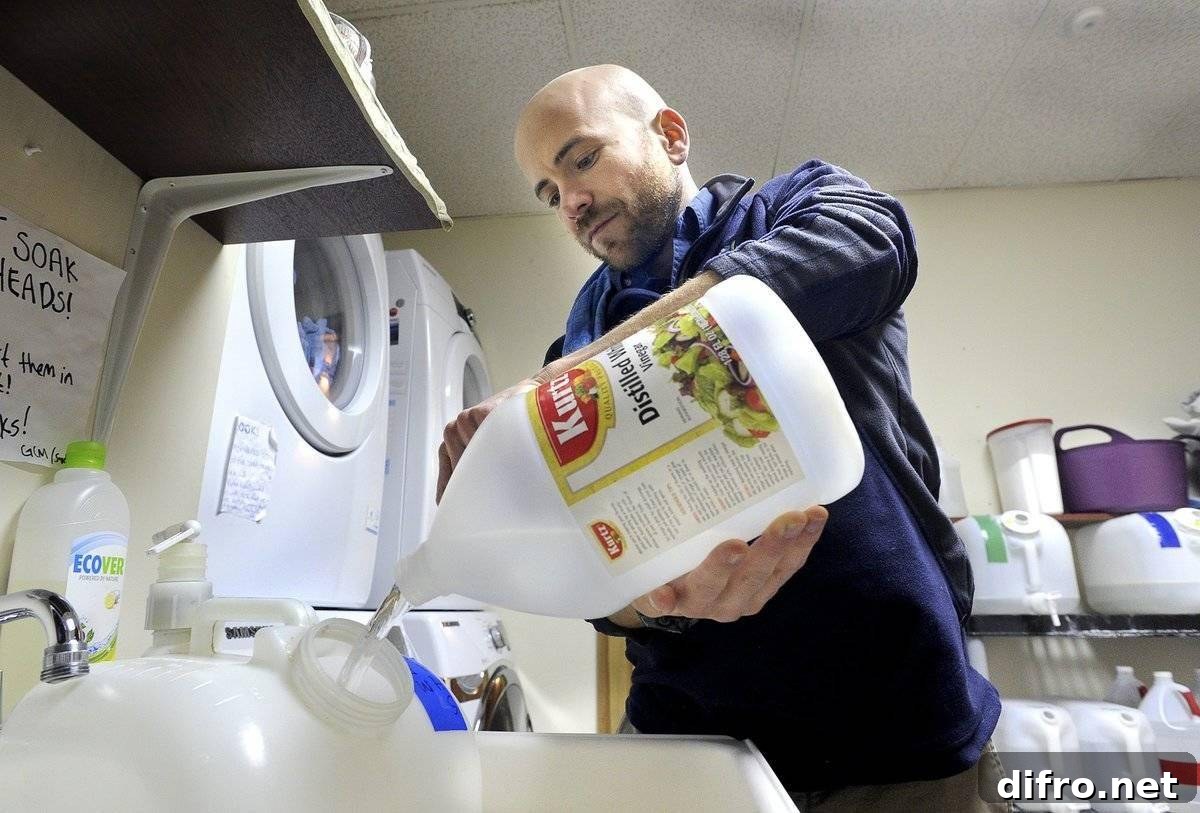
Vinegar is versatile and useful for many cleaning tasks, but its acidity can harm natural stone (marble, granite, soapstone), some wood finishes, and certain metals. Avoid using vinegar on knives or egg-based mixtures where unwanted chemical reactions could occur. Save vinegar for glass, glazed tile, and laminate surfaces where it’s safe and effective.
Your Dishwasher Needs Cleaning Too
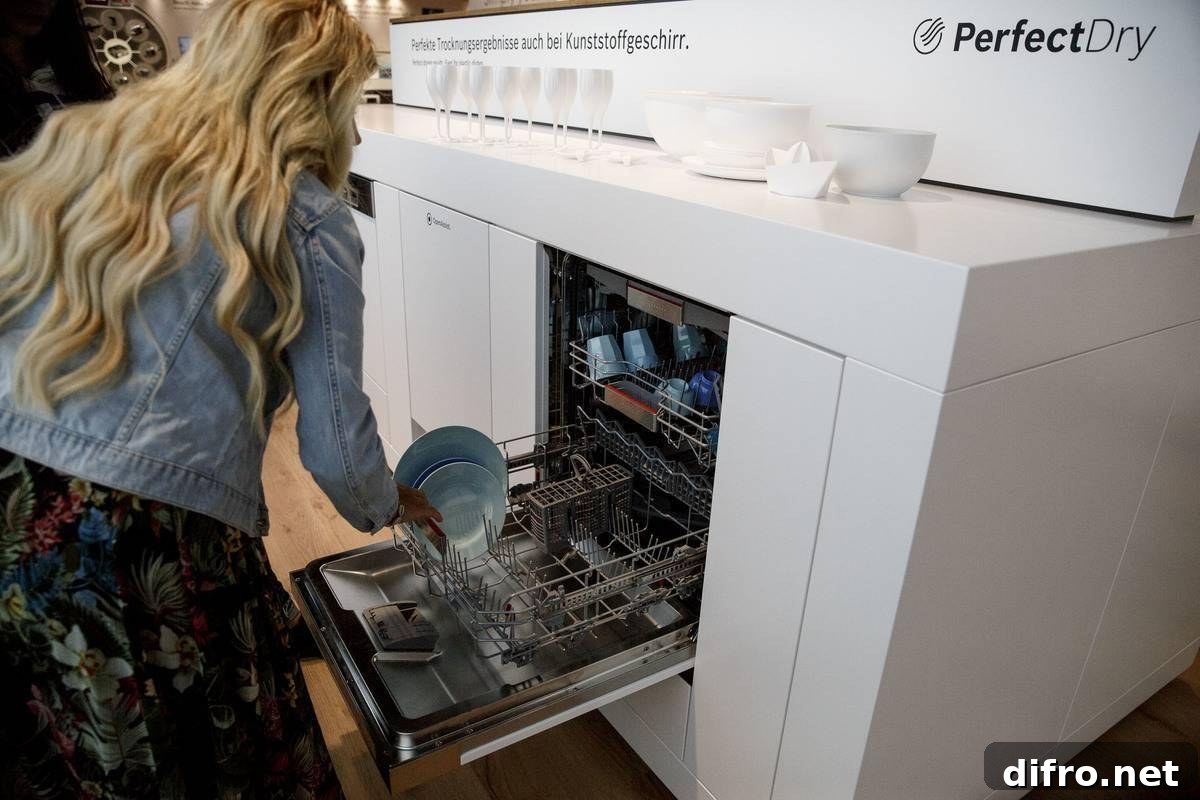
Dishwashers are not self-cleaning. Food scraps, grease, and soap buildup reduce efficiency and can cause odors. Regularly remove visible debris from the filter and wipe the interior seals. Running an empty cycle with white vinegar monthly helps dissolve residue and keeps the appliance working well.
Microwaving Sponges Can Backfire
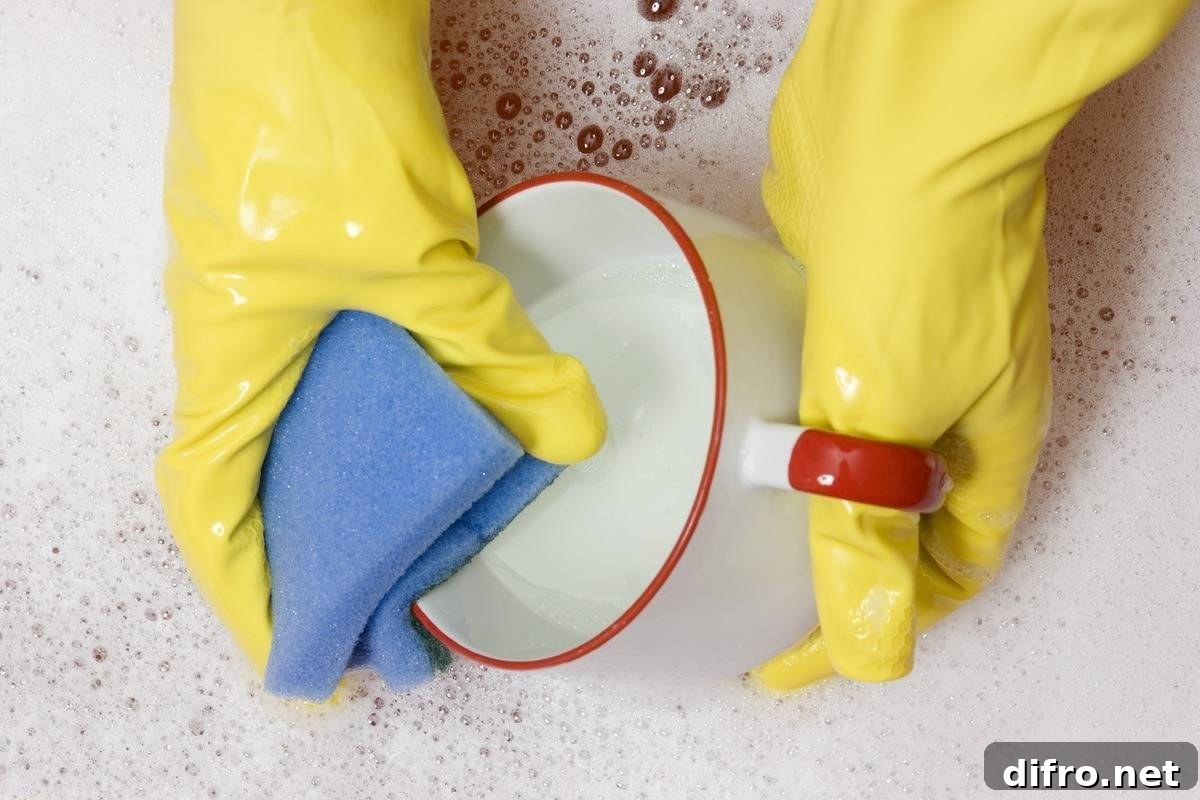
Microwaving wet sponges is often suggested to disinfect them, but it can be unreliable and, in some cases, promote bacterial survival if not done correctly. A safer approach is to replace sponges regularly or sanitize them in the dishwasher on a hot cycle. Keep sponges dry between uses to limit bacterial growth.
Warm Water Has Its Place in Laundry
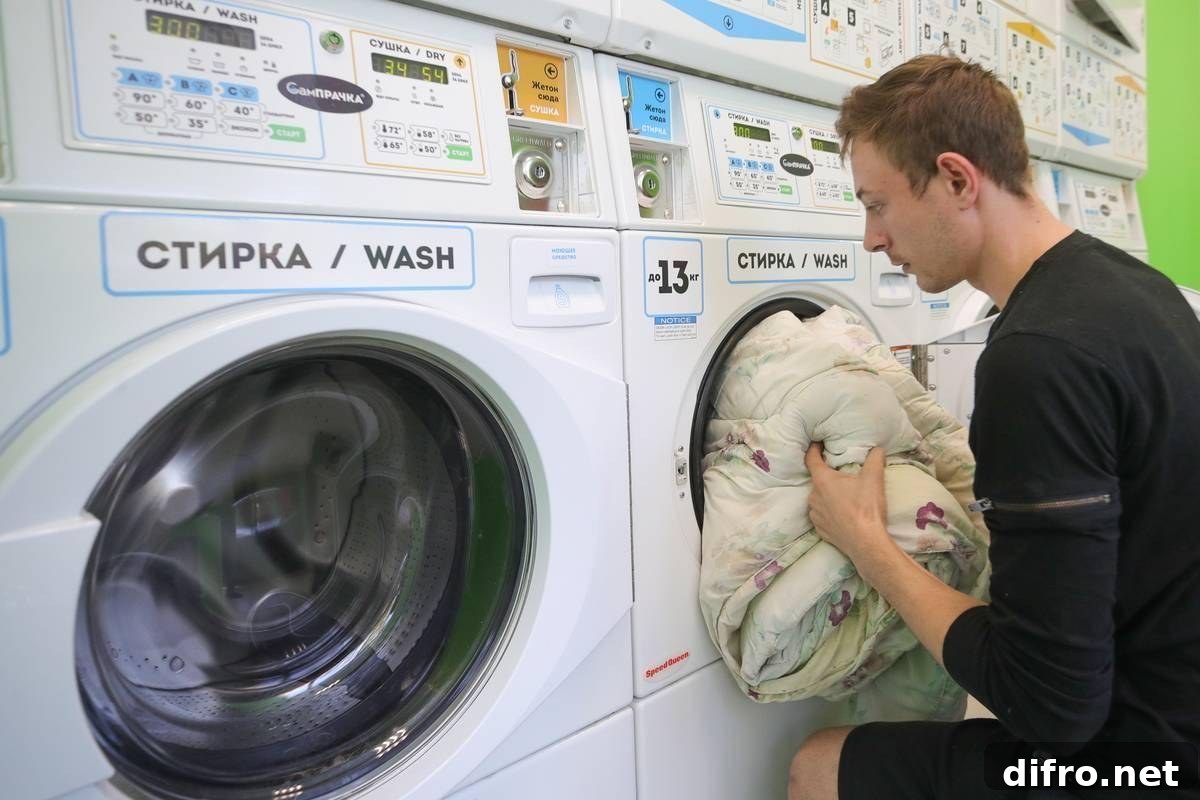
Cold water preserves colors and saves energy, but it doesn’t sanitize as effectively as warm water. Use warm or hot cycles when washing items that need sanitizing—sheets, towels, or baby clothing—while reserving cold water for delicate or dark garments to help maintain color and fabric integrity.
Feather Dusters Aren’t Always Effective
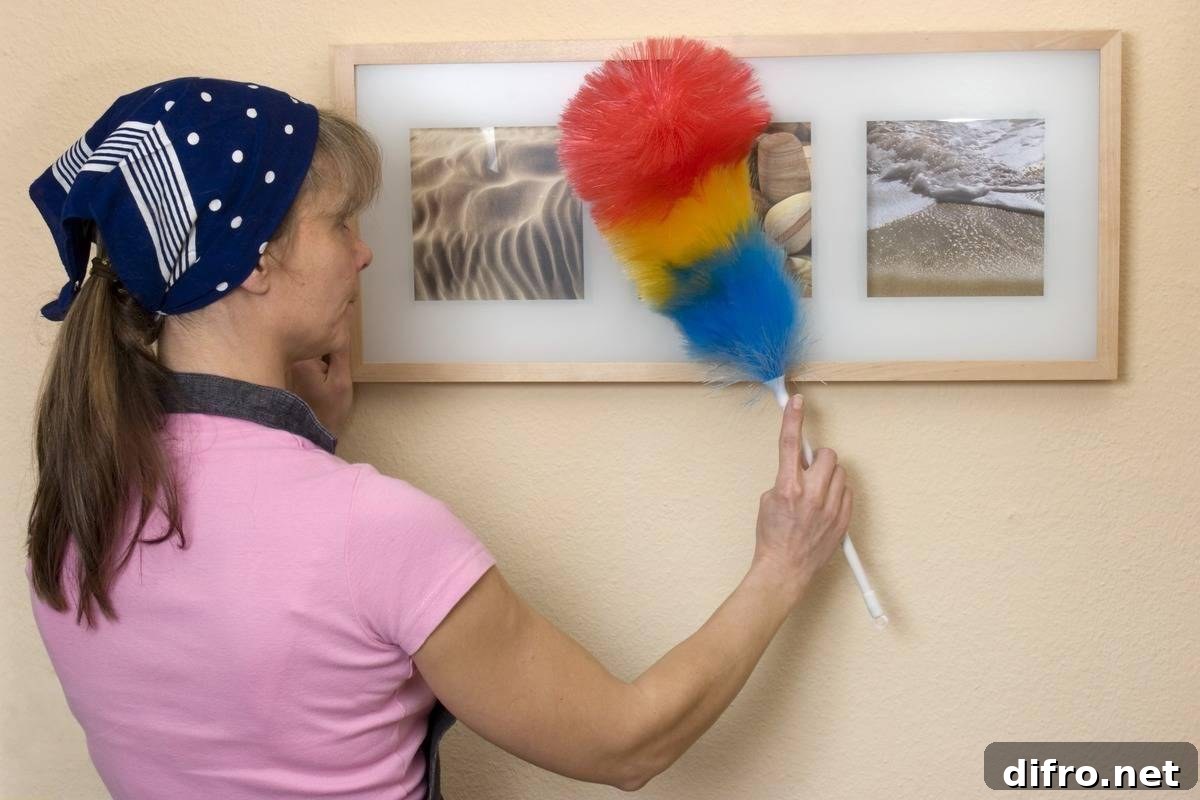
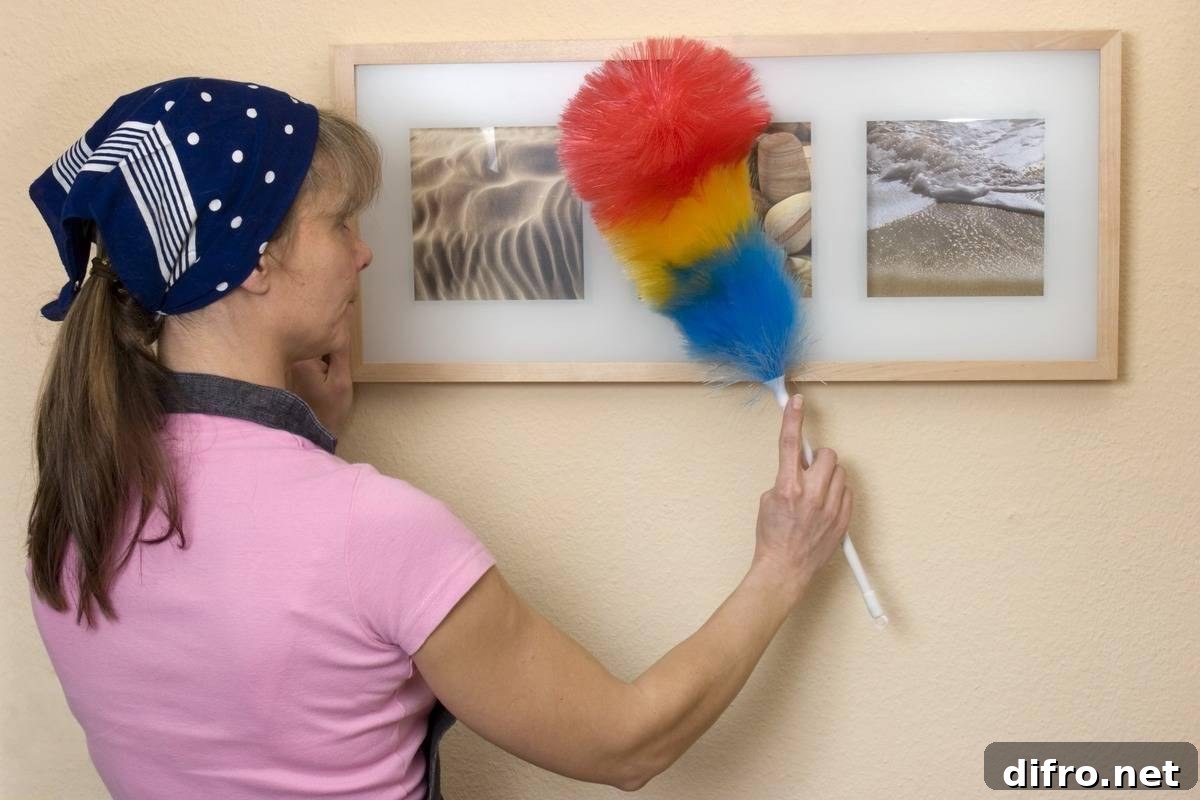
Not all feather dusters perform the same. High-quality ostrich feather dusters can pick up and hold dust due to natural oils and static, while some synthetic dusters may simply scatter particles. For consistent results, use a damp microfiber cloth or electrostatic dusting cloth that traps dust instead of spreading it around.
Green Products Aren’t Always Safer
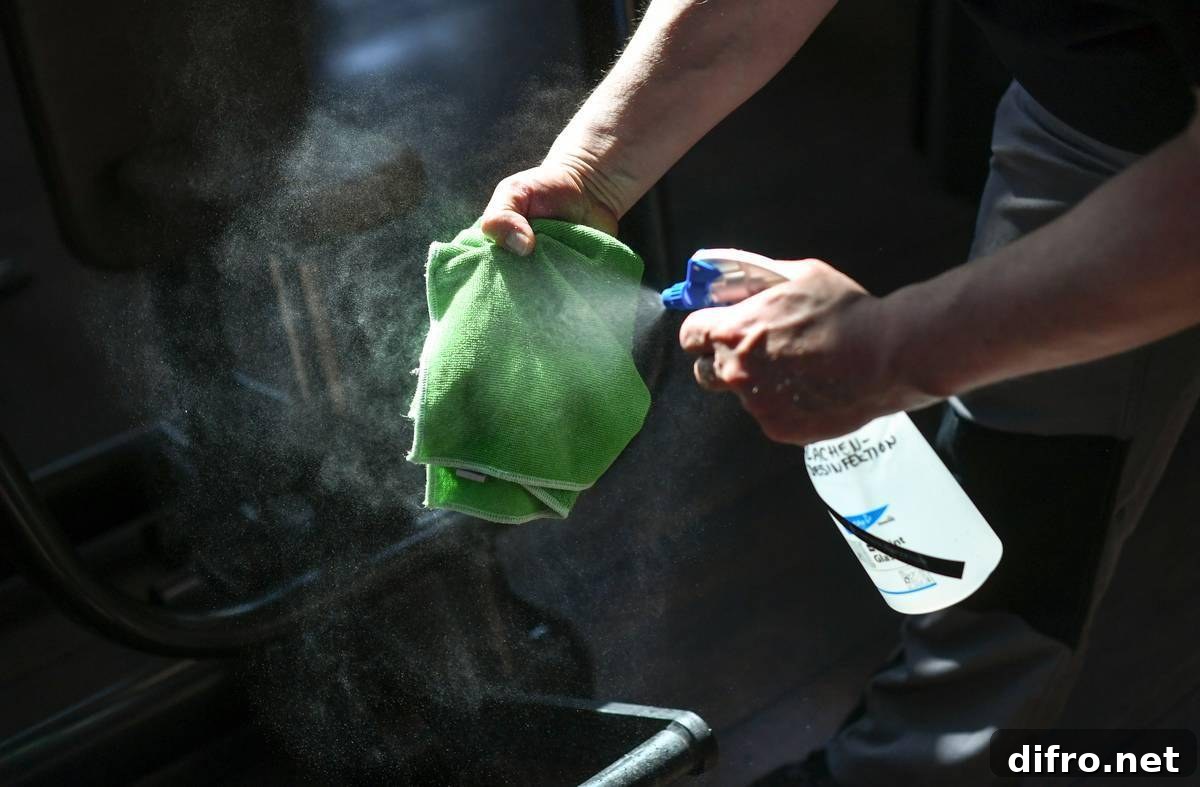
“Natural” or “green” labeling doesn’t guarantee a product is non-toxic or free of volatile chemicals. Some eco-friendly products still contain volatile organic compounds (VOCs) or other ingredients that can affect indoor air quality. Read labels carefully and choose products with transparent ingredient lists or recognized safety certifications when possible.
Dust Before You Vacuum
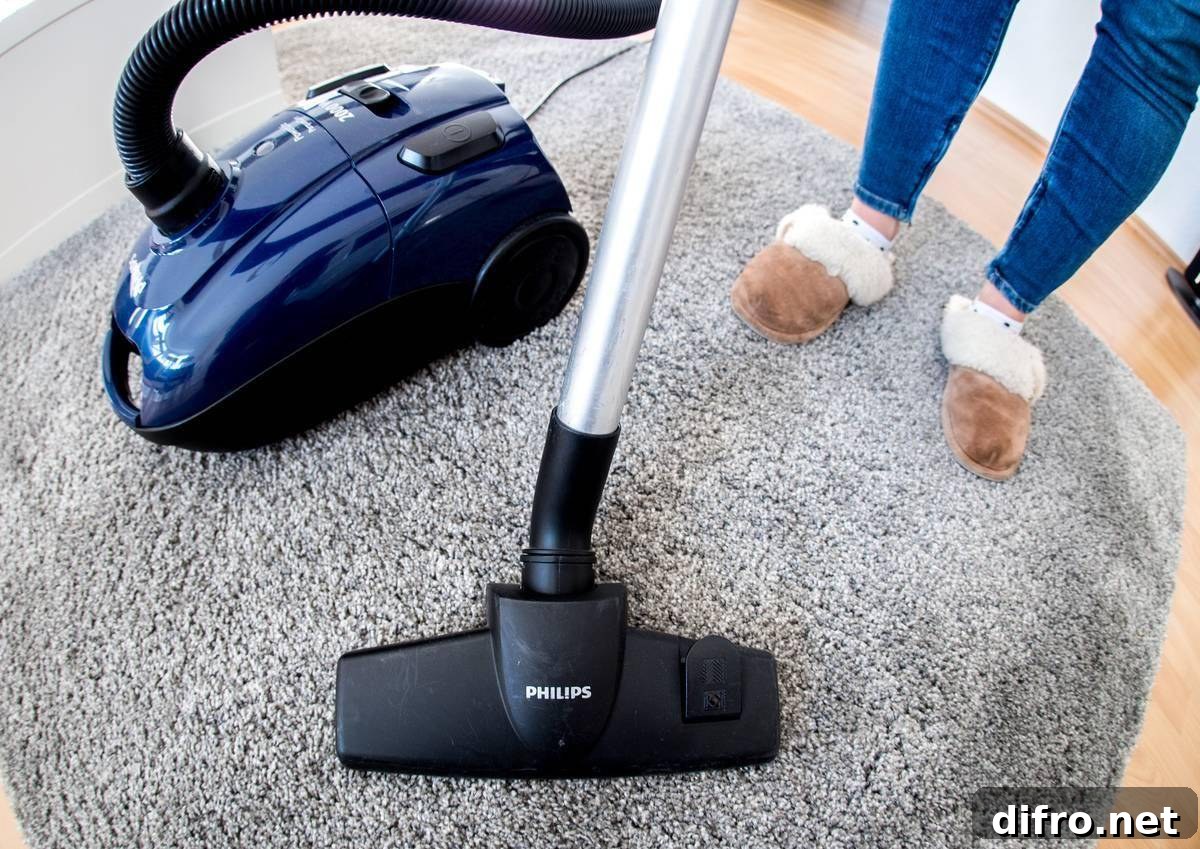
Dusting first helps loosen particles so they settle to the floor where vacuuming can remove them. If you vacuum before dusting, you’ll likely need to vacuum again. Work from top to bottom—dust shelves and furniture, then vacuum floors—to reduce effort and improve results.
Washing Machines Need Maintenance
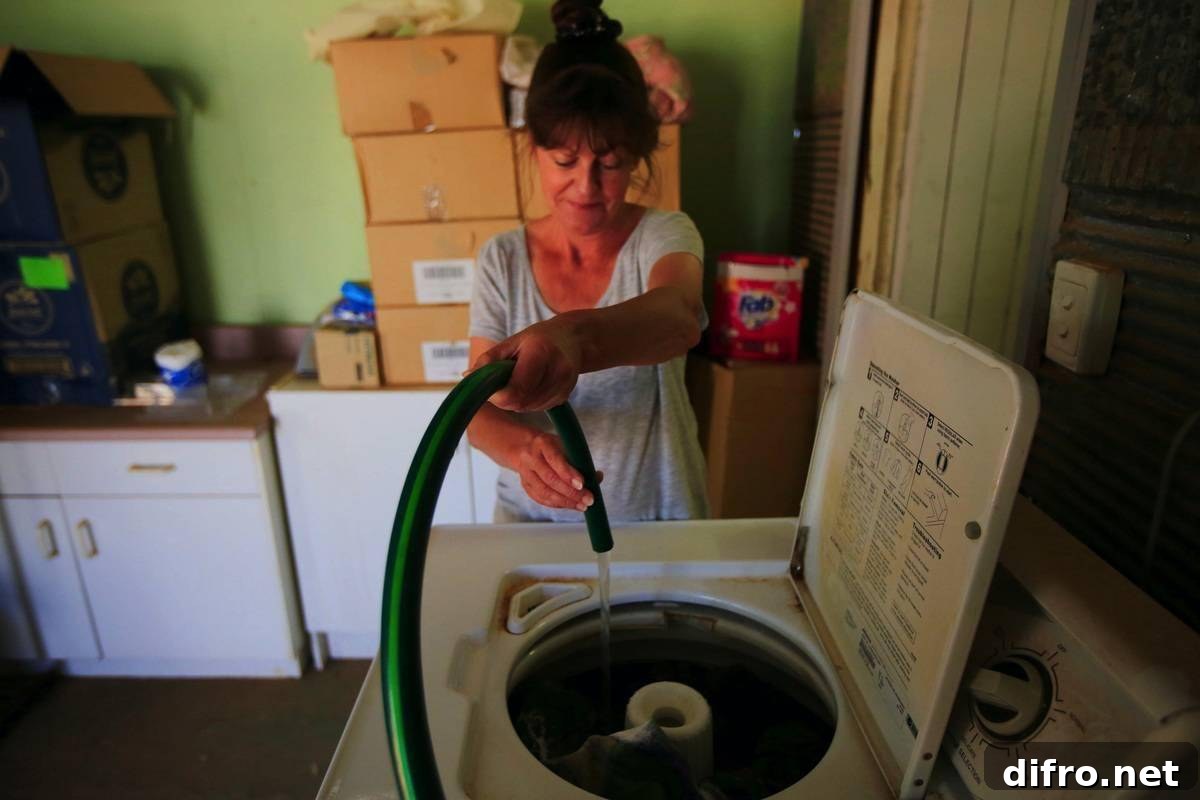
If your laundry smells musty, the machine itself may need attention. Detergent residue, fabric softener, mineral deposits, and mold can accumulate in the drum and seals. Run an empty hot-water cycle with two cups of white vinegar or follow your manufacturer’s cleaning recommendations to remove buildup and freshen the machine.
Don’t Over-Polish Wood Furniture
Frequent polishing can build up residues and dull finishes over time. Dust first, then polish sparingly—roughly every six weeks for finished wood is a reasonable guideline—using a product suited to the wood finish and following label directions to avoid trapping dirt or creating a waxy buildup.
Wash Your Sheets More Often

Many people delay laundering bedding longer than they should. Washing sheets every two weeks is a good baseline; wash them weekly if you have allergies, night sweats, or recent illness. Pillowcases should be washed more frequently since they collect oils, sweat, and facial products.
Frequent Vacuuming Won’t Hurt Your Carpet
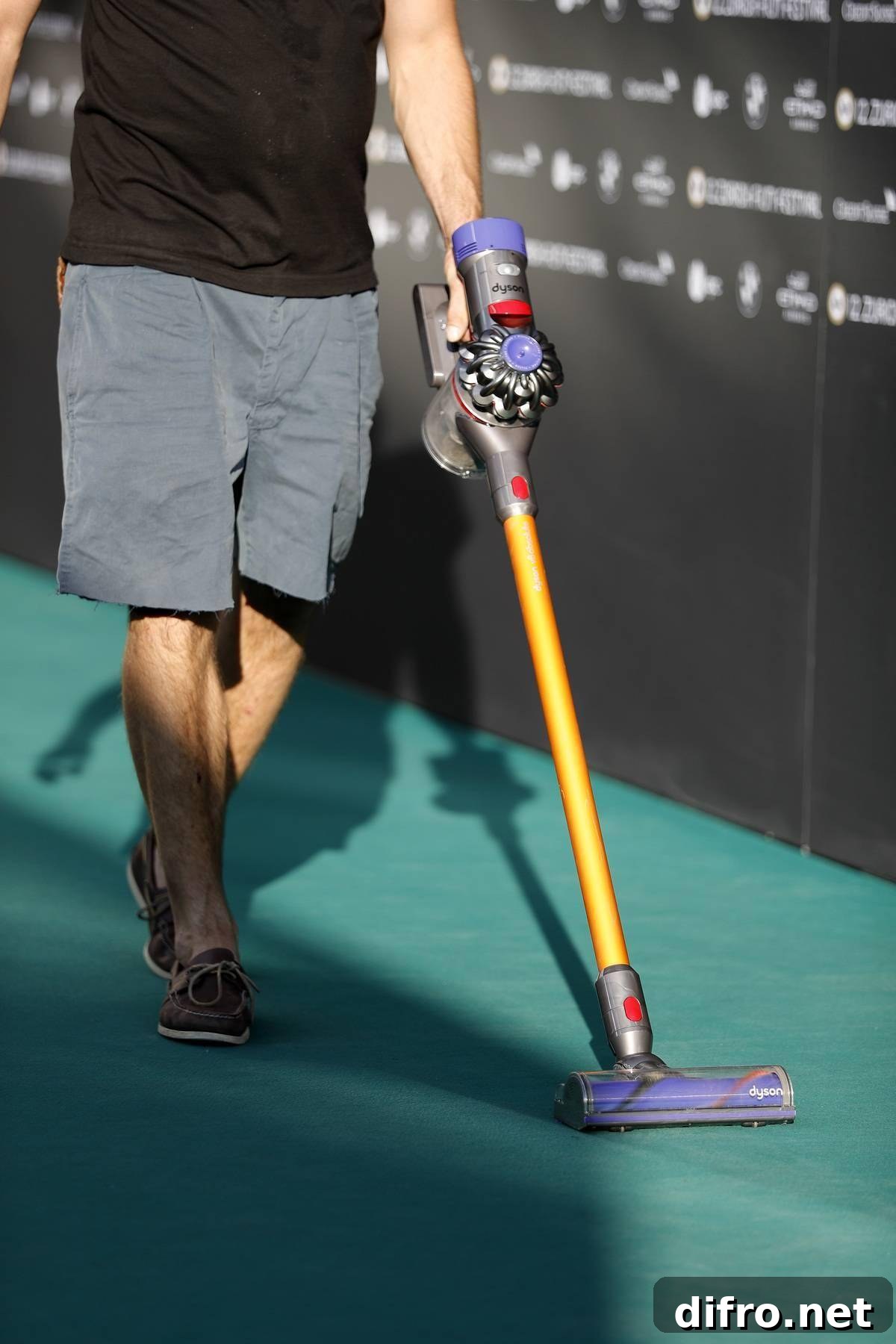
Routine vacuuming removes abrasive particles that wear carpet fibers and helps prevent dust buildup. While you should avoid dragging the vacuum head repeatedly over delicate fringe or leaving it in one spot for too long, regular vacuuming is an important part of carpet care and helps extend its life.
Keep Coffee Grounds Out of the Sink

Discard coffee grounds in the trash or compost rather than rinsing them down the sink. Grounds clump when wet and can cause slow drains or clogs. For routine drain maintenance, use a natural mix like baking soda followed by lemon juice and boiling water to help clear light buildup.
Steam Cleaning Is Safe for Carpets
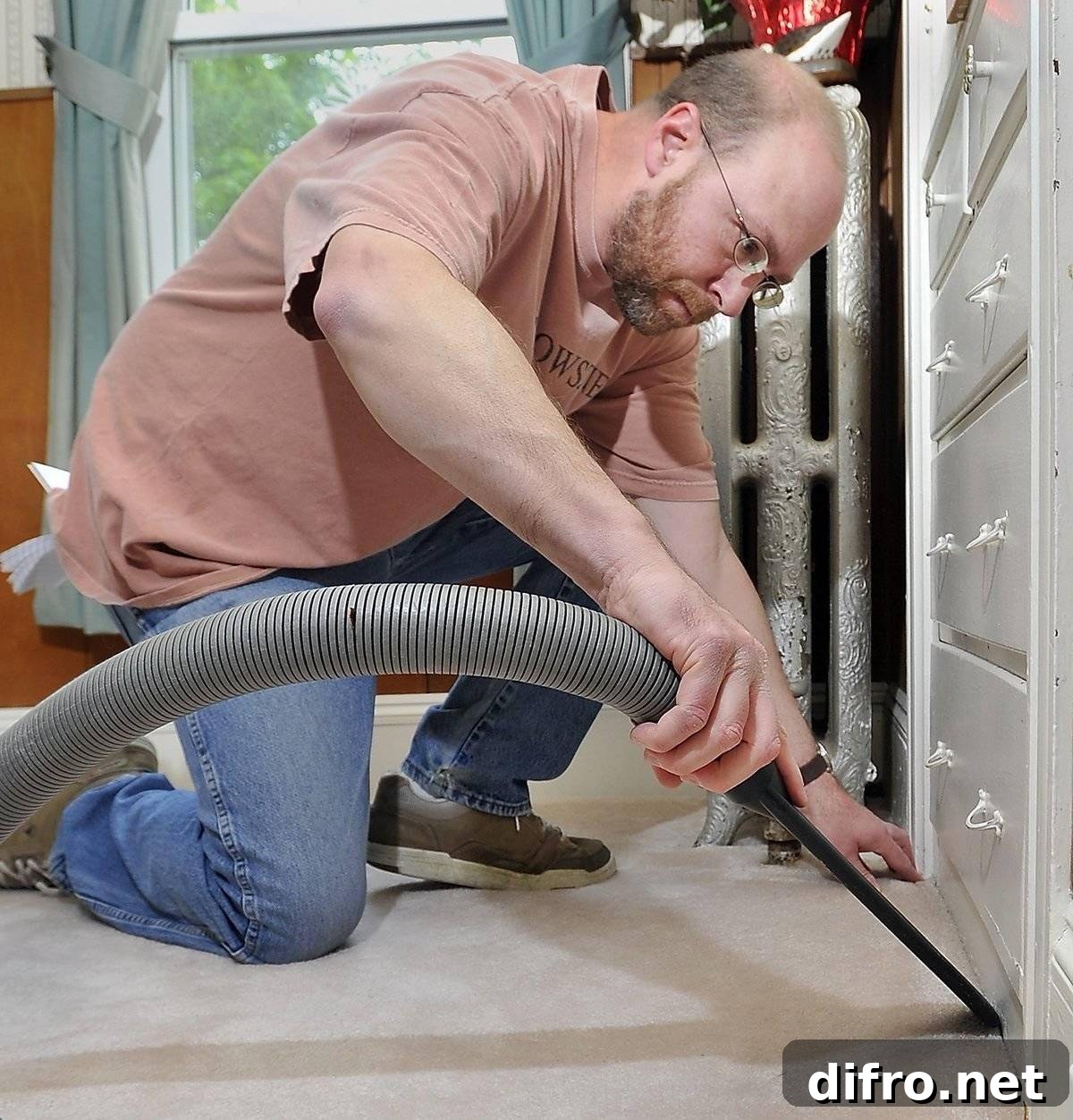
Steam cleaning (hot water extraction) is an effective deep-cleaning method when done properly, because it cleans fibers without leaving them overly wet and reduces the risk of mold. Use a reputable machine or professional service and follow drying recommendations to ensure carpets dry thoroughly.
Upgrade Your Mop
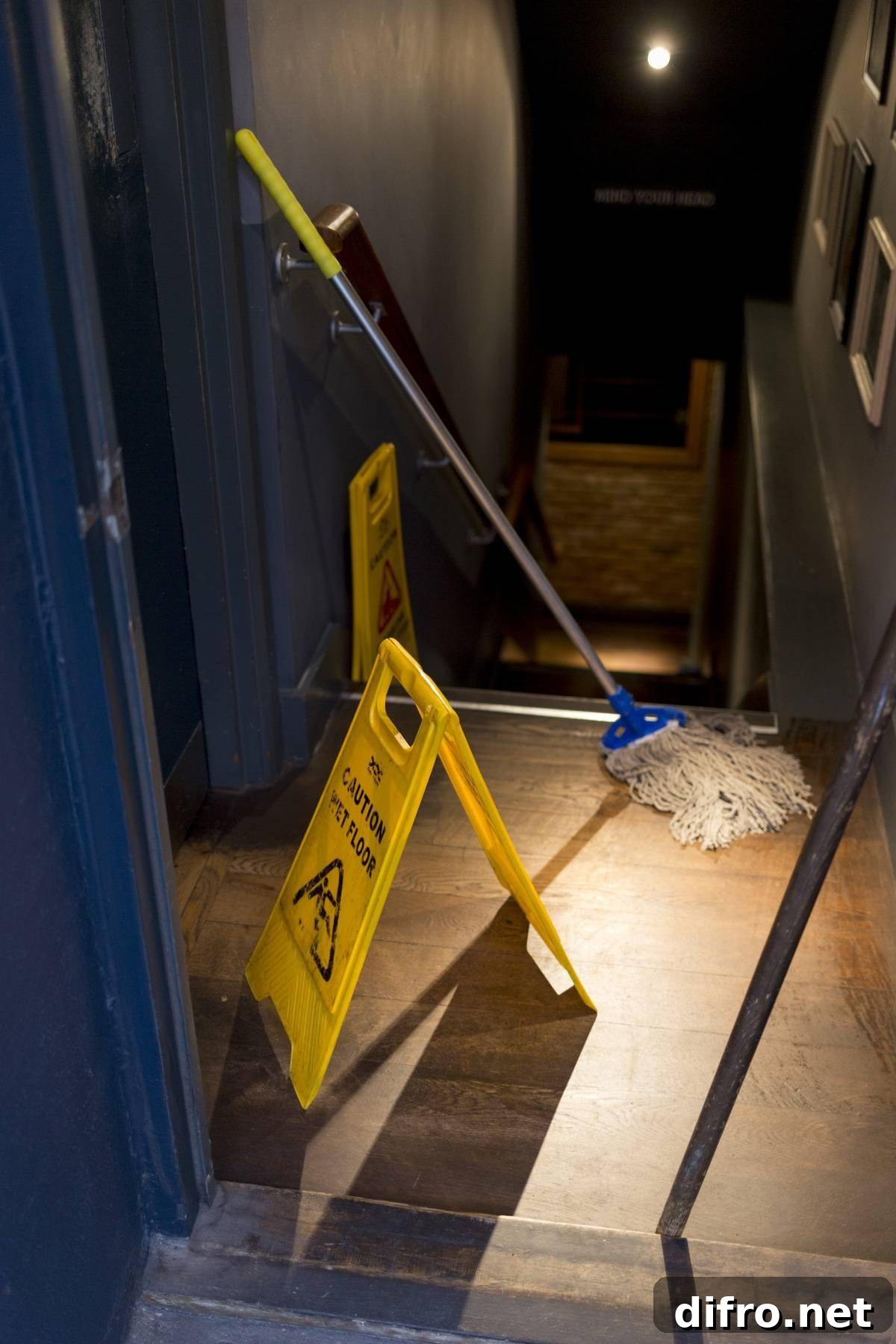
Traditional string mops can spread dirty water across floors. Microfiber mops pick up more dirt and bacteria and are easier to rinse and dry, making them a more hygienic choice for everyday floor cleaning. Consider switching to microfiber pads and follow care instructions to keep them effective.