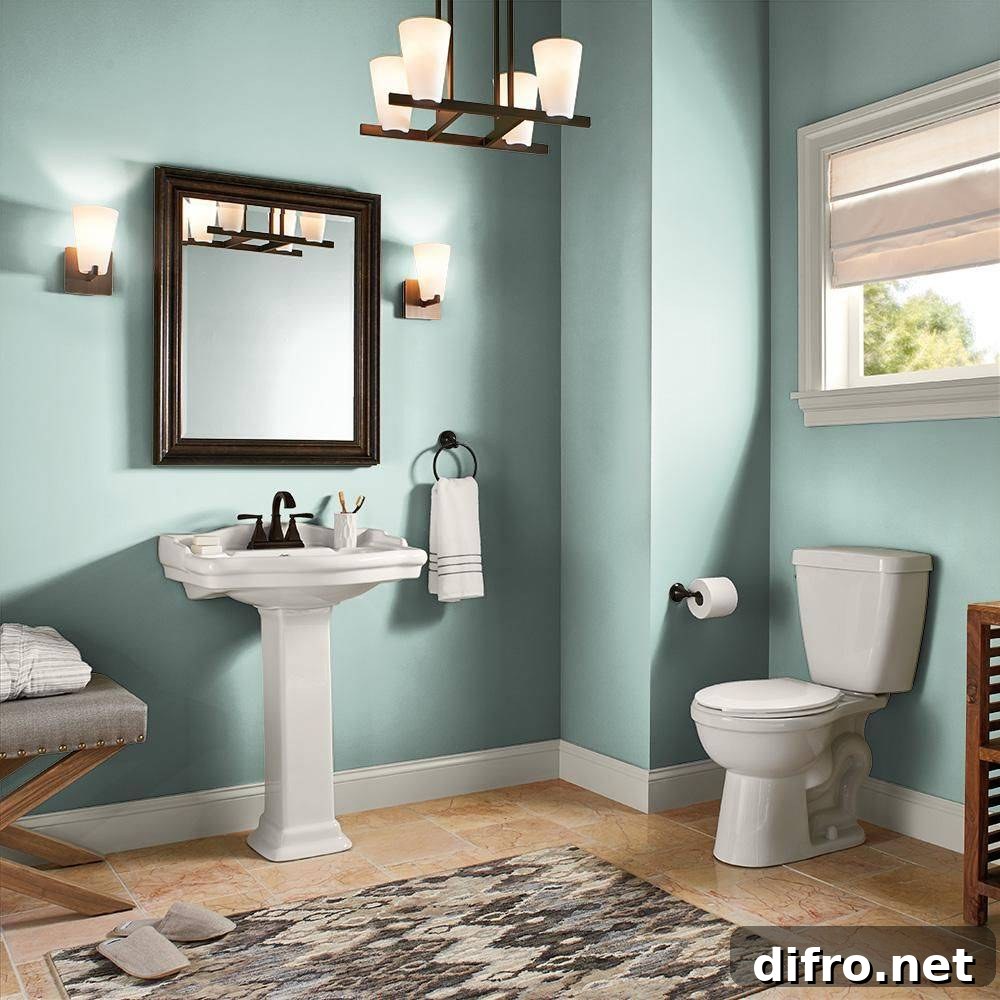
When painting furniture, decorative objects, walls, or architectural details, two decisions matter most: the color and the paint finish. The finish — often called gloss level — affects how light reflects from the surface, how durable the coating is, and how easy it is to clean. The most common finishes you’ll encounter are ultra-gloss (high gloss), gloss, satin (semi-gloss), eggshell (semi-matte or velvety), and matte (flat). Choosing the right finish depends on the surface, the room’s function, and the manufacturer’s options.
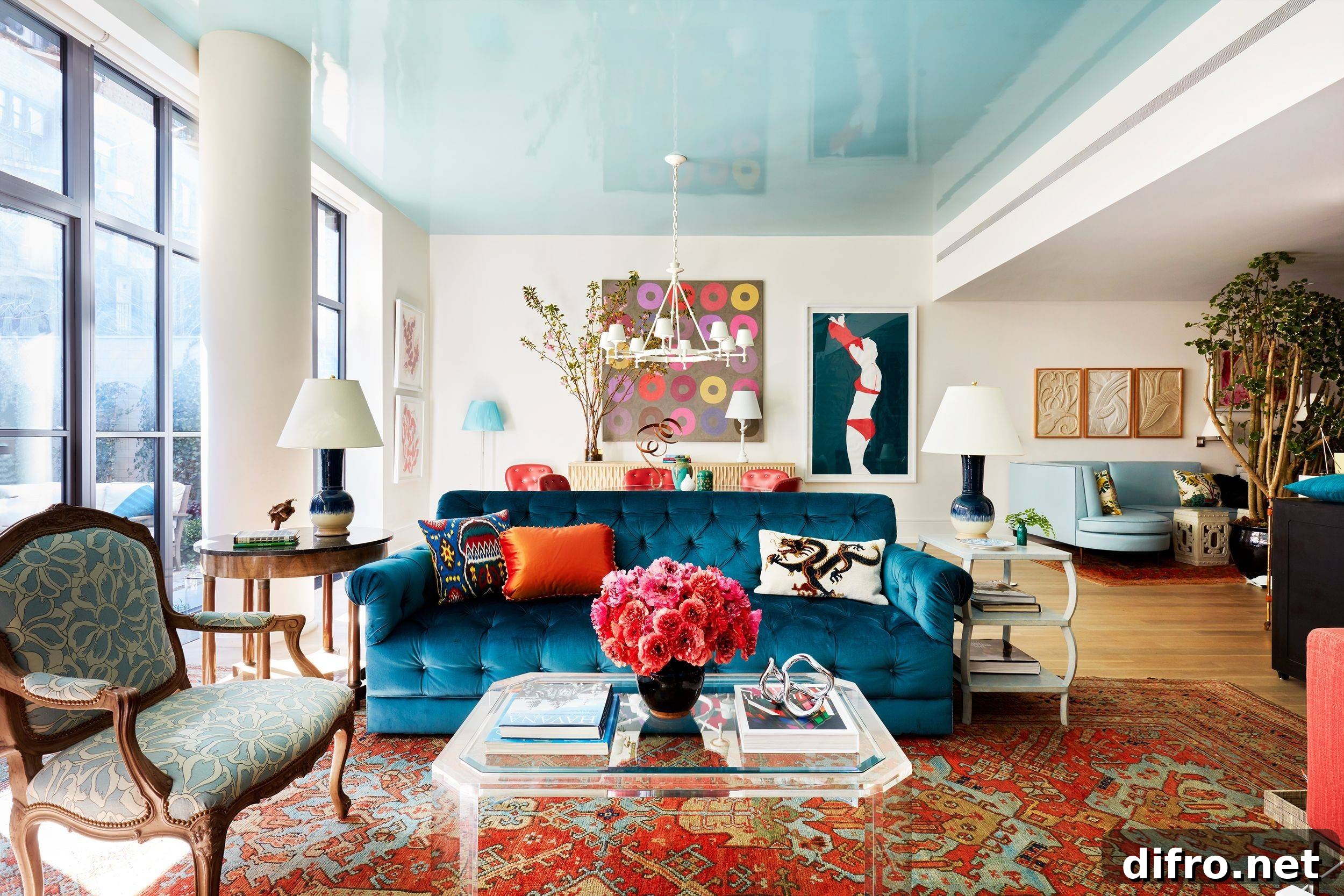
Below is a quick list of the common finishes and what they’re best used for:
- Ultra-gloss (High Gloss)
- Gloss
- Satin (Semi-gloss or Satin)
- Velvety (Semi-matte or Eggshell)
- Matte (Opaque or Flat)
Choosing the Right Paint Finish
Ultra-Gloss Finish
Ultra-gloss or high-gloss finishes produce the most reflective surface and are primarily chosen for their visual impact. They create a mirror-like sheen that highlights color depth and sharp edges, making them ideal for accent pieces and statement furniture. Because of their extreme shine, ultra-gloss surfaces typically require careful preparation before painting and sometimes additional polishing or clear coats afterward to achieve a flawless look.
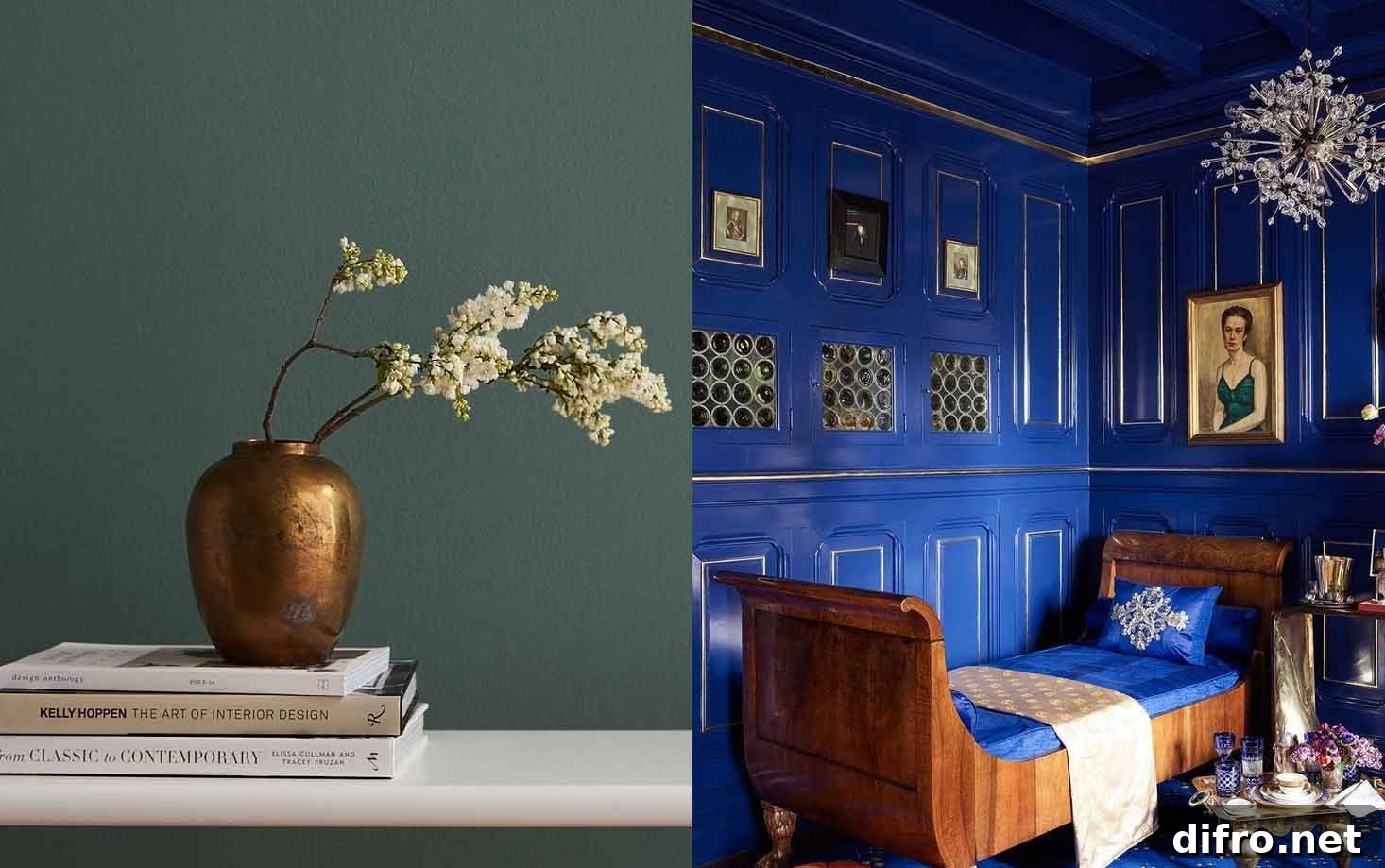
Best uses: accent furniture, tabletops, decorative trims, and small objects where you want a dramatic, polished look.
Glossy Finish
Gloss finishes are very shiny and durable. They resist stains and handle frequent cleaning better than lower-gloss paints, which makes them suitable for high-contact areas. Gloss is commonly used on doors, window frames, trim, and some furniture. It can also be used decoratively on walls or in areas like hallways and stairwells where durability is important.
Best uses: hardwood floors (in appropriate formulations), doors, trim, and any surface that needs frequent cleaning or durability.
Satin Finish
Satin finish sits between glossy and matte. It has a soft sheen that catches light without looking overly shiny, making it a versatile choice. Satin is more washable than eggshell or matte finishes, yet it conceals surface imperfections better than high-gloss paints. When applied with a brush or roller, satin helps minimize visible brush marks, so it’s a popular choice for many interior applications.
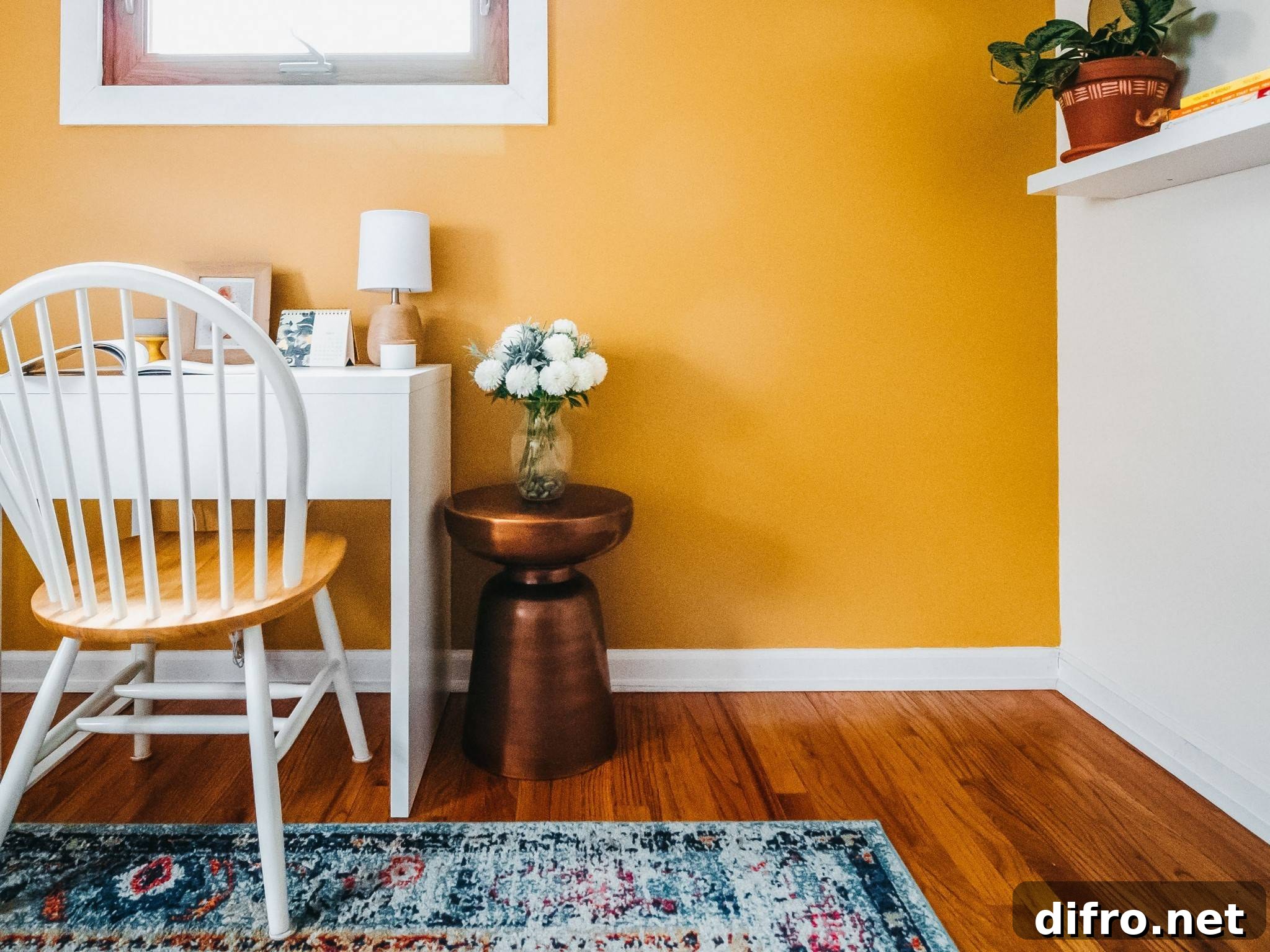
Best uses: doors and window frames, wooden ceilings and floors, kitchen and bathroom walls (where moisture and cleaning are factors), and furniture that needs a subtle sheen with easy maintenance.
Eggshell Finish
Eggshell, sometimes called velvety or semi-matte, gives a soft, low-luster sheen that falls between satin and matte. It reflects light gently, creating a warm, inviting look while still providing more washability than a flat matte. Eggshell is particularly popular for living spaces because it hides minor imperfections but still allows for some cleaning if needed.
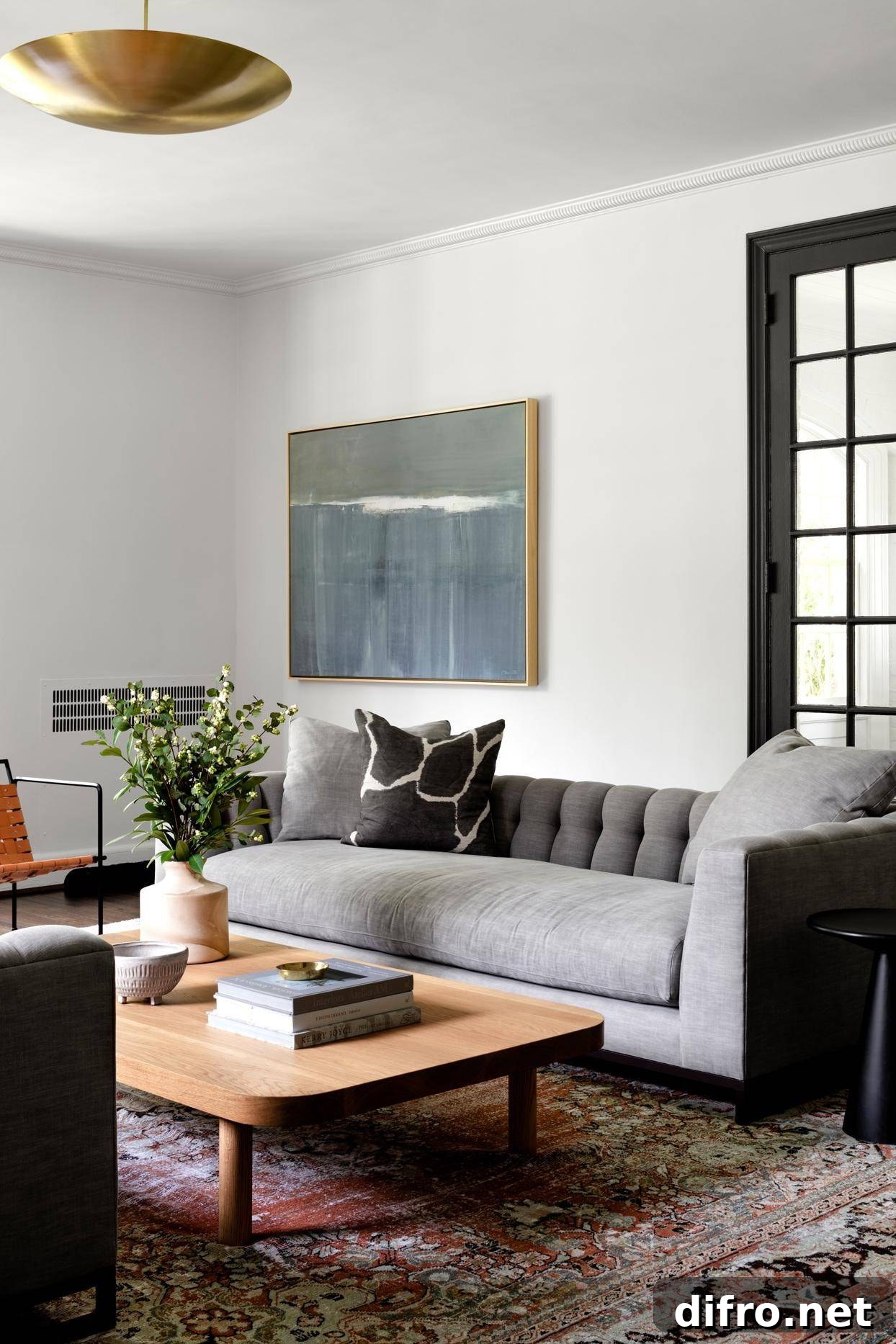
Best uses: living rooms, dining rooms, and bedrooms — areas where you want a refined, gentle sheen without the high reflectivity of satin or gloss.
Matte Finish
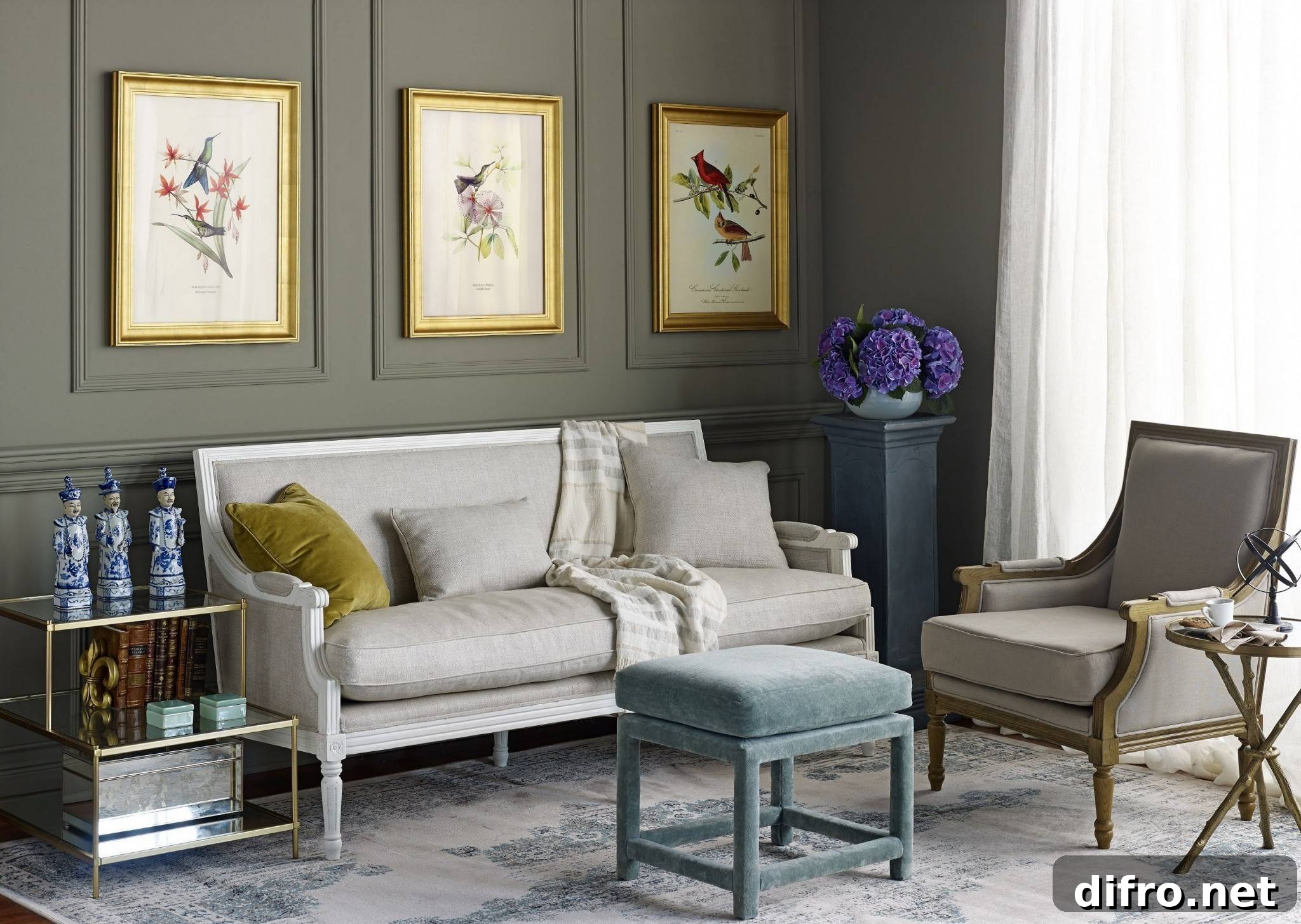
Matte or flat finishes have little to no sheen and are excellent at hiding surface imperfections. They create a soft, contemporary look and are commonly used on walls and ceilings. The downside is that matte paint is generally less washable than other finishes unless you choose a washable matte formulation. Even so, matte remains one of the best choices when concealment of flaws and a non-reflective appearance are priorities.

Best uses: living room and bedroom walls, ceilings, and rustic wood furniture where you want a natural, low-sheen appearance with protective qualities.
Selecting the right paint finish enhances both the look and performance of painted surfaces. Consider the room’s function, how much wear and cleaning the surface will face, and whether you want light reflected or absorbed. With the right finish, you can highlight architectural details, protect high-traffic areas, and bring out the best in your chosen color palette.