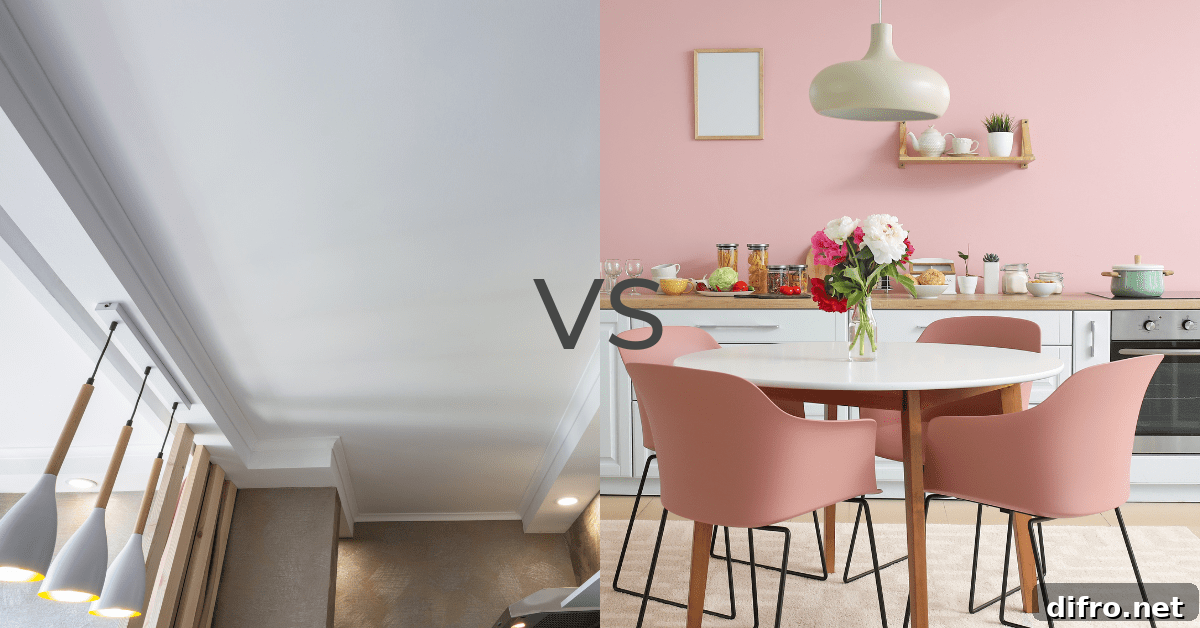
When refreshing a room, one small decision with a big impact is choosing between ceiling paint and wall paint. That choice affects the room’s appearance, durability, and how it feels to inhabit. This guide explains the key differences between ceiling paint and wall paint, when to use each, and practical tips to achieve a professional finish for your next decorating project.
Understanding the Key Differences Between Ceiling Paint and Wall Paint

Ceiling paint and wall paint might seem interchangeable, but they are formulated for different purposes. Ceiling paint is usually flat or matte and is thicker than many wall paints. The flat finish helps hide imperfections in overhead surfaces, while the thicker body reduces drips and makes overhead application easier.
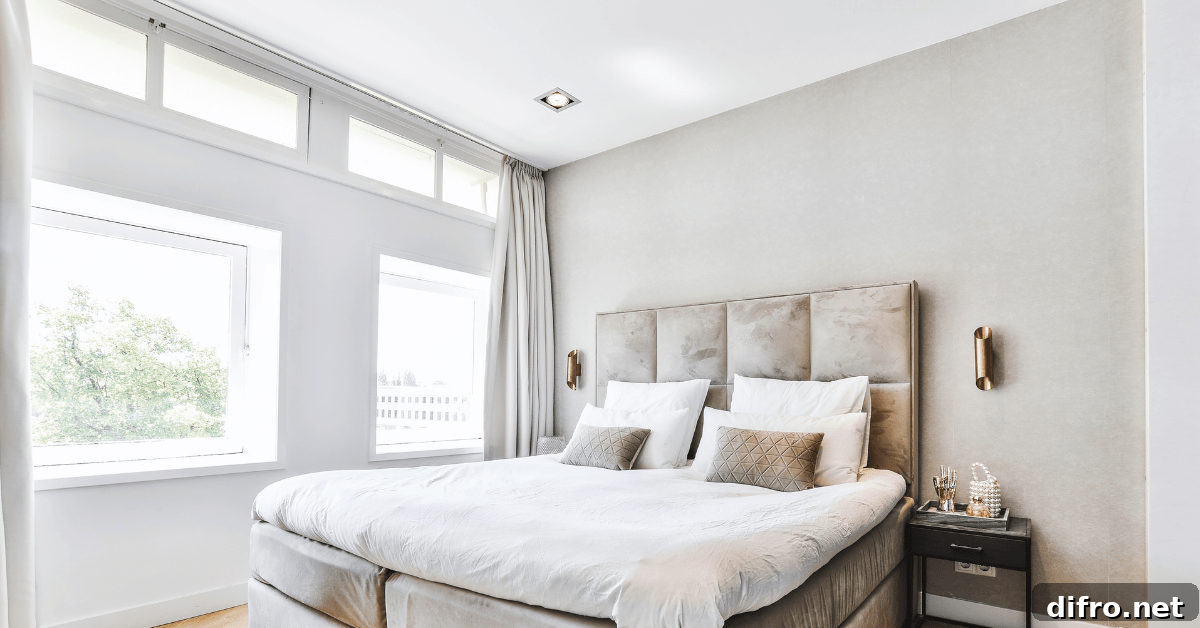
Wall paint comes in a wider variety of sheens—from flat and eggshell to satin, semi-gloss, and high-gloss—each offering different aesthetic and practical benefits. Higher-sheen paints are easier to clean and more durable, which makes them suitable for kitchens, bathrooms, hallways, and other high-traffic areas. The sheen you choose influences how light bounces around the room and can subtly change how large or bright a space appears.
Why Choosing the Right Paint for Each Surface Matters
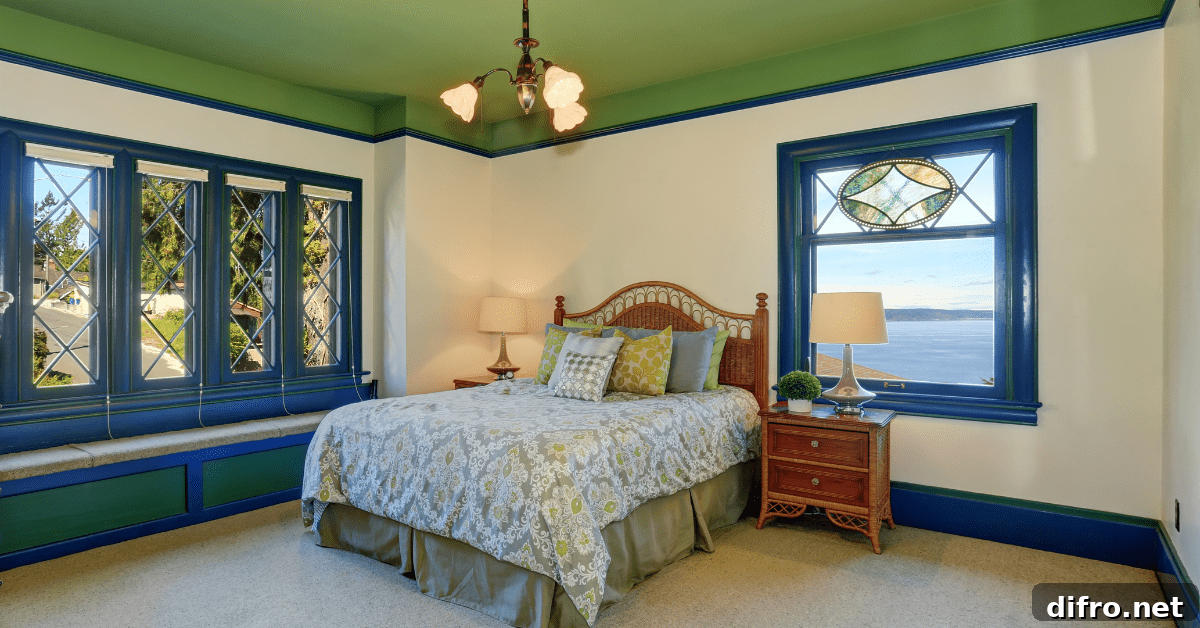
Using the correct paint for the intended surface improves both appearance and longevity. Applying wall paint to a ceiling may result in visible imperfections and more frequent touch-ups because many wall paints are formulated with higher sheen and less opacity for hiding flaws. Conversely, using ceiling paint on walls can produce a flat, chalky surface that resists cleaning and doesn’t stand up well to wear, particularly in areas that need regular wiping.
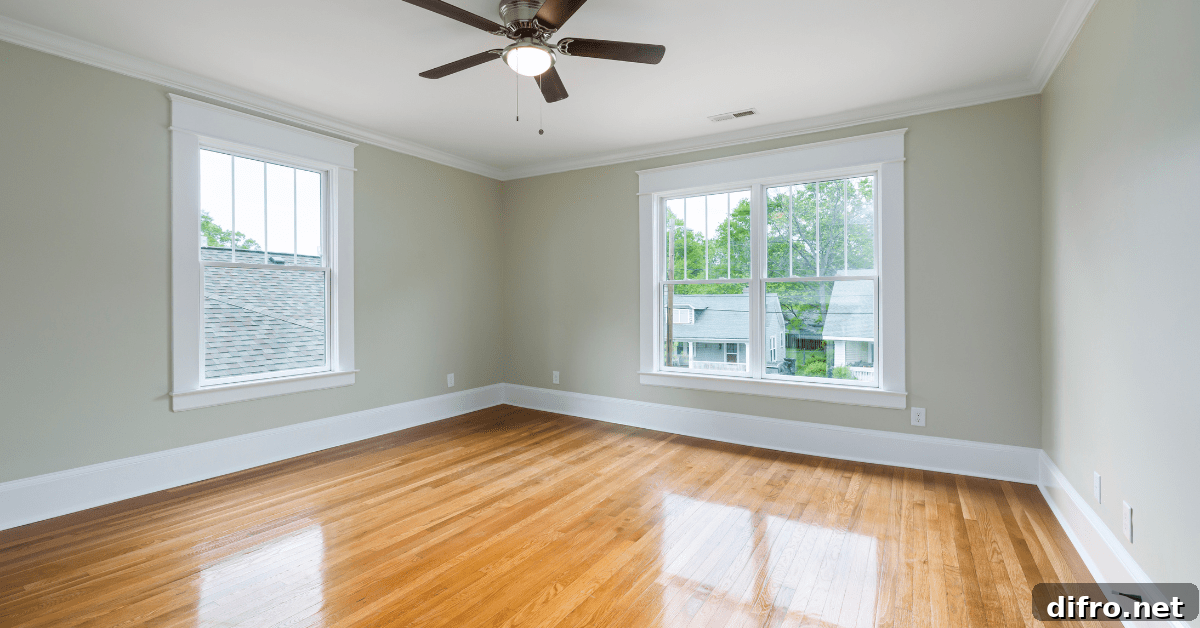
Choosing the right product for each surface saves time and money over the long run. Ceiling-specific paints help hide texture and reduce dripping, while wall paints designed for durability and cleanability keep walls looking better with less maintenance.
Creative Ways to Use Ceiling and Wall Paint

Paint is a powerful design tool beyond simply covering surfaces. A slightly lighter ceiling color can visually raise a room, creating a sense of height and openness. Alternatively, a darker ceiling can make a large space feel cozier and more intimate. Accent ceilings—using a bold or contrasting color—can act as a focal point, while accent walls remain popular for defining zones or highlighting architectural features.
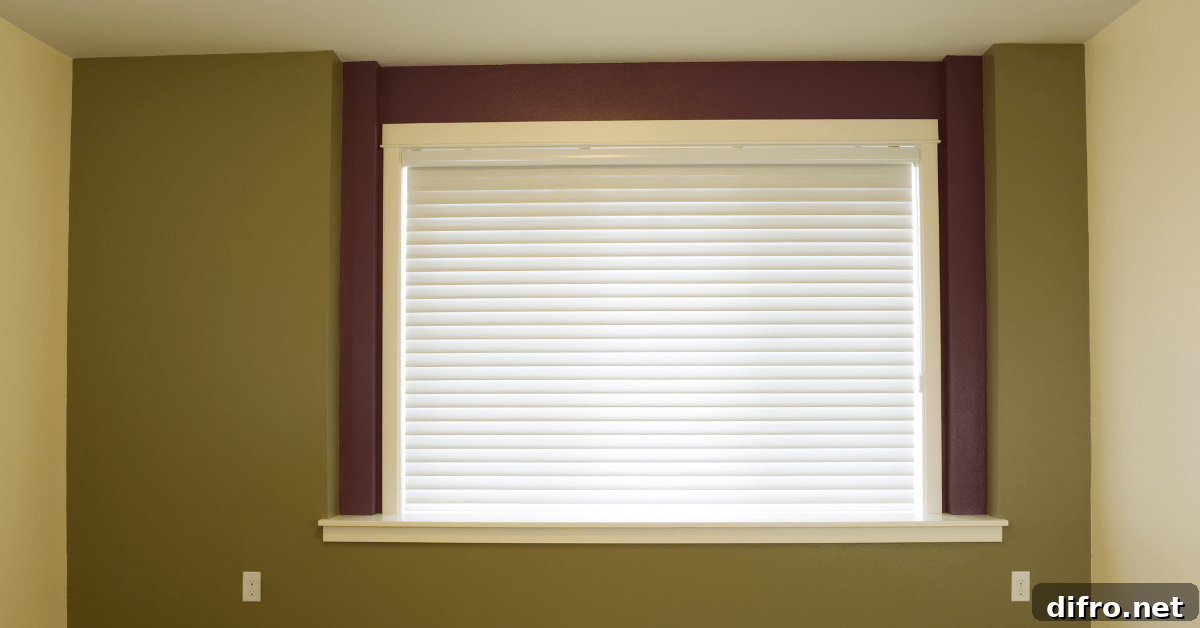
Techniques like stenciling, color blocking, or applying subtle textures can turn a ceiling or wall into a design feature. When planning color contrasts, consider the room’s natural and artificial lighting, furniture tones, and the atmosphere you want to create—calm and airy, warm and intimate, or bold and dramatic.
Practical Tips for Painting Ceilings and Walls
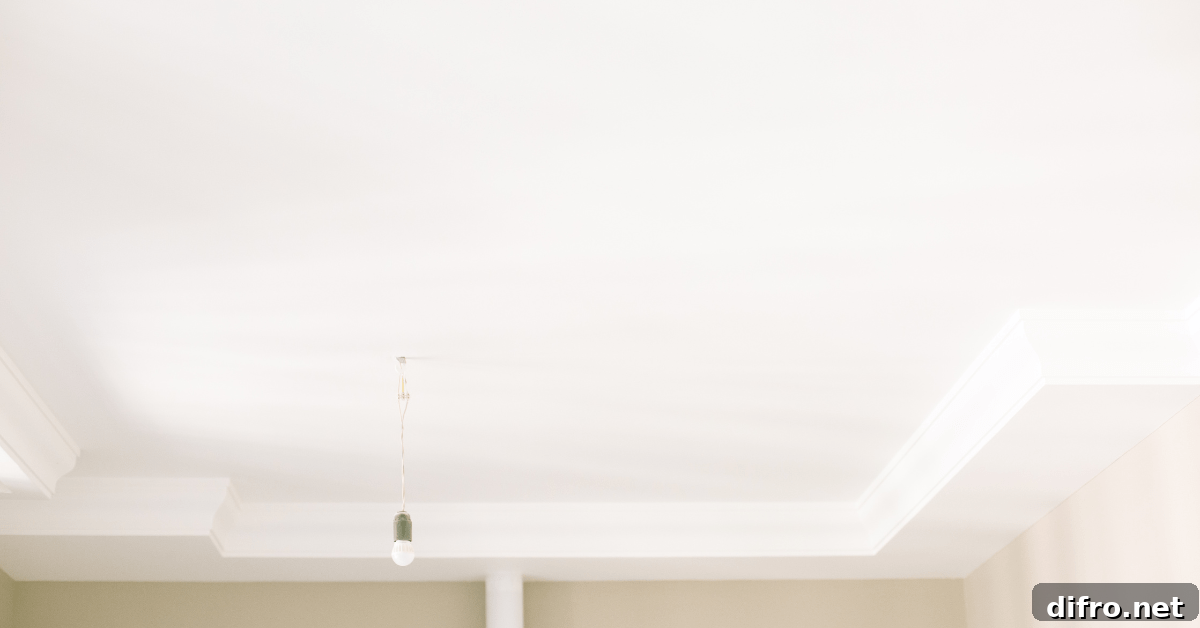
Preparation is essential for a smooth, lasting finish. Repair cracks and holes, sand rough spots, and ensure surfaces are clean and fully dry before painting. For ceilings, use a roller with an extension pole to maintain even coverage and reduce physical strain. Work in overlapping passes from the corner toward the center and watch for drips, especially where fixtures or moldings meet the ceiling.

For walls, cut in edges with a brush and roll larger areas for a uniform look. Use primer when switching from a dark to a light color or when painting over stained surfaces—primer reduces the number of topcoats needed and improves adhesion. Allow adequate drying time between coats for the best results, and choose a finish appropriate for the room’s use: washable finishes for kitchens and bathrooms, and lower sheens for living spaces and bedrooms if you prefer a subtler look.
Further Reading
- Satin vs Eggshell Paint – how to choose the right wall finish
- Different wall texture types and how they affect paint application
- Best practices for painting over wallpaper
In home renovation, the ceiling paint vs wall paint decision may appear minor, but it affects both look and performance. Matching the paint type to the surface will deliver a cleaner appearance, easier maintenance, and a finish that endures. Whether you’re taking on a DIY project or hiring professionals, a little planning—right paint, proper prep, and the right tools—goes a long way toward transforming a room into a space you love.
Turn your house into the home of your dreams. Subscribe to design and decor updates to receive inspiration, practical tips, and trends to guide your next project.