Bringing the outdoors inside has long been a favorite approach for creating warm, calm, and grounded interiors. Beyond the obvious houseplants and fresh flowers, a wide range of natural materials and simple botanical touches can transform rooms into peaceful, textural spaces. Using real wood, stone, clay, woven fibers, and preserved botanicals helps a home feel authentic and relaxed. Below are practical ways to incorporate nature-inspired decor that enhance comfort, texture, and visual interest throughout your home.
Raw Wood
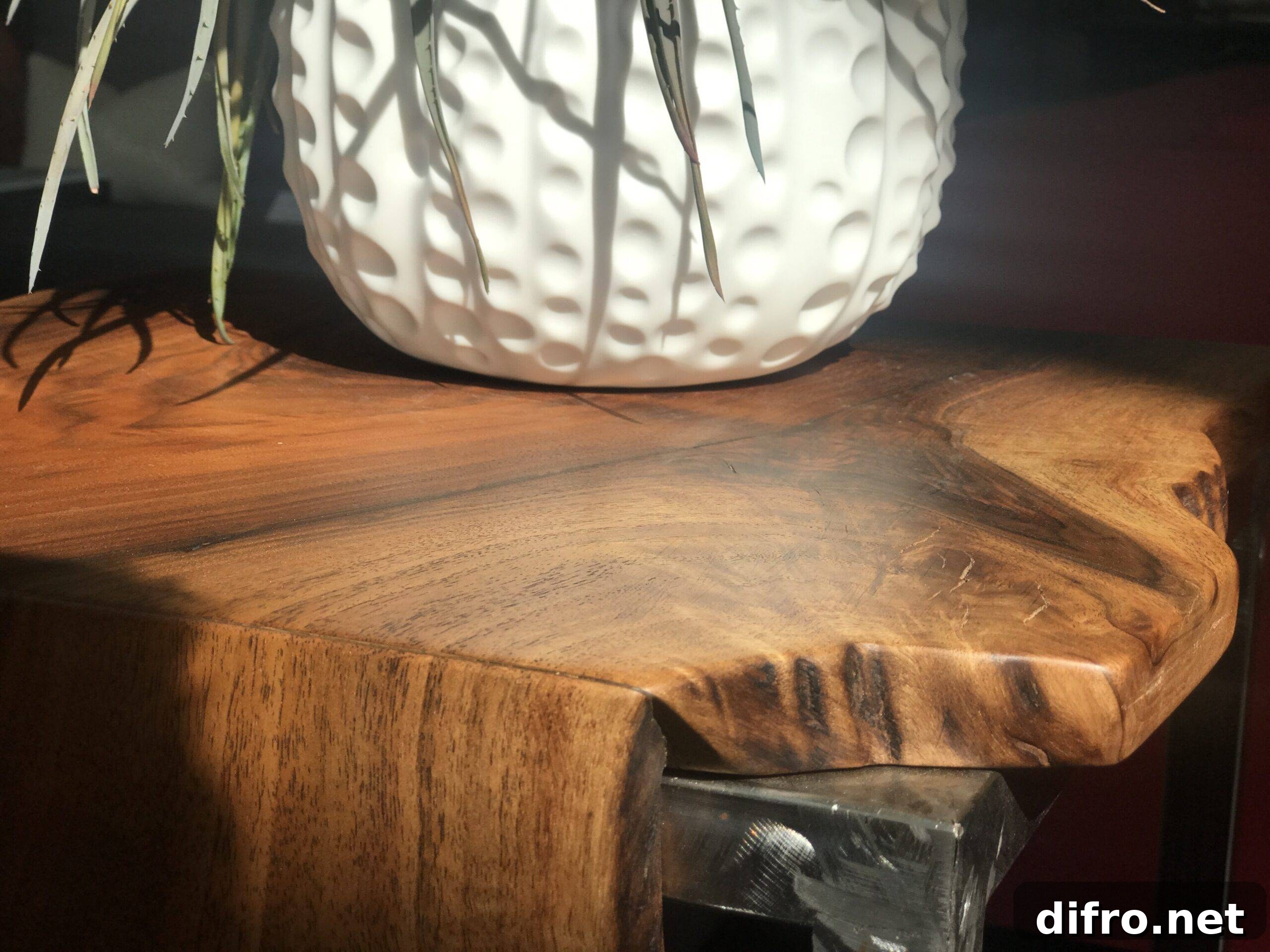
Instead of highly polished, perfectly finished furniture, choose pieces that celebrate wood’s natural edges and grain. A coffee table cut from a single tree slab, stools carved from logs, or live-edge countertops emphasize organic lines and texture. Smaller accents, such as driftwood on a shelf or a wooden bowl with a visible grain, function as sculptural elements while anchoring a room with natural warmth. Raw wood pairs well with neutral palettes and soft textiles, creating an inviting, earthy atmosphere.
Stones and Pebbles
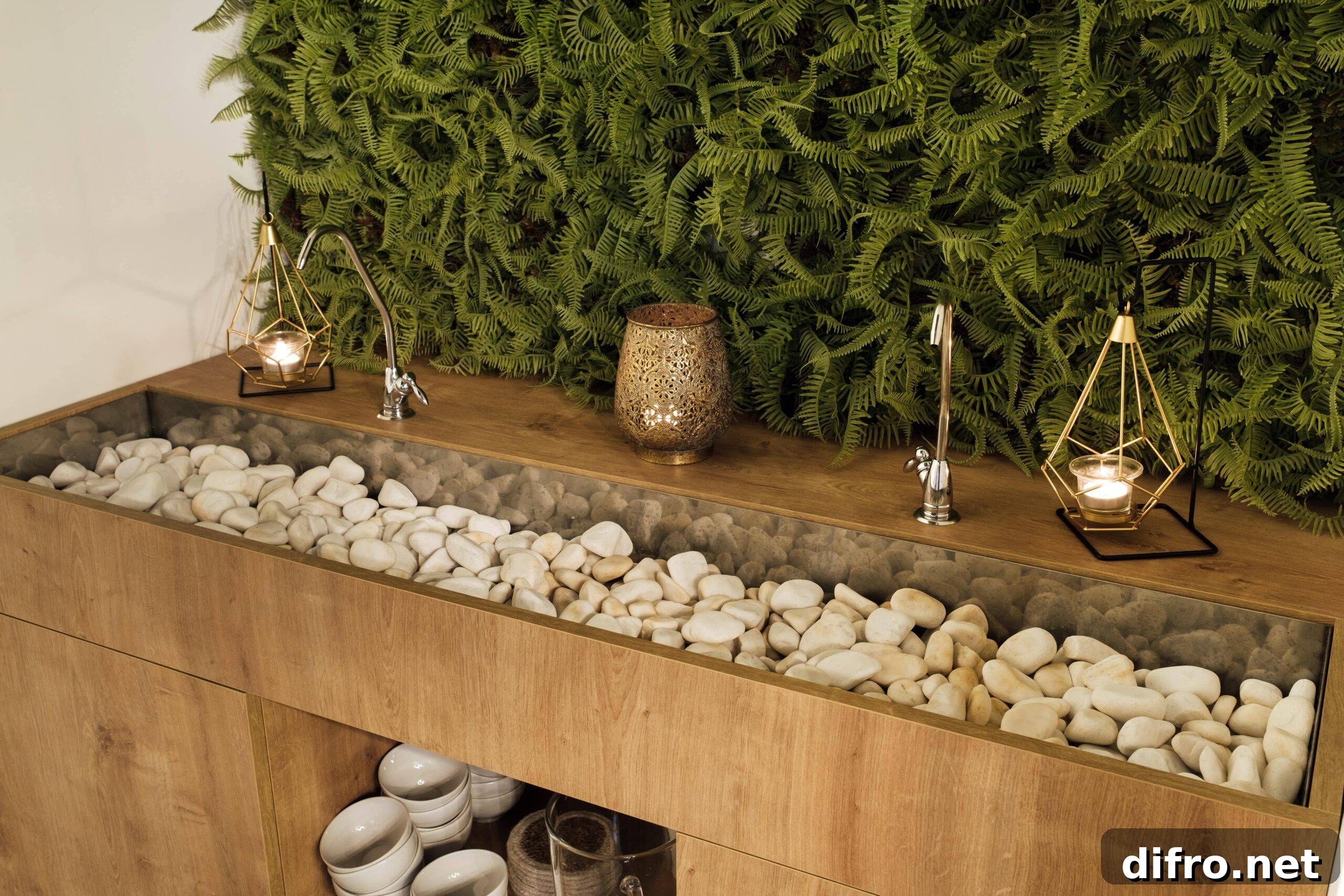
Stone adds cool, tactile contrast to softer natural materials. Smooth river stones, rough-cut slate, or decorative geodes can be used as bookends, doorstops, or display accents. Larger stones become sculptural focal points on a side table or entry console, while smaller pebbles can be arranged in shallow bowls or trays. The solidity and texture of stone balance lighter colors and fabrics, helping to ground a room’s palette and composition.
Dried Flowers
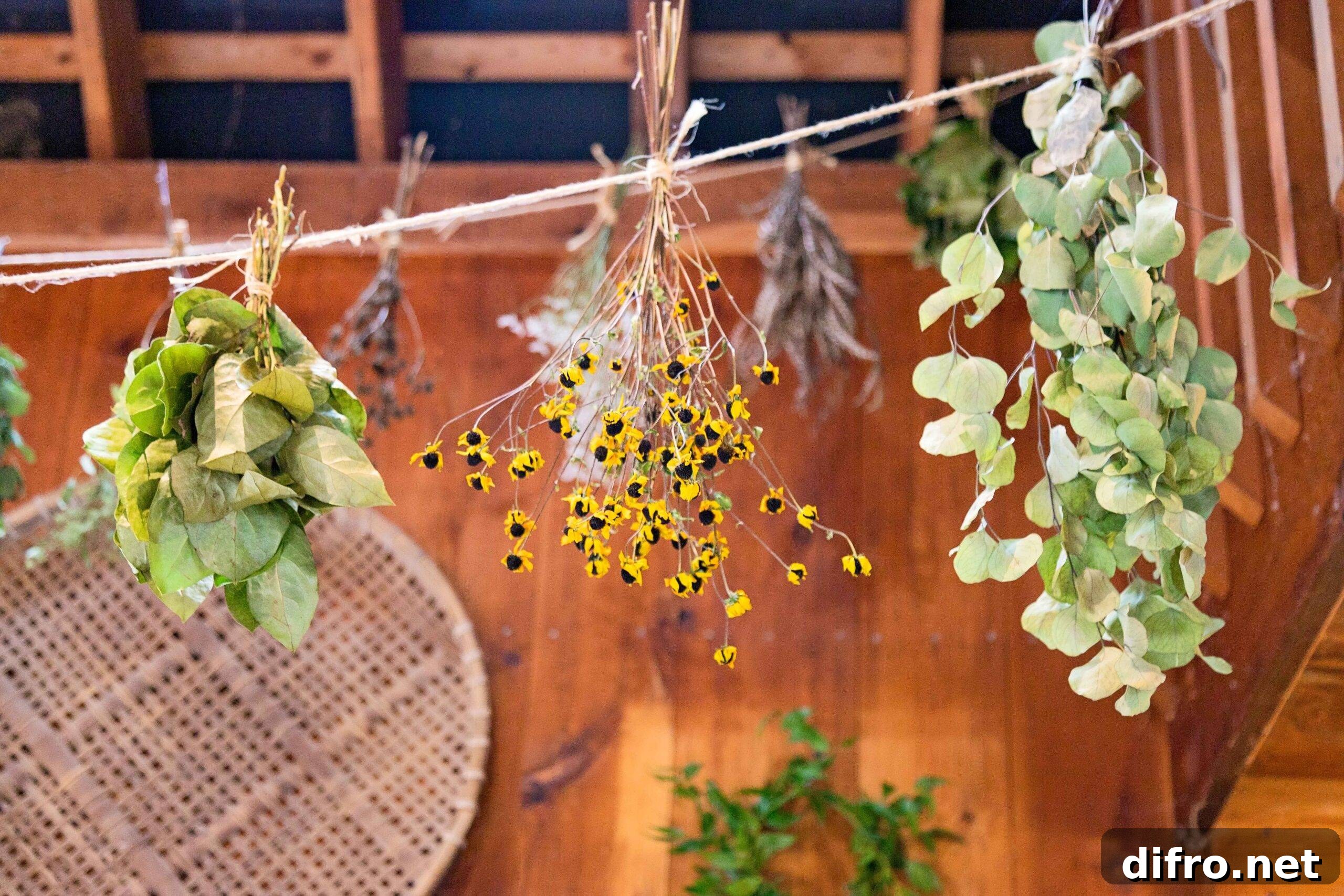
Dried flowers are an easy, long-lasting way to introduce botanical texture and a muted, timeless palette. Hang fresh blooms upside down to dry, then display them in a simple vase or attach them to a gallery wall. Although dried flowers lose much of their bright color, their subtle tones and preserved forms add a rustic, romantic feel to any room. Turning a sentimental bouquet into dried decor preserves its memory while creating a meaningful accent that endures.
Woven Fibers
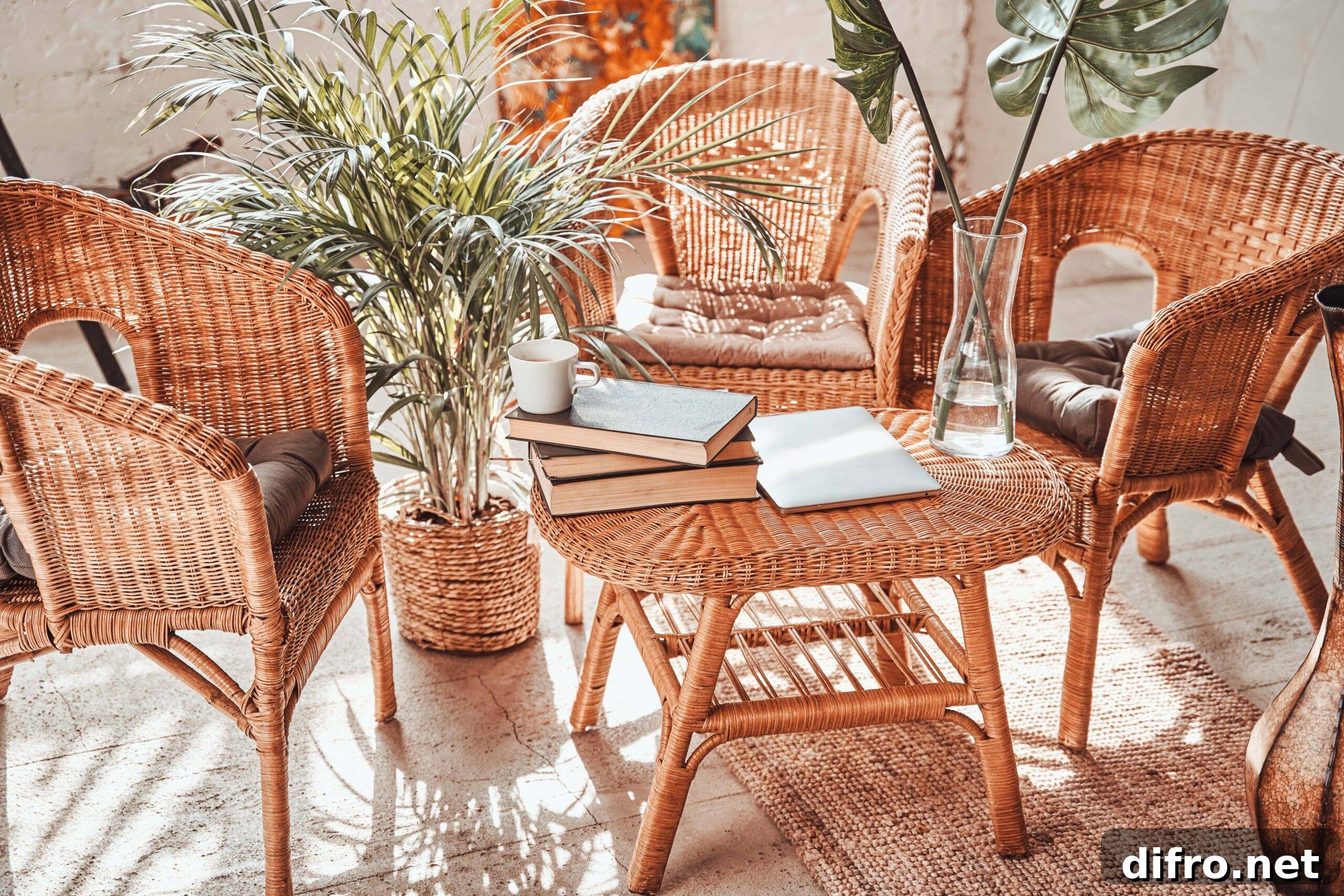
Rattan, jute, seagrass, and wicker bring tactile warmth and an artisanal feel to interiors. Consider a jute rug to anchor a seating area, woven baskets for decluttering and display, or a wicker wall hanging as a textured focal point. Natural fibers usually come in warm neutral tones that blend with most color schemes, making them versatile additions. These materials add visual softness while keeping spaces relaxed and inviting.
Clay and Earthenware
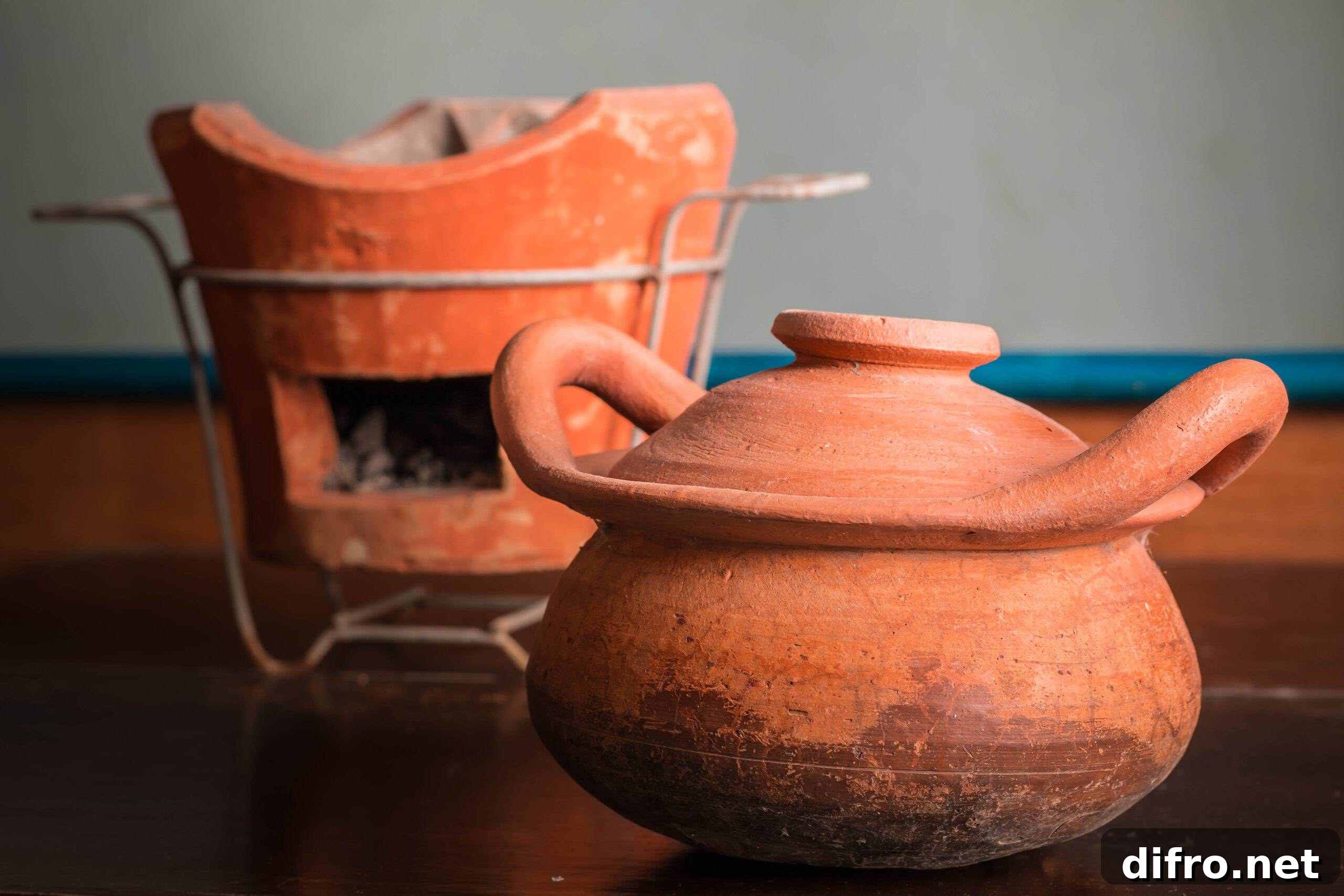
Unglazed clay vessels, terracotta bowls, and handmade ceramic vases carry warmth and organic imperfection. The subtle irregularities of handcrafted pottery add character and a human touch to shelving, dining tables, and countertops. Group several artisan-made pieces to create a cohesive display, or introduce ceramic plates and mugs into daily use for a tactile, grounded dining experience. Clay tones complement greens, browns, and neutral color schemes beautifully.
Natural Fabrics
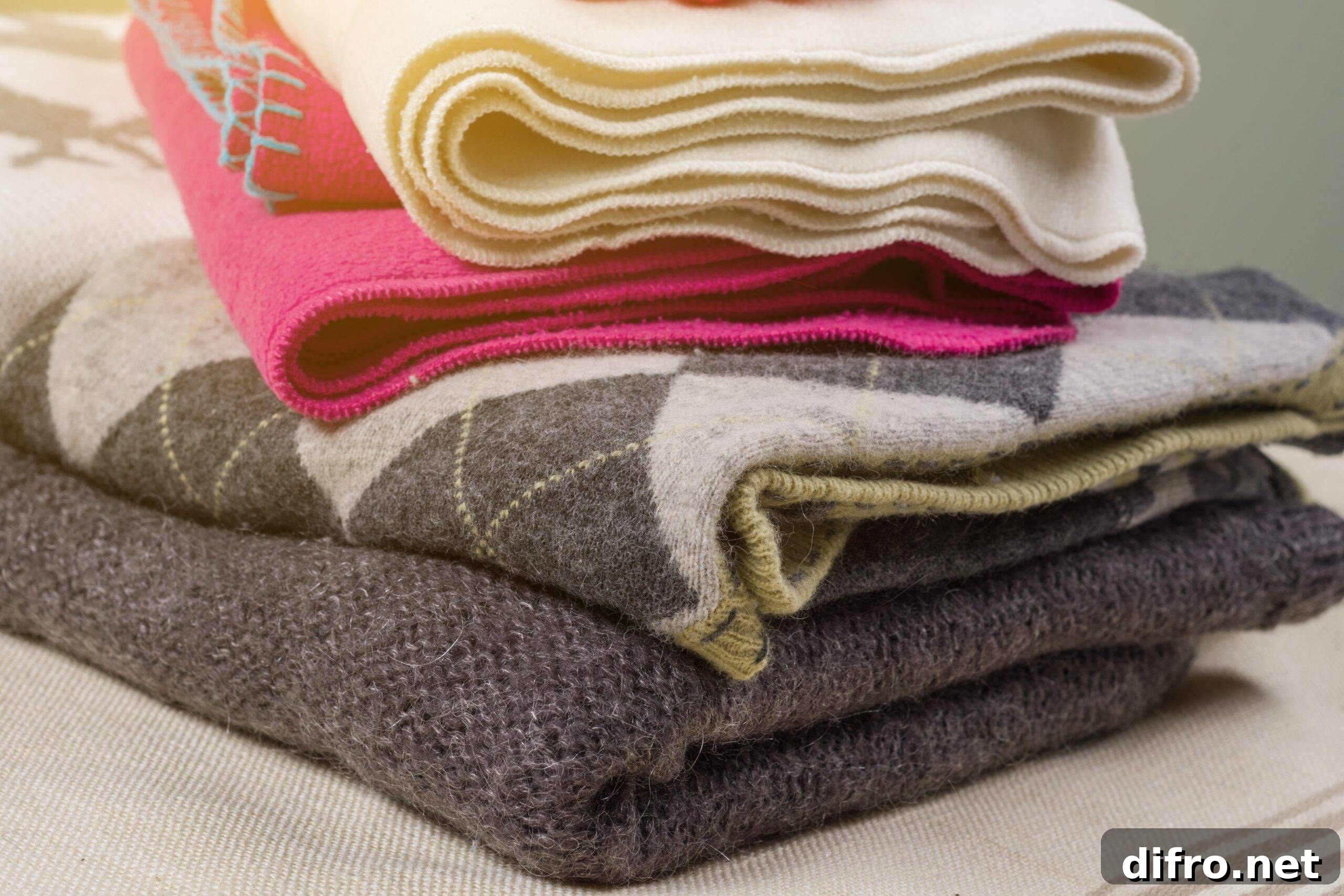
Swap synthetic textiles for breathable, natural fabrics like cotton, linen, and wool. Linen curtains filter light softly, wool throws add cozy texture to sofas and chairs, and cotton cushion covers are easy to wash and refresh. Favor neutral and earth-toned colorways—off-whites, warm grays, soft browns, and muted greens—to support a nature-inspired scheme. These materials not only feel better against the skin but also age gracefully, becoming more comfortable over time.
Branches of All Sizes
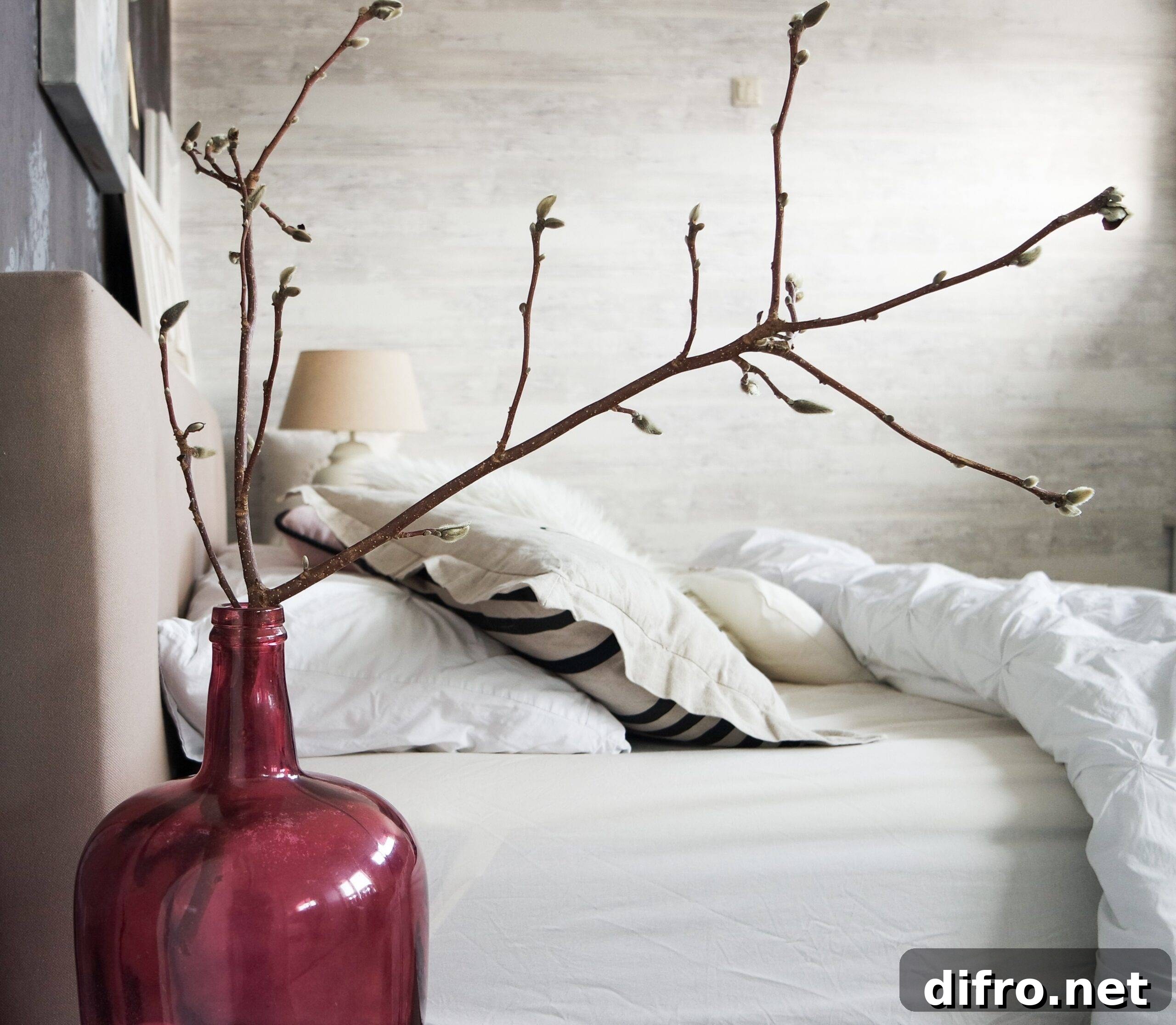
Branches and twigs are remarkably versatile decorative elements. A single sculptural branch placed in a tall vase becomes a striking, low-maintenance statement. Smaller branches can be bundled as a rustic accent or arranged alongside framed art to add vertical texture to a wall. Birch poles, twisted driftwood, and simple fallen sticks all introduce natural silhouettes and irregular lines that feel organic and unexpectedly elegant.
Pressed Flowers and Leaves
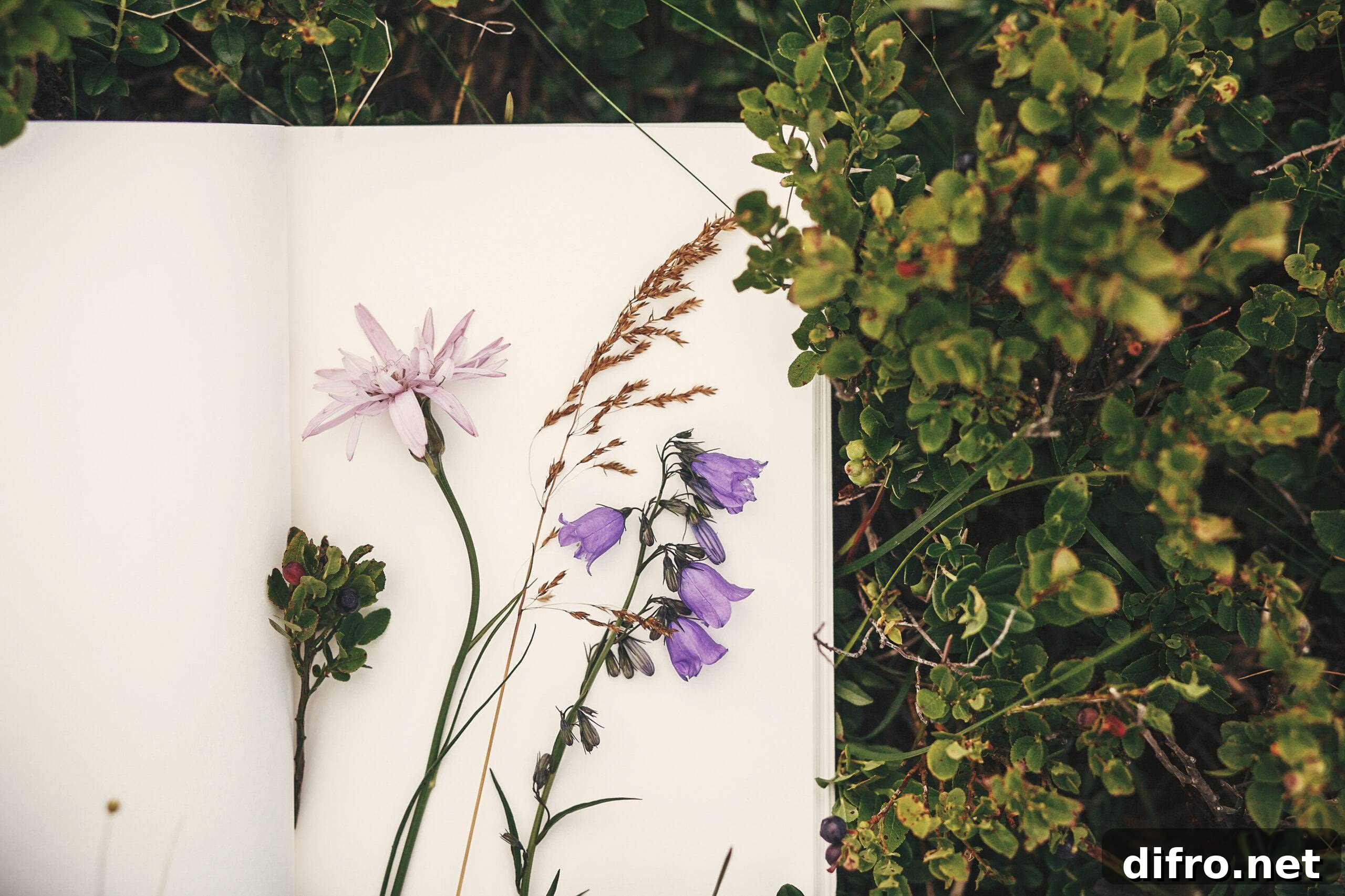
Pressed botanicals framed in clear glass, preserved in resin, or arranged in simple shadow boxes make elegant wall art. Pressed flowers, ferns, and leaves capture delicate shapes and textures while offering a refined, minimalist look. Resin-preserved pinecones, small seashells, or tiny blooms create modern keepsakes that highlight natural detail. Pressing and preserving is an accessible DIY technique that produces beautiful, long-lasting pieces.
Incorporating natural decor doesn’t require major renovations. Simple swaps—raw wood over glossy finishes, stone accents, woven baskets, artisanal clay, and preserved botanicals—help you craft a home that feels calm, textured, and connected to the outdoors. These elements work together to create timeless interiors that are both beautiful and inviting, offering sensory richness and a sense of balance in everyday life.