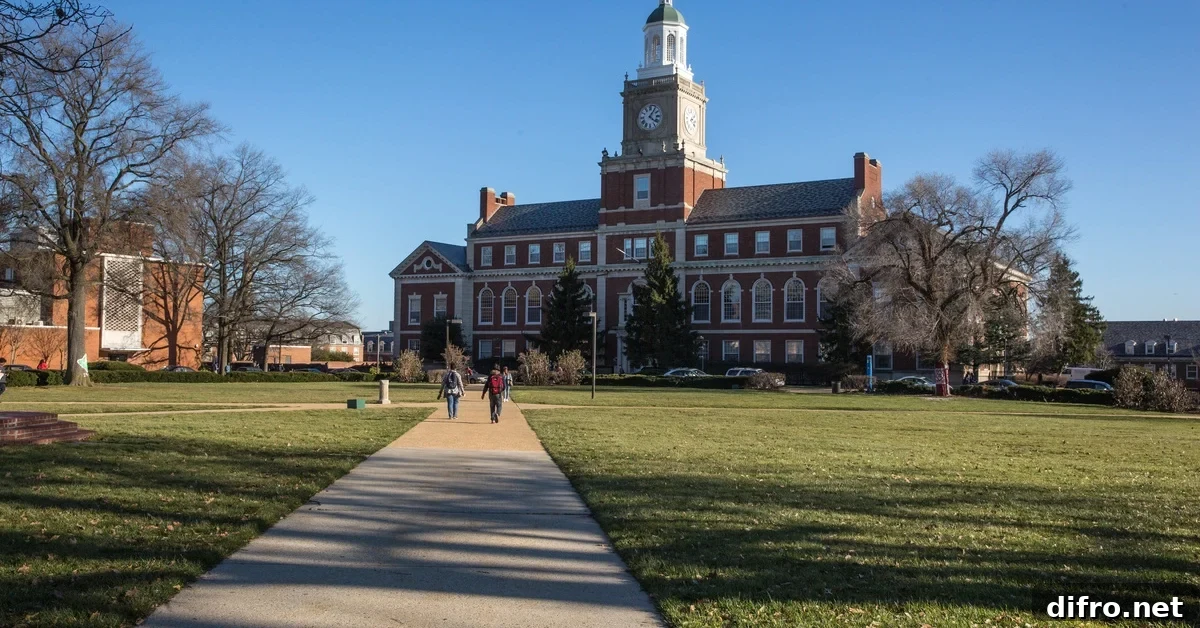
Black History Month often highlights culture, activism, and education, but one important story gets less attention: design. Across the United States, Historically Black Colleges and Universities (HBCUs) preserve some of the most intentional campus planning and architectural storytelling in American history. Long before inclusive design became a mainstream conversation, these institutions were creating environments defined by resilience, community, and dignity.
As modern design conversations increasingly emphasize human-centered, equitable spaces, HBCU campuses feel surprisingly contemporary. Their layouts and landscapes offer lessons in accessibility, social cohesion, and durability that remain relevant to architects and planners today.
How Segregation Shaped Intentional Campus Design
Most HBCUs were founded in the 19th and early 20th centuries, during a period when segregation limited access to public infrastructure and funding. That scarcity produced an unexpected outcome: self-contained, efficient campus ecosystems planned to meet nearly every need within a compact area.
Instead of grand, sprawling plans meant to project status, many HBCUs were designed much like small towns. Dormitories, classrooms, chapels, green spaces, and social hubs were intentionally sited within walking distance. Those compact arrangements prioritized safety, everyday interaction, and a strong sense of belonging—qualities that supported both academic life and community resilience.
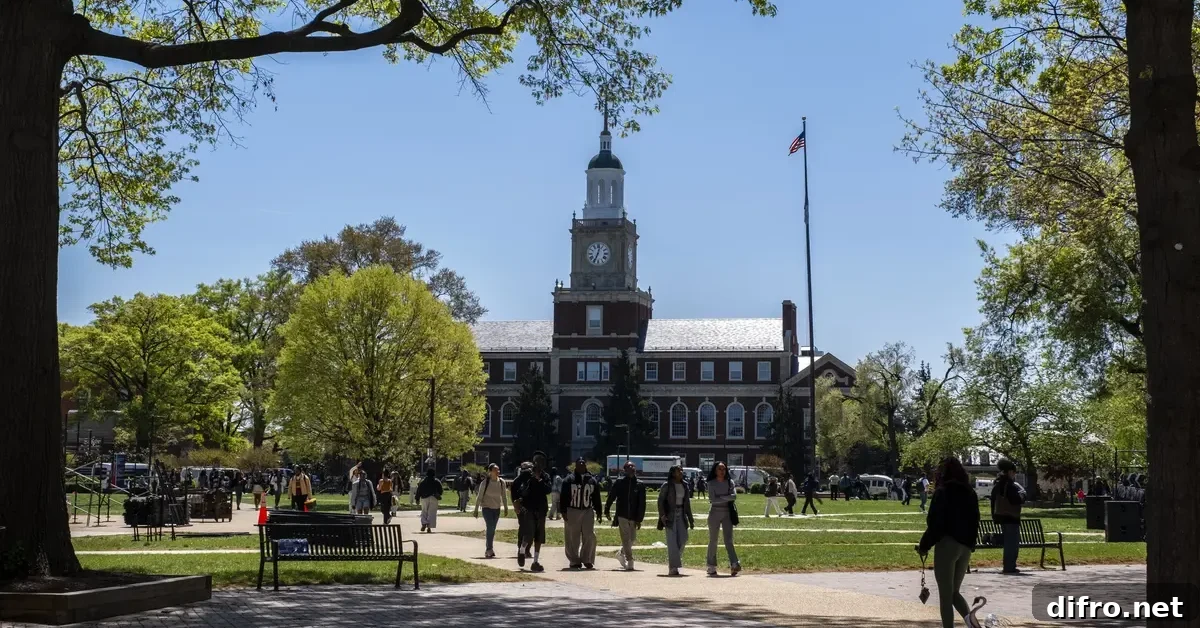
At institutions such as Howard University, urban constraints encouraged vertically layered buildings and intimate courtyards that maximize limited land while promoting daily interaction—an approach mirrored in many modern urban campuses seeking to combine density with community amenities.
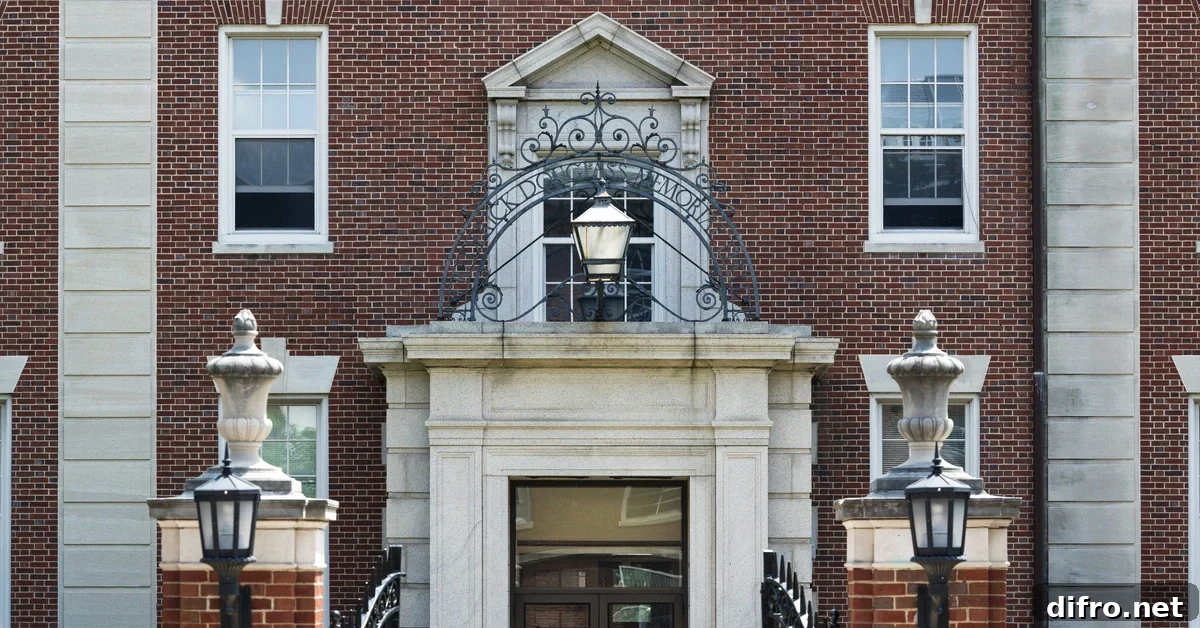
Signature Styles You’ll Only Find on HBCU Campuses
HBCU architecture is diverse and regionally adapted. Many campuses blend Classical Revival, Colonial, and early Modernist influences with materials and details suited to local climates and budgets. That mix yields a distinct campus character that balances tradition with practicality.
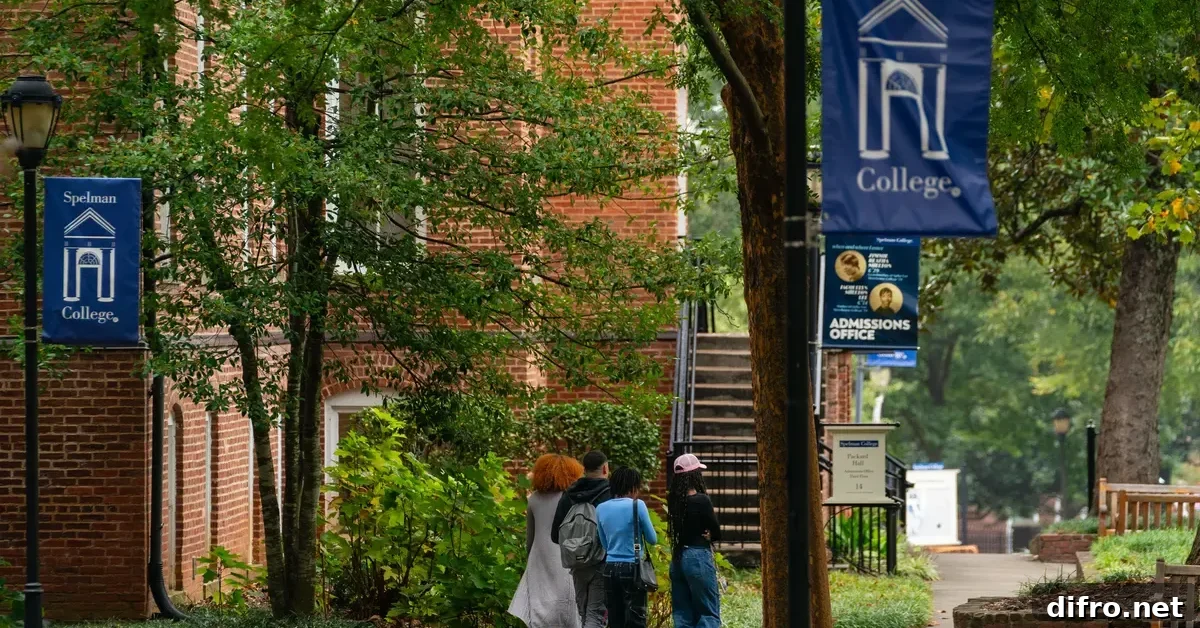
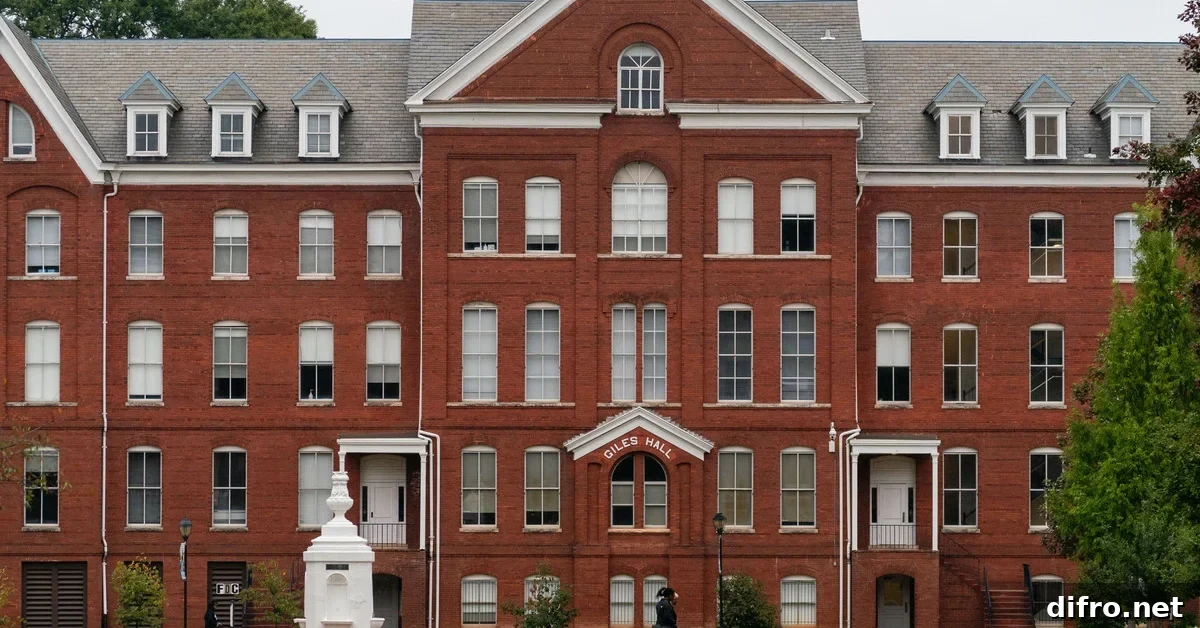
Spelman College is recognized for elegant brickwork, symmetrical walkways, and carefully landscaped quads that feel formal yet welcoming. At Tuskegee University, a strong emphasis on hands-on craftsmanship shaped the campus: students historically participated in building projects, learning masonry, engineering, and construction skills as they helped raise the very structures they used.
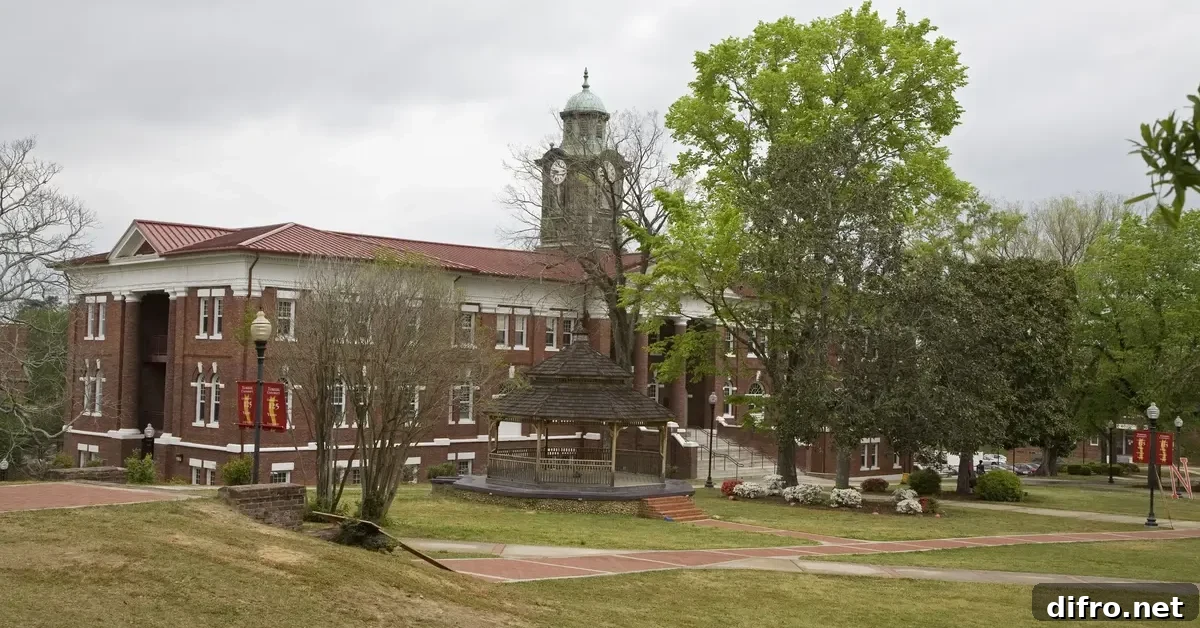
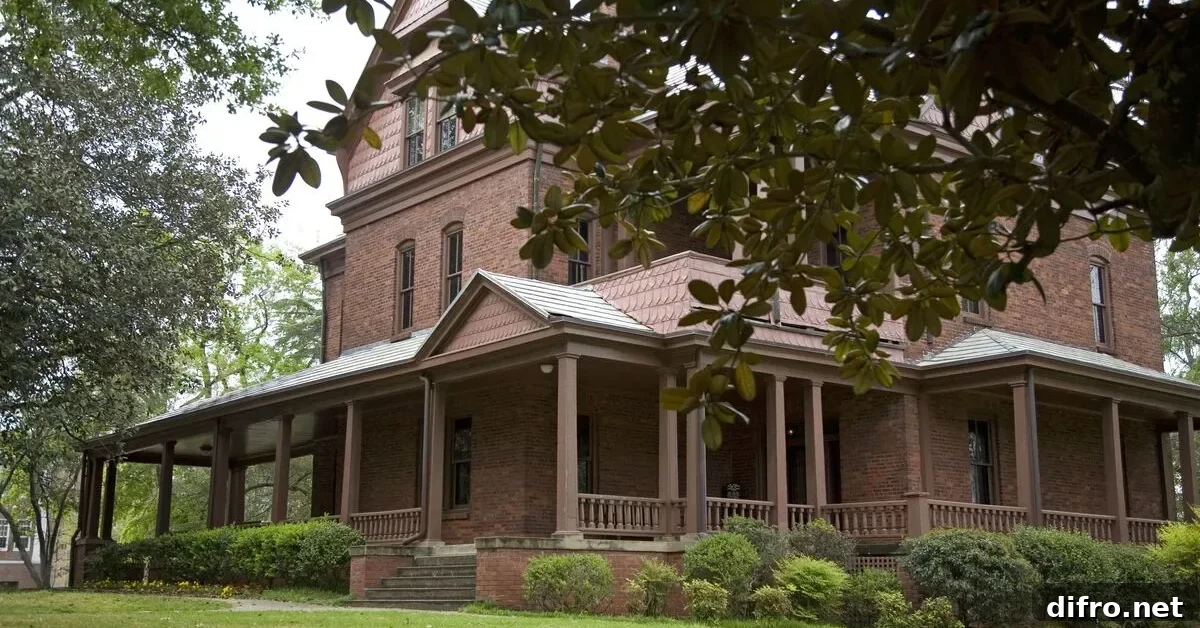
Their hands-on, community-driven construction practices produced buildings that feel personal and purposeful—structures conceived and crafted by the communities who used them, which contributes to a strong sense of ownership and identity across campus.
Landscapes Designed for Gathering, Not Just Beauty
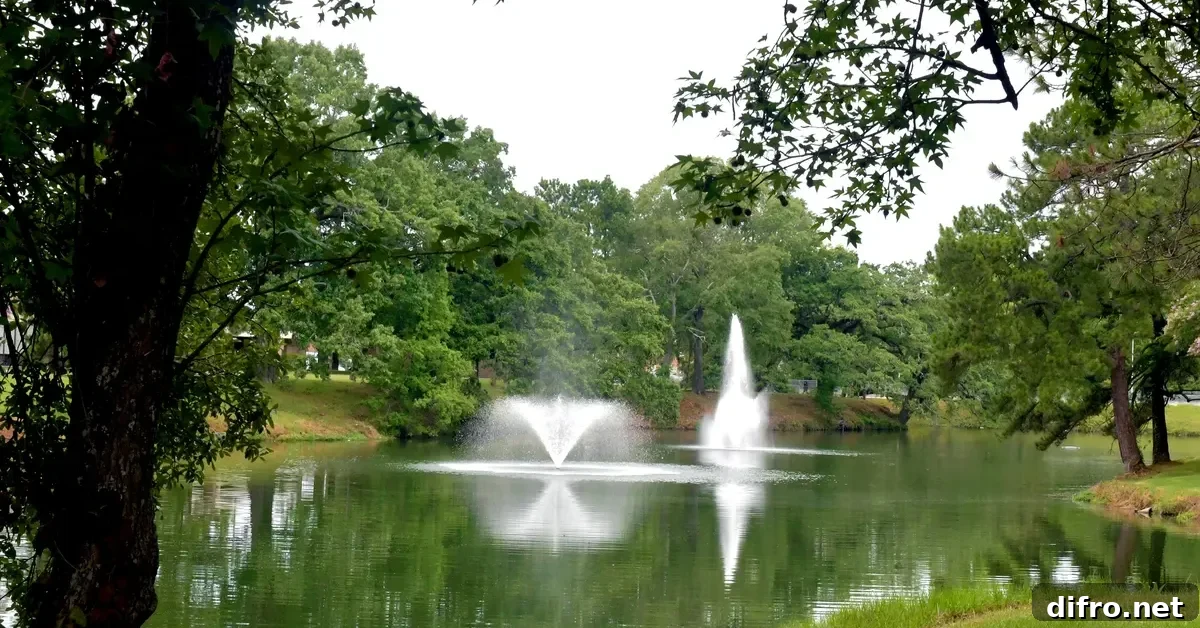
Landscape design on HBCU campuses serves social and cultural functions as much as aesthetic ones. Open lawns, shaded walkways, and central gathering areas were conceived as places for assemblies, performances, informal teaching, and everyday conversation. These outdoor rooms functioned as vital “third spaces” for students and faculty long before the term entered planning vocabularies.
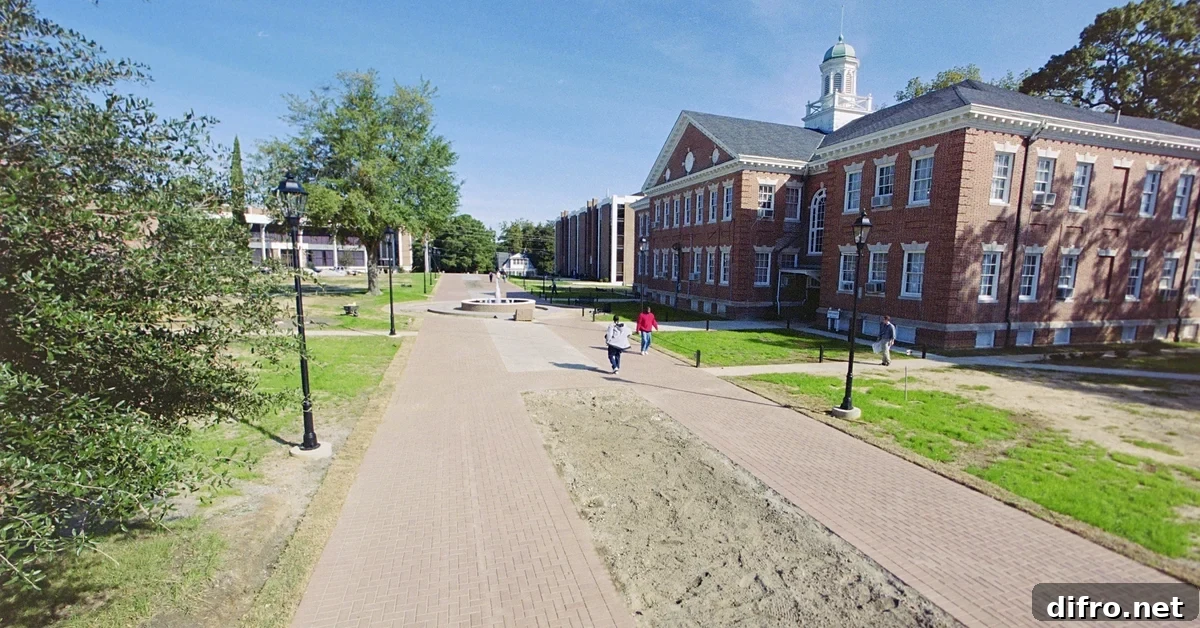
Because these landscapes supported both planned events and spontaneous connection, they helped shape a campus culture centered on relationship-building and shared experience. The result is a series of campuses that feel walkable, lived-in, and emotionally resonant—qualities many newer institutions now strive to emulate.
Why HBCU Campus Design Still Influences Architecture Today
The principles refined on HBCU campuses—intentional density, community-focused planning, adaptable buildings, and socially active landscapes—have quietly informed broader design approaches in public housing, civic architecture, and contemporary educational environments. As universities and cities rethink accessibility, sustainability, and student well-being, these campuses provide practical models for creating human-centered places at multiple scales.
This Black History Month, viewing HBCUs through a design lens highlights an important truth: some of America’s most enduring campus ideas emerged from constraint and community effort, and they continue to offer meaningful lessons for architects, planners, and campus leaders today.
If you enjoy campus architecture and want to explore other international examples, consider researching distinctive campus projects around the world to compare how different cultures shape academic space and student life.
- Leaf Lamp Trees at University of Copenhagen Are As Good As Real Ones
- Colours encouraging communication: Bangkok University Creative Center (Video)
- 9 School Buildings That Will Have Students Skipping Back to Class