Best Bathroom Colors: Ideas, Trends and Tips for a Beautiful Space
Selecting the right colors is one of the easiest ways to transform a bathroom from purely functional to beautiful and calming. The best bathroom colors balance mood, light, and material choices to create a cohesive, stylish space. This guide covers color trends, practical considerations, solutions for small bathrooms, and ideas for creating either a spa-like retreat or an energizing powder room.
How Bathroom Color Affects Design and Mood
Color has a direct effect on how a room feels. Cool tones such as blues and greens tend to be calming and work well for creating a spa-like atmosphere. Warm neutrals—beige, warm gray, greige—feel cozy and timeless. Bright accents like mustard yellow, coral, or teal inject energy and personality when used sparingly. In addition to mood, color influences perceived size and brightness: lighter colors reflect light and open a room, while darker shades add drama and depth.
Key Factors When Choosing Bathroom Colors
Before finalizing a palette, consider natural light, bathroom size, existing fixtures, and finishes. South- or west-facing bathrooms get warm light that enhances warm hues; north-facing rooms benefit from warmer paint tones to offset cooler natural light. Tile, countertop, and cabinet finishes should inform your color choices—coordinate undertones so metals, stone, and wood feel intentional together. Finally, think about durability and maintenance: high-gloss or semi-gloss paints resist moisture and clean more easily in high-use areas.
Popular Color Trends and Their Characteristics
Current bathroom color trends emphasize timeless neutral backdrops with selective color highlights. Popular choices include:
- Soft grays and warm beiges—versatile and elegant, they pair easily with natural materials.
- Soothing blues and muted greens—ideal for creating a tranquil, restorative environment.
- Deep accent colors—navy, charcoal, or forest green used on cabinetry or a feature wall add richness without overwhelming the room.
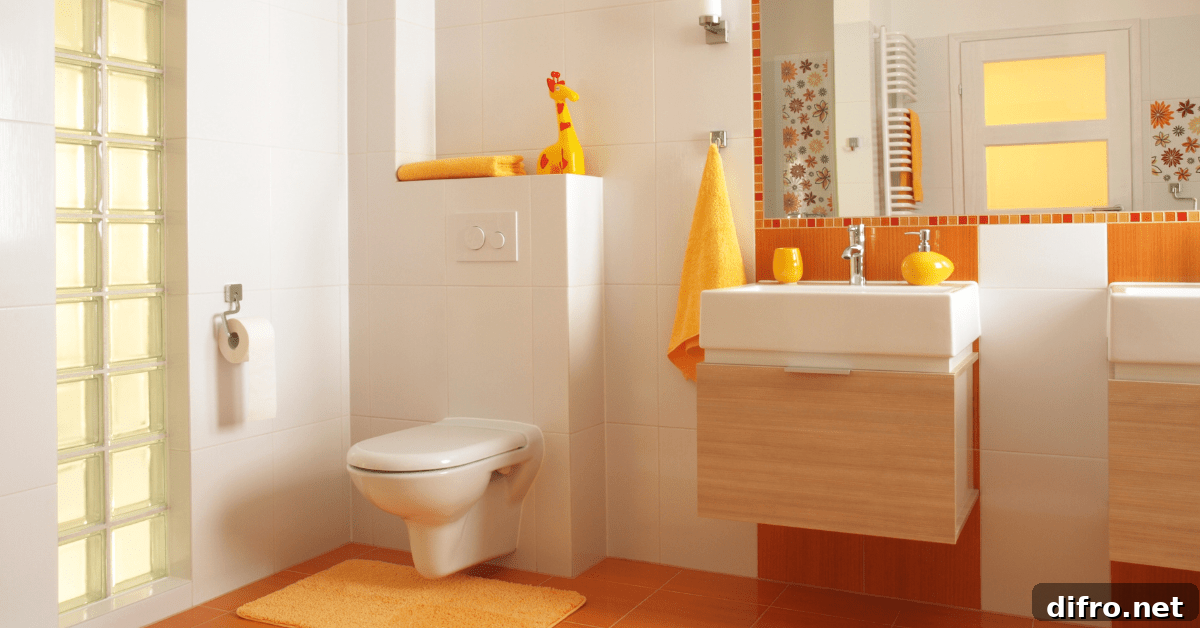
- Bold pops—accents in mustard, coral, or teal bring personality when layered through towels, tiles, or hardware.
Best Colors for Small Bathrooms
Small bathrooms benefit from light shades, pastels, and monochromatic schemes that visually expand the space. Whites, soft creams, pale blues, and mint greens reflect light and make a room feel airier. Monochromatic palettes that use the same hue in varying tints create continuity and reduce visual clutter. Mirrors and reflective finishes also amplify light and enhance the perception of space.
Light Shades and Pastels
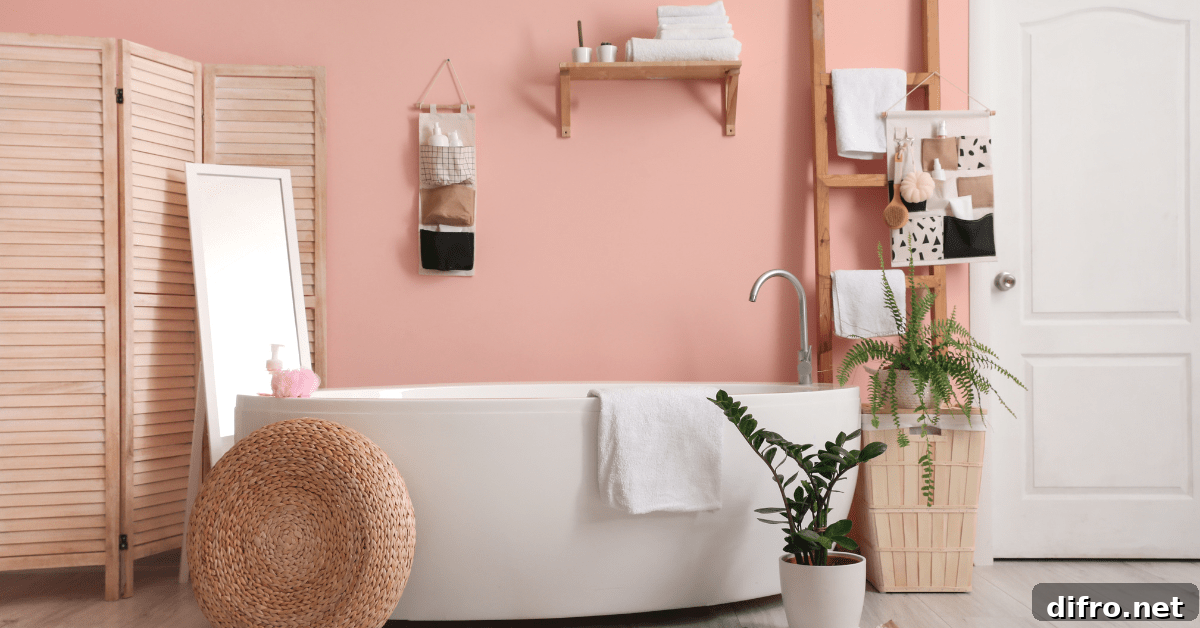
Light shades—soft creams, pale grays, and subtle blues—bring quiet elegance to compact bathrooms. Pastel touches such as blush or mint introduce warmth and personality without crowding the space.
Monochromatic Schemes
Sticking to one color family in varying tones simplifies the visual field and creates a streamlined, sophisticated look. Choose a dominant tone for walls and alternate lighter and darker shades for cabinetry, tiles, and accessories.
Creating a Relaxing, Spa-Like Bathroom
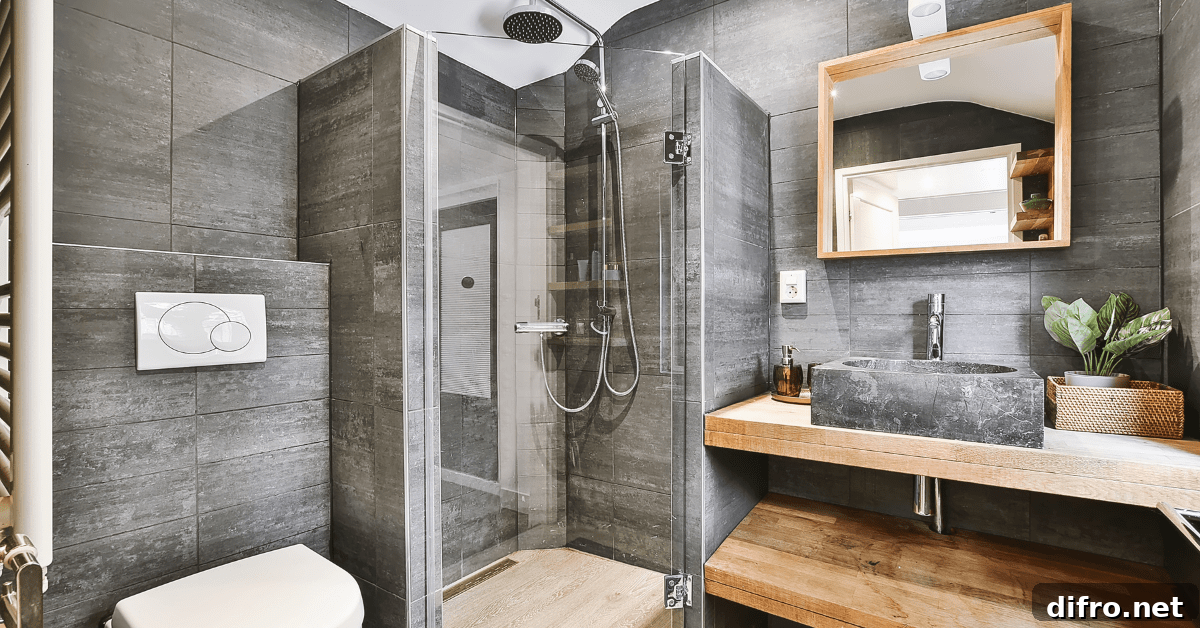
To establish a spa feel, favor cool, muted colors such as pale aqua, soft sage, or dove gray paired with warm natural materials like wood or stone. Keep contrasts low and finishes matte or softly textured. Layer soft lighting, plush towels, and simple greenery for a soothing, restorative experience.
Energizing and Invigorating Schemes
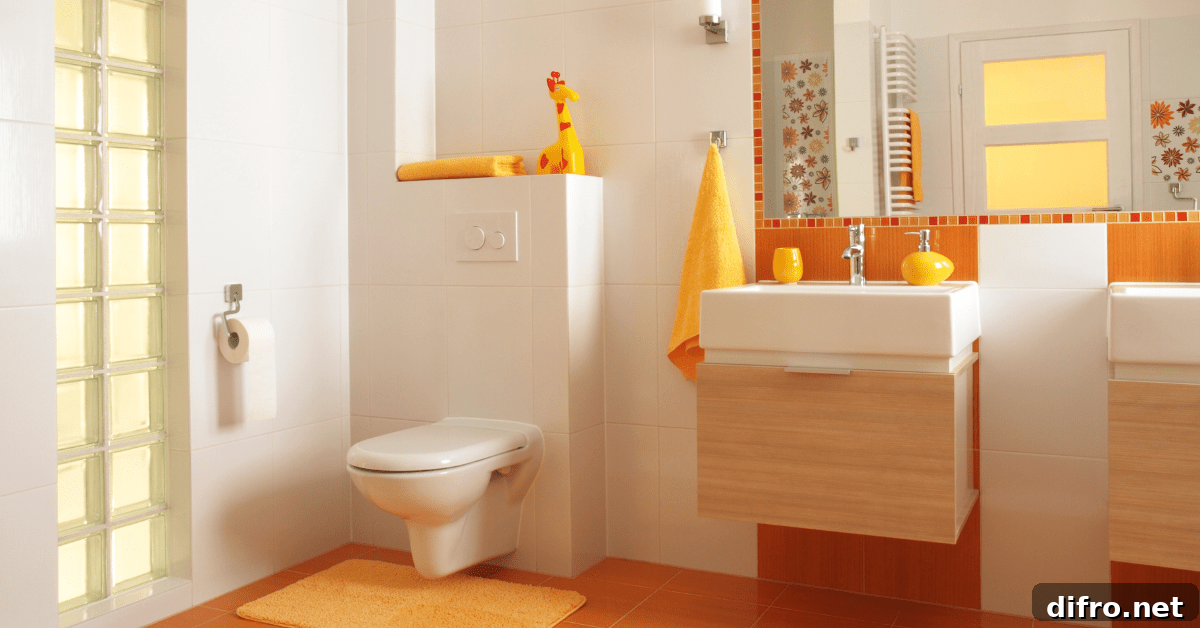
If you want a lively bathroom, introduce bright accents—yellow, coral, or tangerine—against a neutral backdrop. Use these colors in limited quantities: a feature wall, decorative tile band, or accessories. Combined with ample light and reflective surfaces, these accents deliver an uplifting, dynamic space without feeling chaotic.
Coordinating Colors with Fixtures and Materials
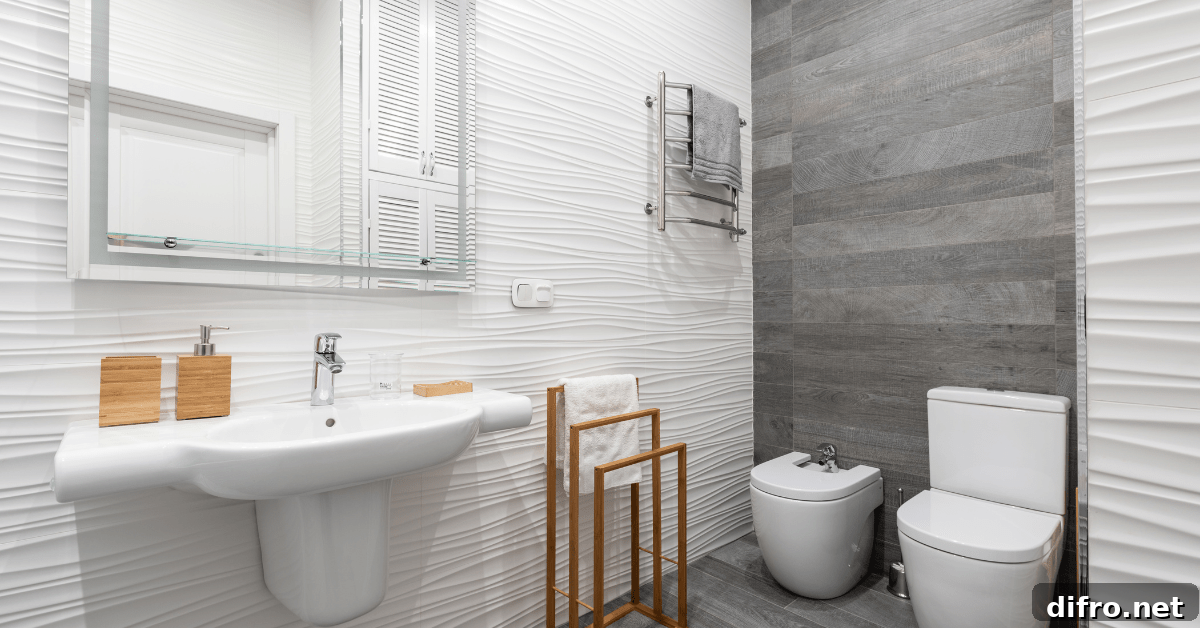
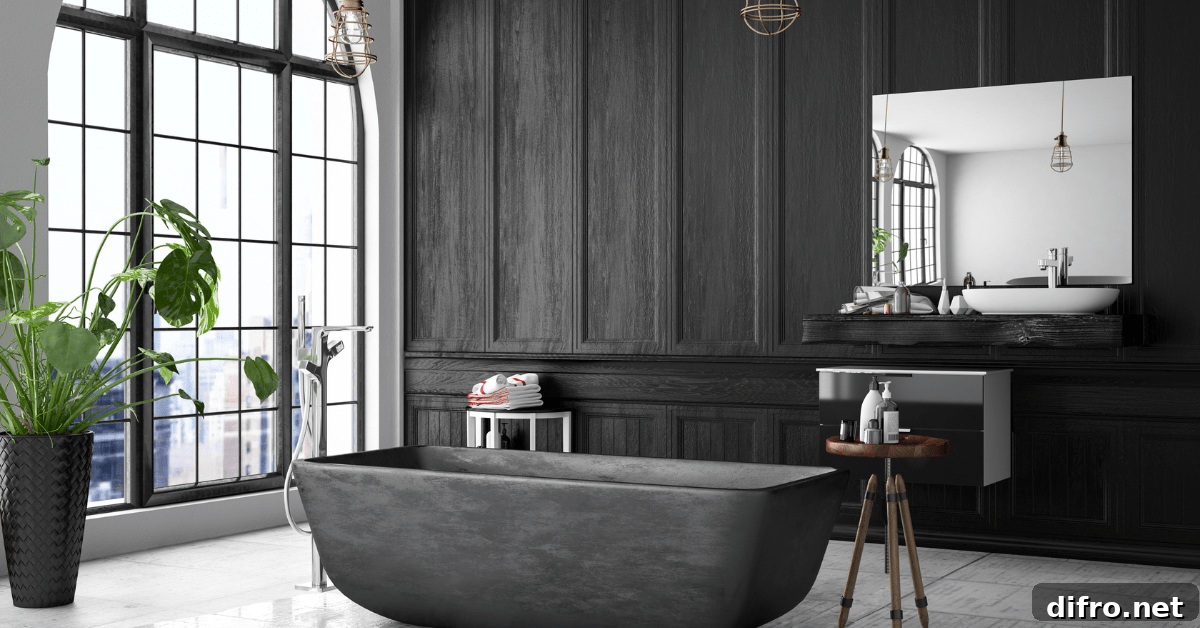
Harmonize paint colors with tile, countertops, hardware, and flooring. Match undertones—cool vs. warm—to create cohesion. For example, pair cool gray tiles with cooler wall paints, or offset warm wood cabinets with warm neutrals. Consider leaving larger surfaces neutral while using color on cabinets, furniture, or tile patterns for greater flexibility.
Using Accent Colors for Personality
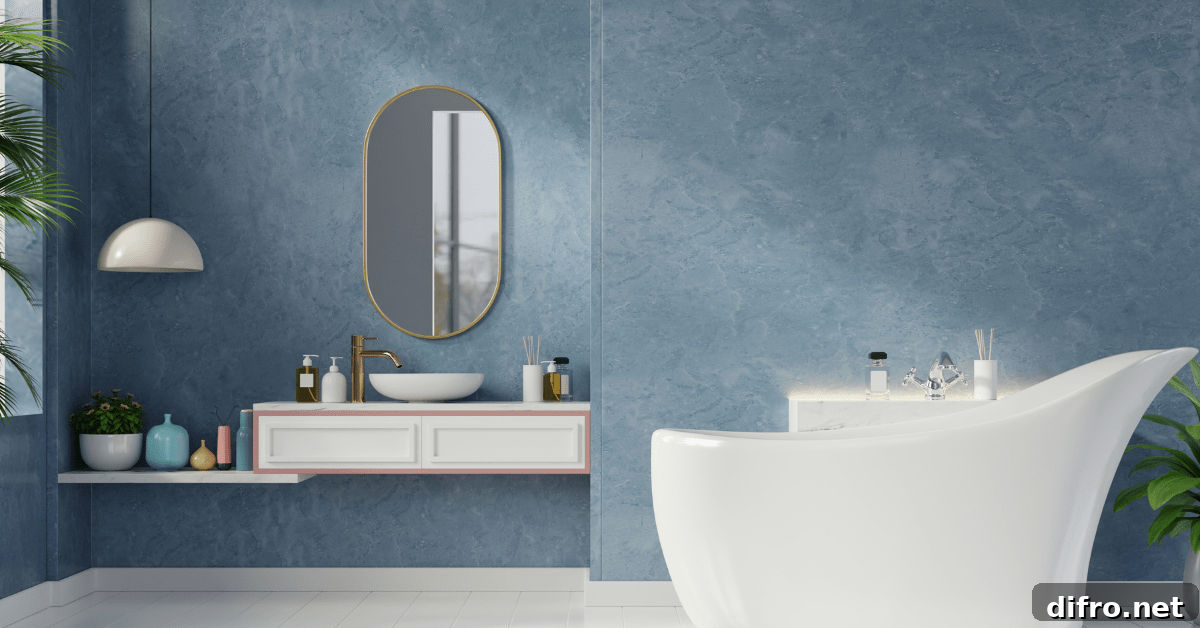
Accent colors are an easy way to inject character. Consider a single painted wall, patterned tiles, colorful vanity, or coordinated textiles and art. These choices are reversible and allow you to update the look without a full remodel.
Trying Unconventional Combinations
Muted jewel tones, high-contrast black-and-white, or moody dark palettes can make striking bathrooms when used thoughtfully. Adding texture—textured tiles, matte finishes, or natural stone—helps unconventional colors feel intentional and tactile.
Durability, Maintenance and DIY Ideas
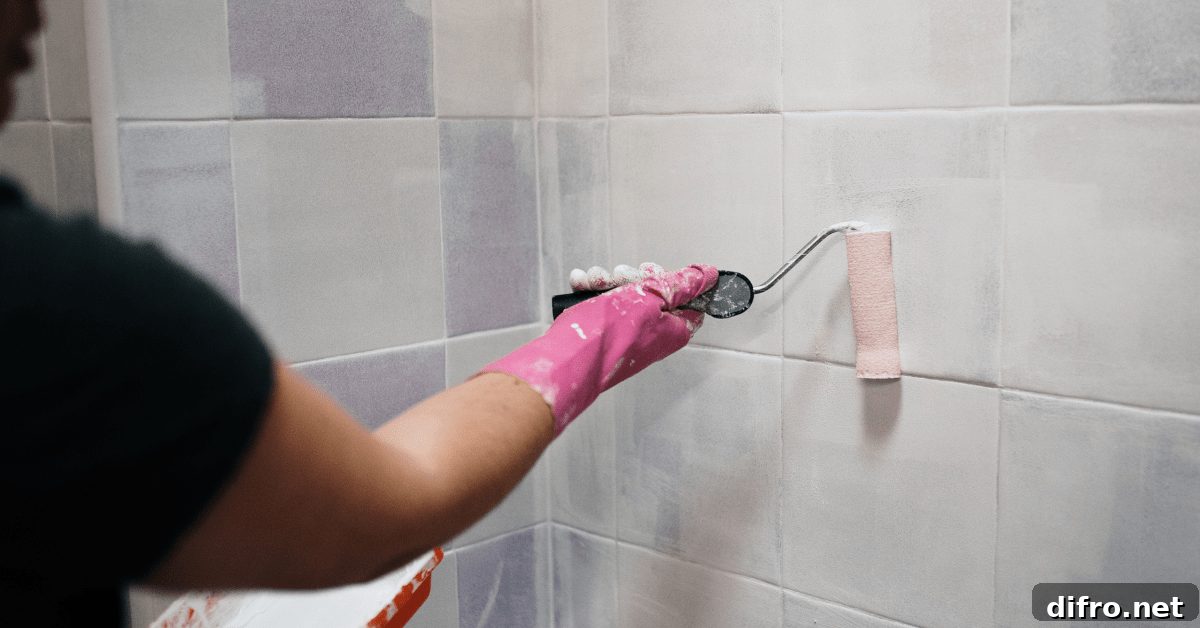
Bathrooms are high-moisture spaces, so choose paints and finishes rated for bathrooms—mildew-resistant and easy to clean. Porcelain or ceramic tiles in wet zones provide durable protection. For DIY updates, painting cabinets, installing peel-and-stick tiles, or adding a tile backsplash are cost-effective ways to refresh color and style. Consider eco-friendly paints and materials when possible.
When to Consult a Professional
If color selection feels overwhelming, a designer or color consultant can help refine a palette, coordinate materials, and suggest durable finishes. Professional guidance can save time and prevent costly mistakes during renovation.
Conclusion
Choosing the best bathroom colors means balancing mood, light, scale, and material finishes. Whether you aim for a serene spa retreat or a bright, energetic room, thoughtful color choices and coordinated accents will elevate your bathroom design. Start with the room’s light and fixtures, select durable finishes for moisture-prone areas, and use accents to express personality—then enjoy a bathroom that feels both beautiful and functional.