Tile countertops were once a popular, budget-friendly choice for kitchens. They offered color, texture, and a durable surface at a lower cost than natural stone. Today, however, many homeowners and designers favor seamless, low-maintenance materials. While tile remains functional in certain situations, it brings specific challenges that can make it less desirable in a modern kitchen. Below we outline the main issues to consider—including grout maintenance, surface irregularities, aesthetic limitations, durability concerns, and resale impact—so you can decide if tile still fits your needs.
Issues with Grout
One of the biggest drawbacks of tile countertops is the grout between tiles. Grout lines are porous and can trap dirt, grease, and food particles, making them difficult to keep clean. Over time grout can discolor and even harbor bacteria if not properly sealed and maintained. Regular scrubbing and resealing are often required to preserve the appearance and hygiene of grout. Because staining is hard to reverse once it occurs, grout can make a countertop look aged and worn even when the tiles themselves remain intact.
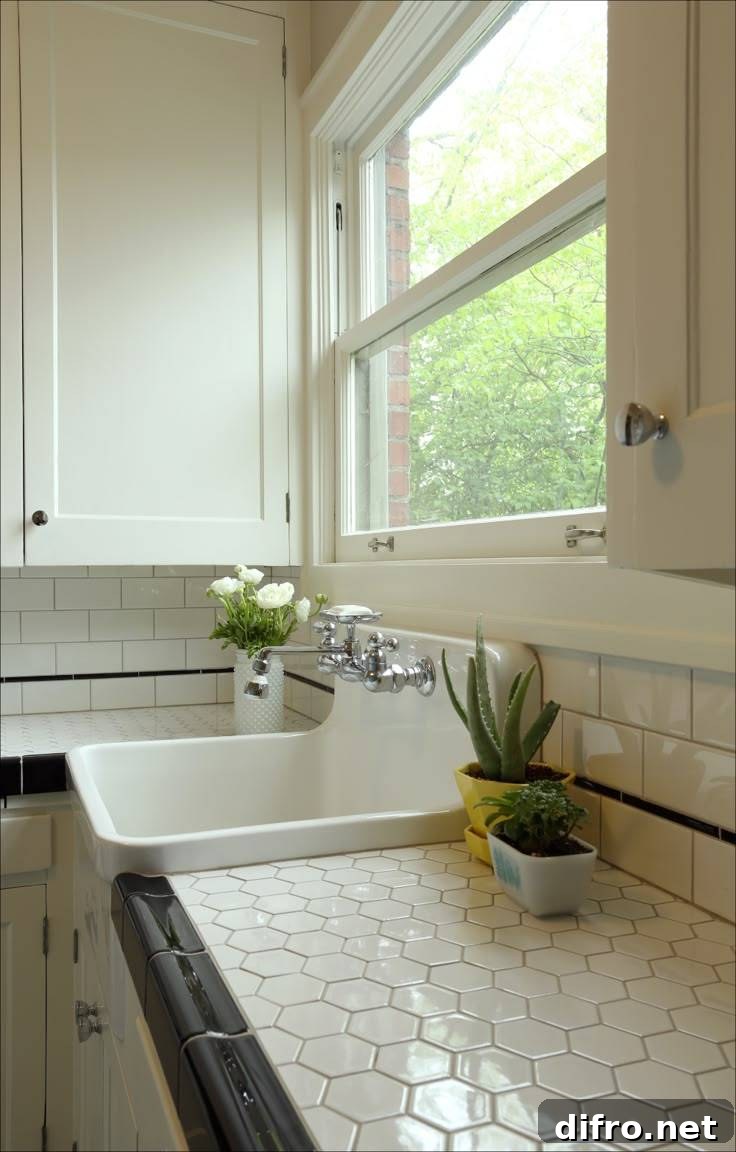
Uneven Surface
Tiles can vary slightly in thickness and alignment, creating an uneven countertop surface. This subtle irregularity becomes obvious when you roll dough, chop vegetables, or set down flatware and cutting boards. Even small differences can cause wobbling and make food prep less comfortable and precise. For cooks who value a perfectly flat workspace, the tiny ridges where grout meets tile can be an ongoing frustration.
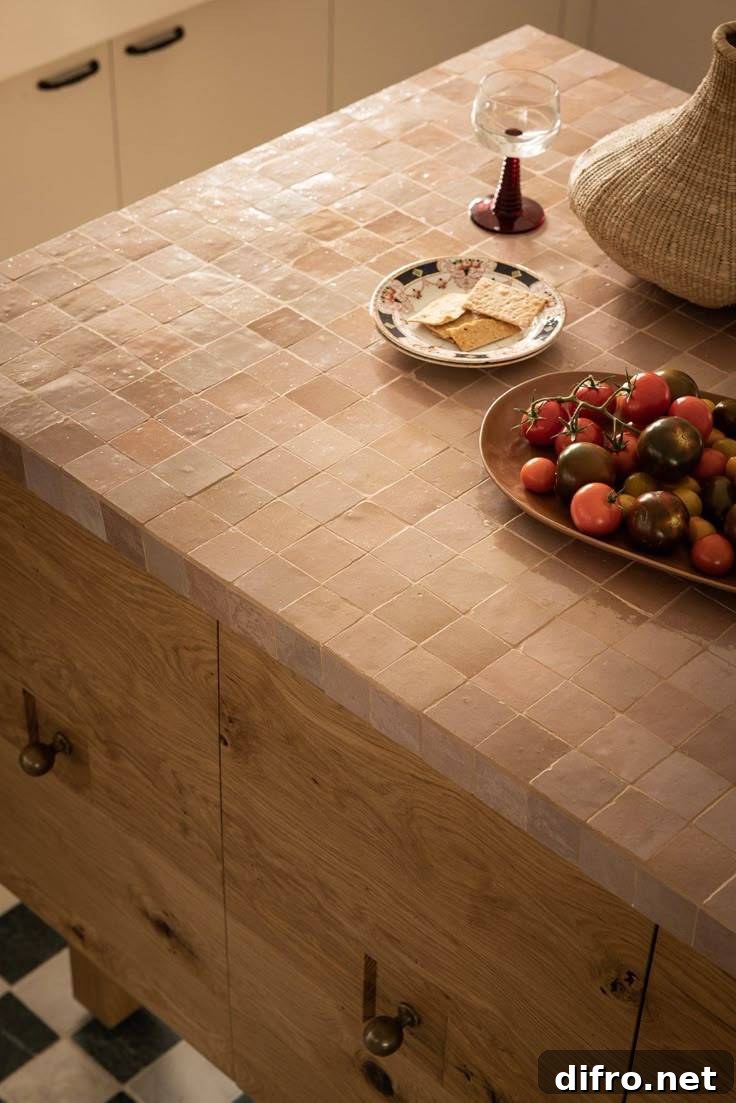
Lack of Modern Aesthetic Appeal
Current kitchen design trends favor sleek, continuous surfaces that create a calm, minimalist look. Tile countertops, with their grid of grout lines, can interrupt that smooth visual flow. Even well-maintained grout draws attention and can clash with modern cabinetry, integrated sinks, and large-format backsplashes. For homeowners seeking a contemporary, high-end look, materials like quartz, solid-surface, or polished stone often provide a cleaner, more cohesive appearance.
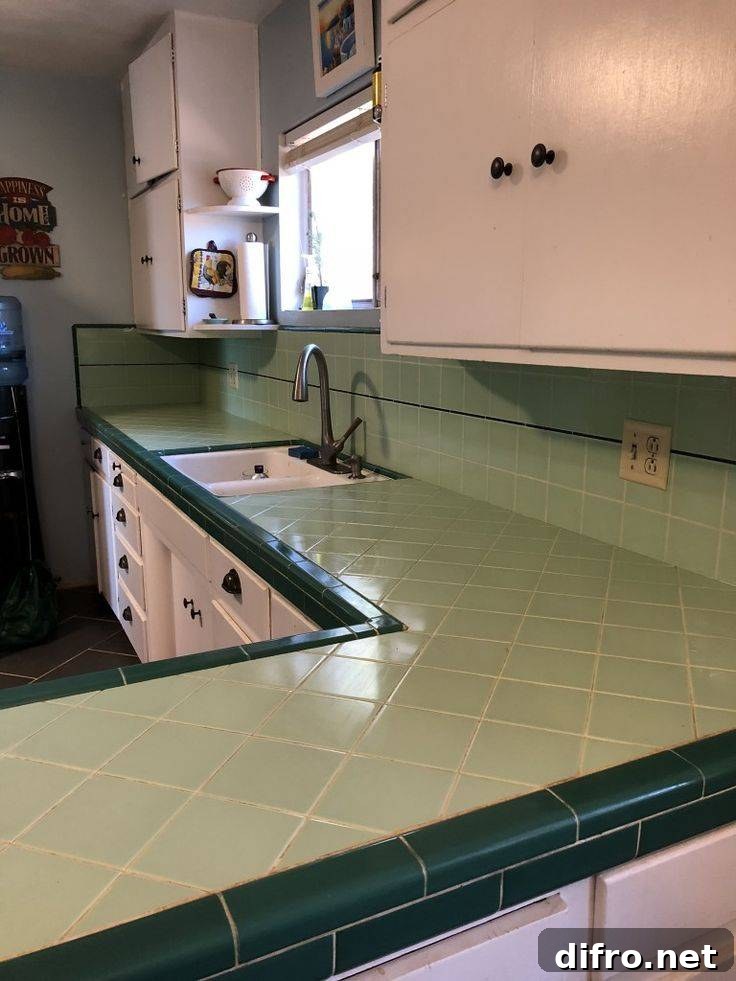
Fading Durability
Tile is resilient in many ways—heat resistant and reasonably scratch-resistant—but it is not indestructible. Individual tiles can crack or chip if heavy items are dropped on them, and a single damaged tile often requires replacement, which can leave a patched appearance if an exact match is unavailable. In addition, tiles and grout can lose their original luster if they are not correctly sealed or if cleaning products are too abrasive. Over years of daily use, these small changes reduce the visual and functional longevity of a tiled countertop.
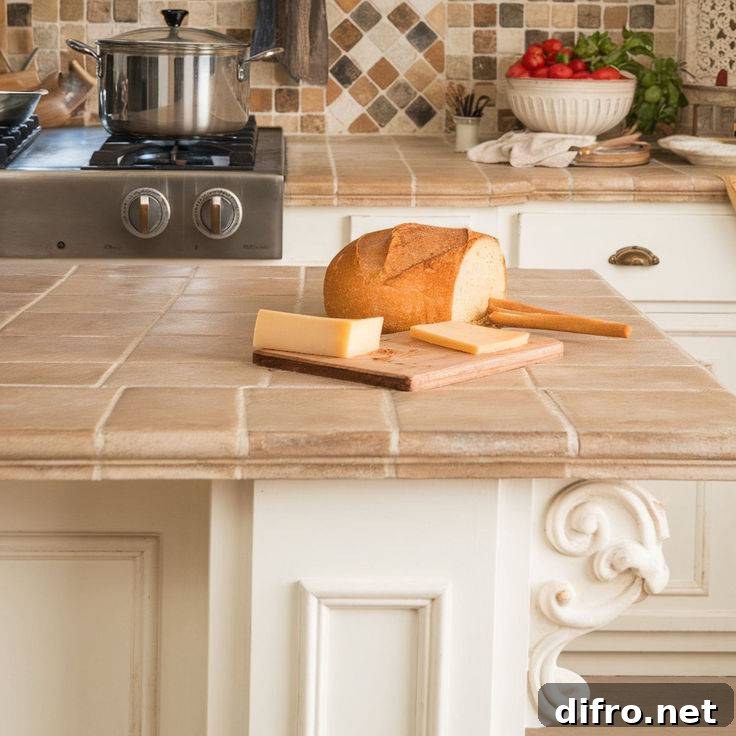
Impact on Resale Value
When planning a kitchen renovation with resale in mind, material choices matter. Many buyers now expect modern, low-maintenance countertops and may view outdated tile as a sign that the kitchen needs updating. While tile isn’t a deal-breaker for all buyers, it can reduce the perceived value of a space compared with contemporary options such as quartz, granite, or engineered stone. If you foresee selling your home within a few years, it’s wise to consider whether tile will appeal to future buyers.
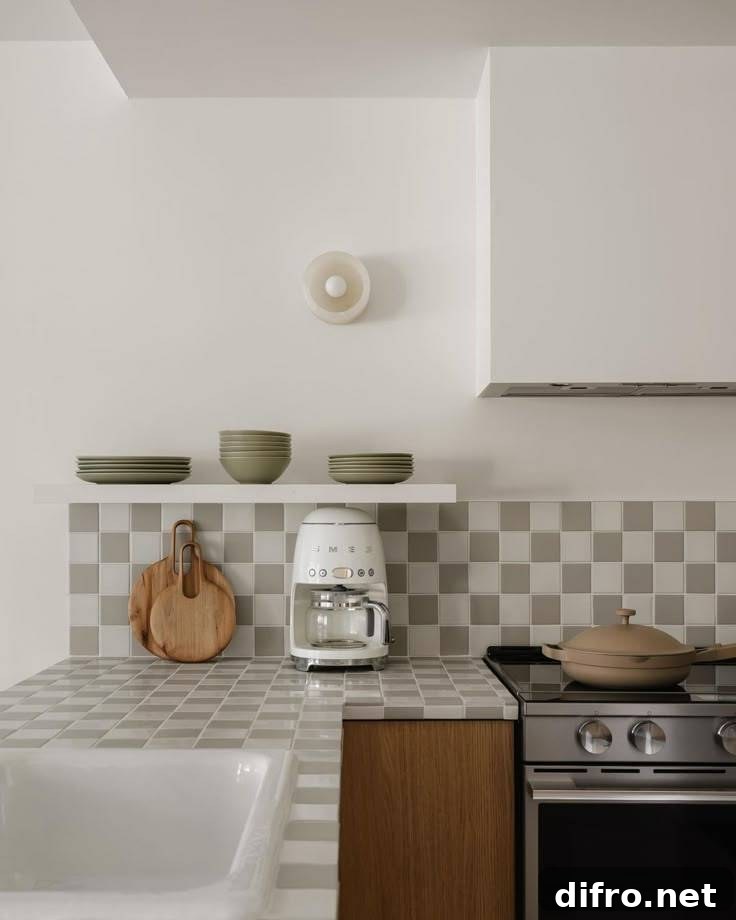
Tile countertops still have advantages: they can be cost-effective, come in many colors and patterns, and are heat tolerant. For some homeowners—especially those restoring a vintage home or seeking a particular aesthetic—tile makes sense. But for a modern kitchen prioritizing low maintenance, consistent surfaces, and market appeal, alternative countertop materials are often a better long-term choice. If you’re considering tile, weigh these practical and visual trade-offs carefully so the final decision aligns with your lifestyle and the overall design of your home.