Many decades of research in color psychology show that color choices influence mood, focus, and energy. Thoughtful use of color in your home office can increase motivation, sharpen concentration, and boost productivity. Below are five highly effective colors for a home office, what they do for your workday, and a short list of hues to avoid when designing a productive workspace.
1. Blue for overall productivity
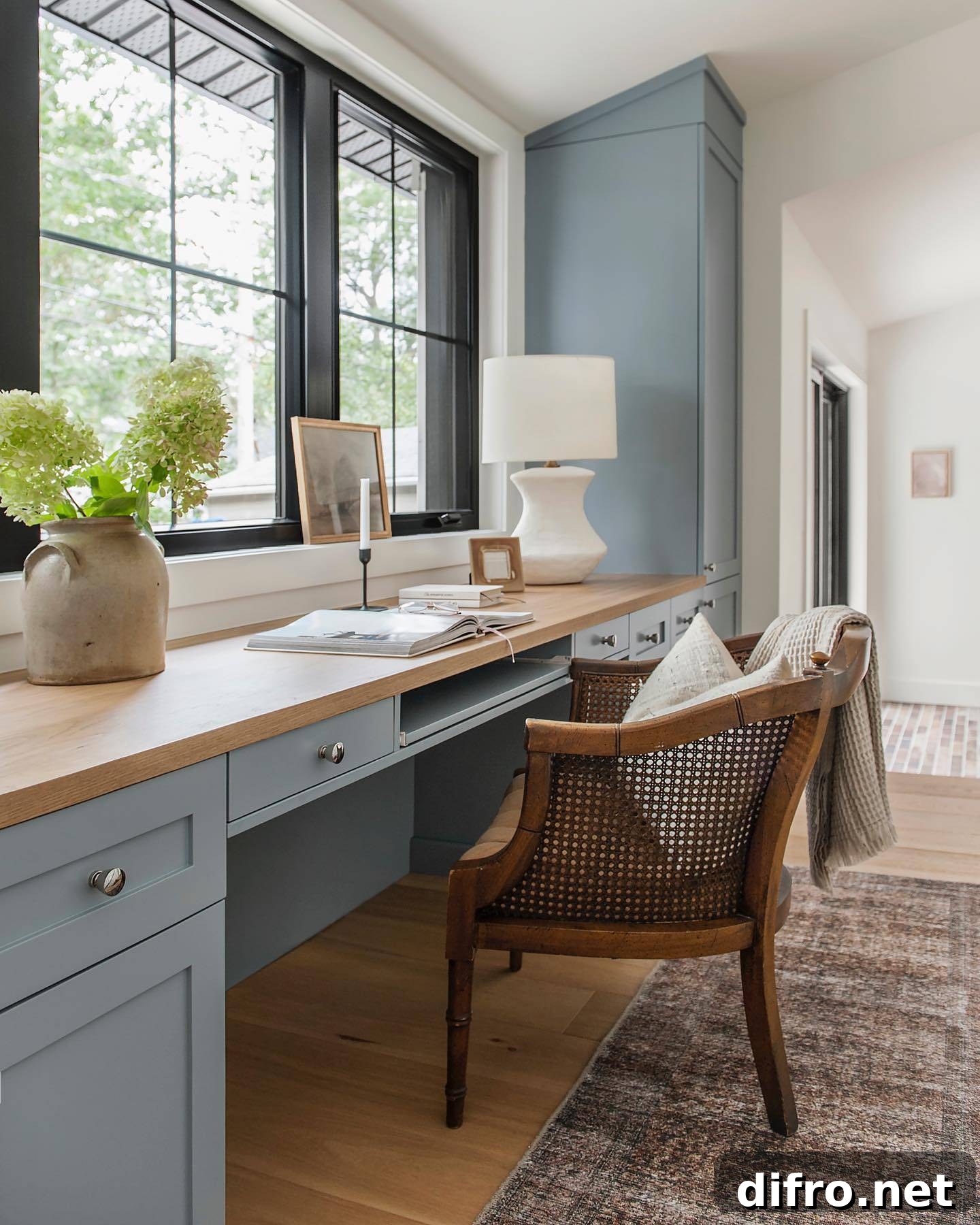
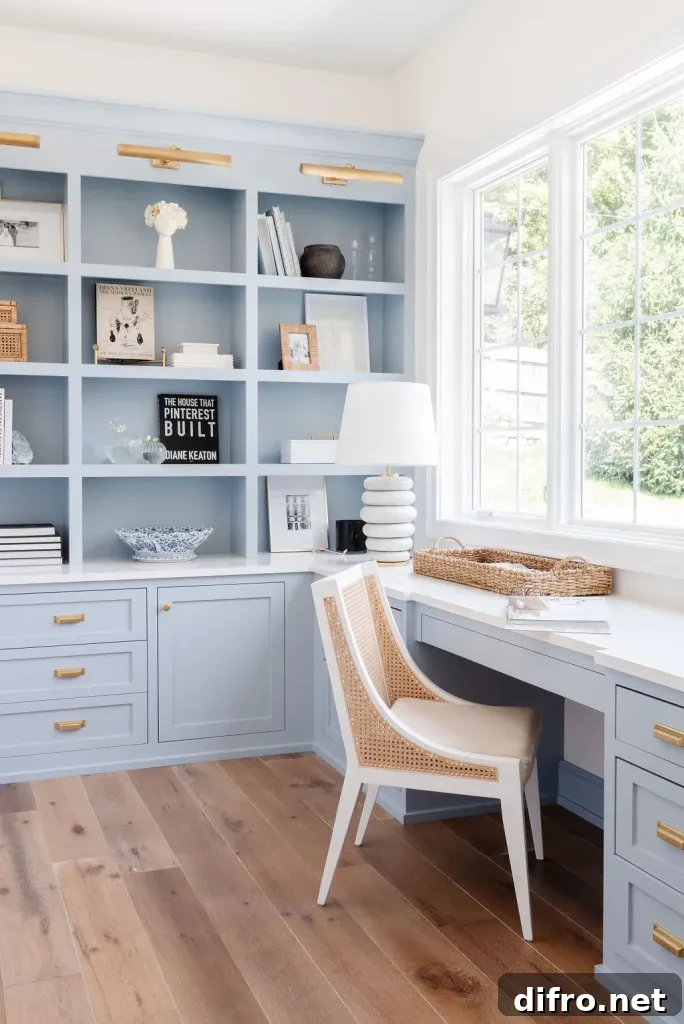
Blue is a perennial favorite for work environments because it conveys stability and trust. It creates a calm, soothing atmosphere that helps reduce stress and supports clear thinking—especially useful in fast-paced or deadline-driven roles. Studies also link blue tones with enhanced creativity and a lowered heart rate, both of which make it easier to stay focused and complete tasks efficiently.
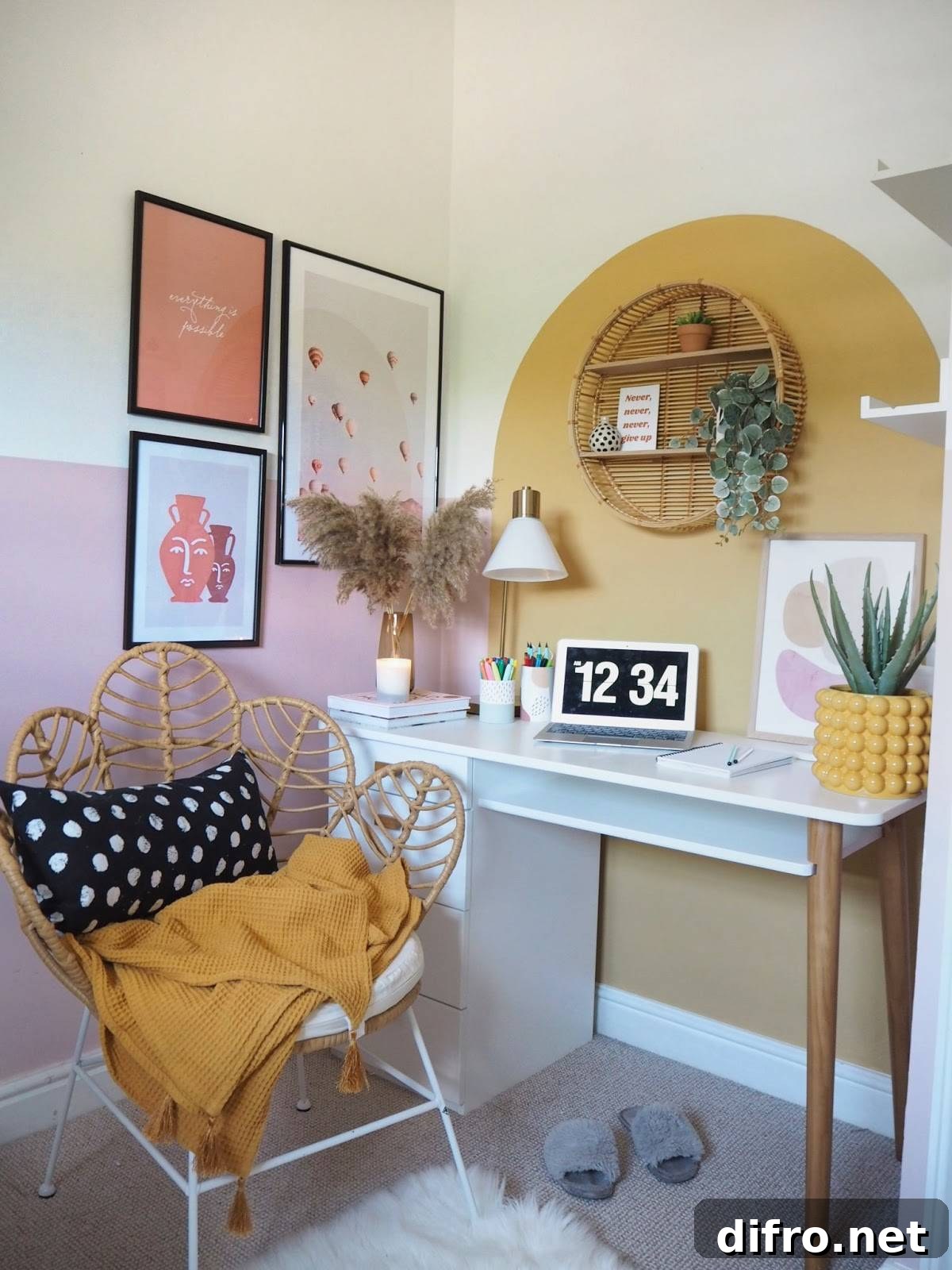
2. Yellow for creative work
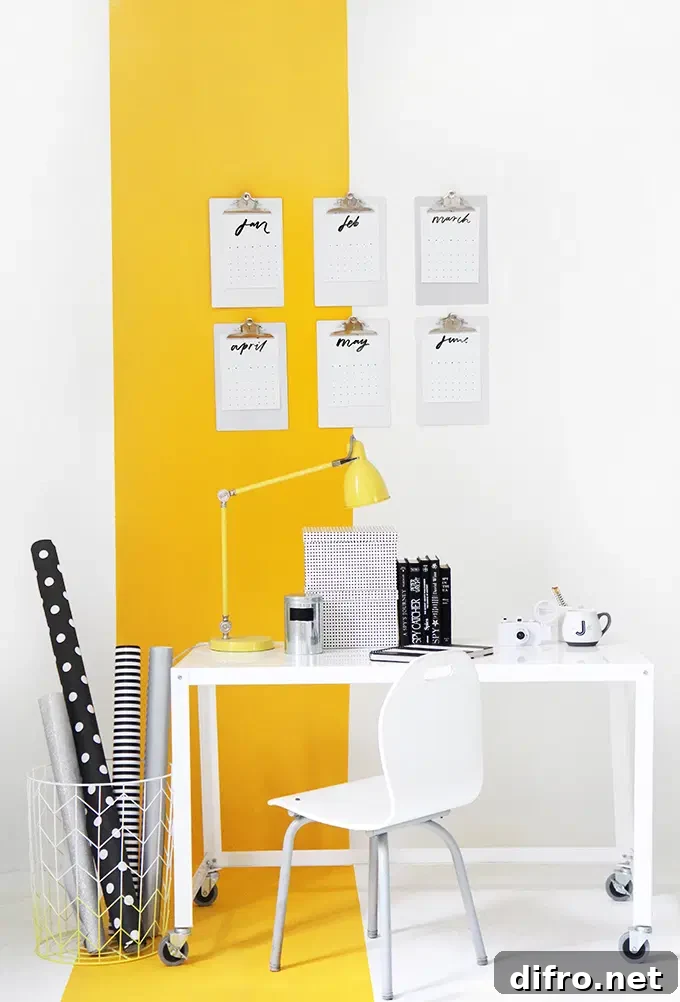
Yellow evokes optimism, originality, and creativity. It’s an excellent choice for writers, designers, or anyone whose role depends on idea generation. A yellow accent wall or accessories can energize brainstorming sessions and help ideas flow during remote meetings. To avoid eye strain or overstimulation, choose softer, pale yellows rather than intense, saturated shades.
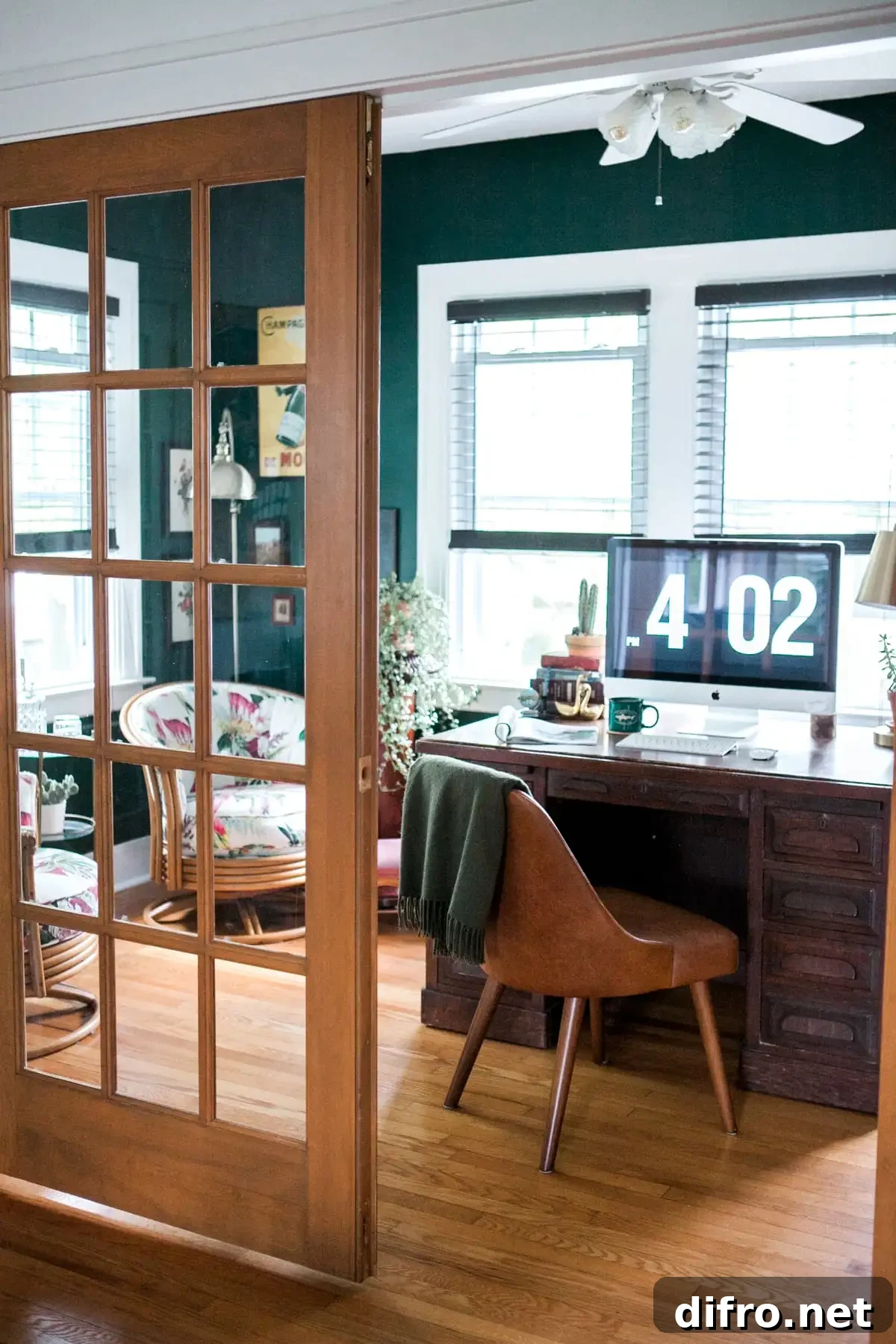
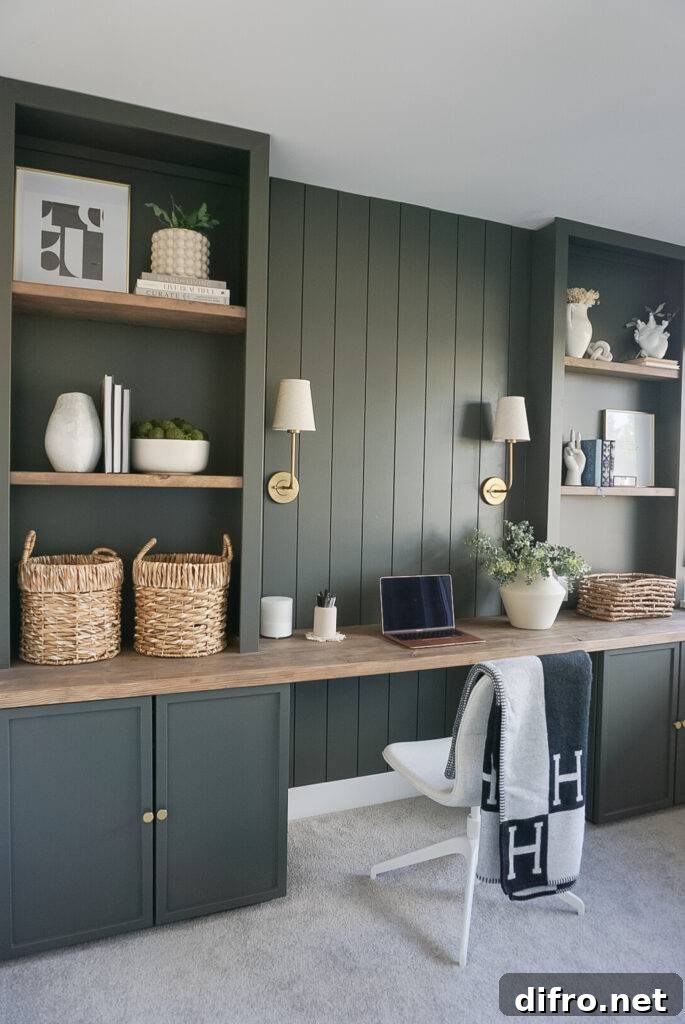
3. Green for clearer thinking and better decisions
Green is closely associated with nature and has a balancing effect on the eyes and mind. Because it sits near the center of the visible spectrum, green reduces eye strain and helps maintain focus during long work sessions. It also supports problem-solving and memory, making it a smart choice for roles that require steady decision-making or extended screen time.
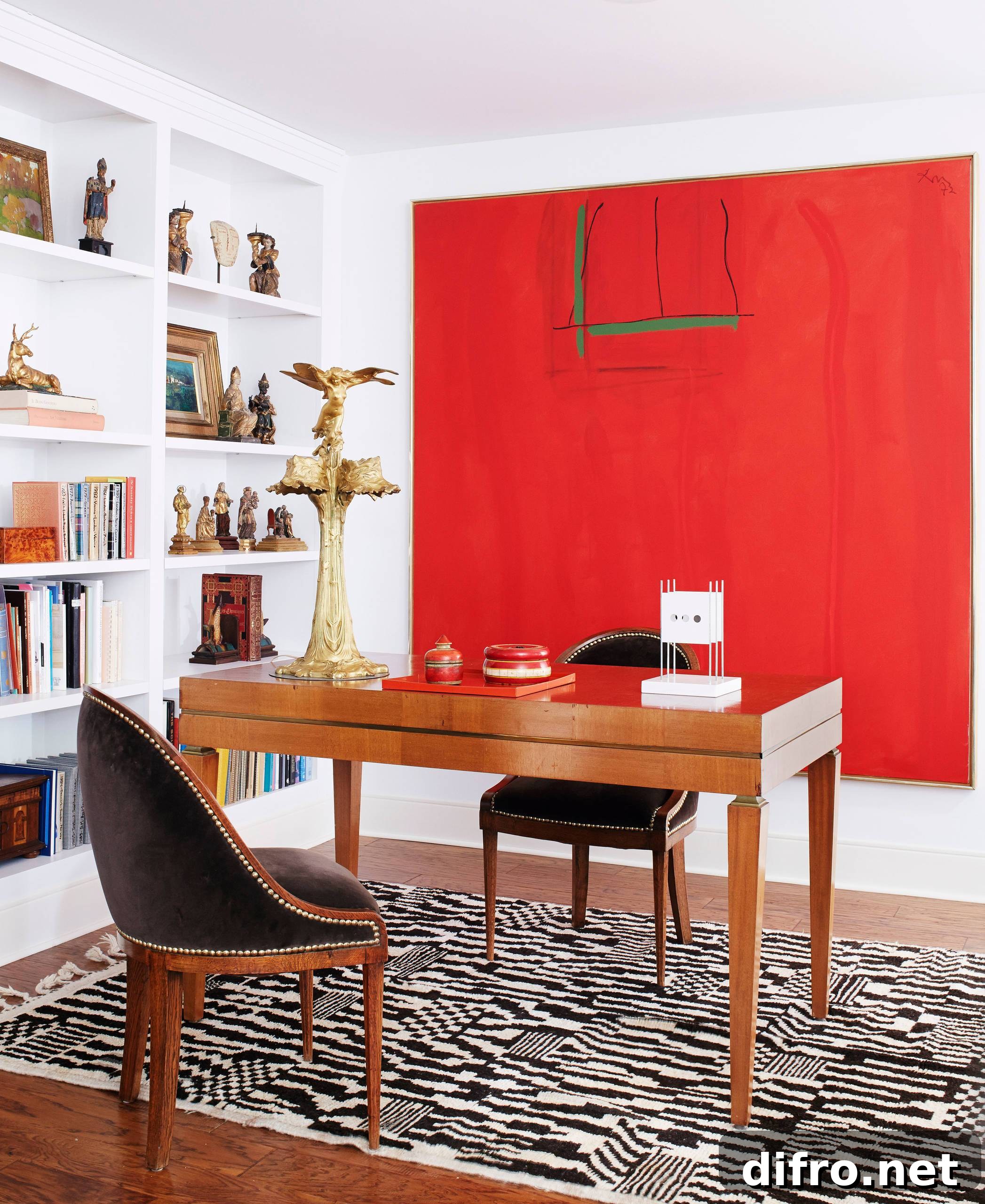
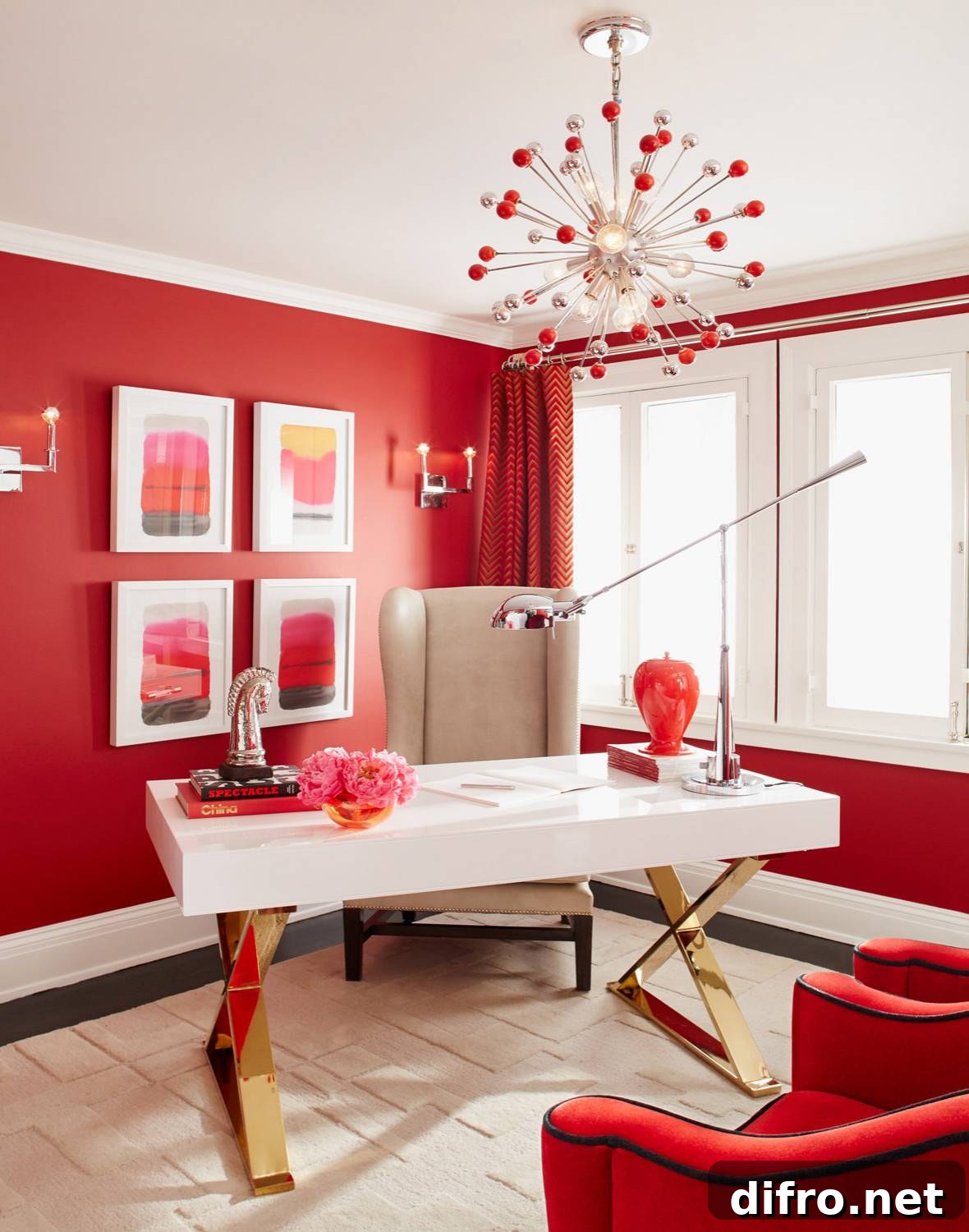
4. Red for short bursts of energy
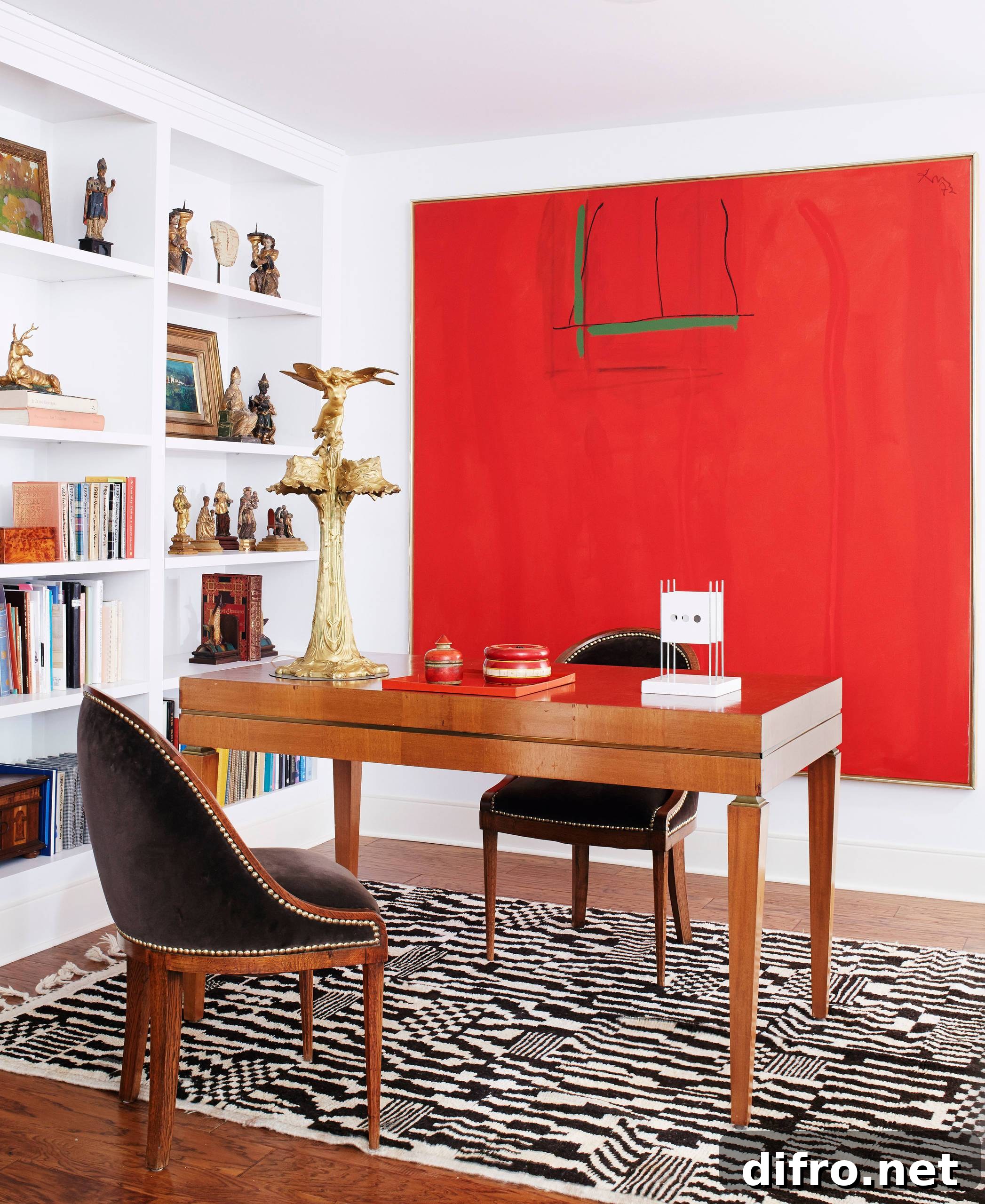
Red is dynamic and energizing, making it suitable for active work that benefits from high energy—think short sprints, physical tasks, or motivational accents. Because red increases heart rate and arousal, use it sparingly. Too much red can be overstimulating and may increase anxiety or fatigue, so limit red to accents like pillows, artwork, or a statement shelf.
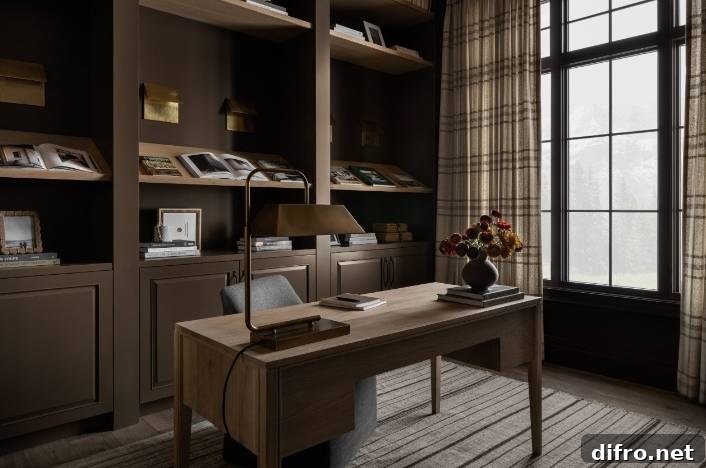
5. Brown for concentration and comfort
Brown is an earthy, grounding color that supports a sense of stability and focus. Warm brown tones—especially when paired with neutral accents—create a cozy, distraction-free environment that encourages longer periods of deep work. Rich chocolate browns combined with creams or soft textures make an inviting backdrop for sustained concentration.
Colors to avoid in a home office
- White — Although white feels clean and open, an all-white space can feel sterile and uninspiring. Use white as a base, then layer in color accents to create warmth and visual interest.
- Gray — While versatile and modern, gray can read as dreary if overused. Light gray can feel like an overcast day and may not energize or motivate a productive mindset.
- Black — Black can be dramatic but tends to absorb light and create a heavy mood. Reserve black for accents rather than large surfaces in a home office.
Choosing the right color palette for your home office comes down to the type of work you do and how you want to feel during the day. Use calming blues and greens for focus and decision-making, soft yellows to spark creativity, small red accents to energize brief tasks, and warm browns to foster concentration. Combine these tones with good lighting, ergonomic furniture, and personal touches to create a balanced, productive workspace.