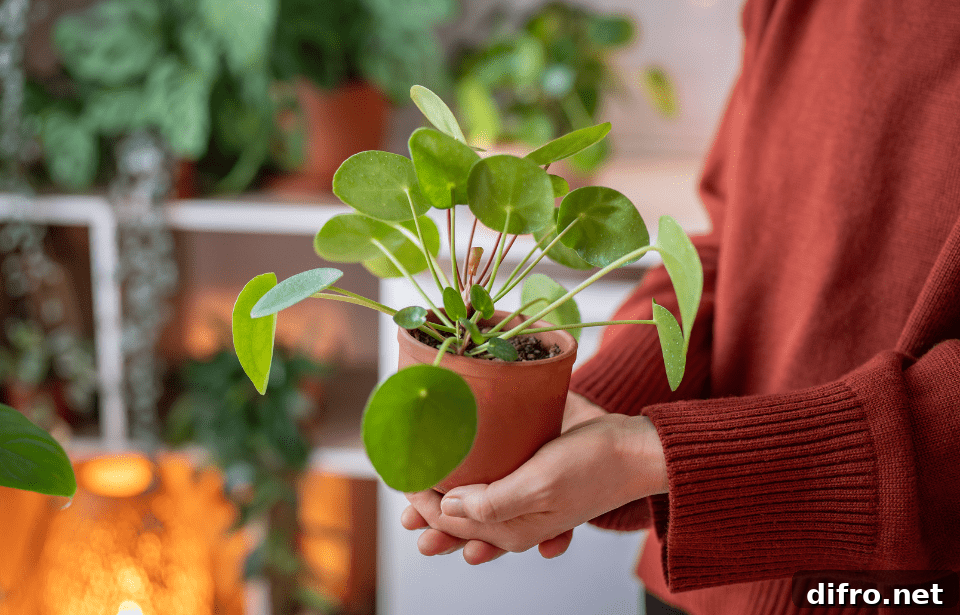
Houseplants do much more than decorate a room: they bring life to interiors, can improve air quality, and make a home feel welcoming. But not every attractive plant belongs inside. Some popular species present health risks, are difficult to manage in a home environment, or pose hazards to pets and children. Choosing the right plants means balancing beauty with safety and practicality.
Below are seven commonly kept indoor plants that are often better suited to outdoor gardens or avoided entirely in homes with pets, small children, or tight living spaces.
Dieffenbachia
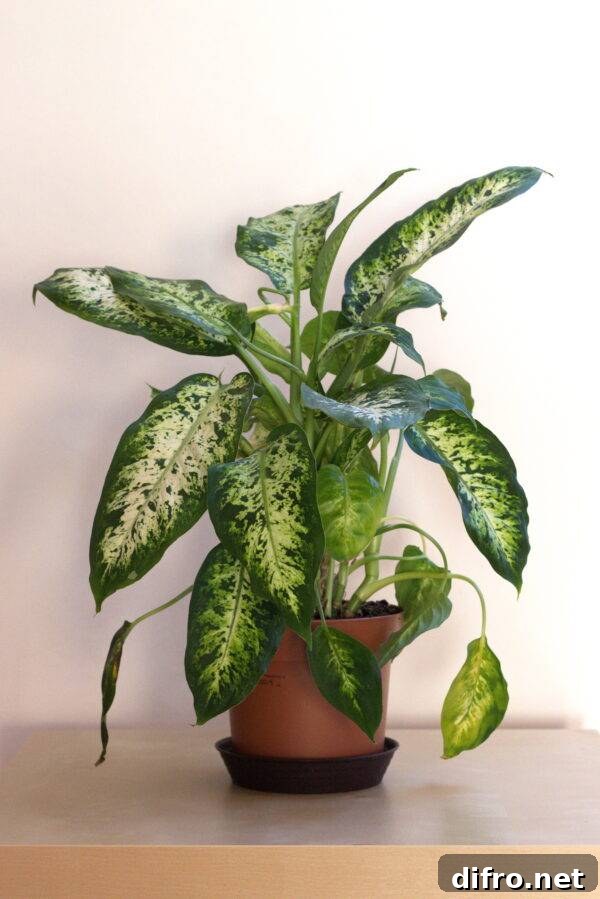
Dieffenbachia, often called “dumb cane,” is prized for its dramatic, variegated leaves. It contains calcium oxalate crystals that can cause a painful burning or swelling sensation if any part of the plant is chewed or handled improperly. Ingesting or getting sap in the mouth or eyes can lead to severe irritation and, in rare cases, breathing difficulties. If you have inquisitive children or household pets that like to nibble, this is one indoor plant to avoid or keep well out of reach.
Philodendron
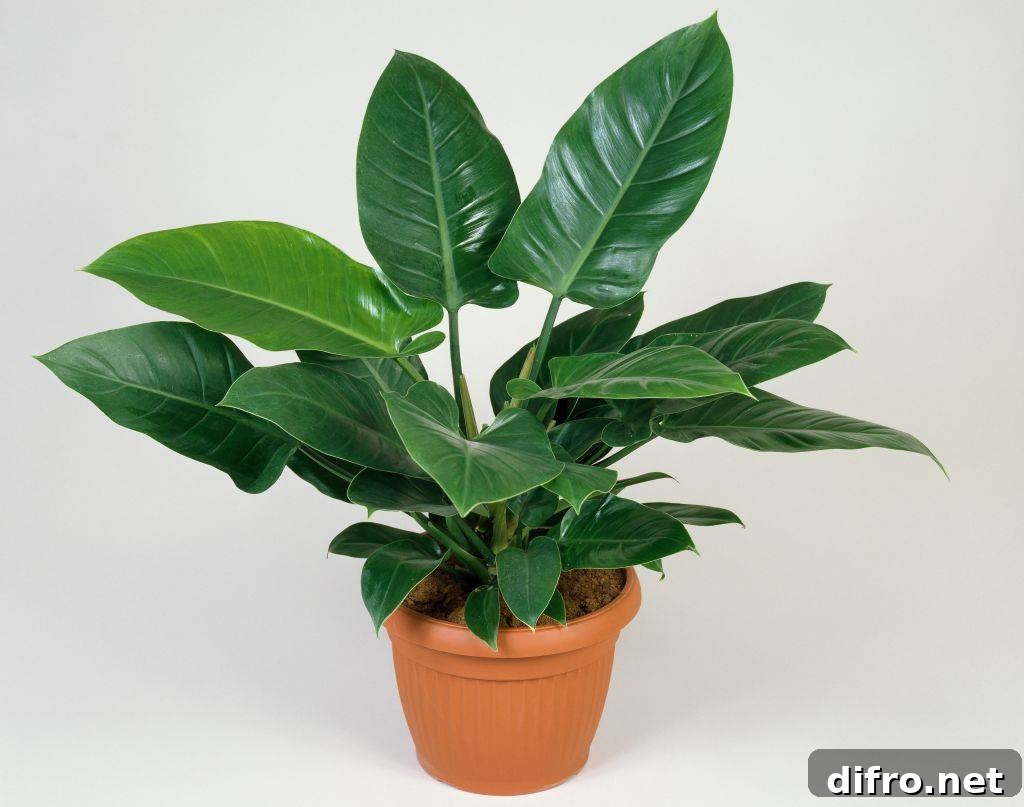
Philodendrons are favored for their lush foliage and ease of care, but they share a key risk with dieffenbachia: calcium oxalate crystals. This makes chewing or ingesting leaves unpleasant and potentially hazardous, causing swelling, drooling, vomiting, or irritation to the mouth and throat. Their trailing habit can also attract pets. If you keep philodendron indoors, place it somewhere pets and children cannot access and prune trailing vines to reduce temptation.
Oleander
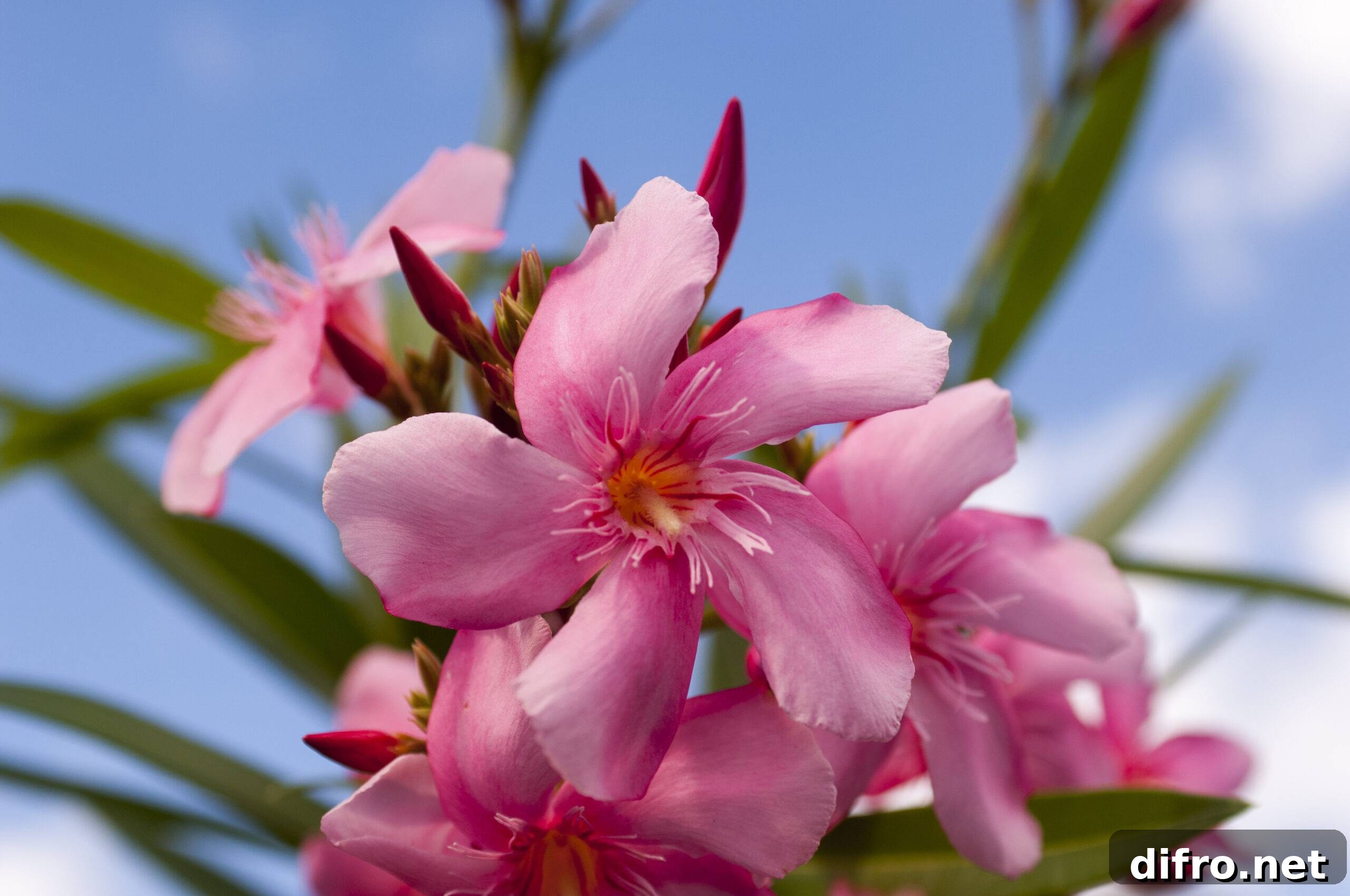
Oleander is striking when in bloom, but it is among the most poisonous of ornamental plants. Every part of the shrub contains cardiac glycosides that can cause serious cardiovascular and gastrointestinal symptoms if ingested. Even small amounts can trigger severe reactions in humans and animals, so oleander is best kept outdoors and away from areas frequented by children or pets, or avoided entirely for homes where safety is a concern.
Pothos
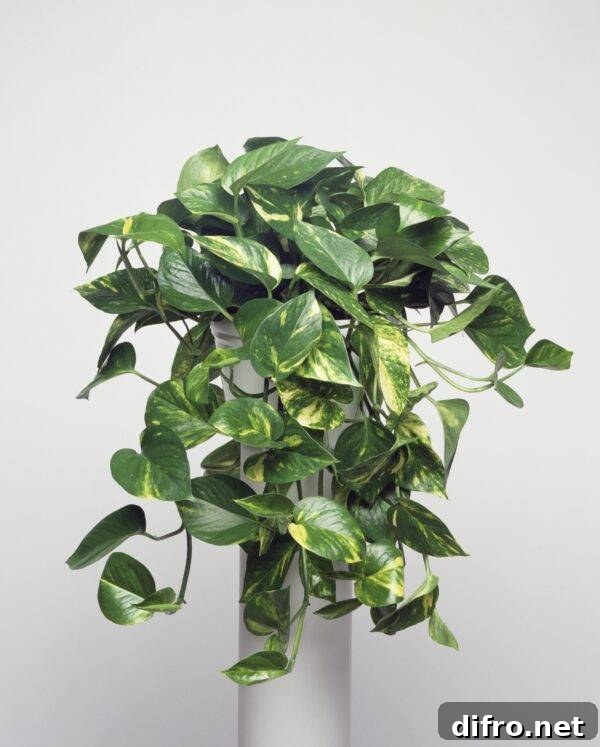
Pothos, or devil’s ivy, is an easy-to-grow plant with attractive trailing vines, which is why it’s so popular. Its sap is mildly toxic and can cause skin irritation, while ingestion may lead to vomiting or other digestive upset. Pothos is also a vigorous grower and, if not contained, can overtake pots or neighboring plants. For households with pets or small children, choose non-toxic alternatives or keep pothos out of reach and regularly trimmed.
Rubber Plant
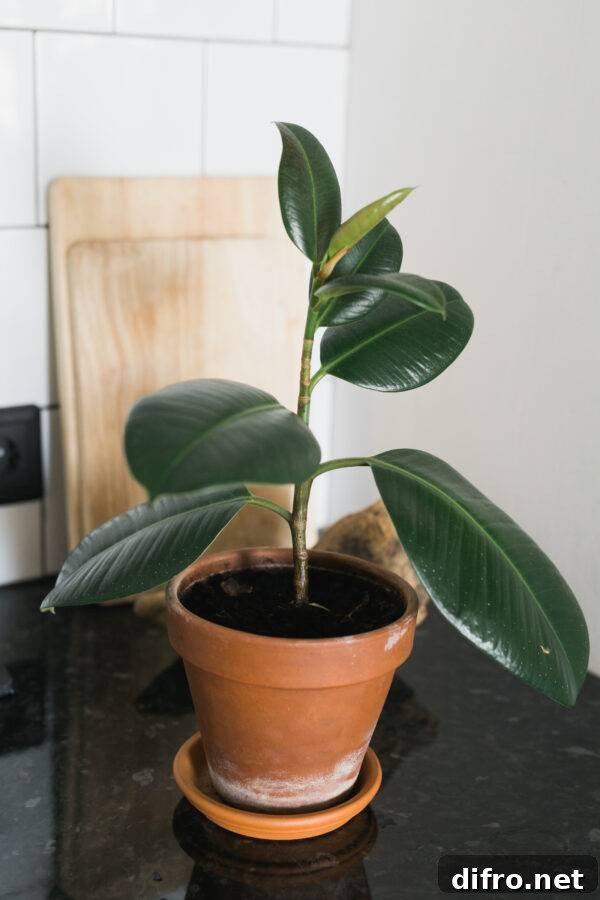
The rubber plant (Ficus elastica) is often chosen for its bold, glossy foliage and architectural form. Its milky sap can irritate skin and eyes, and repeated exposure may trigger allergic reactions in sensitive individuals. Rubber plants can also become quite large, requiring regular pruning and space to thrive. If space is limited or anyone in the household has sensitive skin, consider a smaller or less sap-producing species.
Sago Palm
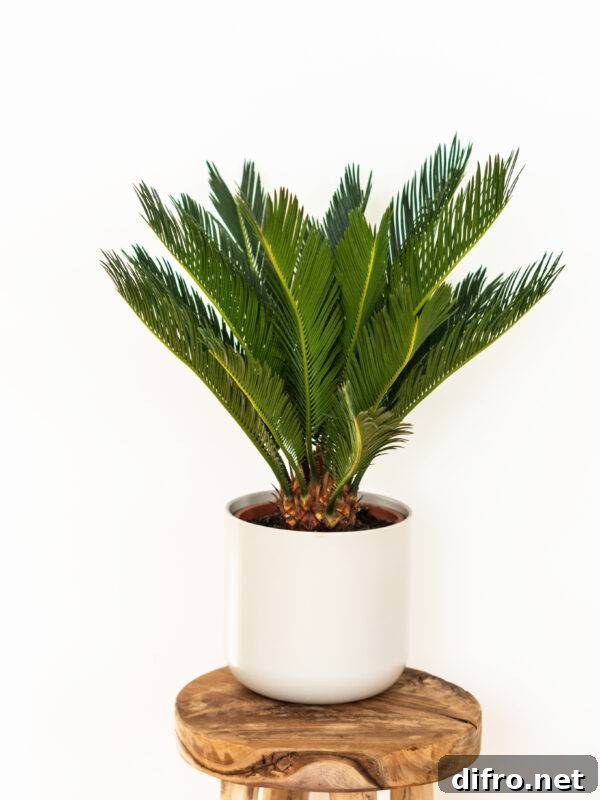
The sago palm (a cycad, not a true palm) is visually appealing but potentially dangerous. All parts of the plant are toxic, and the seeds are particularly hazardous; ingestion can cause severe liver damage in pets and people. The plant’s stiff, pointed fronds are also physically sharp, which can be a problem in small living areas. Because of these risks, sago palms are better suited to outdoor settings or homes without vulnerable occupants.
Jade Plant
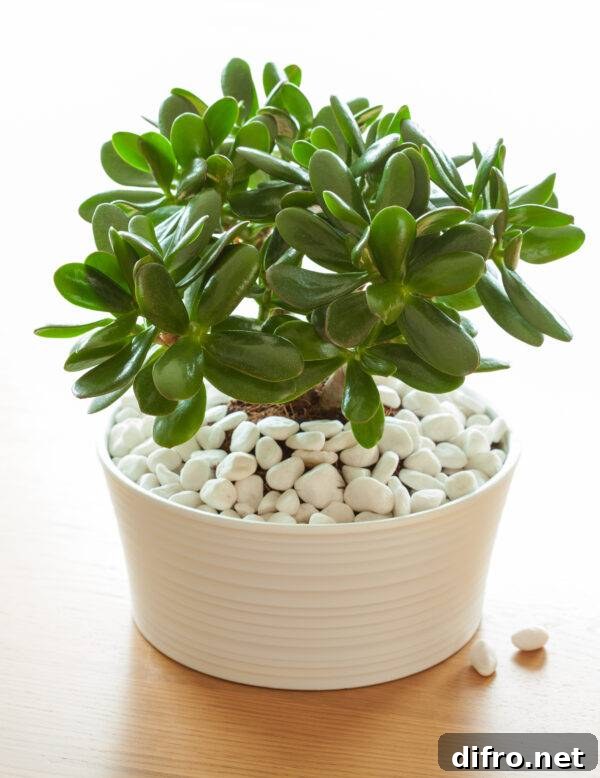
The jade plant (Crassula ovata) is a compact succulent often associated with good fortune. While easy to care for, jade contains compounds that can cause vomiting, lethargy, and coordination problems if pets chew the leaves. Because many households include curious cats and dogs, opt for pet-safe succulents or position jade plants where animals cannot reach them.
Related Articles:
- The Unexpected Reason Your Plants Keep Dying
- Explaining the Difference Between Direct and Indirect Sunlight for Houseplants
- 6 Houseplants That Are Stylish and Safe for Cats and Dogs
Houseplants can greatly enhance a living space, but selecting the right species is important for safety and ease of care. If you already own any plants listed here, consider moving them outdoors, placing them well out of reach, or replacing them with non-toxic alternatives. For homes with kids or pets, prioritize plants known to be safe, research each species before bringing it inside, and keep emergency contact information for a veterinarian or poison control center handy.
Interested in adding plants to your home safely? Subscribe to design and plant care updates for tips on pet-safe selections, placement, and maintenance.