

Spring cleaning often feels like a big, exhausting project—ladders, heavy scrubbing, and long weekends. In contemporary interior design, however, a seasonal refresh can be far less about chores and more about a targeted visual reset. With a focused 30-minute plan, you can lift the mood of your home, making it look and feel renewed without a full renovation.
Concentrate on three core elements—light, texture, and selective editing—and you’ll create a fresh, modern atmosphere quickly. The following five steps are designed to deliver high-impact results in half an hour.
1. Optimize the Light Path (5 Minutes)

Natural light is the single most transformative element in any room. Winter can leave windows slightly dulled by dust and condensation, which mutes your interior palette. Restoring the clarity of your windows immediately brightens spaces and improves color fidelity.
- The Action: Quickly wipe the interior glass of main windows and dust the sills. Move or pin back heavy drapery to allow more light in, or swap heavy curtains for lighter sheers if appropriate.
- The Design Impact: Cleaner windows let colors read truer and make compact rooms feel larger. Maximizing natural light is one of the simplest and most effective spring updates.
2. Curate One “Hero” Surface (10 Minutes)

Clutter undermines even the best decor. Instead of tackling every room, pick one high-traffic surface—your coffee table, entry console, or kitchen island—and apply an “empty surface” approach. Less is more when it comes to perception.
- The Action: Clear the surface completely, wipe it down, and bring back only three carefully chosen objects at different heights to form a balanced vignette.
- The Design Impact: A curated focal surface functions as a visual anchor. An intentionally minimal area helps the rest of the room feel organized and purposeful.
3. Transition Your Textile Palette (5 Minutes)

Winter favors heavy textures—faux furs, chunky knits, and dense wool. As temperatures rise, swap these for breathable, lighter fabrics to refresh both look and feel.
- The Action: Replace dark, heavy throw covers with linen or light cotton in neutrals or soft pastels. Stow oversized wool blankets and opt for a single lightweight throw.
- The Design Impact: Changing soft furnishings is a fast, visible way to signal a seasonal shift. Lighter fabrics reflect more light and make seating areas appear more inviting.
4. Streamline the Transition Zone (5 Minutes)
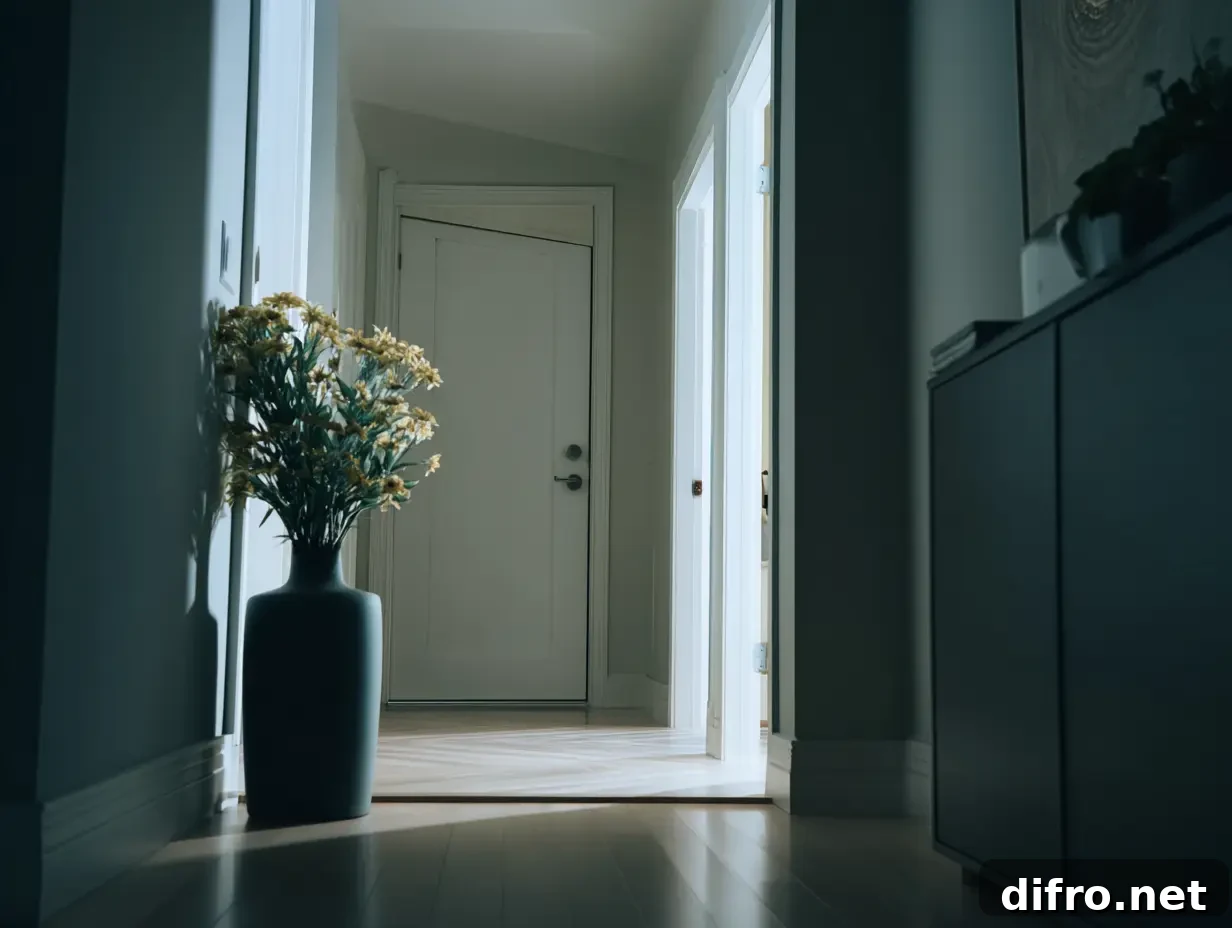
The entryway is the handshake of your home. If it still shows winter boots, salt-stained mats, and heavy coats, the entire house feels weighed down. A quick refresh here sets the tone for the whole space.
- The Action: Store heavy outerwear in closets, shake out or replace worn mats, and simplify the shoe area so only daily footwear remains accessible.
- The Design Impact: A tidy, airy entryway creates an immediate sense of calm. It signals a move from a closed winter mode to an open, breathable environment.
5. Introduce a Botanical Focal Point (5 Minutes)

Spring is, by nature, about growth and renewal. You don’t need an elaborate floral display—introducing a simple living element will add life and soften hard edges.
- The Action: Place a bowl of citrus on the counter, a single clipped branch in a tall vase, or move a potted plant into a bright corner to serve as a focal point.
- The Design Impact: A living element creates subtle movement and draws the eye. It reinforces the connection between your interior spaces and the outdoors.
The Final Result
A 30-minute spring reset works because it addresses the key sensory signals of a space:
- Visual: Reduce clutter and increase natural light to make rooms feel brighter and more spacious.
- Tactile: Swap heavy textures for lighter fabrics to create a cooler, more comfortable feel.
- Atmospheric: Introduce fresh air and living greenery to enliven the room.
By concentrating on high-impact zones—windows, a single hero surface, textiles, the entryway, and a botanical focal point—you’ll achieve a noticeable spring transformation. These small, intentional changes refresh your home’s aesthetic and lift the overall mood without a full-scale overhaul.