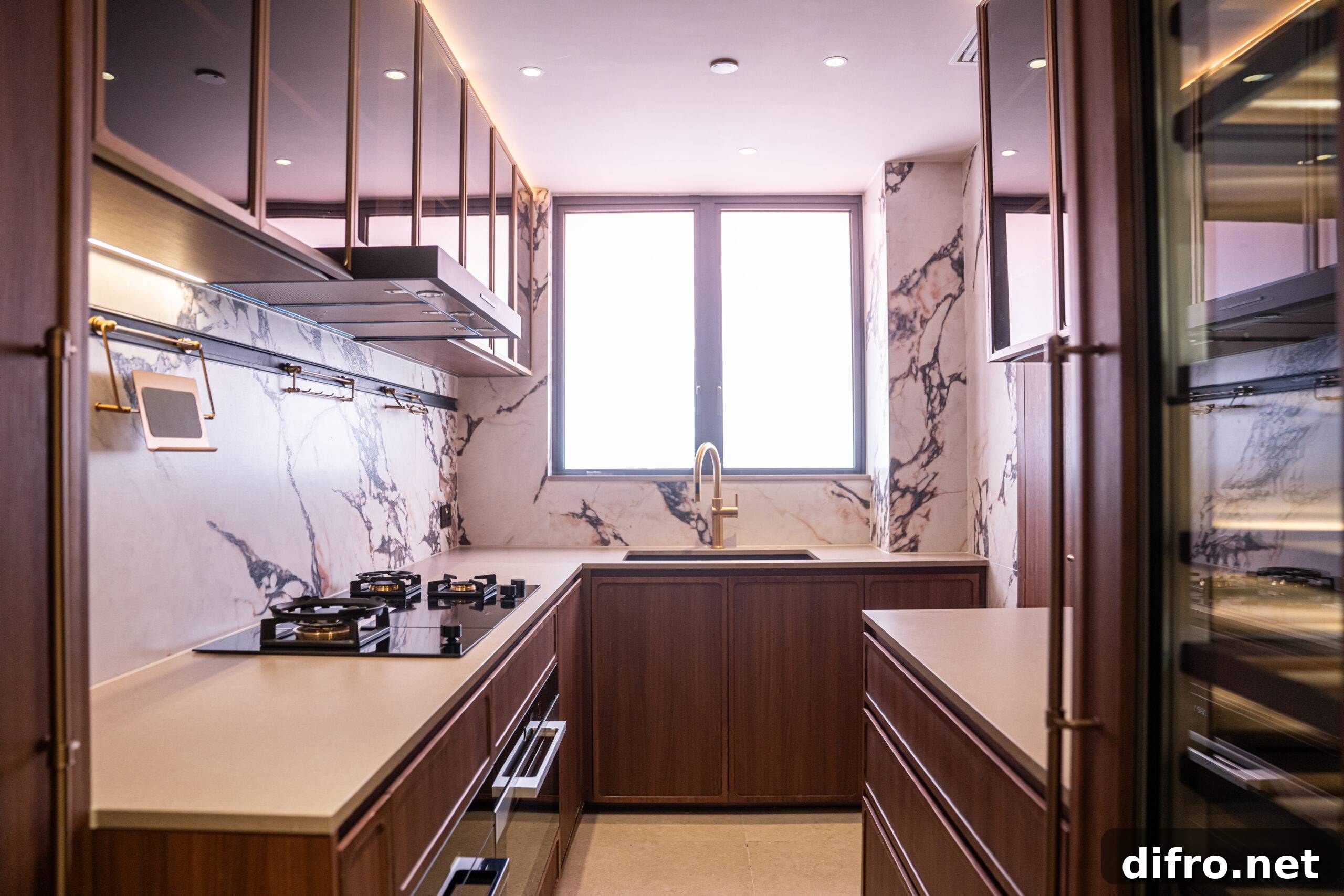
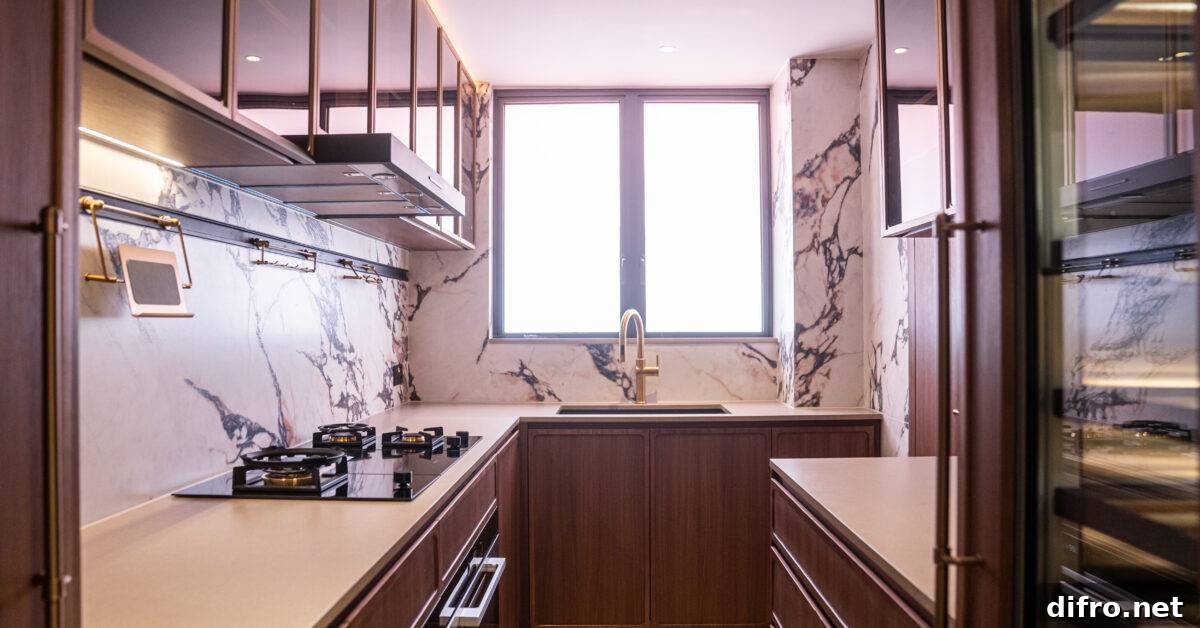
Open-plan living isn’t disappearing, but it’s evolving. In recent discussions about new construction and renovations, designers note a move away from completely open, single-room layouts toward plans that feel intentional, flexible, and easier to live with every day. The idea now is openness where it helps, and boundaries where they make life better.
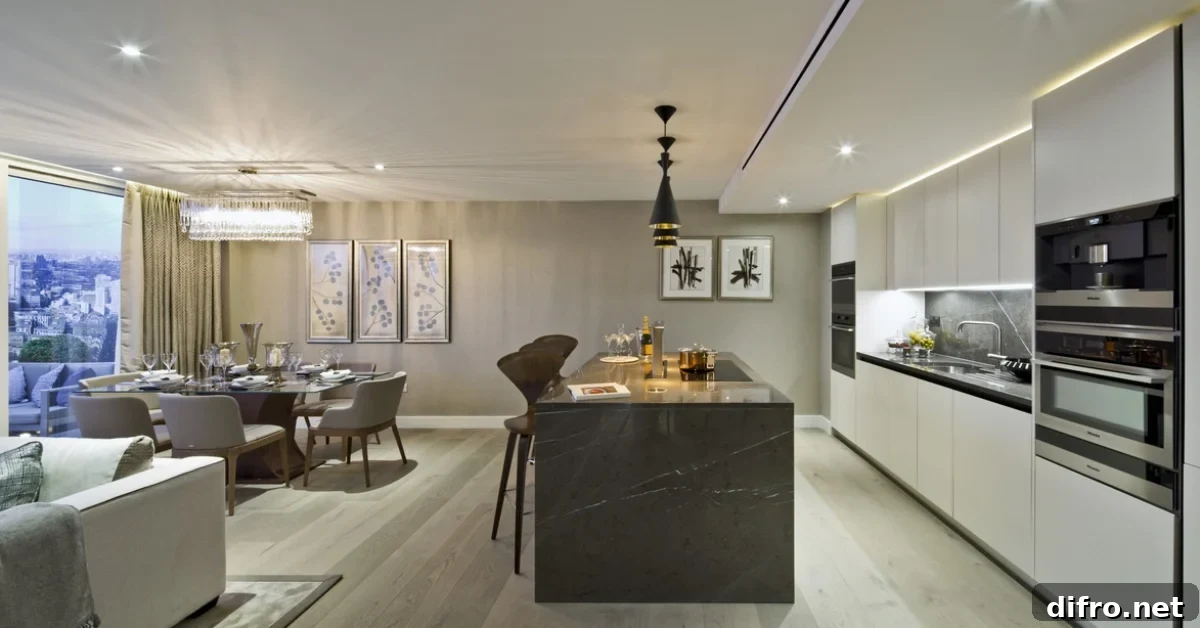
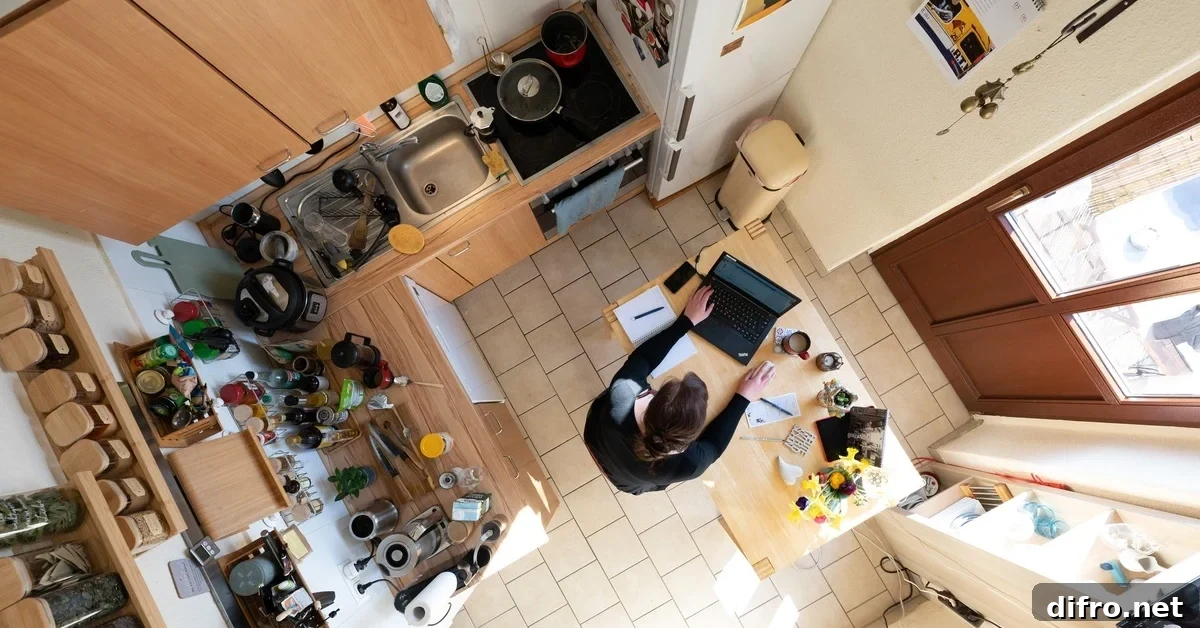
The kitchen is the first space where many homeowners are drawing that line. As homes double as offices, gyms, and social hubs—especially with hybrid work and frequent video calls—the kitchen has become a constant backdrop, complete with clutter, noise, and cooking smells. The move toward a “closed kitchen” isn’t a nostalgic return to closed-off rooms; it’s about allowing the busiest room in the house to function as a room again, on its own terms.
Why Closed Kitchens Feel Right Right Now
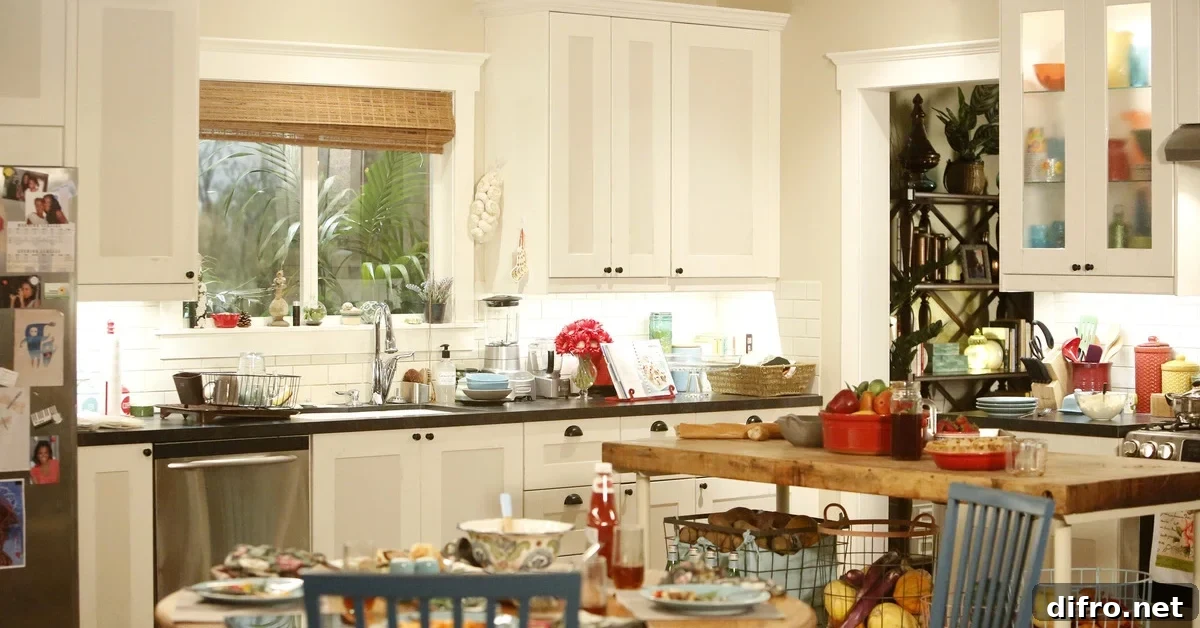
- The mess has lost its charm: While open kitchens photograph well, daily life reveals another story. When sinks, appliances, and mid-prep clutter are always visible, the whole home can feel unfinished. Many designers now emphasize separation or strategic concealment to create a calmer, more polished living environment.
- Noise matters more than sightlines: Everyday kitchen sounds—blenders, pans, coffee machines, delivery drop-offs—travel easily in open plans. That’s fine when everyone shares a schedule, but less so when someone is on a call and another person is cooking. The renewed interest in partial closure is often motivated by comfort and function rather than formality.
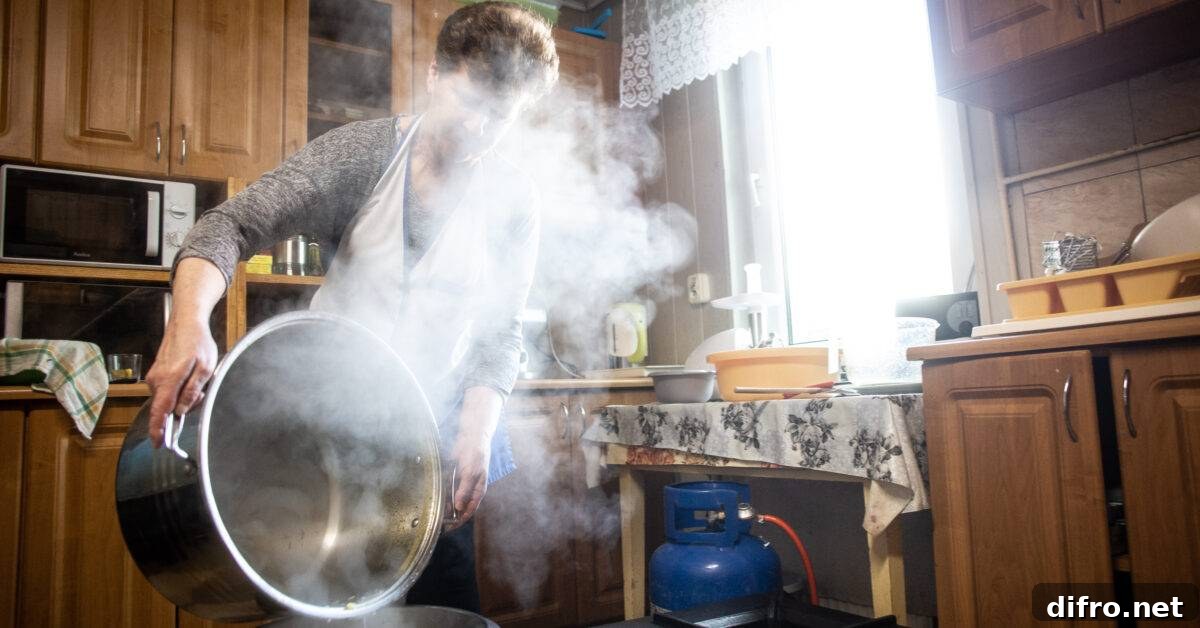
- Air quality and odors are a practical concern: Cooking produces particles and odors, and experts recommend using a vented range hood and allowing ventilation to run after cooking. A kitchen that can be separated, even partially, helps limit the spread of smells and particulates through the rest of the home.
The New “Closed Kitchen” Isn’t a Dark Box
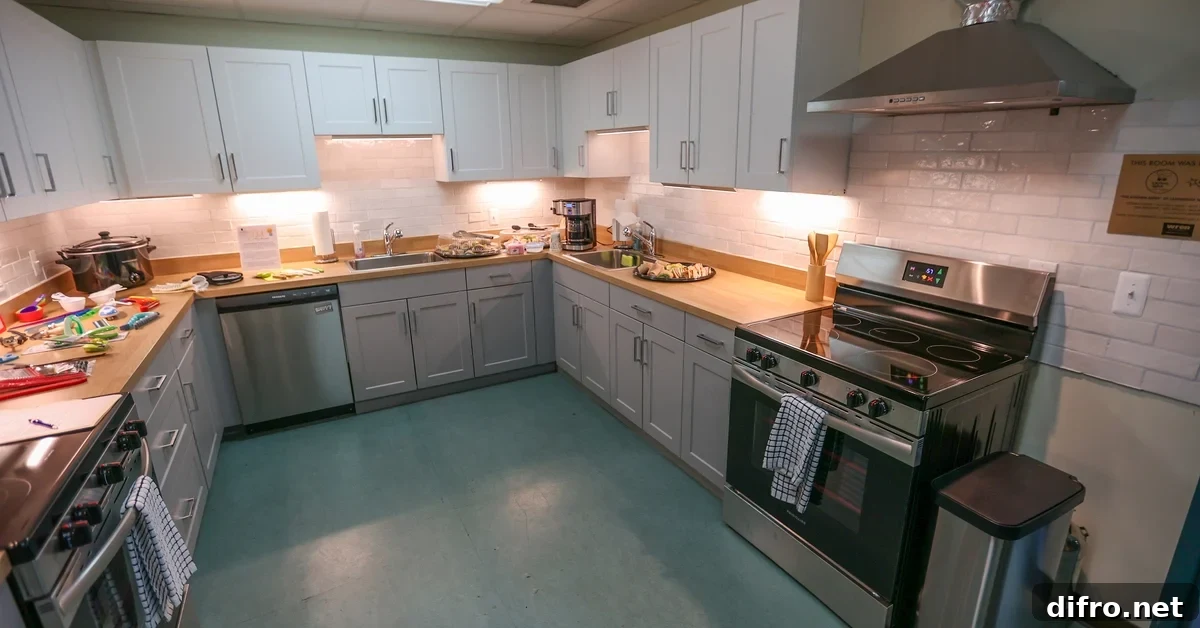
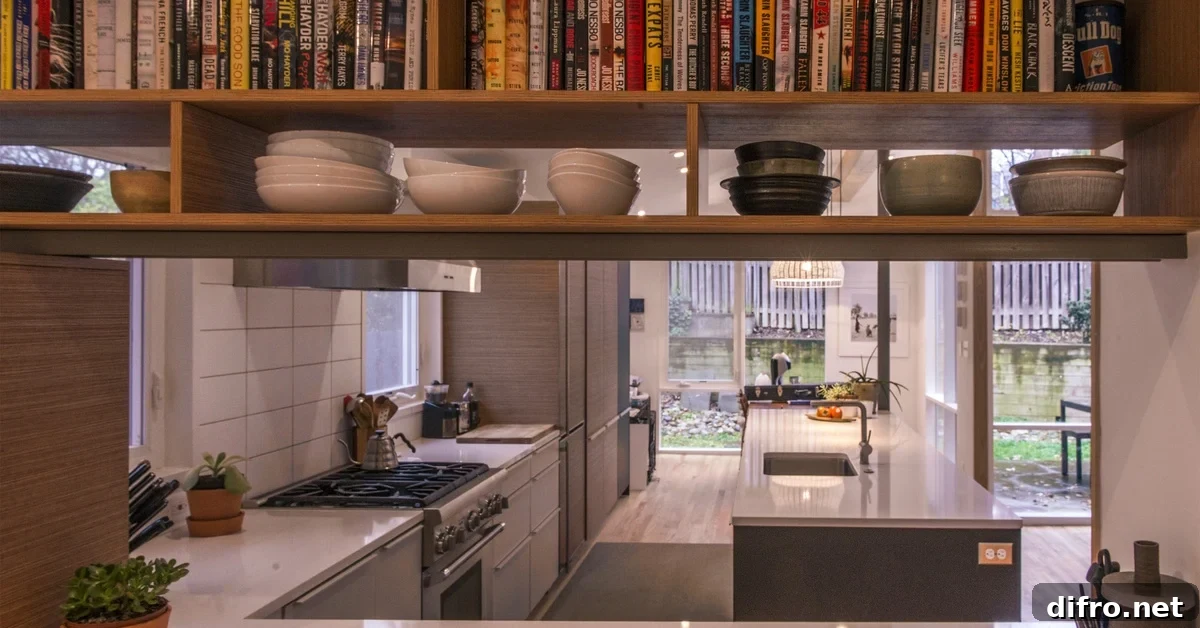
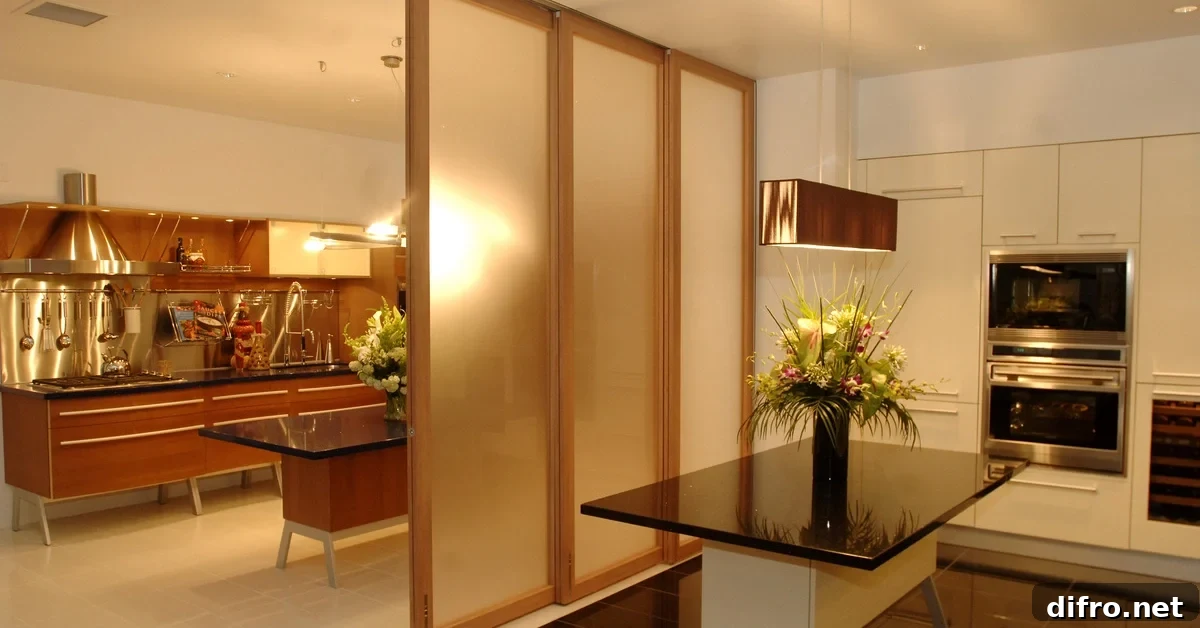
This trend isn’t about closing off natural light or creating cramped, formal rooms. Think “broken-plan” living—soft, deliberate boundaries that define zones while maintaining flow and openness. Designers are using partial dividers, open shelving, arches, glass panels, and furniture placement to give visual separation without isolating the kitchen entirely. The goal is a balanced home that supports multiple activities without sacrificing comfort.
How to Get the Closed-Kitchen Feel Without Remodeling
No structural work? No problem. Here are practical, budget-friendly ways to introduce separation while keeping flexibility:
1) Install a soft doorway: Hang a washable curtain panel on a tension rod at the kitchen entry. It creates instant separation when you want privacy and disappears visually when you want openness.
2) Edit sightlines around the sink: Place a tall plant, folding screen, or open bookshelf so the main living area doesn’t face the busiest counter directly. This “view edit” reduces visual clutter without hiding the kitchen entirely.
3) Create a designated back-kitchen zone: Use a rolling cart, console, or sturdy shelf as a dedicated messy area for appliances, prep, and grocery staging. Containing the busiest tasks to one spot keeps the rest of the kitchen and living space calmer by default.
4) Use lighting to define zones: Different lighting creates a perceptible separation. Switch to warmer bulbs in the kitchen, add a task lamp near the transition, or use pendant lights above a breakfast bar to signal a distinct area.
5) Keep everyday clutter under control: A tray or lidded bin for mail, chargers, and small items makes a big visual difference. Removing small, scattered items reduces the “unfinished” look that many homeowners dislike about open kitchens.
6) Maintain two modes: hosting and living: Adopt a simple routine: “open” for guests (clear counters, curtain pulled back), “closed” for everyday life (curtain or screen in place, prep zone active). This flexibility is the practical heart of the closed-kitchen revival.
7) Improve ventilation and routine: Run your range hood while cooking, open a window when possible, and allow ventilation to continue briefly after cooking. These habits help keep odors and particulates from spreading, supporting a healthier, more pleasant home environment.
The Takeaway
Open-plan living still suits many homes, but the resurgence of the closed kitchen reflects a desire for calm, control, and choice. Rather than a rigid return to separate rooms, the trend favors adaptable solutions that let kitchens be functional workspaces without dominating the rest of the home. With a few low-cost changes—soft dividers, targeted lighting, better sightlines, and improved ventilation—you can enjoy the benefits of both openness and privacy in the same space.