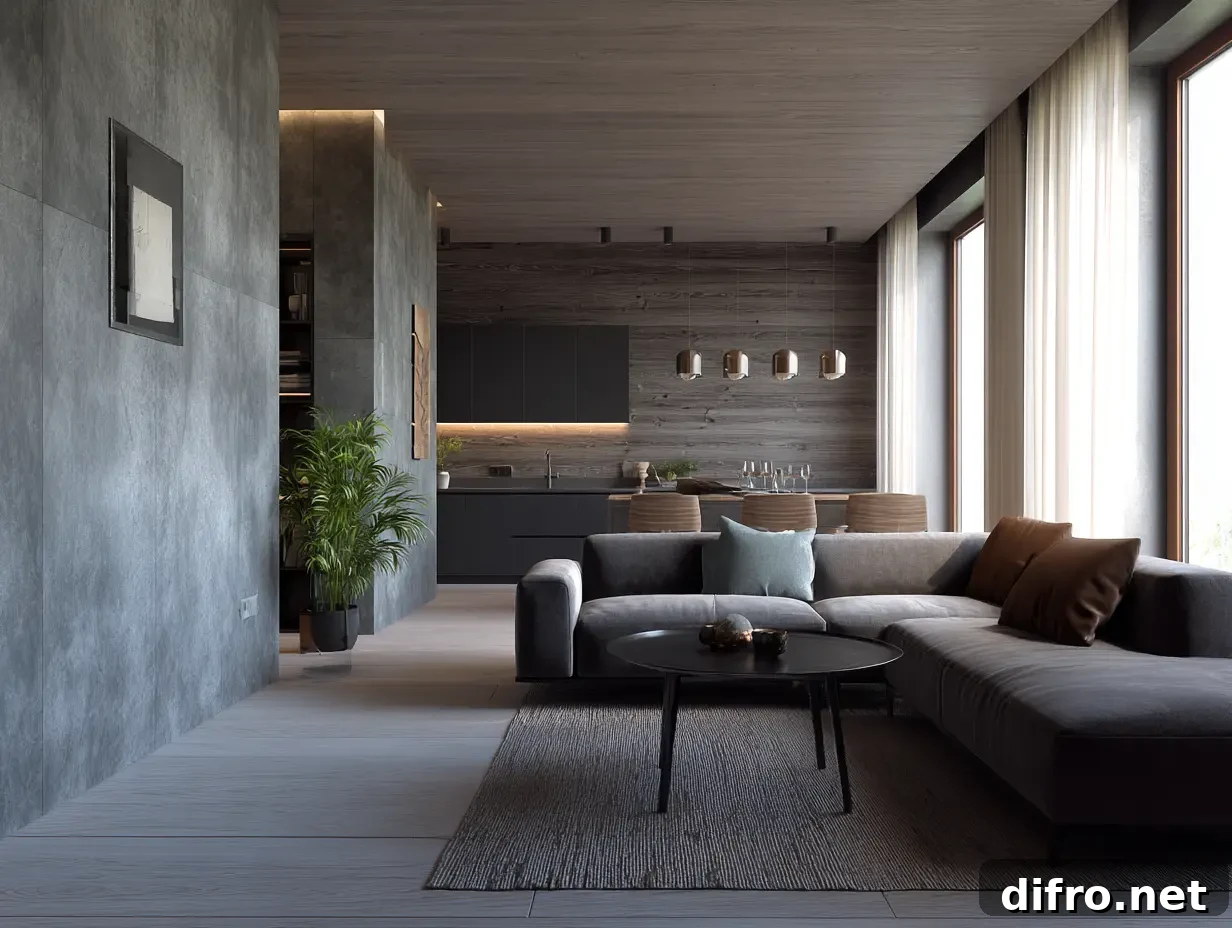
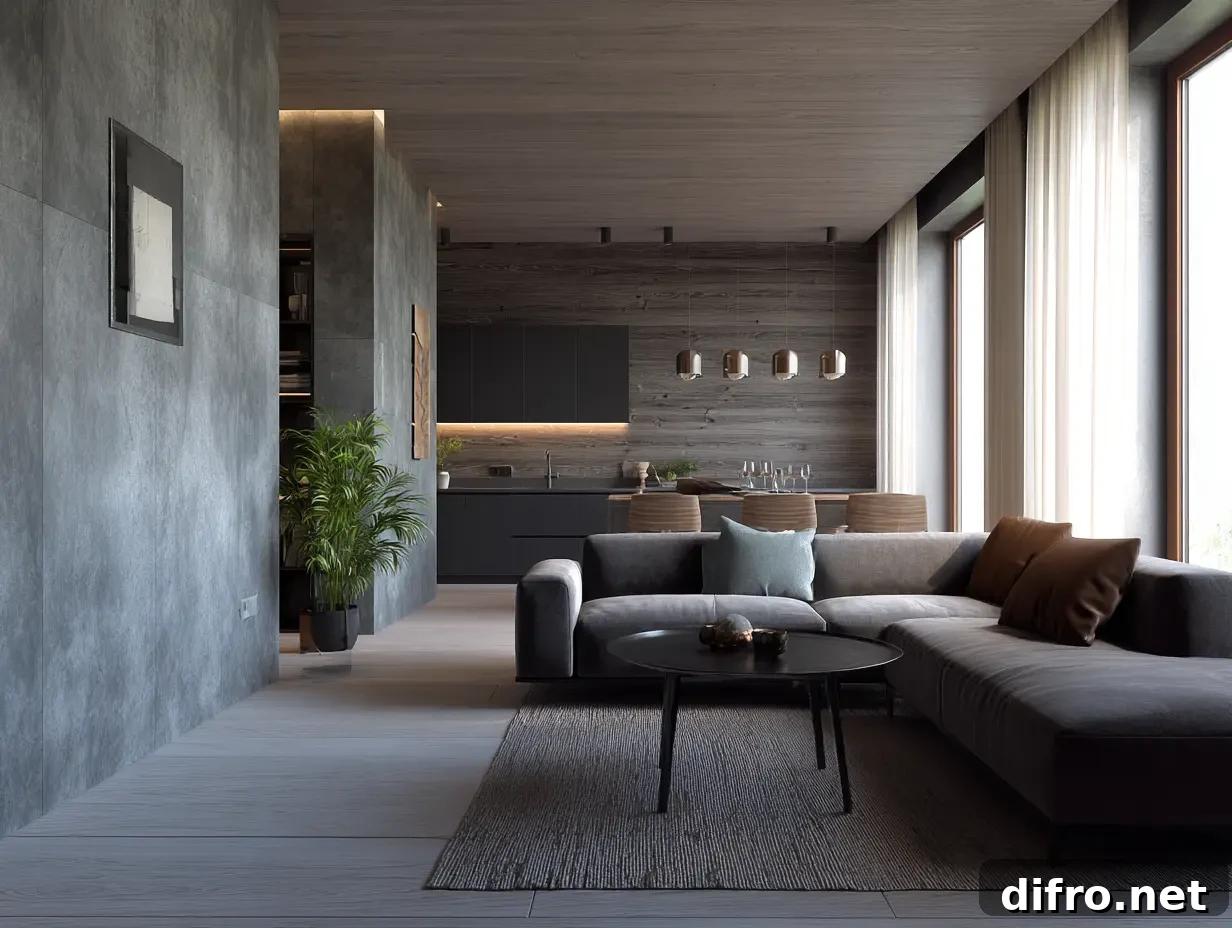
Step into a home shaped by the “Soft Minimalism” movement popular across Europe, and you immediately feel a different kind of calm. Spaces breathe. Compared with many contemporary North American interiors—especially in the maximalist wave after 2020—these rooms feel quieter and more considered, even when they contain high-quality pieces.
The distinction isn’t about budget or size; it’s a philosophical shift in how we define comfort. In 2026, designers and homeowners are looking to European restraint to counter visual fatigue. Below are practical ways to apply those ideas to your home without a full renovation.
1. Edit Visual Noise (Apply the Rule of Thirds)
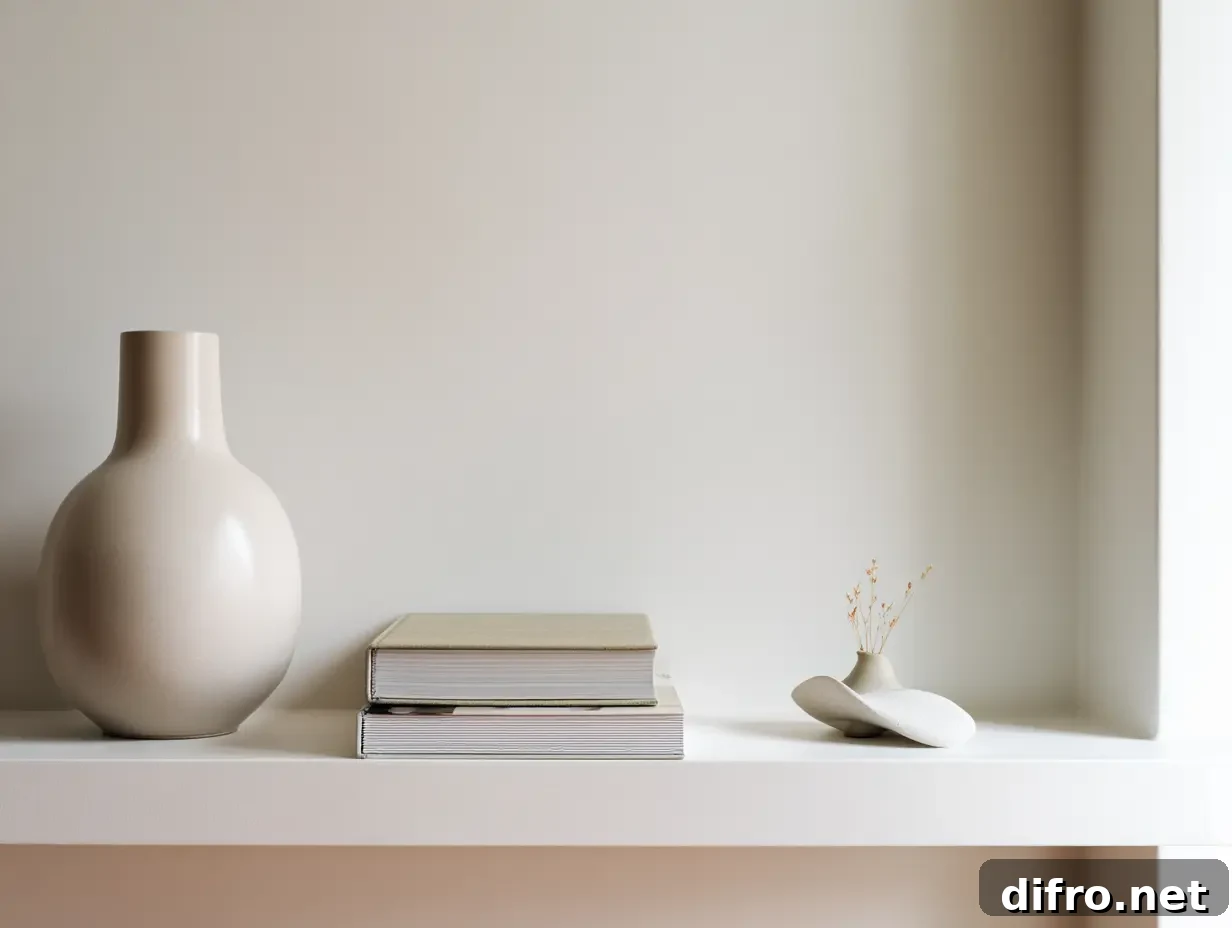
Contemporary European interiors—especially Scandinavian and Belgian traditions—use negative space as a deliberate design tool. Walls don’t need to be filled with art, and shelves shouldn’t be crowded edge to edge. Giving objects room to breathe lets the eye rest and creates a calmer overall feel.
- The Philosophy: Objects should have “air” around them so visual attention can pause.
- Practical Fix: Go through your shelves and surfaces and remove about one-third of the items. Re-center what remains and accept the empty space as part of the composition.
2. Shift to Warm Neutrals
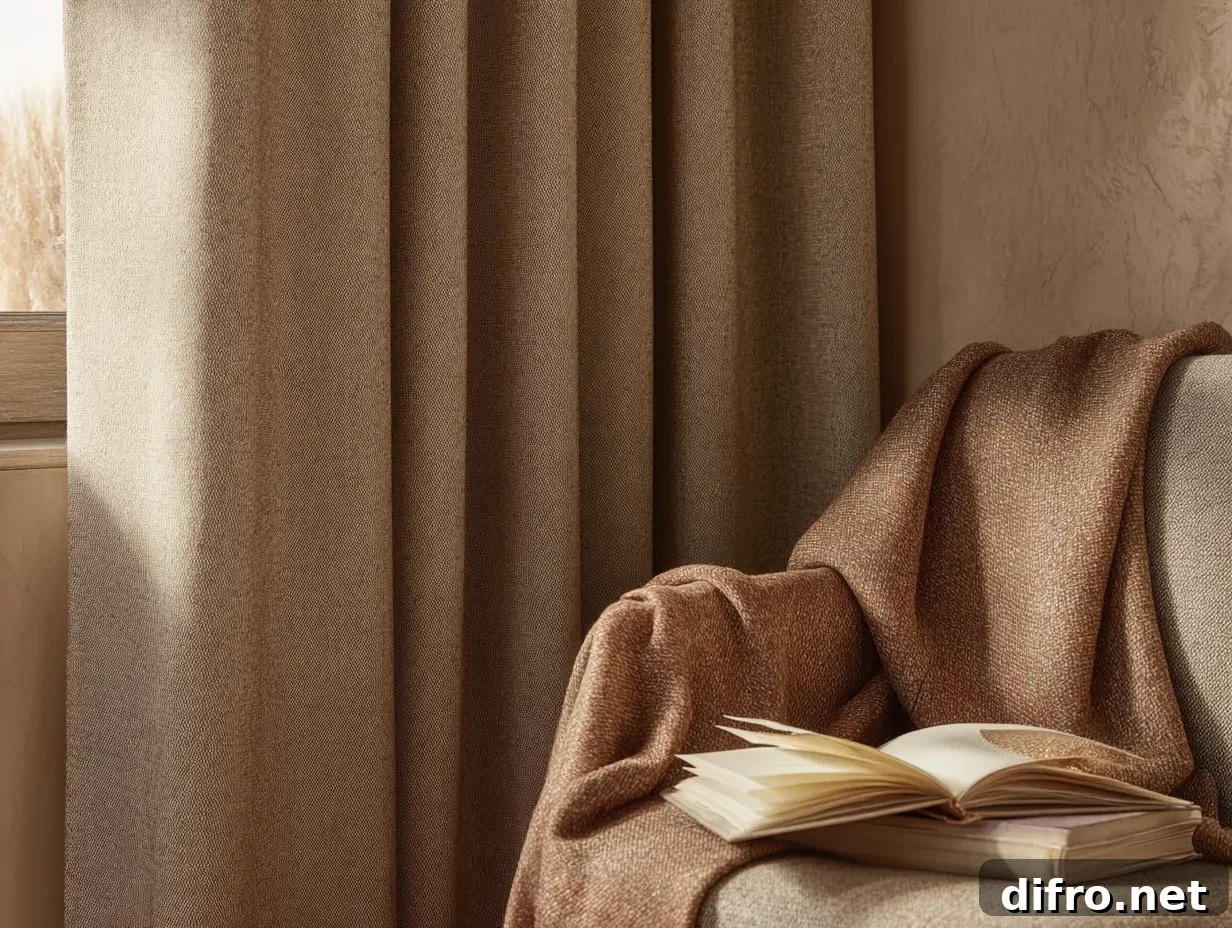
While many modern American interiors favor stark, bright white to convey cleanliness, European palettes favor muted earth tones that absorb light rather than reflecting it harshly. These softer hues create a more grounded, restorative environment—especially useful during darker months.
- The Palette: Soft bone, muted clay, greige and other warm neutrals feel quieter and more stable than bright white.
- Practical Fix: You don’t need to repaint. Introduce warm neutrals with low-commitment textiles—linen curtains, wool throws, parchment lampshades, or cushion covers—to shift the mood immediately.
3. Layered Lighting Instead of One Big Fixture
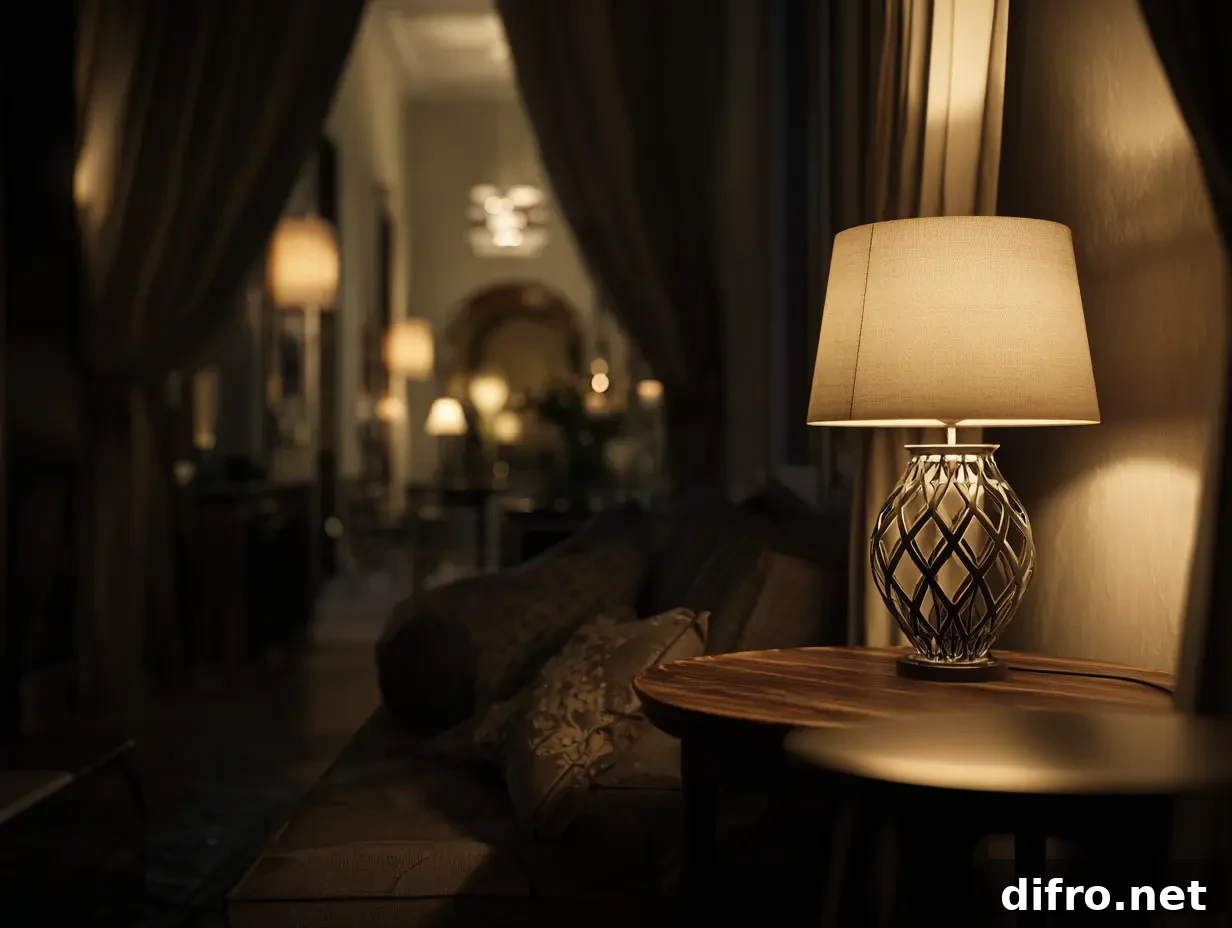
Many homes rely on a single bright overhead light. European lighting design favors atmospheric layering: three to four smaller light sources per room that can be combined to create a gentle, adaptable glow. This approach mimics the changing qualities of natural light and makes spaces feel intimate rather than clinical.
- The Approach: Use a mix of table lamps, floor lamps, wall sconces and dimmable fixtures to build depth.
- Practical Fix: Add a warm-toned table lamp to a corner that currently feels stark. Choose bulbs around 2700K for a warm white that softens surfaces and creates an inviting atmosphere.
4. Prioritize Texture Over Loud Statements
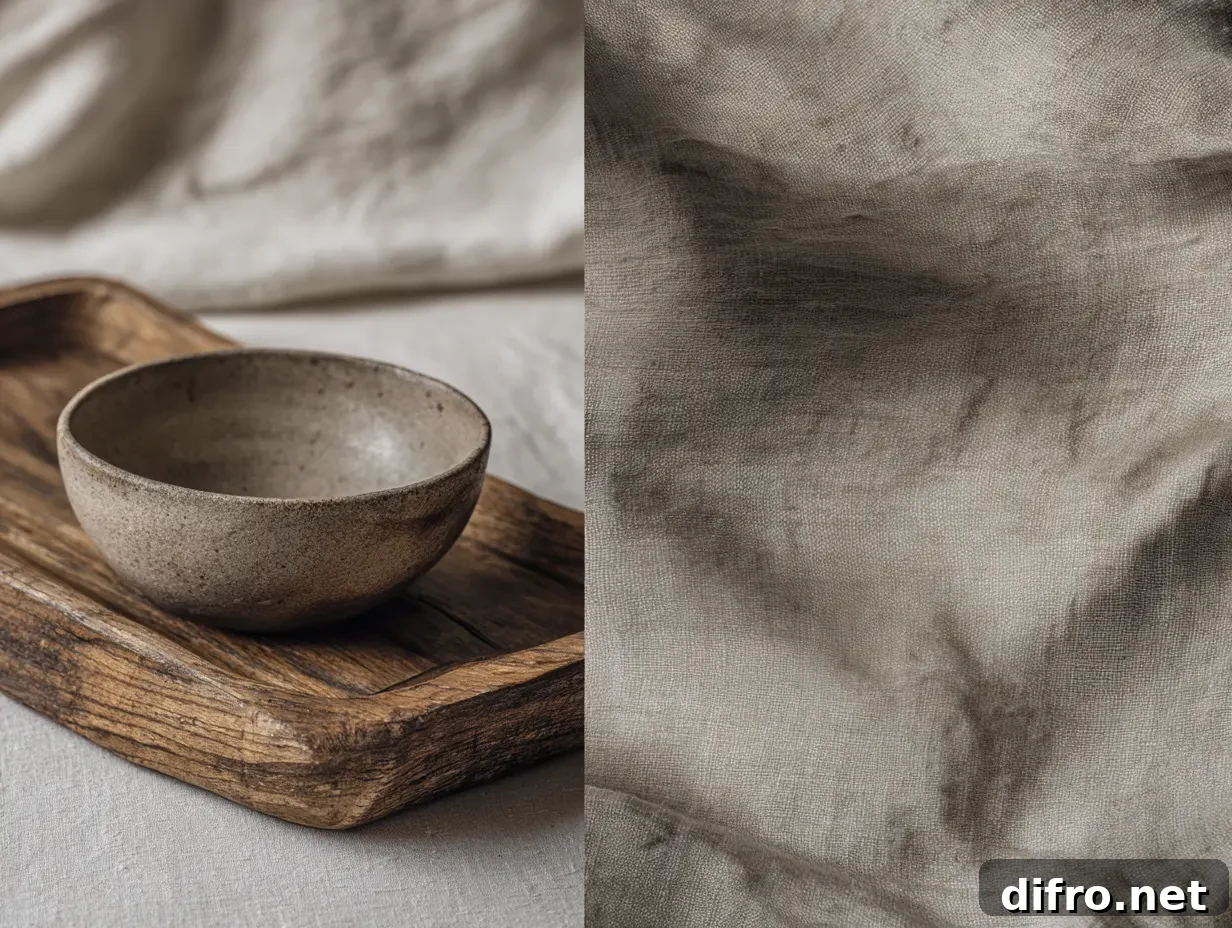
Instead of relying on a single dramatic statement piece, European interiors favor tactile depth. The focus is on how materials feel—unfinished wood, tumbled stone, heavy linen and matte ceramics—adding visual complexity without shouting for attention.
- The Materials: Choose organic, textured surfaces that reward touch and look more layered over time.
- Practical Fix: Replace one high-gloss or high-contrast item with something organic, like a hand-poured ceramic bowl or a rough-hewn wooden tray, to add warmth and authenticity.
5. Embrace the Lived-In Look
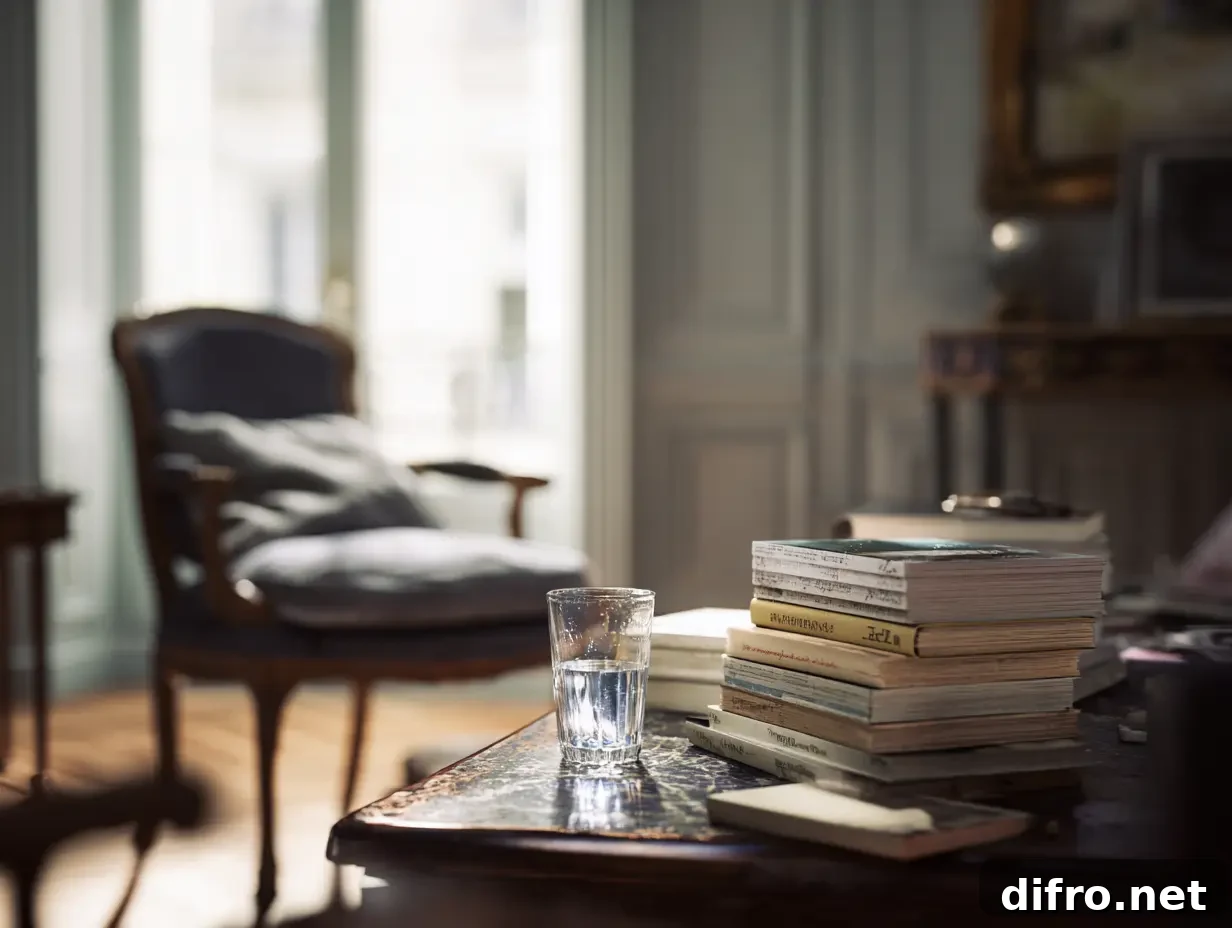
One of the most notable shifts is away from homes that must always look photo-ready. Influential European designers allow rooms to feel human and slightly imperfect. A stack of real books, a chair pulled out after conversation, or a casually tossed throw brings life, warmth and comfort into a space.
- The Philosophy: Treat the room as a living place, not a staged set. Imperfection signals use and belonging.
- Practical Fix: Resist over-styling. Let one area of your home remain naturally imperfect to show that the space truly supports daily life.
The Takeaway for 2026
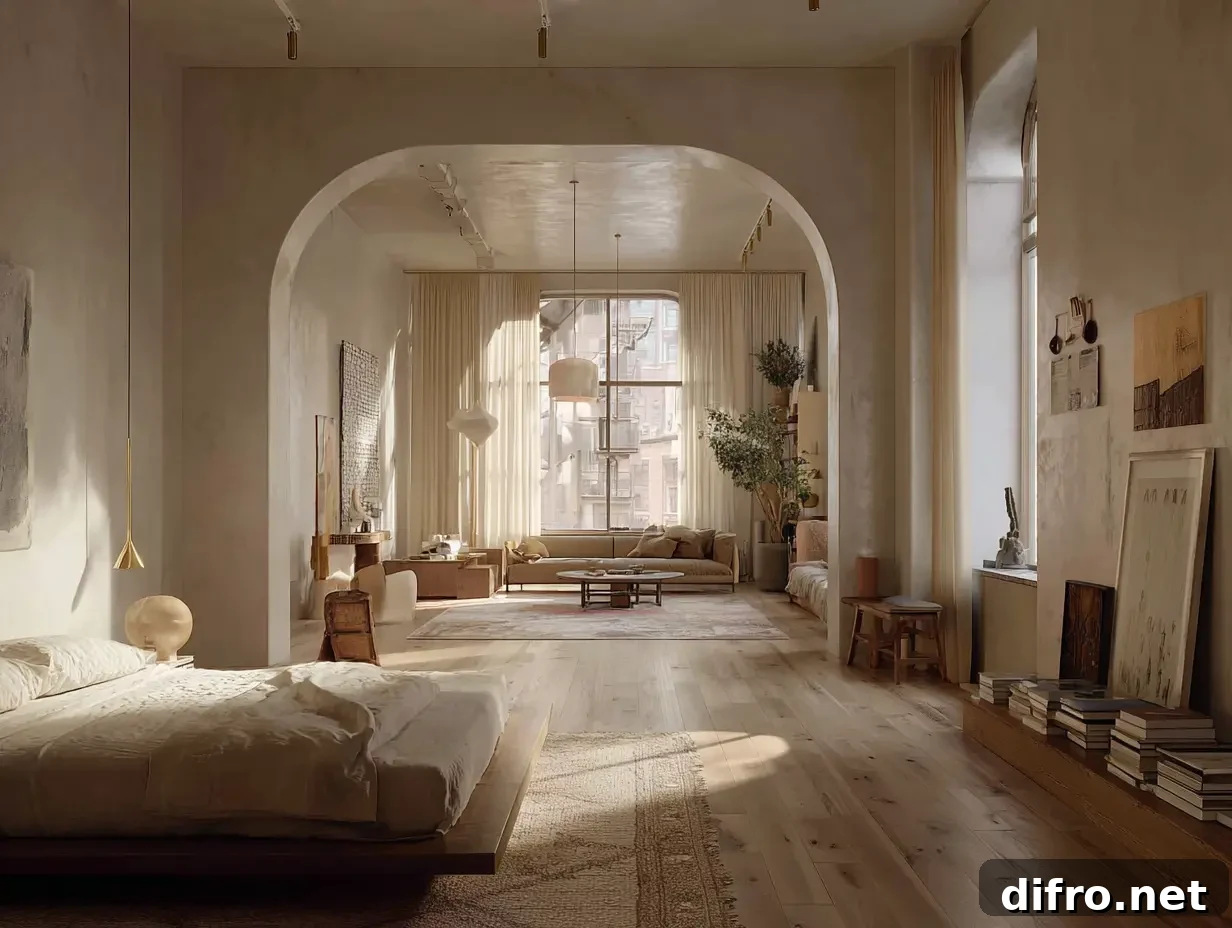
Adopting a calmer interior isn’t about rejecting style; it’s about rejecting sensory overload. Whether you live in a city loft or a suburban home, the 2026 rule is straightforward: edit more, soften the light, choose warm neutrals and textured materials, and allow the space to feel lived-in. These small changes create a quieter, more restorative home that works for everyday life.