Interior design can feel overwhelming. You want a space that looks beautiful but also functions for everyday life. Whether you’re updating a single room or redesigning an entire home, it’s normal to make mistakes along the way. Knowing the most common design pitfalls helps you avoid them and create a more comfortable, balanced, and attractive space. Below are practical tips to sidestep frequent errors and improve your results.
1. Overcrowding a Room
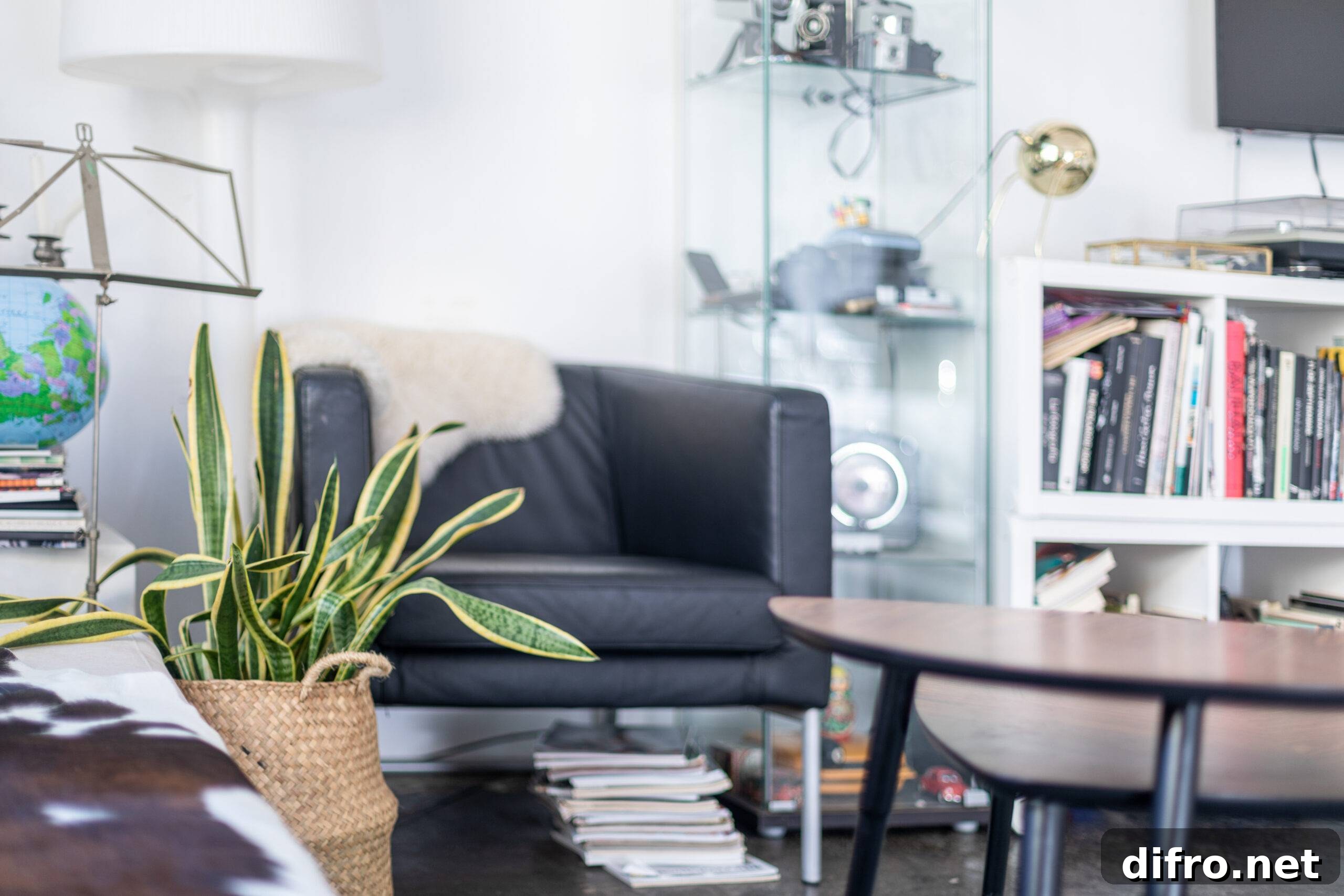
It’s tempting to fill a room with furniture and decor to make it feel “finished,” but too many items can make a space feel cramped and chaotic. Instead of packing in pieces, focus on selecting fewer, higher-quality items that serve a purpose or bring joy. Allowing breathing room around major pieces—so there’s visual and physical space between them—creates balance, highlights focal elements, and makes the room feel intentional rather than cluttered.
2. Ignoring Scale and Proportion
Choosing furniture because it looks great in a store is a common trap; once it’s in your room, size and proportion matter most. A massive sofa in a modest living room or a tiny coffee table in a large seating area can throw off visual balance and circulation. Measure your space, visualize how each piece will sit in context, and sketch a simple layout before purchasing. Proper scale improves flow and ensures the room feels cohesive and comfortable.
3. Overusing a Single Color
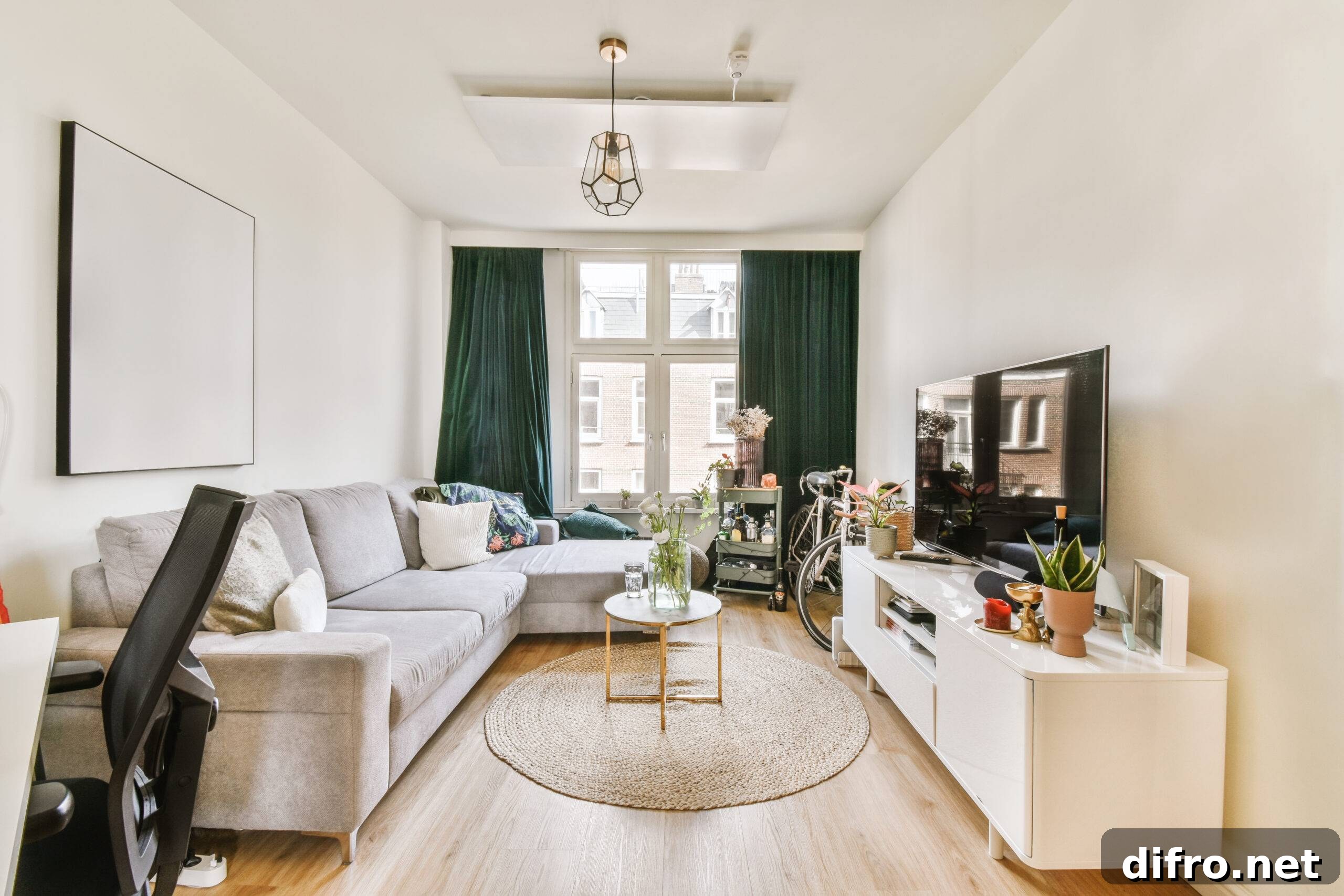
Relying on one dominant color can make a room feel flat or monotonous, even when that color is lively. A strong, well-rounded palette usually includes a base neutral, one or two complementary or accent colors, and varied textures to add depth. Introduce contrast through textiles, art, accent pieces, or finishes to lift the overall composition from amateur to deliberate. Consider basic color theory—contrast, harmony, and balance—when choosing your palette.
4. Blocking Natural Light
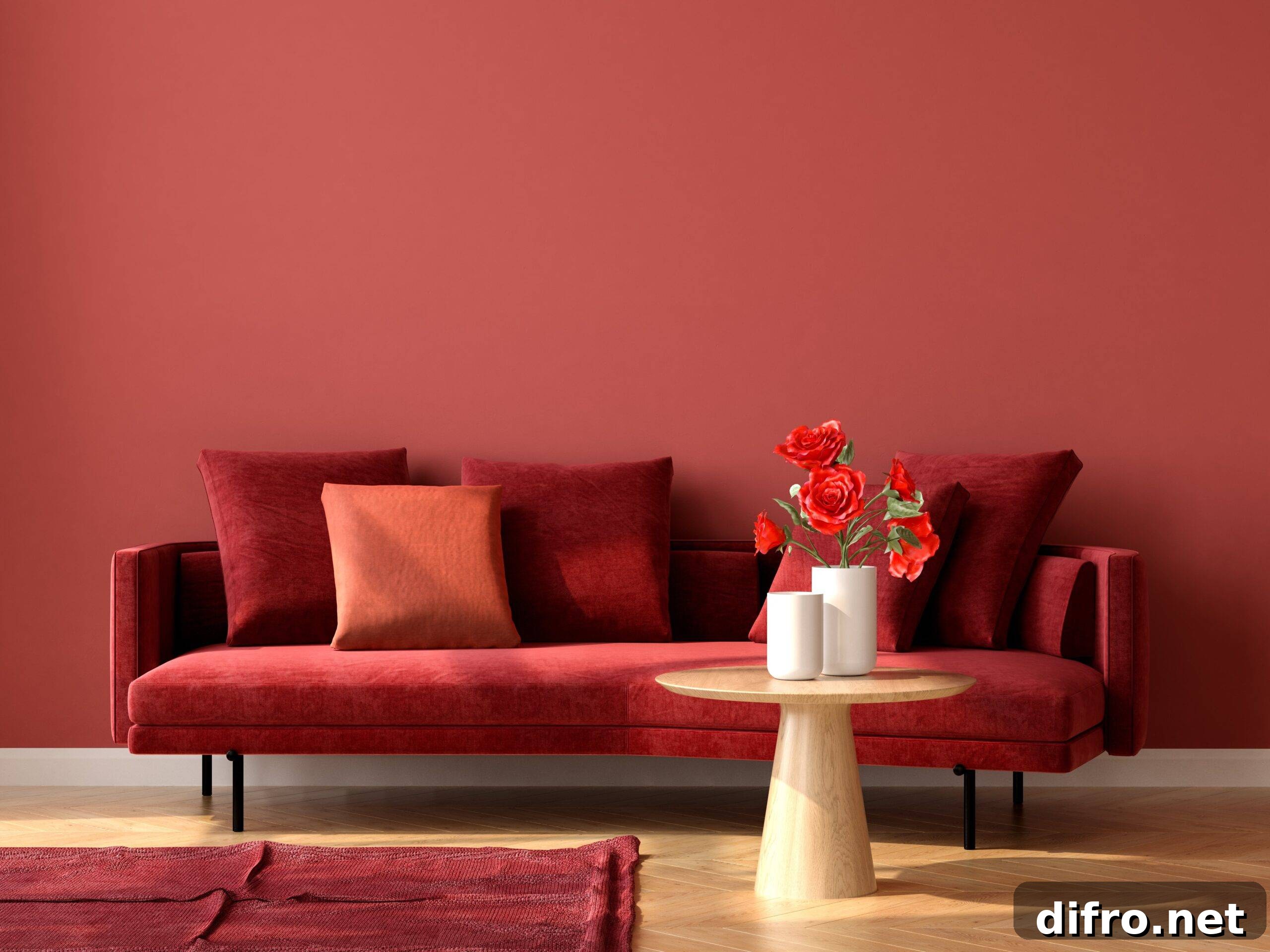
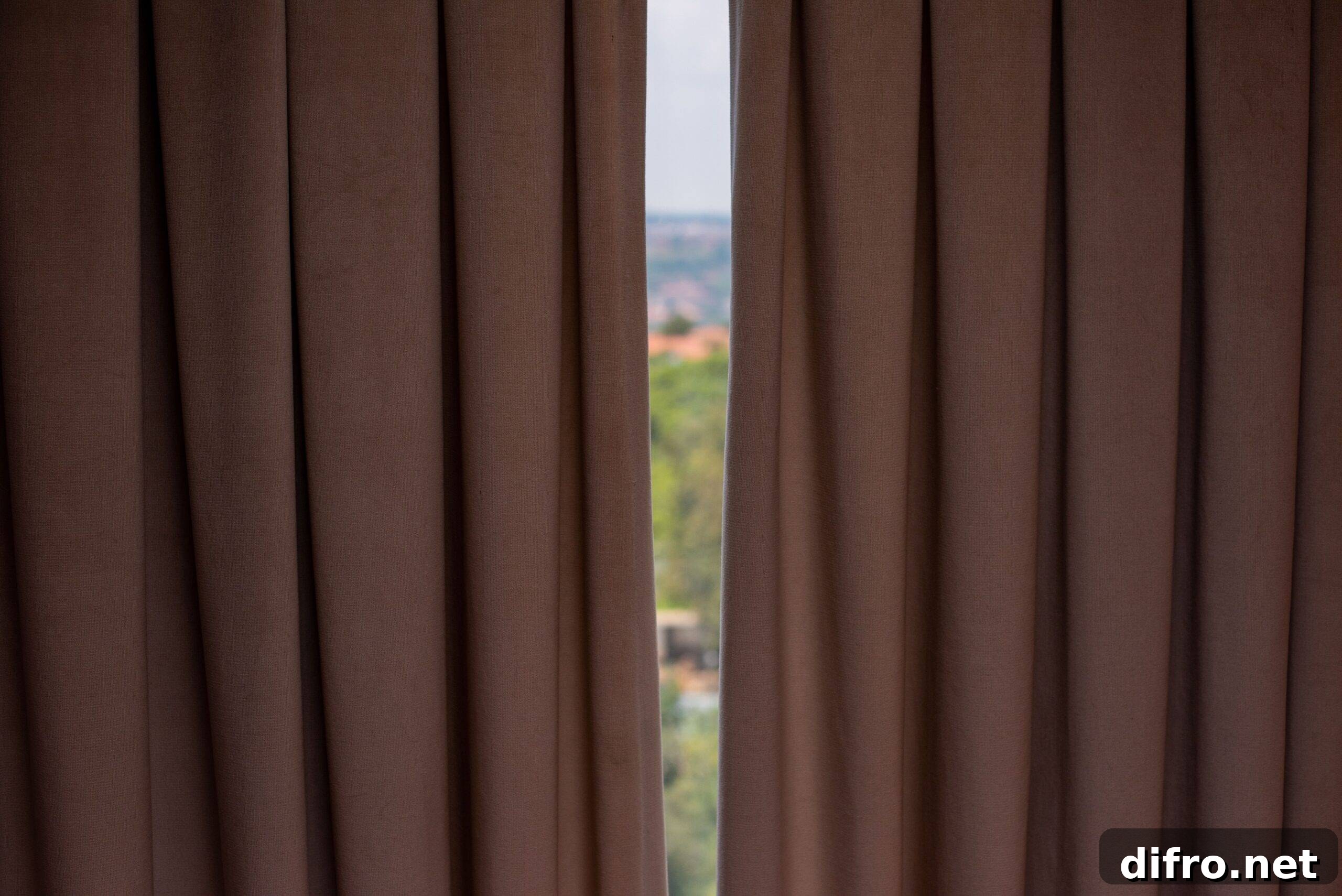
Natural light makes rooms feel open, warm, and inviting. Heavy drapes, oversized furniture in front of windows, or dark window treatments can unintentionally close off a room. Maximize daylight with lighter curtains, blinds, or sheer fabrics that filter light while maintaining privacy. Where privacy is essential, consider frosted window film, top-down shades, or thoughtful plant placement to preserve brightness without sacrificing comfort.
5. Overlooking Traffic Flow
How people move through a space is as important as how it looks. Arrange furniture with natural walkways in mind so doors, pathways, and windows remain accessible. Leave clear circulation paths—typically 24 to 36 inches where people walk—to avoid awkward navigation between pieces. Good traffic flow enhances comfort, safety, and daily usability.
6. Too Much or Too Little Decor
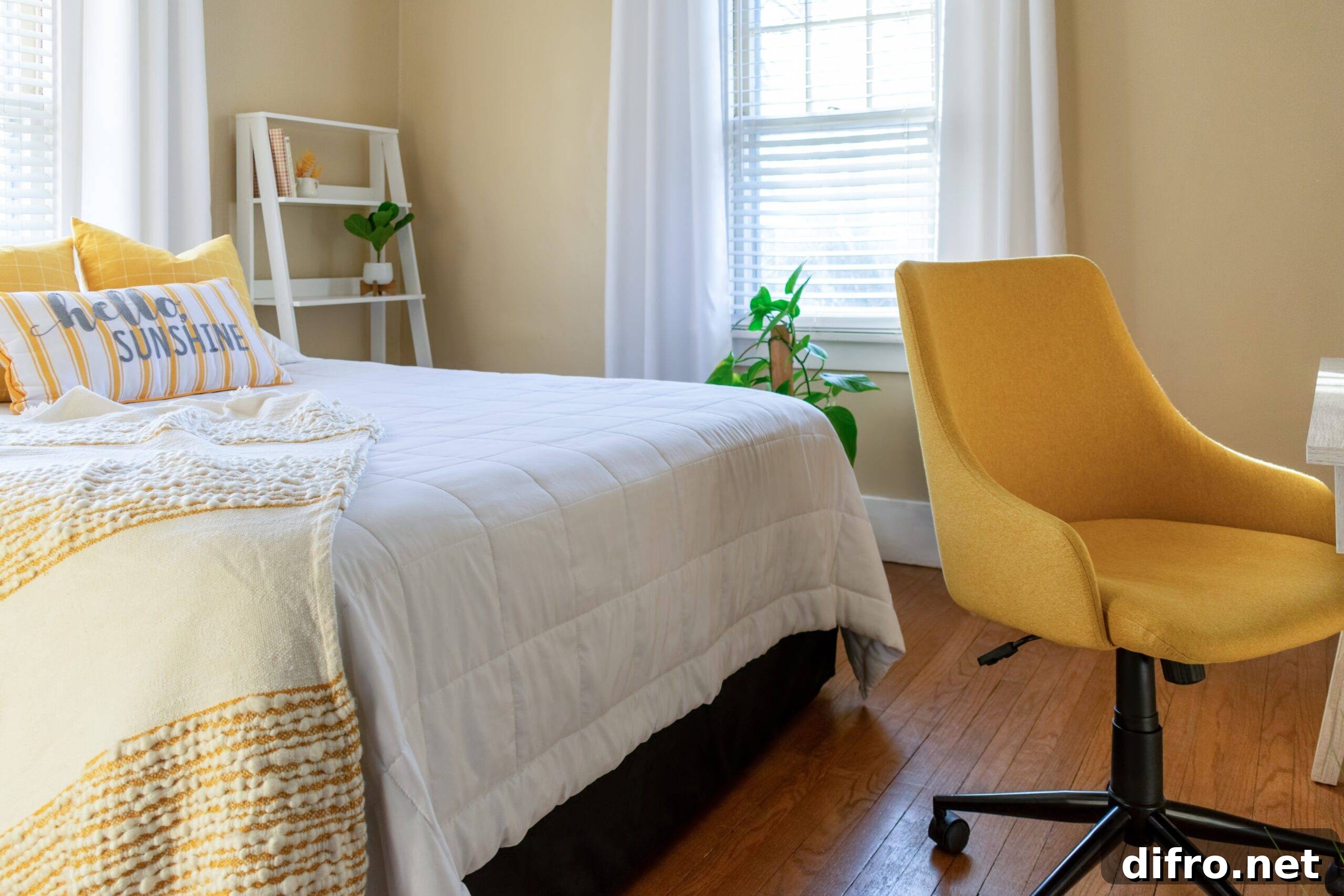
Finding the right amount of decoration is a balancing act. Over-decorating can feel busy and cluttered; under-decorating can feel cold and unfinished. Use reference rooms that match the mood and style you want, and study how they balance scale, texture, and accessory placement. Group items in curated vignettes rather than scattering small pieces everywhere, and leave some negative space so each object can be appreciated.
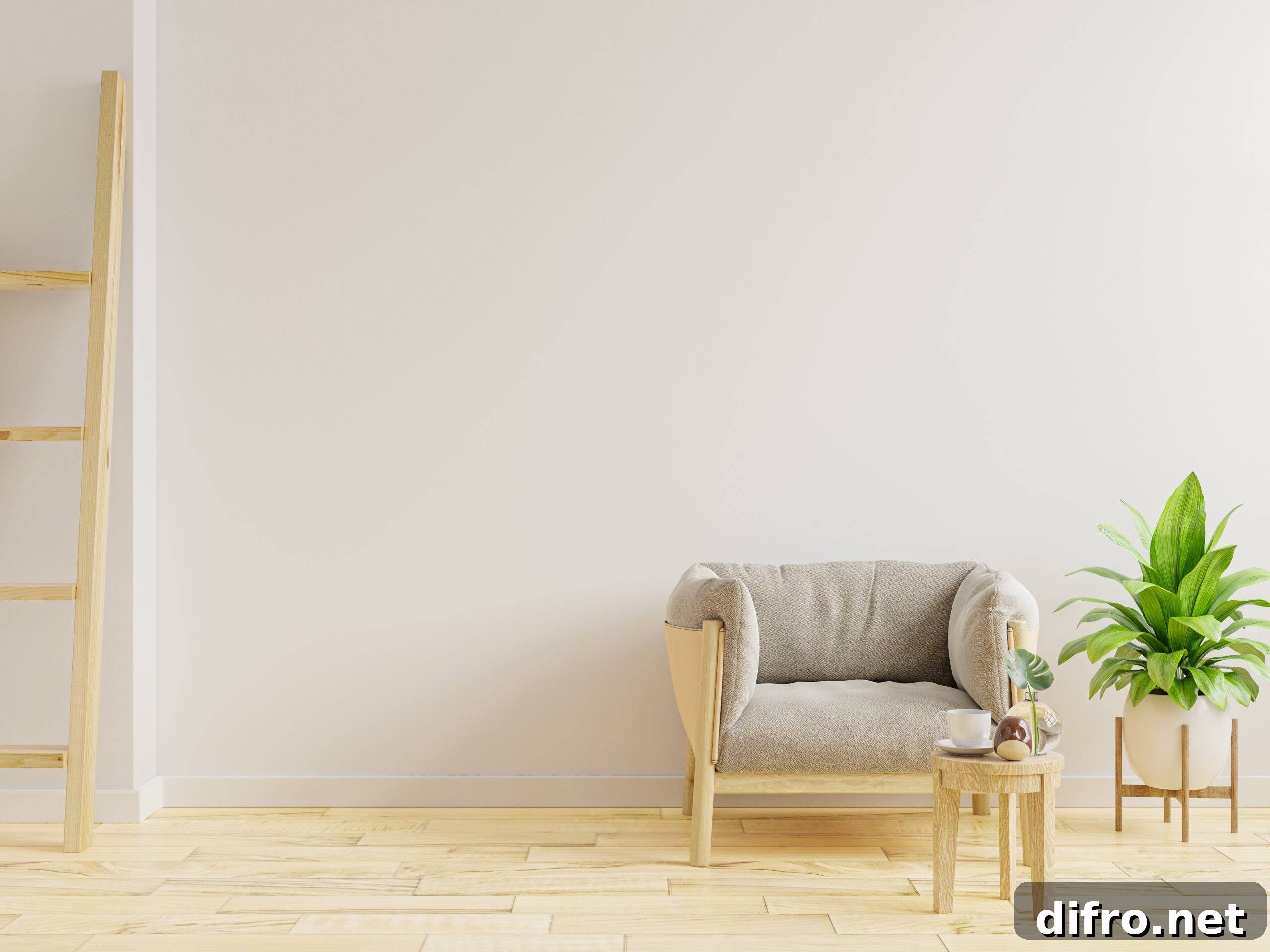
Interior design is a personal journey. It’s not about achieving perfection but crafting a space where you feel comfortable and satisfied. Mistakes are part of the process and offer valuable lessons. Keep experimenting, measure before you buy, prioritize light and proportion, diversify your palette, and curate decor thoughtfully. With attention to these common pitfalls—overcrowding, scale, color imbalance, blocked light, poor traffic flow, and mismatched decor—you’ll create rooms that look polished and function well for daily life.