A bedroom should be a calm retreat where you can relax, recharge, and sleep well. Even when the décor looks right and the bed is comfortable, small layout and design mistakes can make the room feel less inviting without you knowing why. Below are common bedroom design errors that undermine comfort and style—and practical fixes to transform the space into a restful, functional sanctuary.
Blocking Natural Light
Windows are one of the most valuable elements in a bedroom. Natural light opens up the space, lifts mood, and supports a healthy sleep-wake cycle, so it’s important to maximize daylight without sacrificing privacy. Avoid placing large dressers, tall mirrors, or bulky furniture in front of windows. Choose sheer curtains, adjustable blinds, or layered window treatments so you can control light levels throughout the day. When possible, arrange furniture to let sunlight flow across the room in the morning and evening to create a bright, welcoming atmosphere.

Placing the Bed in an Awkward Spot
The bed is the focal point of the bedroom, and its placement affects flow, balance, and how comfortable the room feels. Pushing the bed into a tight corner can make it hard to get in and out, while positioning it directly opposite the door may feel unsettling for some people. The most balanced choice is usually centering the bed on the largest wall with room to walk on both sides. If your bedroom is small or oddly shaped, experiment with diagonal placement or floating the bed away from walls to create better circulation and a cozier arrangement.
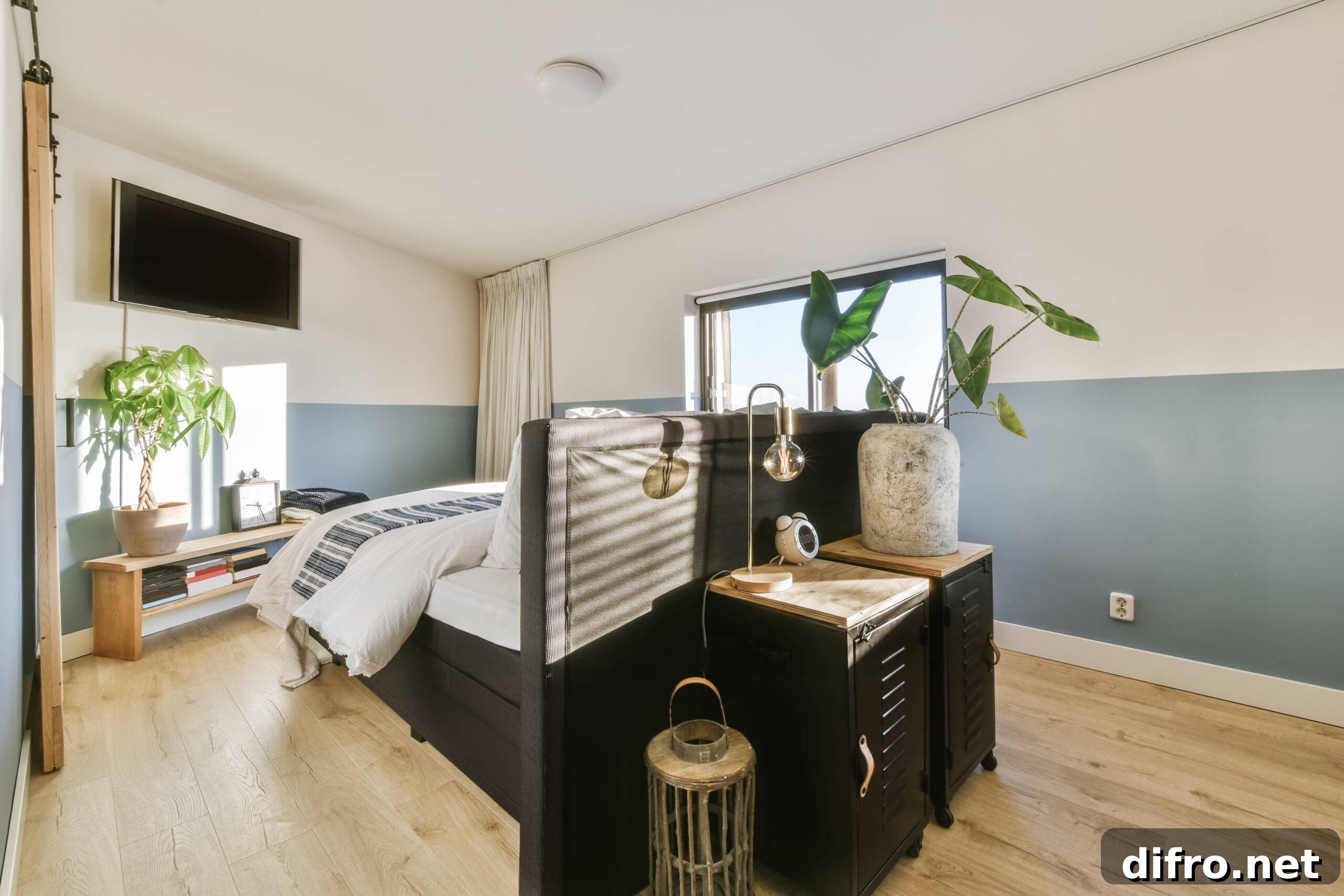
Choosing the Wrong Nightstands
Nightstands are more than decorative extras—they support bedside routines and help keep clutter contained. A nightstand that’s much lower or higher than your mattress makes reaching for a lamp or phone awkward. Too-small tables offer little storage, while oversized pieces can dominate the room and disrupt flow. Aim for nightstands roughly level with the top of your mattress and with enough surface area for a lamp, a book, and small essentials. Consider models with drawers or shelves to hide chargers, glasses, and other bedtime items.
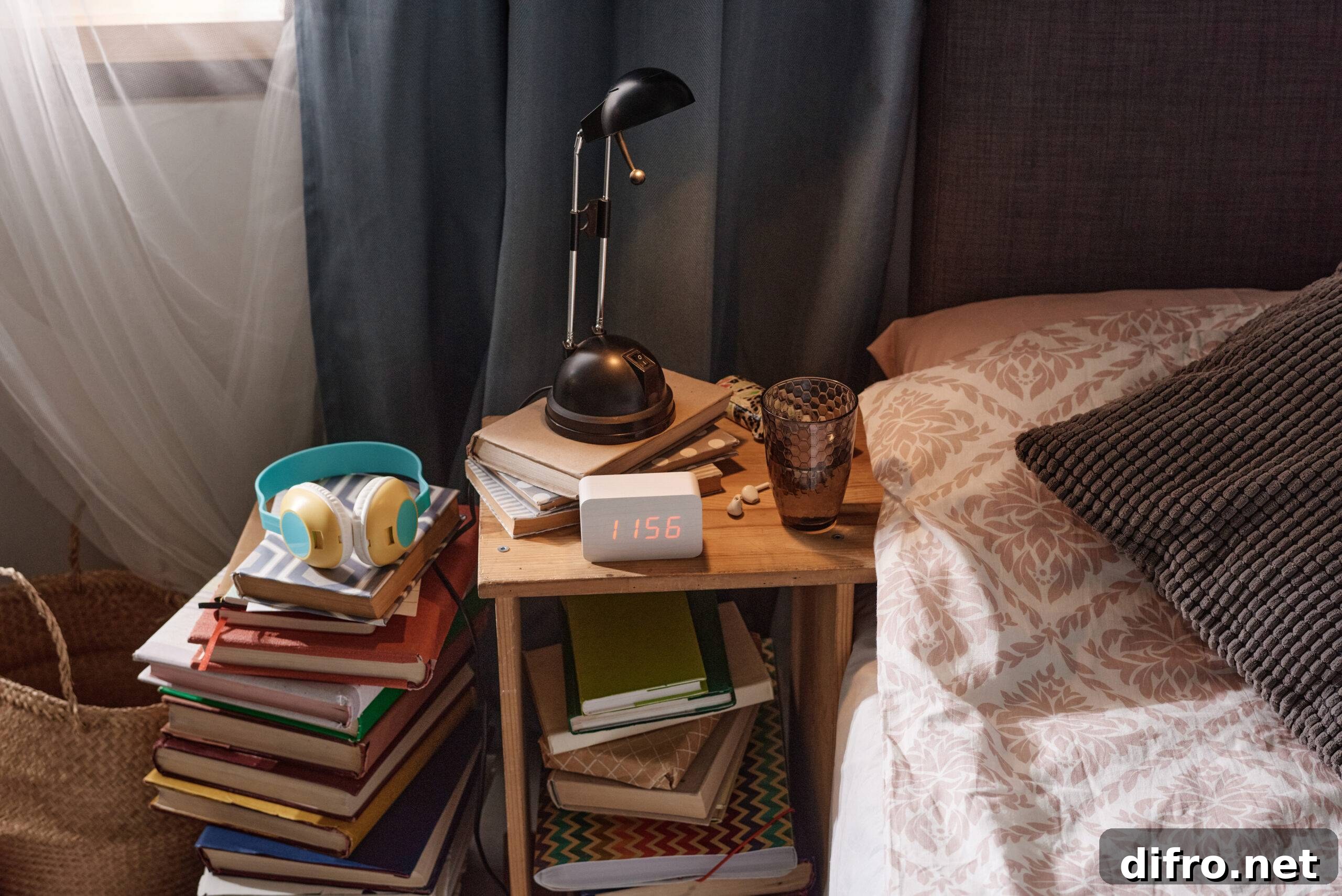
Forgetting to Add Soft Textures
A room made only of hard lines and smooth surfaces can feel cold, even if it looks neat. Soft textures introduce warmth, depth, and comfort. Layer bedding with a mix of quilts, duvets, and throws; add a plush area rug to anchor the bed and warm cold floors; and include upholstered seating or a cushioned bench. Small textured accents—like a chunky knit throw, velvety pillows, or a woven wall hanging—make a big difference in creating a cozy, inviting bedroom.
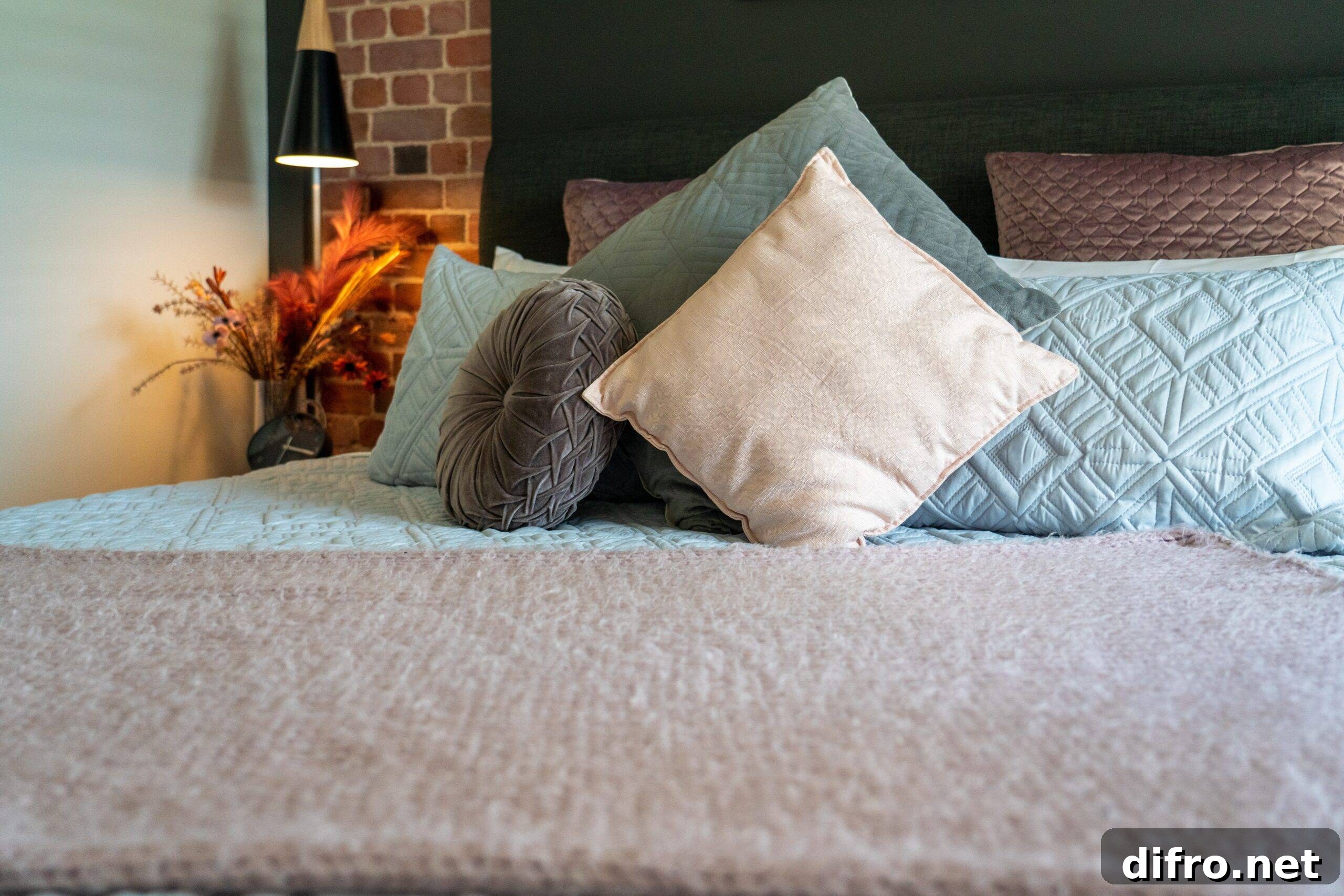
Using Too Many Small Decor Pieces
Personal touches are important, but too many small items can create visual clutter and make a room feel chaotic. Instead of scattering dozens of tiny frames, trinkets, and knickknacks, choose a few larger statement pieces—an oversized artwork, a striking headboard, or a sculptural lamp—that anchor the space. A well-placed houseplant or a single curated shelf can add personality without overwhelming the room. This balanced approach keeps the bedroom peaceful and easier to maintain.
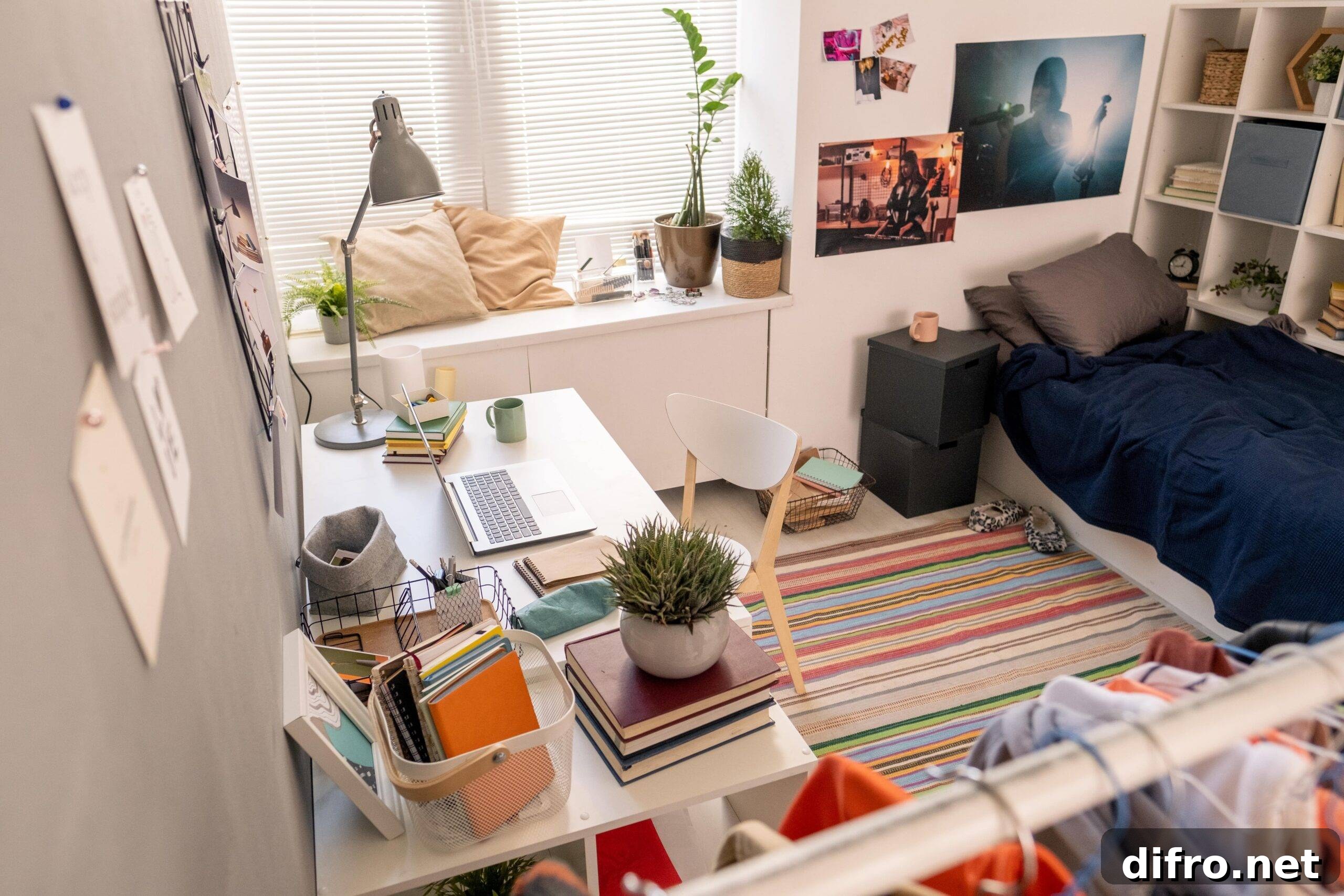
Neglecting Proper Closet Organization
A disorganized closet quickly spills into the bedroom and undermines a calm atmosphere. Efficient storage keeps clothes and accessories off chairs, floors, and surfaces. Use shelving, labeled bins, baskets, and drawer dividers to keep items orderly. If your room lacks a built-in closet, a freestanding wardrobe, an armoire, or a neat garment rack can provide necessary storage while maintaining an open feel. Regularly decluttering and rotating seasonal items also prevents the closet from becoming a source of daily stress.

A well-designed bedroom balances style with comfort. It should help you unwind, support good sleep habits, and reflect your personal taste. Small improvements—letting in daylight, repositioning the bed, choosing the right nightstands, layering soft textures, simplifying décor, and organizing storage—can dramatically change how the room feels. Tackle one area at a time and you’ll quickly notice a calmer, more functional bedroom that invites rest.