Changing your light switch covers may seem like a subtle update, but it can dramatically change the look and feel of a room. Swapping out plain switch plates for options with color, texture, or pattern is an inexpensive way to refresh your space and add personality without a major renovation. Whether you want a modern, rustic, or vintage vibe, thoughtful switch plate choices help tie a room together and draw the eye to small, curated details. Below are practical ideas and styling tips to help you choose covers that enhance your home’s decor.
1. Bold Colors
Rather than defaulting to standard white, experiment with bold, saturated colors that complement or contrast with your walls. A bright red, teal, or mustard switch cover can act as a deliberate accent against neutral paint, bringing interest to an otherwise understated wall. For a cohesive effect, coordinate switch plate colors with textiles, throw pillows, or artwork in the room. If you prefer a more subtle approach, choose a muted jewel tone or pastel that harmonizes with existing finishes. Painting existing plastic covers is also an easy DIY route if you want a custom shade without buying new plates.
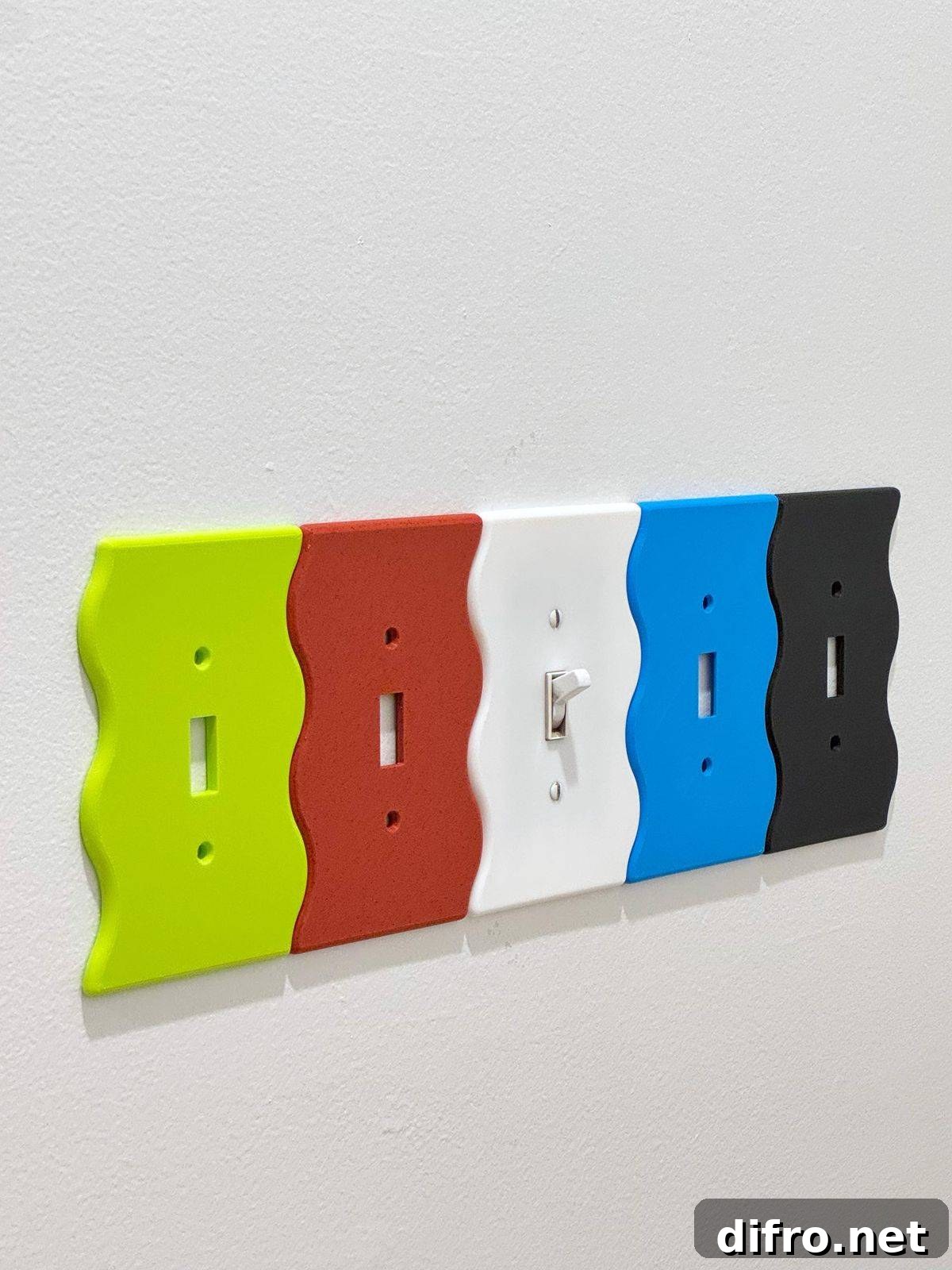
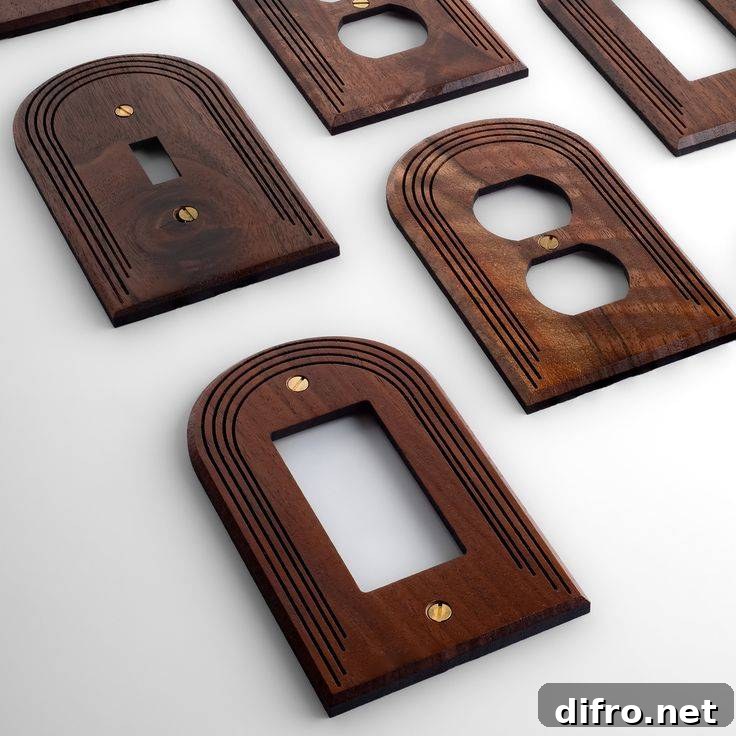
2. Natural Wood
Wood switch covers introduce warmth and an organic texture that suits both contemporary and traditional interiors. From light oak to rich walnut, wooden plates can be selected to match flooring, furniture, or cabinetry for a cohesive, intentional look. If you enjoy DIY projects, raw wood covers can be sanded, stained, or sealed to achieve a precise tone and grain pattern. Wood’s natural variation gives each plate a unique character, and its timeless appeal works particularly well in cozy living rooms, bedrooms, and farmhouse-inspired kitchens.
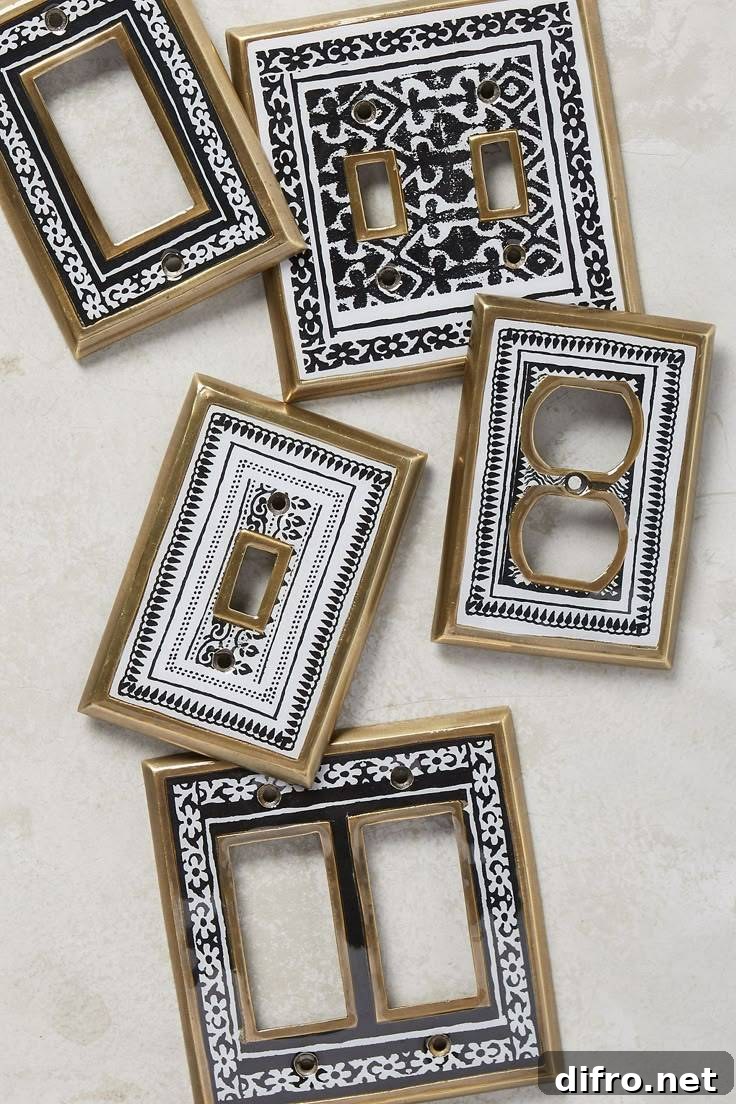
3. Patterns
Patterned switch plates are an easy way to inject personality into a room. Floral motifs, geometric repeats, stripes, and abstract prints can complement a room’s palette and elevate ordinary surfaces into intentional decor moments. For smaller rooms or calming spaces, choose soft, repeating patterns in two tones to maintain balance. In playful or eclectic areas, bolder motifs and contrasting colors add energy. Acrylic and printed metal covers offer durable, vibrant options for patterned designs, while hand-painted plates provide a bespoke, artistic touch.
4. Metal Finishes
For a sleek, modern, or industrial look, metal switch plates are an excellent choice. Brushed nickel, stainless steel, brass, or matte black finishes add a refined, architectural edge and pair well with contemporary hardware and fixtures. Metal plates are durable and easy to clean, making them a practical solution for high-traffic areas like kitchens, hallways, and entryways. Choose a finish that harmonizes with your door handles, faucets, and lighting for a coordinated, polished appearance.
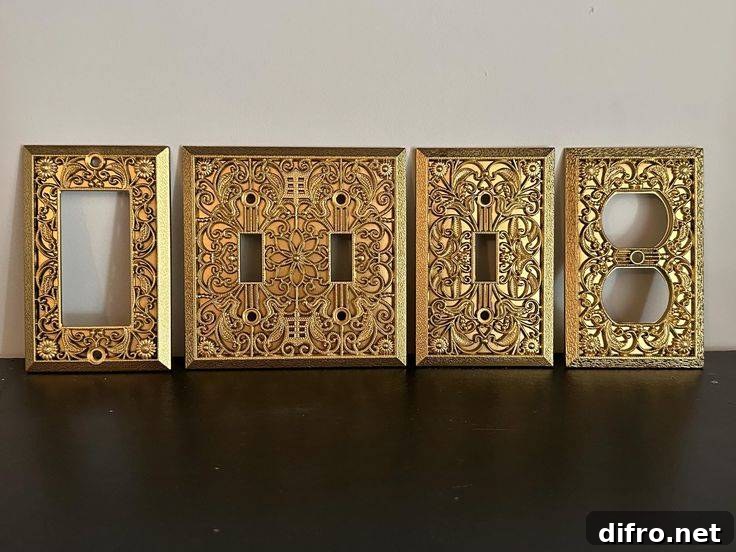
5. Vintage
Vintage and retro switch plates add character and nostalgic charm, bringing history and personality into the home. Look for antique brass, ceramic, or porcelain covers with art deco shapes, embossed details, or period-appropriate colors. These pieces can become focal points in rooms that embrace classic, cottage, or mid-century styles. Because vintage plates often carry unique patinas and craftsmanship, they can add depth and a storytelling element to your decor.
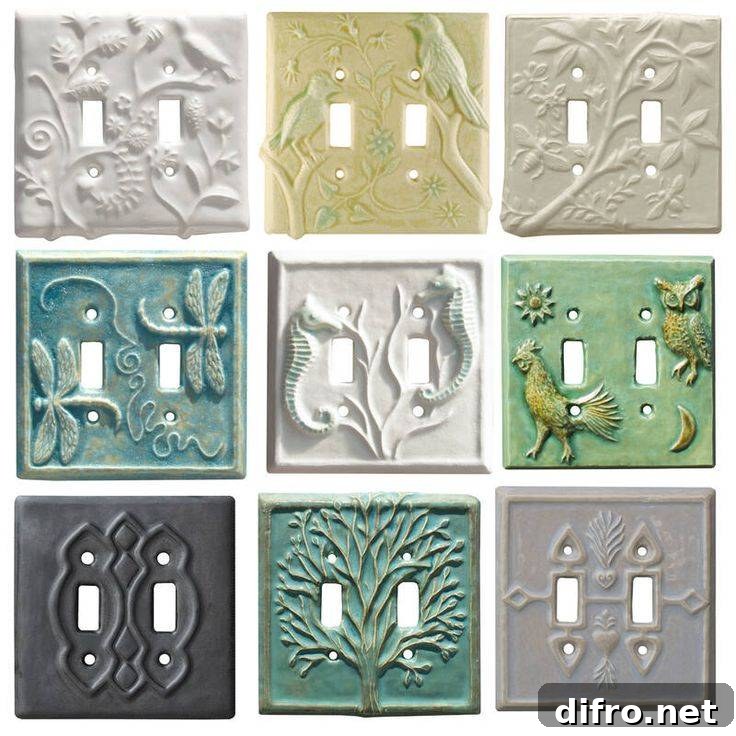
Practical tips: when replacing switch covers, use the correct size for your switches (single, double, rocker, or toggle) and match the screw placement. Always turn off the circuit at the breaker if you plan to work on wiring; if you are only swapping faceplates and not touching any wiring, a simple screwdriver is usually all you need. Consider consistency across a home: using the same material or finish in connected spaces creates a cohesive flow, while mixing styles can work in eclectic designs. With countless styles and finishes available, updating switch covers is an affordable, low-effort update that delivers a noticeable design payoff. Small details matter—well-chosen switch plates can enhance the look and feel of your rooms and make your interior design feel complete.