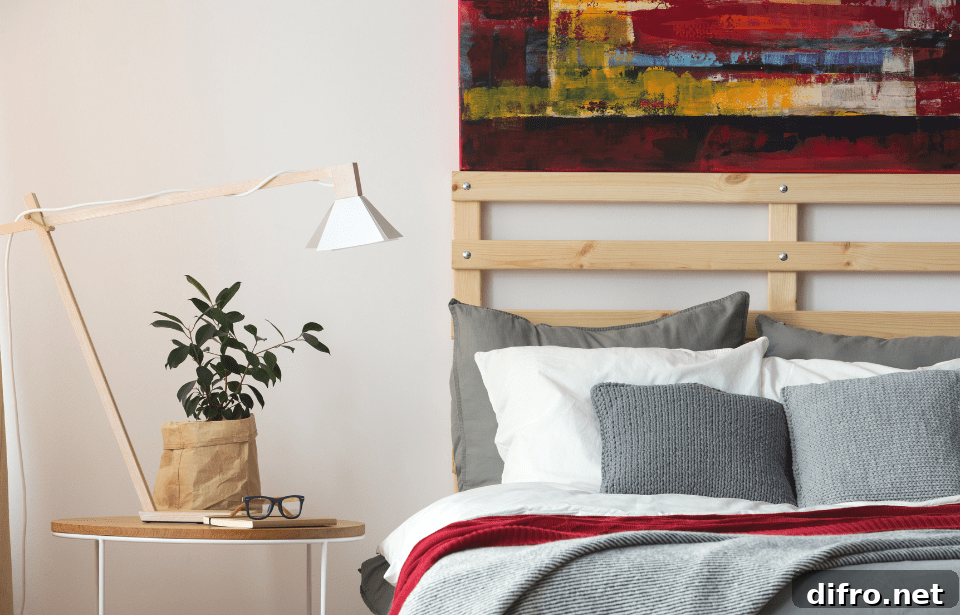
Color transforms a room, and red in particular has a rare ability to command attention and add warmth. The Unexpected Red approach reframes this classic hue, encouraging subtle, surprising uses that energize a space without relying on the familiar red wall or oversized sofa. By placing red in unanticipated spots—small details, layered textiles, or single statement pieces—you can give your home personality, balance, and a modern edge.
What Is the Unexpected Red Theory?
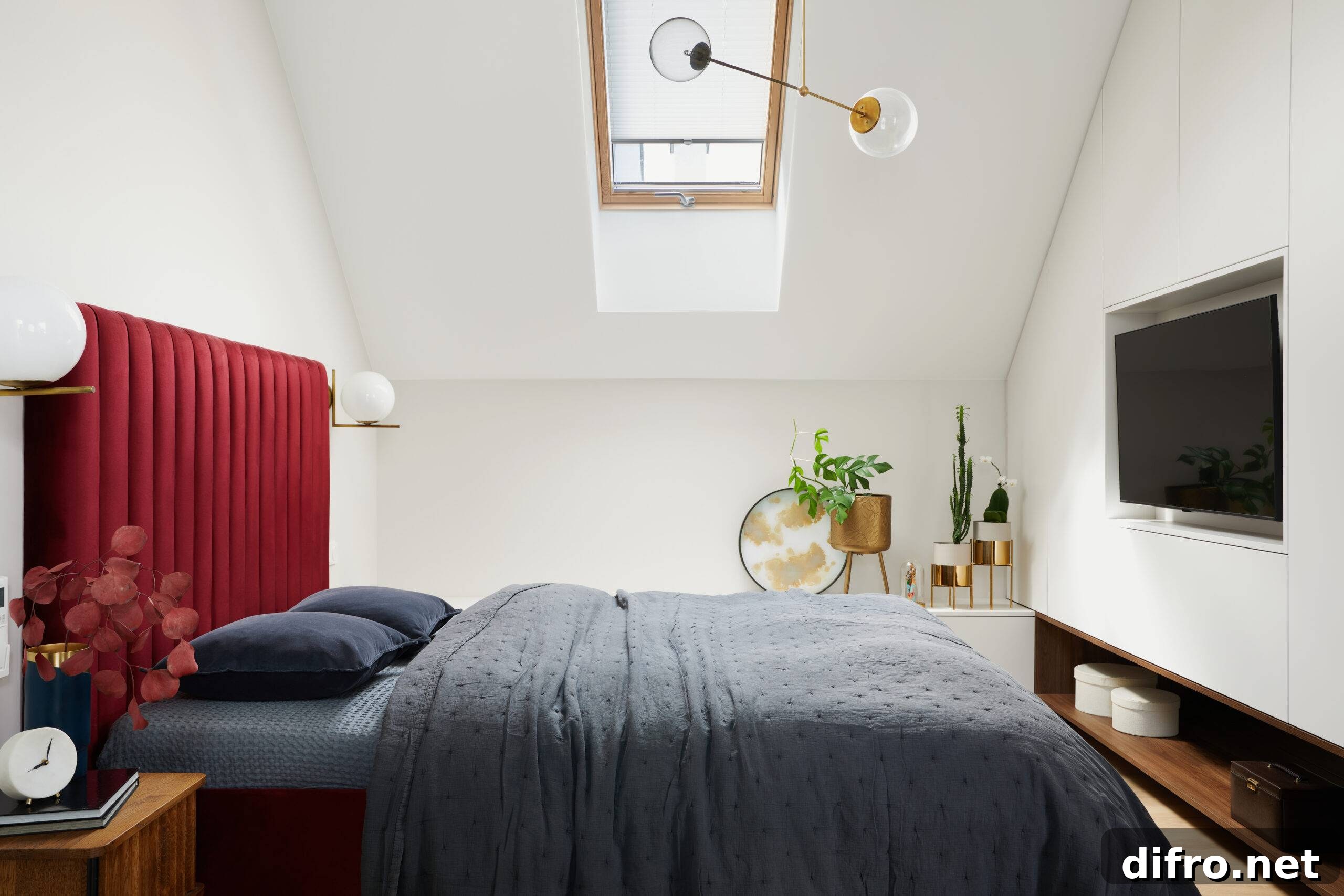
The Unexpected Red theory is about introducing red where you don’t expect it, using restraint to create interest rather than overwhelm. Red is associated with energy, warmth, and vitality; applied thoughtfully and sparingly, it becomes a purposeful accent that elevates neutral schemes and enriches color pairings. Instead of painting an entire wall or filling a room with red, this approach recommends strategic pops—hidden, refined, or cleverly placed—to make rooms feel curated and alive.
Why Red Works as a Statement Color
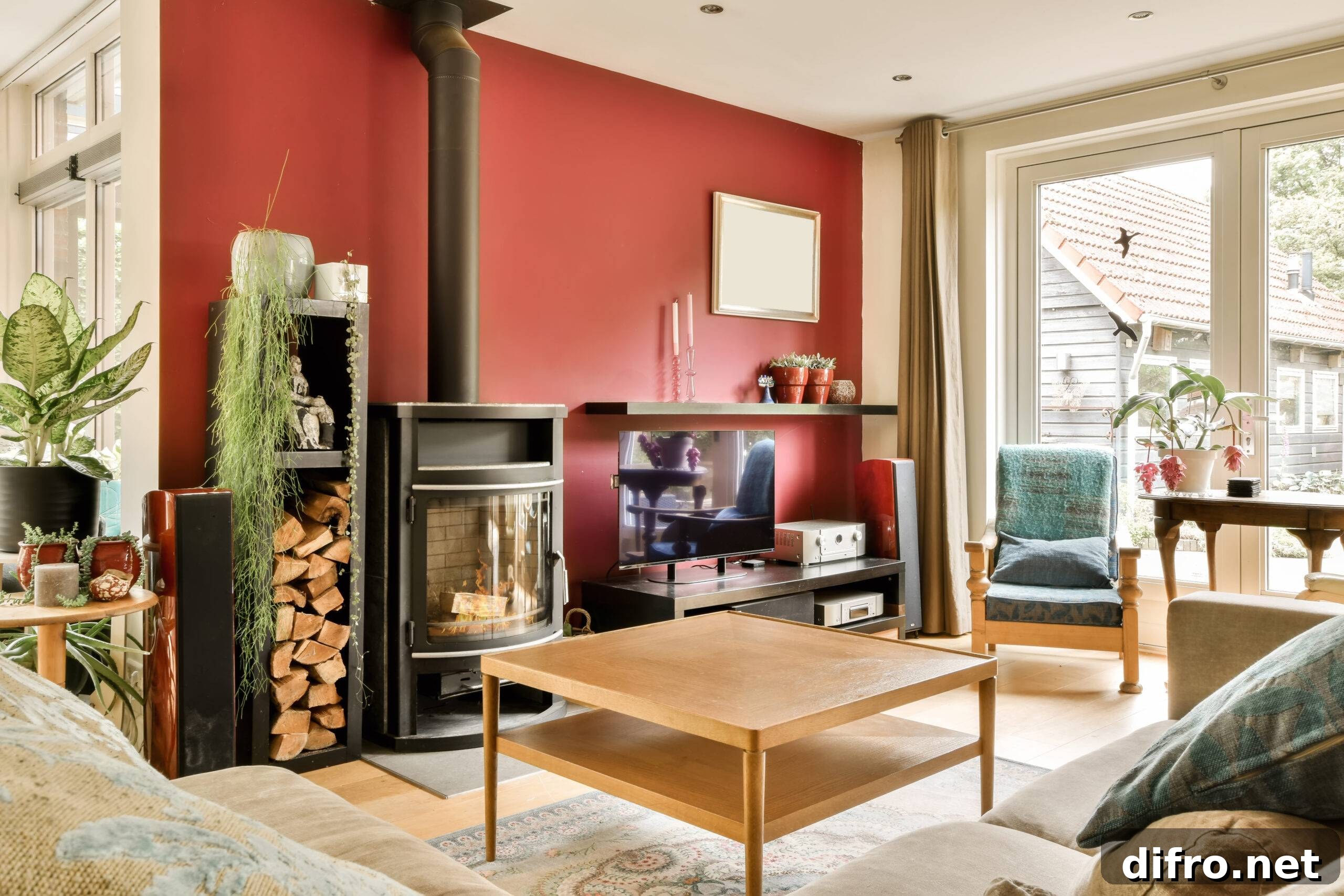
Red naturally draws the eye and can break the monotony of neutral interiors. Its warmth makes rooms feel more inviting and dynamic. The most effective use of red is moderation: a focused dash on a shelf, a single painted trim, or a small accent piece can act as an anchor or focal point without dominating the palette. Designers value red for its adaptability—it can harmonize with soft greys and creams, contrast vividly with blues, or add glamour alongside metallic finishes. The Unexpected Red idea encourages balance and invites experimentation with saturation and placement.
Unexpected Red in Small Accessories
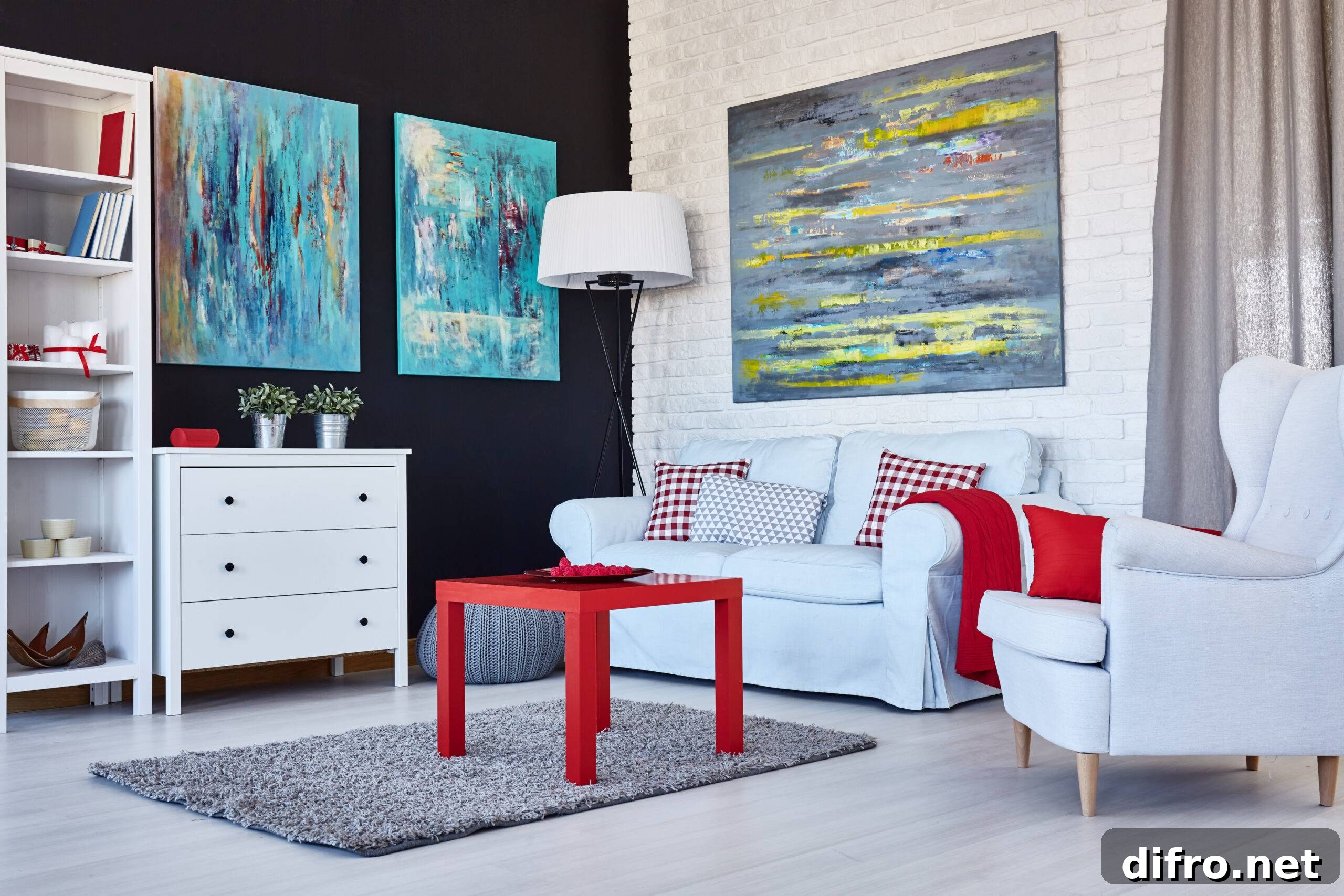
Small accessories are the easiest and most flexible way to adopt Unexpected Red. Think a lamp base in deep crimson, bookends with a ruby glaze, or a single scarlet vase on a neutral shelf. Subtle details—red piping on a cushion, a red tassel on a curtain tie-back, or a bright coaster—can make a curated statement. These accents are inexpensive, simple to swap out, and ideal for testing the shade and intensity of red that suits your home.
Creative Wall Treatments with Red
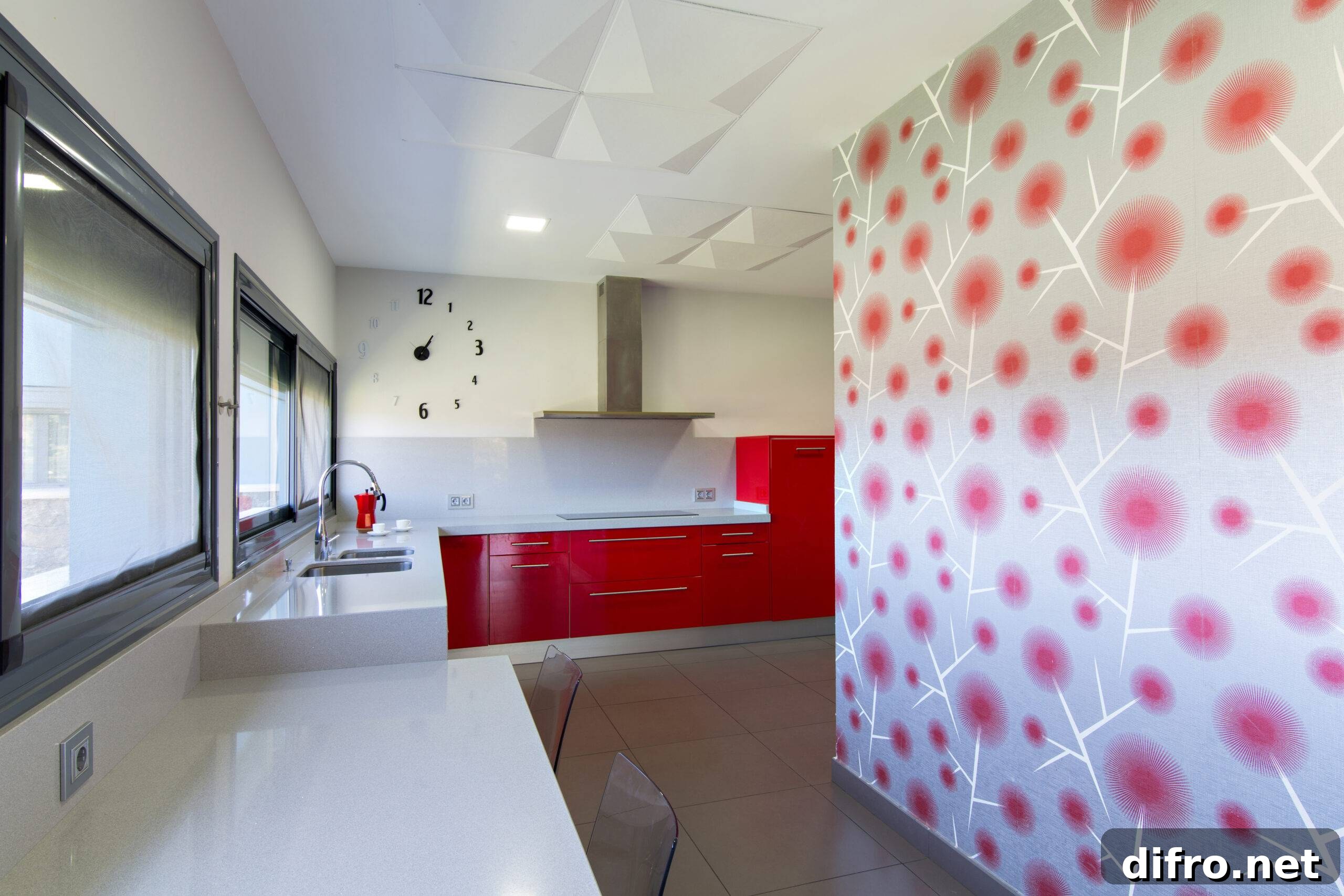
Walls offer opportunities beyond full-room red paint. Consider a geometric mural with red elements, a single vertical stripe, or even a painted ceiling to introduce drama. Wallpaper with fine red motifs—florals, understated geometrics, or textured stripes—adds interest while remaining restrained. These treatments bring sophistication to the Unexpected Red concept and allow you to control how bold the effect feels.
Red Furniture: The Ultimate Statement
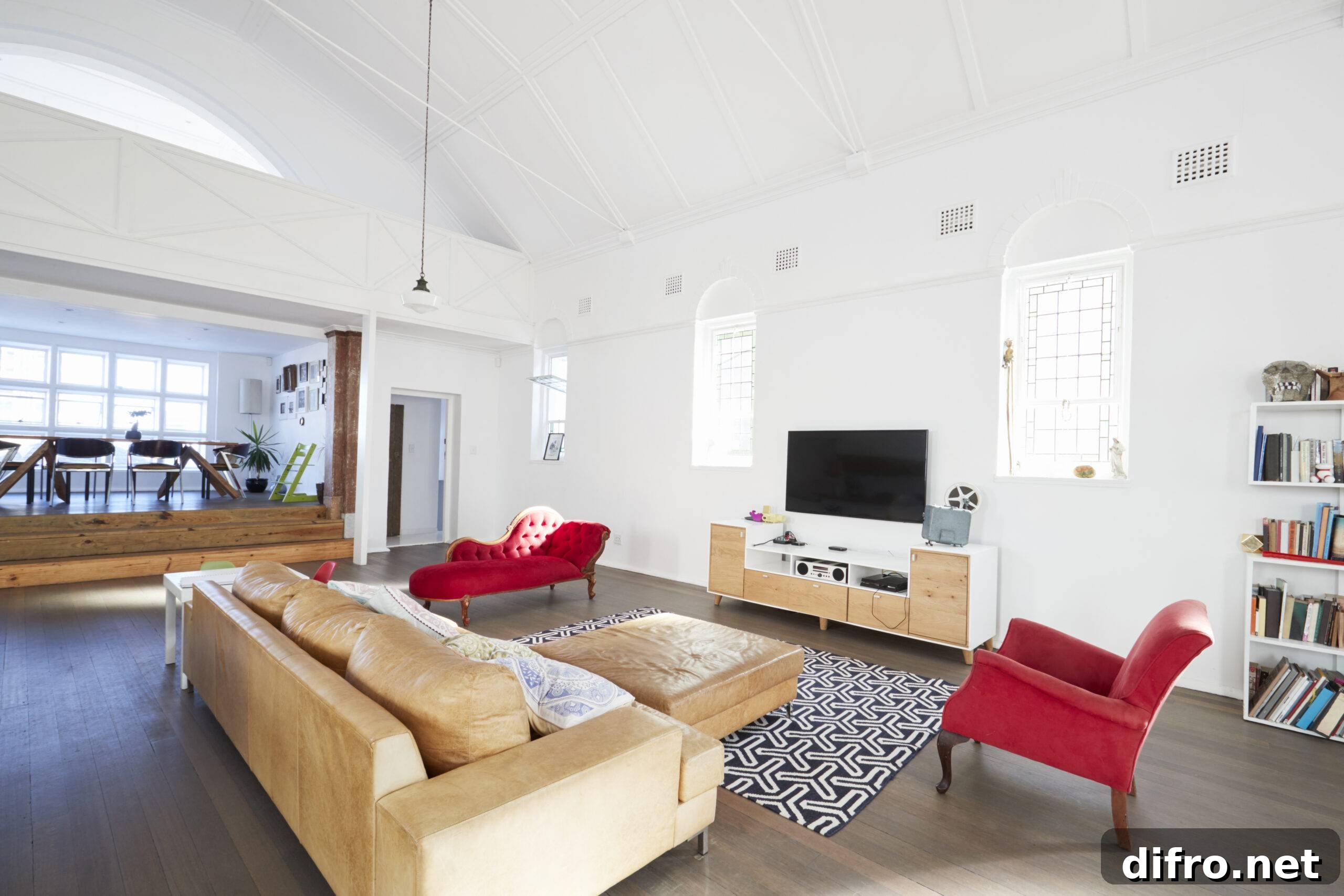
For a bolder application, red furniture can serve as a room’s centerpiece. A cherry-red armchair, lacquered side table, or velvet sofa in ruby tones can anchor a living room or home office. When introducing a statement piece, temper it with neutral walls, soft flooring, and muted accessories so the red feels intentional rather than overpowering. Positioning, scale, and surrounding textures matter—pair glossy reds with matte elements or juxtapose a plush red sofa with cool-toned accents for a refined contrast.
Layering Red Through Textiles
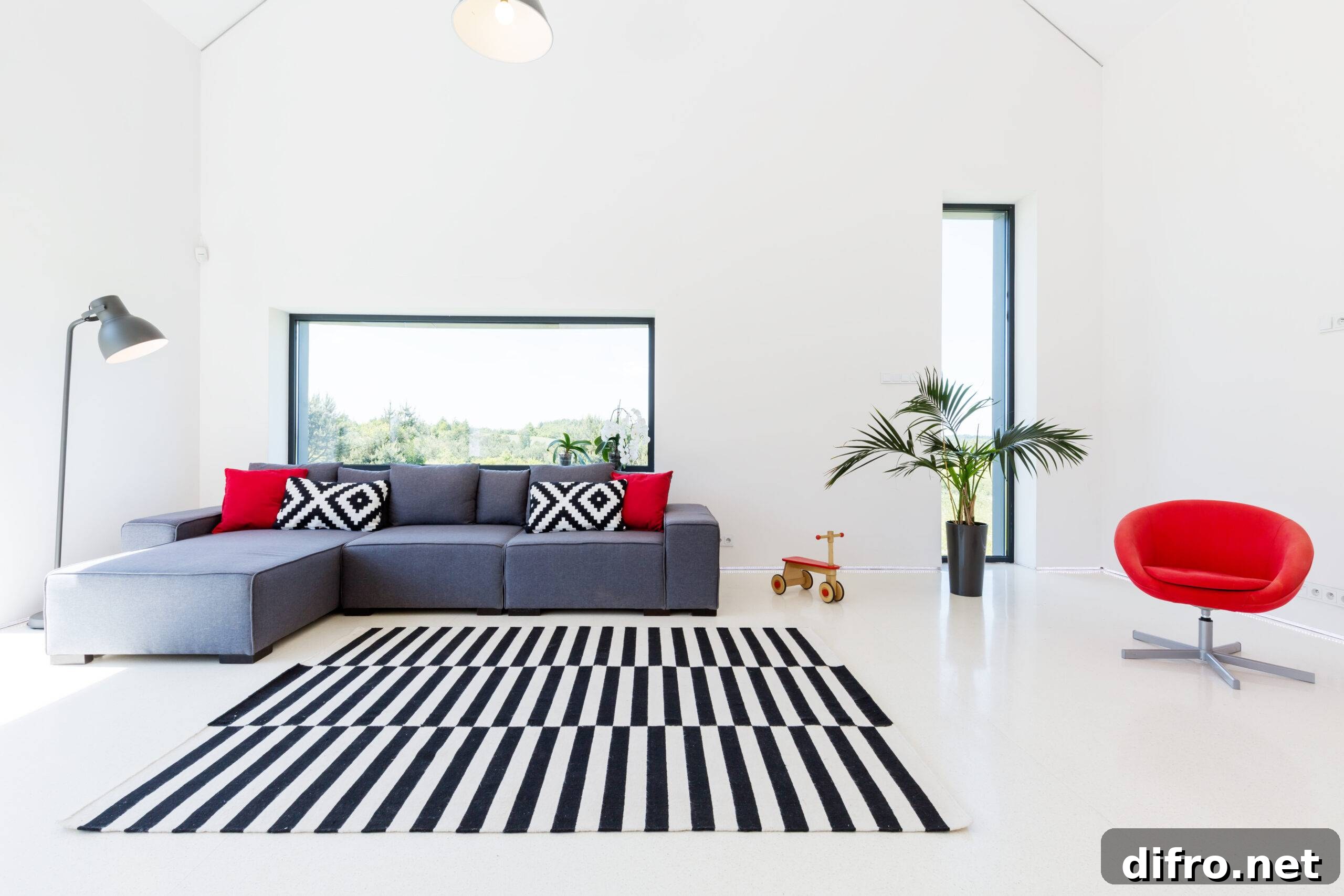
Textiles are an effective way to introduce several shades of red without overwhelming the room. Rugs with red motifs, throw blankets featuring a bold crimson stripe, or curtains with subtle red embroidery add warmth and tactility. Layering different reds—deep burgundy alongside vivid scarlet—creates depth and a lived-in feel. Textiles also allow seasonal swaps: lightweight red throws in summer or richer, velvet accents in winter help the palette evolve through the year.
Related Articles:
- Paint Colors That Make Your Home Feel Smaller Instantly
- From Bold to Subtle Brown Paint Colors Perfect for Any Room
- Unexpected Color Combos That Actually Work (and Why They Do)
Using red in unexpected, carefully chosen ways breathes vitality into interiors. Whether you prefer tiny touches or a single dramatic piece, the Unexpected Red approach encourages creative restraint—small gestures that produce big visual payoff and let your personality shine through your home.
Interested in more interior design ideas and practical tips? Subscribe to a design newsletter for regular inspiration, trend updates, and step-by-step ideas that help you apply color with confidence.