
Designing a blue and white bedroom creates a feeling of calm, timeless style, and understated elegance. This classic color pairing adapts to a wide range of design approaches—from coastal and cottage to modern and transitional—making it an ideal foundation for a restful retreat. With thoughtful choices in paint, textiles, furniture, and lighting, you can build a bedroom that feels fresh, balanced, and inviting. Whether you plan a full makeover or simply want to refresh the look with a few updates, this guide offers practical advice and inspiration for creating a beautiful blue and white bedroom.
We’ll walk through selecting the right shades of blue, balancing crisp whites, mixing patterns and textures, choosing furniture, and finishing with lighting and accessories so your bedroom remains attractive and comfortable for years to come.
Choosing the Perfect Shades of Blue
Picking the right shade of blue is the foundation of a successful blue and white bedroom. Pale, airy blues—like sky blue or soft powder blue—open up the space and create a serene, larger-than-it-is feel. Deeper blues such as navy, indigo, or slate add drama and structure, anchoring the room and providing contrast to white elements. When deciding, consider how much natural light the room receives: sunlit rooms can handle richer, moodier blues, while smaller or shaded rooms often benefit from lighter tones that reflect light and keep the atmosphere peaceful.

Complementing with Crisp Whites
White plays a critical role in a blue and white bedroom by providing brightness and clarity that prevents the blues from feeling overwhelming. Clean white linens, curtains, trim, and furniture create a crisp backdrop that highlights blue accents. Consider using slightly different whites—cool white for a modern feel or warm white for a softer, cozier look—to complement the specific blue tones you choose. White moldings or wainscoting can also add architectural interest while keeping the palette fresh and refined.
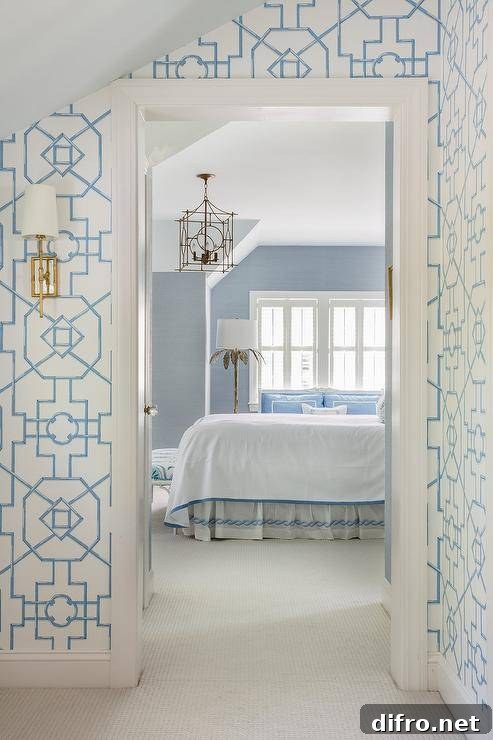
Incorporating Patterns and Textures
Patterns and textures bring personality and depth to a blue and white bedroom. Stripes or nautical motifs can reinforce a coastal vibe, while florals, botanical prints, or geometric patterns give the space a contemporary or classic feel depending on scale and color. Layering textures—soft cotton sheets, a chunky knit throw, a velvet or linen accent pillow, and a plush rug—creates a tactile, welcoming room. Mix pattern scales carefully: pair a bold patterned rug with subtler patterned pillows or curtains for visual harmony.
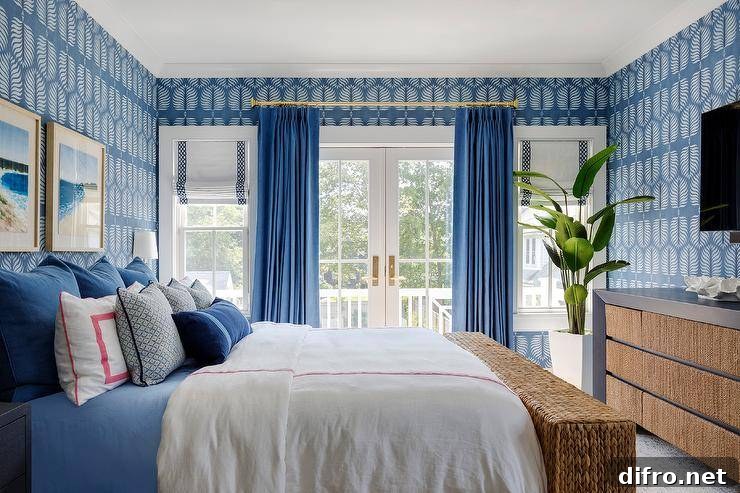
Selecting the Right Furniture
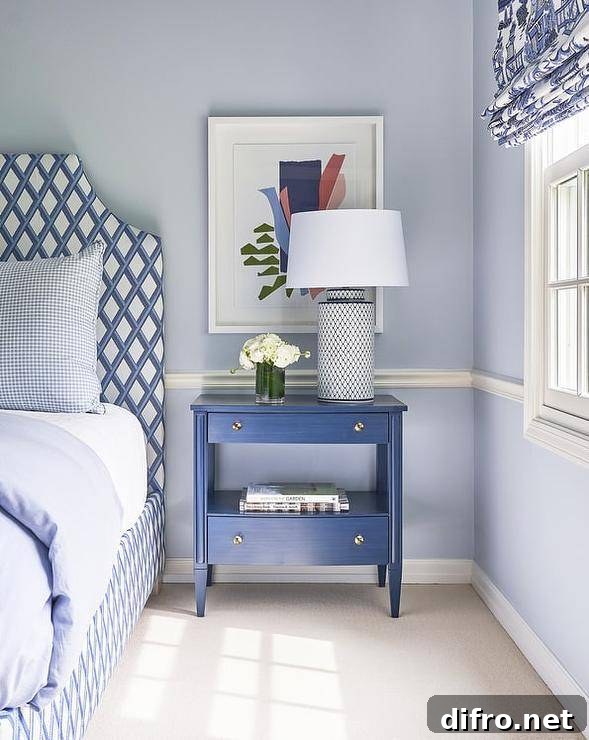
Furniture choices greatly influence the mood of a blue and white bedroom. White furniture maintains an airy, serene atmosphere, while blue furniture pieces—such as a painted dresser or an upholstered headboard—make intentional design statements. For a cohesive look, favor furniture with clean lines and modest profiles so the focus stays on color and texture rather than cluttered silhouettes. Consider multifunctional pieces that add storage without interrupting the room’s calm rhythm.
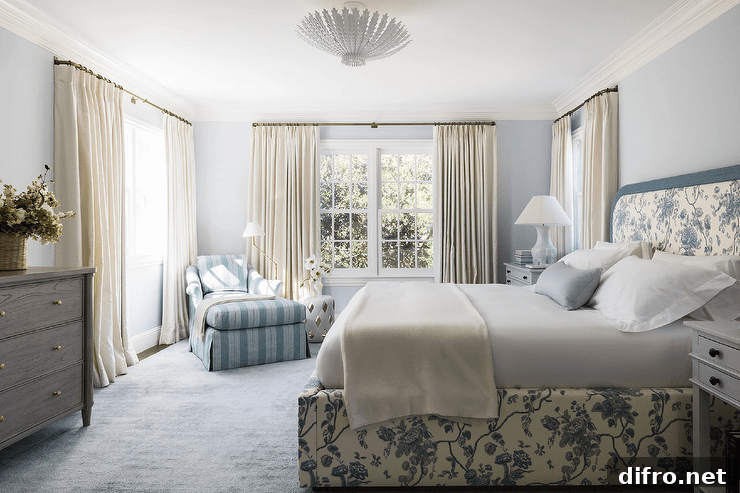
Accessorizing Thoughtfully
Accessories are the finishing touches that bring a blue and white bedroom to life. Select decorative items—vases, artwork, frames, or throw pillows—that reinforce the color palette. Introducing subtle metallics like brushed brass or polished nickel adds warmth and a refined sparkle without overpowering the scheme. Keep accessories curated: a few meaningful pieces placed with intention look better than many small items competing for attention.
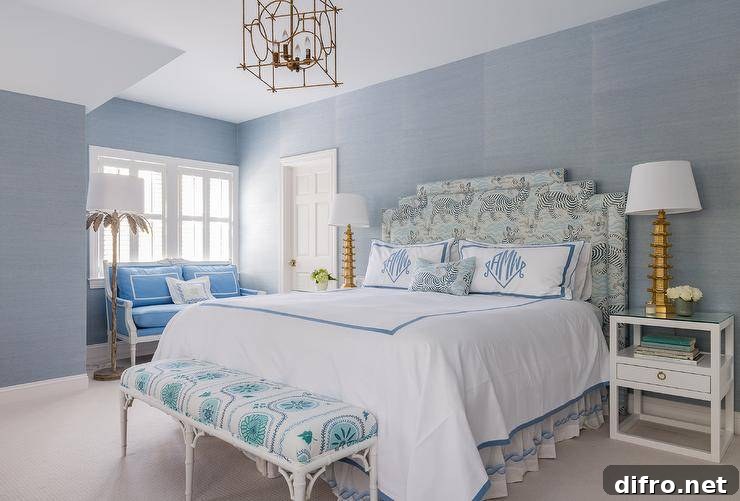
Lighting Considerations
Lighting transforms color and mood in a blue and white bedroom. Maximize natural light during the day with window treatments that can be opened fully or layers that filter light while preserving privacy. For evenings, choose warm, dimmable lighting to keep the space cozy. Table lamps, wall sconces, or pendant lights with white or blue shades integrate with the palette while providing practical illumination for reading and relaxing.
Creating a Focal Point
A focal point adds visual interest and anchors the bedroom design. Consider a statement headboard, an accent wall painted a bold blue, a piece of striking artwork, or textured wallpaper to draw the eye. The focal element should harmonize with surrounding furniture and decor while offering a clear visual anchor that defines the room’s style.

Maintaining Balance
Balance is essential: too much blue can feel heavy, and an excess of white can read flat. Distribute colors thoughtfully—pair deeper blue tones with plentiful white elements to keep the room luminous, or introduce blue accents in an otherwise white space to ensure the palette reads clearly. Symmetry in furniture arrangements and consistent repetition of key colors and textures across the room help maintain visual harmony.

Keeping the Space Fresh
To keep your blue and white bedroom feeling current, refresh small elements seasonally rather than overhauling the entire room. Swap throw pillows, change bedding, rotate artwork, or introduce seasonal textures—lighter linens and brighter blues for summer, richer fabrics and layered throws for cooler months. These small adjustments preserve the core design while allowing the room to evolve with your taste.

Related Articles
- Black and White Bedroom Ideas Perfect for a Modern Edgy Space
- 14 Inspiring Bedroom Color Combinations for a Restful Retreat
- Black Bedroom Ideas For A Boldly Unique Sleeping Space
Frequently Asked Questions (FAQs)
What shades of blue work best in a bedroom?
Lighter blues like sky or baby blue create a calming atmosphere, while navy or indigo add depth and drama. Choose based on your desired mood and the room’s natural light.
How can I add patterns to my blue and white bedroom?
Introduce patterns through bedding, curtains, rugs, and pillows. Stripes, florals, and geometric prints can all add visual interest—mix scales and textures for a layered, cohesive look.
What type of furniture works well in a blue and white bedroom?
White furniture preserves an airy, serene ambiance; blue furnishings create bolder focal points. Opt for clean, simple designs to avoid visual clutter and to highlight the color scheme.
How can I balance blue and white in my bedroom?
Distribute colors evenly: offset darker blues with generous white elements, or introduce blue accents in a predominantly white room to ensure the palette reads clearly. Symmetry and repetition help achieve balance.
What lighting is best for a blue and white bedroom?
Natural light enhances both white and blue tones. For evenings, choose soft, warm, dimmable lighting and bedside lamps with shades that complement the room’s colors to create a cozy, layered glow.