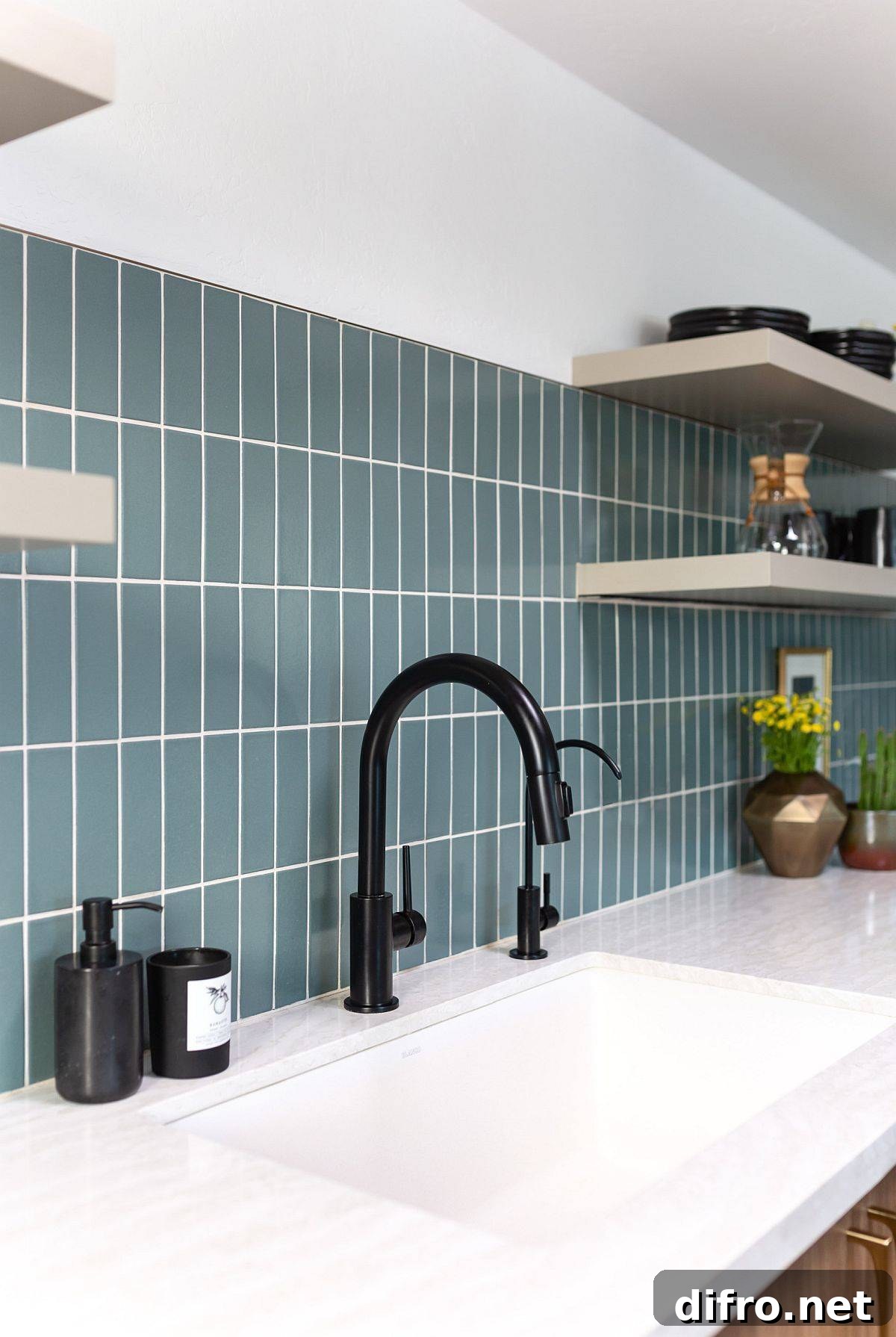
The kitchen has evolved into the social center of the modern home — a place to cook, gather, and share time with family and friends. In open-plan layouts the kitchen often blends seamlessly with living and dining areas, which means its look and functionality matter more than ever. When you design or remodel a kitchen, larger decisions such as counters, appliances, cabinets and islands come first. Once those are settled, the backsplash becomes an impactful finishing touch that ties the space together and reflects your personal style.
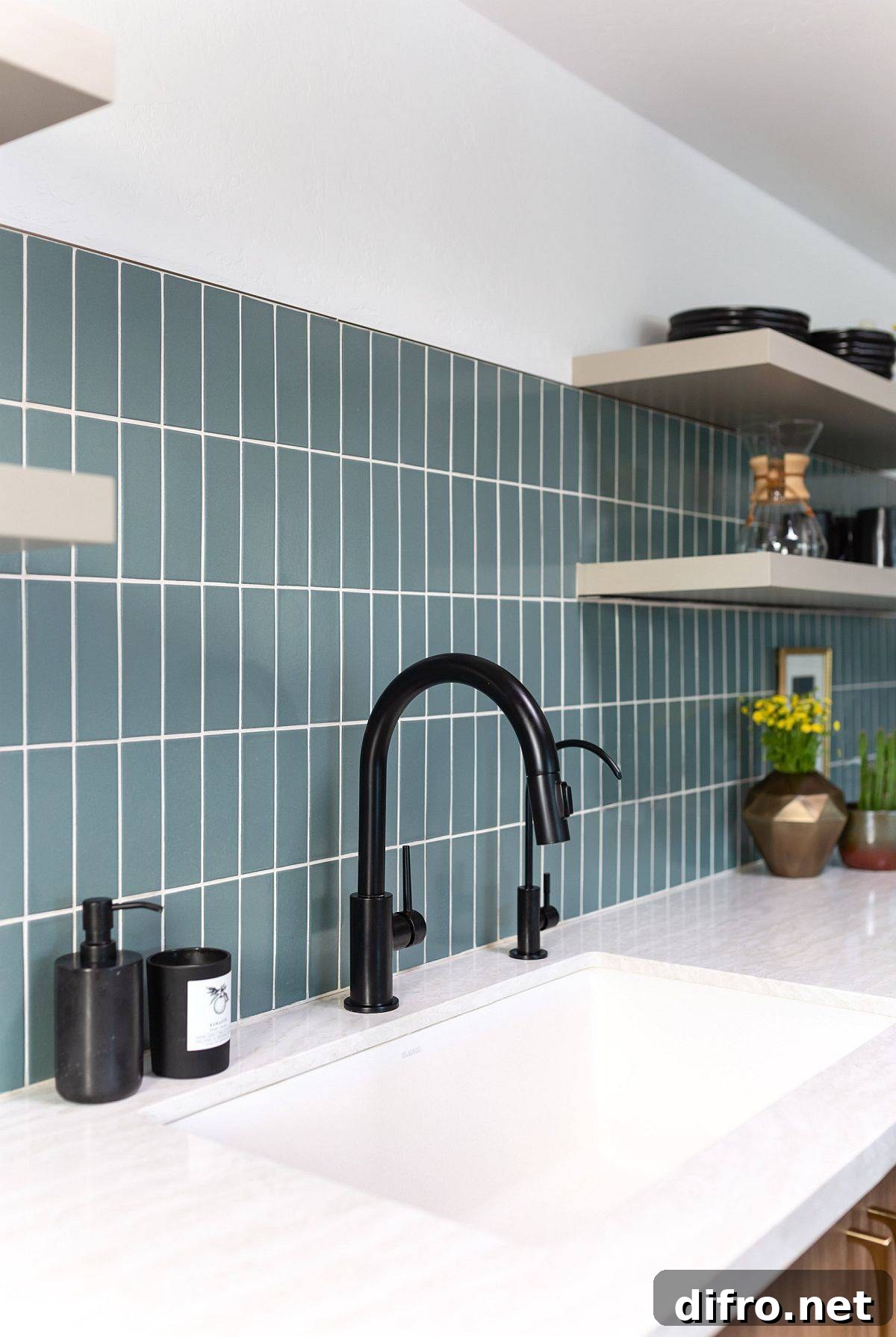
When selecting tile for a backsplash, the range of choices is broad: the enduring subway tile, chevron and herringbone patterns, 3D textured tiles, hexagons, and decorative Moroccan or floral motifs. Yet one simple shift—turning tiles vertically—has emerged as a highly effective trend. The vertical tiled backsplash is gaining traction because it’s an easy, affordable and visually powerful way to refresh a kitchen without an elaborate overhaul.
Slim and Vertical
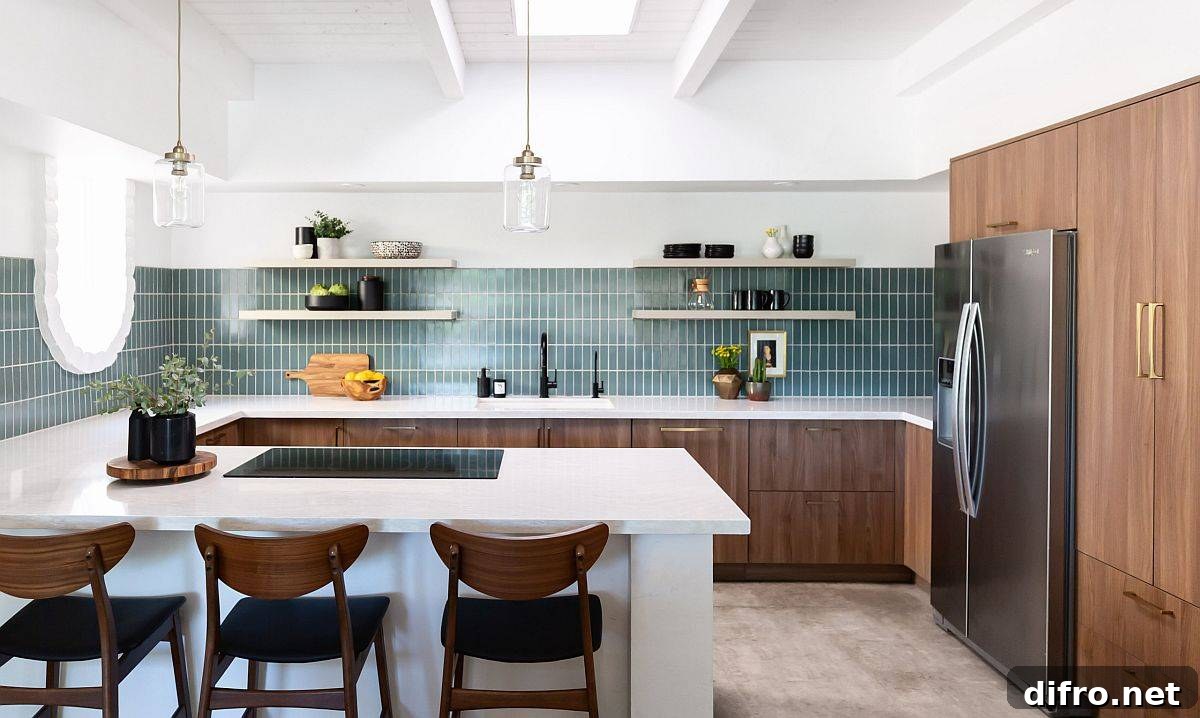
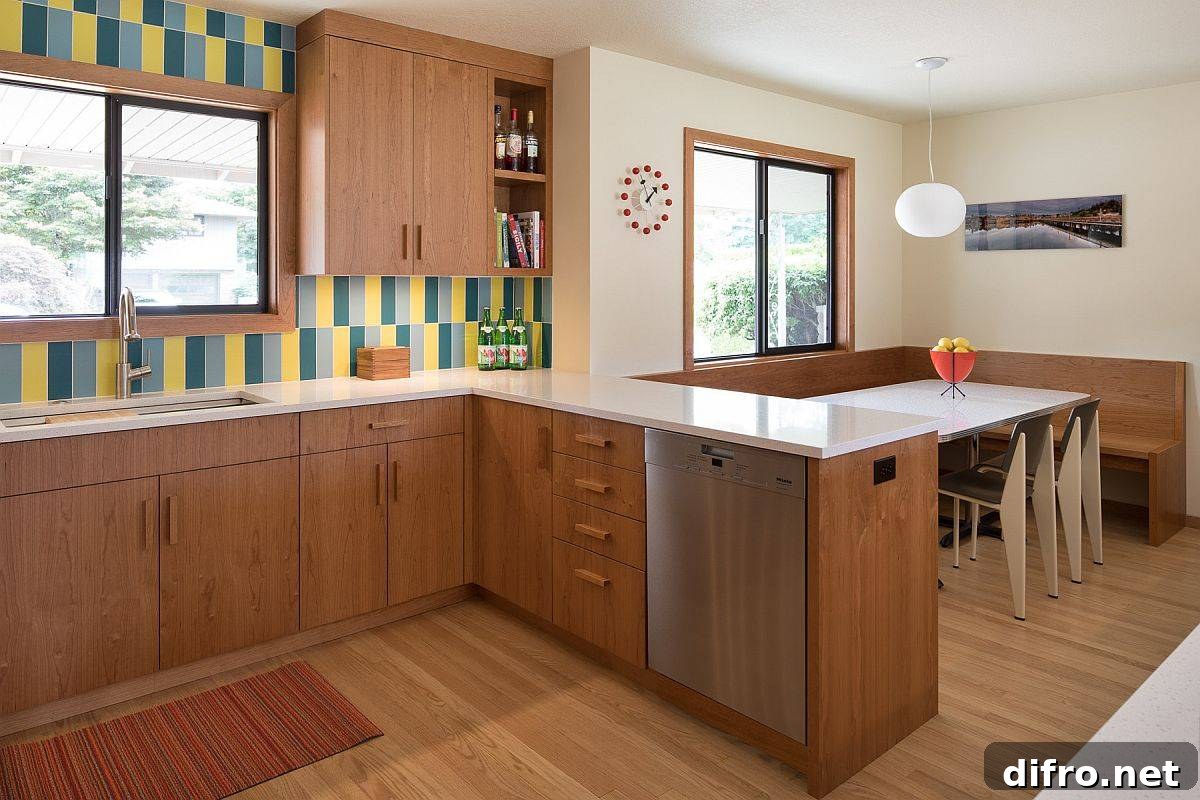
The vertical-tile approach is straightforward: rotate traditional tiles 90 degrees so they read vertically on the wall. This orientation works with a wide variety of tile shapes and sizes. Slim, elongated tiles emphasize height and rhythm; patterned vertical tiles deliver a strong graphic statement. Because the change is primarily in orientation rather than material, it’s an economical upgrade that produces a surprisingly dramatic result.
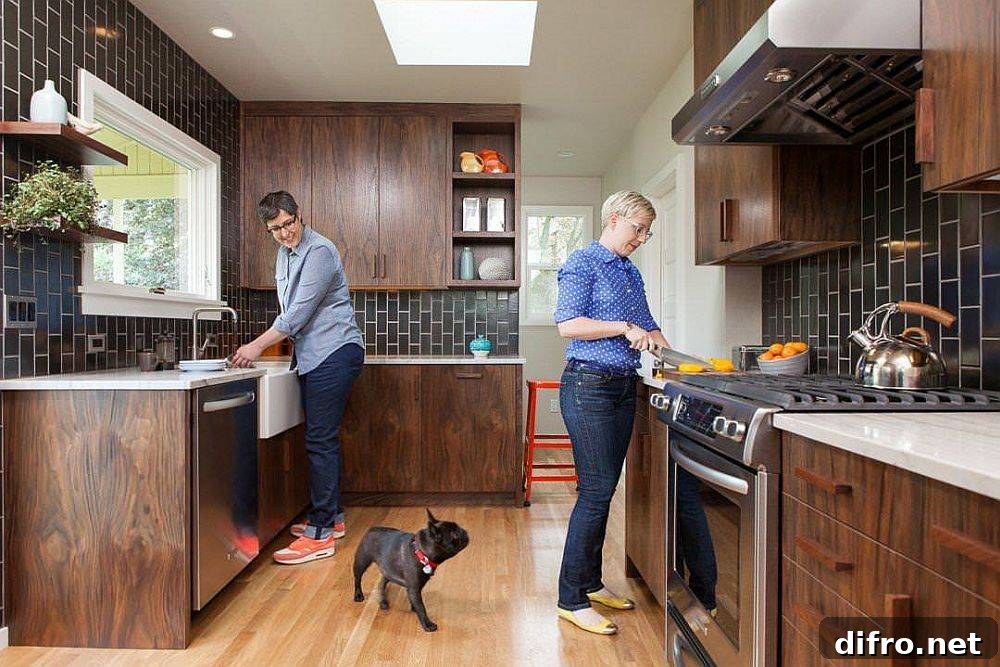
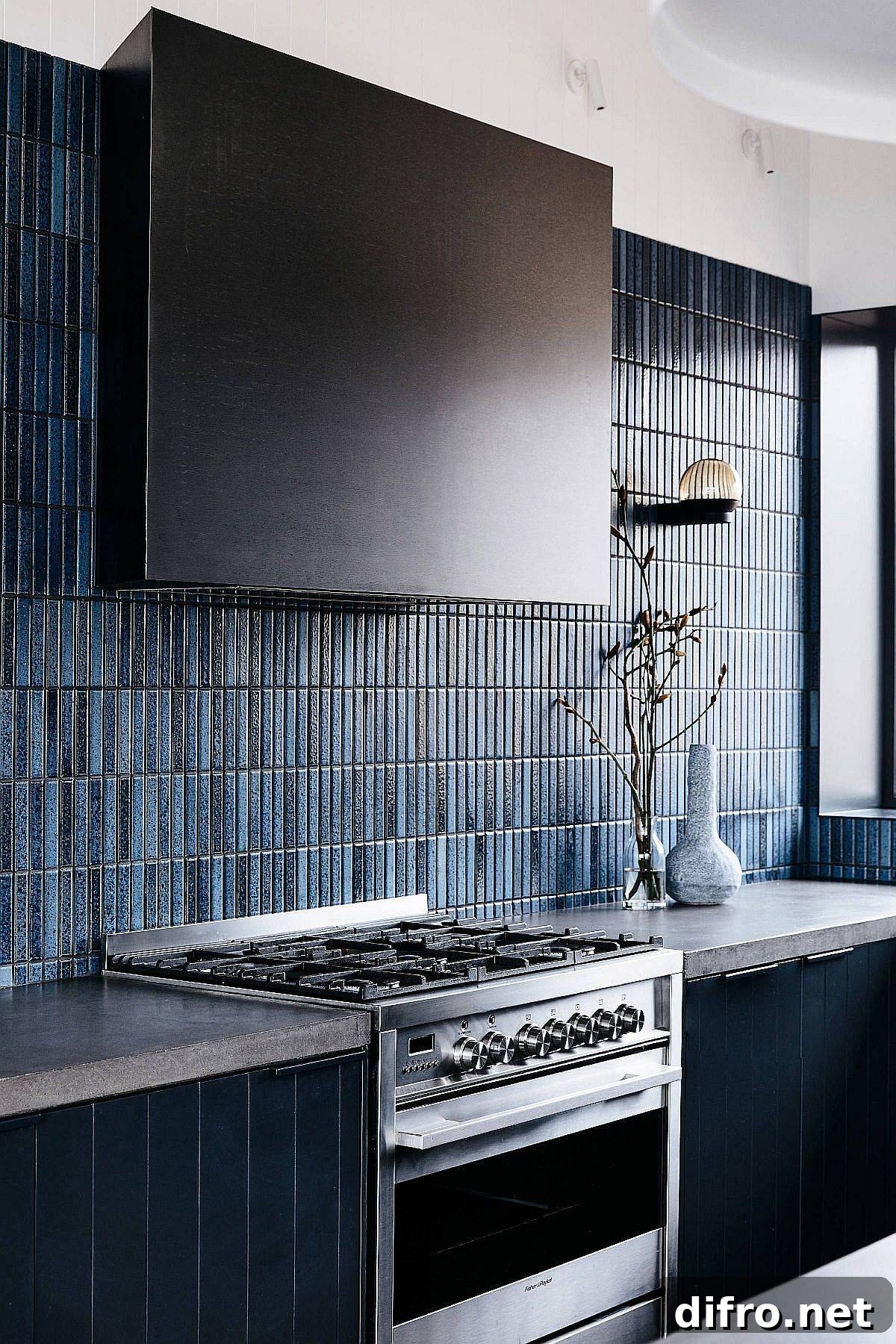
A Vertical Pattern
Why choose a vertical arrangement? One clear advantage is optical: vertical lines draw the eye upward, creating the impression of taller walls and higher ceilings. That illusion can make compact kitchens feel more open and airy. Practically speaking, changing tile orientation is often just as affordable as a conventional install, since you’re not switching to a more expensive material—only altering the layout.
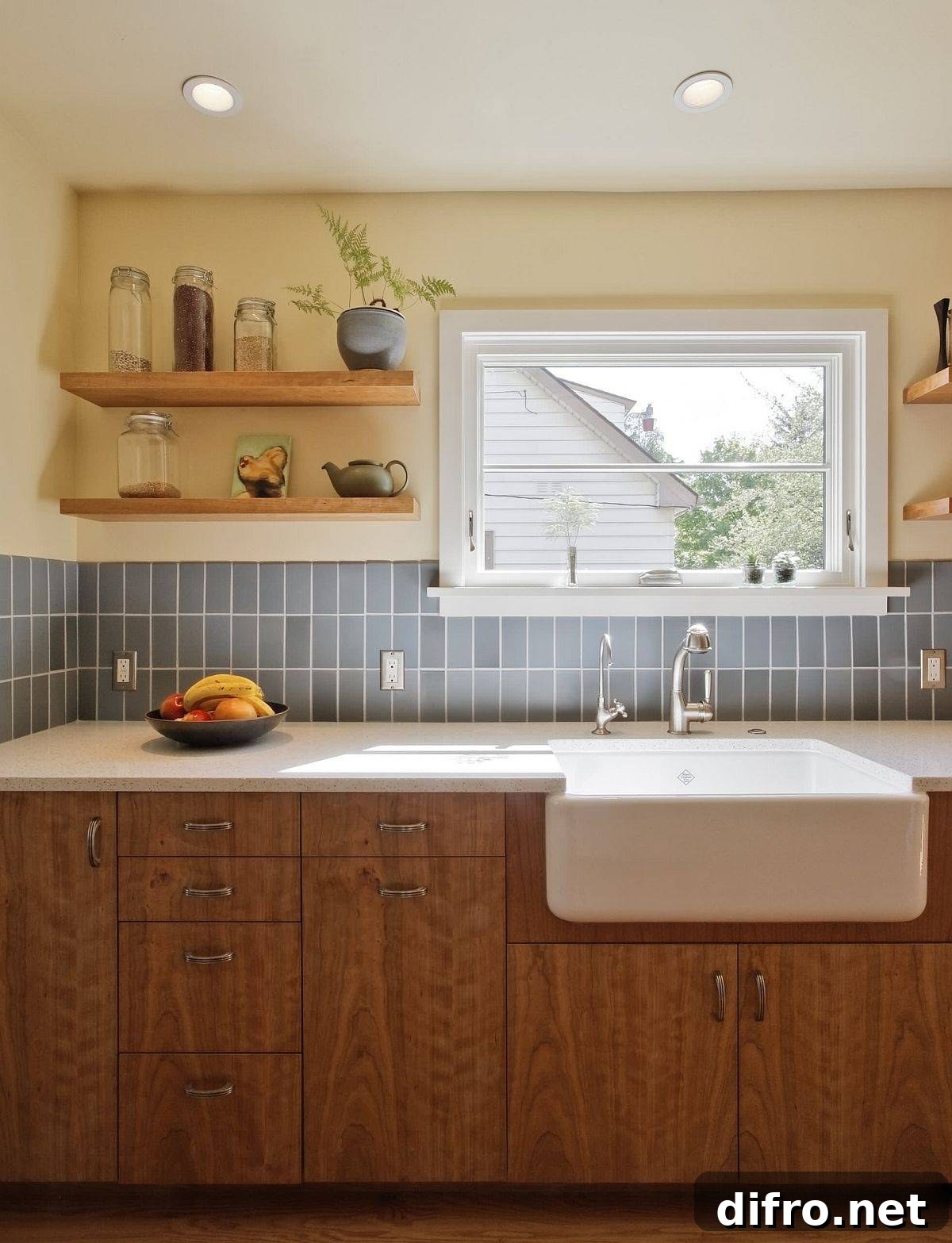
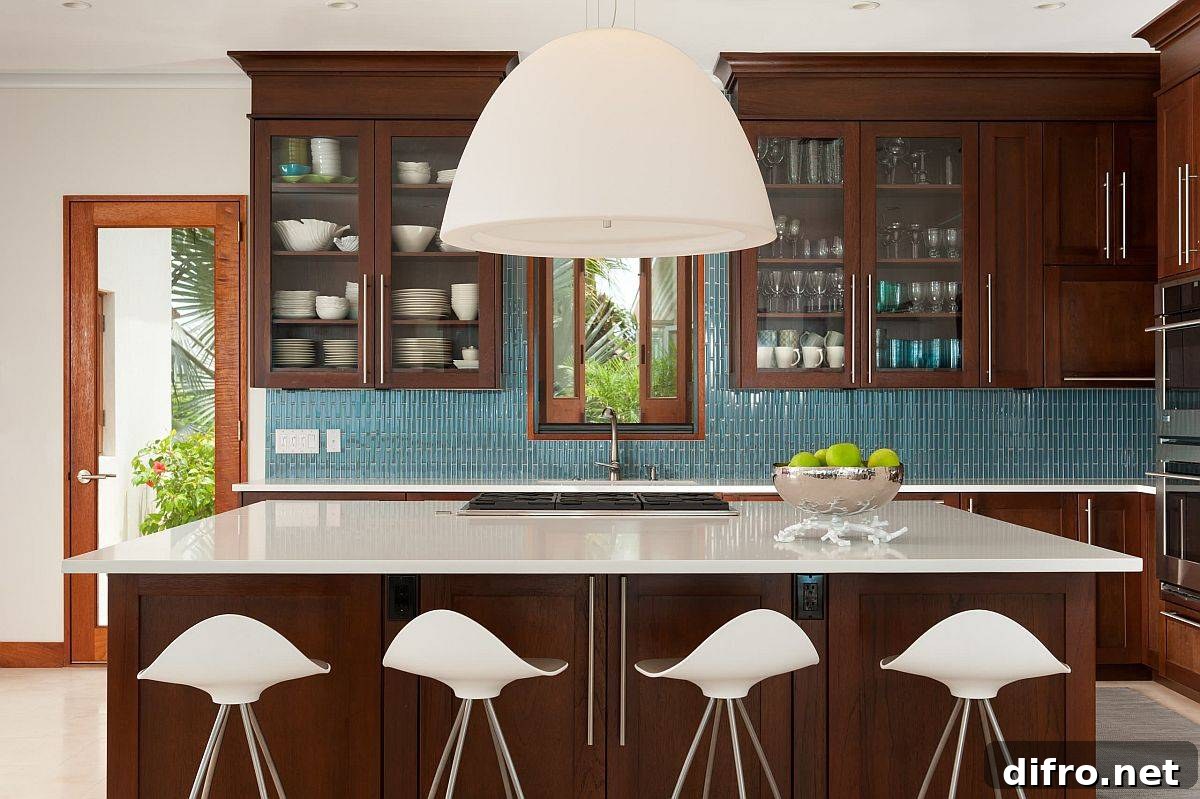
A Look You Love
Vertical tile backsplashes are an appealing option for many homeowners because they strike a balance between fresh trend and lasting appeal. They feel less committed than a highly specific patterned layout like herringbone or chevron, yet they still provide distinctive character. Compared with more complex patterns, vertical installs typically generate less tile waste and can be faster to lay, making them practical as well as attractive.
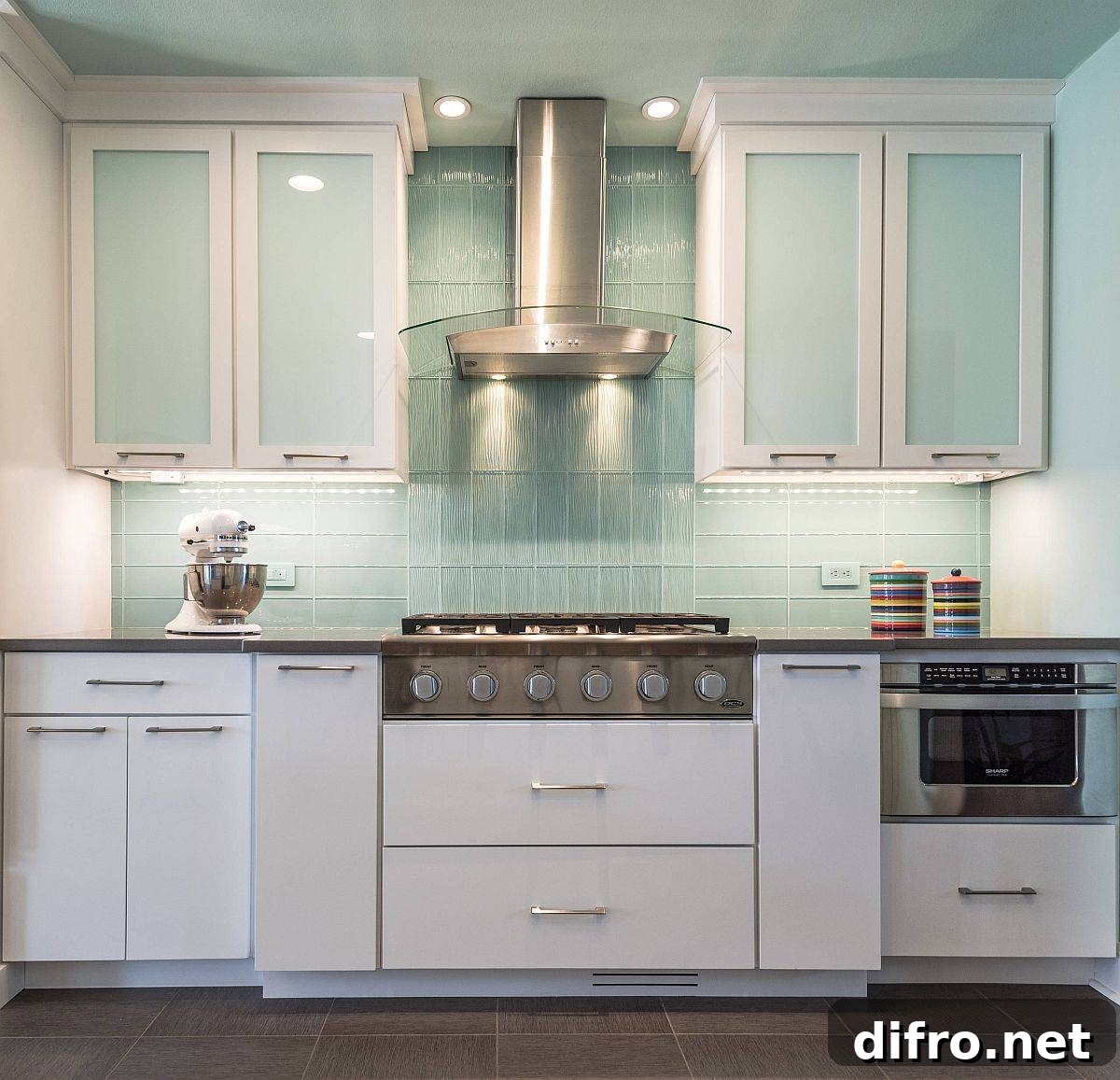
FAQs
Can you run subway tile vertically?
Yes. Installing subway tile vertically is an easy way to create visual interest and to elongate a wall. The vertical orientation draws the eye up, which helps small or low-ceilinged spaces feel taller.
Is a vertical subway tile backsplash too trendy?
While vertical subway tile has become fashionable, its simple, clean lines make it adaptable to many design styles. It can complement classic, transitional, mid-century and contemporary interiors, so it’s a versatile choice rather than a short-lived fad.
Should backsplash tile be vertical or horizontal?
Both orientations have merit. Vertical tile increases perceived height and creates a modern, rhythmic look. Horizontal tile emphasizes width and continuity. Choose the orientation that best supports the room’s proportions and your aesthetic goals.
Does vertical tile make a room look taller?
Yes. Vertical tile helps visually elongate walls by directing attention upward, which makes ceilings appear higher and rooms feel more spacious. It’s a useful trick in compact kitchens or spaces with lower ceilings.
Ready to refresh your kitchen? Consider a vertical tile backsplash to add height, texture and a striking focal point with minimal cost and effort.