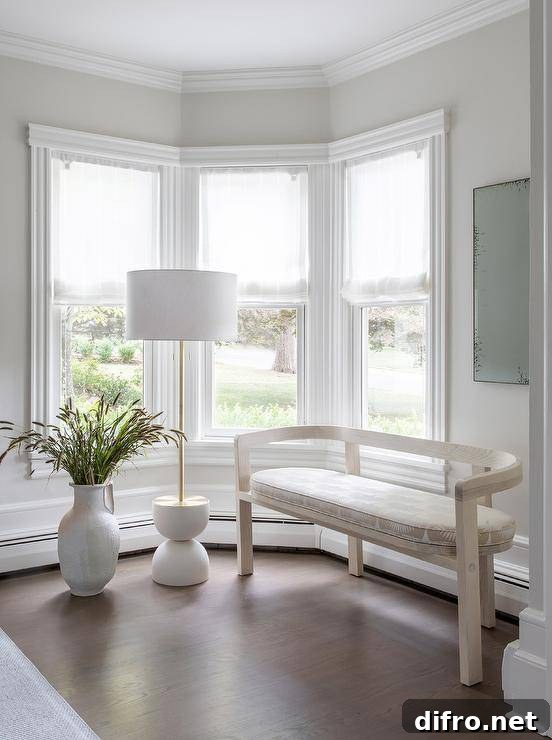
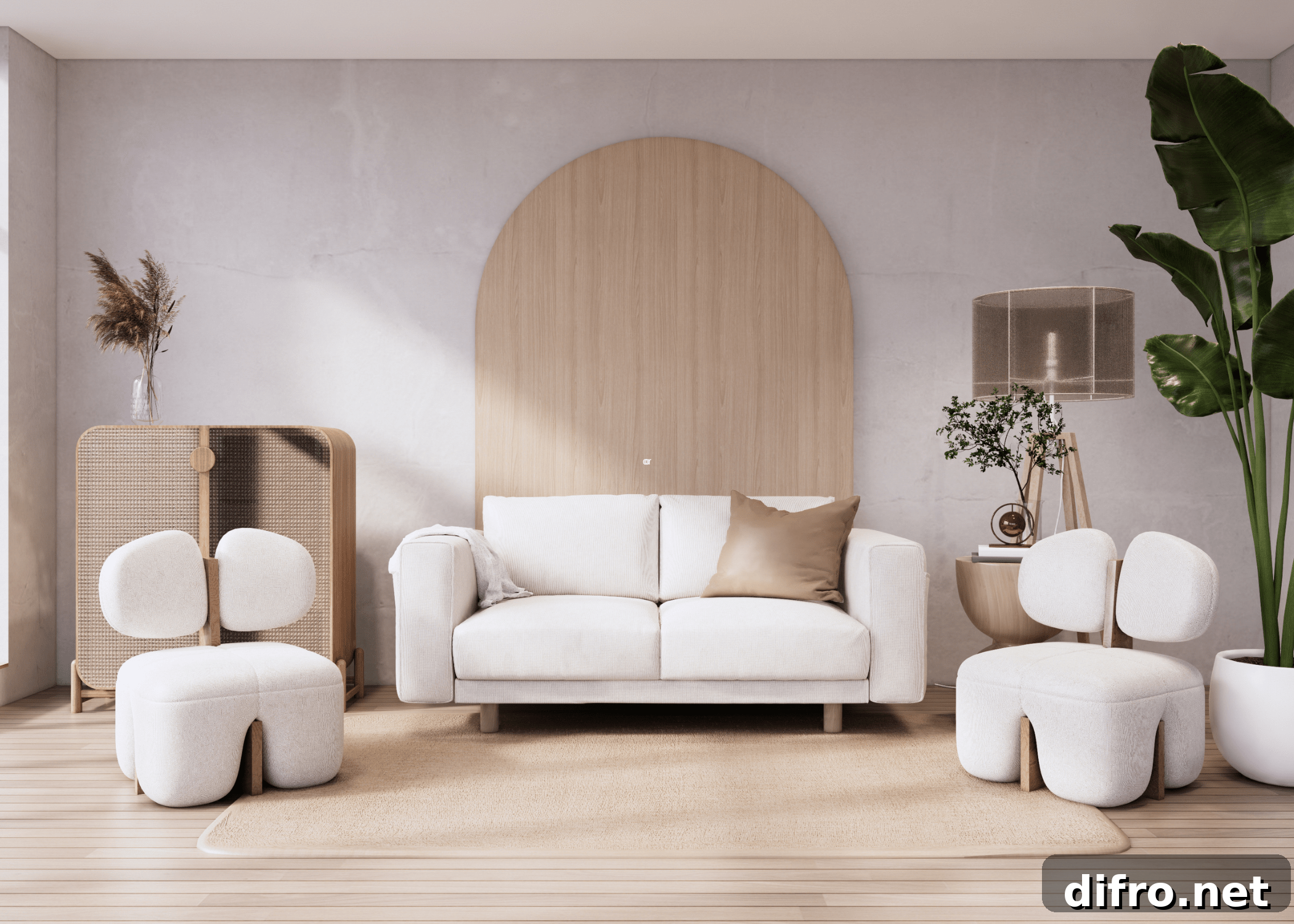
In recent years, the modern minimalist living room has become a defining trend for homeowners who want a calm, functional, and elegant gathering space. This style emphasizes clean lines, a restrained palette, purposeful furnishings, and a clutter-free environment. Minimalism in the living room is not simply about removing items; it’s about choosing pieces that serve a purpose and enhance the room’s overall harmony. Whether you want a peaceful sanctuary for relaxing or a more efficient, visually coherent space for everyday living, adopting a modern minimalist approach can transform how you use and feel in your home.
This guide explains the essential ideas behind a modern minimalist living room, covering furniture choices, color strategies, lighting, storage solutions, decorative accents, layout, and practical maintenance tips.
The Principles of Modern Minimalist Living Room Design
Modern minimalist living rooms are built on two core principles: simplicity and functionality. The goal is to pare the space down to what is necessary and meaningful, creating a tranquil, organized environment. Thoughtful restraint produces a balanced space where form supports function and decorative choices are deliberate. Emphasize quality over quantity, select items with clean silhouettes, and maintain consistent visual flow so the room feels cohesive and restful.
Selecting the Right Furniture
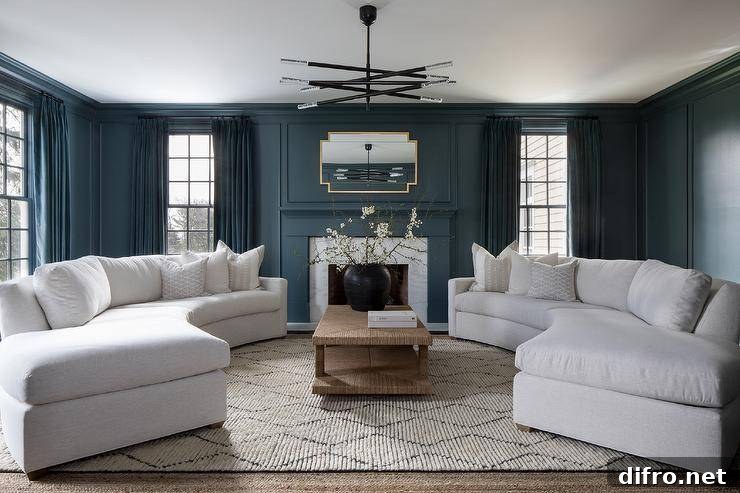
Furniture sets the tone for a minimalist living room. Choose pieces with simple profiles, neutral finishes, and practical uses. Low-profile sofas, streamlined coffee tables, and multipurpose storage seating help maintain open sightlines and a light feeling. Modular and configurable furniture is especially useful in minimalist spaces because it adapts to different needs without crowding the room. Avoid ornate details and prioritize materials and proportions that age well and stay visually unobtrusive.
Choosing a Neutral Color Palette
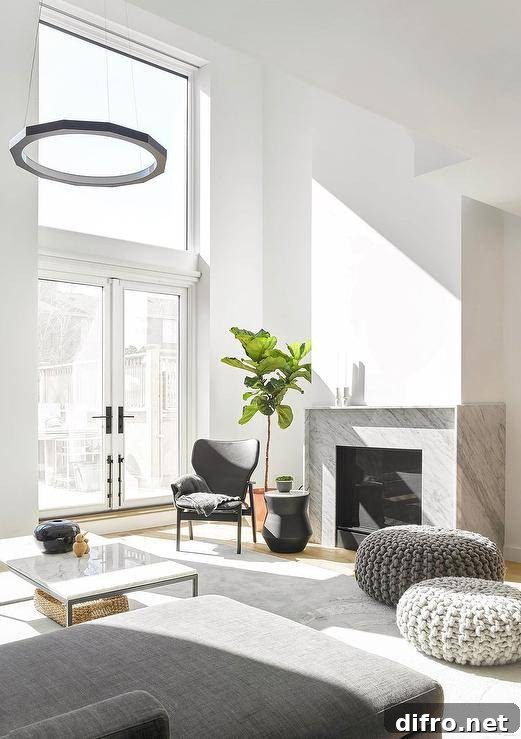
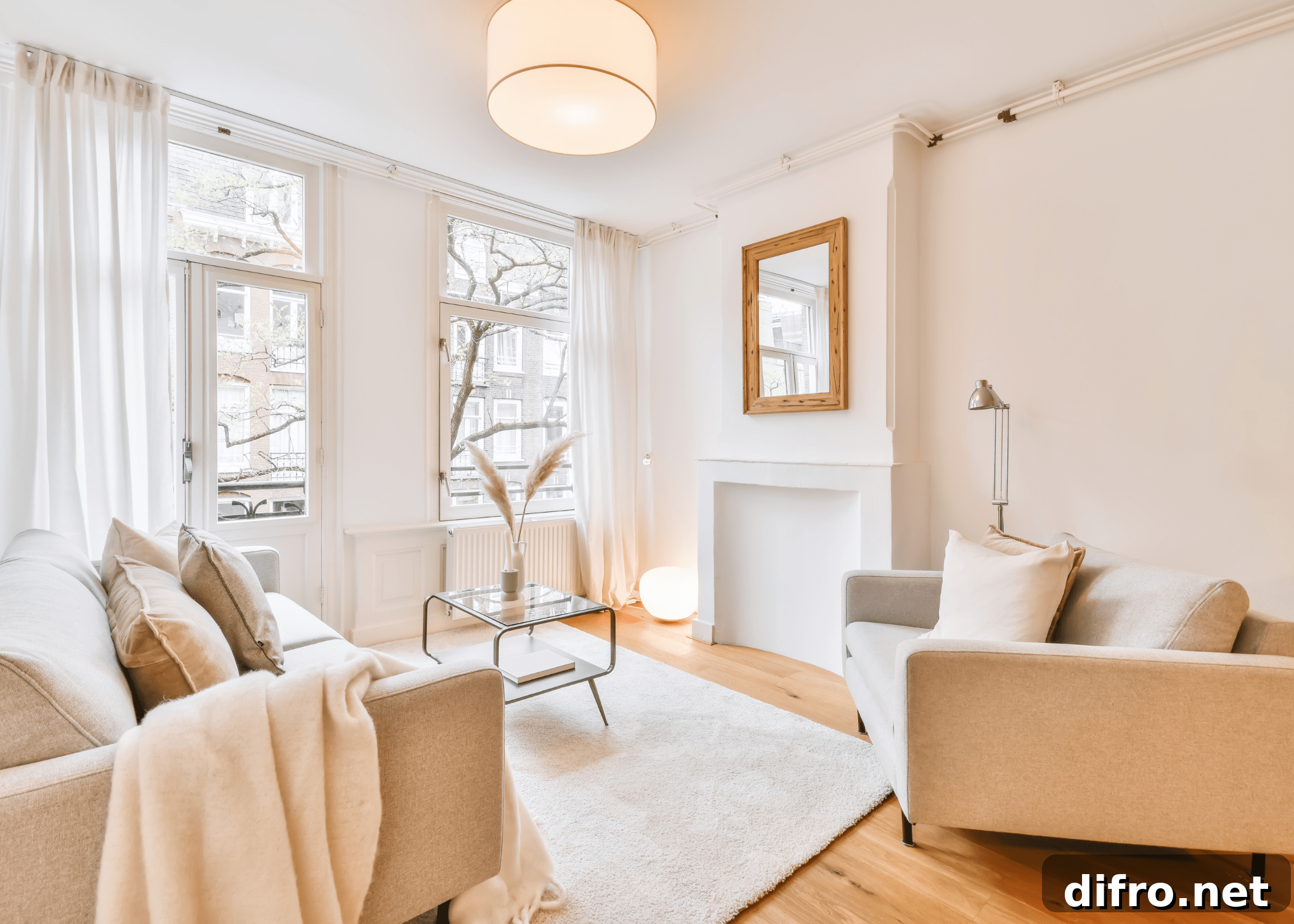
A neutral color palette is a hallmark of the modern minimalist living room. Whites, warm beiges, soft grays, and deep charcoals form a calm backdrop that highlights clean architecture and carefully selected furnishings. To avoid a flat look, layer textures—wool rugs, woven upholstery, matte wood finishes, brushed metal, and glass—to introduce subtle contrast and warmth. Small accents in muted tones can add personality without breaking the serene atmosphere.
Maximizing Natural Light
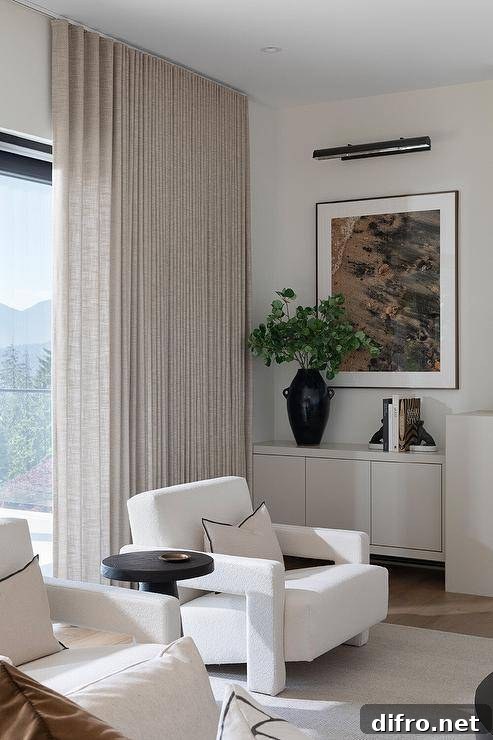
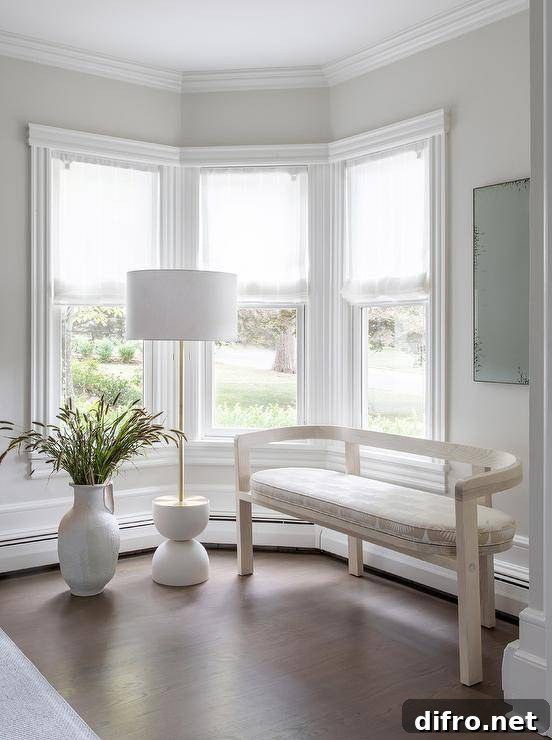
Natural light is essential in minimalist interiors because it enhances openness and creates an inviting mood. Large windows, skylights, and an unobstructed layout allow sunlight to define the room’s rhythm throughout the day. Use sheer window coverings or sleek blinds that can be drawn out of the way to let light flood in. Position mirrors opposite windows to reflect light and visually expand the space, and keep window areas free from heavy treatments or excessive decoration.
Incorporating Functional Storage Solutions
Effective storage preserves the minimalist look by keeping everyday items out of sight. Built-in shelving, recessed cabinets, and furniture with hidden compartments allow essentials to be stored neatly. Choose multi-functional pieces—console tables with drawers, ottomans with storage, media units with cable management—to reduce visible clutter. Consistent storage finishes that match the room’s palette also help maintain a calm visual field.
Adding Thoughtful Decorative Elements
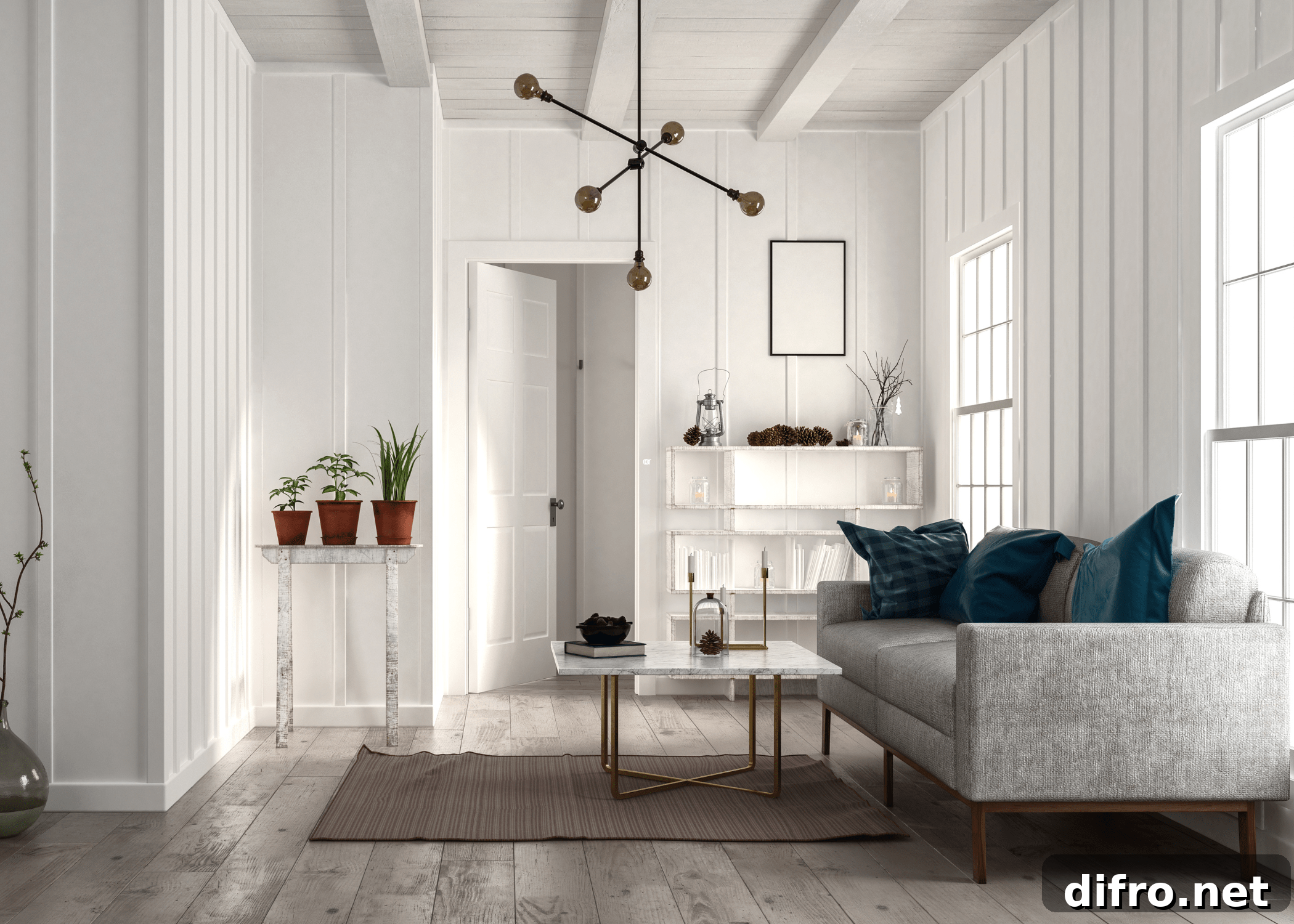
Minimalist does not mean characterless. Carefully chosen decorative elements add warmth and personality without overwhelming the space. A single large artwork, a sculptural lamp, a textured rug, or a small grouping of potted plants can anchor the room while keeping the aesthetic restrained. The guiding rule is intentionality: each decorative object should have a purpose or personal significance and contribute to the room’s balance.
Embracing Open Spaces
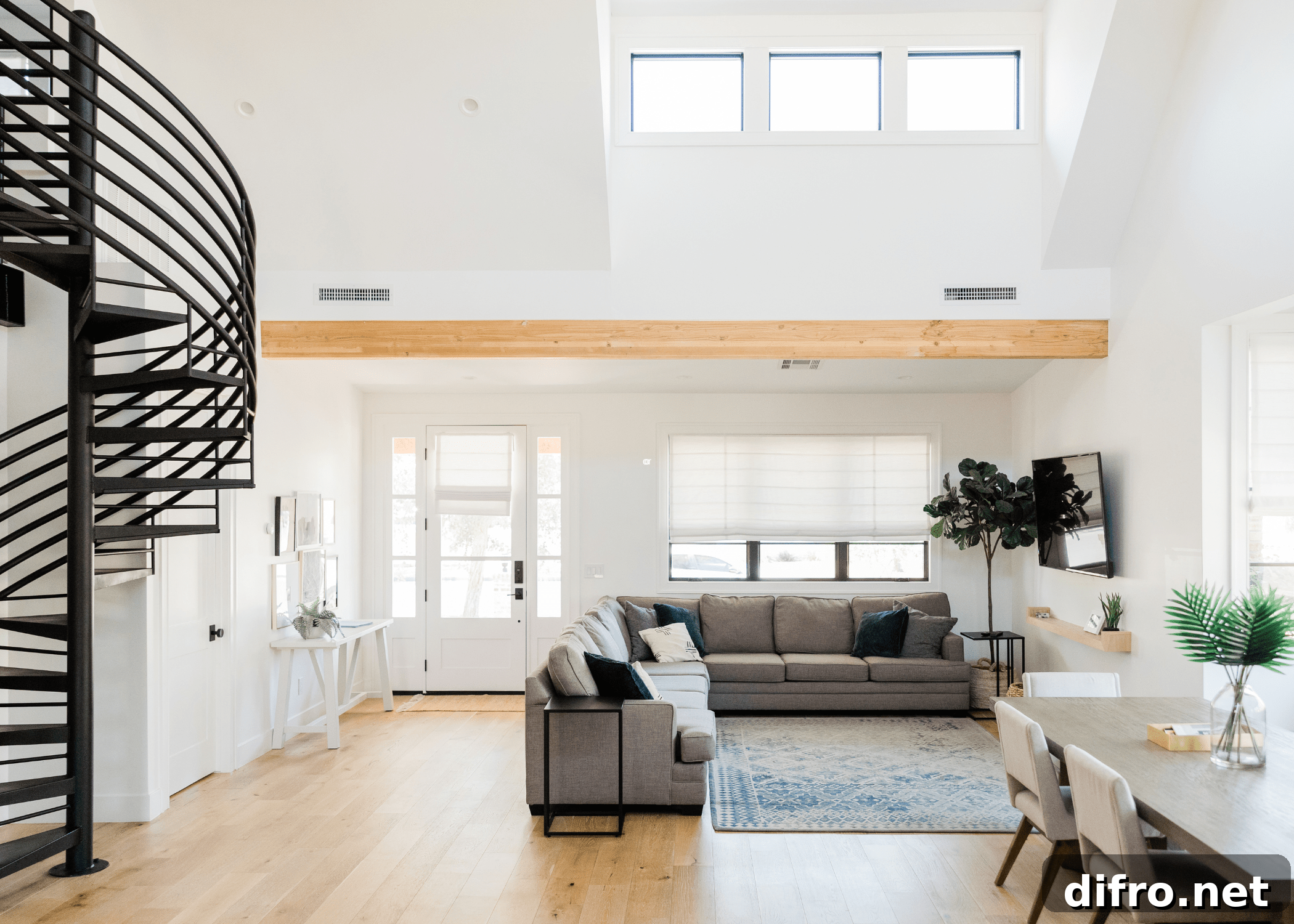
Open space is central to the minimalist living room. Arrange furniture to promote easy movement and clear sightlines rather than filling every corner. Maintain negative space to let the eye rest—this creates a feeling of calm and makes the room feel larger. Thoughtful placement of seating and surfaces supports social interaction while preserving a roomy, uncluttered atmosphere.
Maintaining a Clutter-Free Environment
The lasting success of a modern minimalist living room depends on maintenance. Regularly edit possessions, organize storage, and resist impulse purchases that add visual noise. Adopt a mindset of quality and longevity: select pieces you love and that serve a purpose. A consistent routine for tidying and reassessing items helps preserve the room’s serene character and ensures the space continues to support relaxation and daily life.
Related Articles
- Art Deco Living Room Inspirations: Timeless Elegance Meets Modern Flair
- Seven Formal Living Room Ideas That Are Far From Stuffy
- Everything Needed for a Comfortable Yet Modern Living Room
Embrace the essence of modern minimalism with these practical design strategies. By prioritizing clean lines, a neutral palette, smart storage, and purposeful accents, you can create a living room that feels both stylish and restful. Start by decluttering, then build the space back with intentional selections that support the way you live.
Ready to refresh your home? Subscribe to receive interior design tips and ideas delivered to your inbox.
Frequently Asked Questions (FAQs)
What are the key elements of a modern minimalist living room?
Key elements include simplicity, functionality, a neutral color palette, abundant natural light, effective storage, thoughtful decorative accents, open layouts, and a commitment to keeping the space clutter-free.
How do I choose the right furniture for this style?
Choose streamlined, multipurpose furniture with clean lines and neutral finishes. Opt for pieces that provide storage or flexibility, and avoid heavy ornamentation.
Why is a neutral palette important?
Neutral tones create a calm backdrop that highlights architecture and texture, making the room feel cohesive and relaxing while allowing selected accents to stand out.
How can I maximize natural light?
Keep windows unobstructed, use sheer coverings, position mirrors strategically, and favor light-reflective surfaces to amplify daylight.
What storage solutions work best?
Built-ins, hidden compartments, and furniture with integrated storage are ideal for maintaining a tidy, minimalist living room.
Can a minimalist living room still include decor?
Yes. Choose a few meaningful, high-quality pieces that complement the room and avoid overcrowding. Thoughtful accents add warmth without undermining minimalism.
How do I keep the space feeling open?
Arrange furniture to allow flow, avoid overfilling the room, and preserve negative space so the area reads as spacious and inviting.
How do I maintain a clutter-free environment?
Regularly declutter, organize belongings into designated storage, and adopt a mindful approach to new purchases, favoring quality and necessity.