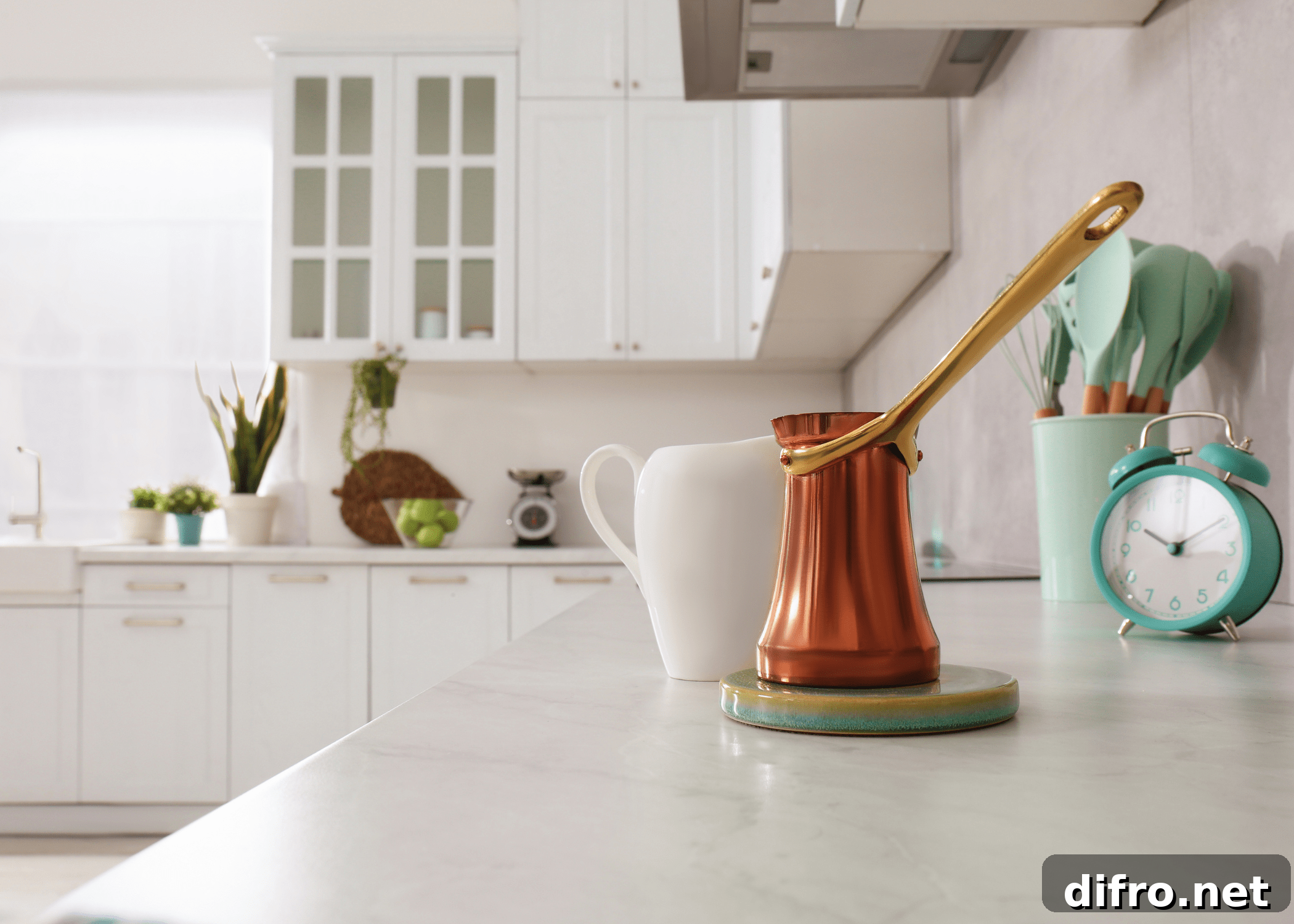
It’s fascinating to watch home decor cycles bring older styles back with fresh updates, and laminate countertops are a perfect example. Popular from the 1960s through the 1980s for their affordability and variety, laminates are now enjoying a renewed interest. Modern manufacturing and contemporary designs have transformed laminate surfaces into a practical, stylish option for today’s kitchens and bathrooms.
In this article we revisit the evolution of laminate countertops, explore why they’re resurging, and offer useful guidance on choosing, installing, and maintaining them. Whether you’re planning a full remodel or a budget-friendly refresh, understanding current laminate options can help you make an informed decision.
The Evolution of Laminate Countertops
Interior design trends shift constantly, and materials once considered dated can return with renewed relevance. Laminate countertops have evolved from basic, patterned sheets to highly realistic surfaces that convincingly mimic stone, wood, and other high-end finishes. These improvements come from advances in printing, surface treatments, and core materials that increase durability and visual depth.
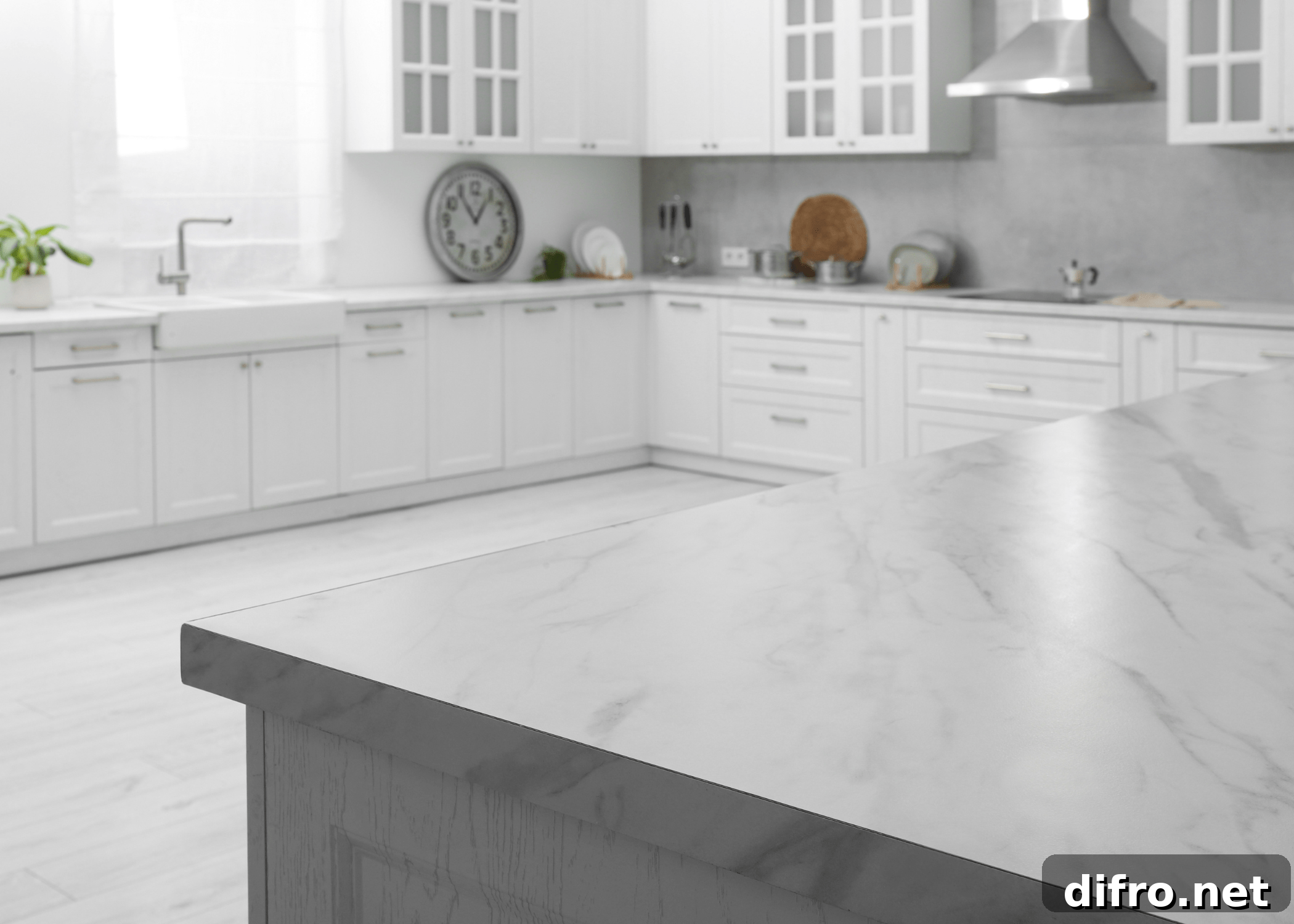
Today’s laminates offer a broad range of textures, colors, and patterns, allowing homeowners to achieve a high-end look without the cost and weight of natural stone. Enhanced resistance to scratches, stains, and everyday heat exposure makes modern laminate an appealing, practical choice for busy homes.
Key Reasons Behind the Popularity Surge of Laminate Countertops
Several factors are driving the comeback of laminate countertops. Foremost is cost-effectiveness: laminate can reproduce the appearance of granite, marble, or wood at a fraction of the price. This affordability makes it ideal for budget-conscious renovators and rental properties.
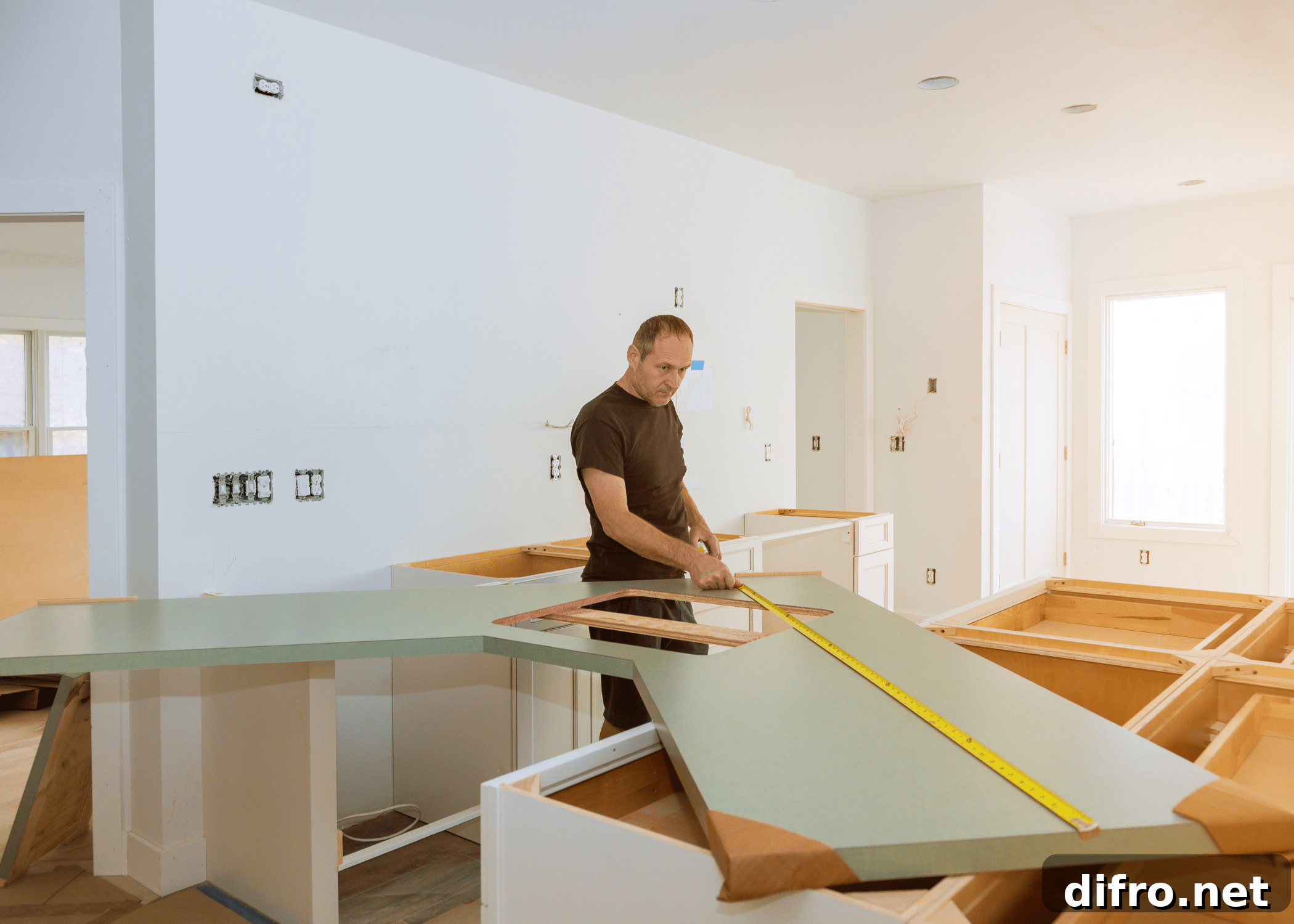
Versatility is another major advantage. Laminate surfaces are non-porous and easy to clean, resisting many common kitchen stains. They come in countless finishes, from subtle neutrals to bold patterns, enabling a tailored look for both modern and retro interiors. Low maintenance, combined with improved durability, makes laminate an attractive choice for many homeowners.
Advancements in Technology and Design Options in Laminate
Technological developments have significantly broadened laminate’s design and performance. Digital printing and high-definition surface replication now deliver intricate, realistic patterns that closely resemble natural materials. Surface treatments and protective layers increase scratch and stain resistance, and some laminates now offer enhanced heat tolerance.
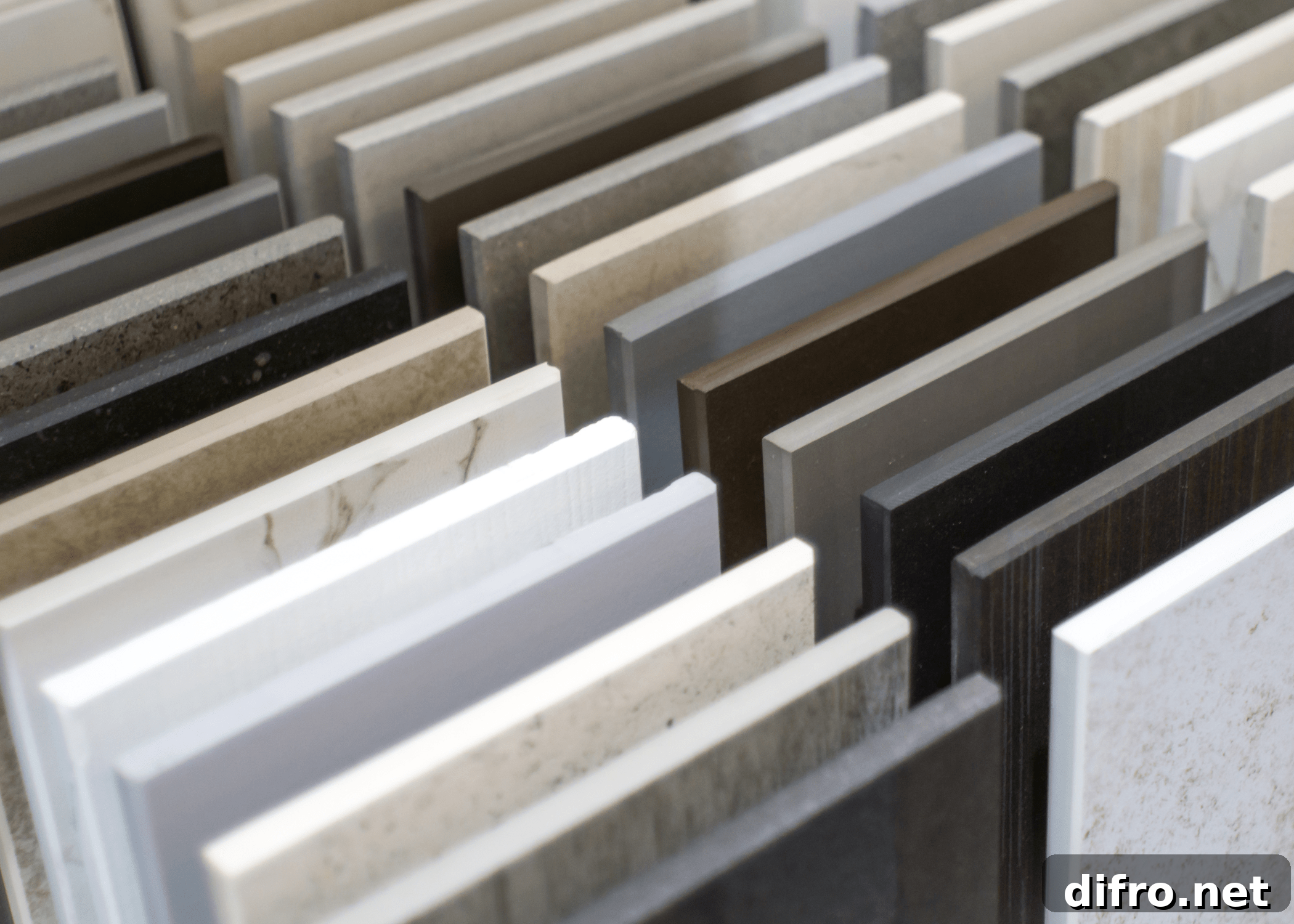
These innovations let homeowners enjoy trendy looks—such as industrial, Scandinavian, or mid-century modern—without the expense and weight constraints of stone. Laminate’s expanded options help it fit seamlessly into diverse design schemes and functional needs.
How Laminate Countertops Offer Sustainable Solutions
Laminate countertops can offer environmental benefits compared with some heavier, resource-intensive materials. They are typically manufactured from layers of paper and resin, and many producers incorporate recycled content. The production process generally consumes less energy than quarrying and fabricating natural stone, and laminate’s lighter weight reduces transportation emissions.
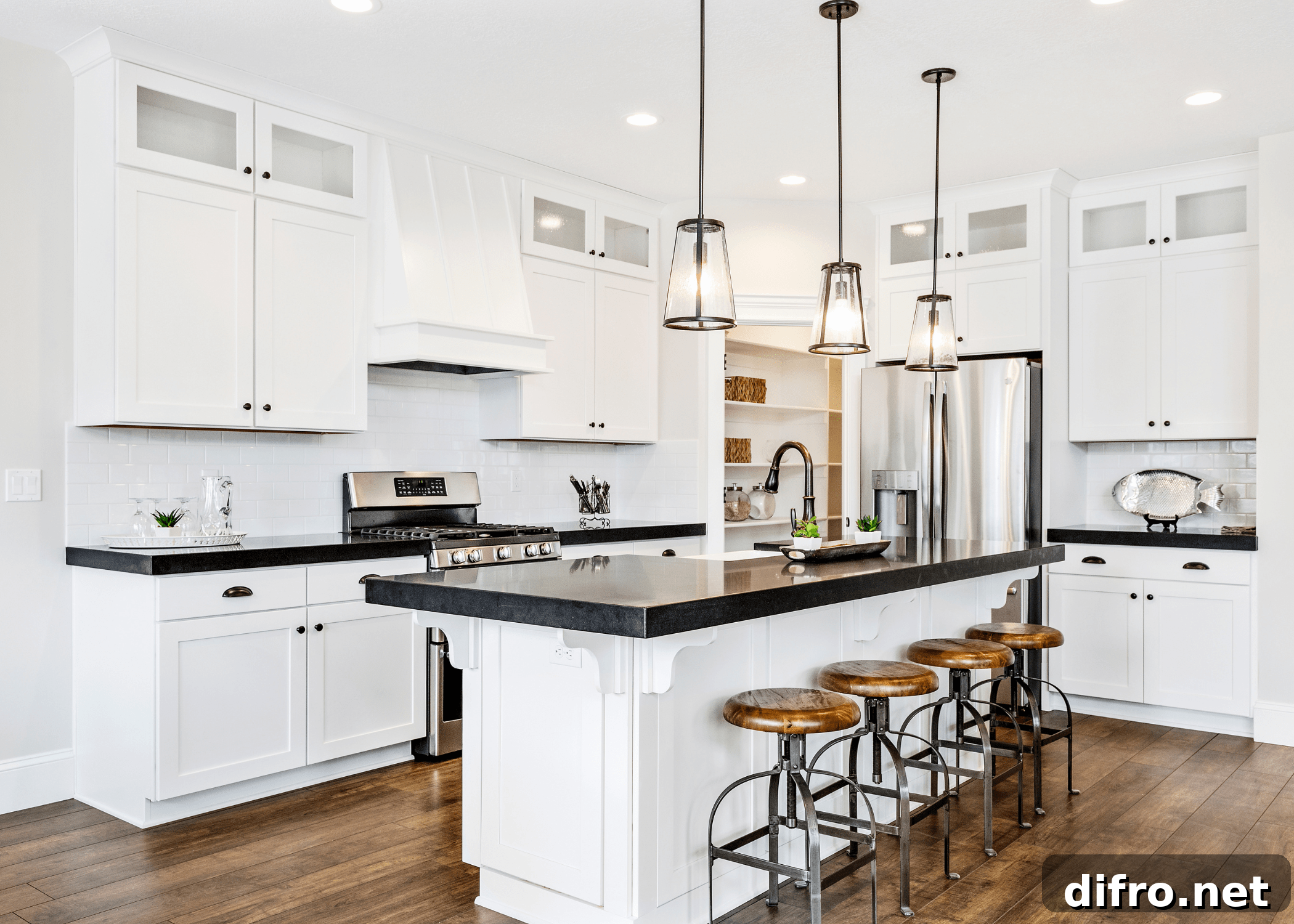
Durability also contributes to sustainability: a long-lasting laminate surface reduces the need for early replacement and lowers waste over time. While materials vary by manufacturer, choosing laminates with recycled content and responsible production practices can be part of an eco-conscious renovation strategy.
Cost-Effectiveness of Laminate in Today’s Market
Laminate remains one of the most cost-efficient countertops available. It delivers visual appeal that mimics stone or solid-surface materials at substantially lower material and installation costs. Because laminate is lighter and easier to install than heavy stone, labor costs are typically lower as well.
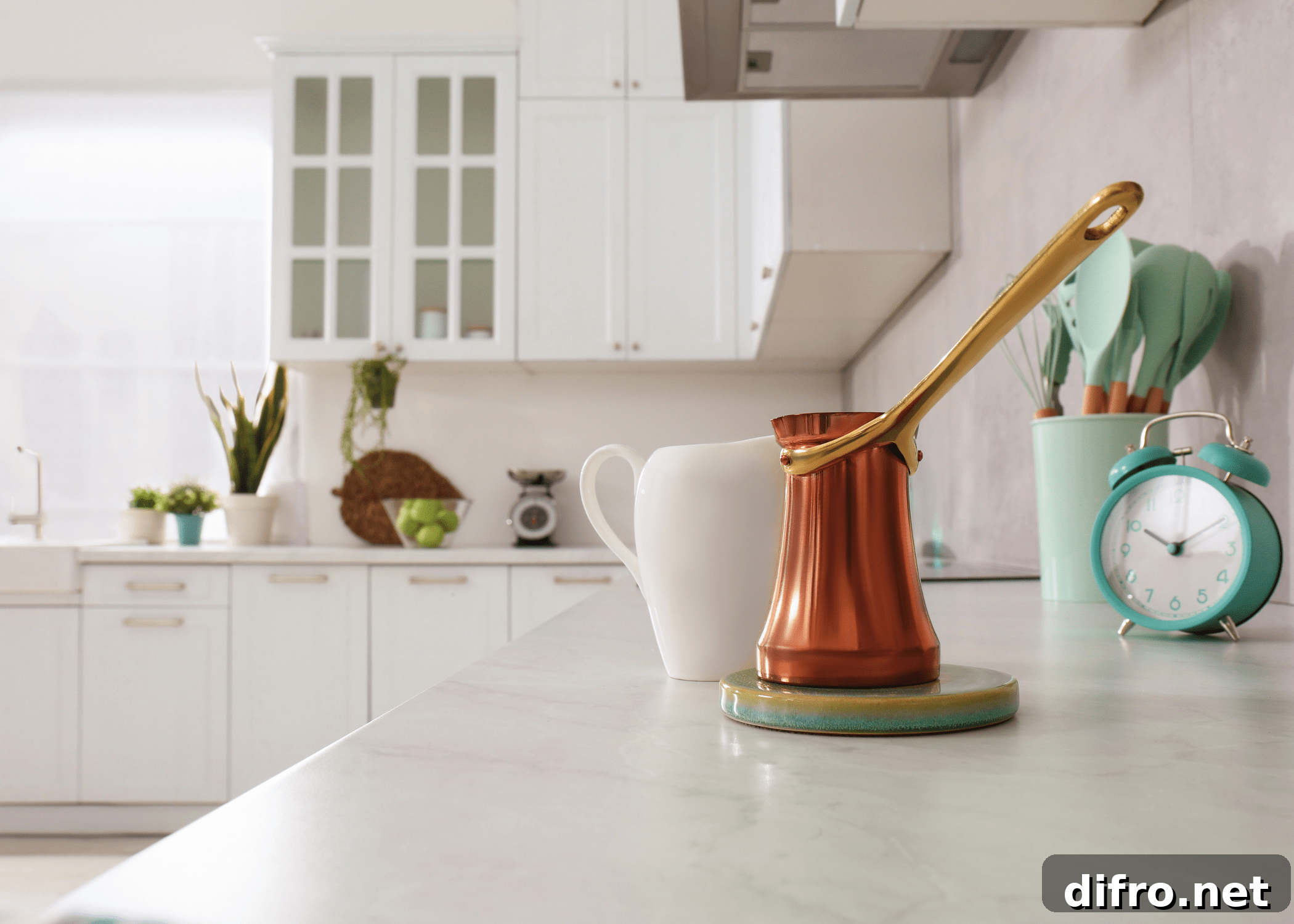
Modern laminates are engineered to resist everyday wear, which extends their useful life and improves their long-term value. For homeowners balancing aesthetics and budget, laminate is an increasingly savvy selection.
Installation and Maintenance Tips for Laminate Countertops
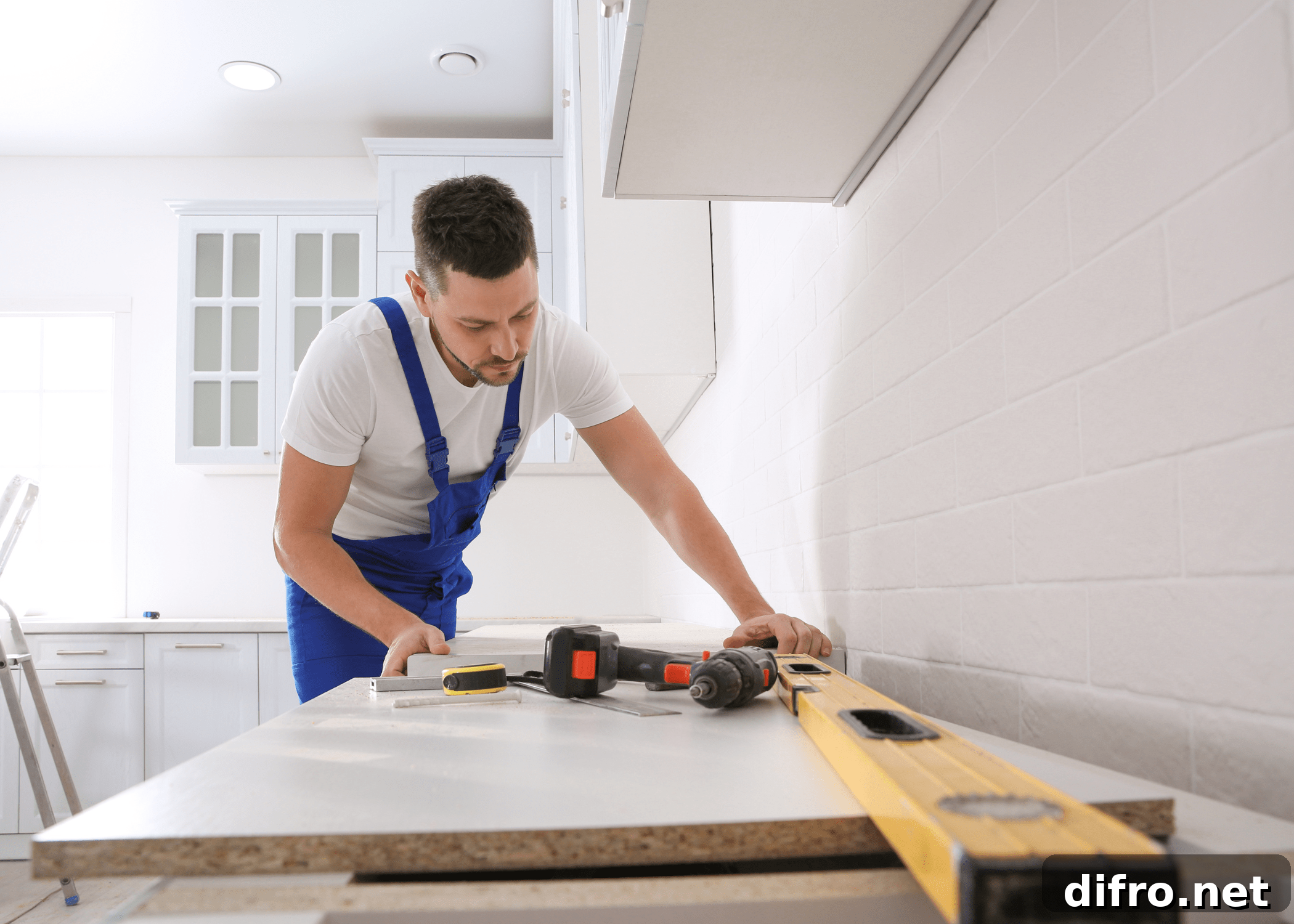
Proper installation and routine care will maximize laminate’s lifespan. Ensure cabinet bases are level and structurally sound before installing to prevent stress or uneven wear. Use high-quality adhesives and allow appropriate overhangs to protect cabinet edges from water intrusion.
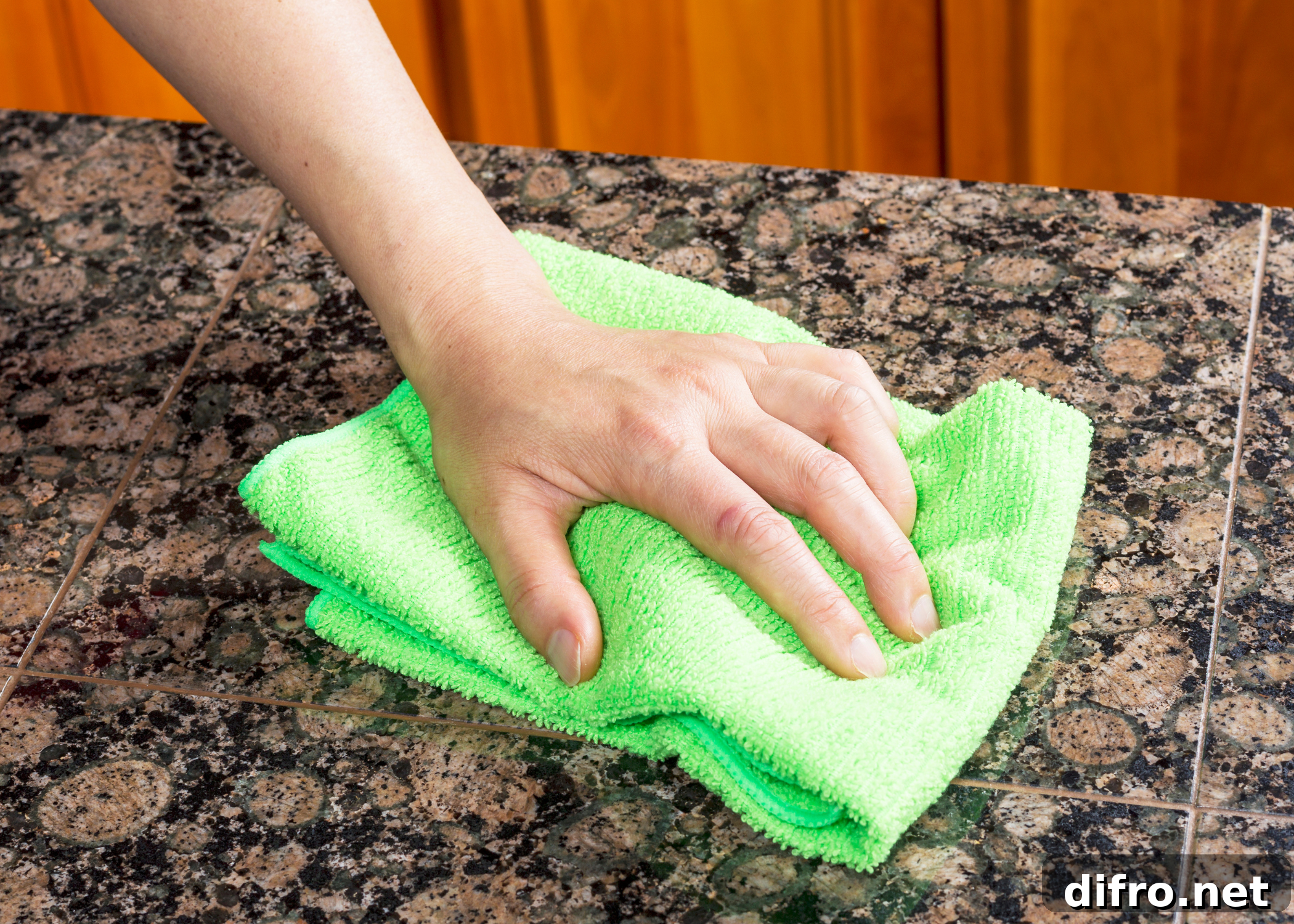
For everyday maintenance, wipe surfaces with a soft cloth and mild detergent. Avoid abrasive cleaners and scouring pads that can scratch or dull the finish. For stubborn marks, a gentle paste of baking soda and water applied with a soft cloth often works well. Protect laminate from high heat by using trivets or hot pads, and always use cutting boards to prevent direct knife contact.
Comparing Laminate with Other Countertop Materials
While granite, quartz, and marble remain popular for their natural beauty and durability, laminate offers distinct advantages: lower cost, lighter weight, and greater ease of customization. Unlike porous natural stones that may require periodic sealing, laminate is non-porous and simple to clean.
Laminate’s improved scratch and stain resistance make it a competitive alternative for homeowners who prioritize affordability and design flexibility. For kitchens and bathrooms where budget and style must coexist, laminate is often a practical compromise.
Related Articles
- Retro Kitchen Decor – Timeless Designs That Are Making a Comeback
- Kitchen Design Rules You Should Never Break
- 12 Stunning Kitchens with Black Countertops
Frequently Asked Questions (FAQs)
What are laminate countertops?
Laminate countertops are constructed from layers of resin-impregnated paper bonded to a particleboard or plywood core to create a continuous surface. This method yields an affordable, versatile countertop option.
Why are laminate countertops making a comeback?
They’re returning due to improved aesthetics, better durability, and cost savings. Modern laminates can closely mimic natural materials while offering an expanded palette of colors and patterns, making them suitable for a variety of design styles.
Are laminate countertops durable?
Modern laminates are more durable than older generations: they resist stains and everyday wear well. However, they can be damaged by excessive heat or sharp impacts, so using trivets and cutting boards remains important.
How do I maintain laminate countertops?
Maintenance is straightforward—clean with a soft cloth and mild detergent, avoid abrasive pads, and gently treat tough stains with baking soda paste. Protect the surface from heat and direct knife contact.
Can laminate countertops be repaired if damaged?
Minor scratches and chips can often be addressed with repair kits or color-matched fillers. For more extensive damage, replacing a damaged section is sometimes possible without replacing the entire countertop.
How cost-effective are laminate countertops compared to other materials?
Laminate is among the most budget-friendly countertop options, with lower material and installation costs than granite, marble, or engineered stone, making it attractive for many renovation projects.
Can laminate countertops contribute to a home’s resale value?
While they may not raise resale value as much as high-end stone, well-chosen and well-maintained laminate surfaces can still appeal to buyers, especially in budget-focused markets or properties where cost and functionality matter.
Ready to update your space? Subscribe to interior design newsletters and resources to stay informed about trends, tips, and practical ideas that make remodeling easier and more affordable.