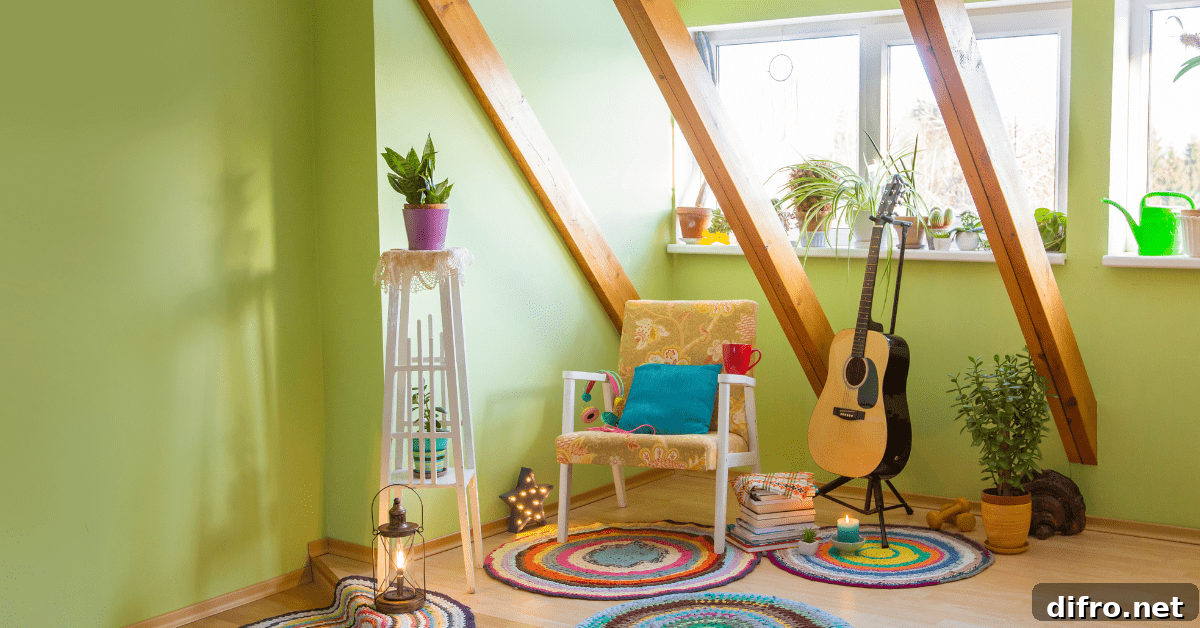
When a designer enters a home for the first time, certain details immediately stand out. That initial scan is more than aesthetic; it reveals how the space functions, the homeowner’s habits, and the personality of the interior. Strong first impressions in home design are created by how well elements like lighting, layout, and finishes communicate style, comfort and purpose.
Designers use that first impression to imagine possibilities: subtle updates, layout changes, or style refinements that will improve both form and function. Their trained eye quickly spots opportunities to enhance flow, balance, and visual cohesion throughout a residence.
1. Room Lighting
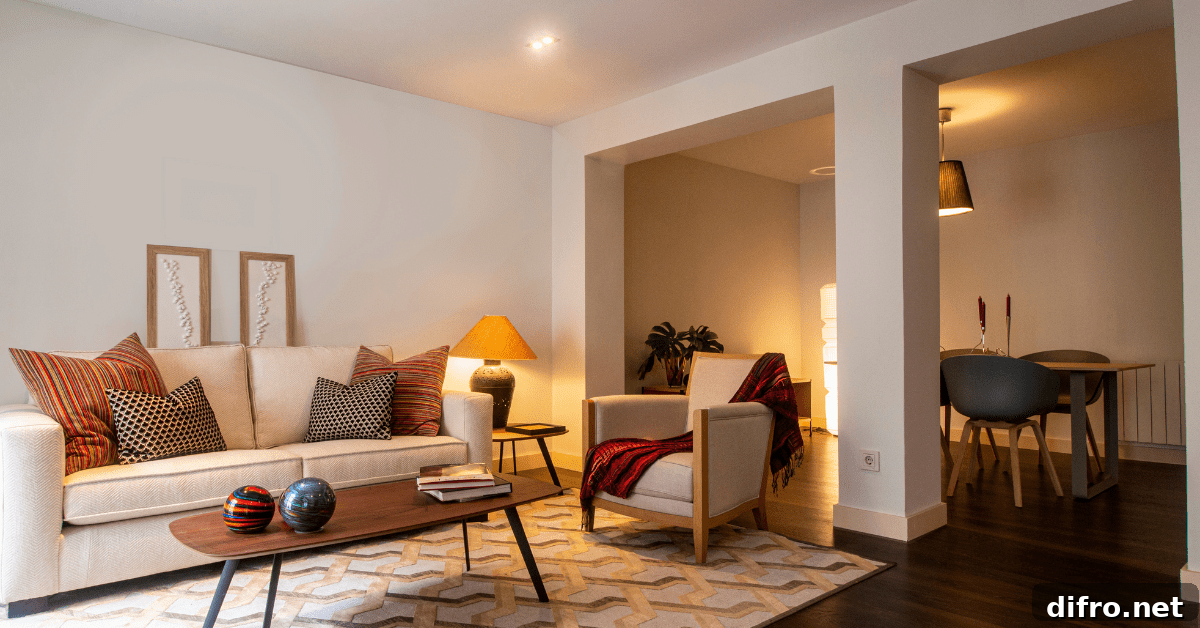
Lighting defines mood and scale. Designers evaluate the quality and direction of natural light, the warmth of artificial fixtures, and how light works with color and texture. Good lighting highlights architectural details, showcases art, and makes spaces feel larger and more inviting. Conversely, poor or mismatched lighting can flatten a room and undermine otherwise strong design choices.
2. Room Layout
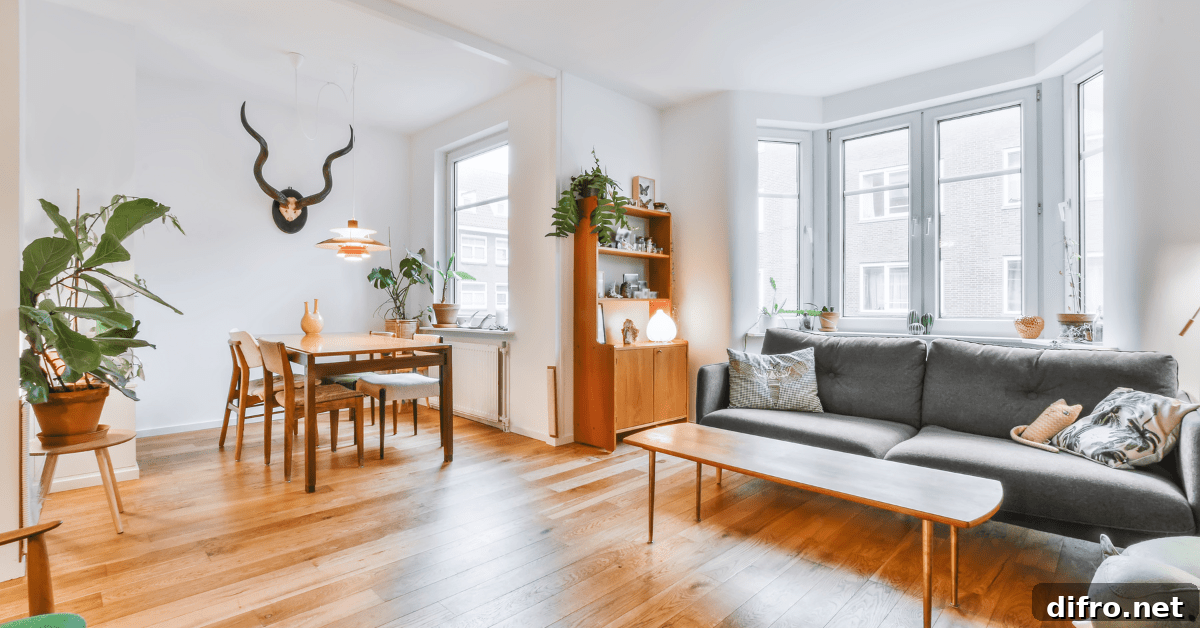
Layout impacts how a space is used. Designers quickly assess circulation paths, furniture groupings, and sightlines to determine whether a room supports everyday living or needs reconfiguration. A well-planned layout balances practicality with aesthetics, allowing rooms to feel open yet purposeful.
3. Sofas Against Walls
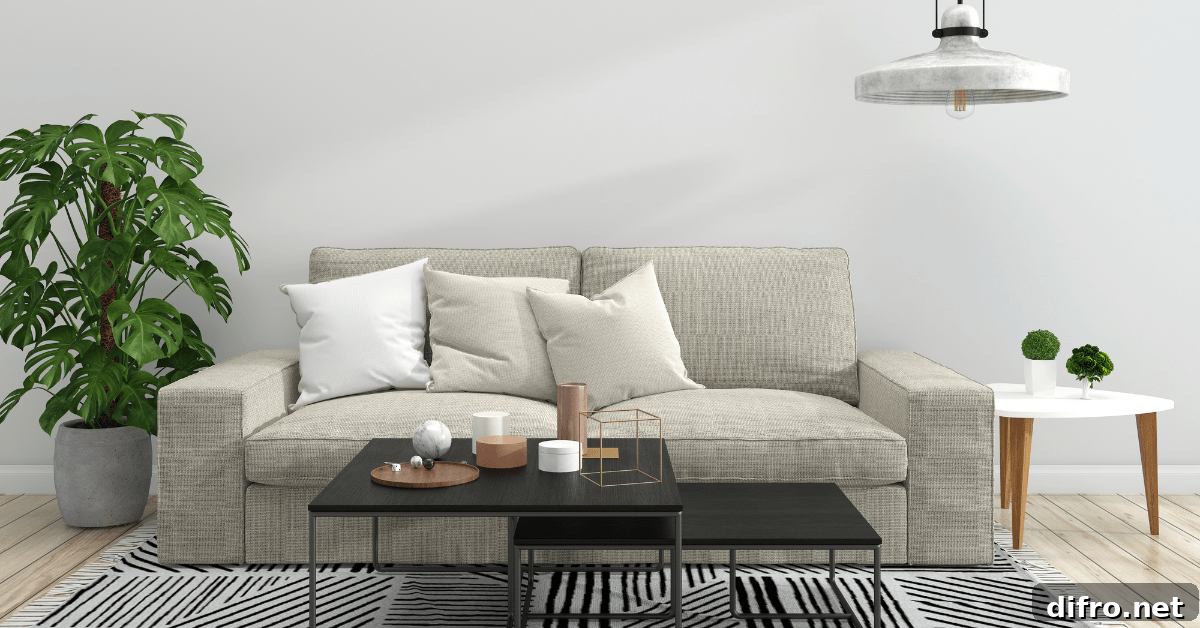
Sofas pushed flat against walls are common but not always ideal. Designers often prefer seating pulled slightly away from walls to create conversation areas and better proportion. Moving sofas can make a living room feel cozier and more intentional, improving both comfort and social interaction.
4. Use of Flowers as Decor
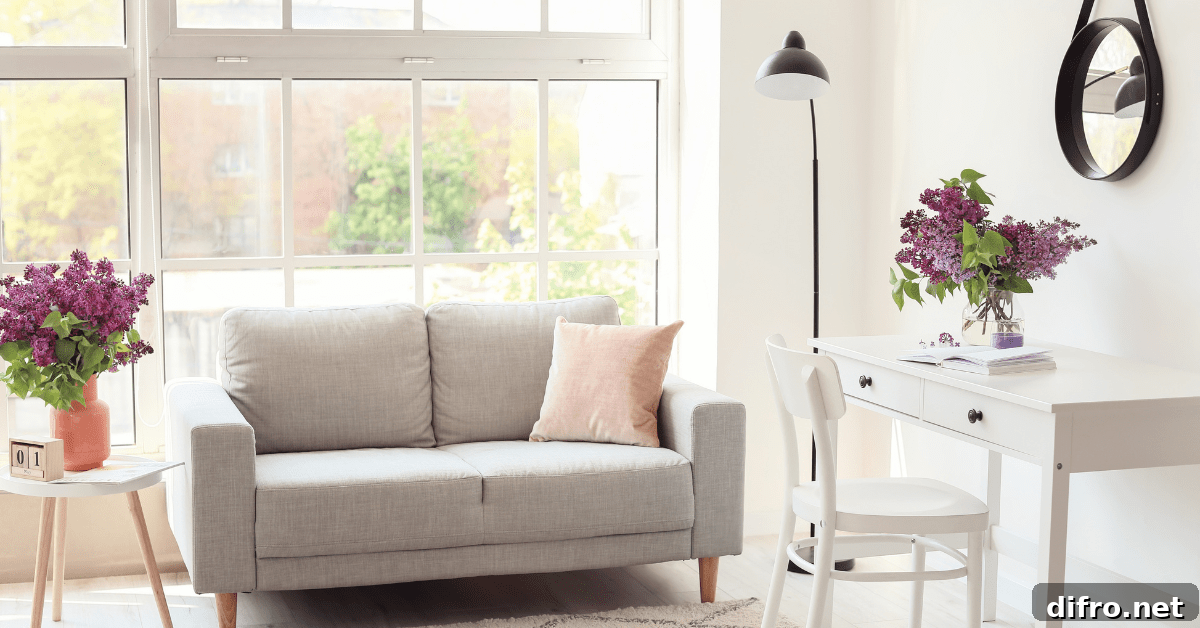
Flowers and plants bring life into interiors. Whether fresh or artificial, they add color, texture, and seasonal interest. Designers note how greenery is arranged—whether it complements the color palette and scale of the room or appears as an afterthought. Thoughtful botanical accents can soften lines and connect interior spaces to the outdoors.
5. Number of Pillows on Couch
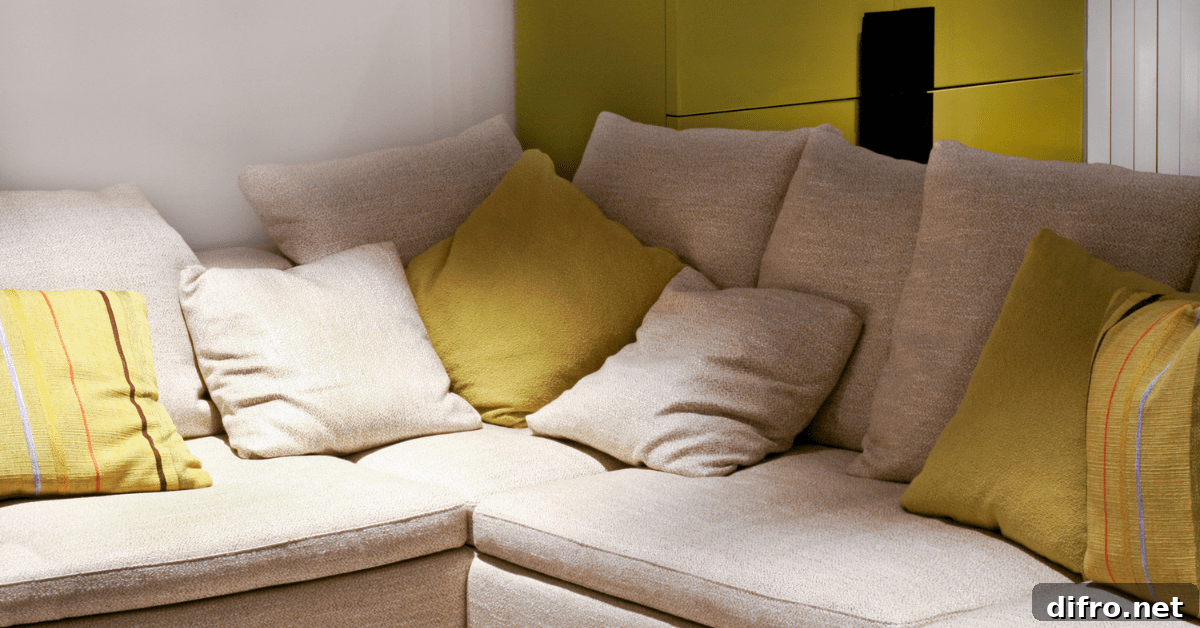
Pillows are small but powerful styling tools. Designers look for balanced combinations of size, shape, pattern, and texture that enhance comfort without overwhelming the sofa. The right number of pillows creates depth and invites use; too many can clutter the visual field and reduce practicality.
6. Overuse of Small Decor Pieces
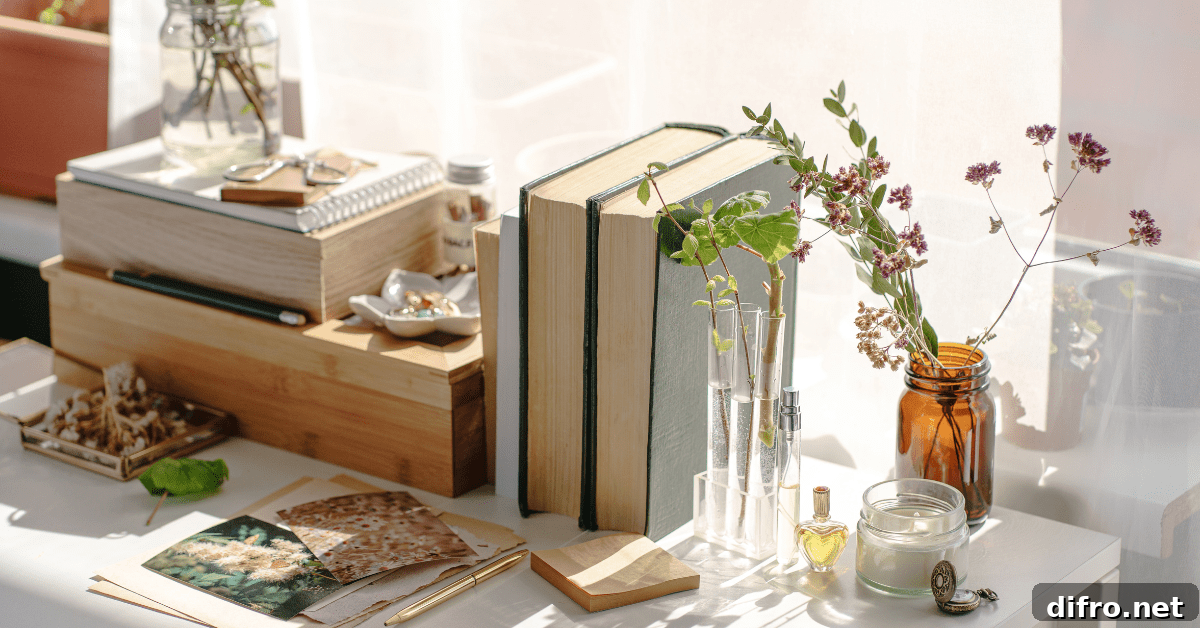
Too many small accessories can make a space feel cluttered. Effective design relies on a thoughtful mix of large and small pieces to create focal points and rhythm. Designers often recommend editing collections down to a few meaningful items that provide impact and a clearer visual story.
7. Shelves Arrangement
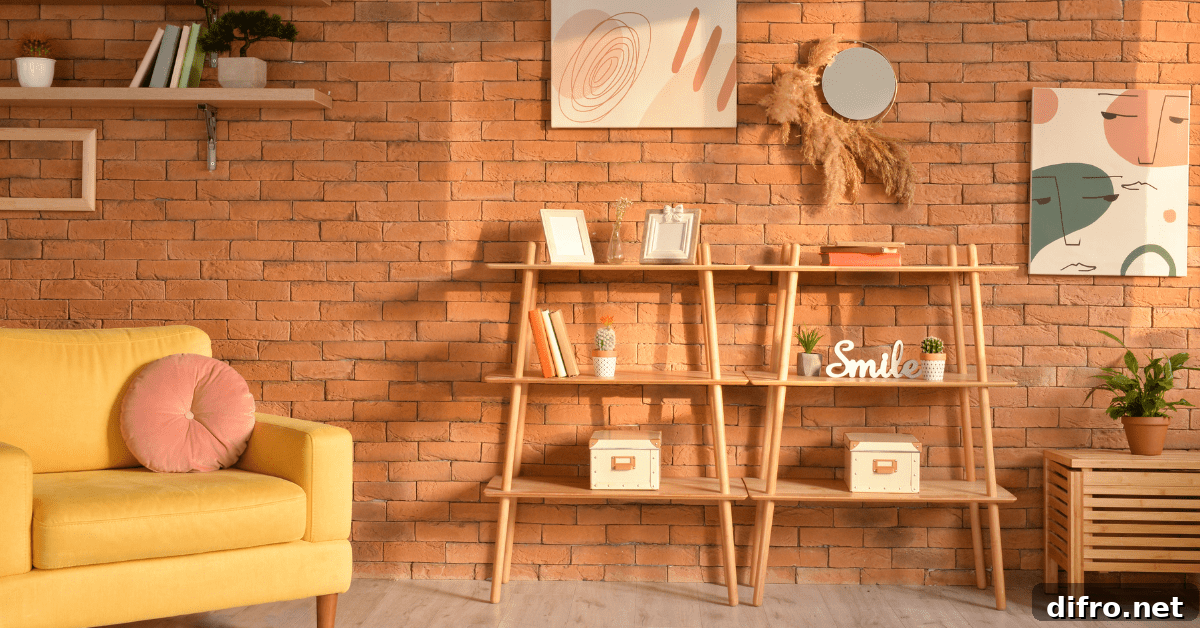
Shelves are a chance to curate personality. Designers pay attention to how books, art objects, and personal items are grouped, using scale, color, and negative space to create cohesive arrangements. Well-styled shelves balance utility with aesthetics, turning storage into an attractive display.
8. Smell of the Home
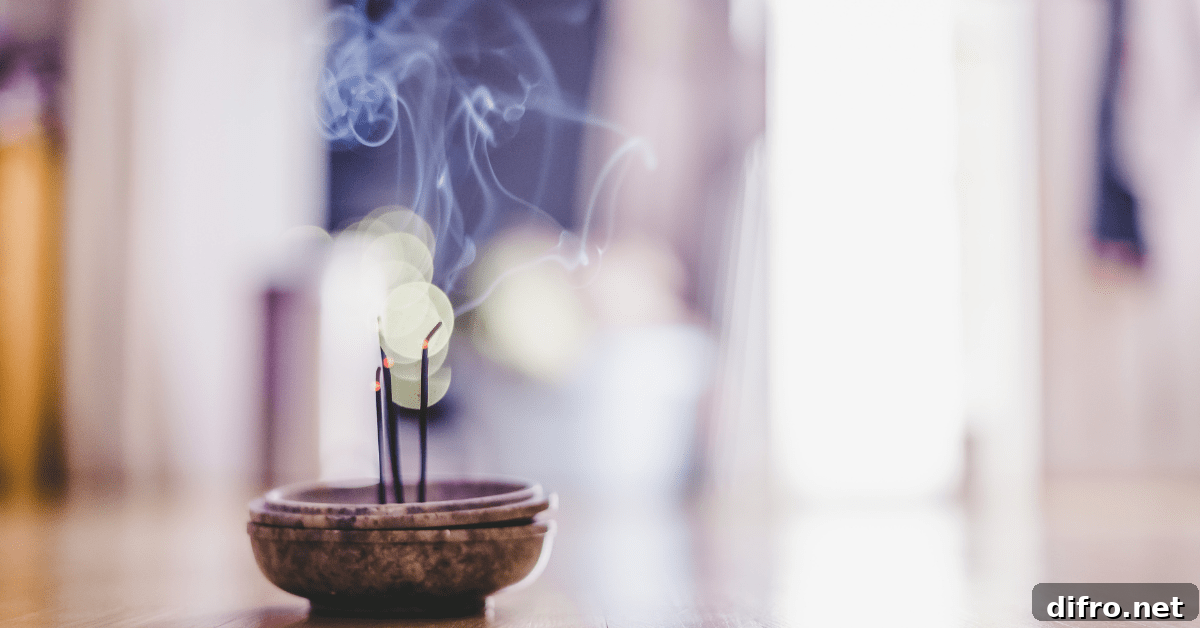
Fragrance shapes first impressions as much as visuals. A clean, pleasant scent suggests care and hospitality, while unwanted odors distract from design strengths. Designers note whether scents are subtle and complementary to the space—like fresh flowers or light citrus—or overpowering, which can undermine the atmosphere.
9. Curtain Length
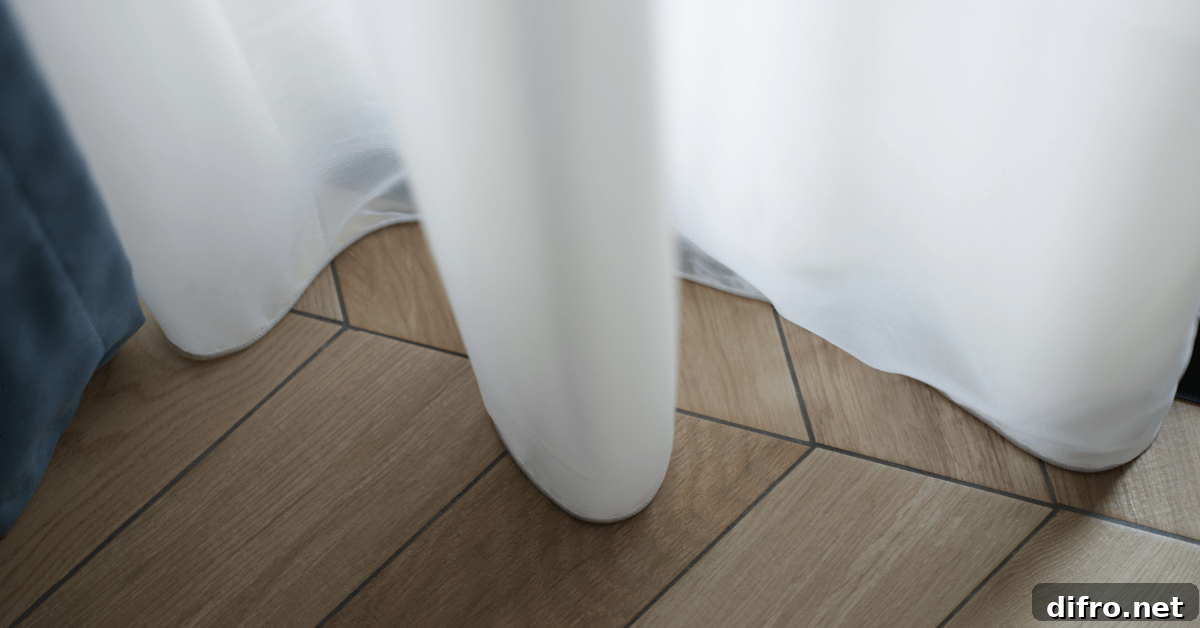
Curtains influence proportion and style. The correct length and hanging height can make ceilings appear taller and windows more elegant. Designers consider how curtains pool, skim the floor, or float above it, choosing treatments that suit the room’s formality and function.
10. Furniture Placement
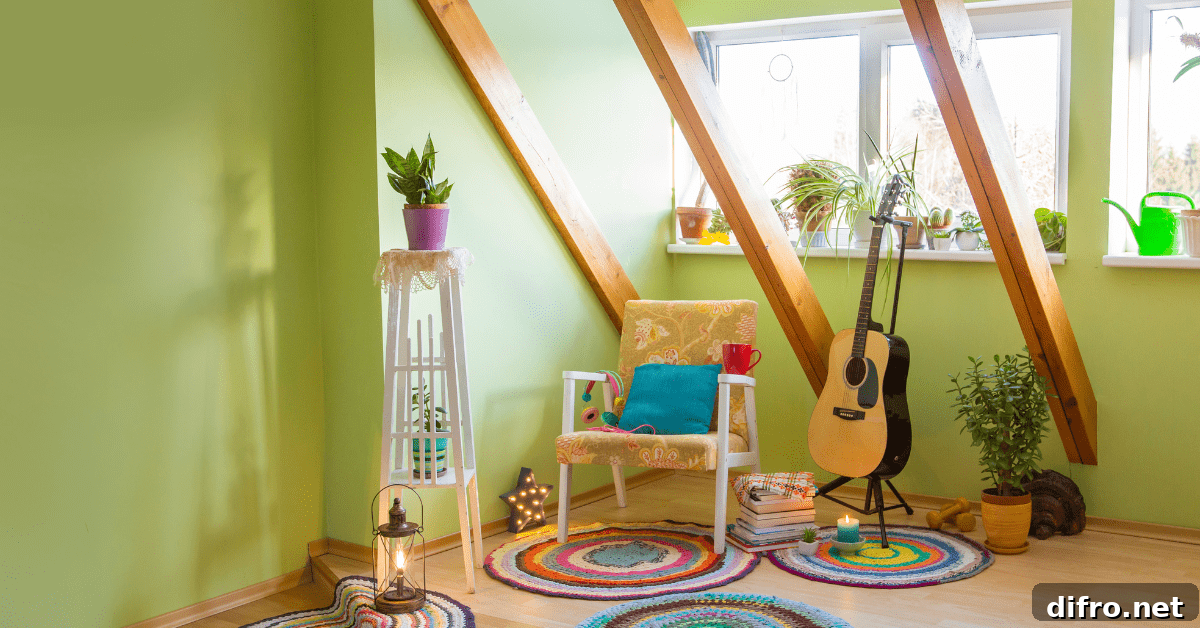
Overall furniture placement determines a room’s functionality and comfort. Designers assess balance, scale, and how pieces relate to traffic patterns. Proper placement creates zones for living, dining, and relaxation while preventing rooms from feeling overcrowded or disconnected.
Related Articles:
- 30+ Kitchen Pendant Lights To Complete Your Kitchen
- Curtains For a Stylish Living Room: Ideas and Inspirations
- 50 Bathroom Lighting Ideas to Brighten Your Space
Experienced designers combine these observations to form a holistic view of a home. They think in terms of layers—light, texture, color, scale, and function—assembling elements so rooms feel cohesive and intentional. Small changes informed by that first impression often yield dramatic improvements in comfort and visual harmony.
Ready to refine your space? Sign up for design tips, decor trends, and practical ideas to help turn your house into the home you want.