
When it comes to home décor, the choice between drapes and curtains is a key decision that shapes both the look and function of a room. Both are window treatments that enhance privacy, control light, and contribute to a room’s style, but they differ in material, construction, and purpose. Understanding those differences will help you select the best option for each space in your home.
This guide explains how drapes and curtains vary in fabric, lining, light control, privacy, maintenance, and styling so you can choose confidently whether you want formal elegance, casual comfort, or a layered solution that brings the best of both worlds.
Understanding Drapes
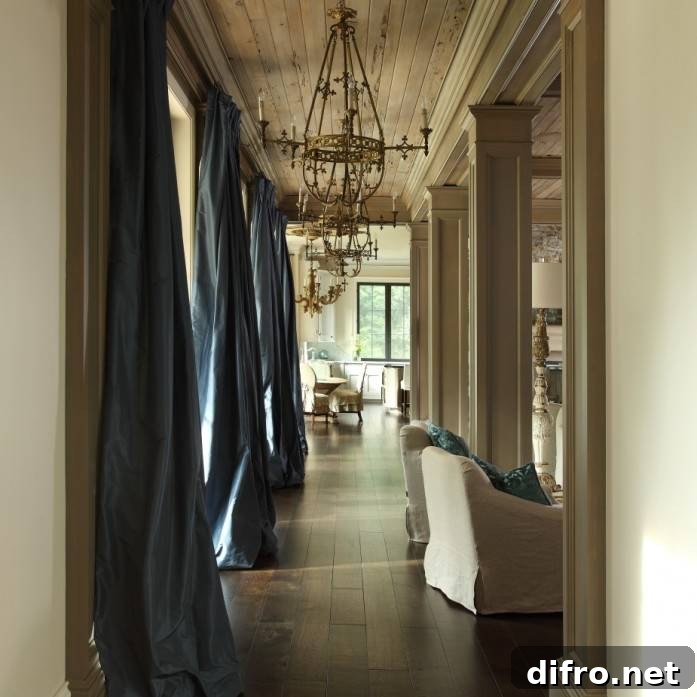
Drapes are typically made from heavier, more substantial fabrics. Materials like velvet, silk, heavy linen, and brocade give drapes a luxurious appearance and practical benefits: they insulate, block more light, and improve privacy. Drapes are often fully lined, which boosts their ability to darken a room and protects the decorative fabric from sun damage—helping color and texture last longer.
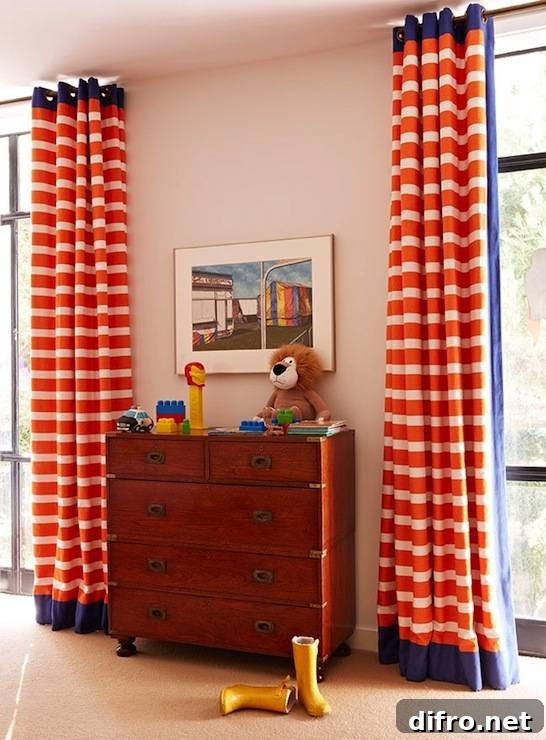
Their formal appearance makes drapes a popular choice for living rooms, dining rooms, and bedrooms where you might want a polished look. Drapes are often custom-fitted by length and fullness, and they can be tailored to match a room’s decor—whether you want floor-grazing drama or a clean, tailored finish.
Exploring Curtains
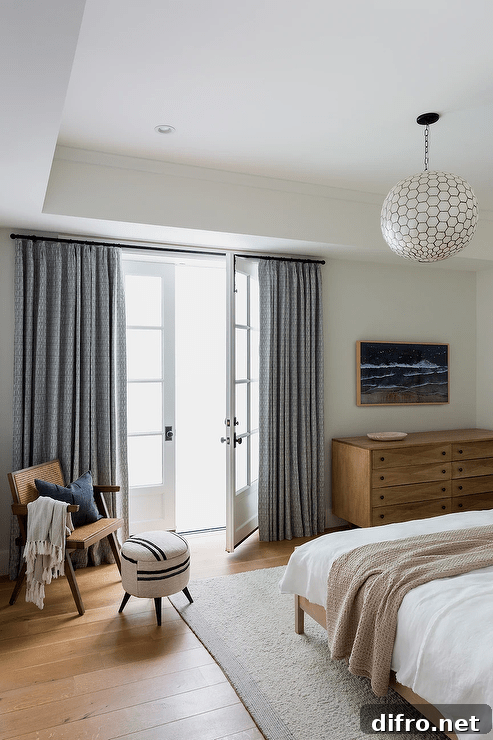
Curtains tend to be lighter and more versatile in both material and style. They are available in sheer fabrics like voile or lace for a breezy, light-filtering effect, as well as in cotton, linen blends, and lighter velvets for greater opacity. Curtains can provide privacy and visual interest without the weight of drapes, making them ideal for living rooms, kitchens, and casual bedrooms.
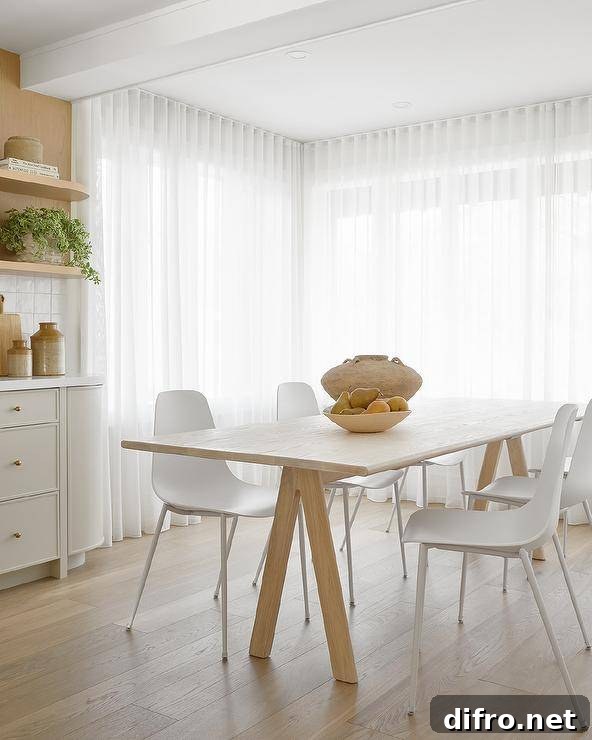
Curtains offer many hanging styles—rod pockets, grommets, tab tops, or rings—so they work in a wide range of interiors, from minimal and modern to cozy and traditional. They’re also easier to swap out seasonally or when updating décor, which makes them a flexible, budget-friendly option.
Fabric Choices and Their Impact
Fabric is one of the most important differentiators between drapes and curtains. Drapes commonly use heavier textiles—velvet, silk, and dense woven blends—that create richness and provide insulation and light-blocking performance. These fabrics are well suited for rooms where you want to control sunlight and temperature, such as bedrooms or formal spaces.
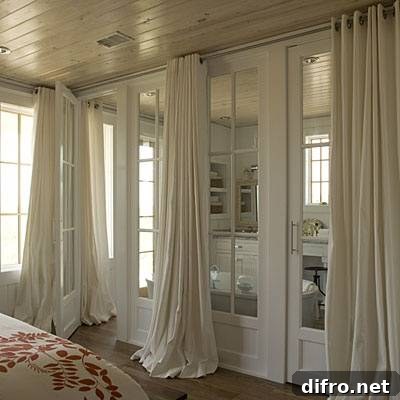
Curtains typically use lighter materials—sheers, cottons, linens—that invite natural light while offering pattern, color, and texture. Lighter fabrics are easier to wash and maintain, and they let a room feel open and airy. Choose fabric based on the room’s function, maintenance needs, and the lighting effect you want to achieve.
Light Control and Privacy
Consider how much light and privacy you need. Curtains made from sheer or lightweight fabrics filter daylight, producing a soft glow that’s perfect for common areas where you want natural light but reduced glare. When more privacy is required, heavier curtains or layered treatments (sheer plus an opaque panel) work well.
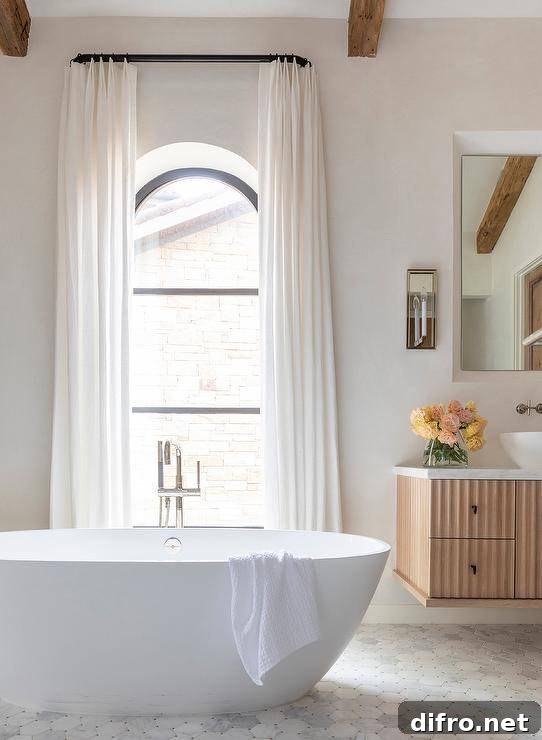
Drapes with linings offer superior blackout capability and insulation—useful in bedrooms, media rooms, or any space where you want to darken the room or reduce heat loss. The right lining and full-length drapery can significantly improve comfort and energy efficiency.
Aesthetic Appeal
Drapes convey formality and depth. Their heavier textures and richer patterns can anchor a room and create a cohesive, high-end look. Curtains are more relaxed and can brighten a space with light fabrics, prints, or color accents. Both can be used to complement furniture, wall color, and architectural details; the choice depends on the mood you want to create.
Care and Maintenance
Routine care extends the life of both drapes and curtains. Shake or dust them regularly, or vacuum with a soft brush attachment to remove dust and allergens. Many lighter curtains are machine-washable, which is convenient for high-use rooms. Drapes—especially those with heavy fabrics and linings—often require professional dry cleaning. Spot-clean stains carefully and always check care labels before cleaning.

Making the Right Choice
Choose drapes when you want elegance, strong light control, and improved insulation. Choose curtains for a lighter, airier look that lets natural light energize a room. You can also layer a sheer curtain with a heavier drape for the best of both: daytime light and privacy with the option to fully darken the room when needed.
Frequently Asked Questions (FAQs)
What is the primary difference between drapes and curtains?
Drapes are heavier and usually lined, designed for insulation and light blocking. Curtains are lighter, more decorative, and often used to filter light and add style rather than provide full blackout or insulation.
How do I choose between drapes and curtains for a living room?
Decide based on function and aesthetic: choose drapes for a formal look, more privacy, or better light control; choose curtains for an airy, casual feel that maximizes natural light.
Can drapes and curtains be used together?
Yes—layering sheers and heavier drapes is a common solution that combines style with flexible light control and privacy.
What should I consider when selecting fabric?
Consider the room’s purpose, the amount of sunlight, maintenance preferences, and the overall design scheme. Heavy fabrics give better blackout and insulation; lightweight fabrics are easier to wash and allow more natural light.
How do I measure for drapes or curtains?
Measure the window width and add 3–8 inches per side so fabric covers the window when closed. For length, decide whether you want sill-length, floor-length, or a pooled look, and measure from the rod or header to the desired endpoint.
Are there eco-friendly options?
Yes—look for curtains and drapes made from organic fibers or recycled materials, and choose durable, high-quality textiles that reduce replacement frequency.
Subscribe to a trusted interior design newsletter for tips and ideas to refresh your home—sign up through your preferred design source or retailer.